Naang Boots Articles
Anatomical Toe Boxes and Zero Drop: What New Research Suggests
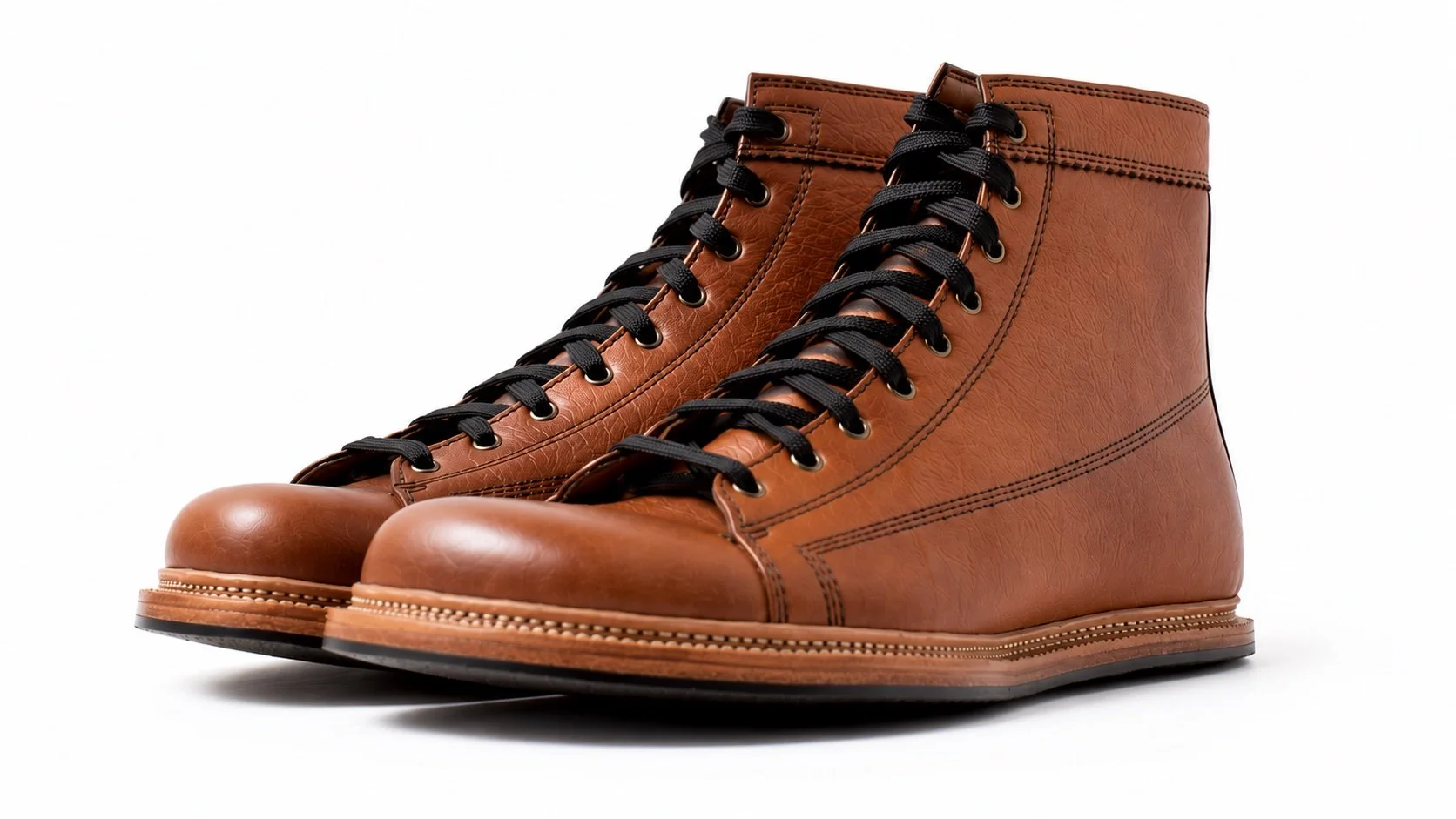
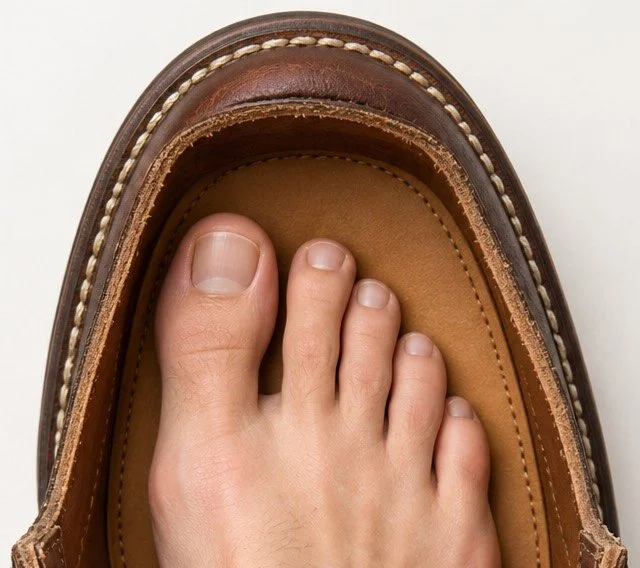
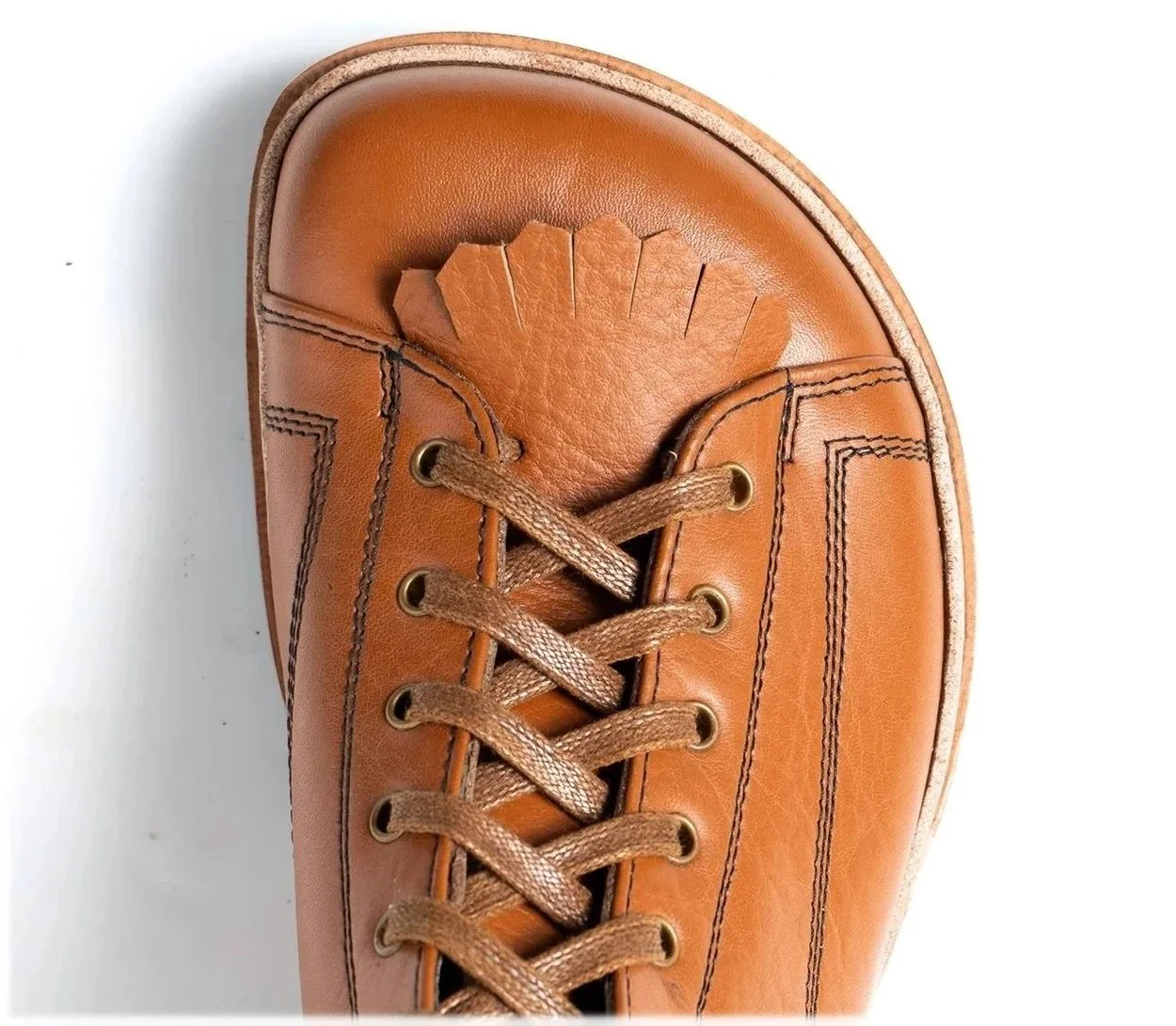
A recent study on minimalist footwear caught my attention because the shoes shared several features with Naang’s design philosophy, in particular with our anatomical zero-drop boots: room for toe splay, a level heel and forefoot, and flexible soles with minimal cushioning.
The researchers found changes in walking mechanics and muscle activity in older adults with a history of falls. Our thicker leather midsoles and rubber outsole construction differ from the shoes they tested, but the overlap is worth examining. Be warned, this is gonna be a nerdy one. I’m gonna dive deep into what the research suggests and how it relates to the boots we build.
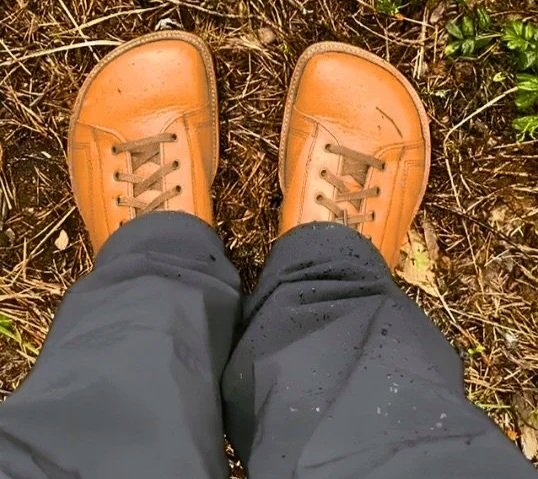
Boots Should Fit Your Feet: The Case for Anatomical Design
There’s always new research coming out about foot anatomy and footwear, and I try to keep up with it as part of my job designing Naang Boots. And to be clear, no single paper is going to give us all the answers; that’s why I have to read just about all of them.
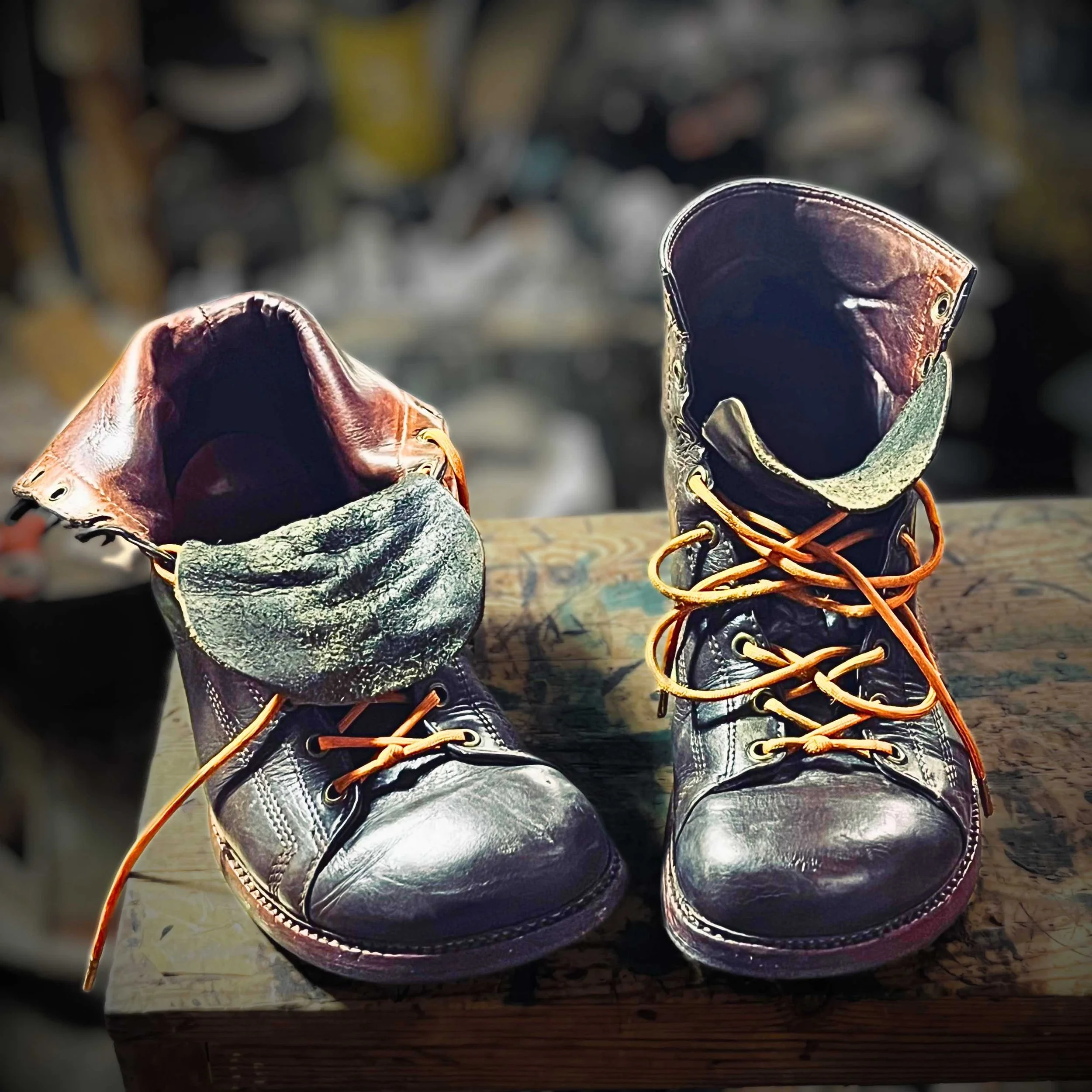
What Makes a Boot Rebuildable?
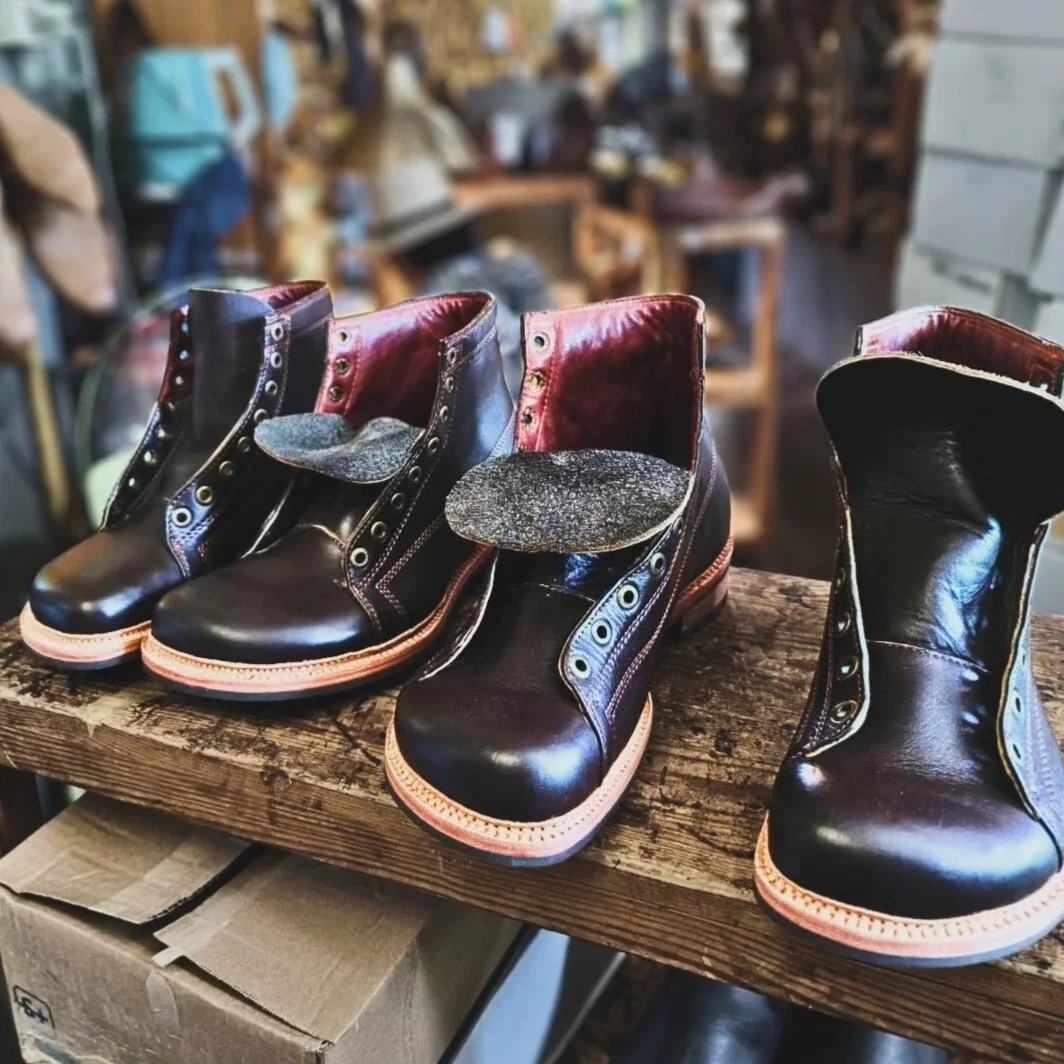
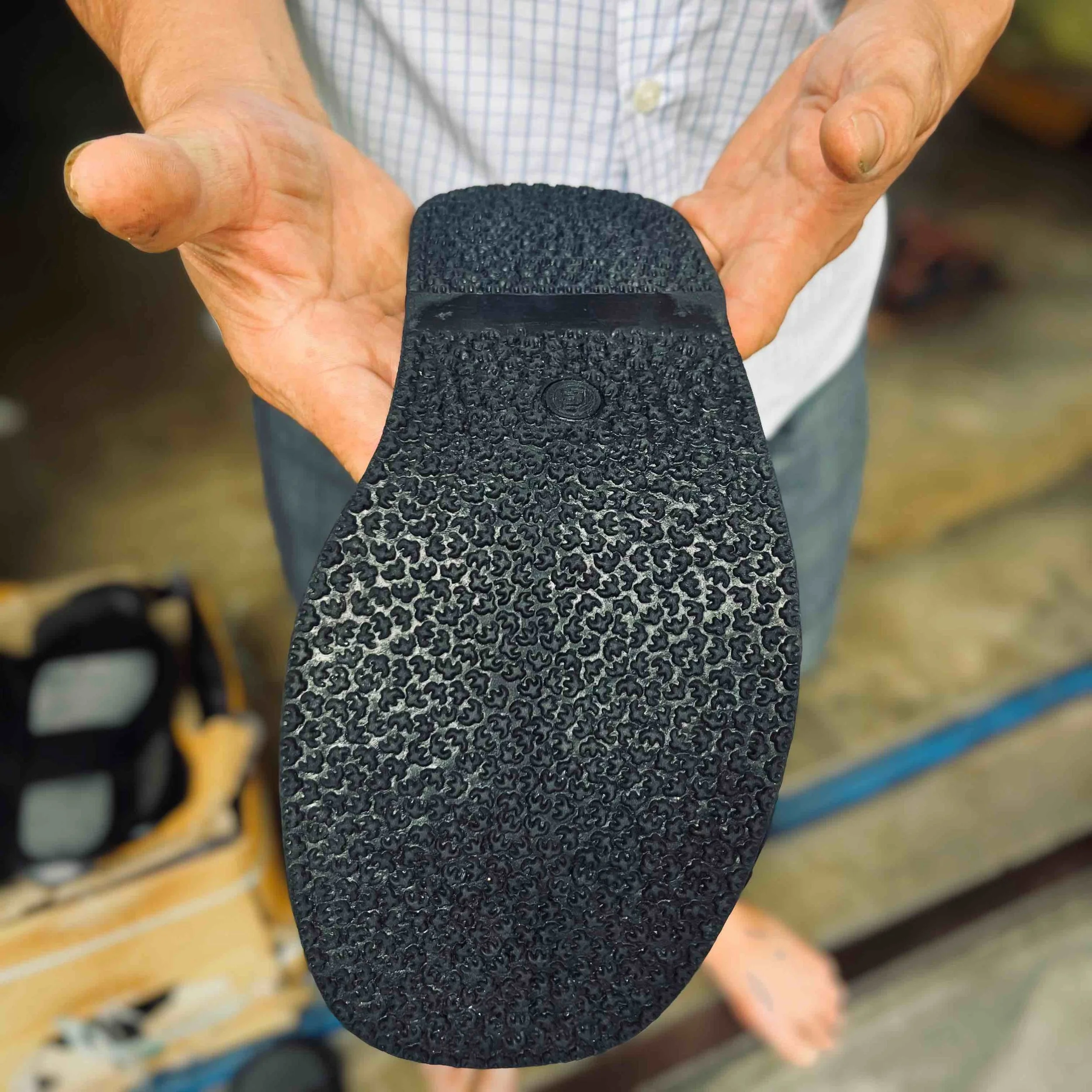
Most of us know that a good pair of boots can be resoled. But some heritage boots can go a step further. Rebuildable boots can be taken apart so worn or damaged components beyond the outsole can be replaced, keeping the parts that still have life in them.
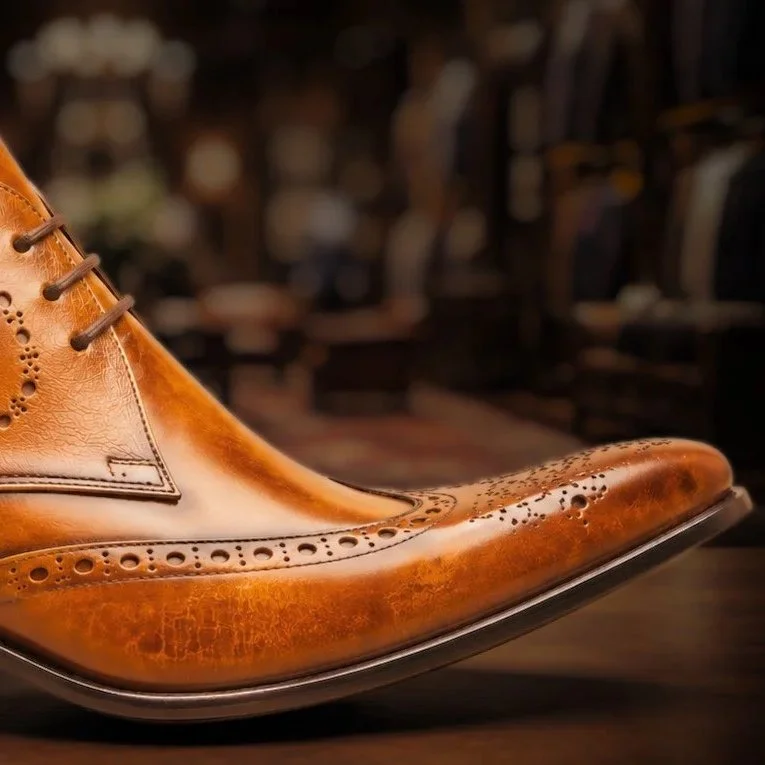
Why Do Boots Have Toe Spring? What It Is and Why It Matters
Boots have toe spring to help the foot and boot roll forward through each step while reducing the chance of the toe catching or dragging on the ground. Toe spring is the slight upward curve at the front of a boot, and it becomes especially important in boots with thicker, stiffer, or more structured soles.
As you walk, that upward curve helps the boot transition from the forefoot forward to the toe, instead of forcing the entire sole to bend sharply with every step. In a well-designed boot, toe spring works with your natural gait to make the boot easier and more comfortable to walk in.
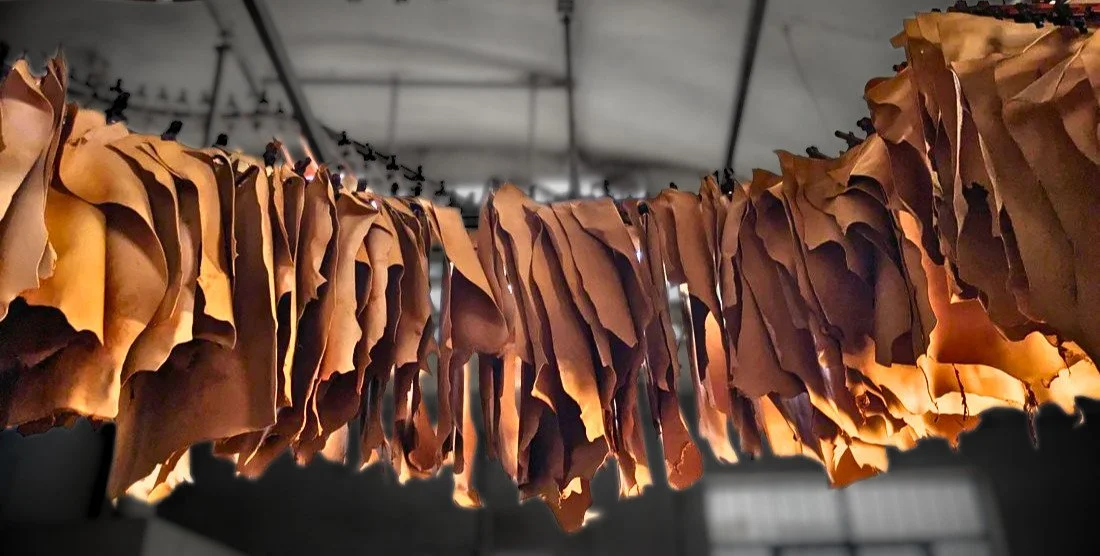
Chrome Tan Leather vs Veg Tan Leather: What’s the Difference?
Chrome tan leather and vegetable tanned leather are made from the same raw material, animal hides, but they are transformed using two very different tanning processes.
Vegetable tanning uses natural tannins derived from plants, bark, and roots, while chrome tanning uses chromium salts developed through modern industrial tanning methods. These different processes affect everything from how the leather feels and ages to how it handles moisture, flexibility, and daily wear.
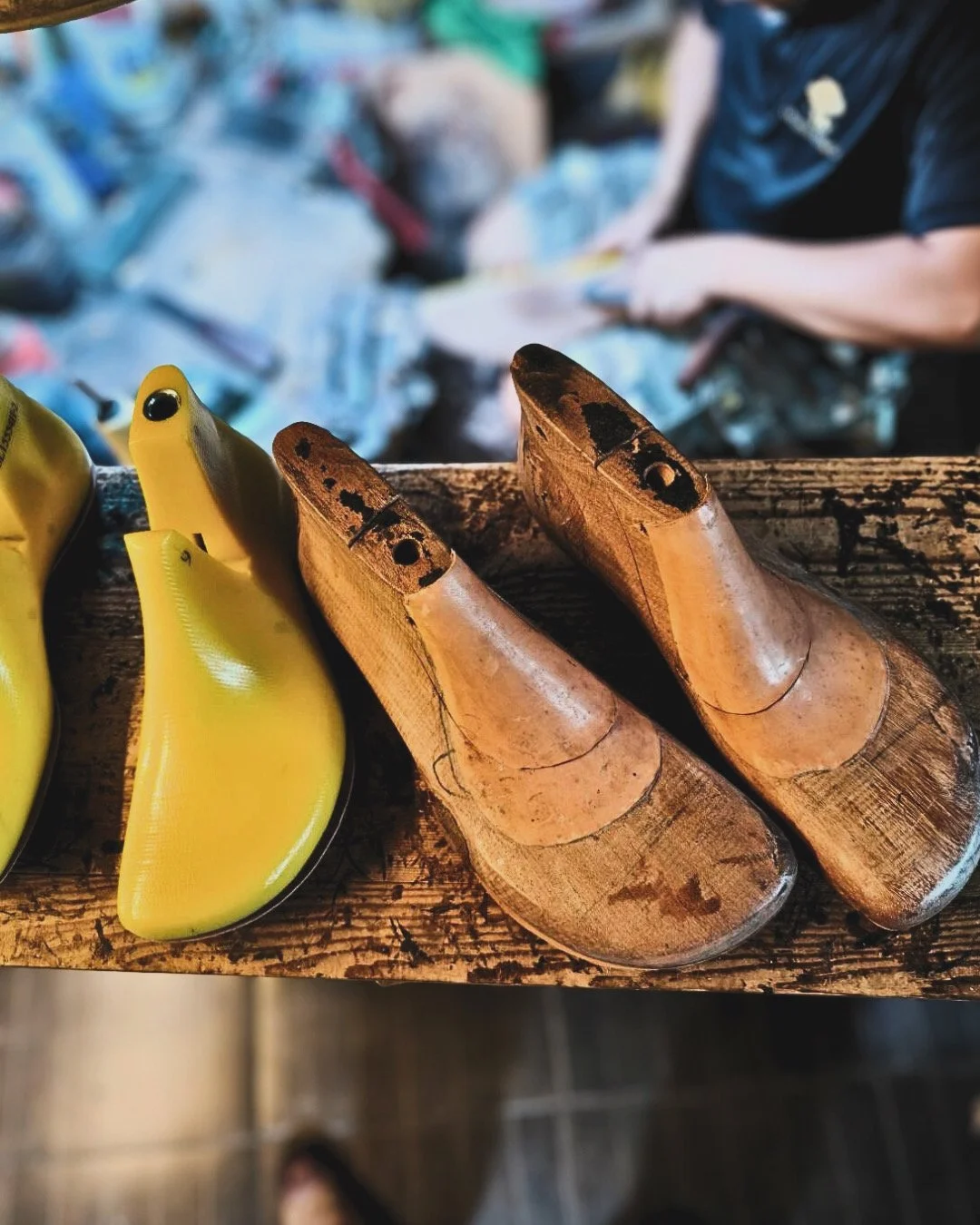
What Is a Boot Last?
A boot last is a foot-shaped form used by bootmakers to create the shape, fit, and structure of a boot. Every part of the boot is built around it. In simple terms, the last is the foundation upon which the entire boot is made.
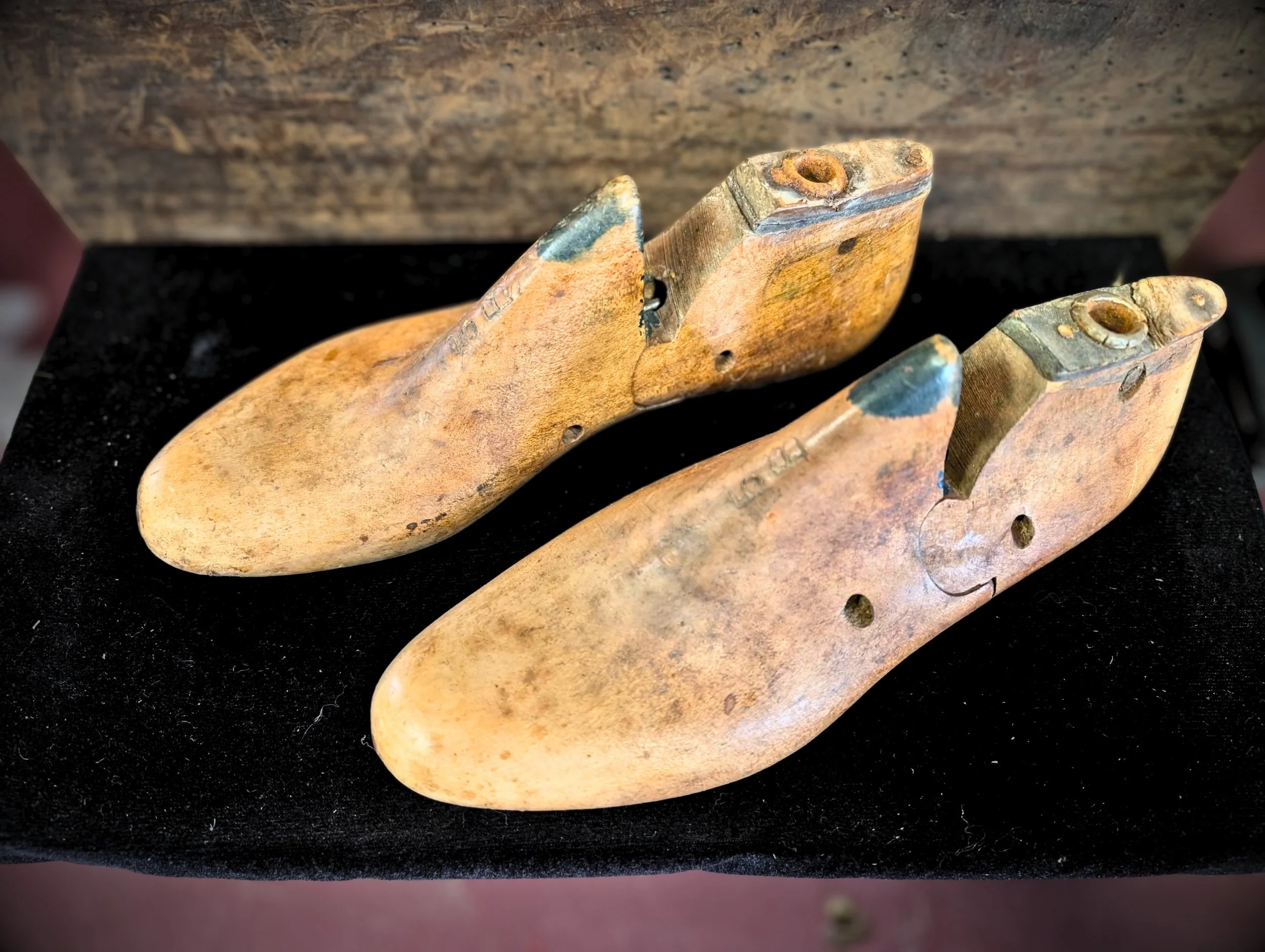
The Soldier’s Foot and the Military Shoe
The boots we wear today have one common thread. Whether you are on a bike, walking back alleys of a city, or deep in the back country, your footwear was influenced by the work of Edward Munson, specifically his 1912 book titled The Soldier’s Foot and the Military Shoe. His research changed everything.

Why Your Boot Lining Is Letting You Down
Stop staring at the paint job for a second. Most guys obsess over the leather grain or the sole. That’s fine. It’s what people see. But the lining is what you feel every single step.
If the inside is trash, your feet will pay the price. This is the truth about leather vs. fabric linings.