Wide Toe Box vs Anatomical Toe Box: What’s the Difference?

A wide toe box and an anatomical toe box are two very different things. A wide toe box simply gives your forefoot more space, but it may still taper toward the end. An anatomical toe box is designed to follow the natural shape of your foot. A wide toe box doesn’t necessarily mean it’s shaped like your foot, while an anatomical toe box places that extra room where your toes naturally need it.
Understanding that difference can make a huge impact on how your boots fit, feel, and perform over a long day on your feet. It can also help you see through some of the confusing marketing language that’s become common in the footwear industry.
In this article, we’ll break down what each term actually means, why they’re often confused, and why the shape of a toe box matters just as much as its width.
Shop Naang Boots
•
Shop Naang Boots •
What Is a Wide Toe Box?
A wide toe box is exactly what it sounds like. It’s a boot that’s been designed with more room across the front of the foot than a standard width. That extra space can make a big difference for people with naturally wide feet or anyone who feels cramped in a traditional boot.
In most cases, a wide toe box is simply about increasing the overall width of the forefoot. The bootmaker isn’t changing the shape of the last, they’re just making it wider. That means the front of the boot still tapers inward, only from a wider starting point.
If your foot is wider than average, a wide toe box can relieve pressure, improve comfort, and help prevent rubbing along the sides of your toes. But because the toe box still tapers toward the front, it may continue to limit your toes’ ability to spread into their natural position.
Width only tells you how much room there is. It doesn’t tell you where that room has been added or what shape the toe box actually has.
That’s where things start to get interesting.
Width Simply Means More Space
Think of it this way. If you took a traditional pointed boot and stretched it sideways, you’d end up with a wider version of the same shape. It has more room, but it still narrows toward the front.
That’s how most wide-width boots are designed.
The extra width can make a boot much more comfortable if you have wide feet. It gives your forefoot more room to breathe and reduces pressure along the sides of your foot. For a lot of people, that’s a massive improvement.
The key thing to understand is that the shape hasn’t changed. You’ve simply added more space to the same design.
Why Wide Toe Boxes Exist
Wide toe boxes exist because they solve a very real problem. Not everyone’s feet are the same width. Some people naturally have wider feet. Others need the extra room because of thick socks, swelling throughout the day, or simply because standard-width boots feel too tight.
If that’s you, a wider boot can make all the difference. It can reduce pressure, improve comfort, and turn a pair of boots that were once painful into a pair you actually enjoy wearing.
There’s nothing wrong with a wide toe box. In fact, if you have wide feet, it’s probably been your go-to solution for years. And it’s a good solution.
But I think we can do even better. Instead of simply making a traditional toe box wider, why not start with the natural shape of the human foot? That’s exactly what an anatomical toe box is designed to do.
Shop Our Anatomical Boots
•
Shop Our Anatomical Boots •
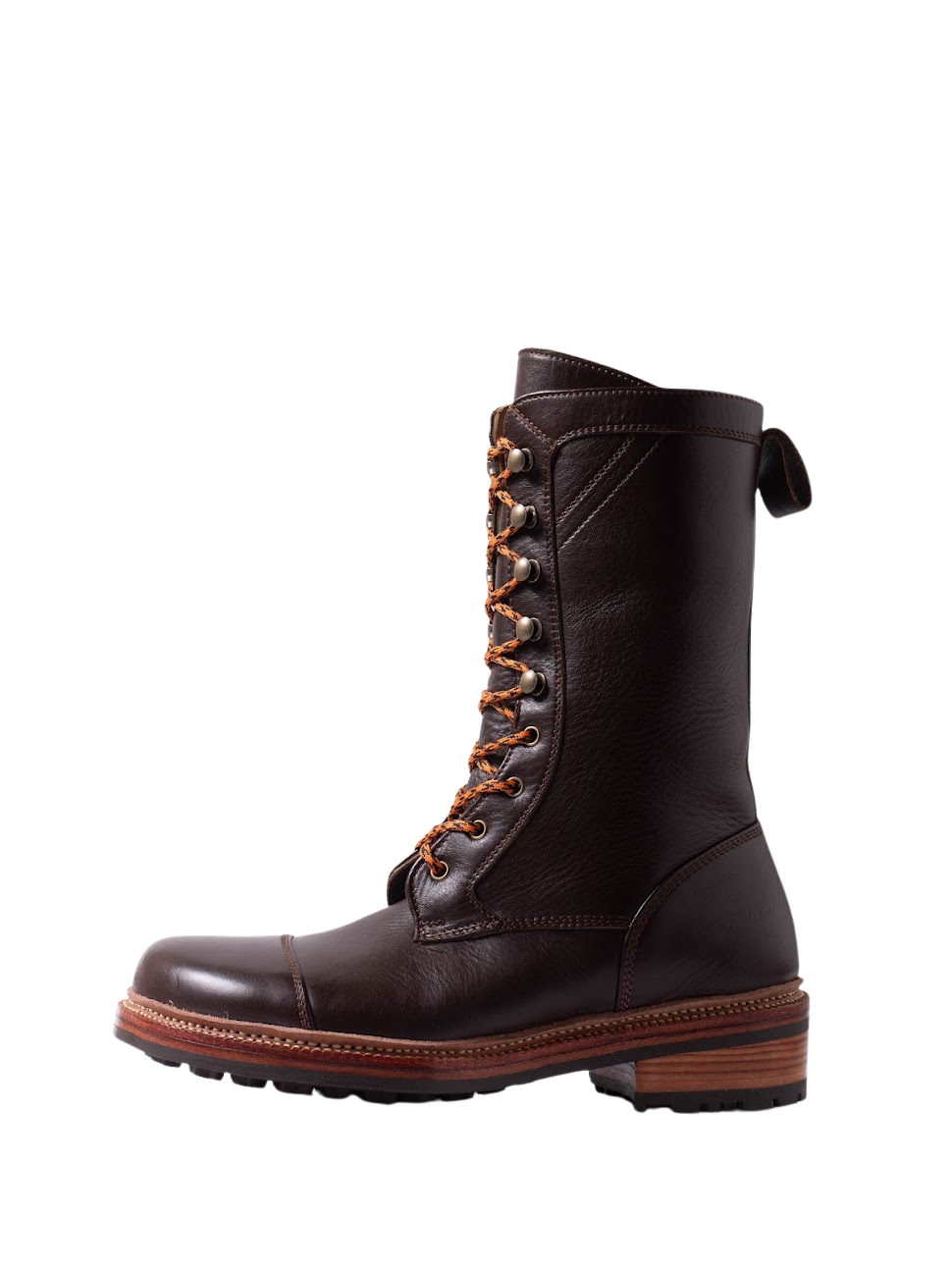
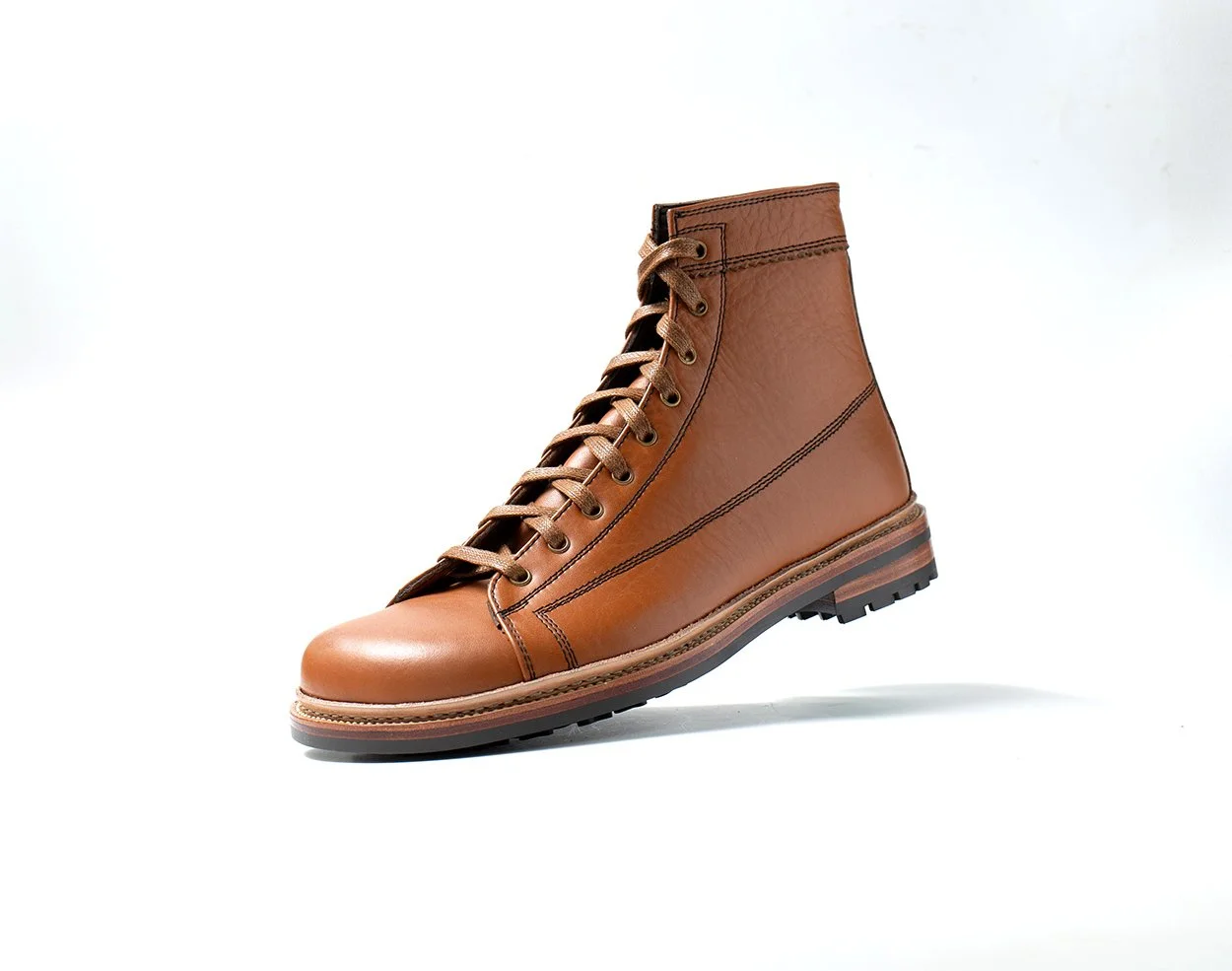
What Is an Anatomical Toe Box?
An anatomical toe box is designed to follow the natural shape of your foot instead of forcing your foot to fit the shape of the boot.
If you look down at your bare feet, you’ll notice something interesting. Your big toe is the longest point, and from there your toes gradually become shorter as they move toward your little toe. Your forefoot is naturally wider than the middle of your foot, giving your toes room to spread and move.
Most traditional boots don’t follow that shape. They taper toward the center, creating a more symmetrical toe box. An anatomical toe box does the opposite. It follows the natural outline of the foot, allowing your toes to sit in a position that’s much closer to how they were designed to function.
That’s the biggest difference. It’s not simply about making the front of the boot bigger. It’s about putting the space where your foot actually needs it.

Nang Boots Lasts Showing Our Signature Anatomical Toe Box
Designed Around the Shape of the Human Foot
The human foot isn’t symmetrical, so it doesn’t make much sense for a boot to be.
Your big toe sits on the inside of your foot and is usually the longest toe. From there, each toe gets progressively shorter toward your little toe. It’s a shape that’s unique to the human foot, yet it’s a shape many traditional boots ignore.
An anatomical toe box starts with that natural outline. Instead of tapering toward the middle, it follows the line of your big toe and gives the rest of your toes room to sit where they naturally want to be.
That doesn’t mean your toes are swimming around inside the boot. A well-designed anatomical toe box still holds your foot securely through the heel and midfoot. The difference is that once you get to the forefoot, your toes have the freedom to spread naturally instead of being pushed together.
It sounds like a small change, but it completely changes how the front of the boot feels. Instead of asking your foot to adapt to the boot, the boot adapts to the shape of your foot.
Shape Is Different From Width
It’s easy to assume that making a toe box wider automatically makes it more anatomical. But width and shape are two completely different things.
Imagine drawing a triangle on a piece of paper. Now make it 20% bigger. It’s still a triangle. You’ve changed its size, but not its shape.
The same idea applies to boots. You can make a traditional toe box wider, but if it still tapers toward the front, it’s still the same basic shape. Your toes have more room, but they’re still being guided toward the center of the boot.
An anatomical toe box takes a different approach. Instead of simply adding more space, it changes where that space exists. It follows the natural outline of your foot, giving your big toe room to stay aligned while allowing the rest of your toes to spread naturally. That natural spreading of the toes is known as toe splay, and it’s something a traditionally shaped toe box can often limit, even if it’s a wide toe box.
That’s the difference.
One is simply bigger, and the other is bigger with intent.
Why Wide Toe Boxes and Anatomical Toe Boxes Are Often Confused
It’s easy to see why these two terms get mixed up. Both describe boots that give your toes more room, and both are often marketed as being more comfortable.
To make things even more confusing, many brands use the terms interchangeably. I’ve even had conversations with bootmakers who use them interchangeably. They’re not trying to confuse anyone. It’s simply how they’ve always thought about these designs.
A boot might be described as having a wide toe box simply because it feels roomier than average, while another brand might call a very similar design anatomical. In reality, they aren’t describing the same thing.
On the surface, those ideas can sound almost identical. Once you understand the difference between width and shape, though, it becomes much easier to see why they’re not.
Marketing Has Blurred the Definitions
Some brands use wide toe box to describe any boot that feels roomier than average. Others use anatomical toe box for an equally roomy design. Some use both terms interchangeably. As a customer, it’s easy to assume they all mean the same thing.
To be fair, most of these companies aren’t trying to mislead anyone. They’re describing comfort, not necessarily the shape of the toe box.
The trouble is that more room doesn’t automatically mean a more anatomical shape.
That’s why it’s worth looking beyond the marketing and paying attention to the shape of the last itself. Once you know what to look for, the difference becomes surprisingly easy to spot.
More Width Doesn’t Necessarily Mean a Better Shape
Simply making a toe box wider doesn’t change where your toes want to sit. If the front of the boot still tapers toward the center, your toes are still being guided into that same shape. There’s just a little more room before they get there.
With an anatomical toe box, you’re slipping your foot into a boot that’s designed to match its actual shape. Your toes aren’t being pinched into a taper, and they have the freedom to spread as needed. That isn’t just more comfortable, it also allows your toes to perform the job they were designed to do.
That’s why width alone isn’t the whole story. The location of the space matters just as much as the amount of it.
Traditional Wide Toe Boxes vs Anatomical Toe Boxes
By now, the difference between a wide toe box and an anatomical toe box is probably becoming clear. Both give your toes more room than a traditional boot, but they go about it in very different ways.
A traditional wide toe box starts with the same basic design and simply makes it wider. An anatomical toe box starts with the shape of the human foot and builds the boot around it.
That might sound like a small difference, but it completely changes how the front of the boot fits and how your toes are able to move inside it.
Let’s take a closer look at what that means in practice.
How Traditional Wide Boots Create More Room
Traditional wide boots create more room by increasing the overall width of the last. Imagine taking a standard boot and stretching it slightly from side to side. The toe box becomes wider, giving your forefoot more space while keeping the same overall shape.
If you have wide feet, the extra room can make a huge difference in comfort compared to a standard-width boot.
The tradeoff is that the toe box still follows the same tapered design. It solves one problem by creating more space, but it doesn’t necessarily change the shape of that space. Your toes are still being gently corralled into the same tapered position.
How Anatomical Toe Boxes Create More Natural Space
An anatomical toe box takes a different approach. Instead of simply making the front of the boot wider, it reshapes the toe box to follow the outline of the human foot. The easiest way to think about it is that an anatomical toe box is intentionally asymmetrical, just like your feet are.
That means the extra space isn’t spread evenly across the front of the boot. It’s placed where your foot actually needs it. Your big toe can stay in line, your smaller toes have room to spread naturally, and the front of the boot works with the shape of your foot instead of pushing against it.
The result is a toe box that often feels more natural from the moment you put it on. Rather than forcing your toes into a tapered position, it allows them to rest much closer to the position they naturally take when you’re standing or walking barefoot.
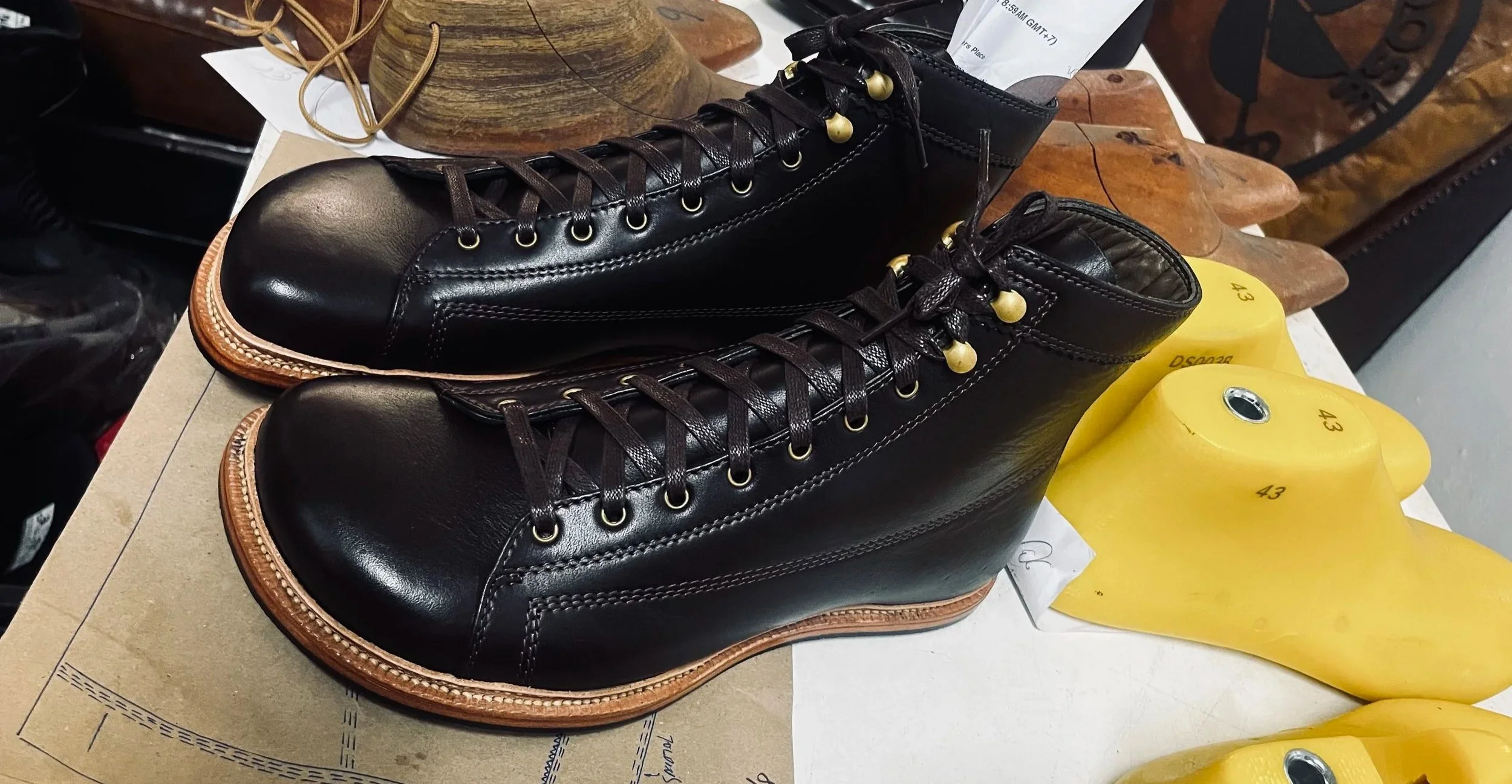
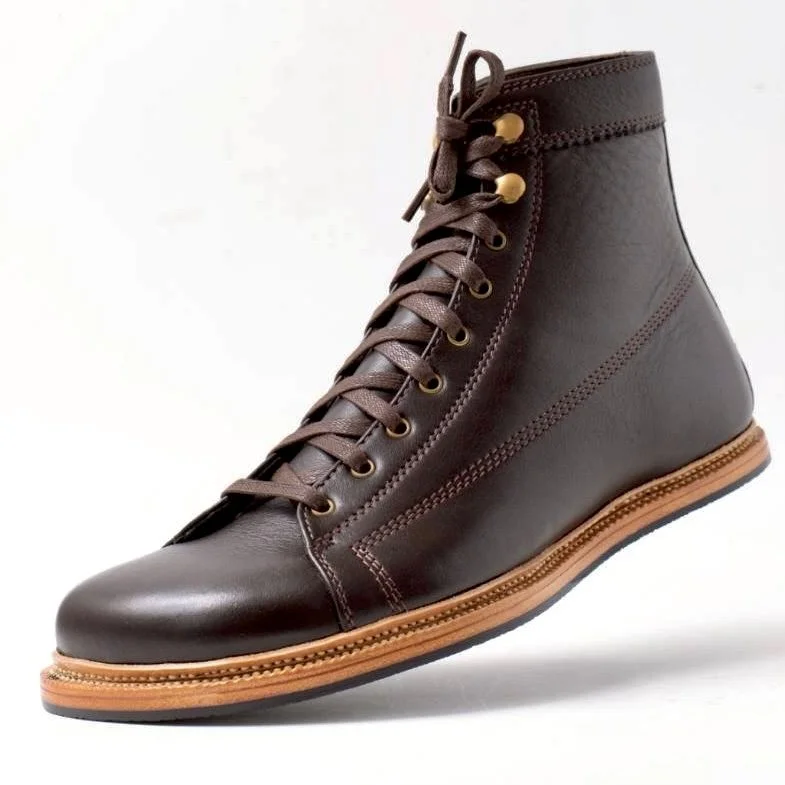
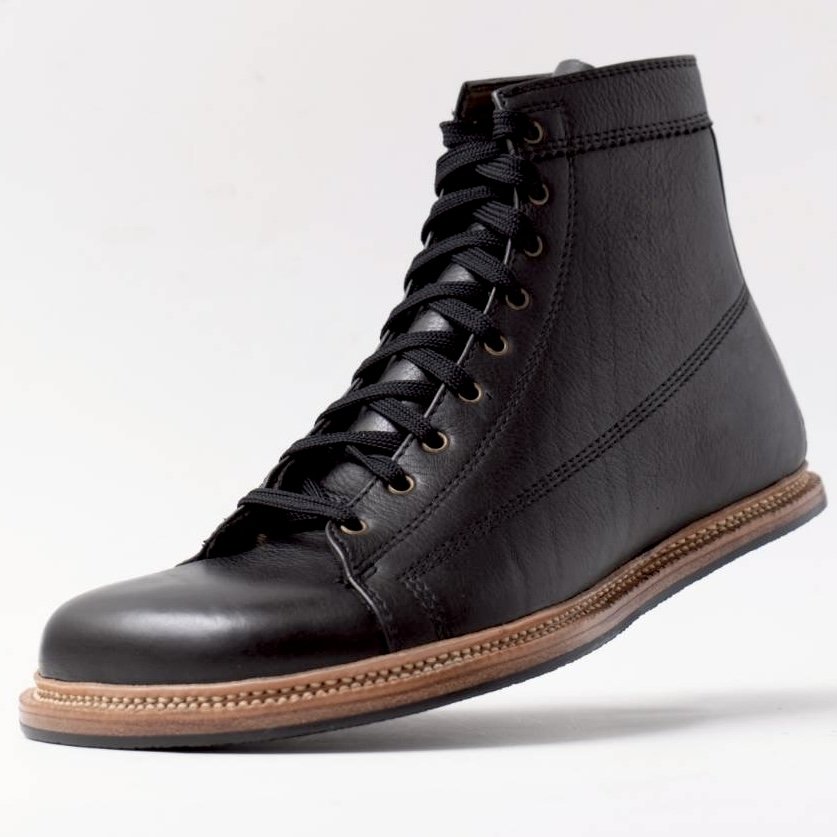
A Pair of Naang Boots Zero Drop Winnfields in Black. Highlighting their Anatomical Toe Box
Final Thoughts
Wide toe boxes and anatomical toe boxes aren’t competing ideas. They’re describing two completely different things.
A wide toe box is about creating more space. An anatomical toe box is about putting that space in the right places, so the shape of the boot matches your foot’s natural function.
If you have wide feet, a wide-width boot can make a huge difference in comfort. But if the toe box is still forcing your toes into a taper, you’re only solving part of the problem.
I believe the future of boot design is anatomical. Instead of asking our feet to adapt to the shape of a boot, we should be designing boots that adapt to the human foot.
At Naang Boots, that’s the philosophy we’ve chosen to follow. We believe great boots come from understanding how the human foot actually functions, then designing a boot that works with it instead of against it.
Shop Our Anatomical Boots
•
Shop Our Anatomical Boots •
Frequently Asked Questions
Is an anatomical toe box the same as a wide toe box?
No. A wide toe box and an anatomical toe box describe two different things.
A wide toe box simply provides more room across the front of the boot. An anatomical toe box is shaped to follow the natural outline of your foot, placing that extra space where your toes actually need it.
A boot can be wide without being anatomical, and an anatomical boot can also be made in different widths. Width and shape are two separate design features.
Can a boot be wide but not anatomical?
Yes they can. In fact, that’s how many wide-width boots are designed.
A traditional wide boot simply increases the width of the toe box while keeping the same basic shape. That extra room can make the boot much more comfortable for people with wide feet, but if the toe box still tapers toward the front, it isn’t anatomical.
The easiest way to think about it is this: width changes the size of the toe box. An anatomical design changes its shape.
Can an anatomical toe box be narrow?
Yes. An anatomical toe box describes the shape of the boot, not its width.
A boot can follow the natural outline of your foot while still being made in a standard width, a wide width, or even a narrow width. The key difference is that an anatomical toe box places the space where your toes naturally need it, regardless of the overall width of the boot.
That’s why width and shape should be thought of as two separate design features. One determines how much room you have, and the other determines where that room is located.
Which is better for hiking: a wide toe box or an anatomical toe box?
For most hikers, an anatomical toe box is the better place to start because it allows your toes to spread naturally and gives them room where they actually need it. That can make a noticeable difference in comfort over long distances.
That said, the width still has to match your foot. If you have naturally wide feet, you’ll likely need a wider anatomical toe box than someone with a narrow foot.
The goal isn’t simply to buy the widest boot you can find. It’s to find a boot that’s shaped like your foot and available in the width that fits you best.
Are anatomical toe boxes better for motorcycle boots?
In my opinion, yes. Long days on a motorcycle can leave your feet tired, swollen, and cramped inside your boots. An anatomical toe box gives your toes room to sit in a more natural position without forcing them into a taper for hours at a time.
That doesn’t mean motorcycle boots need to be oversized or sloppy fitting. A good riding boot should still hold your heel and midfoot securely. The difference is that your toes have room to move naturally instead of being squeezed together.
After spending thousands of kilometers riding in anatomical toe box boots, I wouldn’t want to go back to a traditional tapered toe box.
Do anatomical toe boxes look wider?
Sometimes, yes. Because an anatomical toe box follows the natural shape of your foot instead of tapering sharply toward the front, it can appear wider when viewed from above.
That doesn’t mean it looks bulky or oversized. A well-designed anatomical toe box simply has a different silhouette. Instead of narrowing to a point, it follows the natural asymmetry of the human foot.
Once you know what to look for, it’s surprisingly easy to spot the difference. Many people who wear anatomical toe box boots eventually find traditional tapered boots look unusually narrow by comparison.
Are barefoot shoes the only footwear with anatomical toe boxes?
No. Barefoot shoes helped introduce many people to anatomical toe boxes, but they’re not the only type of footwear that uses them.
An anatomical toe box is simply a design choice. It describes the shape of the front of the shoe or boot, not the thickness of the sole, the amount of cushioning, or the level of support.
You can have an anatomical toe box on a barefoot shoe, a hiking boot, a work boot, or a motorcycle boot. The shape of the toe box and the rest of the boot’s construction are two completely separate design decisions.
Do I need a wide toe box if I have average-width feet?
Not necessarily. If you have average-width feet, you may not need a wide-width boot at all. A lot of the time, comfort comes down to the shape of the last rather than simply making the boot wider.
What you may benefit from is an anatomical toe box. Because it follows the natural shape of your foot, it allows your toes to sit and move more naturally without adding unnecessary width to the rest of the boot.
The best-fitting boot isn’t always the widest one. It’s the one that’s the right width for your foot and shaped to let your toes function naturally.

All Boots Are Made-To-Order. Current Lead Time: 60-90 Days.
Not sure about your size? Check out our Sizing Guide.
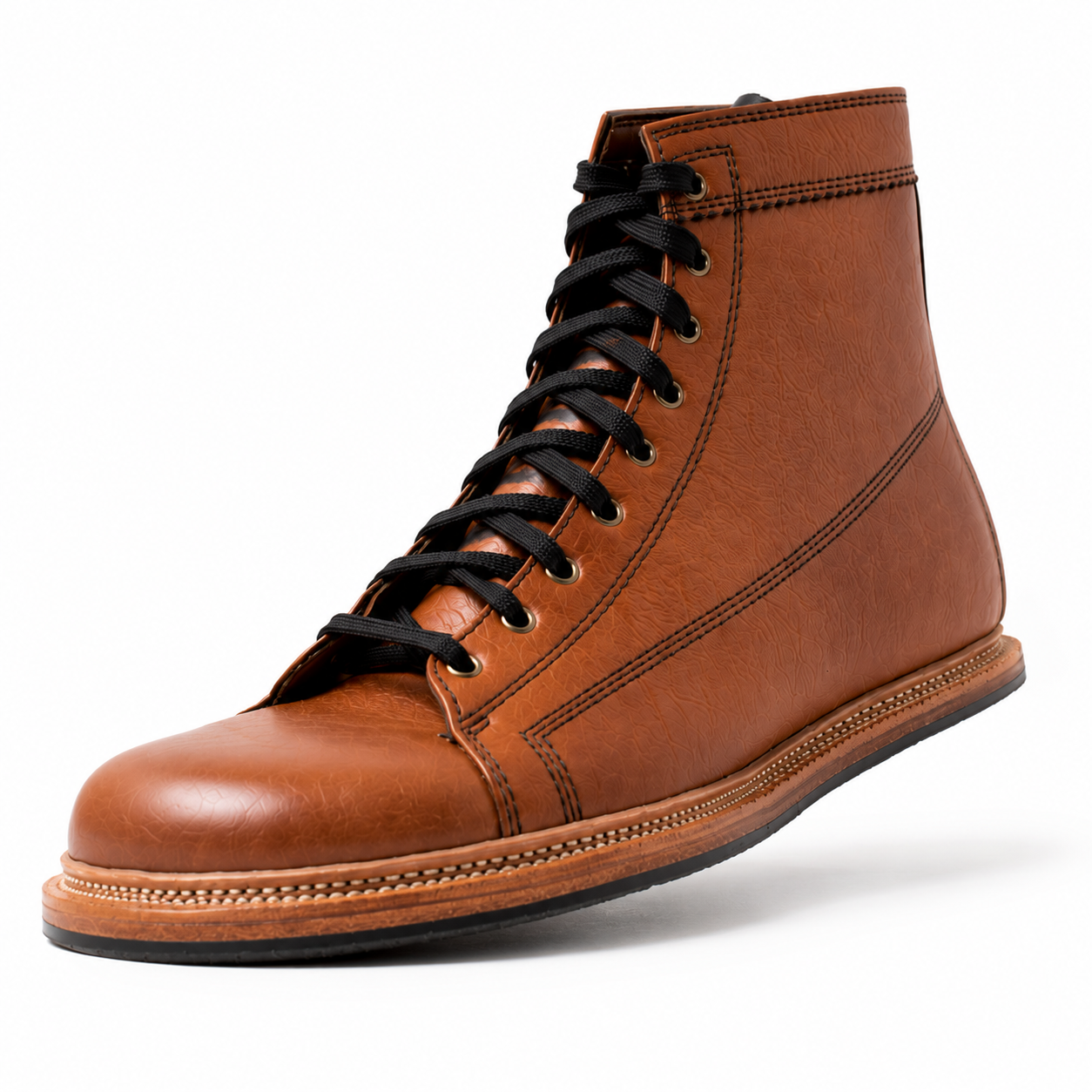
The Winnfield is built to walk the earth.
City streets. Back alleys. Remote trails. Foothills that don’t forgive mistakes.
Wherever you go, it keeps moving.
Construction: 360° Hand-Welted
Lace-to-Toe
Shaft Height: 6 inches
Last: Anatomical Zero Drop
Our Anatomical Last is very wide, if you feel your foot is exceptionally wide please indicate so on the form that pops up after you add the boots to your cart, we will get in touch to make sure that your boots are wide enough for your feet. We got you!
Leather: 2.5-3.5mm Full Grain
Full Leather Liner
Outsole: Naang Flat Rubber Super Grip
Built on our Anatomical Natural Toe Box last, the Winnfield follows your foot’s true shape.
Not the other way around.
Lace-to-toe construction, lets you fine-tune the fit, helping limit hot spots, pressure, and other foot problems mile after mile
Your toes can spread. Your stride stays strong. Comfort holds, mile after mile.
Every pair is hand-welted with a full 360° storm welt.
Not for looks. Not for marketing. For durability.
It seals out the elements and locks the upper to the sole the way it should be done. Built to take abuse. Built to last.
Inside, a leather shank adds structure where you need it, while letting the forefoot move the way it should.
Stable step after step. Solid under load. Comfortable through long days on your feet.
This is not a delicate boot.
It’s a tool.
The Winnfield is made to walk the earth.
Worldwide Shipping Available.