Boots for Leg Length Discrepancy (LLD)
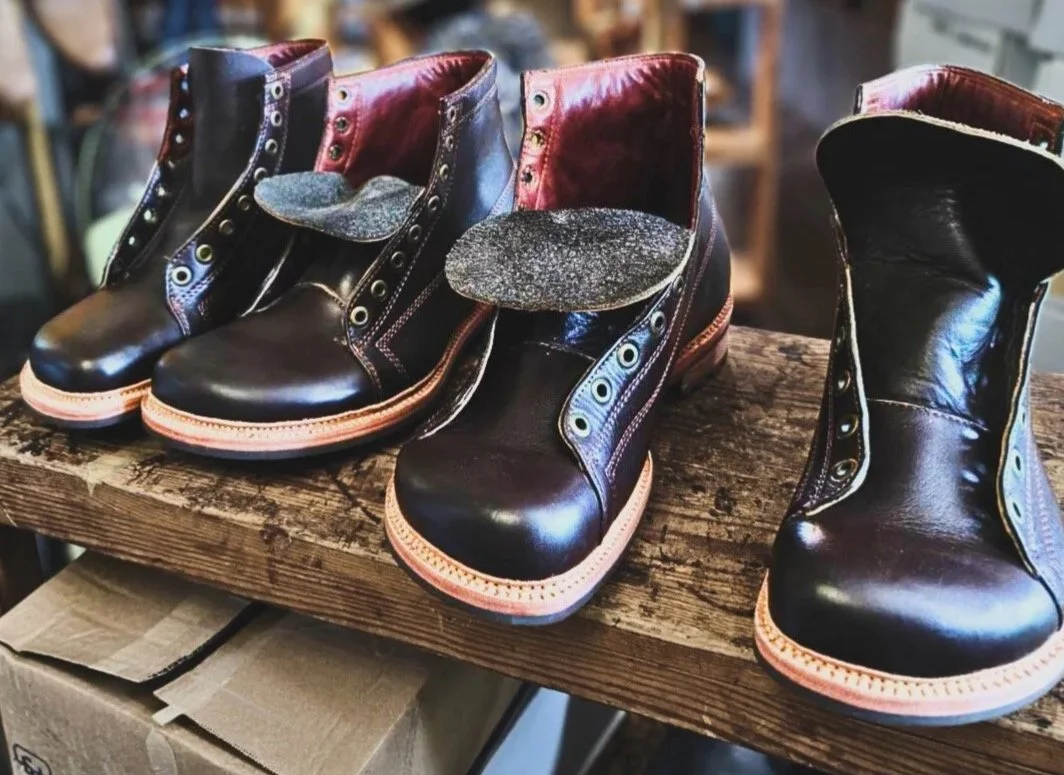
Leg Length Discrepancy Boots Being Worked On
Finding comfortable boots for leg length discrepancy isn’t always easy. Most boots are built as identical pairs, but when one leg is longer than the other, that standard approach doesn’t always work.
Whether you’ve tried heel lifts, modified footwear, or you’re exploring custom boots for the first time, understanding your options can make a big difference. In this guide, we’ll explain what leg length discrepancy (LLD) is, why standard boots often fall short, and how custom-built boots can provide a more comfortable, natural-looking solution.
Table of Contents
What is Leg Length Discrepancy (LLD)?
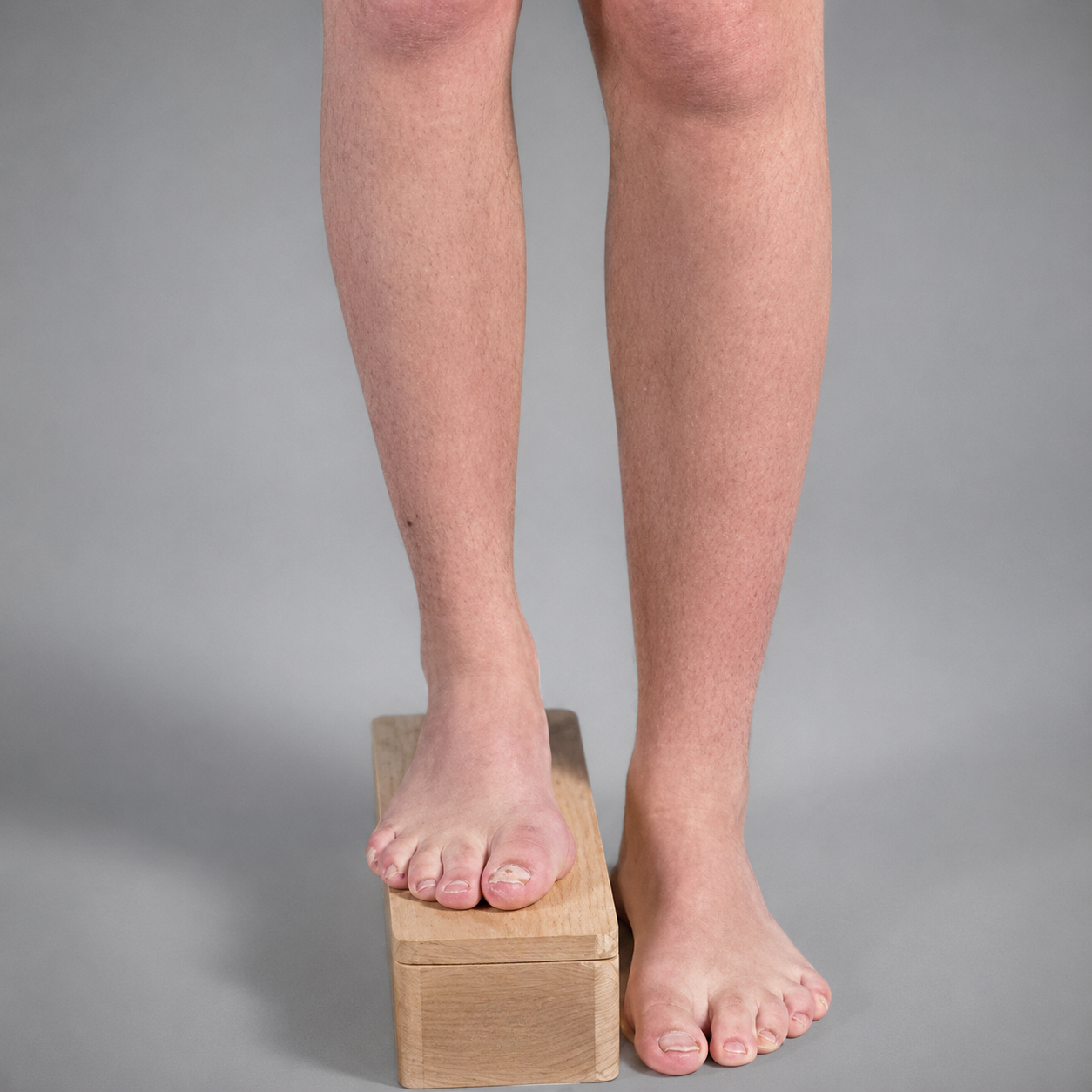
Leg length discrepancy (LLD) is a condition where one leg is shorter than the other. The difference may be only a few millimeters or several centimeters, and while some discrepancies cause few or no symptoms, larger differences can affect the way a person stands, walks, and moves.
LLD can be structural, where the bones are actually different lengths, or functional, where factors such as muscle imbalances or joint alignment make one leg function as though it is shorter. Understanding the type and severity of the discrepancy is the first step toward finding the right footwear solution.
Structural vs. Functional Leg Length Discrepancy
There are two main types of leg length discrepancy: structural and functional.
A structural leg length discrepancy means the bones in one leg are physically shorter than those in the other. This may be present from birth or develop later due to injury, surgery, or certain medical conditions.
A functional leg length discrepancy occurs when the legs are the same length, but factors such as muscle tightness, joint alignment, or pelvic position cause one leg to function as though it is shorter. In some cases, treating the underlying cause may reduce or eliminate the discrepancy.
Understanding whether an LLD is structural or functional is important because it can influence the most appropriate treatment. If you suspect you have a leg length discrepancy, it’s always best to consult a qualified healthcare professional for an accurate diagnosis before considering footwear modifications.
Common Causes of LLD
Leg length discrepancy can develop for a number of reasons. Some people are born with one leg slightly shorter than the other, while others develop a discrepancy later in life.
Common causes include:
● Congenital conditions that affect bone growth.
● Fractures that heal in a shortened position.
● Growth plate injuries during childhood.
● Hip or knee replacement surgery.
● Bone infections or other conditions that affect normal bone development.
● Muscle imbalances, pelvic misalignment, or joint problems that contribute to a functional leg length discrepancy.
The cause of an LLD often determines the most appropriate treatment. While some discrepancies can be improved through physical therapy or other medical interventions, others are permanent and may be managed with shoe lifts or custom footwear.
How Common Is Leg Length Discrepancy?
Leg length discrepancy is far more common than many people realize. According to the American Academy of Orthopaedic Surgeons, more than half of the population has a small difference in leg length. In most cases, the difference is minor and doesn’t cause symptoms or require treatment. (orthoinfo.aaos.org)
Problems are more likely to develop when the discrepancy is larger or when it changes the way you stand and walk. In those cases, treatments such as physical therapy, shoe lifts, or custom-built footwear may help improve comfort and reduce strain on the body.
If you’d like to learn more about leg length discrepancy, the American Academy of Orthopaedic Surgeons provides an excellent overview of its causes, diagnosis, and treatment options.
How Can Leg Length Discrepancy Affect Your Body?
The effects of a leg length discrepancy vary from person to person. Many people with a small difference in leg length never experience any noticeable symptoms, while others may develop discomfort that gradually worsens over time. How much an LLD affects you depends not only on the size of the discrepancy, but also on how your body compensates for it.
When one leg is longer than the other, your body naturally adjusts to maintain balance. Those adjustments can alter your posture, change the way you walk, and place uneven stress on your joints and muscles. Over time, that may contribute to pain or fatigue in different parts of the body.
Common symptoms associated with leg length discrepancy include:
Lower back pain
Hip pain
Knee pain
Foot and ankle pain
Changes in walking gait
Muscle fatigue
Uneven wear on footwear
Not everyone with LLD will experience these symptoms, and they can also be caused by other conditions. If you’re experiencing persistent pain or suspect you have a leg length discrepancy, it’s important to seek an evaluation from a qualified healthcare professional before making changes to your footwear.
We make boots—not medical diagnoses. If you want to talk about boot construction, welting, or how different leathers perform, I’ll happily talk boots with you all day long. But if you’re trying to figure out whether you have a leg length discrepancy or another medical condition, that’s a conversation you should have with your doctor.
Why Standard Boots Often Don't Work for LLD
Most boots are built as matching pairs. They have identical soles, identical heel heights, and the same amount of internal volume. For the vast majority of people, that’s exactly how they should be made.
However, if you have a leg length discrepancy that requires correction, a standard pair of boots may not provide the support your body needs. While some people find relief with an insole or heel lift, those solutions aren’t always ideal, particularly in boots.
Adding a lift inside the boot takes up valuable space. Depending on the height of the lift, it can reduce toe room, raise your heel higher than intended, and change the way your foot fits inside the boot. In some cases, it can even make the boot feel less stable.
An alternative is to build the correction into the sole itself. By increasing the height of the outsole and midsole on one boot, it’s possible to accommodate the required lift without reducing the internal space available for your foot. The boot still fits as intended because the correction happens beneath your foot rather than inside the boot.
For many people, this creates a more comfortable solution while preserving the fit, appearance, and durability of the boot. That’s why custom-built boots are often preferred over simply adding a lift to an off-the-shelf pair.
Can LLD Boots Still Look Normal?
One of the biggest concerns people have when looking for boots for leg length discrepancy is appearance. Many assume that accommodating a shorter leg means wearing footwear that looks bulky, uneven, or obviously orthopedic.
Fortunately, that isn’t always the case.
When an LLD boot is designed from the ground up, much of the correction can be built into the sole without dramatically changing the overall appearance of the boot. Careful attention to the proportions of the sole, heel, and upper can make the correction surprisingly difficult to notice.
How noticeable the correction is ultimately depends on how much lift is required. A few millimeters may be virtually invisible, while larger corrections become progressively more difficult to disguise. An experienced bootmaker can often blend the additional height into the design so the boot still looks balanced and intentional rather than like a medical device.
That’s one of the advantages of custom-built boots. Instead of modifying an existing pair after it’s been made, every part of the boot can be designed around the correction from the very beginning. The result is footwear that not only fits better, but still looks like a well-made heritage boot, because it is.
How Naang Boots Are Built for Leg Length Discrepancy
At Naang Boots, we don’t simply add a lift to an existing boot. Every pair is built from the ground up around your required correction, allowing us to accommodate your leg length discrepancy while preserving the fit, comfort, and appearance of the boot.
Depending on your prescribed correction, we can build additional height into the sole so the inside of the boot remains largely unchanged. That means your foot still fits the way the last was intended, without sacrificing toe room or altering the overall feel of the boot.
Because the correction is incorporated into the construction of the boot from the very beginning, the finished result feels more integrated than simply adding a lift after the fact. The boot remains balanced, the proportions stay consistent, and the additional height becomes part of the design rather than an obvious modification.
The additional height is built into the sole while retaining the same 360° hand-welted construction found across the rest of the Naang lineup. An LLD boot isn’t a different product—it’s built with the same materials, the same construction methods, and the same attention to detail as every other pair we make.
Every pair is made to order, which allows us to tailor the amount of correction to your individual needs. Whether you require a small adjustment or a more significant lift, the goal remains the same: to build a boot that fits naturally, functions properly, and looks like a heritage boot you’d choose to wear regardless of your leg length discrepancy.
Like all Naang Boots, our LLD boots are fully rebuildable. As the soles wear over time, they can be replaced while maintaining the original correction, extending the life of the boots for many years.
We work from the measurements or recommendations provided by you and your healthcare professional. We don’t diagnose leg length discrepancies or prescribe corrections—we build boots to the specifications you provide. That allows us to focus on what we know best: building durable, comfortable boots that accommodate your prescribed lift without compromising craftsmanship or style.
How Much Leg Length Discrepancy Can Boots Correct?
The amount of correction that can be built into a boot depends on several factors, including the size of the discrepancy, the style of boot, and the customer’s individual needs. There isn’t a single maximum amount that applies to every situation.
For smaller leg length discrepancies, the correction can often be incorporated into the sole with very little impact on the overall appearance of the boot. As the amount of lift increases, it becomes more challenging to disguise, but with careful design it’s often possible to maintain balanced proportions and a natural look.
For larger discrepancies, the construction of the boot may need to be modified more significantly to safely accommodate the required lift. In some cases, a combination of an internal lift and an external sole build-up may provide the best solution. The right approach depends on your prescribed correction and should always be discussed with your healthcare professional.
At Naang Boots, we evaluate each build individually rather than offering a one-size-fits-all solution. Before we begin, we’ll discuss your prescribed correction, your intended use for the boots, and whether a custom build is the right option for your needs.
If you’re unsure whether your leg length discrepancy can be accommodated in a pair of boots, get in touch with us. We’ll be happy to discuss your requirements and let you know what’s possible before you place an order.
Are Custom LLD Boots Worth It?
Whether custom LLD boots are worth the investment depends on your individual needs. If your leg length discrepancy is minor and well managed with an inexpensive shoe lift, a custom pair of boots may not be necessary. For others who wear boots every day or require a larger correction, a purpose-built pair can offer significant advantages.
One of the biggest benefits is long-term comfort. Because the correction is built into the boot from the beginning, your foot can sit naturally inside the boot without sacrificing internal space or changing the intended fit. Instead of adapting your footwear to accommodate a lift, the boot is designed to accommodate both your foot and your prescribed correction.
Durability is another important consideration. Unlike many mass-produced boots, a well-made pair of heritage boots is designed to be repaired rather than discarded. Quality materials and traditional construction allow the boots to withstand years of regular use, making them a practical long-term option for people who depend on them every day.
At Naang Boots, every pair is hand-welted and fully rebuildable. When the soles eventually wear out, they can be replaced while preserving the original leg length correction. That means you’re not starting over every few years or trying to recreate the same modification on a new pair of boots. The correction remains part of the boot throughout its service life.
For many people, the value of a custom LLD boot isn’t simply the lift—it’s having a pair of boots that fits properly, wears naturally, and can continue to serve you for many years. If you spend long days on your feet, ride motorcycles, hike, or simply wear boots as your everyday footwear, that long-term comfort and rebuildability can make a custom build a worthwhile investment.
How to Order Custom LLD Boots from Naang
Ordering a pair of custom LLD boots isn’t much different from ordering any other pair of custom Naang Boots. The biggest difference is that we’ll need accurate information about your prescribed correction before we begin.
Step 1: Get Your Measurements
Before placing your order, we recommend visiting your doctor or healthcare professional to have your leg length discrepancy properly assessed. We don’t diagnose LLD or determine the amount of correction required—we build your boots to the measurements or prescription you provide.
Step 2: Know Your Boot Size
Accurate sizing is just as important as the lift itself. If you’re unsure of your size, we’ll guide you through our sizing process to ensure your boots fit correctly before construction begins.
Step 3: Choose Your Style
Once we have your sizing information and prescribed correction, it’s time to choose the boots you want. Whether you’re looking for everyday heritage boots, hiking boots, or motorcycle boots, we’ll discuss the best way to incorporate your required lift into the design while maintaining the look and proportions of the boot.
When placing your order, simply add the Leg Length Discrepancy (LLD) option to your cart. This covers the additional work required to design and build your boots with your prescribed correction.
Step 4: Place Your Order
After we’ve confirmed your measurements, boot size, style, leather, and required correction, we’ll begin building your boots by hand. Every pair is made to order, with the lift incorporated into the construction from the very beginning rather than added after the boot has been completed.
If you have questions at any point during the process, just reach out. We’re always happy to discuss your project and help you determine whether a custom pair of LLD boots is the right solution for your needs.
Frequently Asked Questions About Boots for Leg Length Discrepancy
Can boots help correct a leg length discrepancy?
Yes, custom boots can help accommodate a leg length discrepancy by incorporating the required correction into the construction of the boot. Rather than changing the length of your leg, the goal is to level your stance and improve comfort while standing and walking. The amount of correction required should always be determined by a qualified healthcare professional.
What is the difference between a shoe lift and a custom LLD boot?
A shoe lift is typically added to an existing shoe or boot after it has been manufactured. A custom LLD boot is designed around the required correction from the beginning, allowing the lift to be incorporated into the construction while preserving the boot’s fit, comfort, and appearance.
Can a shoe lift fix a leg length discrepancy?
A shoe lift can help compensate for a leg length discrepancy, and for many people it may be an effective solution. However, shoe lifts don’t change the length of your leg—they simply help level your stance. Depending on the amount of correction required, a custom-built boot may provide a more comfortable and natural-fitting long-term solution.
Should the lift go inside or outside the boot?
That depends on the amount of correction required. Smaller lifts can often be accommodated inside the boot, while larger corrections are typically built into the sole to preserve internal space and maintain a comfortable fit. Your healthcare professional can recommend the appropriate correction, and we can discuss the best way to incorporate it into your boots.
Do I need a prescription to order LLD boots?
We strongly recommend obtaining a diagnosis and prescribed correction from your doctor or healthcare professional before ordering. At Naang Boots, we don’t diagnose leg length discrepancies or determine how much correction you need—we build your boots to the measurements you provide.
How is leg length discrepancy measured?
Leg length discrepancy is typically measured by a healthcare professional using a physical examination and, when necessary, imaging such as standing X-rays. An accurate diagnosis is important because it determines whether the discrepancy is structural or functional and helps establish the amount of correction required.
What size leg length discrepancy needs treatment?
There isn’t a single measurement that applies to everyone. Many people have a small difference in leg length that never causes symptoms or requires treatment. If a discrepancy is causing pain, affecting your gait, or impacting your daily activities, it’s worth discussing with your healthcare professional.
Can leg length discrepancy cause back pain?
It can. A leg length discrepancy may alter the way you stand and walk, placing uneven stress on your joints and muscles. For some people, that can contribute to lower back, hip, or knee pain. However, these symptoms can also have many other causes, so it’s important to seek a professional evaluation rather than self-diagnosing.
Can you build motorcycle boots for leg length discrepancy?
Yes. We can incorporate a prescribed leg length correction into our motorcycle boots while maintaining the same hand-welted construction and durability found in our standard models.
Can you build hiking boots for leg length discrepancy?
Yes. A leg length correction can be incorporated into our hiking boots while preserving the fit and internal space of the boot. Every pair is built to the customer’s prescribed correction and intended use.
Will people be able to tell one boot is taller than the other?
Not necessarily. Smaller corrections can often be incorporated with very little impact on the appearance of the boot. Larger corrections become progressively more noticeable, but careful design can help maintain balanced proportions and a natural-looking boot.
How much leg length discrepancy can a boot correct?
There isn’t a single answer to this question. The amount of correction depends on your prescribed lift, the style of boot, and the overall design. We evaluate each build individually to determine the most appropriate solution.
Are custom LLD boots rebuildable?
Yes. Like all Naang Boots, our LLD boots are hand-welted and fully rebuildable. When the soles wear out, they can be replaced while maintaining the original leg length correction.
Can you modify a pair of boots I already own?
No, we can’t. We build LLD boots from the ground up so the correction is integrated into the design from the beginning. This allows us to maintain the fit, proportions, and durability of the finished boot.
How long does it take to build custom LLD boots?
Our LLD boots follow the same production timeline as our other made-to-order boots. Current lead times are listed on our website. If your build requires additional time, we’ll discuss that with you before we begin construction.
Are LLD boots covered by insurance?
Insurance coverage varies depending on your country, provider, and individual policy. We recommend contacting your insurance provider directly to determine whether custom footwear for leg length discrepancy is eligible for reimbursement.
What to Read Next
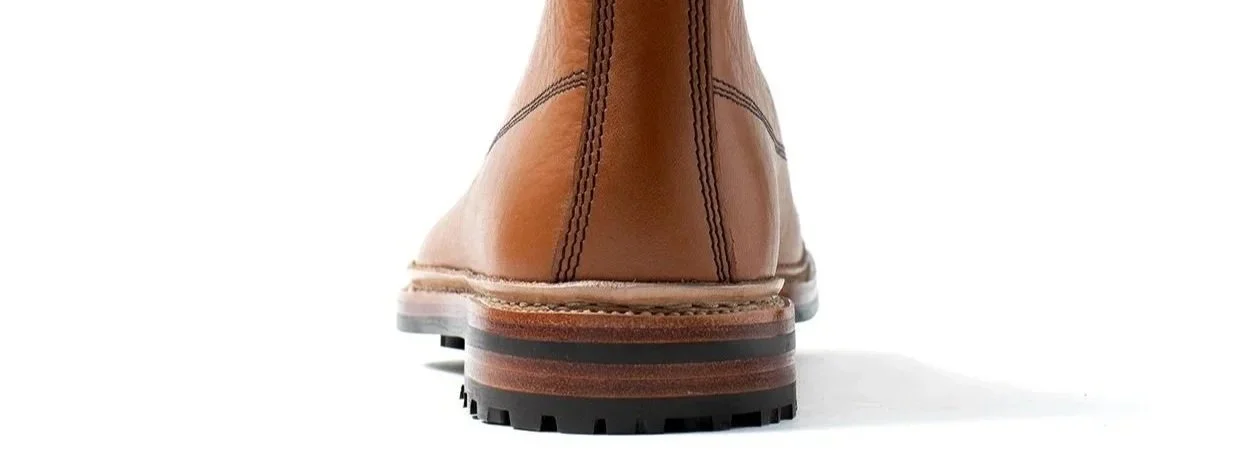

Add this service to your boot order if you require a lift to compensate for a leg length discrepancy (LLD). Each pair is built to your prescribed height while maintaining the appearance, balance, and durability of a standard pair of Naang Boots.
Please provide your required lift height at checkout or contact us before ordering if you have any questions.Add this service to your boot order if you require a lift to compensate for a leg length discrepancy (LLD). Each pair is built to your prescribed height while maintaining the appearance, balance, and durability of a standard pair of Naang Boots.
Please provide your required lift height at checkout or contact us before ordering if you have any questions.