Boots Should Fit Your Feet: The Case for Anatomical Design
There’s always new research coming out about foot anatomy and footwear, and I try to keep up with it as part of my job designing Naang Boots. And to be clear, no single paper is going to give us all the answers; that’s why I have to read just about all of them.
One I came across this week touches on several ideas behind our boots. I thought I’d share it and talk through where the research lines up with the choices we make at Naang, and where there are still questions.
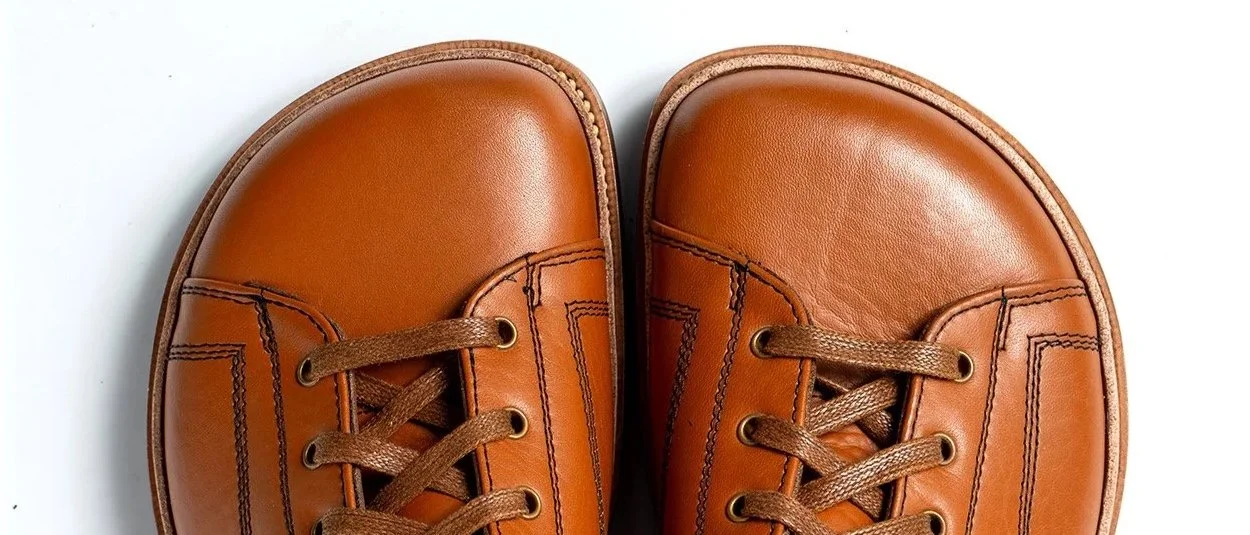
Table of Contents
What Does the Research Propose About Footwear Design?
The paper proposes designing footwear around the foot’s shape and the way it moves. That starts with giving the forefoot room to splay and the toes room to bend. It also means looking at where the sole flexes and how the shoe holds the foot in place.
The authors discuss toe spring as a way to help the shoe roll through a step. They also consider adjustable closures and support around the heel and arch. Their approach is fairly adaptable to different designs, so it’s not like this would dictate a single approach.
These are design recommendations drawn from other research. And the authors acknowledge that their framework still needs controlled testing to establish its efficacy. As bootmakers, this type of research gives us specific ideas to examine alongside our own design and testing experience.
Why Does Toe Box Shape Matter for Foot Movement?
Why the hell do you think? Your toes need room to spread and bend as you walk. That spreading is called toe splay, and the shape of the toe box determines if that room is available. A boot can feel roomy across the ball of your foot and still squeeze your toes together if it tapers inward at the front.
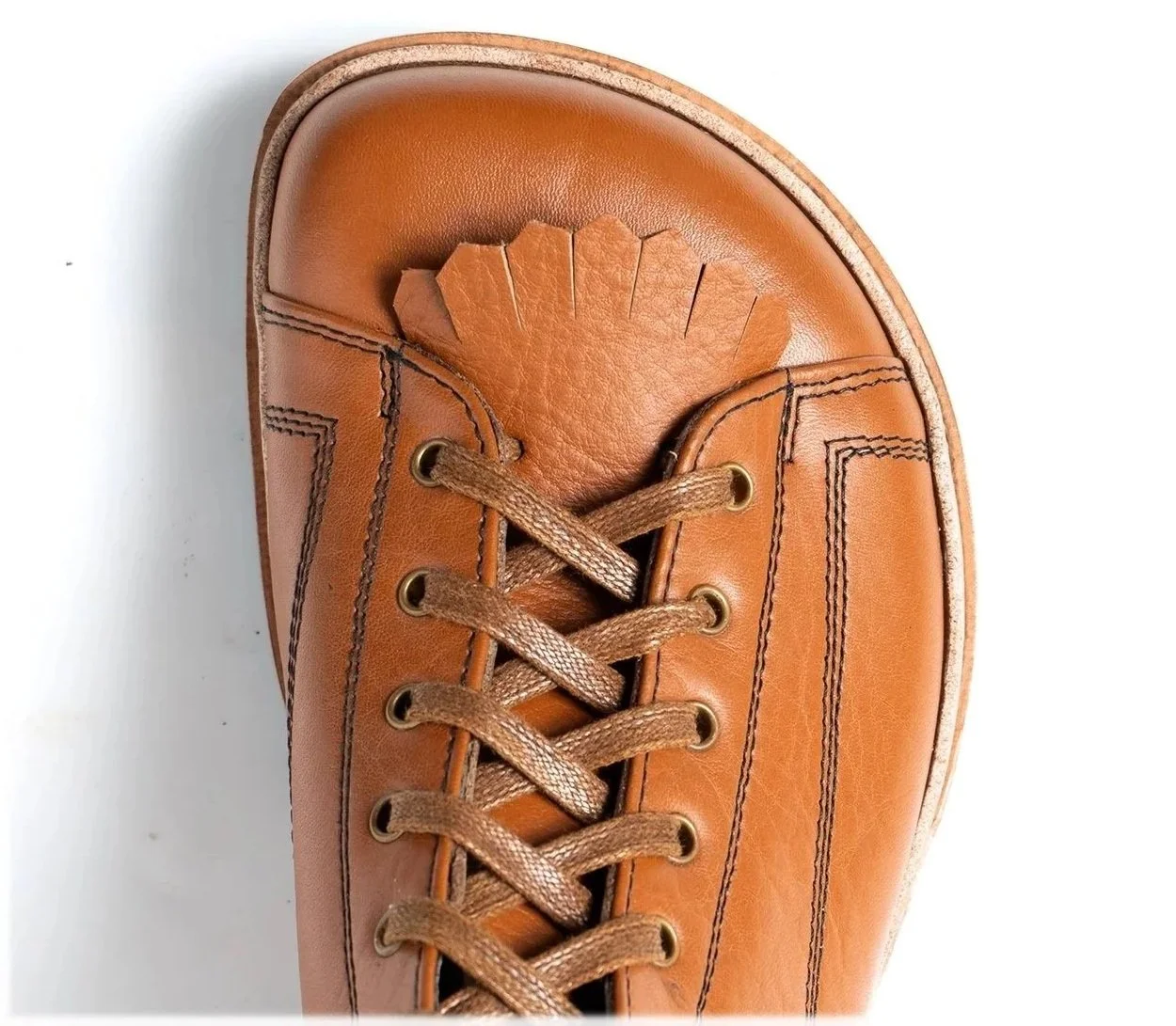
The paper recommends allowing space for the forefoot to expand and the toe joints to move. That includes height and length as well as width. A broad toe box can still press down on your toes or leave them crowded against the end.
At Naang, we address this through the shape of our last. Our anatomical toe box is shaped to follow the foot’s outline, giving the toes room to sit naturally and splay. Simply widening a tapered last wouldn’t achieve an anatomical shape.
We also want a secure fit through the midfoot and heel. Giving your toes room shouldn’t mean buying an oversized boot that slides around on your foot. We want the boot to hold comfortably where it needs to, while leaving space for your toes to move.
How Does Heel Height Fit Into Anatomical Boot Design?
Heel height needs to make sense for what you’ll do in the boots. At Naang, we offer zero-drop and minimal-heel options because an anatomical shape can work with either. Zero drop keeps the heel and ball of the foot at the same level. A small heel introduces some elevation, which we want to have a practical reason for.
On a motorcycle boot, a defined heel creates an edge that can sit behind a footpeg in some riding positions. From a design perspective, that gives the heel a useful role. Its shape still needs to let you reposition your foot and reach the controls comfortably.
For hiking, the useful feature on steep or technical descents is often the heel: it can dig in and help resist sliding. That’s a reason to pay attention to heel geometry, but extra height alone doesn’t provide better grip. The rubber and lug design matter too.
The research paper discusses a lateral heel wedge, which changes the geometry across the heel. That is a separate question from raising the heel above the forefoot, so we shouldn’t read it as a recommendation for everyone to wear a small heel. Feel free to dive into the Full paper if you want to get into the technical trenches.
Our preference is a zero-drop boot for most day-to-day activities. But in very specific use cases, or if the wearer is more comfortable than we keep heel elevation minimal and choose the sole around its intended use. All with the same attention to anatomical fit.
Shop Anatomical Naang Boots
Why Does Naang Use 10 mm of Toe Spring?
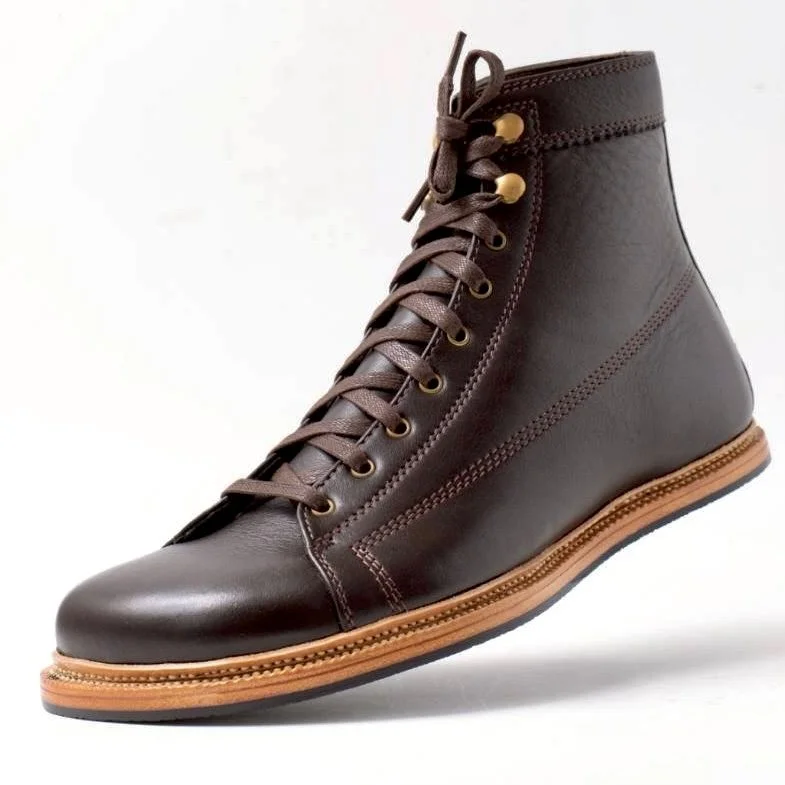
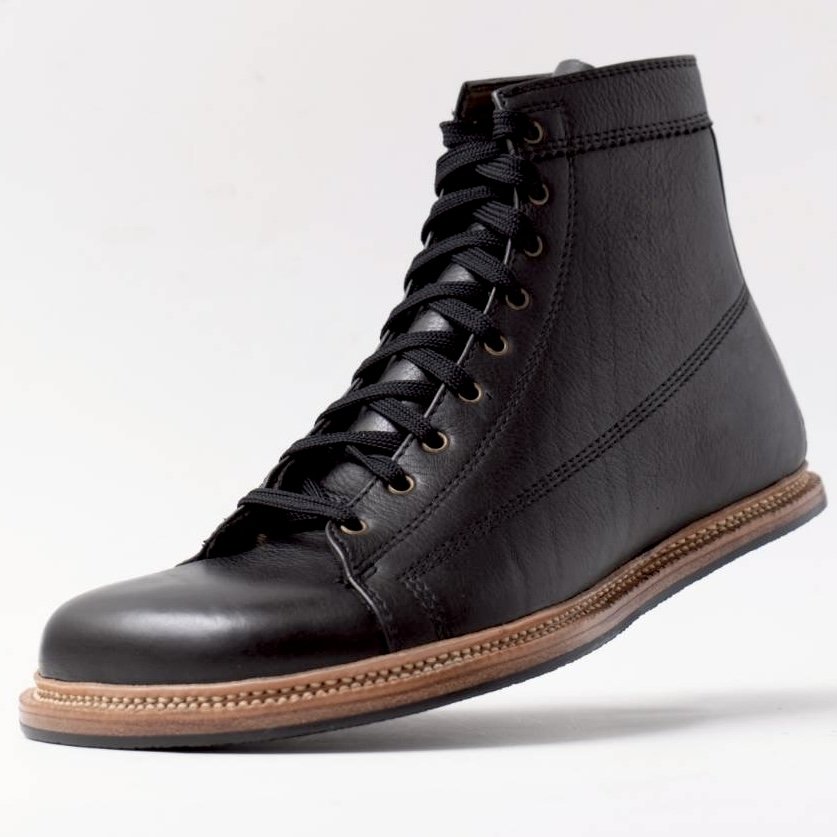
Naang uses 10 mm of toe spring because years of testing and design iteration showed us that it works best for our boots. We adjusted the curve through several versions of our last, wore the boots, and went back to make changes.
Too little toe spring made the boots feel reluctant to roll forward. Too much made the forefoot feel unnatural and less stable. We settled on a gradual rise beginning around the ball of the foot, enough to help our substantial leather sole construction roll through a step while still allowing the forefoot to flex.
That 10 mm figure is specific to our construction. A lighter, more flexible boot could need less. A stiffer boot could need more. The paper’s proposed 10–15° toe spring describes an angle, so we can’t directly equate it with our height measurement.
Our zero-drop boots retain that toe spring too. The heel and ball of the foot remain level, while the front curves upward. You can read more about how we developed that shape in our article on toe spring.
How Can a Boot Balance Foot Movement With Structure?
For us, that balance starts with the last. It establishes the boot’s shape and how it fits around the foot. Put anatomical shape and foot function as your top priority, and you give every other design decision a clear direction.
Then we test it in the real world. A last can look right on the bench and still need work once you build a boot around it. Walking, hiking, and riding in the boots tells us where the fit feels off or where the sole resists movement more than we want.
That feedback goes into the next version. We adjust the design, build another pair, and wear them again. Good design takes that willingness to keep making changes.
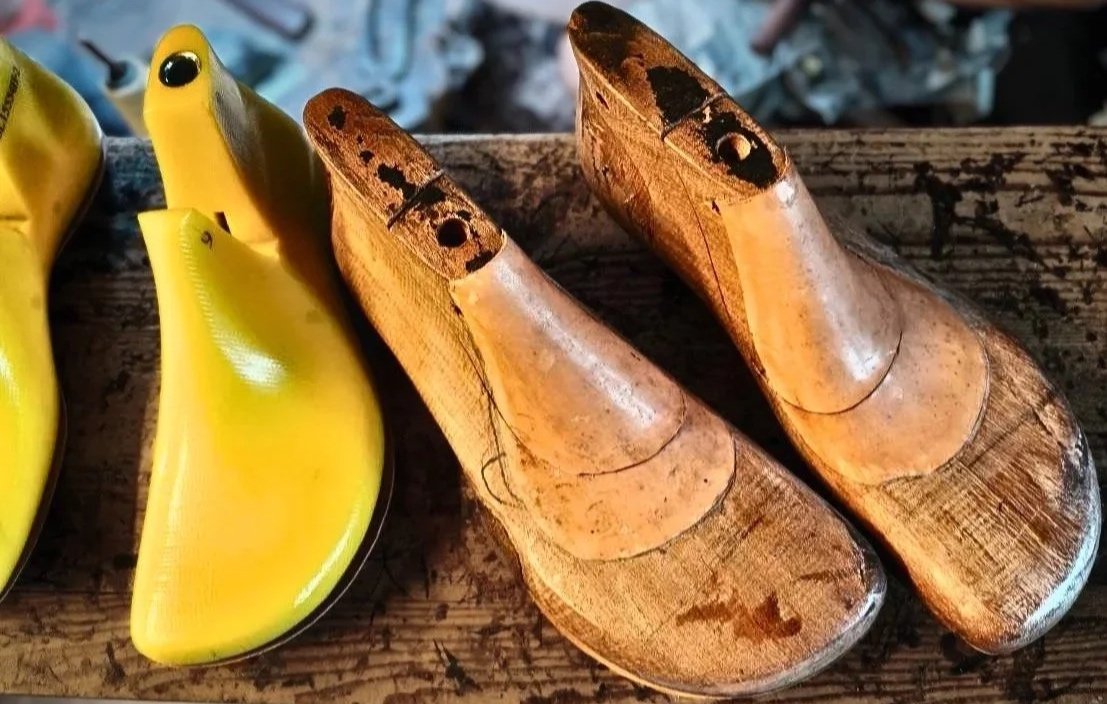
Anatomical Boot Lasts at the Naang Boots Workshop
What Should You Look for in an Anatomical Boot?
Start with a boot that fits your foot. Look for an anatomical toe box with enough width for your toes and forefoot to spread comfortably. The shape should follow your foot’s outline, with room above and in front of your toes as well.
Through the midfoot and heel, you want a secure, comfortable fit. Your foot shouldn’t slide forward every time you step, and you shouldn’t need to crank the laces down to hold it in place. Getting that fit right lets you have toe room without the whole boot feeling loose.
My preference is a zero-drop platform, keeping the heel and ball of the foot at the same level, with just enough toe spring to suit the boot’s construction. A minimal heel can still serve a practical purpose, as we discussed earlier.
When you walk, the boot should roll through each step comfortably. You shouldn’t have to fight the sole or feel an exaggerated rocking motion. Ideally, you won’t notice the toe spring at all. You’ll just notice that the boots feel right on your feet. And that is what good design feels like.
Frequently Asked Questions About Anatomical Boot Design
What makes a boot anatomical?
An anatomical boot is shaped to accommodate the foot’s outline and movement. That includes room for the toes and forefoot to spread, with a secure fit through the midfoot and heel. The shape of the last provides the foundation for that fit.
Is a wide toe box the same as an anatomical toe box?
A wide toe box is not necessarily anatomical because it can still taper inward around the toes. An anatomical toe box follows the foot’s outline and leaves room for toe splay. Both the shape and the available space need to suit your foot.
Do anatomical boots have to be zero drop?
Anatomical boots can have zero drop or a small heel. Zero drop keeps the heel and ball of the foot at the same level, while a minimal heel introduces some elevation. Naang offers both options while retaining an anatomical toe box.
Can zero-drop boots have toe spring?
Zero-drop boots can have toe spring because heel-to-forefoot drop and toe spring describe different parts of the boot’s geometry. The heel and ball of the foot can remain level while the sole curves upward toward the toes. Naang’s zero-drop boots retain toe spring to help their structured soles roll through a step.
How much toe spring should a boot have?
The appropriate amount of toe spring depends on the boot’s construction, flexibility, and intended use. Naang uses 10 mm of toe spring, which we settled on through years of wear testing and adjustments to our last. That figure describes the rise at the toe and cannot be directly equated with an angle measured in degrees.
Are anatomical boots the same as barefoot boots?
Anatomical boots do not have to be barefoot boots. Barefoot footwear generally uses thin, highly flexible soles and little cushioning, while anatomical boots can have more substantial construction. Naang combines anatomical fit with leather insoles and midsoles, leather shanks, and hand-welted construction.
How should an anatomical boot fit?
An anatomical boot should give your toes room to spread and bend while holding your midfoot and heel comfortably in place. Check for space above and in front of your toes, as well as across the forefoot. You should be able to walk comfortably without your foot sliding around or needing excessive lace tension to keep it secure.
Does this research prove that anatomical boots prevent injuries?
The 2026 footwear-design paper does not prove that anatomical boots prevent injuries. It proposes a design framework based on existing research, and the authors acknowledge that controlled testing is still needed. The paper did not test Naang boots.
What To Read Next

All Boots Are Made-To-Order. Current Lead Time: 60-90 Days.
Not sure about your size? Check out our Sizing Guide.
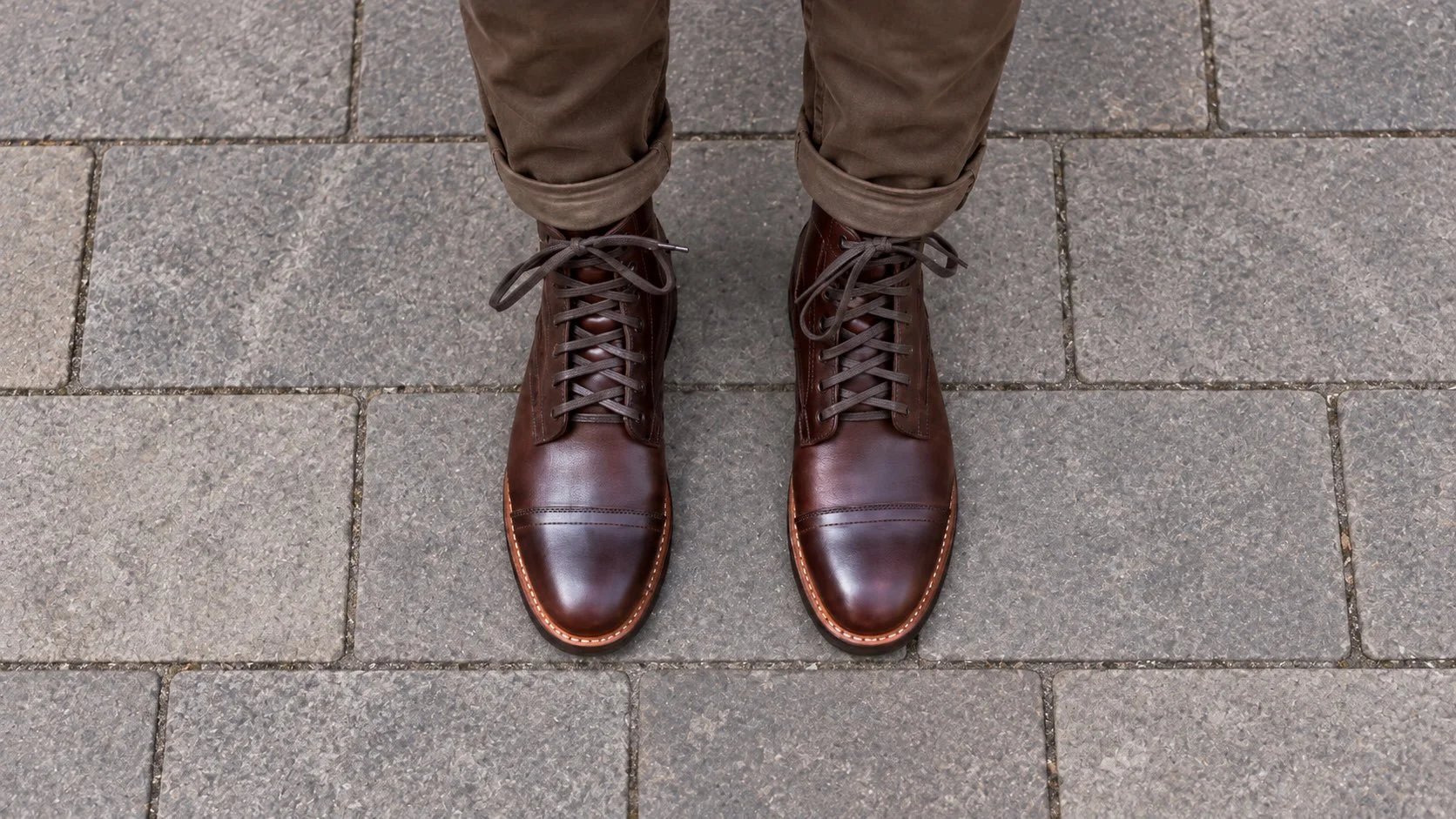
The Winnfield is built to walk the earth.
City streets. Back alleys. Remote trails. Foothills that don’t forgive mistakes.
Wherever you go, it keeps moving.
Construction: 360° Hand-Welted
Lace-to-Toe
Shaft Height: 6 inches
Last: Anatomical Zero Drop
Our Anatomical Last is very wide, if you feel your foot is exceptionally wide please indicate so on the form that pops up after you add the boots to your cart, we will get in touch to make sure that your boots are wide enough for your feet. We got you!
Leather: 2.5-3.5mm Full Grain
Full Leather Liner
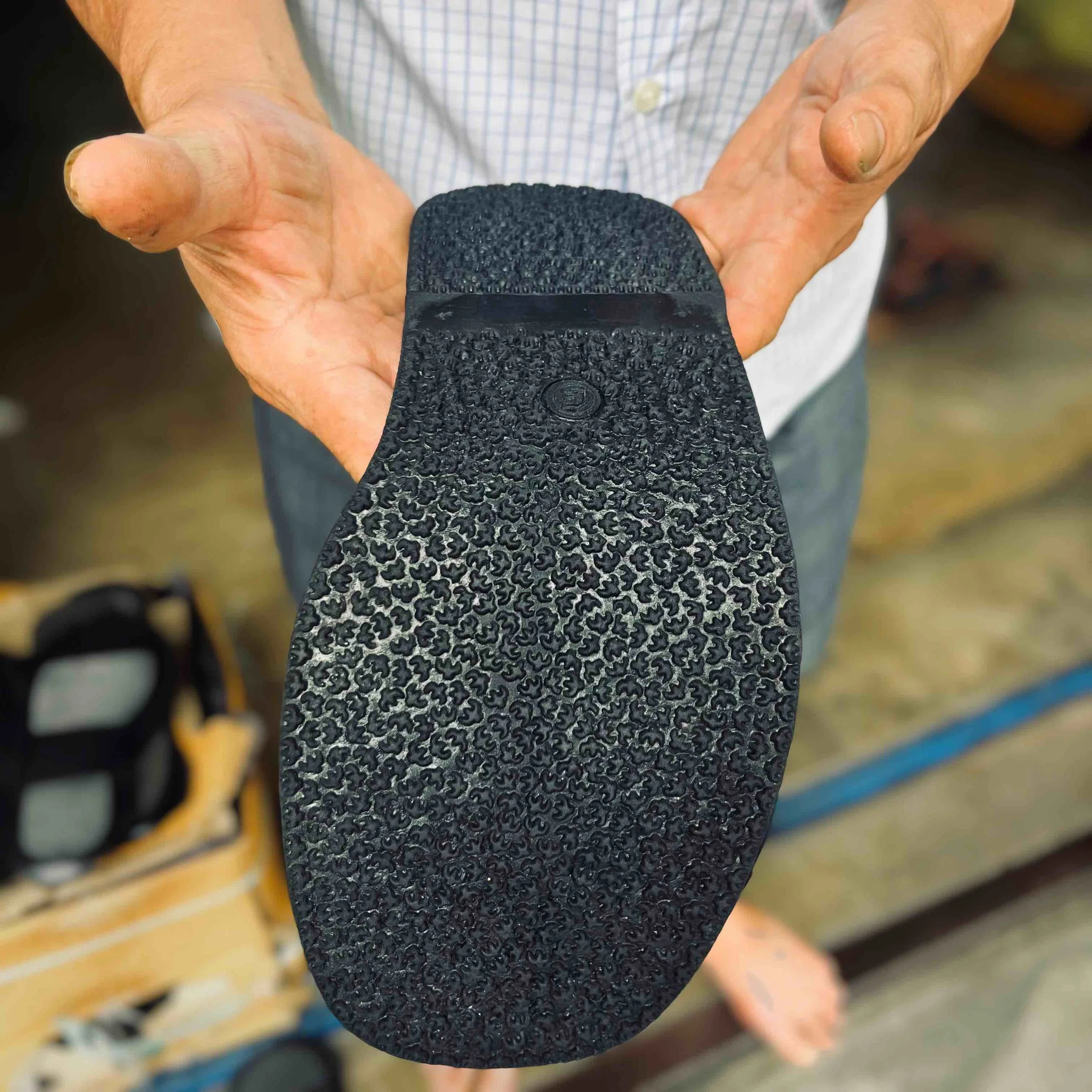
Outsole: Naang Flat Rubber Super Grip
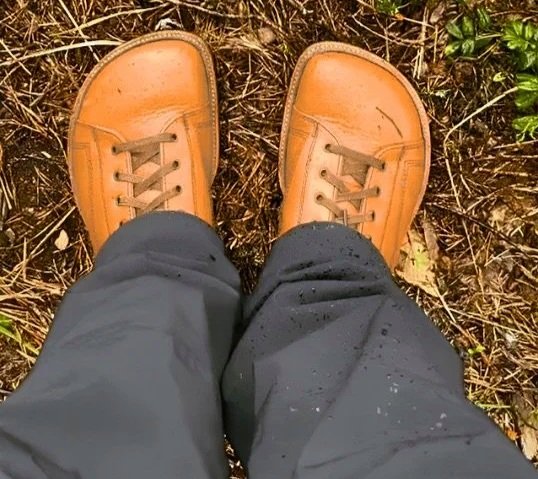
Built on our Anatomical Natural Toe Box last, the Winnfield follows your foot’s true shape.
Not the other way around.
Lace-to-toe construction, lets you fine-tune the fit, helping limit hot spots, pressure, and other foot problems mile after mile
Your toes can spread. Your stride stays strong. Comfort holds, mile after mile.
Every pair is hand-welted with a full 360° storm welt.
Not for looks. Not for marketing. For durability.
It seals out the elements and locks the upper to the sole the way it should be done. Built to take abuse. Built to last.
Inside, a leather shank adds structure where you need it, while letting the forefoot move the way it should.
Stable step after step. Solid under load. Comfortable through long days on your feet.
This is not a delicate boot.
It’s a tool.
The Winnfield is made to walk the earth.
Worldwide Shipping Available.