What Makes a Boot Rebuildable?
Most of us know that a good pair of boots can be resoled. But some heritage boots can go a step further. Rebuildable boots can be taken apart so worn or damaged components beyond the outsole can be replaced, keeping the parts that still have life in them.
Depending on the construction and condition of your boots, that might mean a partial repair or a much more extensive rebuild. You can send them back to the maker if they offer that service, as we do at Naang Boots, or take them to a cobbler with experience rebuilding your type of boot.
Now, I know rebuilding a pair of boots that looks like it’s on its last legs might sound a little strange. Why put that much work into a battered old pair when you could just buy new ones? It’s a fair question. The answer starts with how those boots were built and how much of them is actually worn out.
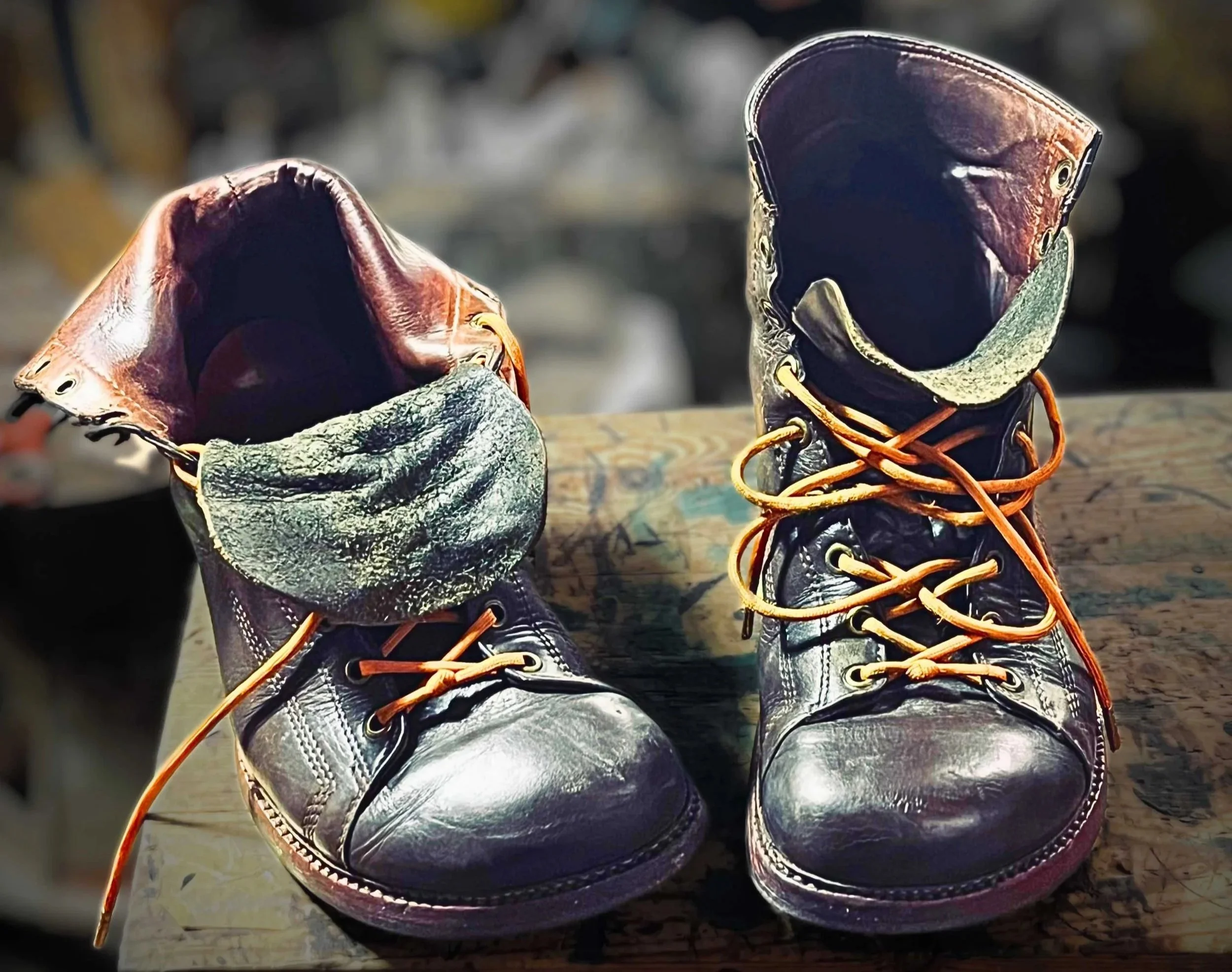
Table of Contents
What Does “Rebuildable” Mean in Boots?
Rebuildable boots can be taken apart so worn or damaged components can be replaced while usable parts of the original boot are kept. A boot rebuild goes deeper than replacing a worn outsole. Depending on the construction, it can include replacing the structural insole, the leather liner, and even sections of the leather upper.
Boots don’t wear out evenly. There might be parts of the leather uppers with years of use left in them, while other components need replacing. Rebuilding lets a bootmaker take the boot apart, assess what’s still sound, and rebuild around those parts.
How much can be replaced depends on how the boots were made and what the maker or cobbler can repair. Some rebuilds retain the entire upper. More extensive work may involve replacing damaged sections of that leather as well. The parts being kept need to be sound enough to build around. Generally speaking, the more handmade a boot is, the more rebuildable it will be.
When you see boots described as rebuildable, ask what that means for the particular pair you’re buying. Which components can be replaced, and who can do the work? Those answers tell you much more than the word “rebuildable” on a product page.
Shop Rebuildable Naang Boots
What Is the Difference Between Resoling and Rebuilding Boots?
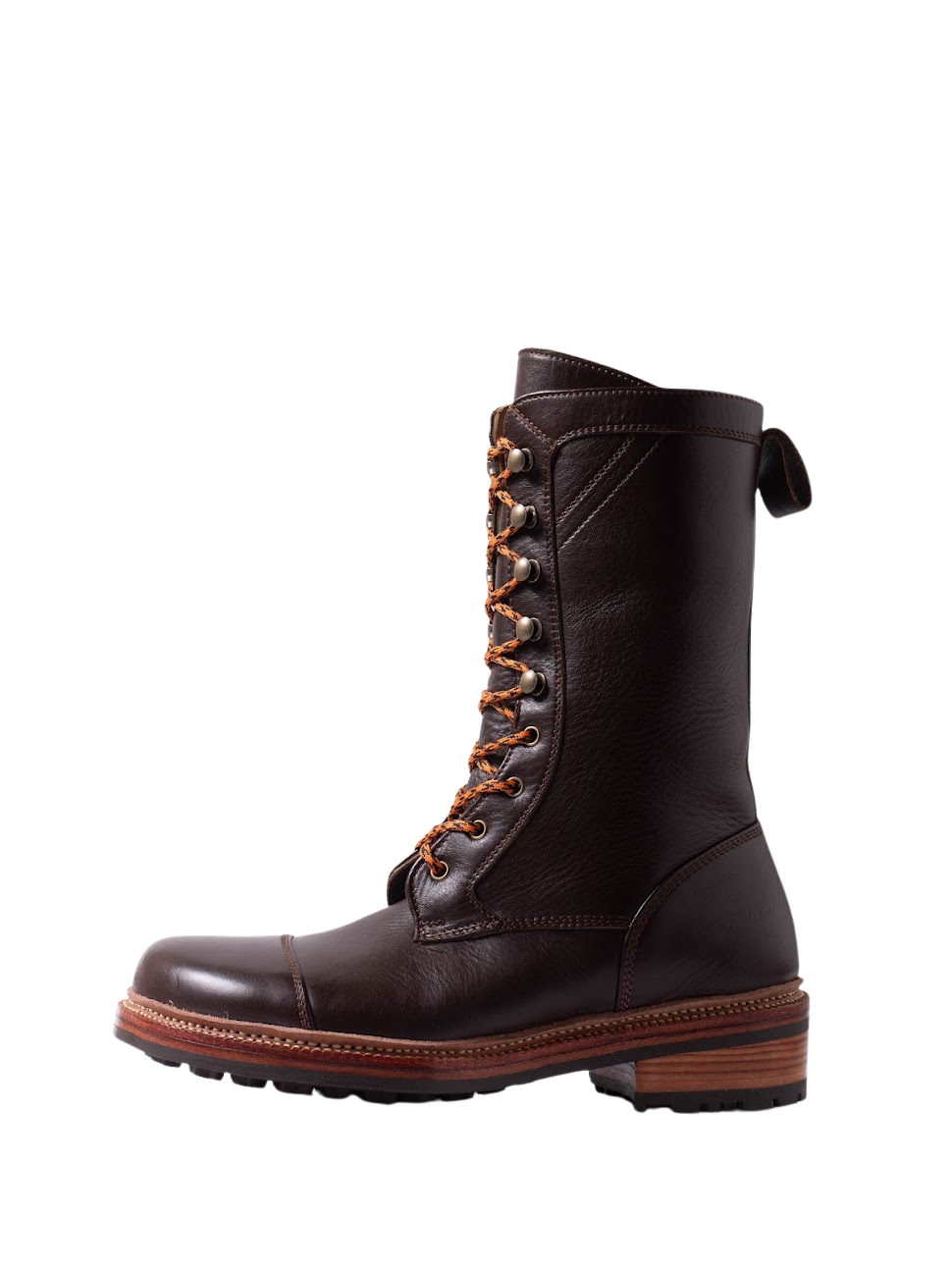
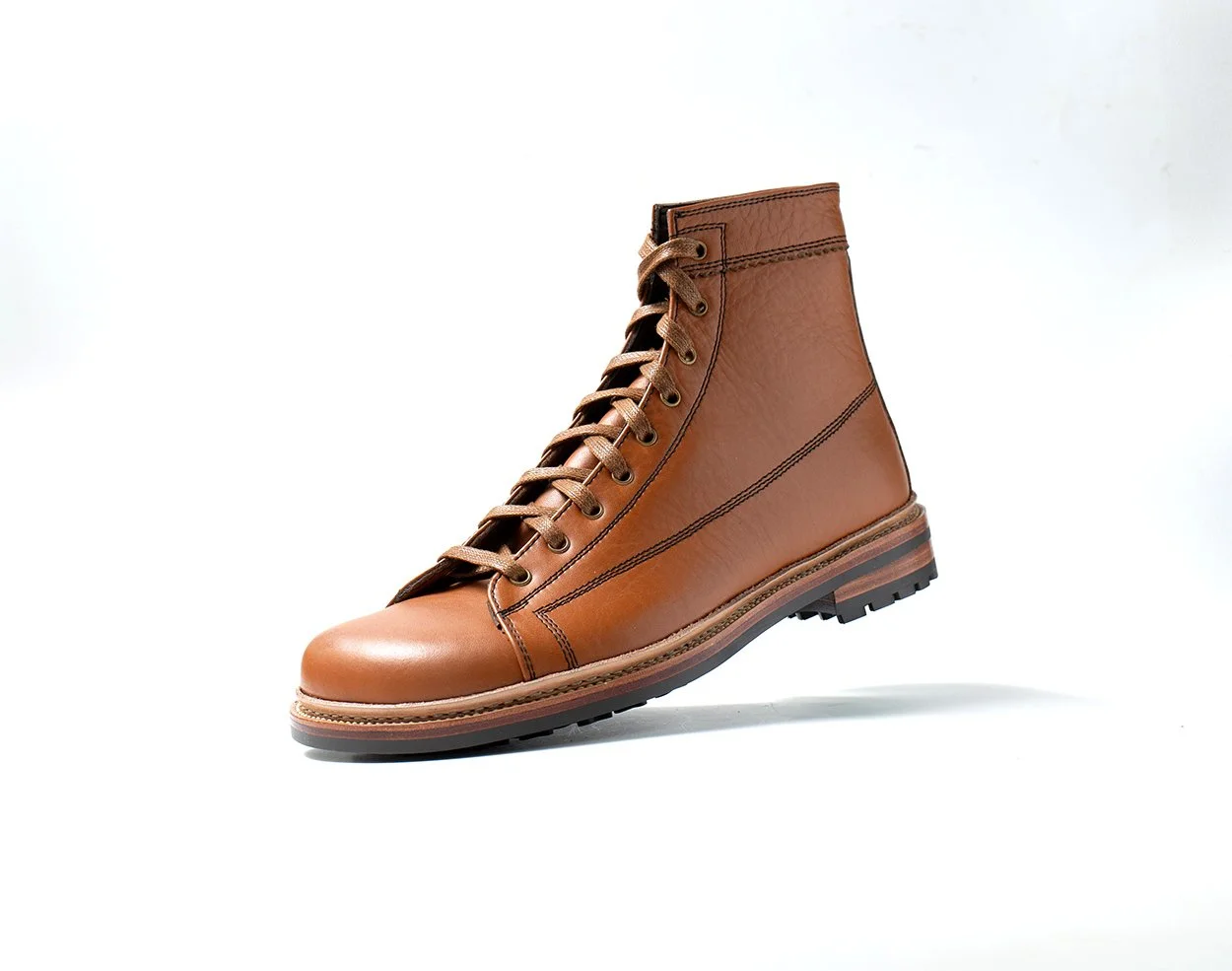
The main difference between resoling and rebuilding boots is how far into the boot the repair goes. A resole replaces worn components beneath the structural insole. Once that insole needs replacing and the boot has to be reconstructed around a new one, you’re getting into rebuild territory.
A resole can be as straightforward as removing the worn rubber outsole and attaching a new one. If the layers underneath are still in good condition, there’s no reason to replace them. A more extensive resole might include a new midsole and replacing the welt, the strip of leather that connects the upper and insole assembly to the sole.
That’s already a fair amount of work, but the boot’s structural foundation remains in place.
A rebuild goes further. Replacing the structural insole means taking apart the construction that holds the upper and the bottom of the boot together. The bootmaker then has to rebuild that connection around the replacement insole. Depending on the damage, sections of the upper may need replacing too.
And just to be clear, the structural insole is the built-in foundation beneath your foot. Swapping a removable footbed doesn’t make a repair a rebuild.
Repair terminology varies between makers and cobblers, so ask what the service actually includes. A worn outsole might only need a straightforward resole. Damage deeper inside the boot can call for a much more extensive repair.
Why Should You Rebuild Boots Instead of Replacing Them?
If you enjoy wearing your boots and enough of the leather is still good to go, a rebuild can keep that pair on your feet. Rebuilding boots lets you replace worn components and keep the parts that still have useful life in them.
A beat pair of boots can look finished long before they are ready for retirement. Scuffs and creases add to the boots character, they don’t automatically mean the leather needs replacing. A rebuild gives a bootmaker or cobbler the chance to assess what can stay and replace what can’t.
A boot rebuild can also cost less than buying a new pair, especially when you’re talking about more expensive boots. How much you save depends on how beat they are and the work involved. But honestly, if you’re looking to rebuild a pair that’s been to hell and back with you, I doubt price is at the top of your list. You want to keep wearing those boots.
If you’ve spent years wearing a pair on trips, riding your motorcycle, or just going about your day, you might have good reasons to keep them. The marks in the leather came from somewhere. Wanting to hold onto that is a perfectly reasonable reason to repair a pair.
Keeping usable material also means less of the original boot gets thrown away. Every leather panel retained is one that doesn’t need replacing. A rebuild still requires new materials and a considerable amount of work, but it allows you to get more use out of what’s already there.
Just don’t expect rebuilt boots to feel exactly as they did before. New structural parts and replacement upper sections can change the fit and bestow upon you another break-in period. You’re keeping part of a familiar pair, with fresh components that need time to get to know you.
Which Boot Construction Methods Allow a Rebuild?
Hand-welted boots, like those we make at Naang, can be rebuilt. Stitchdown boots and many Goodyear-welted boots can also be rebuilt. How much can be replaced depends on the individual boot, it’s condition, and the work a bootmaker or cobbler can actually do.
At Naang, our hand-welted construction connects the upper and welt directly to a holdfast carved into the leather insole. That construction gives a skilled bootmaker or cobbler access to connections they can take apart and reconstruct during a rebuild.
But the construction method only tells part of the story. Generally, what I tell people is that the more a boot is built by hand using quality materials and individually replaceable components, the more options you’re gonna have when rebuilding. Think of it as a sliding scale of rebuildability.
The materials matter because whatever you keep has to survive the repair and continue doing its job afterward. Good upper leather that’s been cared for gives a bootmaker or cobbler something to work with. Leather that tears during disassembly or that can’t hold stitching needs to get replaced. Handwork alone won’t overcome that.
When you’re buying a new pair, ask the bootmaker or company how much can be repaired beyond a basic resole. Can they replace the structural components like the welt and insole? What about damaged sections of the upper? Find out who can do that work, too, because a boot’s construction may allow repairs that its maker doesn’t offer.
Find out long before you need a repair, so you know your options when the time comes.
Which Parts of a Boot Can Be Replaced During a Rebuild?
On a quality boot, almost any individual component can potentially be replaced. The limit is often the condition of the parts you’re keeping, because the new components need something to attach to that isn’t gonna fall apart when you stitch it.
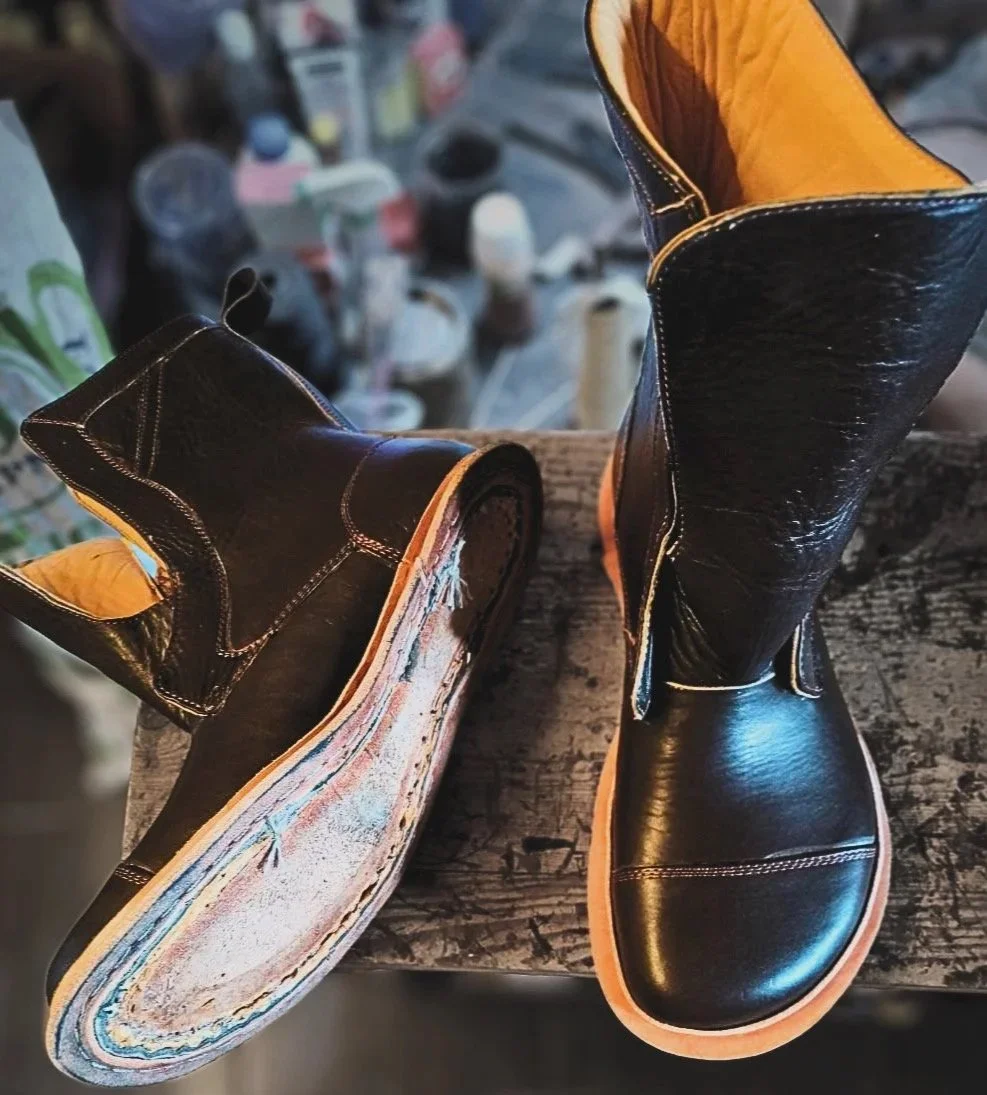
The outsole, midsole, welt, and sole filler can all be replaced, work that may also form part of a more extensive resole. A rebuild can go deeper and replace the structural insole that the boot is built around.
The work can extend into the upper as well. Depending on the construction, a skilled bootmaker can take the upper apart to replace a worn lining or individual leather panels. A damaged section doesn’t automatically mean the entire upper needs replacing.
But this is where the surrounding material has to pull it’s weight. If you replace one panel of leather, the adjacent panels still need to hold the stitching. There’s little point sewing fresh leather into something that’s already falling apart. The repair has to leave you with a boot you can keep wearing.
Poor materials or extensive damage can narrow those options considerably. A boot might still be suitable for a basic resole while being a poor candidate for a deeper rebuild. In worse condition, even a resole may no longer be practical. That’s why you need to stay on top of that wear.
Your bootmaker or cobbler needs to assess the actual pair to tell you what can be replaced and what’s worth keeping. Sometimes the full extent of the work only becomes clear once the boots are taken apart.
How Many Times Can Boots Be Rebuilt?
For a full rebuild that includes replacing parts of the upper, I generally tell people to plan on once, maybe twice if you are lucky. But that all depends on the construction and the condition of the leather.
Resoling gives you much more room to keep a pair going. A quality welted boot can go through repeated outsole replacements, with the welt itself replaced when necessary. That makes many rounds of resoling possible, provided the rest of the boot remains in good condition.
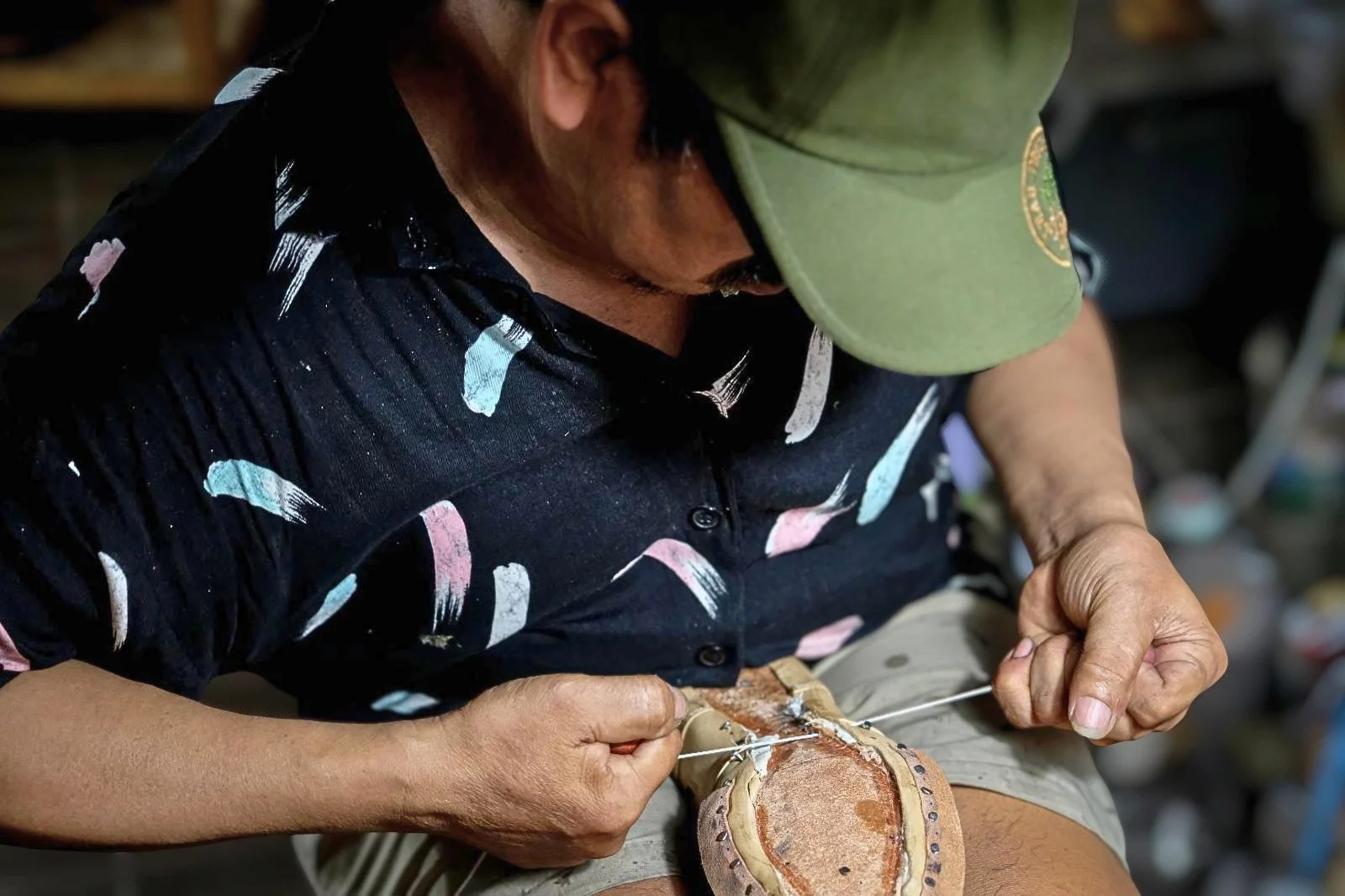
The advice I give people is to take care of the leather and replace the outsole before wearing all the way through it. Once you’re walking on the layers underneath, you’re wearing down components that could otherwise have stayed in the boot. Getting a resole at the right time helps keep the repair straightforward.
A full rebuild asks more of the parts you’re keeping. The remaining leather has already spent years flexing and carrying stitching, and it needs to survive being taken apart and sewn again. Replacing a damaged panel doesn’t restore the condition of the leather around it.
So I wouldn’t buy a pair expecting an endless series of full rebuilds. Look after the boots, stay ahead of sole wear, and have your bootmaker assess the remaining leather whenever more extensive work becomes necessary.
Is Rebuilding Boots Worth the Cost?
For an expensive pair of boots, a full rebuild can sometimes cost less than buying a comparable replacement. Get a quote for the work your boots actually need, including shipping, and compare that with what you’d spend on a new pair.
Ask what the quote covers, too. You want to know which components will be replaced and whether the parts being kept are sound enough for continued use. That helps you judge what you’re getting for your money.
But the price comparison can’t account for your attachment to those boots. If you’ve worn them for years and want to keep them, a rebuild might be worthwhile even if the saving is small. You might happily pay the same as a new pair to keep wearing a pair that means something to you.
Only you can decide what that’s worth. The bootmaker can tell you what’s repairable and what the work will cost. You decide whether to go ahead.
How Can You Tell If Boots Are Rebuildable Before Buying?
The simple answer is to ask. Find out how much of the boot can be repaired beyond a basic resole, and who would carry out that work. Ask about the specific model you’re considering, because the options can vary within a brand.
With a small brand like Naang, you can often speak directly with someone involved in making the boots. I answer questions from customers every single day. If there’s something you want to know about our boots or how they can be repaired, shoot me an email and I’ll get back to you.
Be specific with your questions. Can the structural insole be replaced? Can the lining or damaged sections of the upper be replaced? Does the company offer those repairs itself, or would you need to find a cobbler who can do them?
With a larger brand, you may need to speak with a sales associate at a shop or contact customer service. Ask for details about its rebuild service and any limitations. If the person you’re speaking with doesn’t know, ask them to check with the repair team or manufacturer.
What Makes Naang Boots Rebuildable?
Naang Boots are rebuildable because our hand-welted construction allows a bootmaker to take the boots apart and replace worn components while keeping the parts that are still sound. That makes resoling straightforward and gives us options for more extensive repairs when needed.
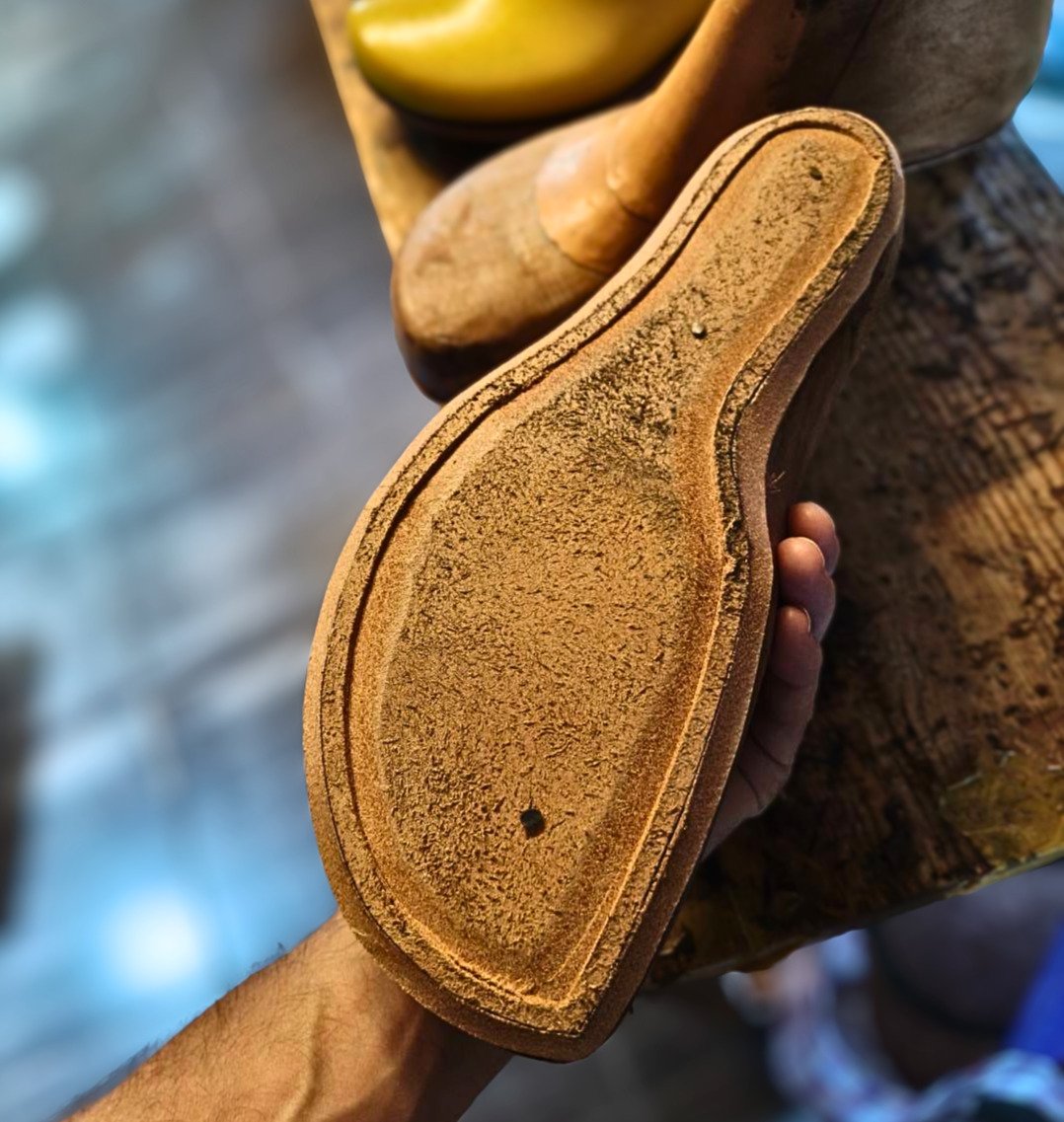
We stitch the welt and upper directly to a holdfast carved into the leather insole. Our uppers are handmade from thick, tough leather with a full leather lining. Keeping that leather in good condition gives us something solid to work with if a rebuild becomes necessary.
Ideally, you’ll keep wearing your boots through regular care and timely resoles for years before considering deeper repairs. Looking after the uppers and replacing the outsole before you wear through it helps prevent damage that could turn a straightforward resole into a much bigger job.
If you eventually need a full rebuild, the condition of the remaining leather will determine what we can keep and what needs replacing. Our construction makes that work possible, and the care you give your boots helps preserve those repair options.
Read Next
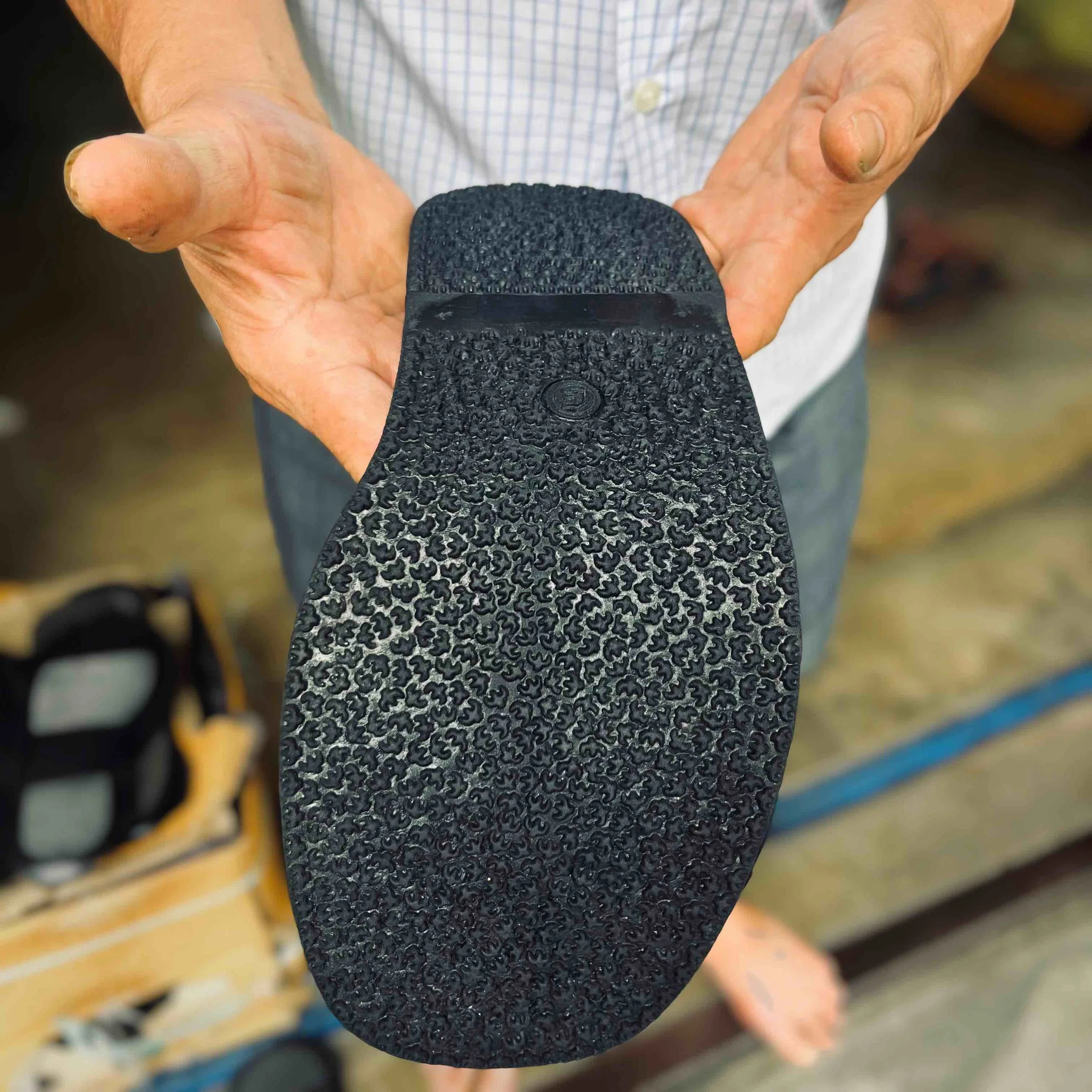
Frequently Asked Questions About Rebuildable Boots
What is the difference between a boot rebuild and a resole?
A resole replaces the outsole and may also include a new midsole, welt, and sole filler. A boot rebuild goes deeper, potentially replacing the structural insole or sections of the upper and reconstructing the boot around the parts being kept. Repair terminology varies, so ask what the service includes.
Can hand-welted, Goodyear-welted, and stitchdown boots be rebuilt?
All three construction methods can allow a boot to be rebuilt. The extent of the work depends on the construction details, the condition of the remaining materials, and what the maker or cobbler can replace. A construction method alone doesn’t guarantee that a particular pair can be saved.
Which parts of a boot can be replaced during a rebuild?
Depending on the construction, a rebuild can replace the outsole, midsole, welt, sole filler, and structural insole. More extensive work may include replacing the lining or individual leather panels in the upper. The surrounding material must remain strong enough to support the repair.
How many times can boots be rebuilt?
There’s no fixed rebuild limit that applies to every pair. For major rebuilds involving replacement of upper panels, I generally tell people to plan on once, perhaps twice, depending on the condition of the leather being kept. Routine resoles are less extensive and may be possible many times with proper care and timely repairs.
Is rebuilding boots cheaper than buying a new pair?
A boot rebuild can cost less than a comparable new pair, particularly when the original boots were expensive. Compare the complete repair quote, including shipping, with the cost of the replacement you would actually buy. Your attachment to the boots may also make rebuilding worthwhile even when the saving is small.
Will rebuilt boots need to be broken in again?
Rebuilt boots may need another break-in period, especially if the structural insole or sections of the upper are replaced. Those changes can also affect the fit, so don’t assume the boots will feel exactly as they did before. Discuss any fit concerns with the bootmaker before the work begins.
How can I tell if boots are rebuildable before buying?
Ask the maker what can be replaced on the specific model beyond a basic resole. Ask about the structural insole and upper components, and find out who would carry out those repairs. Confirm whether the company offers rebuilds itself or whether you would need an independent cobbler with the right experience.
Can Naang Boots be resoled and rebuilt?
Yes, Naang Boots use hand-welted construction that allows routine resoling and more extensive rebuilding when the remaining materials are sound. Our handmade uppers use thick leather with a full leather lining, and their condition helps determine what can be retained during a repair. Get in touch if you have questions about your pair so we can discuss what work may be possible.
Shope Rebuildable Naang Boots
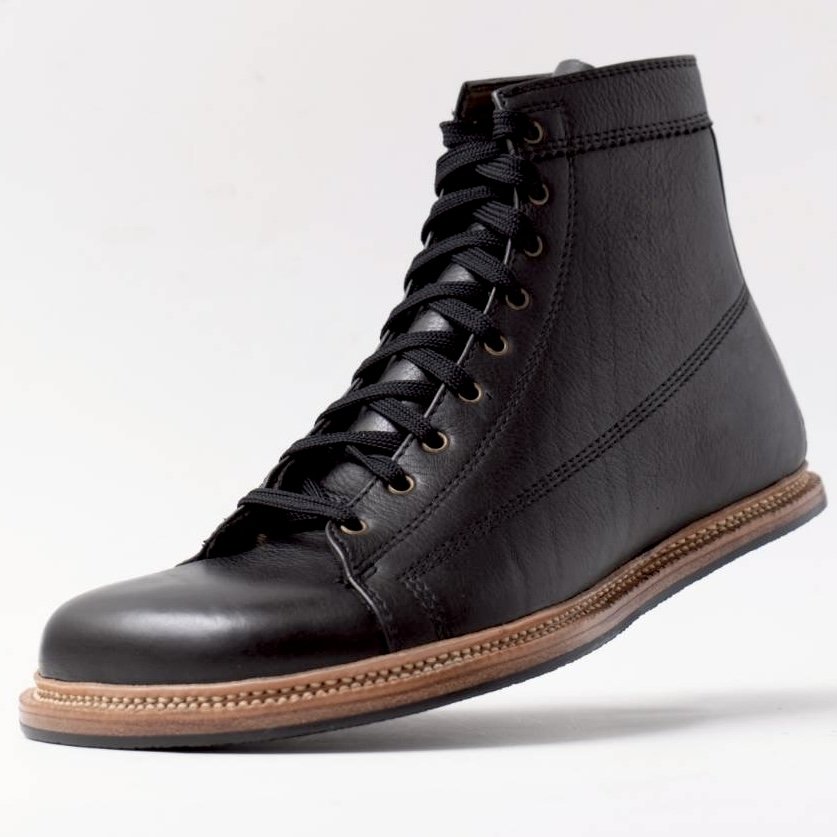
All Boots Are Made-To-Order. Current Lead Time: 60-90 Days.
Not sure about your size? Check out our Sizing Guide.
The Winnfield is built to walk the earth.
City streets. Back alleys. Remote trails. Foothills that don’t forgive mistakes.
Wherever you go, it keeps moving.
Construction: 360° Hand-Welted
Lace-to-Toe
Shaft Height: 6 inches
Last: Anatomical Zero Drop
Our Anatomical Last is very wide, if you feel your foot is exceptionally wide please indicate so on the form that pops up after you add the boots to your cart, we will get in touch to make sure that your boots are wide enough for your feet. We got you!
Leather: 2.5-3.5mm Full Grain
Full Leather Liner
Outsole: Naang Flat Rubber Super Grip
Built on our Anatomical Natural Toe Box last, the Winnfield follows your foot’s true shape.
Not the other way around.
Lace-to-toe construction, lets you fine-tune the fit, helping limit hot spots, pressure, and other foot problems mile after mile
Your toes can spread. Your stride stays strong. Comfort holds, mile after mile.
Every pair is hand-welted with a full 360° storm welt.
Not for looks. Not for marketing. For durability.
It seals out the elements and locks the upper to the sole the way it should be done. Built to take abuse. Built to last.
Inside, a leather shank adds structure where you need it, while letting the forefoot move the way it should.
Stable step after step. Solid under load. Comfortable through long days on your feet.
This is not a delicate boot.
It’s a tool.
The Winnfield is made to walk the earth.
Worldwide Shipping Available.