Anatomical Boots
What Are Anatomical Boots?
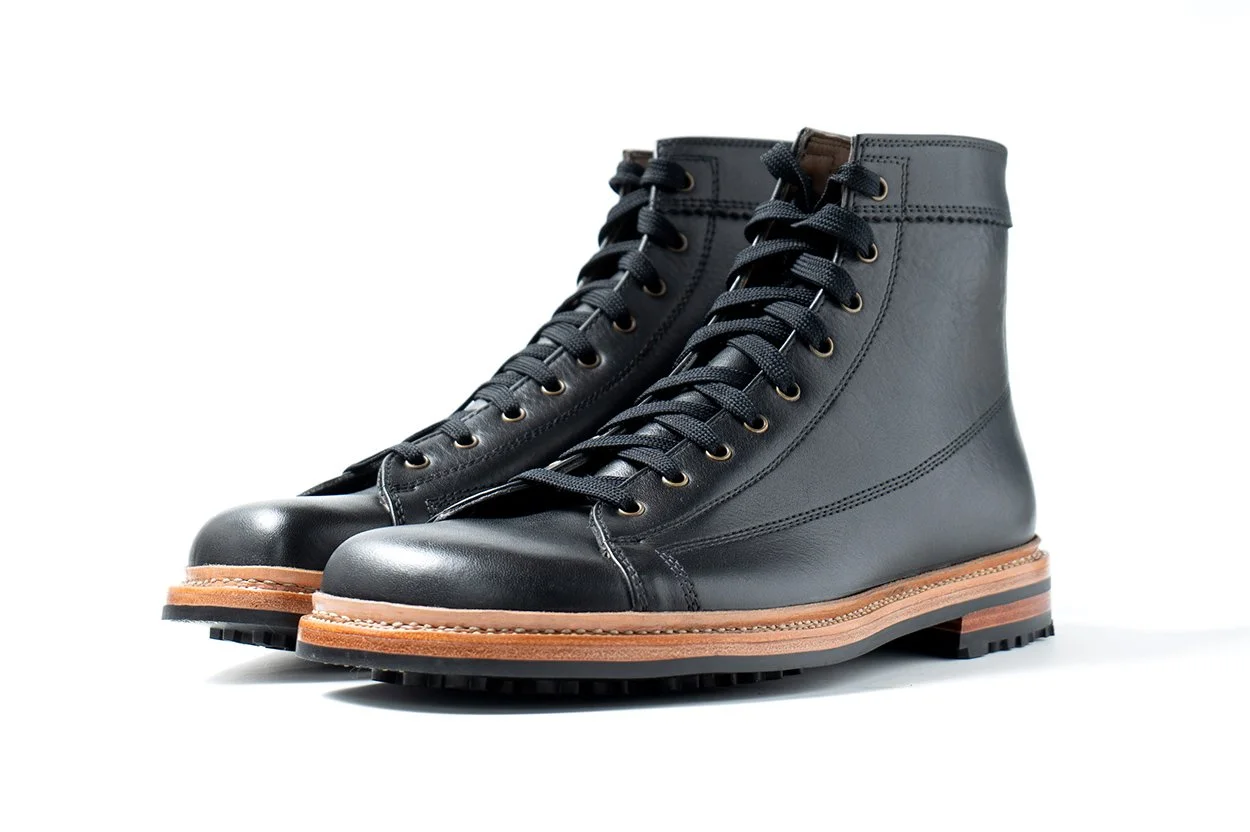
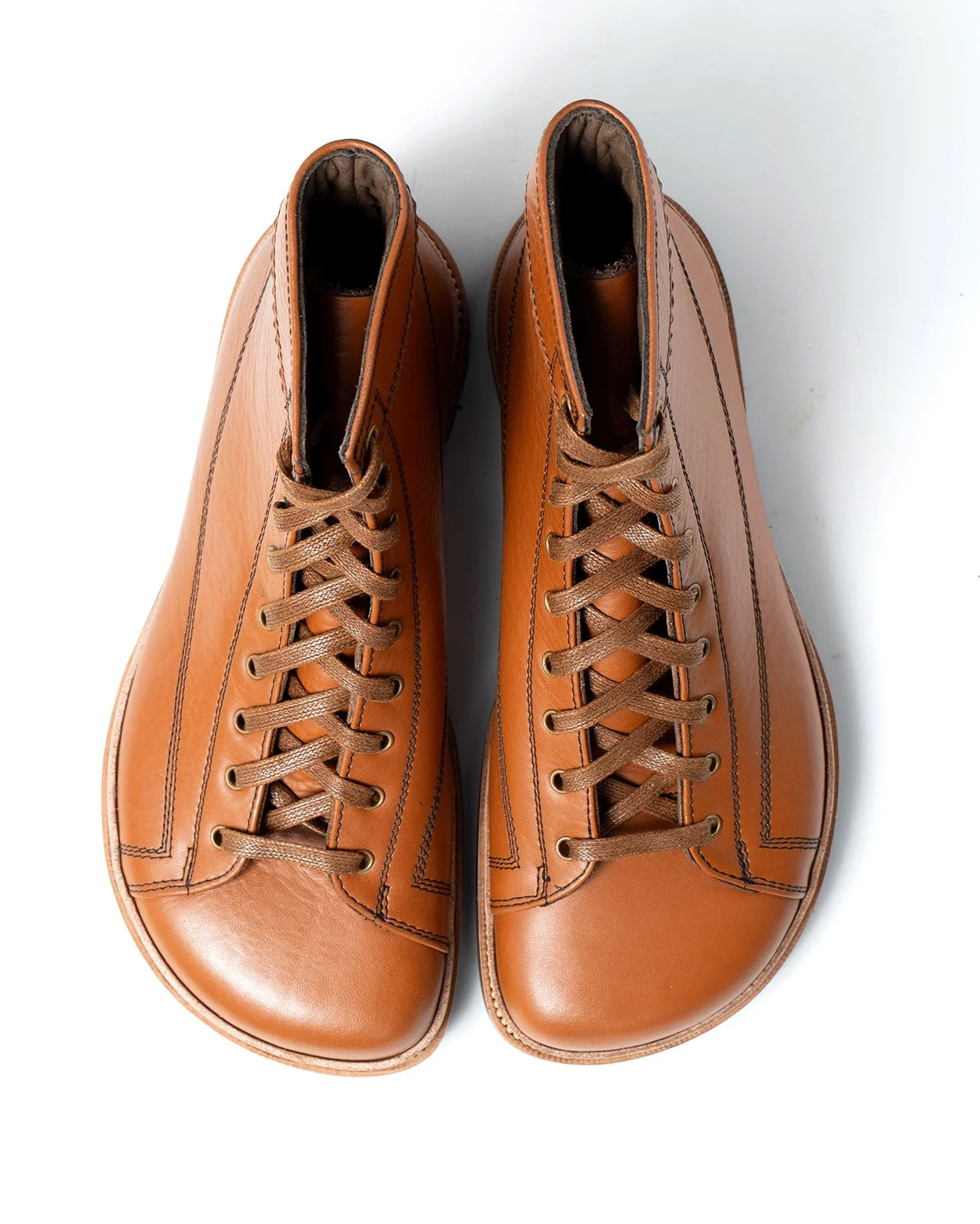
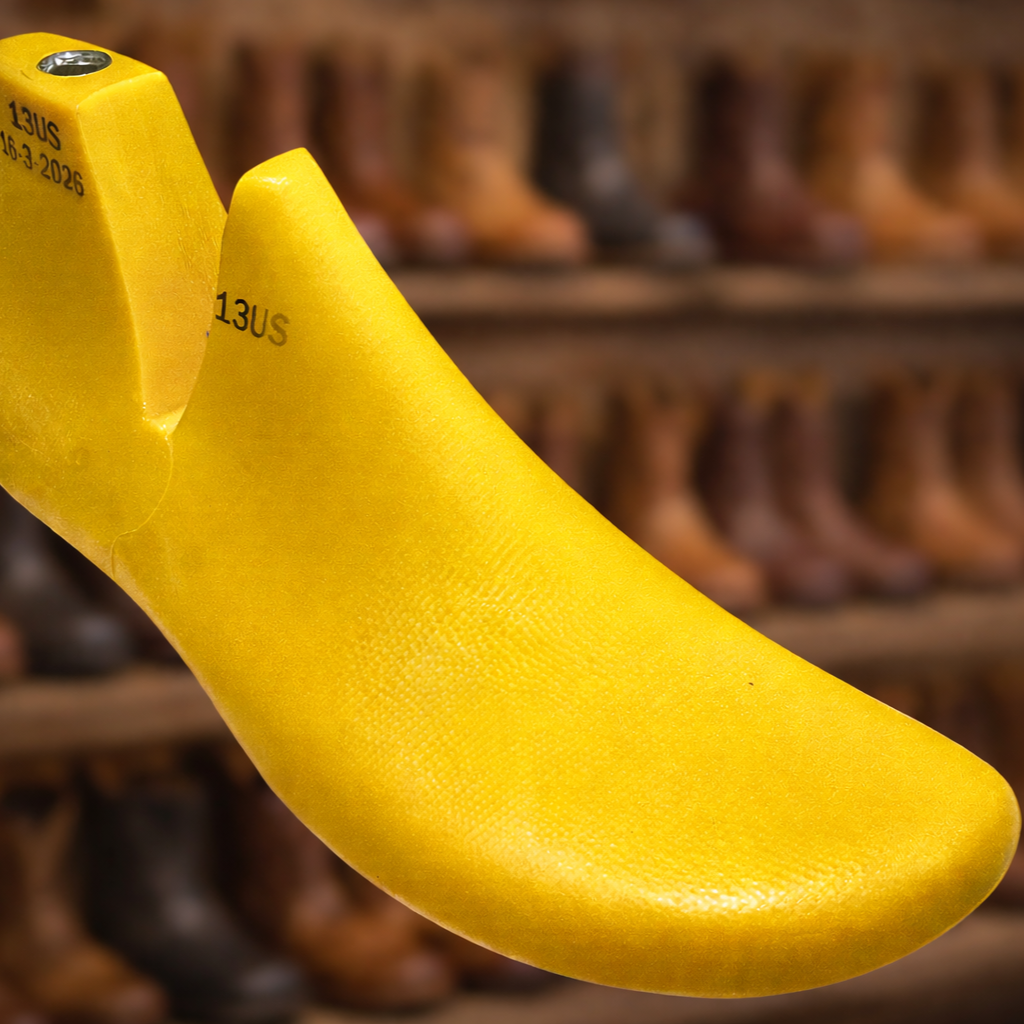
Anatomical boots are boots designed around the natural shape and function of the human foot. At Naang Boots, that starts with the last. Our anatomical toe box gives the forefoot a broad, naturally shaped platform with enough room for your toes to spread instead of being pushed together. From there, the boot narrows through the midfoot and heel, keeping your foot secure and allowing the heel to lock into place without filling the entire boot with unnecessary space.
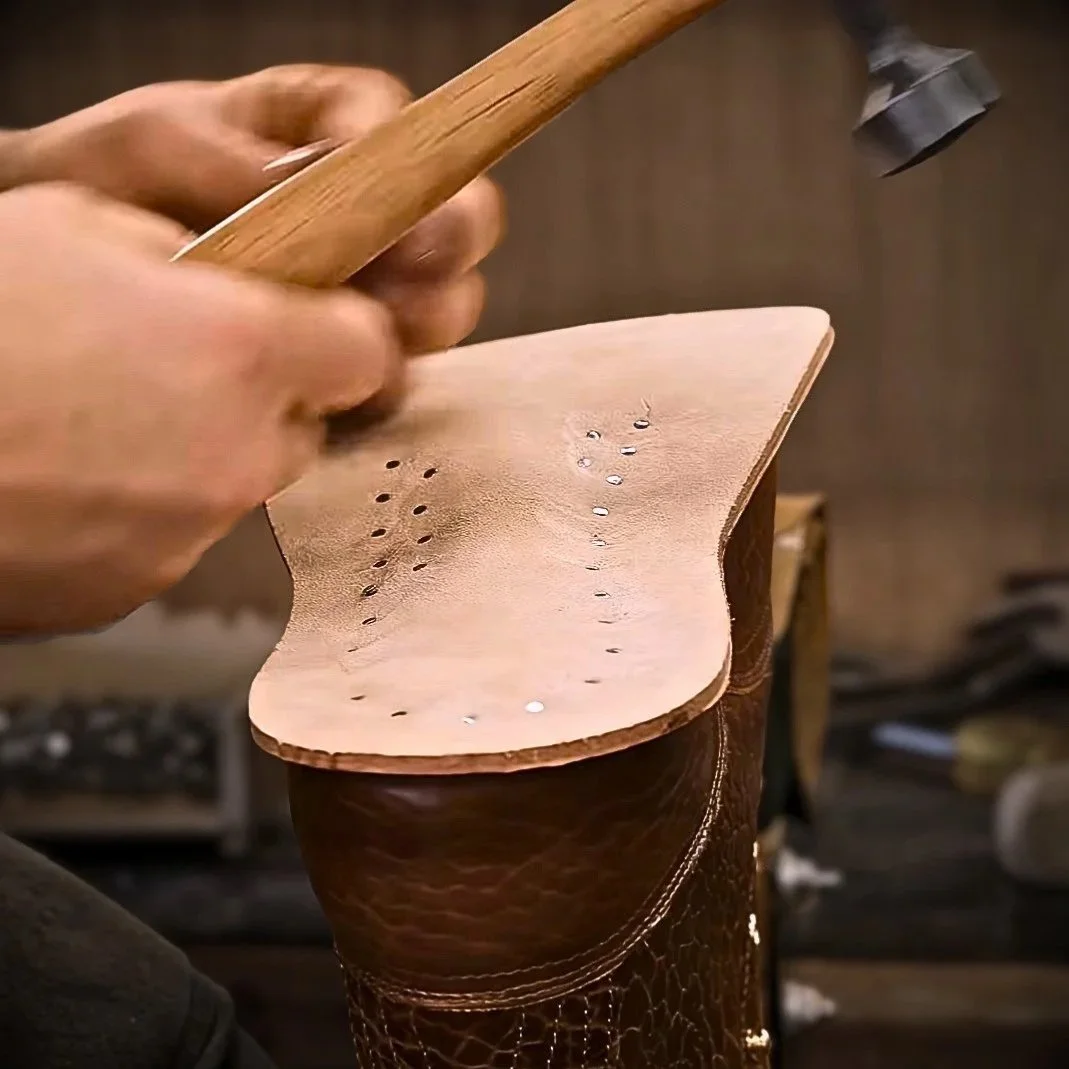
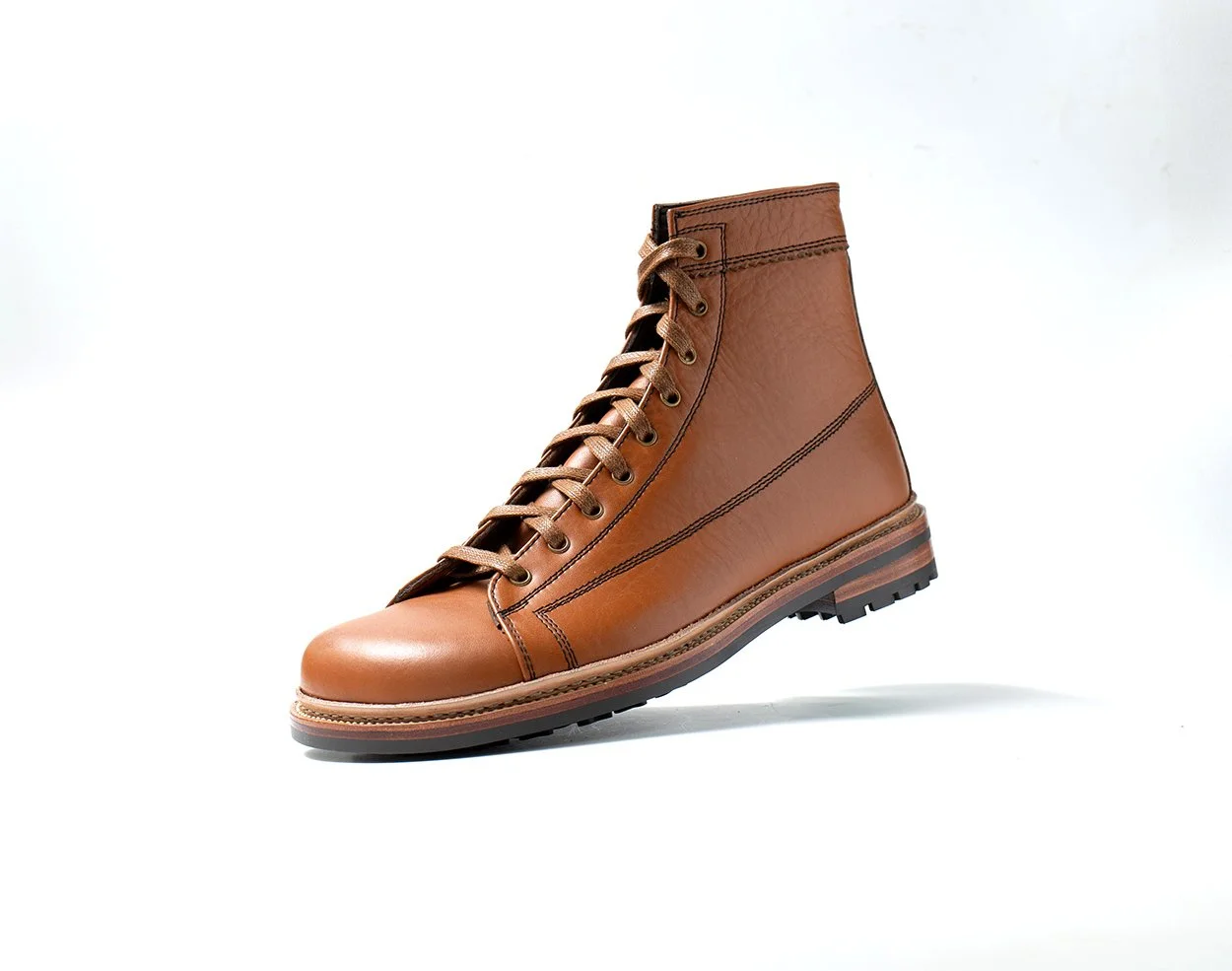
We also design the boot to move with the foot rather than fight against it. One reason is our use of a leather shank instead of a steel or wooden shank. It still provides structure and support through the middle of the boot, but it can flex and gradually conform to the way your foot moves as you walk. All of our boots are hand welted, which gives them rock-solid construction while preserving the flexibility and range of motion needed in an anatomical design.
Finally, we offer our boots with either a minimal heel or a zero-drop configuration. Both keep the heel relatively close to the level of the forefoot and avoid the pronounced heel elevation found in many traditional heritage boots.
For us, anatomical boot design is not about making a boot wider everywhere or turning a heritage boot into a barefoot shoe. It is about giving your foot room where it needs room, holding it securely where it needs support, and building the boot so it can work with the natural movement of your foot.
Read More About Anatomical Boots

Anatomical Boots vs Barefoot Boots
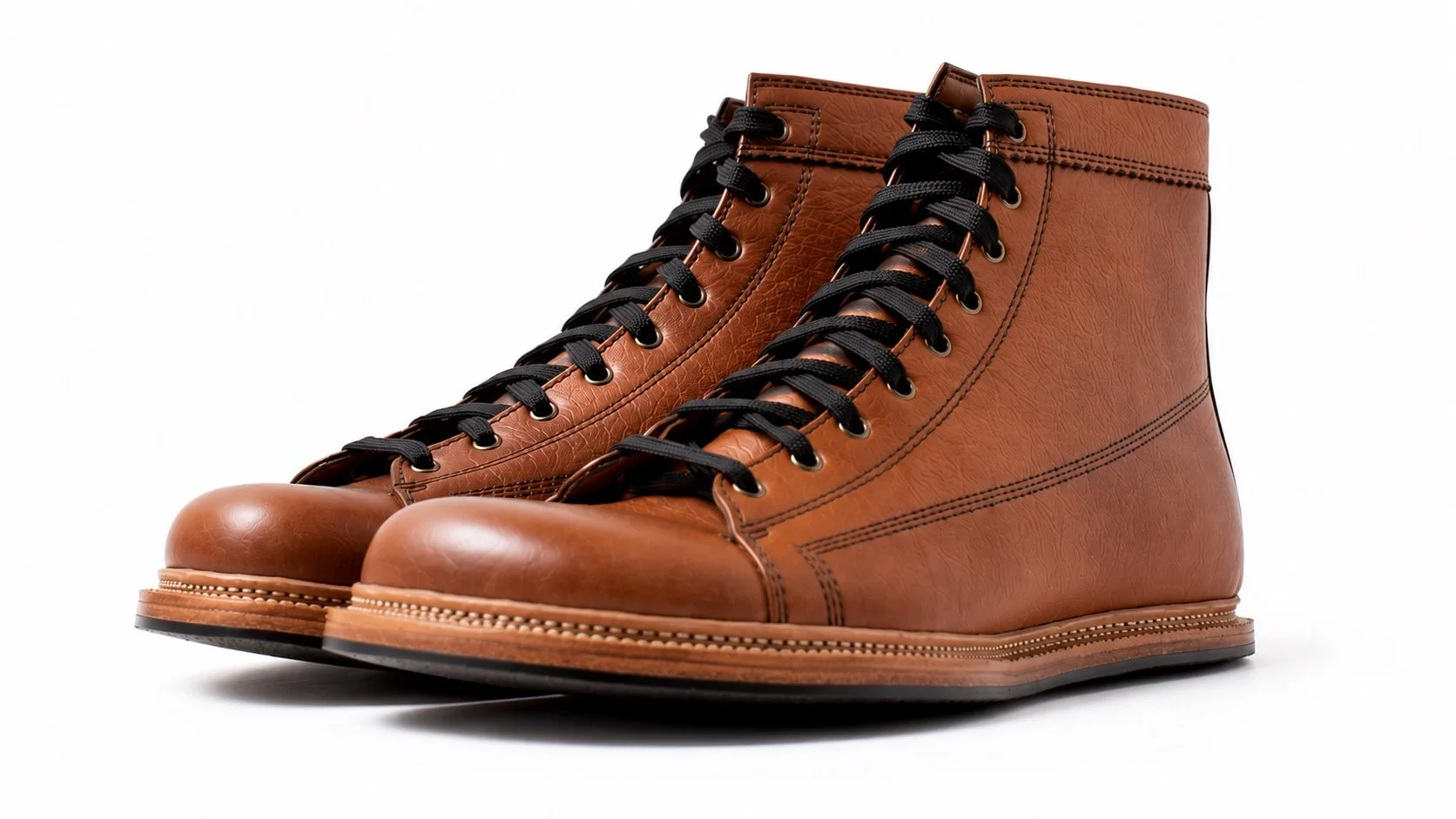
Anatomical boots and barefoot boots share some ideas, but they aren’t the same thing. Both often start with an anatomical toe box that gives your toes room to spread naturally. Barefoot boots take things further, typically combining that shape with zero drop, thin flexible soles, minimal structure, and plenty of ground feel.
An anatomical boot doesn’t have to do any of those things. It can have a substantial sole, structured construction, thick leather underfoot, and even a small heel. Anatomical describes how the boot is shaped around your foot. Barefoot describes a broader approach to how footwear functions.
At Naang, we build anatomical heritage boots, not barefoot boots.
Shop Handmade Anatomical Boots


Frequently Asked Questions About Anatomical Boots
What are anatomical boots?
Anatomical boots are boots designed around the natural shape and function of the human foot. They typically provide more room through the forefoot and toes while maintaining a secure fit through the midfoot and heel.
At Naang Boots, we take that idea further by combining an anatomical toe box with a fitted midfoot and heel, flexible leather shank, and either a minimal heel or zero-drop construction.
What is an anatomical toe box?
An anatomical toe box follows the natural shape of the front of the foot instead of tapering the toes inward toward the center of the boot.
The big toe side tends to remain relatively straight while the toe box provides enough width for the other toes to spread naturally. This gives your toes room to move and splay without requiring the entire boot to fit loosely.
Are anatomical boots the same as wide boots?
No. Anatomical boots and wide boots describe two different aspects of footwear.
A wide boot has additional width, but its toe box can still taper toward the front. An anatomical boot is shaped to follow the outline of the human foot and places space where the foot actually needs it.
An anatomical boot can also be made in different widths. Width describes how much space the boot has. Anatomical describes its shape.
Are anatomical boots the same as barefoot boots?
No. Anatomical boots and barefoot boots can share some design features, but they are not the same thing.
Barefoot footwear generally combines an anatomical toe box with zero drop, a thin flexible sole, minimal structure, and very little underfoot cushioning.
An anatomical boot only needs to be shaped around the anatomy and function of the foot. It can still use substantial leather, supportive construction, thick soles, and other features associated with traditional boots.
Naang Boots are anatomical heritage boots, not barefoot boots.
Do anatomical boots have to be zero drop?
No. A boot can have an anatomical shape without being zero drop.
Zero drop means that the heel and forefoot sit at approximately the same height. Anatomical design concerns the shape of the boot and how it accommodates the foot.
At Naang Boots, we offer both zero-drop and minimal-heel configurations because we consider heel elevation one part of boot design rather than the defining feature of an anatomical boot.
While a zero drop boot tends to be a more anatomically correct design, it’s not right for everyone, especially those transitioning to zero drop. Many people in that situation find our minimal heel more comfortable.
Why do anatomical boots have wider toe boxes?
Anatomical boots provide additional room at the front because the foot is naturally wider across the toes than it is through the heel.
That space allows the toes to spread instead of being compressed into a tapered toe box. A well designed anatomical boot does not simply make the entire boot wider. It combines room in the forefoot with a more secure fit through the midfoot and heel.
Should your toes touch the sides of an anatomical boot?
Your toes should have enough room to sit naturally without being compressed against each other or pushed inward by the sides of the boot.
Some contact with the leather during movement is normal, particularly as a leather boot flexes, but your toes should not feel squeezed together. The goal is usable space for natural toe movement, not an oversized boot with your foot sliding around inside it.
Should anatomical boots fit loosely?
No! Anatomical boots should provide room around the toes without allowing the entire foot to move freely inside the boot.
A properly fitted anatomical boot should hold the heel and midfoot securely while leaving enough space in the toe box for the toes to spread. This combination of a secure rearfoot and roomy forefoot is one of the major differences between an anatomical boot and a boot that is simply too wide.
Can heritage boots have an anatomical toe box?
Yes. Hell yes! There is nothing about traditional heritage boot construction that requires a narrow or tapered toe box.
The shape of a boot is largely determined by the last it is built around. A heritage boot built on an anatomical last can combine a foot-shaped toe box with traditional materials and construction methods such as thick leather uppers, leather insoles, leather midsoles, hand welting, and replaceable outsoles.
That’s exactly how we do it at Naang Boots.
What are the benefits of anatomical boots?
The primary advantage of anatomical boots is space for the foot to sit and move in a more natural position.
A properly designed anatomical boot gives the toes room to spread while maintaining a secure fit through the heel and midfoot. For people who find conventional tapered boots restrictive around the toes, an anatomical last can provide a very different fit without requiring them to move to lightweight or barefoot footwear.
Anatomical design does not guarantee that a particular boot will fit every foot, however. Width, volume, arch shape, heel shape, sizing, and the individual boot last still matter.
Lorem ipsum dolor sit amet, consectetur adipiscing elit. Vestibulum id ligula porta felis euismod semper.