Toe Spacer Benefits: What They Do and How to Use Them
Outside of boots and socks, toe spacers are one of the things I get asked about most. People want to know whether they help, how to use them, and whether they’re worth trying when switching to footwear with an anatomical toe box.
I use toe spacers myself, so I want to share what’s worked for me and what hasn’t. I’ll also look at what the research says, where it’s still limited, and how I fit toe spacers into a routine that supplements boots with an anatomical toe box and toe socks.
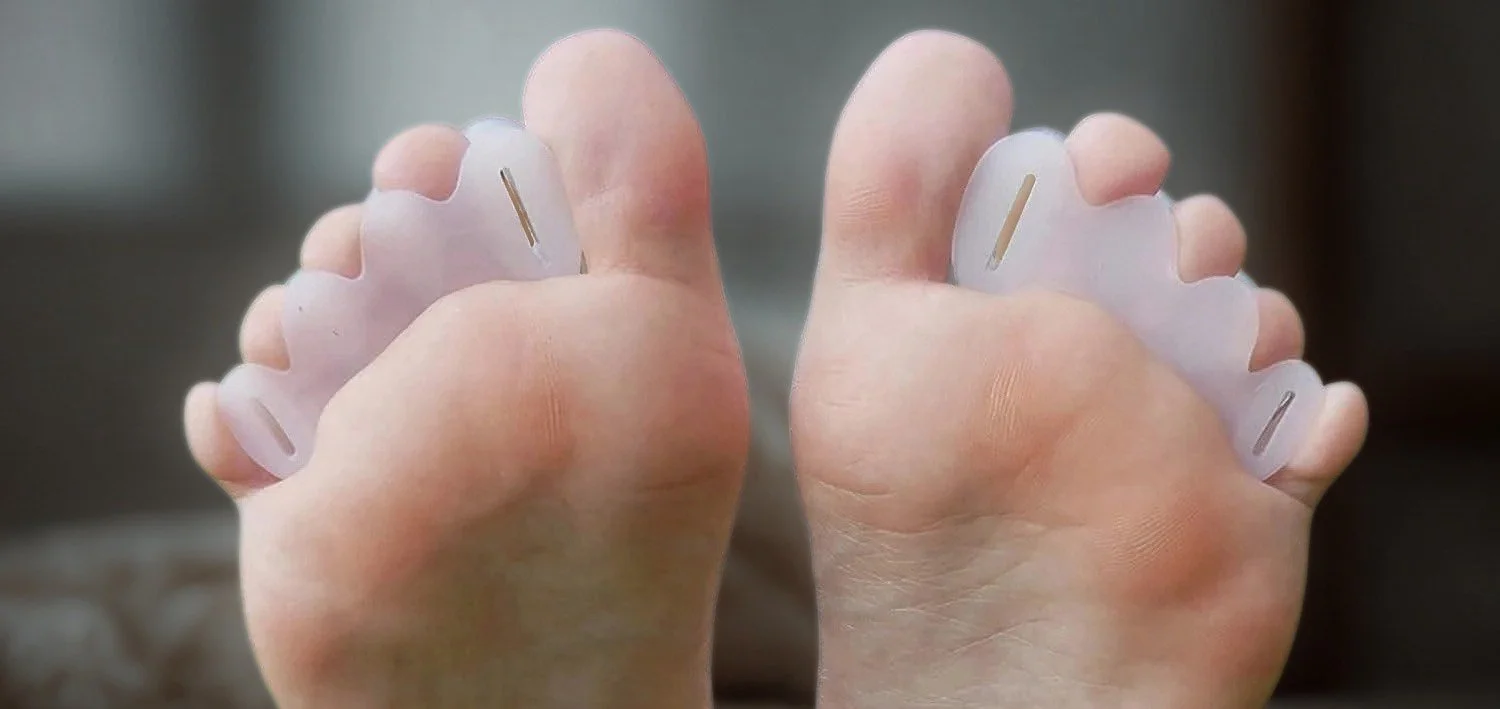
Adjustable Toe Spacers in Use
Table of Contents
What Are Toe Spacers, and What Do They Do?
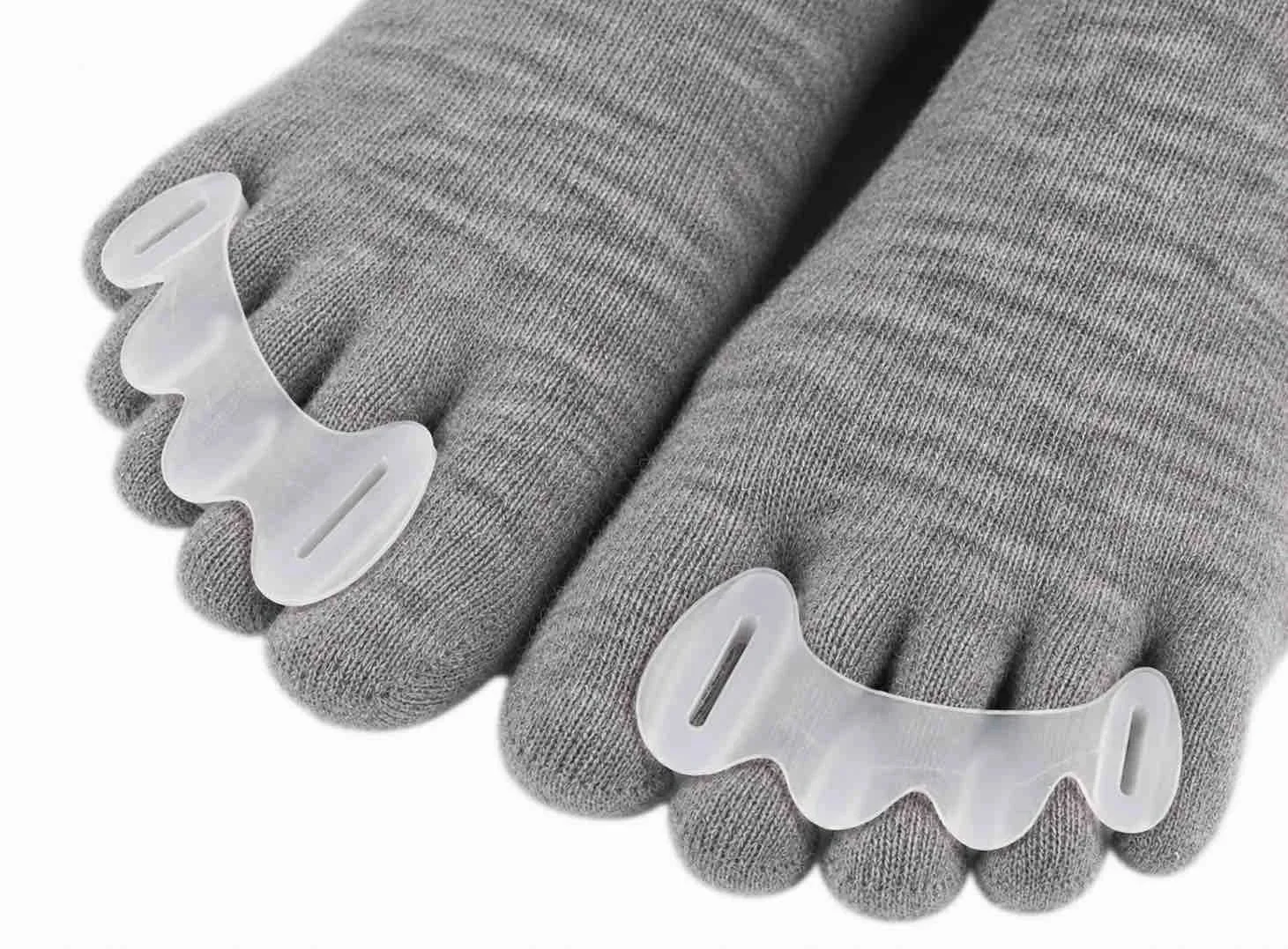
What should be a surprise to not a single person, Toe spacers do pretty much what the name suggests. They’re small devices, commonly made from soft silicone or foam, that sit between your toes and hold them apart, some might say they space them out. Some separate just two neighboring toes. Others fit across the foot to separate all five. The amount of separation depends on the spacer’s shape, size, and flexibility.
That physical separation is their basic job. It doesn’t necessarily mean they’re holding your toes in the ideal position for your particular foot, or that the spacing will remain once you take them off. There is research supporting certain uses, particularly for bunion-related symptoms, but the evidence is limited. Toe spacers aren’t an established cure for bunions or a guaranteed way to permanently reshape your feet.
I’ve used toe spacers for a long ass time. In my experience, they’ve helped my toes return toward a more natural position after decades of wearing shoes that squeezed them together. That’s my own observation, and I’ll explain what I noticed and how I used them later in this article. From a purely functional standpoint, their role is straightforward: they keep your toes apart while you’re wearing them.
What Are the Benefits of Toe Spacers?
Toe spacers reduce rubbing between neighboring toes and make crowded toes feel more comfortable while you’re wearing them. For some people with bunions, they may also reduce pain. The benefits depend on your feet, the spacer’s fit, and what’s causing the discomfort.
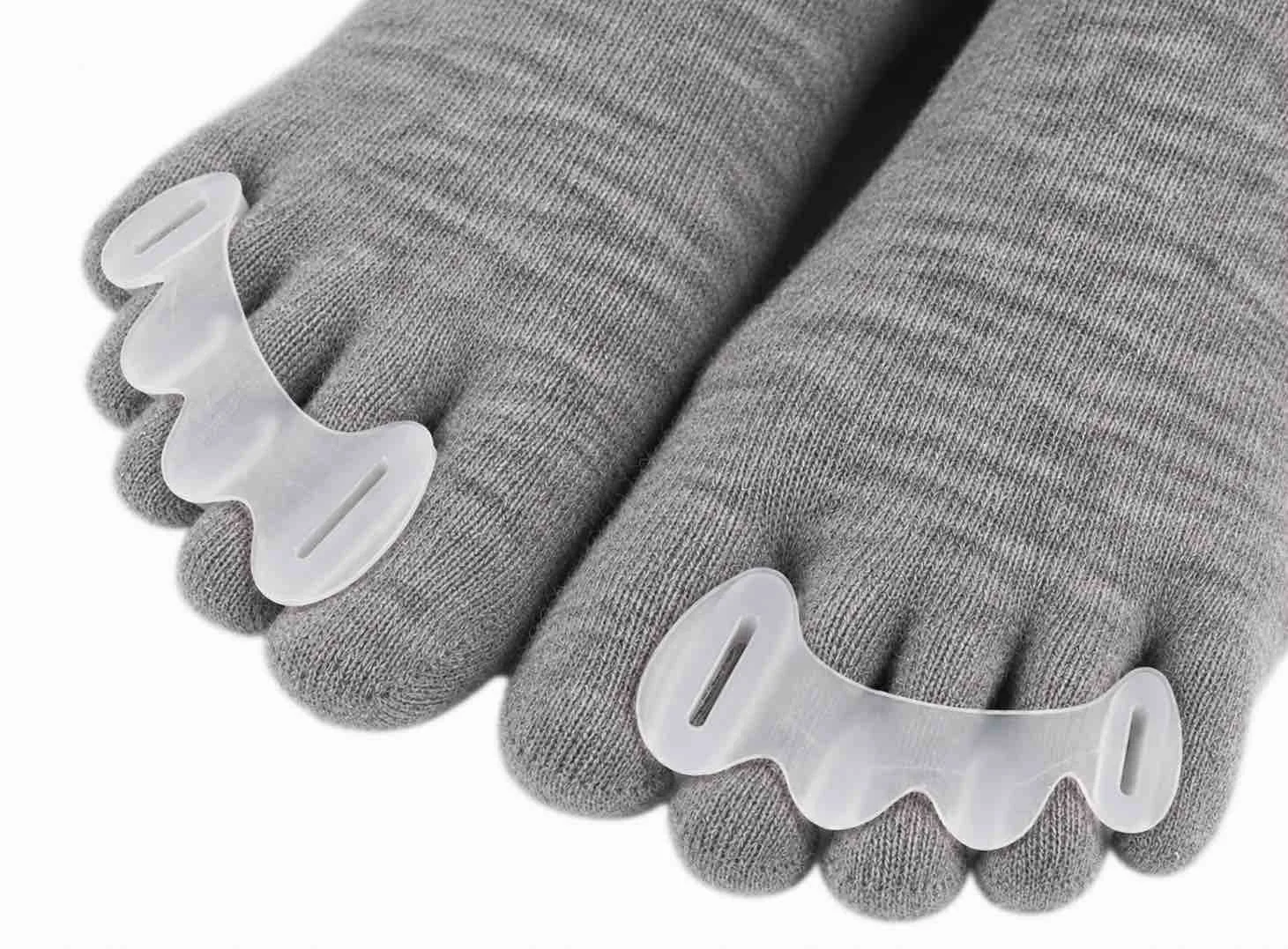
Putting a barrier between toes that rub against each other separates those surfaces and can cushion the contact between them. But fit matters. A spacer that pushes your toes too far apart can create additional pressure instead of relieving it.
There is also some evidence for improvements in big-toe alignment. In a randomized trial at Siriraj Hospital in Bangkok, people with moderate bunions used a custom-molded silicone spacer for six hours nightly over a year. Among those who completed the study, the spacer group’s bunion angle decreased by an average of 3.3 degrees, while the control group’s increased by 1.9 degrees. Pain also decreased in the spacer group. Those results are certainly promising; however, they don’t establish that every spacer will be as effective. And there is no indication that the changes will remain after you stop using the spacers.
And look. Claims about stronger feet or better balance should be taken with a grain of salt. A small 2026 trial found that adding spacers to a six-week foot exercise program provided no additional short-term benefit over exercise alone. Neither group showed a significant improvement in measured balance.
Toe spacers are a tool in your box. They can play a role in your overall foot health routine, as they do in mine, But you have to remember that holding your toes apart is not the same thing as actively exercising them.
Can Toe Spacers Help When Switching to an Anatomical Toe Box?
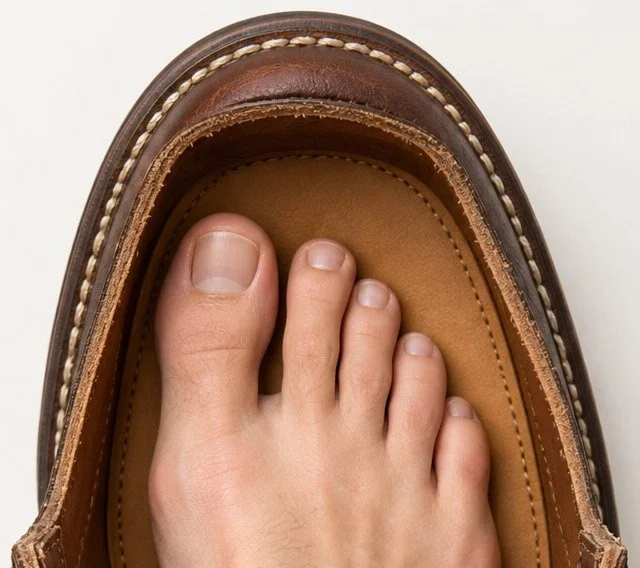
In my experience, toe spacers can be a useful part of switching from tapered footwear to boots with an anatomical toe box. For me, their place in that transition has mostly been outside the boots. I prefer to use spacers while relaxing, then leave them off when I’m walking so my toes can move freely within the space the boots provide.
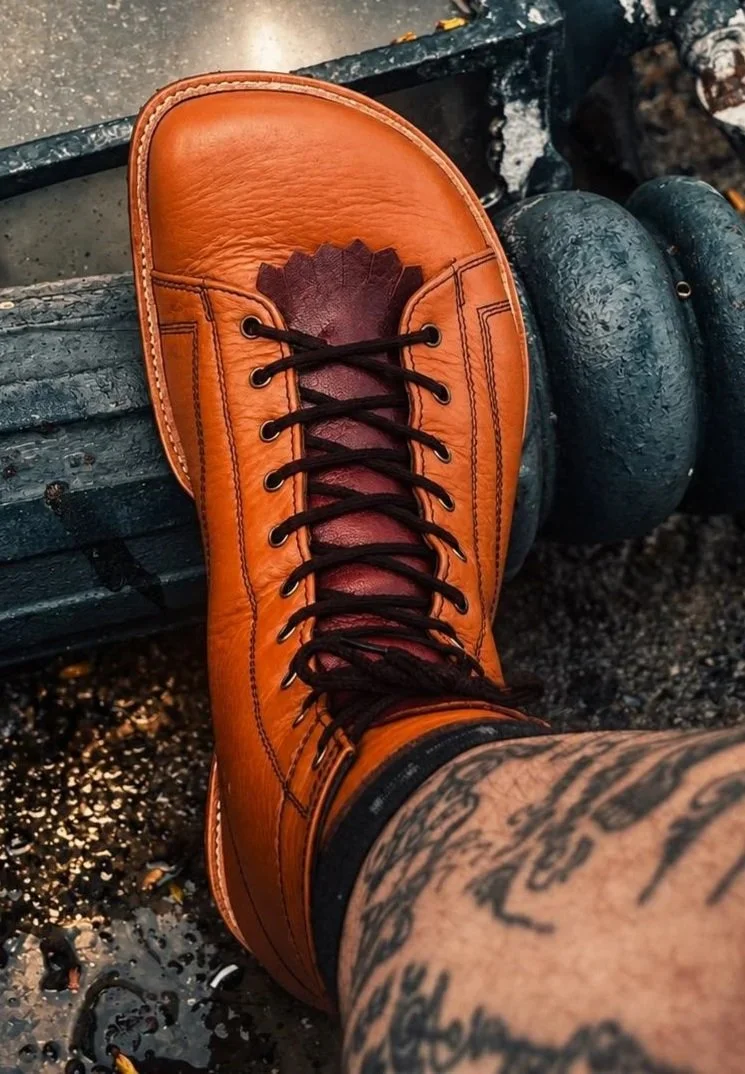
After decades of wearing shoes that squeezed my toes together, having room to spread them felt unfamiliar. I found that spending time with spacers on helped me get comfortable with that wider spacing. I felt they complemented the change in footwear, although I can’t separate their contribution from the benefits of wearing roomier boots.
That distinction matters. Toe spacers hold your toes apart while you wear them. They don’t act
Actively exercise your toes, and research has not established that they speed up adaptation to an anatomical toe box. Most clinical studies have focused on specific conditions, particularly bunions, rather than this footwear transition.
I see them as an optional tool. My preference is to give my toes some time apart while I’m sitting down, then give them the freedom to move when I’m on my feet. You don’t need to force a particular amount of toe spread to make use of the extra room in your boots.
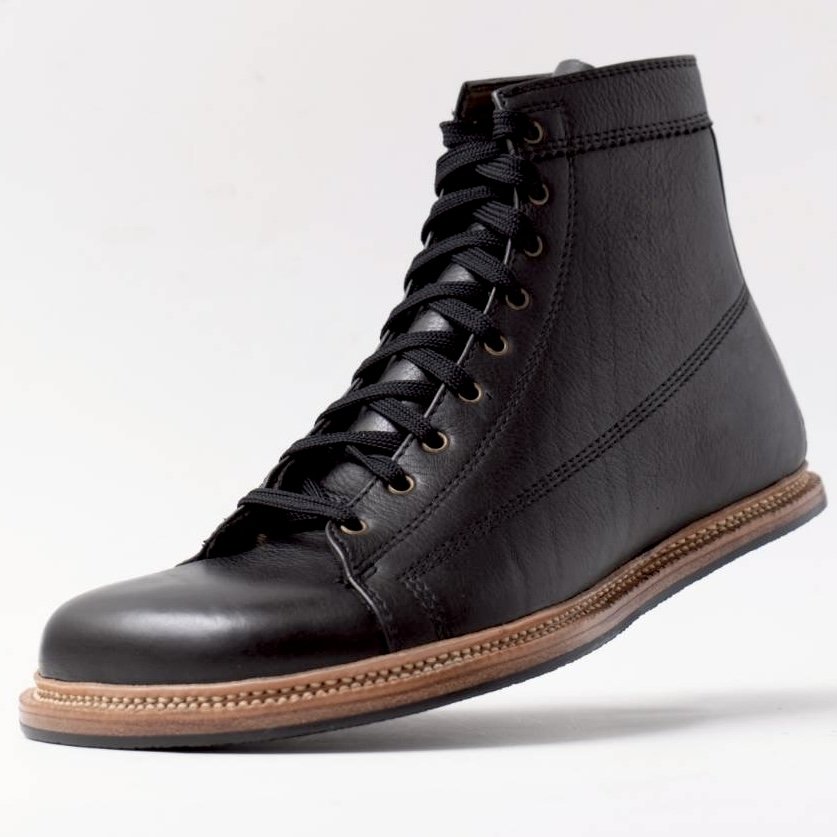
Shop Naang Anatomical Boots
My Experience Using Toe Spacers
When I first switched from shoes with cramped, tapered toe boxes to anatomical footwear, my toes finally had room to splay. But they weren’t doing much with it. After decades of squeezing them into tight shoes, I found it difficult to splay them on their own. That’s when I started using toe spacers, hoping to give the process a little help.
I started with small spacers and gradually moved to larger ones. My big toe and little toe were the areas I focused on most. I used adjustable spacers that let me add inserts in those positions to increase the spacing as my toes adjusted increased.
Someone recommended wearing them inside my shoes, but I never found that comfortable. With the spacers in, my toes felt restricted again, even inside a roomy toe box. So I mostly wore them while chilling at home, watching a movie or reading a book. I accidentally fell asleep with them on a few times, although that wasn’t the plan. When I laced my boots back up, I left the spacers off and let my toes do their thing.
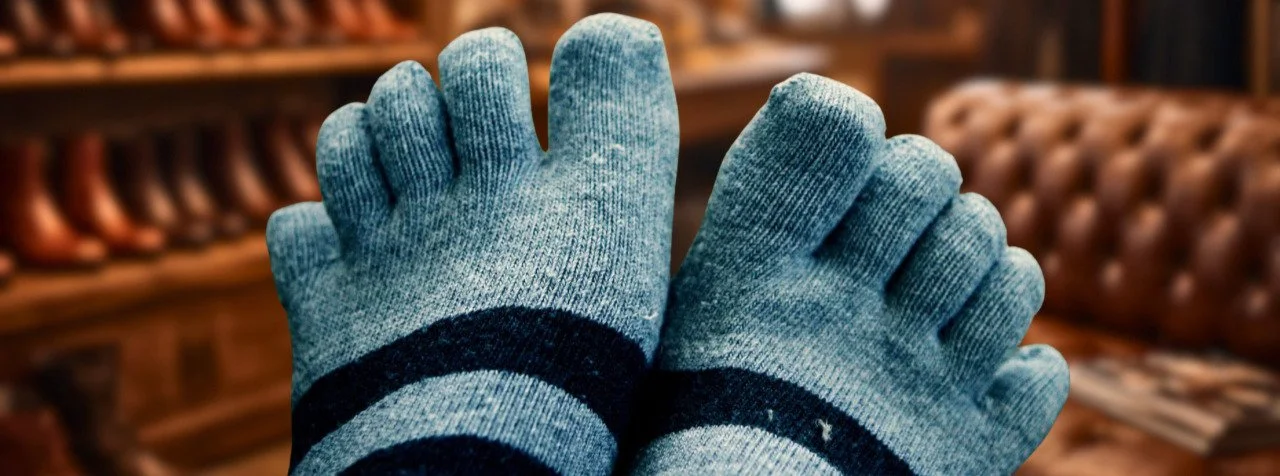
Around the same time, I switched to toe socks. I liked the way my toes could move in them, and the fabric between each toe gave me a little separation without the bulk of a spacer. For me, they felt comfortable alongside the extra room in my boots.
I was also doing foot exercises. I still finish every workout with them and fit them in throughout my day when I can.
That’s the context behind any benefit I attribute to toe spacers. I feel they helped my toes spread, but the changes happened over years. During that time, I was also wearing only anatomical footwear, using toe socks, and exercising my feet to work on strength and flexibility. I can’t tell you how much of the improvement came from the spacers alone.
The work is still ongoing. Toe spacers have been useful enough for me to keep using them, but my experience involves much more than putting them on and waiting for my feet to change.
How Should You Start Using Toe Spacers?
If your feet are generally healthy and pain-free, start with a comfortable fit and short sessions. Follow the instructions for your particular spacers and give yourself time to see how your feet respond. If you have an existing foot condition, foot pain, or concerns about toe alignment, speak with your doctor or podiatrist first. Basically, if you have any issues with your feet, talk to your doctor first. If it wasn’t already obvious, I’m not a doctor, so please keep that in mind.
I started with small, adjustable toe spacers that allowed me to add inserts between my big and second toes and between my little and fourth toes. That gave me control over the amount of separation, so I could increase it gradually as my toes became accustomed to the spacing. Over the years, I moved to larger spacers as needed. I’ll Link those below
You don’t need to copy that progression or keep moving to larger spacers. The aim is comfortable separation, not the widest spread you can achieve; my feet are big and meaty; I needed a bit more space. A spacer that creates additional pressure or pain is a no-go.
If they feel good and don’t bother you, then keep using them; if they hurt or are uncomfortable, they might not be fore you.
Should You Wear Toe Spacers Inside Your Boots?
Personally, I don’t wear them inside my boots. I find them uncomfortable and restrictive. My boots have an anatomical toe box that gives my toes room to splay, and I prefer to leave my toes free to move within that space. That’s what feels best to me when I’m walking.
I wear toe socks. Each toe sits in its own fabric sleeve, which puts a thin layer of material between neighboring toes. To me, that feels like a little extra separation while still allowing comfortable movement. I also like having fabric between my toes to absorb moisture.
My preference is for slightly thicker merino wool toe socks. The pairs I choose give me a subtle feeling of spacing without the bulk of silicone spacers. That comes down to the thickness and construction of the particular sock, rather than merino wool automatically being thicker than cotton or synthetics.
For my own routine, toe socks go inside the boots. Toe spacers stay at home for the times when my feet are out of them.
How Do Toe Socks Fit Into This Routine?
For me, toe socks are the everyday complement to toe spacers. Inside my boots, the individual sleeves put a little fabric between my toes without the bulk I find uncomfortable in a silicone spacer. I get that slight feeling of separation while leaving my toes free to move within the anatomical toe box.
At home, I can slip my spacers over my toe socks. The fabric adds a little thickness between my toes, so the combination feels different from wearing spacers against bare skin. That extra thickness needs to be accounted for when checking the fit. If you try this, make sure your spacers are designed to be worn over socks and that the combination stays comfortable.
I prefer using both, but they serve different purposes. Toe socks don’t provide the same separation as a dedicated spacer, and you don’t need to use one to benefit from wearing the other. For my routine, though, they work well together: toe socks throughout the day, with spacers added during some of the time I spend relaxing at home.
Frequently Asked Questions About Toe Spacers
Do toe spacers actually work?
Toe spacers can reduce rubbing between neighboring toes and provide comfort while you wear them. Some studies also report reduced bunion pain and modest improvements in big-toe alignment, but these findings involve specific devices and treatment schedules. Research has not established that ordinary toe spacers permanently straighten toes or reliably improve strength and balance.
Do you need toe spacers when switching to an anatomical toe box?
No. Toe spacers are an optional tool, and research has not established that they are necessary for, or speed up, the transition to anatomical footwear. I found them useful alongside roomier footwear and foot exercises, but that is my experience rather than a proven transition method.
How long should you wear toe spacers each day?
Start with short sessions and follow the instructions for your particular toe spacers. There is no research-backed wearing schedule that suits every device and foot, and increasing wearing time does not guarantee better results. Research on bunion treatment has used schedules lasting months, but those protocols should not be treated as general instructions.
Can you sleep with toe spacers on?
Do not assume your toe spacers are suitable for sleeping in. Although one bunion trial used custom-molded spacers for six hours nightly, that does not establish the suitability of overnight use for every retail device or wearer. Begin while awake, check the product instructions, and seek advice from a podiatrist before making overnight wear part of your routine.
Can you wear toe spacers inside boots or shoes?
Some toe spacers can be worn inside footwear if the design allows it and the toe box accommodates them without crowding your feet. I prefer wearing my anatomical boots without spacers because that feels more comfortable to me.
Should toe spacers hurt when you first use them?
No. Remove toe spacers if they cause pain, numbness, or skin irritation, and reassess the fit before trying them again. Pain is not evidence that the spacers are working, and persistent symptoms warrant professional advice.
Who should get medical advice before using toe spacers?
Talk with a doctor or podiatrist first if you have diabetes, reduced sensation, recurring foot sores, or an existing foot condition. Persistent pain or a toe deformity also deserves assessment before you try to change toe position yourself.
Can toe socks replace toe spacers?
Toe socks and toe spacers provide different amounts and types of separation, so they are not interchangeable. Toe socks place fabric between neighboring toes, but research has not established that ordinary toe socks provide the corrective effects studied with dedicated spacers. I prefer toe socks inside my boots and reserve spacers for some of my time relaxing at home.
What To Read Next


All Boots Are Made-To-Order. Current Lead Time: 60-90 Days.
Not sure about your size? Check out our Sizing Guide.
The Winnfield is built to walk the earth.
City streets. Back alleys. Remote trails. Foothills that don’t forgive mistakes.
Wherever you go, it keeps moving.
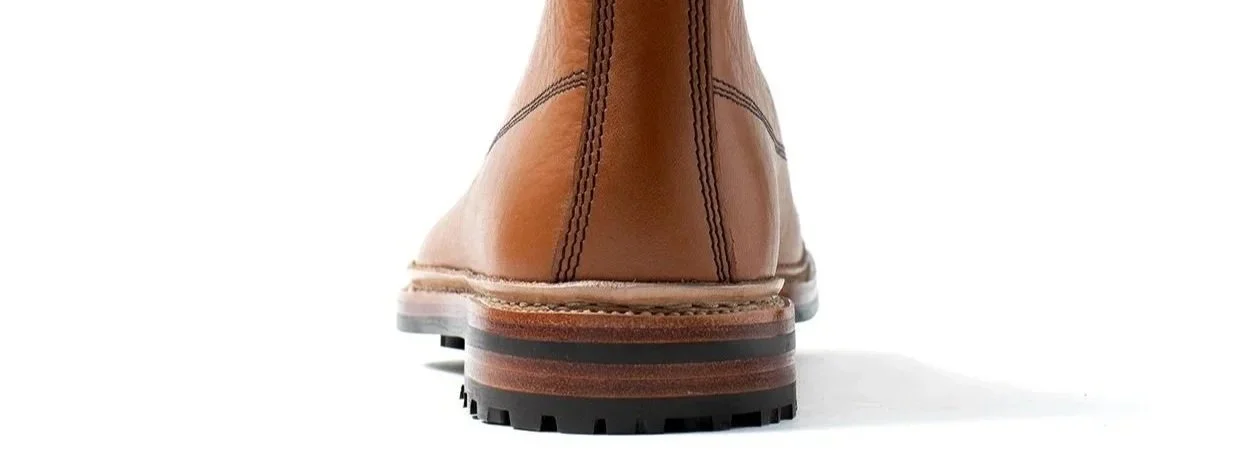
Construction: 360° Hand-Welted
Lace-to-Toe
Shaft Height: 6 inches
Last: Anatomical Zero Drop
Our Anatomical Last is very wide, if you feel your foot is exceptionally wide please indicate so on the form that pops up after you add the boots to your cart, we will get in touch to make sure that your boots are wide enough for your feet. We got you!
Leather: 2.5-3.5mm Full Grain
Full Leather Liner
Outsole: Naang Flat Rubber Super Grip
Built on our Anatomical Natural Toe Box last, the Winnfield follows your foot’s true shape.
Not the other way around.
Lace-to-toe construction, lets you fine-tune the fit, helping limit hot spots, pressure, and other foot problems mile after mile
Your toes can spread. Your stride stays strong. Comfort holds, mile after mile.
Every pair is hand-welted with a full 360° storm welt.
Not for looks. Not for marketing. For durability.
It seals out the elements and locks the upper to the sole the way it should be done. Built to take abuse. Built to last.
Inside, a leather shank adds structure where you need it, while letting the forefoot move the way it should.
Stable step after step. Solid under load. Comfortable through long days on your feet.
This is not a delicate boot.
It’s a tool.
The Winnfield is made to walk the earth.
Worldwide Shipping Available.