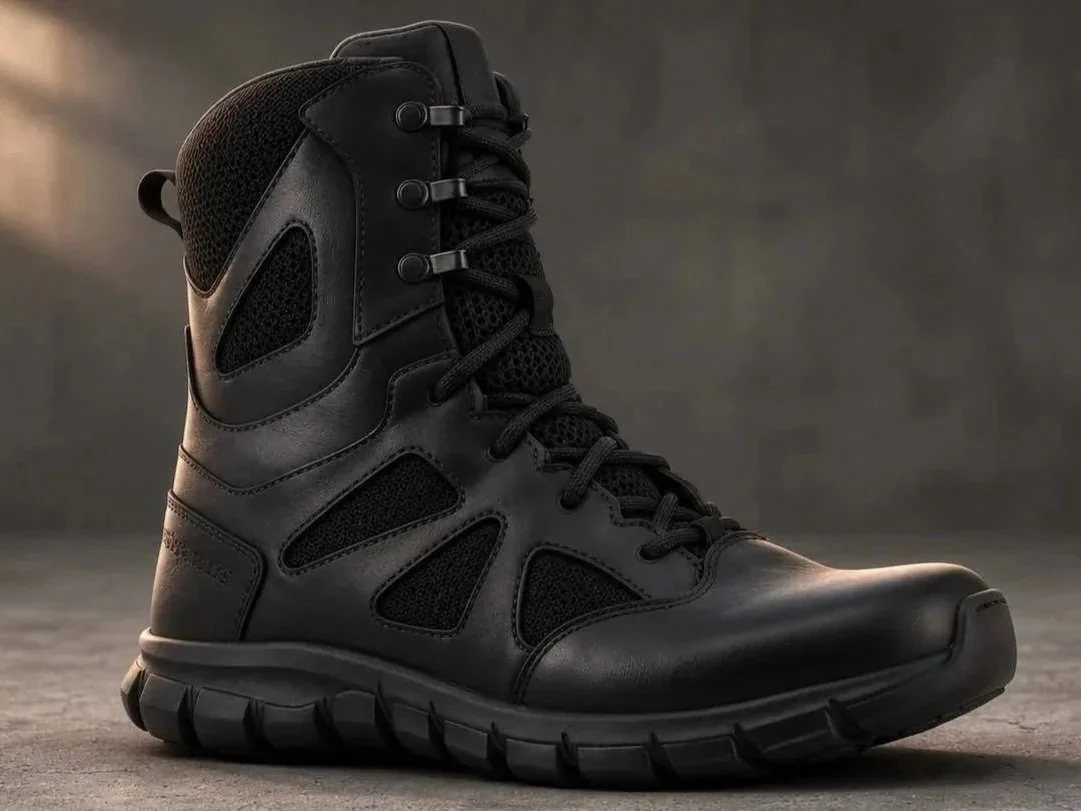
Max cushioning is everywhere in running shoes and casual sneakers, and I’m starting to see the same thick foam soles on boots. That gets my attention. As a bootmaker, I want to know how much room your toes have and where the boot bends when you walk. A soft landing feels good, but it tells you very little about either.
Kate Murphy’s piece on max-cushion running shoes in The Wall Street Journal got me thinking about what happens after that first try-on. Will you still want that much give underfoot after a full day on your feet? What does the research tell us about cushioning and foot strength? And how does that compare with a well-fitting leather boot that grows more comfortable as you break it in? And how long does a boot with maximal cushioning last when compared to heritage boot construction?
Let’s get into it.
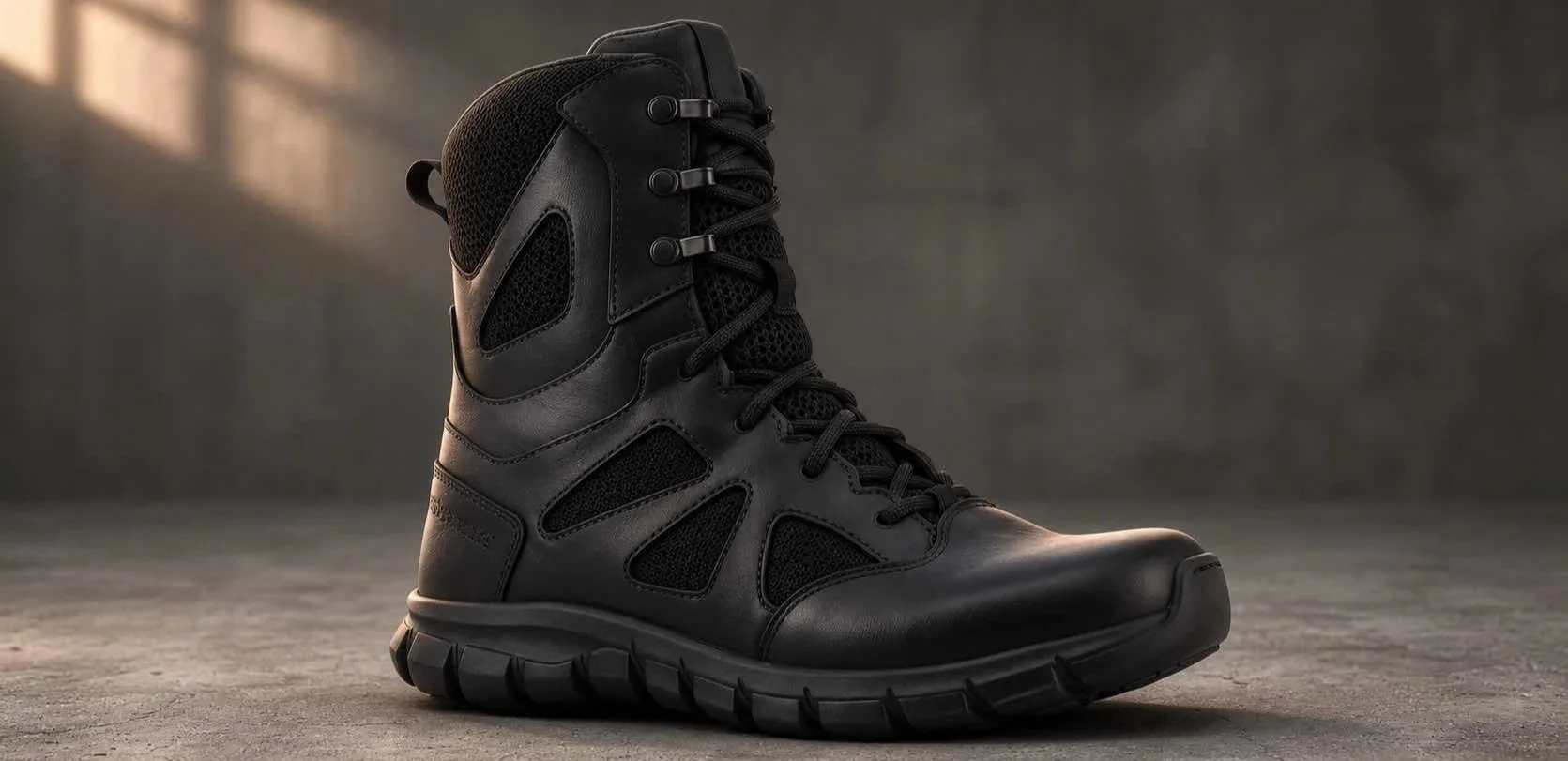
Table of Contents
Why Can Cushioned Boots Feel Great at First but Less Comfortable After Hours?
Think about sinking into a big, cushioned chair. It feels great when you first sit down. Stay there a while, though, and you sink far enough into the cushion that you start shifting around. By the time you get up, you’ve tried half a dozen ways to sit in the same chair. Come back tomorrow and that first minute feels good again. Once the cushion starts to pack down with use, even that first minute loses some of its appeal.
A cushioned boot can feel much the same way. On your first few steps, you notice how softly your heel settles into the foam. A few hours into a walk, you might start wishing for something firmer underfoot. The foam can still spring back with every step. What’s changed is how that give feels to you after miles of walking.
That difference showed up in a study of workers who spent much of the day on their feet. They tried three insoles that differed in firmness underfoot. After wearing each one for a full shift, 13 of the 20 workers chose a different favorite than they had after a one-minute try-on. People differed on the underfoot feel they liked. Even for the same person, the answer could change between lacing up for work and clocking out.
Does Wearing Cushioned Footwear Weaken Your Feet Over Time?
Walking in minimalist shoes can strengthen the muscles in your feet. It’s a safe bet that cushioned boots gradually weaken those muscles. Most studies compare whole shoes, which means the amount of cushioning changes along with other features, including how easily the sole bends. So there are many factors at play, but cushioning is a big one.
One study that caught my attention looked at everyday wear. In a six-month study of adults who switched to minimalist shoes, Rory Curtis and his colleagues measured how much force participants could produce by pressing down with their toes. After six months of going about their daily lives in the shoes, the group produced 57% more force on average. That figure applies specifically to toe strength. What interests me as a bootmaker is that people made that gain through ordinary activity.
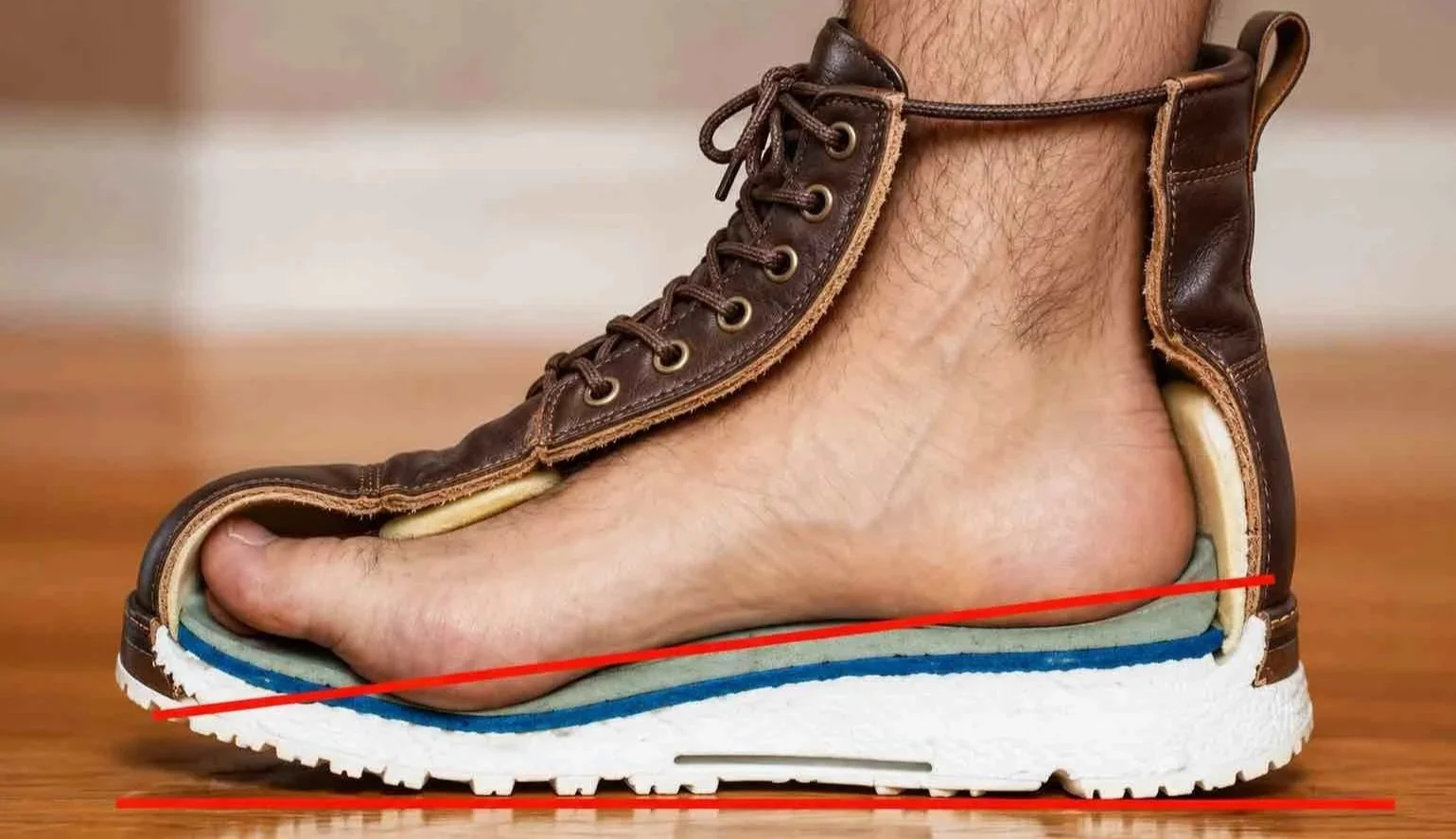
Cut away of a maximal cushioned boot sole
An eight-week trial involving 57 runners gives us a useful comparison. Everyone kept up their usual running mileage. One group gradually increased the number of steps they walked in minimalist shoes. A second group did foot-strengthening exercises. Both groups gained foot muscle strength and size.
A 2025 review of the research found the clearest strength benefit in the four smaller toes, though the reviewers rated the evidence as low to very low certainty. My takeaway for boot design is that what your foot gets to do inside a boot deserves way more attention than how soft the boot feels. When I’m fitting a pair, I want to know whether your toes have room to spread and whether the sole bends where your foot bends as you push off. You can learn more about both by walking across the shop than by pressing your thumb into the footbed.
How Should a Leather Boot Fit Before You Break It In?
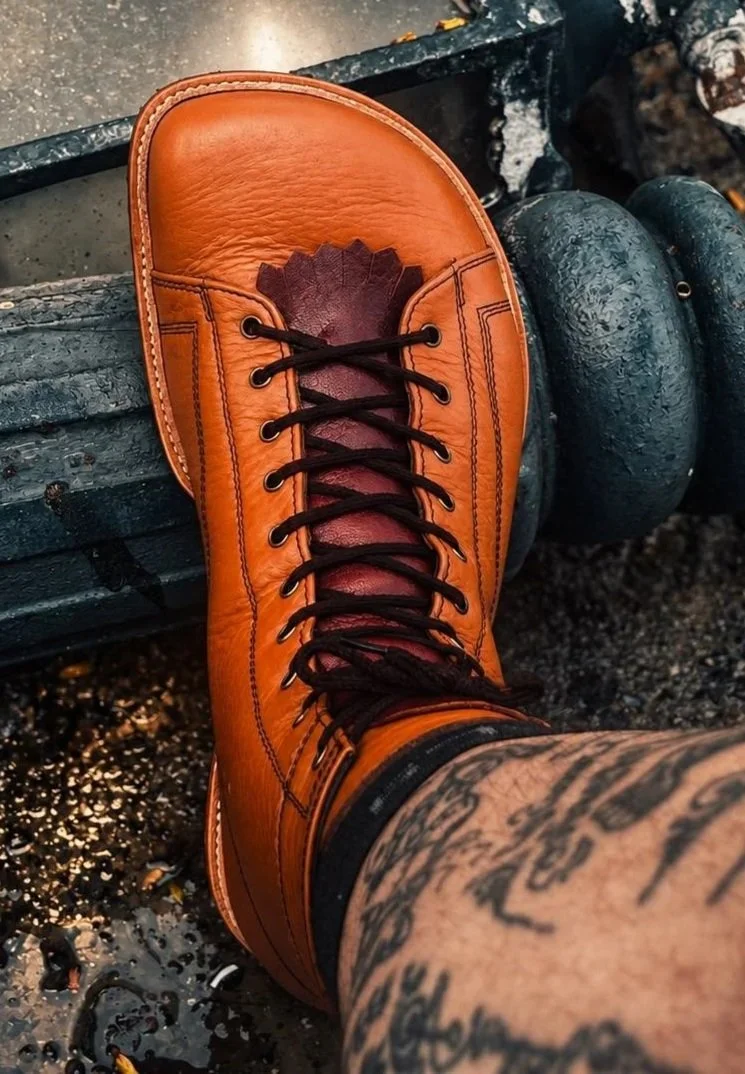
A new leather boot should fit comfortably the first time you lace it up. Your toes should have room to spread when you stand, and the boot should hold your midfoot and heel securely enough that your foot stays in place as you walk. If you have to crank down the laces to keep your foot from sliding forward, I’d take another look at the fit.
On those first few steps, I pay attention to where the boot bends. The leather may feel stiff across the ball of your foot as you push off. That’s something I’d expect to ease with wear. If the toe box pushes your big toe inward or squeezes your little toe against its neighbor, you need more room up front.
Break-in is when the upper starts to flex more easily and the leather footbed begins to take the impression of your foot. You can look forward to both in a boot that already fits you well on day one.
How Does a Leather Footbed Change as You Wear It?
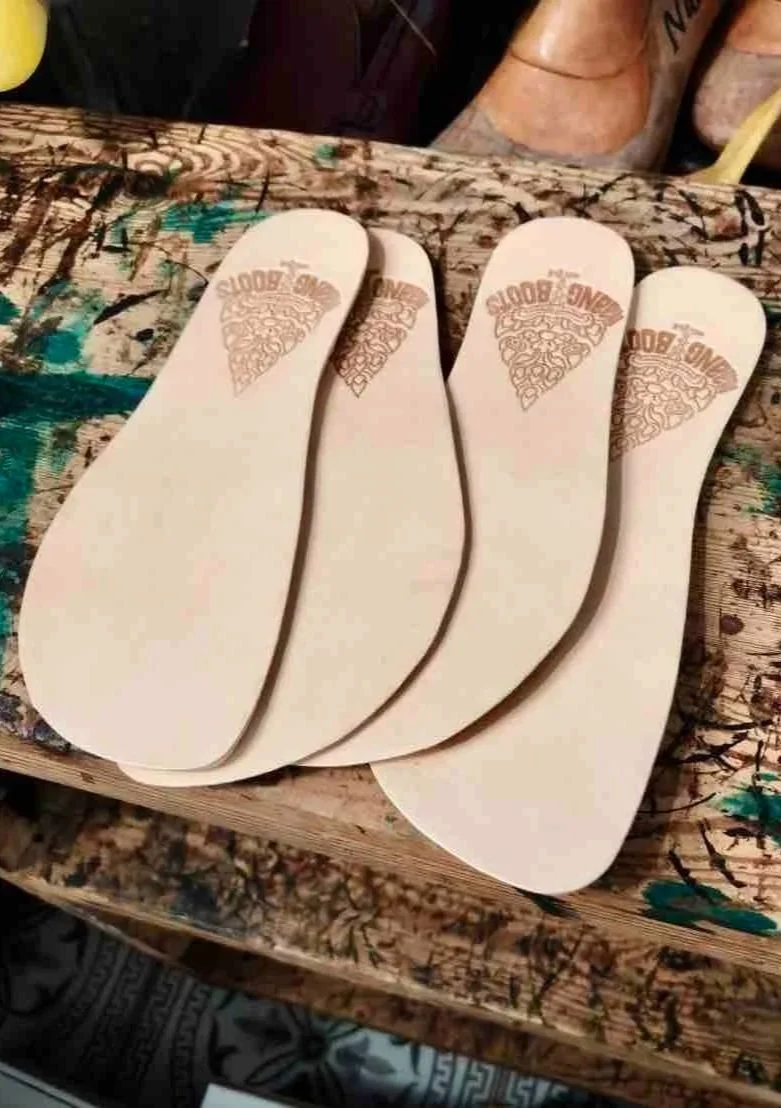
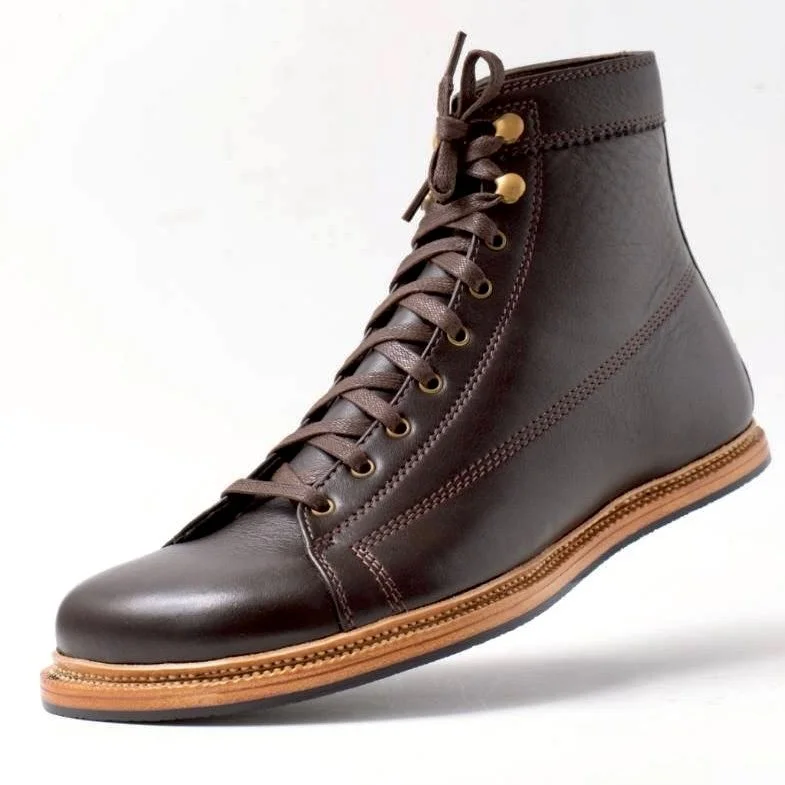
A vegetable-tanned leather insole gradually takes the shape of the foot that wears it. Look inside a broken-in pair of Naangs and you can see where your heel has settled into the leather. Farther forward, you’ll see the impressions left by the ball of your foot and your toes. The leather still feels firm, but the surface underfoot now follows those contours.
The leather midsole sits beneath the insole. As you put miles on the boots, both layers begin to flex more easily where your foot bends. That’s what I like about wearing veg-tan leather underfoot. I can spend the day on a firm footbed that has shaped itself to my foot, and the boot bends more easily with each stride than it did when it was new.
That comfort starts with a proper fit. Once the boot has broken in, a hand-welted build gives you another advantage. When you wear through the outsole, a cobbler can replace it and leave the leather footbed you’ve spent all those miles breaking in.
What Happens When the Cushioning Wears Out?
Foam cushioning loses its spring with wear. You can feel it when the foam under your heel packs down. The same boot that felt soft when you first laced it up now feels flat against the pavement, even though there’s still tread on the outsole.
What you can do about it depends on where the foam sits. If it’s a removable insole, you can pull it out and drop in a fresh one. If the foam is part of a molded sole unit, replacing the rubber tread alone won’t bring back the cushioning. A cobbler needs a compatible sole unit and a way to attach it. Without those, you can end up buying another pair while the uppers still have years of wear left in them.
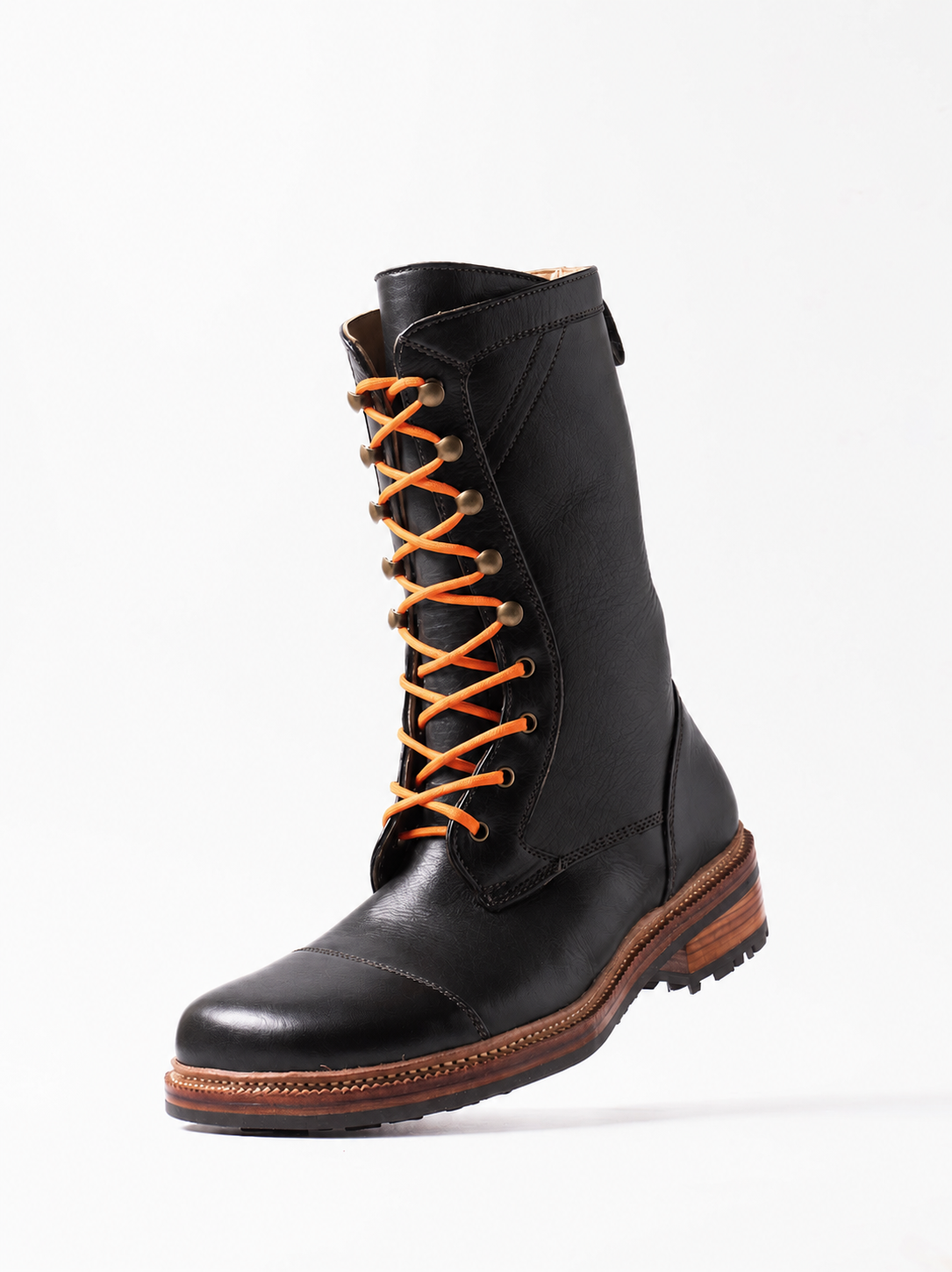
That’s one reason we build Naang boots around a veg-tan leather footbed and a hand-sewn welt. By the time you wear through the rubber, the leather under your heel has taken your shape and the upper bends where your foot bends. A cobbler can replace the outsole and keep those broken-in parts. You get fresh tread and the fit you’ve spent years wearing in.
What to Read Next

All Boots Are Made-To-Order. Current Lead Time: 60-90 Days.
The Winnfield is built to walk the earth. This limited edition pairs red goat leather with our anatomical toe box and lace-to-toe design, giving your toes room to spread and letting you adjust the fit across your forefoot.
Built with 360° hand-welted construction and a full leather lining, these 6-inch boots are available with a zero-drop sole or minimal heel.
Upper: Limited edition red goat leather
Construction: 360° hand-welted
Lacing: Lace-to-toe for adjustable forefoot fit
Shaft height: 6 inches
Fit: Anatomical toe box
Last Options: Zero drop or minimal heel
Lining: Full leather lining
Not sure about your size? Check our Sizing Guide. Or Contact Us.
Worldwide shipping available.