Zero Drop Boots
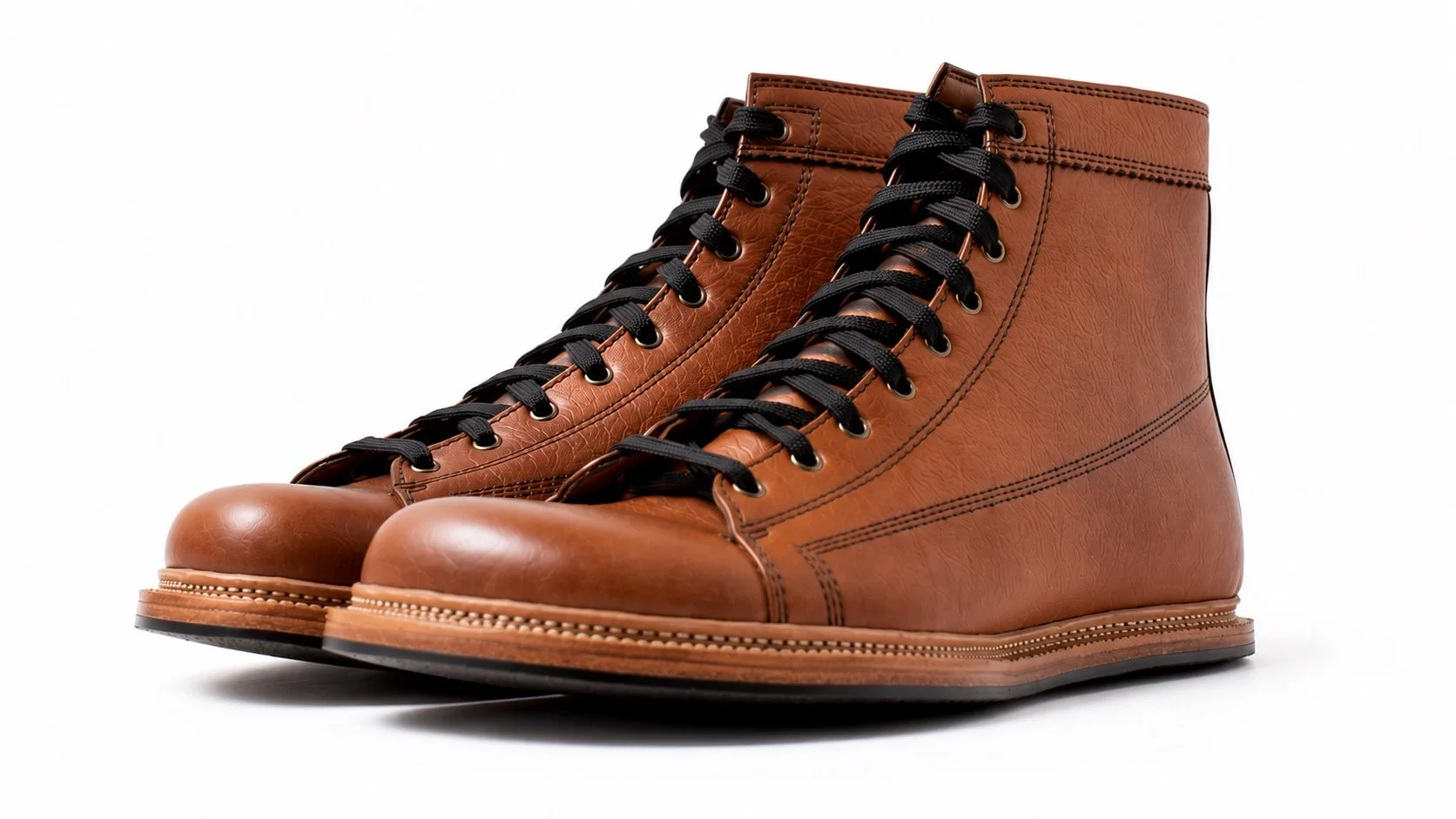
Zero drop boots are boots built with no height difference between the heel and the forefoot. In other words, your heel and the ball of your foot sit at roughly the same level inside the boot.
Zero drop only describes the heel-to-toe geometry of the footwear. It does not automatically mean the boot is barefoot, ultra-flexible, thin-soled, or lightly constructed. A zero drop boot can still be substantial, supportive, and built using traditional heritage bootmaking methods.
What Does Zero Drop Mean in Boots?
The term zero drop refers to the difference in height between the heel and the forefoot inside a boot. In a zero drop boot, there is no intentional rise from the front of the foot to the heel, so both sit on roughly the same level.
Traditional boots often raise the heel above the forefoot using a heel stack or by building height into the sole. Zero drop construction removes that difference and gives the foot a flatter platform from heel to toe.
Zero drop does not describe how thick, flexible, cushioned, or supportive a boot is. A zero drop boot can have a thin minimalist sole, but it can also be built with substantial leather, a structured sole, a shank, and traditional welted construction. The defining feature is simply the absence of heel-to-toe drop.
Why Choose Zero Drop Boots?
Some people prefer zero drop boots because they keep the foot on a level platform instead of raising the heel above the forefoot. This can feel more natural, especially for people who already spend a lot of time barefoot or wearing flat, zero drop footwear.
A level heel-to-toe position also allows the foot to sit in the boot without an intentionally elevated heel changing its resting angle. For some wearers, that simply feels more comfortable and better suited to the way they stand and move.
Zero drop is not automatically better for everyone, and it is not a medical solution. It is a footwear choice. Some people prefer a traditional raised heel, while others find they are more comfortable in a flatter boot.
At Naang Boots, we offer zero drop as one option alongside our minimal heel construction. The goal is to let the wearer choose the platform that works best for them without giving up the structure, durability, and rebuildability of a traditional heritage boot.
Are Zero Drop Boots the Same as Barefoot Boots?
No. Zero drop and barefoot describe different things.
Zero drop refers only to the height relationship between the heel and the forefoot. If both sit at roughly the same level, the boot is zero drop.
Barefoot footwear usually combines zero drop with other features such as a thin sole, high flexibility, minimal cushioning, and strong ground feel. Many barefoot shoes also use a wide or anatomical toe box, but zero drop alone does not make a boot barefoot.
A zero drop boot can still be substantial and traditionally built. It can use thick leather, a structured sole, a leather shank, and welted construction while keeping the heel and forefoot on a level platform.
At Naang Boots, that distinction matters. We use zero drop as a construction option, not as a requirement to build a barefoot boot. Our zero drop boots are still heritage boots designed for durability, repairability, and long-term wear.
Can Heritage Boots Be Zero Drop?
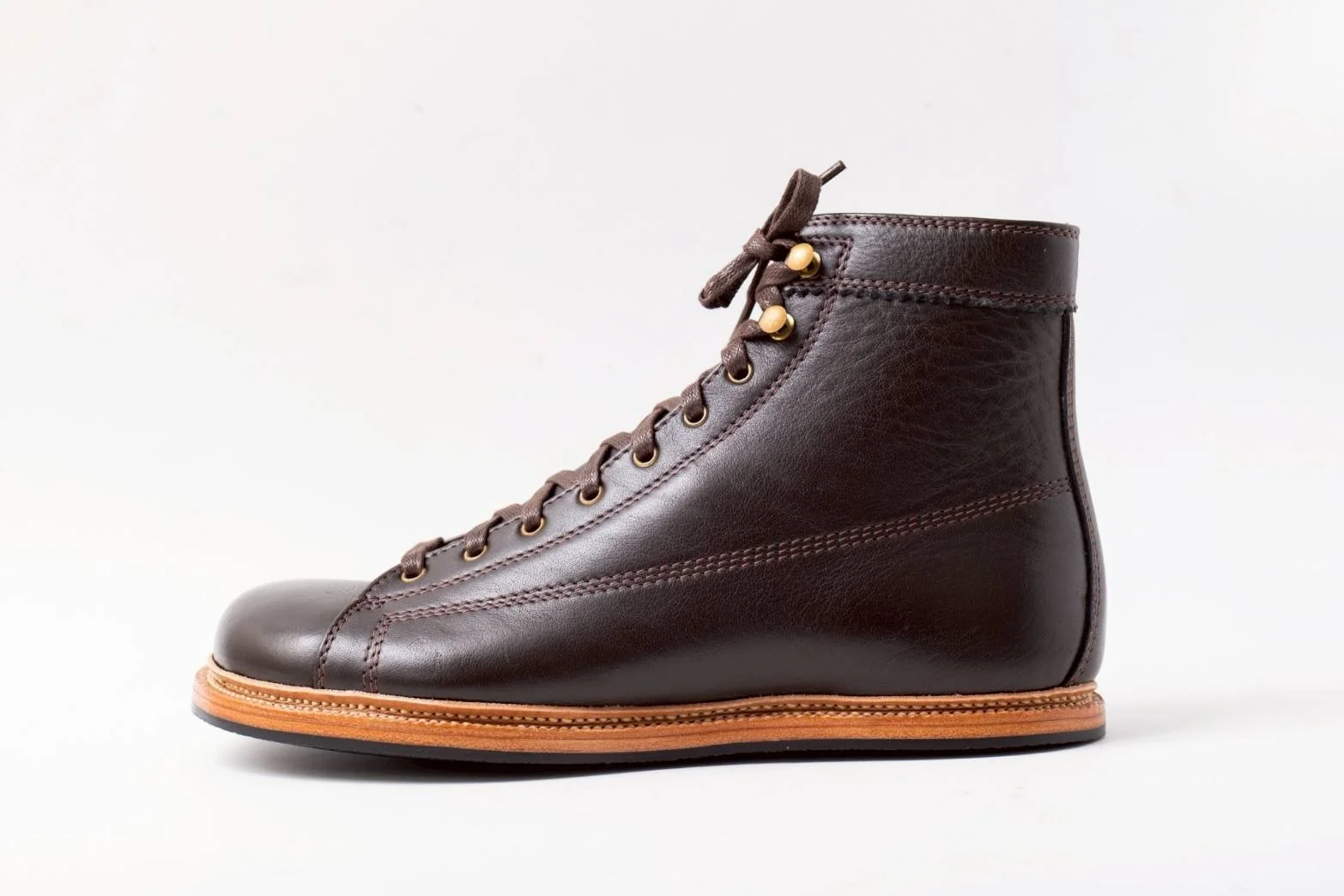
Yes, absolutely. Heritage boots can be built with zero heel-to-toe drop without giving up traditional boot construction.
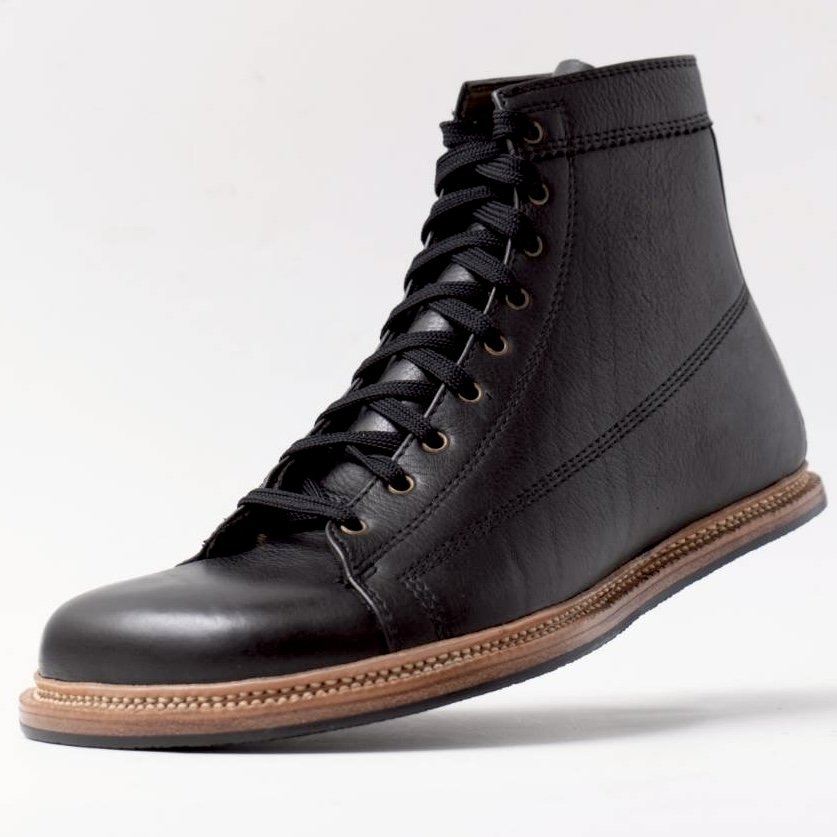
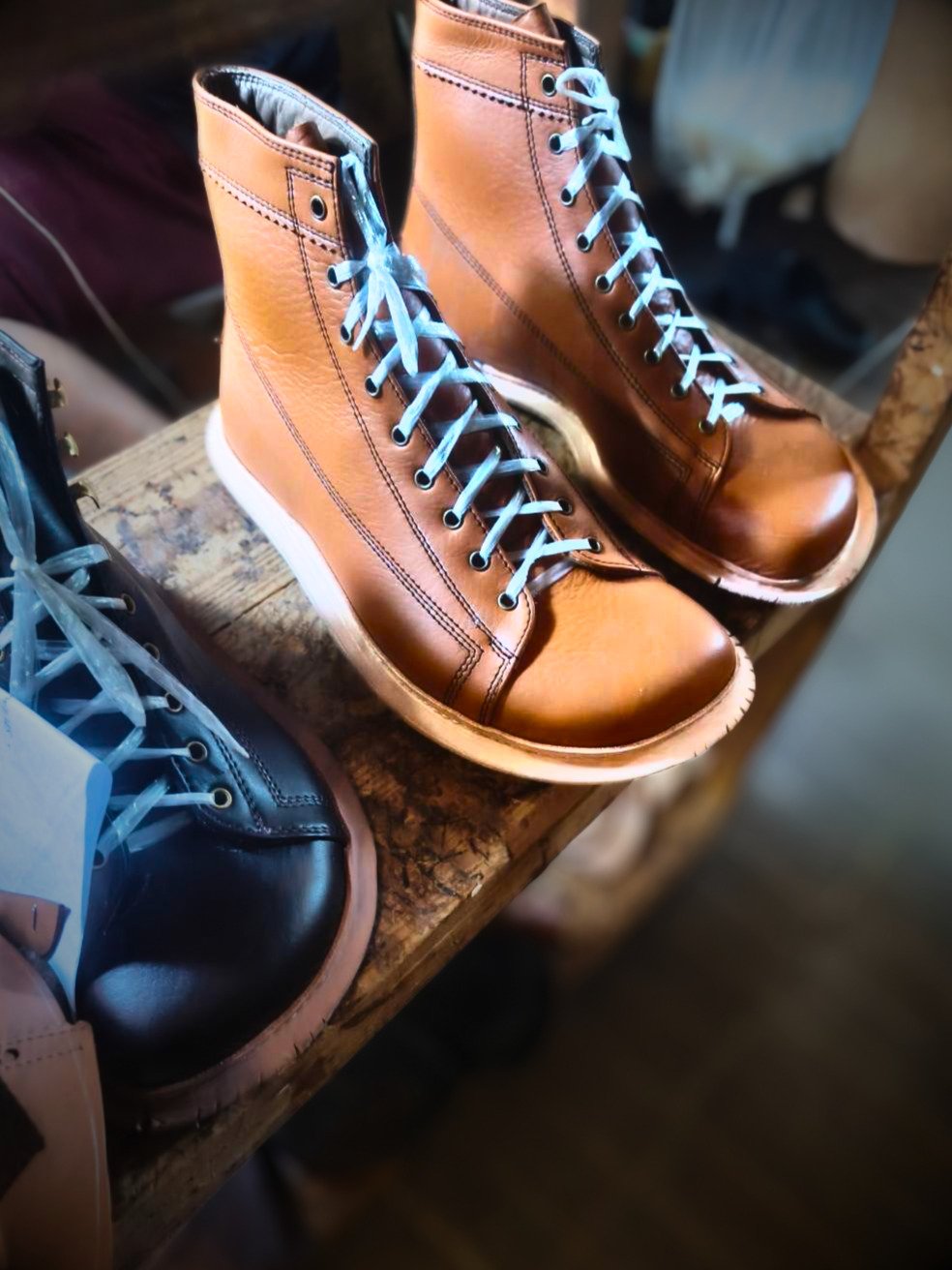
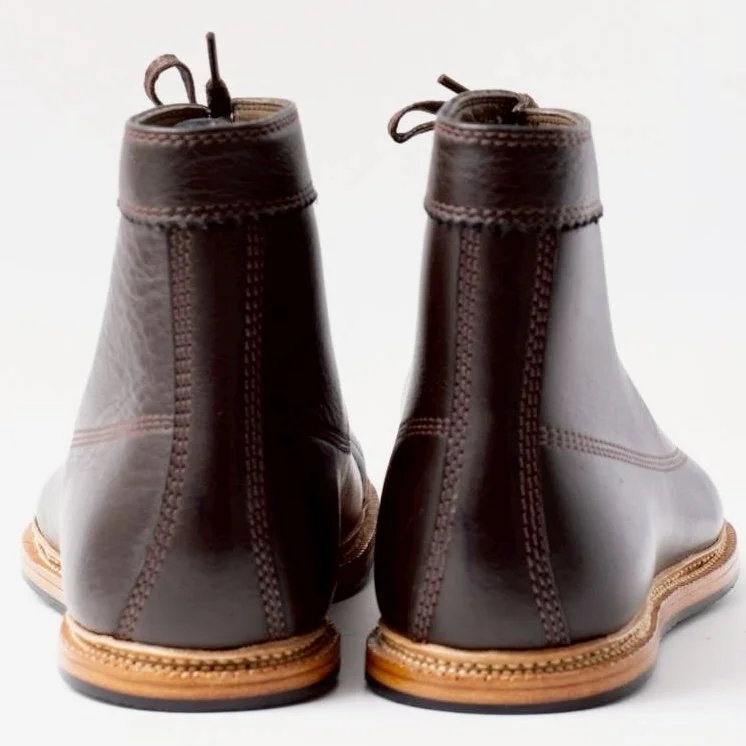
At Naang Boots, we build zero drop versions of our boots using the same basic methods and materials we use in our other models. That includes 360-degree hand-welted construction, substantial leather uppers, a vegetable-tanned leather insole and midsole, a leather shank, and a replaceable outsole.
The difference is in the geometry of the sole. Instead of using a heel stack to raise the heel above the forefoot, the boot is built so the foot sits on a level platform from heel to toe.
That means a zero drop heritage boot can still be structured, durable, supportive, and fully rebuildable. Zero drop changes the heel-to-toe relationship; it does not require the boot to become thin, soft, or minimalist.
Who Are Zero Drop Boots For?
Zero drop boots can be a good choice for people who prefer a flat, level platform underfoot rather than a raised heel.
They are often a natural fit for people who already spend a lot of time barefoot or wear zero drop shoes, minimalist footwear, or other flat-soled footwear. They can also appeal to people who simply find that an elevated heel feels less comfortable for everyday walking, standing, or working.
That does not mean zero drop is the right choice for everyone. Someone who has spent years wearing boots with a pronounced heel may prefer a minimal heel or may want to transition gradually rather than changing footwear geometry all at once.
At Naang Boots, we offer both zero drop and minimal heel options for exactly that reason. The goal is not to treat one setup as universally better, but to give the wearer a choice based on how they prefer their boots to feel and function.
Deep Dive Into Anatomical Toe Boxes

Shop Handmade Zero Drop Boots


Frequently Asked Questions About Zero Drop Boots
What are zero drop boots?
Zero drop boots are boots with no intentional height difference between the heel and the forefoot. Your heel and the ball of your foot sit at roughly the same level inside the boot.
The term zero drop refers only to heel-to-toe geometry. It does not determine how thick, flexible, cushioned, or structured the boot is.
What does zero drop mean?
Zero drop means there is approximately 0 mm of heel-to-toe drop. In other words, the heel is not elevated above the forefoot inside the footwear.
Traditional boots often use a heel stack that places the heel higher than the front of the foot. Zero drop construction removes that height difference and creates a level platform from heel to toe.
Are zero drop boots the same as barefoot boots?
No. Zero drop boots and barefoot boots are not the same thing.
Zero drop describes the relationship between heel height and forefoot height. Barefoot footwear usually combines zero drop with other features such as a thin sole, high flexibility, minimal cushioning, and increased ground feel.
A boot can therefore be zero drop while still having thick leather, a substantial sole, a shank, welted construction, and the structure associated with a traditional heritage boot.
Can heritage boots be zero drop?
Yes. Heritage boots can be built with zero heel-to-toe drop while retaining traditional construction.
At Naang Boots, our zero drop boots still use 360-degree hand-welted construction, substantial leather uppers, vegetable-tanned leather insoles and midsoles, leather shanks, and replaceable outsoles.
Zero drop changes the geometry of the boot. It does not require abandoning heritage boot construction.
Do zero drop boots have a heel?
No. Zero drop boots do not have an elevated heel in the traditional sense, because the heel and forefoot sit at approximately the same height.
A zero drop boot may still have substantial material beneath the heel as part of the sole construction. What matters is that the heel is not raised higher than the forefoot.
Are zero drop boots completely flat?
Zero drop refers to the internal heel-to-toe relationship, not necessarily to the visible shape of the outsole.
The sole may have tread, lugs, cushioning, or different external contours while still maintaining approximately zero height difference between the heel and forefoot where the foot sits.
Do zero drop boots have toe spring?
Yes. A properly designed zero drop boot can, and often should, still have some toe spring.
Toe spring is the slight upward curve at the front of the boot. It helps the boot roll forward more naturally during the gait cycle and reduces the chance of the toe catching or dragging as you walk.
This is especially useful in zero drop boots built with a more substantial insole, midsole, and outsole, because those materials may not flex as freely as the very thin soles used in barefoot footwear.
Barefoot shoes generally need less toe spring because their soles are much thinner and more flexible, allowing the foot and shoe to bend more easily during each step.
Toe spring and heel-to-toe drop are separate design features. A boot can be zero drop while still incorporating enough toe spring to support a smooth, natural stride.
Can zero drop boots have thick soles?
Yes. A zero drop boot can have a thick or substantial sole.
Sole thickness and heel-to-toe drop are separate measurements. A boot can place the entire foot relatively high above the ground while still keeping the heel and forefoot at the same level.
This is one reason zero drop does not automatically mean barefoot or minimalist footwear.
Can zero drop boots have a shank?
Yes. Zero drop boots can be built with a shank.
At Naang Boots, we use a flexible leather shank in our zero drop construction. The shank contributes structure through the middle of the boot without requiring the heel to be elevated above the forefoot.
Are zero drop boots good for hiking?
Zero drop boots can work well for hiking if the overall boot is appropriate for the terrain, load, and wearer.
Heel-to-toe drop is only one part of hiking boot design. Fit, outsole traction, toe room, durability, support, and construction are also important. Someone already comfortable walking or hiking in zero drop footwear may find a zero drop hiking boot particularly familiar.
Do you need to transition to zero drop boots?
Maybe, Some people can move into zero drop footwear without difficulty, while others may prefer to transition gradually, particularly if they have spent many years wearing shoes or boots with a significant raised heel.
Changing heel-to-toe drop changes how the footwear feels underfoot, so giving yourself time to adjust can be sensible. Comfort and individual preference should guide the transition.
What is the difference between zero drop and a minimal heel?
A zero drop boot places the heel and forefoot at approximately the same height. A minimal heel boot raises the heel slightly above the forefoot, but by less than many traditional heeled boots.
At Naang Boots, we offer both options because some wearers prefer a completely level platform while others prefer the feel of a small heel. Neither construction is intended to be universally better; they simply provide different underfoot geometry.
Praesent id libero id metus varius consectetur ac eget diam. Nulla felis nunc, consequat laoreet lacus id.