Zero Drop Boots Don’t Have to Be Barefoot
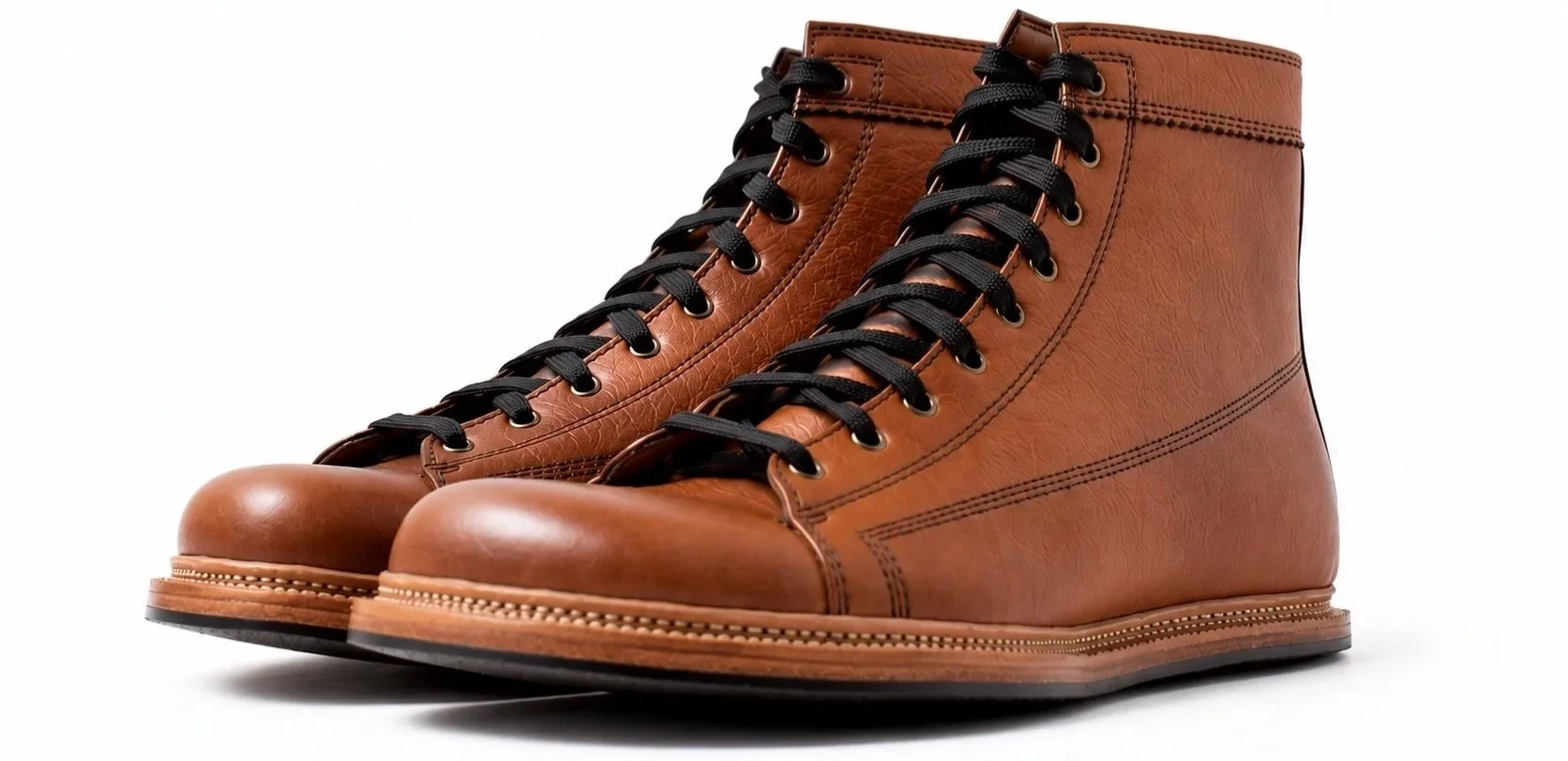
Zero drop boots DO NOT have to be barefoot boots. This is something I find myself correcting all the time when customers ask me about our “barefoot boots.”
At Naang, we don’t make barefoot boots. We make heritage boots built around an anatomical toe box, with zero drop as an option for customers who want it. We still use thick leather insoles and midsoles, traditional welted construction, and all the things that make a heritage boot a heritage boot.
Zero drop and barefoot are not the same thing, and we need to stop using the terms interchangeably.
Table of Contents
What Are Zero Drop Boots?
Zero drop is actually a pretty simple concept. In a zero drop boot, your heel and the ball of your foot sit at the same height from the ground. There is no raised heel creating a difference in height between the back and front of your foot.
That’s it. That is what zero drop means.
It doesn’t tell you how thick the sole is, how flexible the boot is, how much ground feel you have, or even what shape the toe box is. You could build a zero drop boot with a paper-thin rubber sole, or you could build one with a thick leather insole, a thick and juicy leather midsole, and a heavy lugged rubber outsole. Both are still zero drop.
This is where a lot of the confusion starts. Zero drop has become closely associated with barefoot and minimalist footwear because those types of shoes often have zero drop. But zero drop itself is simply one part of the boot’s design.
At Naang, That’s how we treat it. Zero drop is one of the choices we can make when building a boot. It doesn’t dictate how the rest of the boot has to be built.
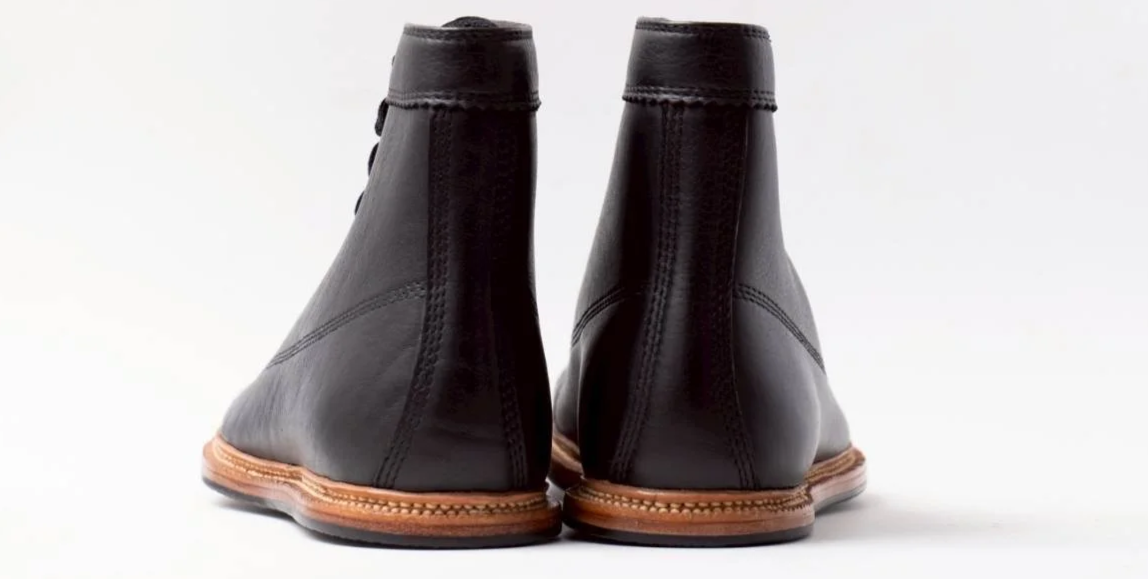
Zero Drop Boots Have No Heel But the Thick Leather Midsole Gives Structor
Are Zero Drop Boots the Same as Barefoot Boots?
No. Zero drop boots and barefoot boots are not the same thing.
This is probably the biggest misconception we run into when talking about zero drop boots. Barefoot boots are usually zero drop, but that doesn’t mean every zero drop boot is a barefoot boot. Zero drop is just one feature commonly found in barefoot footwear.
A barefoot boot is generally designed around a few ideas or features working together. You’ll hopefully find a wide or anatomical toe box that gives the toes room to splay, a zero drop construction, a thin and flexible sole, and very little between your foot and the ground. That last part is what gives barefoot footwear the ground feel that people who wear it are looking for.
You can take zero drop out of that group of features and use it in a completely different kind of boot.
That’s what we do at Naang.
Our zero drop boots still have an anatomical toe box, but that’s where the similarity to barefoot boots ends. We build them using traditional heritage boot construction with thick vegetable-tanned leather insoles and midsoles, leather filler inside the welted portion of the sole, and substantial rubber outsoles. They are structured, rebuildable boots designed to break in and mold around your feet over time.
You aren’t going to feel every rock, root, or crack in the pavement through a pair of Naang boots. And we don’t want you to.
For us, zero drop is about the position of your foot inside the boot. Ground feel is an entirely different design decision.
Zero Drop Naang Boots
•
Zero Drop Naang Boots •
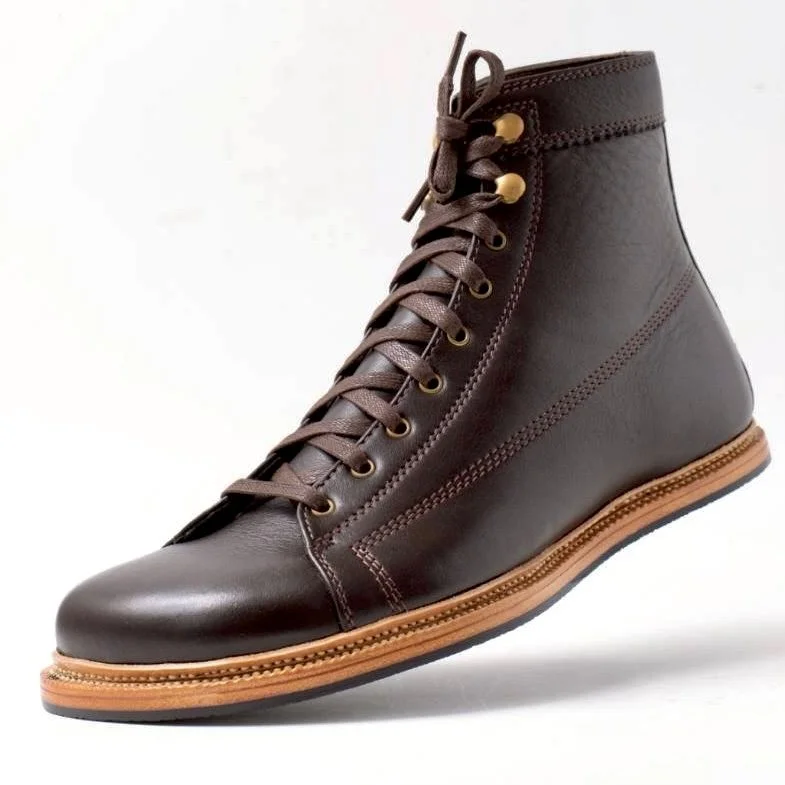
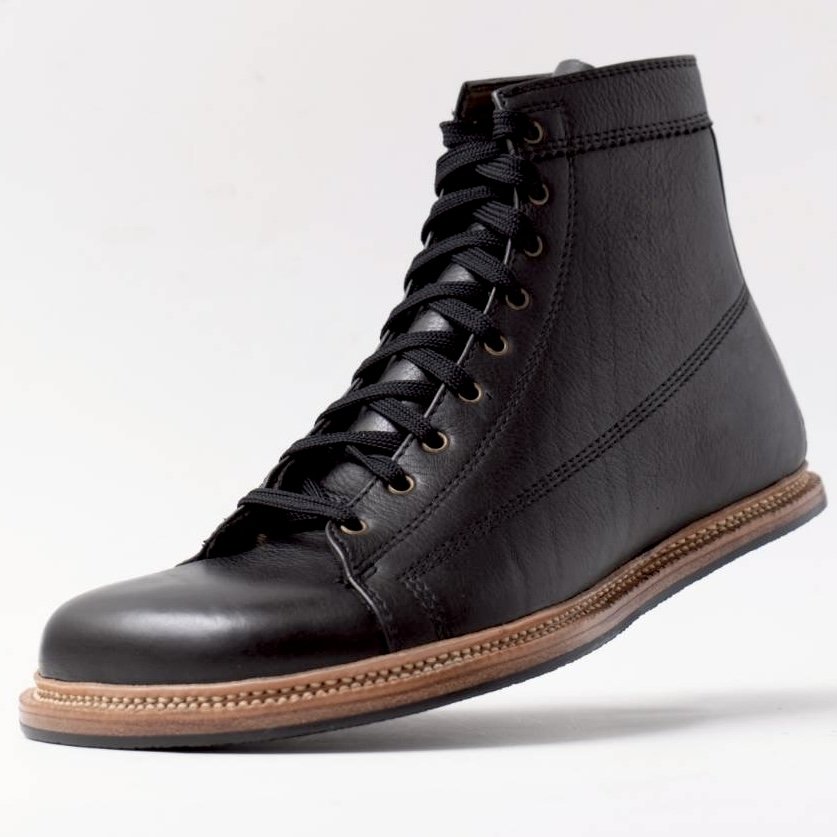
Why We Put an Anatomical Toe Box First
When we started developing the last for Naang Boots, zero drop wasn’t at the top of our list. The shape of the toe box was.
For us, an anatomical toe box is the most important part of designing a boot around the natural shape of the foot. Your toes aren’t supposed to taper inward toward a point. They splay out from the ball of the foot, with each toe needing enough room to sit and move naturally. So why build a boot that forces them into a different shape?
This is also why we make a distinction between a wide toe box and an anatomical toe box. You can take a conventional pointed or almond-shaped last and make it wider, but you still have the same basic shape. An anatomical last puts the width where the foot actually needs it, particularly around the ball of the foot and the toes.
That matters to us more than whether a boot has zero drop.
You can build a zero drop boot with a narrow toe box, but your heel and forefoot sitting at the same height doesn’t suddenly give your toes more room. In the same way, you can build an anatomical boot with a small heel and still give the toes plenty of space to splay naturally.
That’s why we start with the anatomical shape and build everything else around it.
At Naang, every boot starts with the same anatomical shape whether you choose our zero drop or minimal heel option. We see heel height as something that can change depending on how you plan to use the boot. Giving your foot enough room inside the boot isn’t something we think should change.
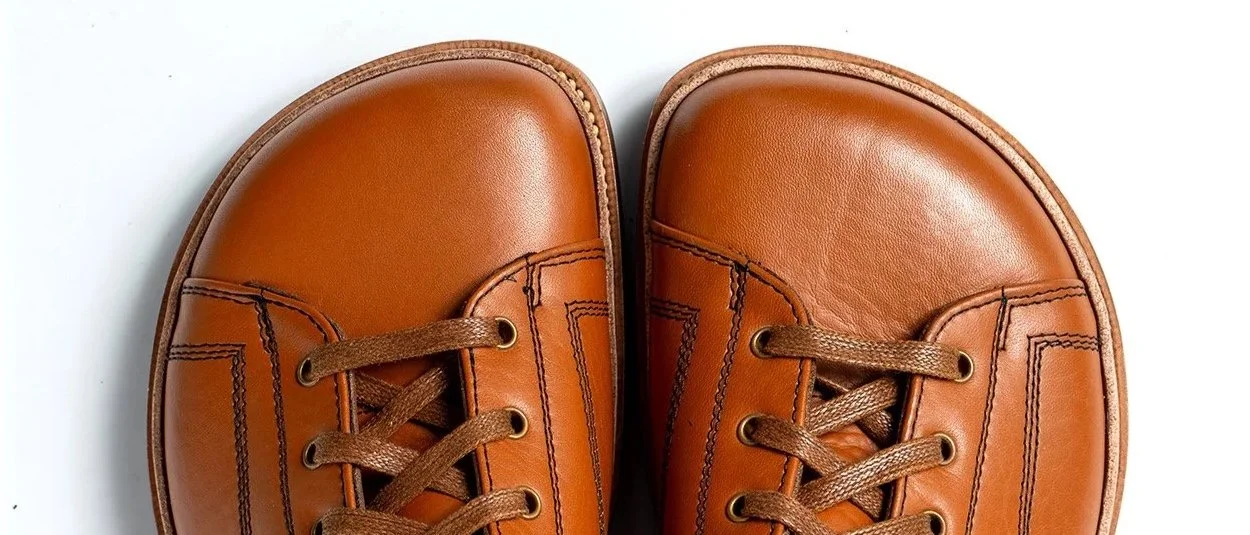
Our Anatomical Toebox Gives The Toes Room To Splay But Still Offers a Proper Fit
Why Naang Boots Offers Both Zero Drop and a Minimal Heel
If we believe in zero drop boots, why do we still offer a heel?
Because zero drop isn’t automatically the best choice for every person or every situation.
A raised heel changes the way your foot, ankle, and lower leg interact with the ground. Depending on what you’re doing, that can be a very good thing. There is a reason heels have been part of work boots, hiking boots, riding boots, and other hard worn, functional boots for a long ass time, and why they are still used today.
This is why we offer both zero drop and minimal heel options at Naang. Our minimal heel is exactly what the name suggests. We aren’t talking about putting a massive logger heel on the back of the boot. We’re talking about 8mm drop, it gives you some heel elevation while keeping the boot relatively flat and preserving the anatomical shape that we care about.
For someone walking primarily on relatively flat ground who already prefers zero drop footwear, the zero drop option most likely make perfect sense. Someone carrying a heavy pack through steep terrain, spending long days on uneven ground, or simply finding that their body feels better with a little heel elevation may prefer the minimal heel.
That choice shouldn’t change the shape of the boot.
Both versions are built around the same anatomical shape, so you still get the toe room we designed into the boot in the first place. You aren’t choosing between an anatomical boot and a conventional boot. You’re choosing how you want that boot to sit under your foot.
This is an important part of our foot-health-first approach. We don’t think zero drop needs to become a rule that everyone has to follow. We would rather give you the option and let your feet, your body, and what you actually do in your boots determine which one makes sense.
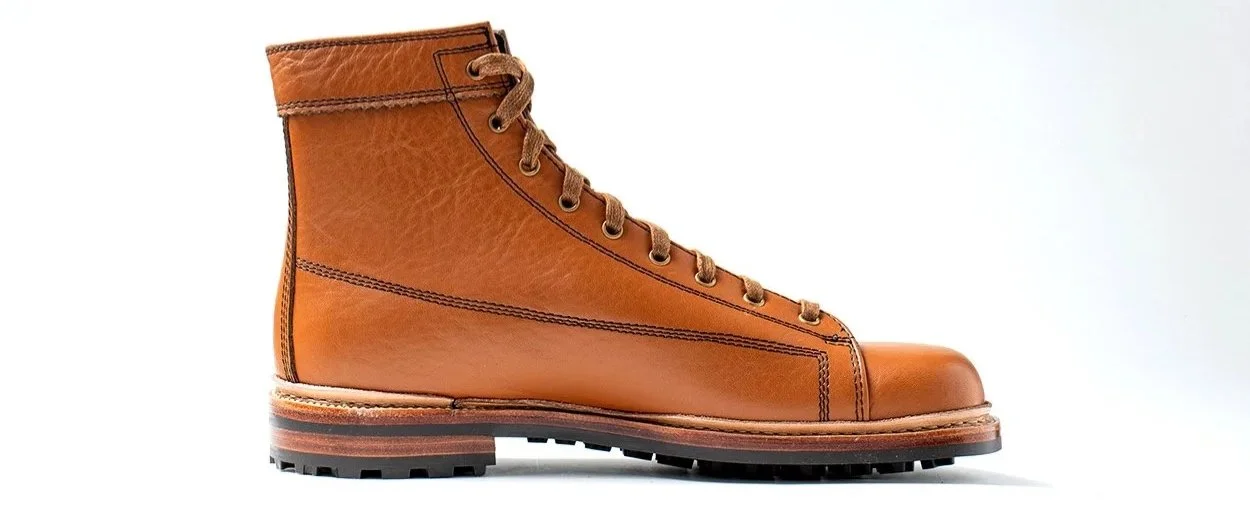
Our WInnfield with our Minimal Heel Configuration
Why We Don’t Chase Ground Feel
Ground feel is a big part of barefoot footwear. The idea is pretty straightforward: put as little material as possible between your foot and the ground so you can feel more of the surface underneath you.
That makes sense if you’re building a barefoot boot.
We aren’t.
At Naang, we build heritage boots, and that means there is a lot more between your foot and the ground. We use thick vegetable-tanned leather for our insoles and midsoles. Inside the welted portion of the sole, we use vegetable-tanned leather as filler instead of foam or cork. Then there is the outsole underneath all of that.
So if your goal is to feel every little rock and crack in the trail through the bottom of your boot, we are probably going to disappoint.
And we’re completely fine with that.
Ground feel simply isn’t one of the things we prioritize when designing our boots. We care much more about giving the toes room to move naturally, getting the geometry of the boot right for the person wearing it, and building a substantial leather footbed that changes as the boot breaks in.
That last part is especially important to us.
Thick vegetable-tanned leather starts out firm. Anyone who has broken in a traditionally built leather boot knows that. But as you put miles on it, the leather begins to compress and form around your foot. The insole becomes shaped by the person standing on it day after day.
That is the tradeoff we choose to make.
We give up some ground feel in exchange for a substantial leather structure underfoot that can break in, mold to your foot, and become increasingly personal the longer you wear the boots.
For us, foot health doesn’t mean trying to recreate the feeling of walking barefoot. It means starting with the natural shape of the foot and then building the kind of boot we actually want to wear around it.
Shop Naang Boots
•
Shop Naang Boots •
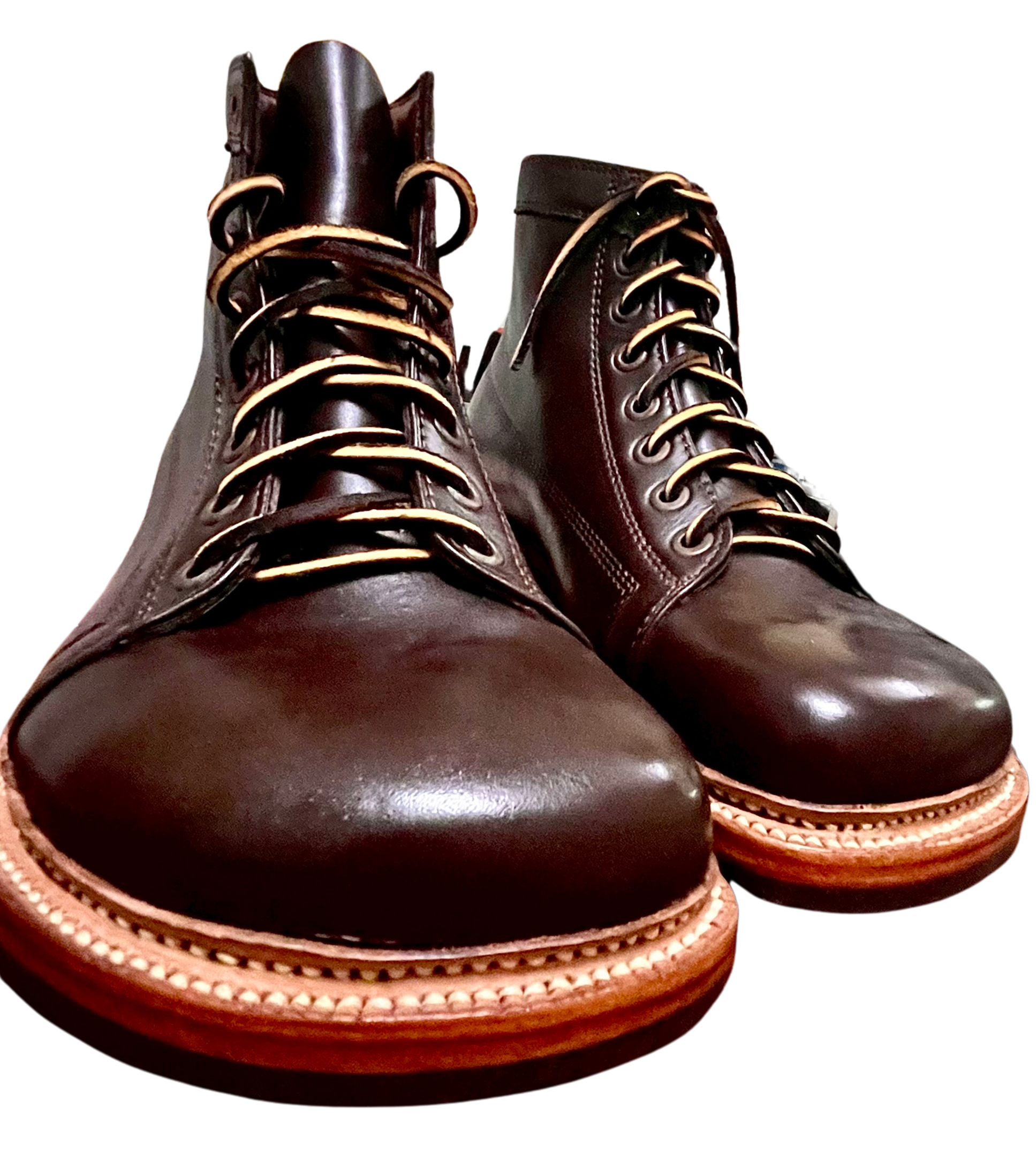
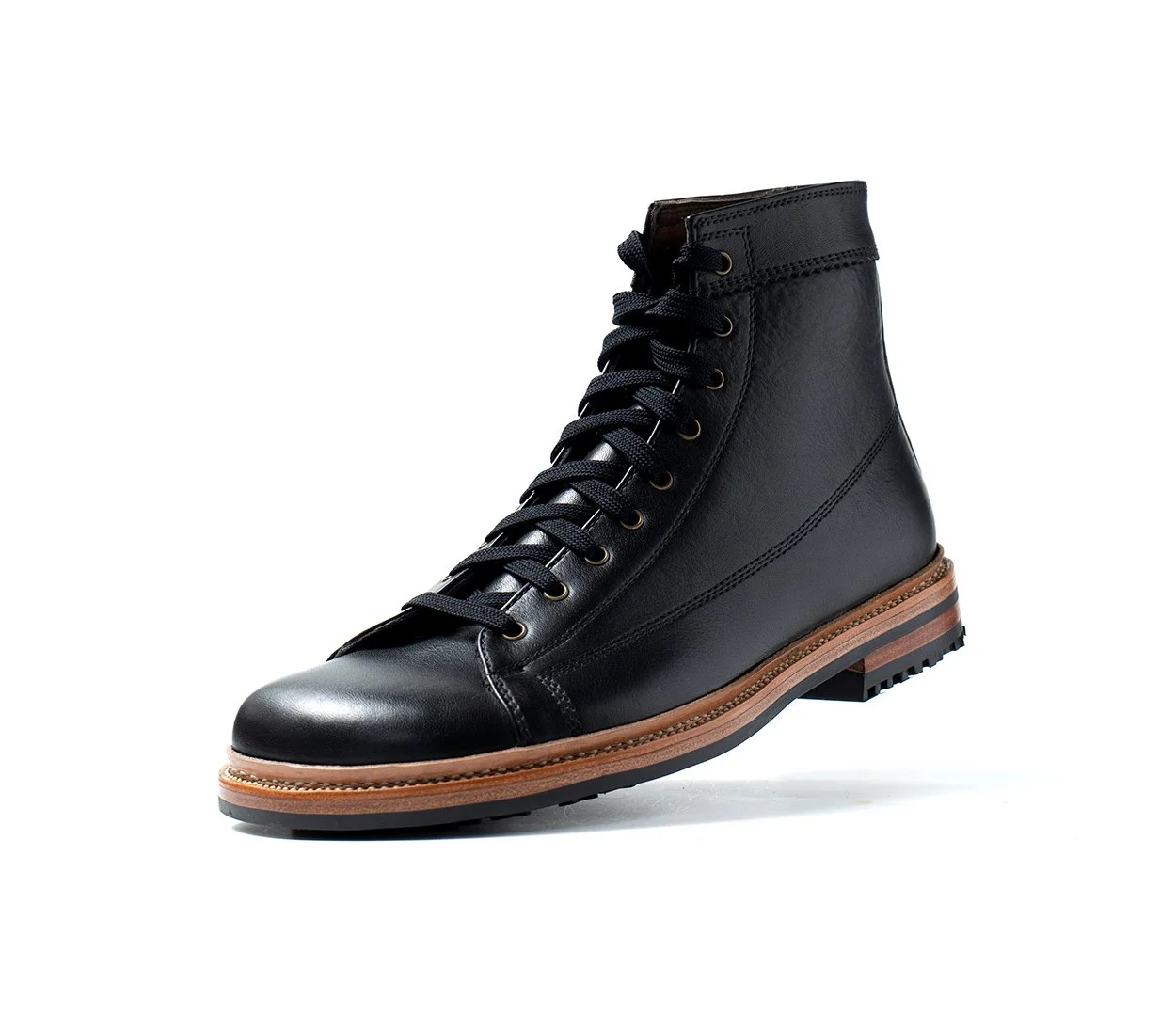
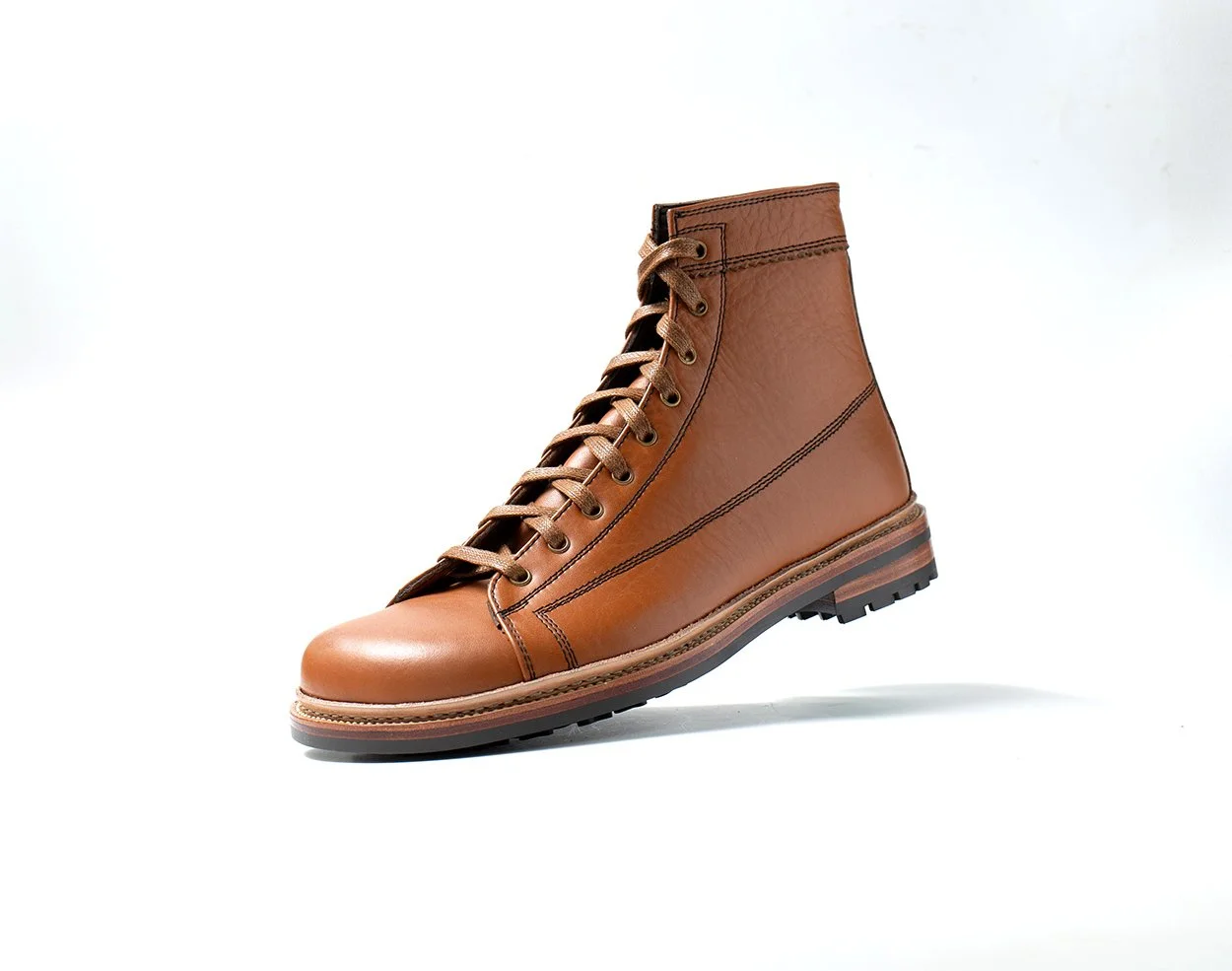
Why We Want Our Boots to Mold to Your Feet
One of the reasons we use so much vegetable-tanned leather underfoot is that we want the boot to change as you wear it.
A new pair of Naang Boots will feel firm underfoot. That shouldn’t come as a surprise. You’re standing on a thick leather insole, leather filler, a leather midsole, and an outsole. There is a lot of material there, and it takes time to break in.
But that break in is part of the point.
Vegetable tanned leather compresses and begins to take the shape of your foot as you wear it. Your heel settles into the insole. The ball of your foot leaves its impression. The leather starts conforming to the little differences in your feet that no last, no matter how well designed, could ever account for.
The result is a footbed that becomes increasingly shaped around you.
This is one of the places where our approach to foot health differs pretty dramatically from barefoot footwear. A thin, flexible sole lets your foot feel and respond to the ground beneath it. We’re looking for something different. We want the structure underneath your foot to slowly adapt to you.
It doesn’t happen overnight. I’ve worn Naang boots for hundreds of kilometers before they really started to feel like they had become my boots. That long break-in isn’t going to appeal to everyone, and we’re not going to pretend otherwise.
But there is something about a well-worn leather footbed that is difficult to reproduce with softer materials. Once all that leather has compressed and molded around your foot, the boot feels very different from the one you pulled out of the box.
That’s why we’re willing to sacrifice ground feel.
We aren’t trying to remove everything between your foot and the earth. We’re trying to build what sits between them out of materials that get better acquainted with your feet every time you put the boots on.
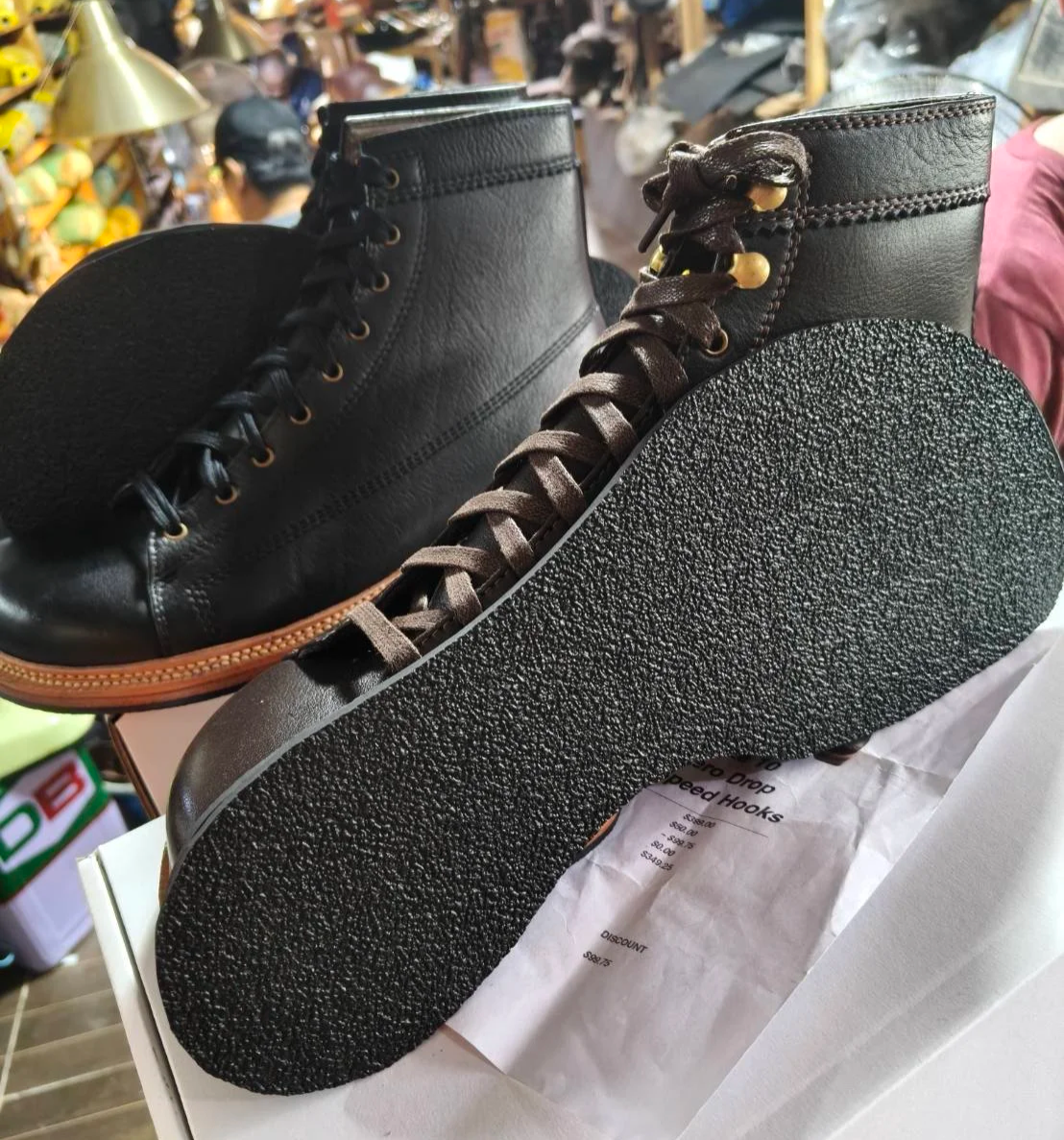
Two Pairs of Naang Boots in the Workshop.
Can Heritage Boots Really Be Zero Drop?
Absolutely. There is nothing about heritage boot construction that requires a raised heel. In fact you can buy a zero drop heritage boot on our site right now.
A zero drop heritage boot can still use a thick leather insole, leather midsole, welted construction, substantial outsole, and all the other materials we associate with traditionally built boots. Zero drop simply changes the relationship between the heel and forefoot. It doesn’t require us to throw out the rest of the boot.
That distinction matters because we aren’t trying to build a barefoot boot and dress it up to look like a heritage boot.
We’re coming at it from the other direction.
We start with the kind of boots we already like to make: substantial leather boots built with traditional construction and designed to be worn hard, repaired, resoled, and eventually rebuilt. Then we look at where we can make changes that allow the foot to sit and function more naturally inside that kind of boot.
The anatomical toe box was the biggest part of that. Offering zero drop was another.
Building a heritage boot without a traditional heel does require some changes to how you think about the sole. You can’t simply remove the heel from an existing boot and call it zero drop. The last, sole geometry, and overall balance of the boot need to work together so the boot was designed to sit flat from the beginning.
But none of that means giving up heritage construction.
Our zero drop boots are still welted boots with thick leather underfoot. They still need to be broken in. They can still be resoled and rebuilt when the time comes. They still feel like boots.
They just happen to be zero drop.
Who Should Consider Zero Drop Boots?
Zero drop boots aren’t for everyone, and I think that can get lost when people talk about them.
If you already spend most of your time in zero drop shoes, transitioning to a zero drop boot is probably going to feel pretty natural. You may simply want the same flat platform and anatomical toe room in something more substantial than the minimalist footwear you normally wear.
They can also make sense if you’ve never been interested in barefoot shoes in the first place.
Maybe you like the idea of a zero drop platform and an anatomical toe box, but you still want a real boot under your feet. You want thick leather, a substantial outsole, welted construction, and something you can wear hard for years. That is exactly the space where we think a zero drop heritage boot makes sense.
There are also plenty of people who are perfectly happy wearing boots with a heel.
If you spend a lot of time carrying weight, climbing steep terrain, working on uneven ground, or you simply feel better with some heel elevation, zero drop may not be the right choice for you. That doesn’t mean you have to give up an anatomical toe box. It just means a minimal heel might make more sense for how you use your boots.
If you are coming from conventional heeled footwear, it is also worth remembering that zero drop changes the position of your foot and can change the demands placed on your feet and lower legs. Jumping straight into long days or big mileage in a new pair probably isn’t the smartest way to find out how your body responds.
Ultimately, choosing between zero drop boots and boots with a minimal heel should come down to your feet, what you’re accustomed to wearing, and what you actually plan to do in them.
That’s why we offer both.
Zero Drop Naang Boots
•
Zero Drop Naang Boots •
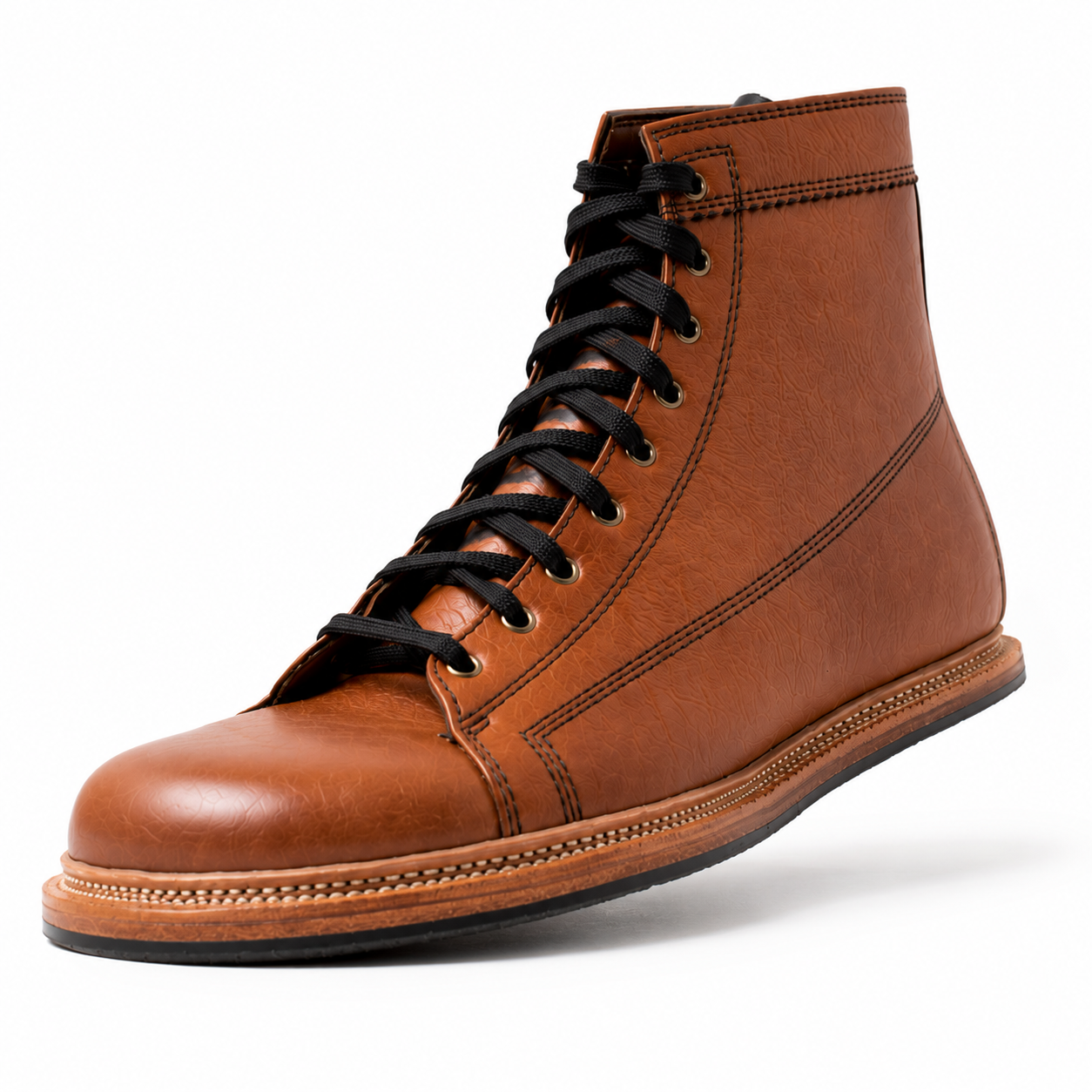
Zero Drop Is a Feature, Not a Philosophy
This really comes back to where we started: zero drop boots do not have to be barefoot boots.
Zero drop tells you one thing about a boot. That the heel and forefoot sit at the same height. It doesn’t tell you how wide the toe box is, how thick the sole is, how much ground feel you’ll have, or how the boot is constructed.
Somewhere along the way, all of those ideas started getting bundled together. If a boot was anatomical, it had to be zero drop. If it was zero drop, it had to be barefoot. If it was focused on foot health, it needed to be thin and flexible.
We don’t see it that way.
At Naang, we start with the shape of the foot. That’s why the anatomical toe box comes first for us. From there, we can build the boot with zero drop or a minimal heel depending on what the person wearing it wants to do.
Then we build it like a heritage boot.
We use thick vegetable tanned leather underfoot because we want that leather to break in and mold to your feet. We use welted construction because we want the boots to be repairable and rebuildable. We use substantial outsoles because these are boots we expect people to actually wear hard.
None of that stops us from building a zero drop boot.
It just means we aren’t interested in following a checklist of what somebody decided zero drop footwear is supposed to be.
Zero drop is one tool we can use when designing a boot focused on foot health. Sometimes it makes sense. Sometimes a little heel makes more sense.
For us, the philosophy has always been much simpler: make boots that fit the foot, not make the foot fit the boots.
Frequently Asked Questions About Zero Drop Boots
Are zero drop boots the same as barefoot boots?
No. Zero drop boots and barefoot boots are not the same thing. Zero drop only means that the heel and forefoot sit at the same height. Barefoot boots typically combine zero drop with a thin, flexible sole, an anatomical toe box, and high ground feel. A zero drop boot can still have a thick sole and substantial heritage construction.
What does zero drop mean in boots?
Zero drop means there is no difference in height between the heel and forefoot of the boot. Your heel is not elevated above the ball of your foot. Zero drop describes the geometry of the boot and does not determine its sole thickness, flexibility, toe-box shape, or construction.
Do zero drop boots have to have thin soles?
No. A zero drop boot can have a thin or thick sole. Sole thickness and heel-to-toe drop are separate measurements. At Naang, our zero drop boots use thick vegetable-tanned leather insoles and midsoles along with substantial outsoles while maintaining a zero drop platform.
Can zero drop boots have an anatomical toe box?
Yes. Zero drop and an anatomical toe box work well together, but they describe two different features. Zero drop refers to heel-to-toe geometry, while an anatomical toe box refers to the shape and space available for the toes. A boot can have either feature without having the other.
Is an anatomical toe box the same as a wide toe box?
Not necessarily. A conventional toe box can simply be made wider while retaining its tapered shape. An anatomical toe box is shaped around the natural form of the foot, giving the toes space where they actually need it rather than simply adding width across the entire boot.
Can heritage boots be zero drop?
Yes. Heritage boots can be built with zero drop while retaining traditional construction methods. A zero drop heritage boot can still use a leather insole, leather midsole, welted construction, and a substantial outsole. The boot needs to be designed around zero drop geometry from the beginning rather than simply having the heel removed from an existing design.
Are zero drop boots good for hiking?
Zero drop boots can work well for hiking, particularly for people who are already comfortable wearing zero drop footwear. However, terrain, pack weight, experience, and individual biomechanics can influence whether zero drop or some heel elevation feels better. For this reason, Naang offers both zero drop and minimal heel options.
Are zero drop boots good for work?
Zero drop boots can be suitable for work depending on the job, terrain, and person wearing them. Someone working primarily on flat surfaces may prefer zero drop, while certain jobs and working conditions may benefit from some heel elevation. Construction, protection, outsole choice, and fit also matter when choosing a work boot.
Are zero drop boots better for your feet?
There is no single boot geometry that is best for every person. Zero drop changes the position of the foot compared with a traditionally heeled boot, but foot health involves more than heel height. At Naang, we put greater emphasis on an anatomical toe box that gives the toes room to sit and move naturally.
Do zero drop boots have good ground feel?
They can, but zero drop does not automatically provide ground feel. Ground feel depends primarily on the thickness, flexibility, and materials of the sole. Thin barefoot footwear generally provides much more ground feel than a zero drop heritage boot built with thick leather components and a substantial outsole.
Are zero drop boots good for people who wear barefoot shoes?
Zero drop boots can be a good option for people accustomed to barefoot shoes who want more substantial footwear without returning to an elevated heel. A zero drop heritage boot can retain a flat platform and anatomical toe box while providing considerably more structure and protection underfoot than a typical barefoot shoe.
Do zero drop boots take time to get used to?
They can, especially if you normally wear shoes or boots with elevated heels. Changing to zero drop changes the position of the foot and can alter the demands placed on the feet and lower legs. It makes sense to introduce zero drop footwear gradually rather than immediately using a new pair for long days or high-mileage activities.
Can zero drop boots be resoled?
Yes, if the boot is built using a repairable construction. Zero drop itself has no effect on whether a boot can be resoled. Welted zero drop boots can be designed for resoling and rebuilding just like traditionally heeled welted boots.

All Boots Are Made-To-Order. Current Lead Time: 60-90 Days.
Not sure about your size? Check out our Sizing Guide.
The Winnfield is built to walk the earth.
City streets. Back alleys. Remote trails. Foothills that don’t forgive mistakes.
Wherever you go, it keeps moving.
Construction: 360° Hand-Welted
Lace-to-Toe
Shaft Height: 6 inches
Last: Anatomical Zero Drop
Our Anatomical Last is very wide, if you feel your foot is exceptionally wide please indicate so on the form that pops up after you add the boots to your cart, we will get in touch to make sure that your boots are wide enough for your feet. We got you!
Leather: 2.5-3.5mm Full Grain
Full Leather Liner
Outsole: Naang Flat Rubber Super Grip
Built on our Anatomical Natural Toe Box last, the Winnfield follows your foot’s true shape.
Not the other way around.
Lace-to-toe construction, lets you fine-tune the fit, helping limit hot spots, pressure, and other foot problems mile after mile
Your toes can spread. Your stride stays strong. Comfort holds, mile after mile.
Every pair is hand-welted with a full 360° storm welt.
Not for looks. Not for marketing. For durability.
It seals out the elements and locks the upper to the sole the way it should be done. Built to take abuse. Built to last.
Inside, a leather shank adds structure where you need it, while letting the forefoot move the way it should.
Stable step after step. Solid under load. Comfortable through long days on your feet.
This is not a delicate boot.
It’s a tool.
The Winnfield is made to walk the earth.
Worldwide Shipping Available.