How Much Toe Room Do You Need in Boots?
Good boot fit starts with the shape of your foot. Your toes need space in front, room to spread, and enough height that they aren’t pressed against the top of the toe box. It’s so much more than the size of the boot.
Your foot is a three-dimensional body part. Your boots need to accommodate it that way. You can have plenty of space beyond your longest toe and still have a boot that squeezes your little toe or presses down on your toenails.
So how much toe room do you need in boots? Enough for your toes to rest naturally and move comfortably, while the boot holds your midfoot and heel securely. Here’s how to check.

How Much Space Should Be Between Your Longest Toe and the End of Your Boot?
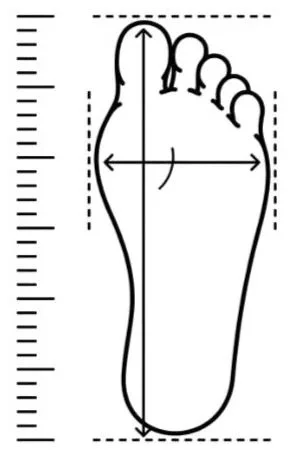
For Naang boots, we recommend 15–20 mm of space between your longest toe and the inside end of the boot. And yes, your longest toe isn’t always your big toe. Check both feet and fit the longer one.
Our anatomical toe box follows the natural outline of the foot, giving your toes room without squeezing them toward a central point. That makes the 15–20 mm gap a useful starting point for fitting our boots, alongside checking width, depth, and how securely the boot holds your foot.
With a more symmetrical, tapered toe box, the gap can be harder to interpret. Depending on your foot shape and how sharply the boot tapers, you may need additional length to keep your toes out of the narrowing front section. Some of that extra space exists because of the boot’s shape, so a longer gap doesn’t necessarily mean the boot is too big.
But adding length has limits. If your toes only feel comfortable once the rest of the boot becomes loose, look for a different toe box shape or width. Your toes need usable space, and your heel and midfoot still need a secure fit.
How Much Room Do Your Toes Need to Splay and Move?
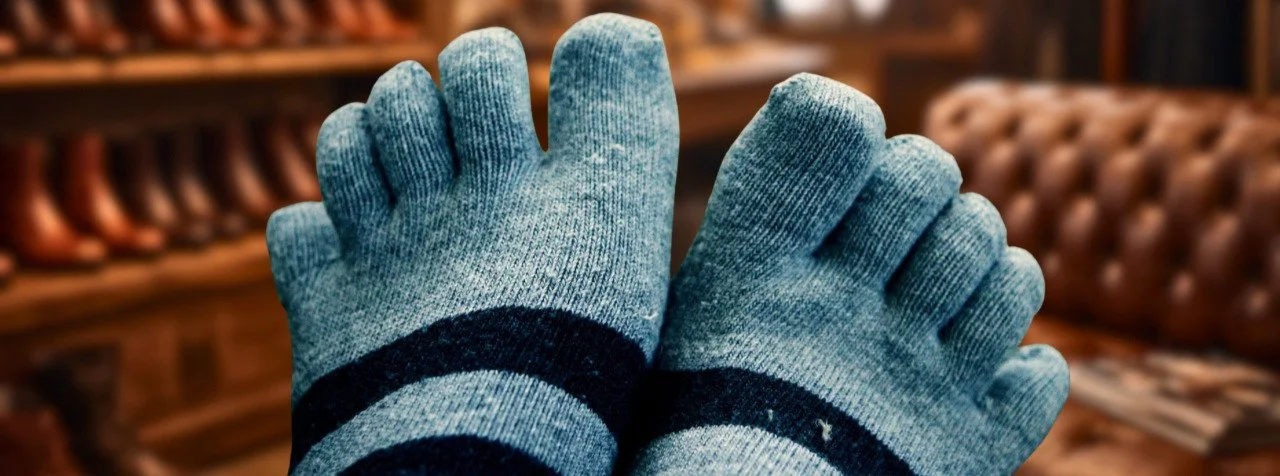
Your toes should have enough room to spread naturally and move without being squeezed together or pressed against the top of the boot. That spreading movement is called toe splay. Being able to wiggle one or two toes while the others remain crammed against the sides isn’t the fit we’re aiming for.
Your toes have a job to do. They contribute to balance, and the muscles activte your toes also help stabilize your foot as you push off while walking. More and more research is finding that your toes need space to function, including this study.
At Naang, we design our anatomical toe box to accommodate that natural splay, while a more fitted midfoot and heel keep your foot secure. Room around your toes shouldn’t mean your whole foot slides around inside the boot.
A tapered toe box can restrict that movement if it narrows where your toes need space. You might have plenty of length beyond your longest toe but still feel your big toe pushed inward or your little toe squeezed against its neighbor. That’s a shape or width problem, even if the length looks right.
Your toes shouldn’t have to fight the shape of your boots.
How Does Toe Box Shape Affect Boot Fit?
Toe box shape determines where your toes have usable space. A boot can be long enough and wide enough across the ball of your foot, yet still narrow too sharply around your toes. That’s why length and width measurements alone don’t tell the whole story.
A tight toe box can feel secure, especially if you’re used to wearing one. But squeezing your toes together shouldn’t be what holds your foot in place.
A secure fit comes from the boot holding your midfoot comfortably and seating your heel in a well-fitting heel cup. Your midfoot should feel snug without excessive pressure, and your heel should stay reasonably stable as you walk. Some heel movement can occur in new boots while the sole is still stiff.
When those areas fit properly, you can give your toes room without making the whole boot feel loose. That’s the approach behind Naang’s anatomical toe box: follow the shape of the foot, allow space where the toes need it, and keep the fit secure.
You shouldn’t have to choose between comfortable toes and a boot that stays on your foot.
How Can You Tell If Your Boots Are Too Tight Around the Toes?
If your toes hurt, feel cramped, or can’t spread naturally, your toe box is too damn tight. You shouldn’t have to curl them, tuck your little toe under its neighbor, or squeeze them together to fit the shape of the boot.
Check the fit while standing with your boots laced and wearing the socks you normally use. Can your toes rest in their natural position? Can you move them without fighting the leather? Pay attention to pressure from the sides and above, as well as contact with the front. Light contact with the lining while your toes splay is different from pressure that holds a toe out of position.
And don’t let extra length fool you. An empty space beyond your longest toe doesn’t help if your little toe is being crushed against the side.
Stiff new leather and a cramped toe box are different problems. Don’t count on break-in to create space that the boot’s shape doesn’t provide.
Shop Naang Boots
Can You Have Too Much Toe Room in Boots?
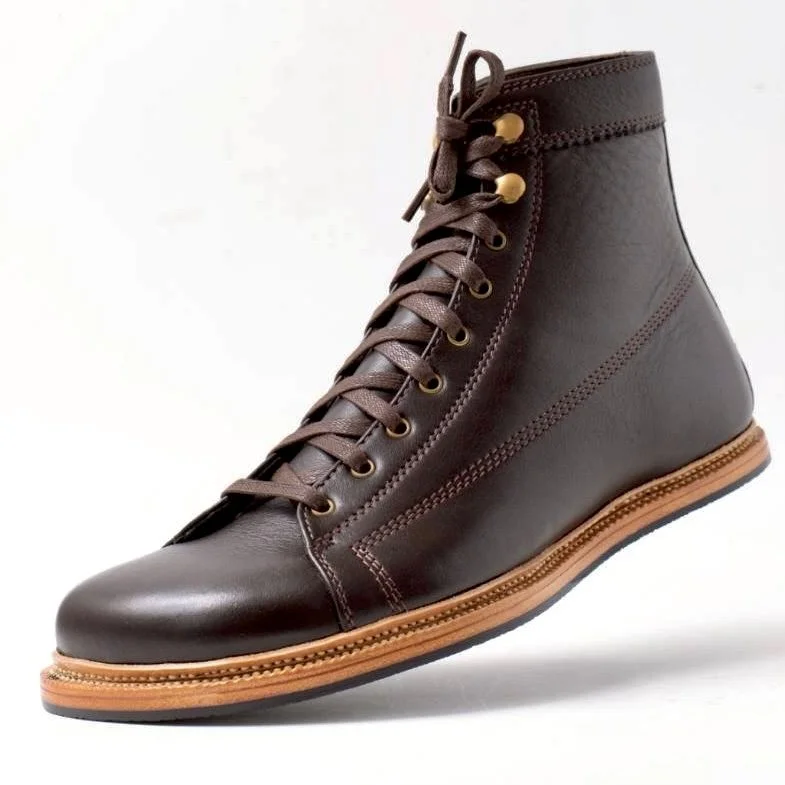
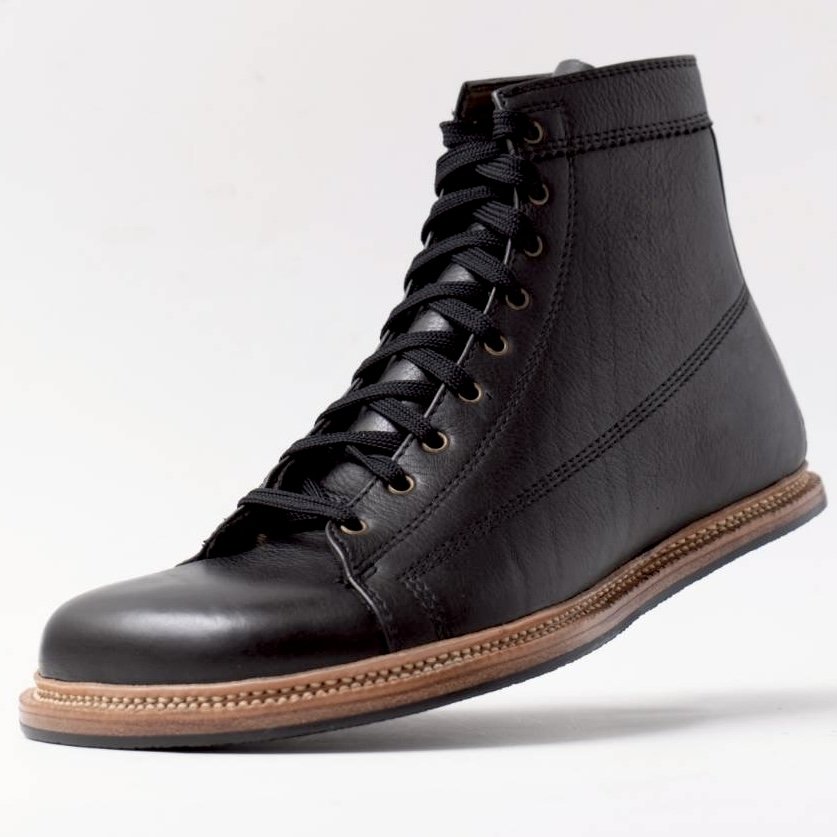
Oh yeah. If your boots feel sloppy and your forefoot slides from side to side when you walk, the fit needs attention. Your boots may be too wide or have too much internal volume.
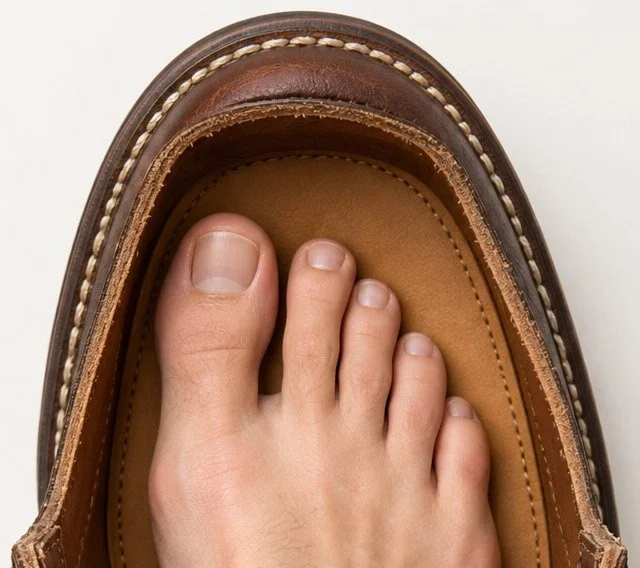
This can happen when you size up to get more width in a boot with an aggressively tapered toe box. You gain space around your toes, but the larger size can also leave the rest of your foot swimming inside the boot.
The boot should fit closely around the ball of your foot without squeezing it, while allowing your toes to splay naturally. Your midfoot and heel should stay secure as you walk. If your toes have room and your foot stays comfortably in place, that space is doing its job.
If getting enough toe room means losing that secure fit, look for a boot with a more suitable shape and width. Sizing up to get width is just never a good idea.
Should You Size Up for More Toe Room?
Sizing up can help if your boots are too short. If your longest toe bumps against the front when you stand or walk, try a longer size. First, check that your heel and midfoot are secure. A foot sliding forward inside a loose boot can also put your toes against the end.
If the length is already right but your toes feel squeezed at the sides, look at the boot’s width and toe box shape. An aggressively tapered toe box narrows exactly where your toes need room.
Going up a size to gain width is never a good idea, despite it being recommended constantly. It changes the mechanics of how your foot interacts with the boot.
We don’t recommend sizing up just to compensate for a toe box that doesn’t suit your foot. Try a wider fit or a more anatomical shape, then check the whole fit. Your toes need room to spread without sacrificing a secure fit.
Will Your Boots Gain Toe Room as They Break In?
Say it with me: breaking in your boots doesn’t make them a bigger size. Leather can soften and give a little in width as it conforms to your feet, but don’t count on break-in to create the toe room you’re missing. Your boots should have enough room for your toes from the start.
As boots break in, the uppers become more flexible and the sole bends more easily. Pressure from stiff leather may ease. But the boot won’t meaningfully gain size, and a tapered toe box won’t become anatomical through sheer persistence.
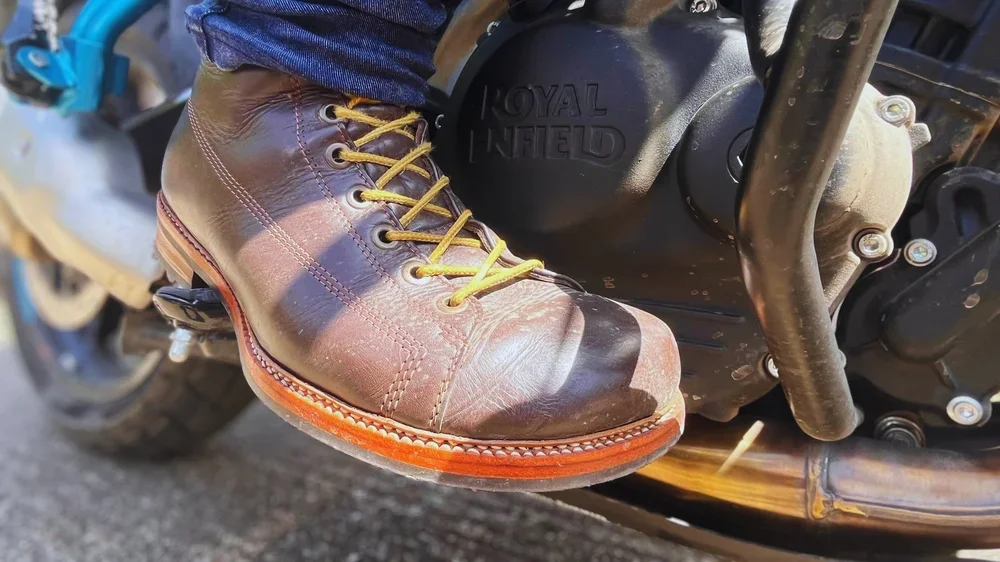
Get boots that fit your damn feet. Advice that new boots should squeeze your toes until you break into them is advice worth ignoring. A snug midfoot and some stiffness is normal. Toes forced together, curled under, or jammed against the end are signs to get different boots.
If the shape or size is wrong when the boots are new, softer leather won’t reliably fix it. You shouldn’t have to spend weeks in pain to find that out.
How Do You Check Toe Room When Trying On Boots?
Try on both boots with the socks you expect to wear, lace them securely, then stand and walk around. Your toes should rest naturally, spread comfortably, and move without being squeezed by the sides or pressed down from above.
Check more than the gap beyond your longest toe. Pay attention to your little toes, your toenails, and the ball of each foot. Does anything feel cramped? Are your toes hitting the front as you walk? Does your foot slide around even with the boots properly laced?
Stiff leather can feel unfamiliar, but cramping and pain aren’t reasons to commit to a lengthy break-in. If the boots force your toes into an uncomfortable position, move on. Check a different size, width, or toe box shape.
If you’re ordering online from Naang Boots, email us before placing your order. Tell us about your usual sizing and where you struggle with fit. We’re happy to work through measurements and fitting options with you. The goal is to get the fit right from the start, with room for your toes and a secure hold through your midfoot and heel.
Frequently Asked Questions About Toe Room in Boots
How much space should you have between your longest toe and the end of your boot?
For Naang boots, we recommend 15–20 mm between your longest toe and the inside end of the boot. This is our fitting guidance for Naang’s anatomical toe box, not a universal rule for every boot. Check width, toe box height, and how securely the boot holds your midfoot and heel as well.
Should you measure toe room from your big toe?
Measure from whichever toe extends farthest forward. Your longest toe may be your second toe rather than your big toe. Check both feet, since their lengths and fitting needs can differ.
Should your toes touch the end of your boots?
No! Your toes should have clearance ahead of them when you stand and walk. Repeated contact with the front calls for a fit check. The boot may be too short, or your foot may be sliding forward because the midfoot and heel aren’t held securely.
How much room should your toes have to spread?
Your toes should be able to rest in their natural position and spread comfortably without being forced together. Check that your big toe isn’t pushed inward and your little toe isn’t tucked against or underneath its neighbor. Being able to wiggle a few toes doesn’t necessarily mean the whole toe box fits.
How much height do you need above your toes?
The toe box should have enough height that your toes aren’t pressed down or forced to curl. Light contact with a soft lining can be normal. Persistent pressure on your toes or toenails suggests that the toe box is too shallow for your foot.
Is a wide toe box the same as an anatomical toe box?
No. A wide toe box offers more width, but it can still taper sharply around the toes. An anatomical toe box follows the natural outline of the foot more closely. Where the boot provides space matters as much as its overall width.
Why do my boots squeeze my toes when there is plenty of space at the front?
Your boots may have enough length but insufficient width or height around your toes. A tapered toe box can leave empty space beyond your longest toe while squeezing your big or little toe from the sides. Extra length doesn’t guarantee usable toe room.
Can you have too much toe room in boots?
Yes, but extra space around your toes alone doesn’t mean your boots are too big. Look at how your foot moves inside them. If your forefoot slides from side to side or your foot shifts forward despite secure lacing, the boots may be too wide, too long, or have too much internal volume.
Will an anatomical toe box make my boots feel loose?
An anatomical toe box can provide room for your toes while the boot holds your midfoot and heel securely. Your toes don’t need to be squeezed to keep your foot in place. If the whole boot feels loose, reassess the size, width, and overall fit.
Should you size up if your toes feel cramped?
Try a longer size if the boots are too short. If the length is already suitable, investigate the width and toe box shape instead. Sizing up to compensate for an aggressively tapered toe box can add unwanted length and loosen the fit elsewhere.
Will tight boots gain toe room as they break in?
No! Leather can soften and give a little in width, but break-in won’t meaningfully increase the boot’s length or change its underlying toe box shape. Your toes should have adequate space from the start. Don’t buy boots that squeeze your toes on the assumption that wear will fix the fit.
Should new boots feel tight around the toes?
No. New boots may feel stiff, but your toes shouldn’t feel squeezed, curled, or jammed against the front. A comfortably snug midfoot is different from a cramped toe box. Pain and restricted toe movement are reasons to reassess the fit.
How do you check toe room when trying on boots?
Wear your usual boot socks, try on both boots, and lace them securely. Stand and walk around, checking clearance in front of your toes and pressure from the sides and above. Make sure your toes can rest naturally while your midfoot and heel remain reasonably stable.
Can thicker socks fix boots with too much toe room?
No. Thicker socks can take up a small amount of spare volume, but they won’t correct a substantial size or shape mismatch. Check that they improve the overall fit without crowding your toes. If your foot still slides around, reassess the boots.
How can I check my size before ordering Naang boots online?
Contact Us before ordering so we can discuss your usual sizing, measurements, and any fitting problems you’ve experienced. Tell us where boots typically squeeze or feel loose. We can help you work through measurements with the aim of providing comfortable toe room and a secure fit through your midfoot and heel.
Read Next

All Boots Are Made-To-Order. Current Lead Time: 60-90 Days.
Not sure about your size? Check out our Sizing Guide.
The Winnfield is built to walk the earth.
City streets. Back alleys. Remote trails. Foothills that don’t forgive mistakes.
Wherever you go, it keeps moving.
Construction: 360° Hand-Welted
Lace-to-Toe
Shaft Height: 6 inches
Last: Anatomical Zero Drop
Our Anatomical Last is very wide, if you feel your foot is exceptionally wide please indicate so on the form that pops up after you add the boots to your cart, we will get in touch to make sure that your boots are wide enough for your feet. We got you!
Leather: 2.5-3.5mm Full Grain
Full Leather Liner
Outsole: Naang Flat Rubber Super Grip
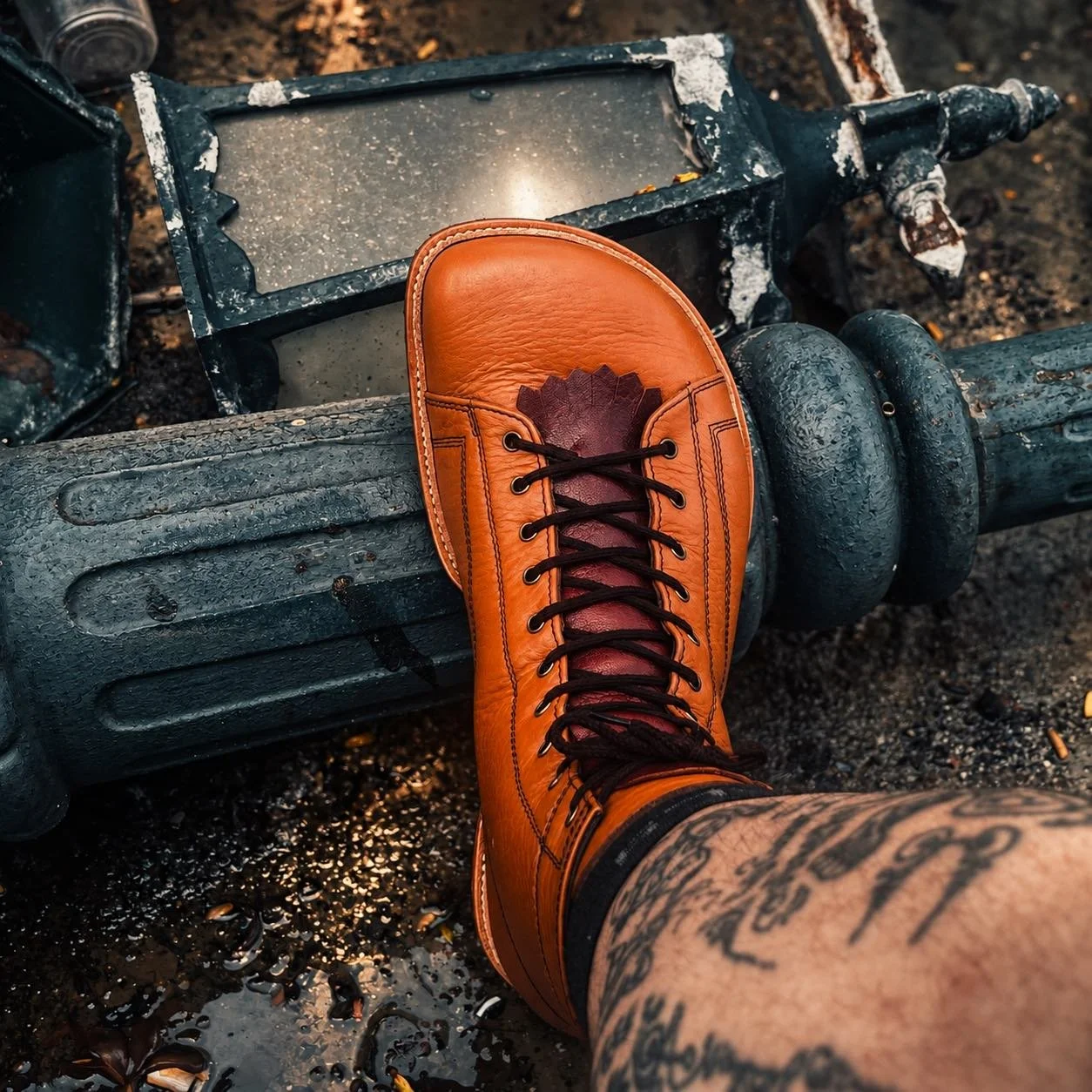
Built on our Anatomical Natural Toe Box last, the Winnfield follows your foot’s true shape.
Not the other way around.
Lace-to-toe construction, lets you fine-tune the fit, helping limit hot spots, pressure, and other foot problems mile after mile
Your toes can spread. Your stride stays strong. Comfort holds, mile after mile.
Every pair is hand-welted with a full 360° storm welt.
Not for looks. Not for marketing. For durability.
It seals out the elements and locks the upper to the sole the way it should be done. Built to take abuse. Built to last.
Inside, a leather shank adds structure where you need it, while letting the forefoot move the way it should.
Stable step after step. Solid under load. Comfortable through long days on your feet.
This is not a delicate boot.
It’s a tool.
The Winnfield is made to walk the earth.
Worldwide Shipping Available.