Why Do Boots Have Toe Spring? What It Is and Why It Matters
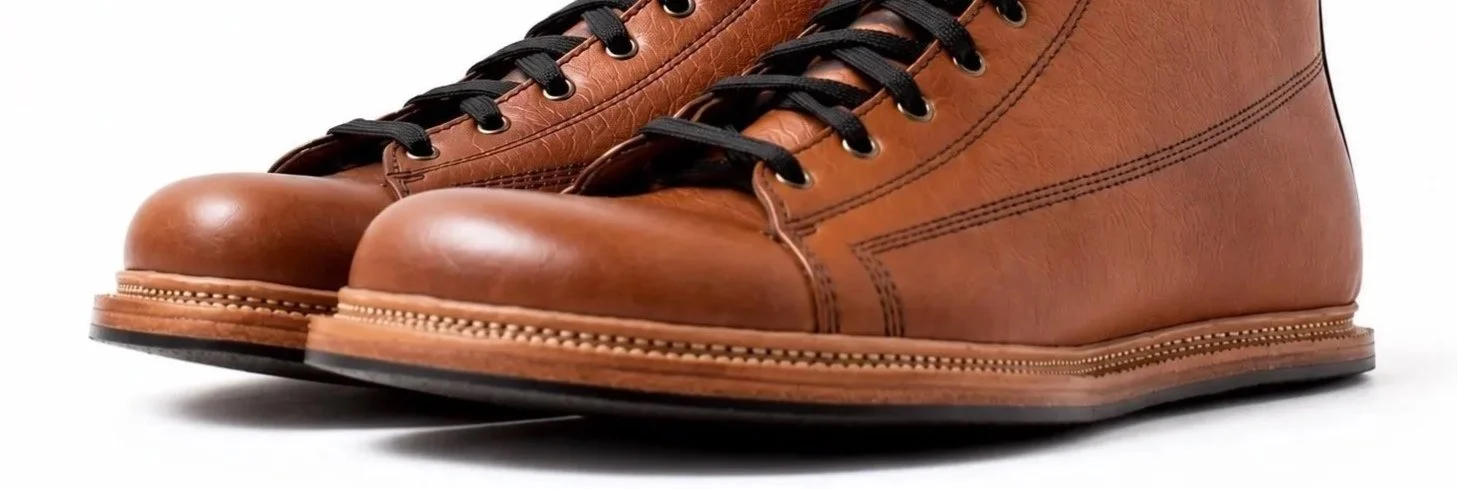
Boots have toe spring to help the foot and boot roll forward through each step while reducing the chance of the toe catching or dragging on the ground. Toe spring is the slight upward curve at the front of a boot, and it becomes especially important in boots with thicker, stiffer, or more structured soles.
As you walk, that upward curve helps the boot transition from the forefoot forward to the toe, instead of forcing the entire sole to bend sharply with every step. In a well-designed boot, toe spring works with your natural gait to make the boot easier and more comfortable to walk in.
Table of Contents
What Is Toe Spring in Boots?
Toe spring is the upward curve built into the front of a boot. This is where the sole rises up from the ground as it approaches the toe. If you look from the side, it’s a visible gap between the ground and the outsole when the boot is sitting flat.
Toe spring usually begins somewhere around the ball of the foot, then gradually increases toward the toes. The exact shape depends on the last, sole construction, toe profile, and intended use of the boot.
There’s no standard height for toe spring. The tip of the toe may sit roughly 10 to 25 mm above the ground, while some designs use considerably less or more. What matters is the gradient of the curve, not simply the height at the very front.
From a bootmaking perspective, toe spring is built into the shape of the last and that is carried through the insole, midsole, welt, and outsole during construction. It is part of the geometry of the boot, not something added to the toe after the boot is finished.
Shop Naang Boots
Why Do Boots Have Toe Spring?
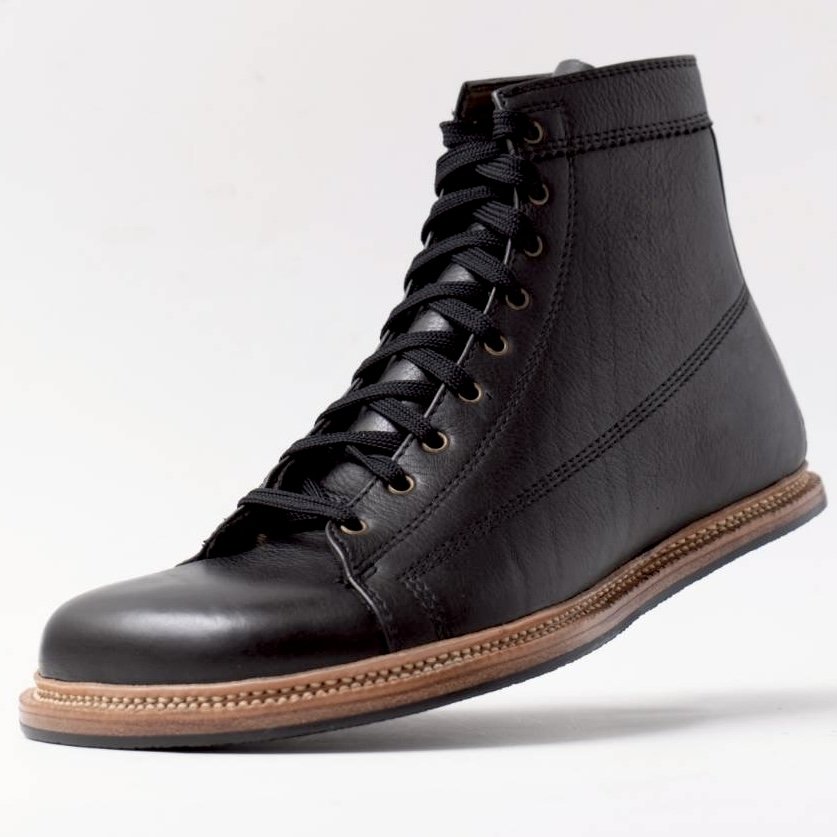
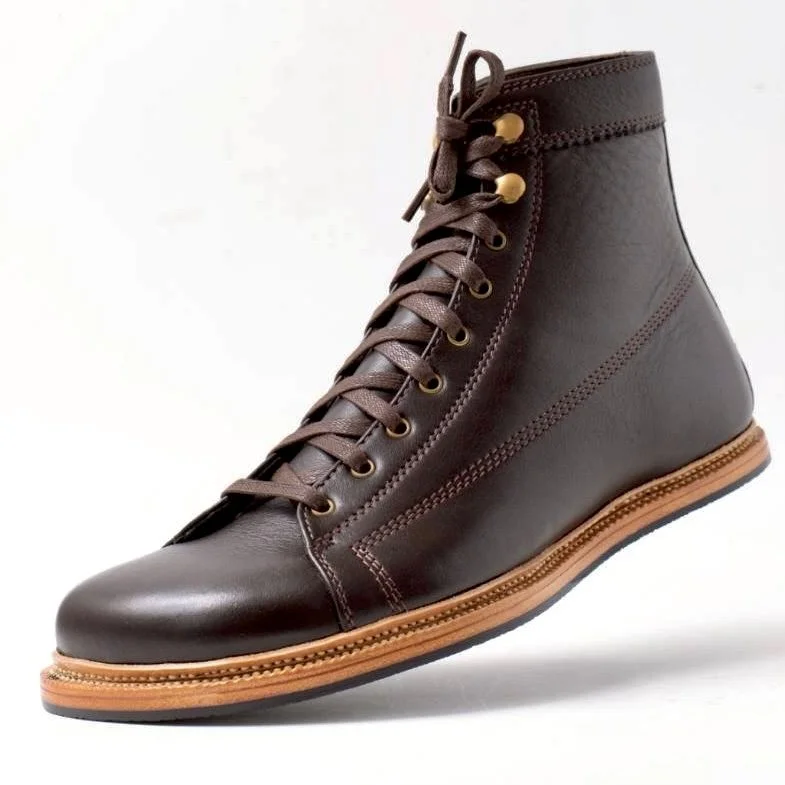
Boots have toe spring to help the boot roll forward through each step and to reduce the chance of the toe catching or dragging on the ground. Toe spring in boots becomes more important as the sole and overall construction become thicker, stiffer, and less flexible.
Your foot naturally bends through the ball of the foot as you move forward to your toes, but a boot adds layers of leather, rubber, welt, midsole, and outsole that resist that movement. Toe spring helps compensate for that added structure by allowing the front of the boot to begin rolling forward before the entire forefoot has to flex.
That can make each step feel smoother and can reduce the effort required to walk in a heavily constructed boot. The stiffer and more substantial the boot, the more important that geometry becomes.
A lightweight barefoot boot with a thin, flexible rubber sole may need very little toe spring because the sole can bend freely with the foot. A heavy PNW-style work boot, especially one built for woodland firefighting or demanding industrial use, will have more pronounced toe spring because its thick leather construction and rubber outsole is considerably harder to flex.
The amount of toe spring should match the construction and intended use of the boot. Toe spring is a functional part of boot geometry that helps a structured boot work with your gait instead of forcing your foot to fight against a completely flat, rigid sole.
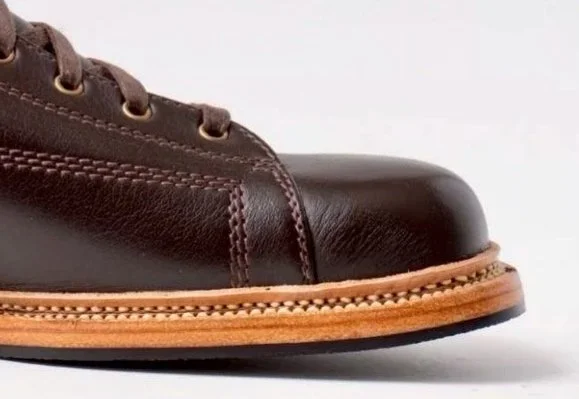
Naang Boots Use a Gentile Toe Spring to Assist the Boot Rocking Forward
How Toe Spring Helps You Walk in Your Boots
Toe spring helps you walk in your boots by creating a curved path for the front of the sole to roll across the ground as your weight moves forward. Instead of forcing a thick, relatively flat sole to bend sharply with every step, that upward curve allows the boot to roll more gradually from the ball of the foot towards the toes.
As you walk, your heel rises and your weight shifts onto the forefoot. Your foot naturally bends at the metatarsophalangeal joints, where the toes meet the foot. In a thin, flexible shoe, the sole can simply flex along with those joints. A structured boot with a more substantial construction adds some resistance to that movement.
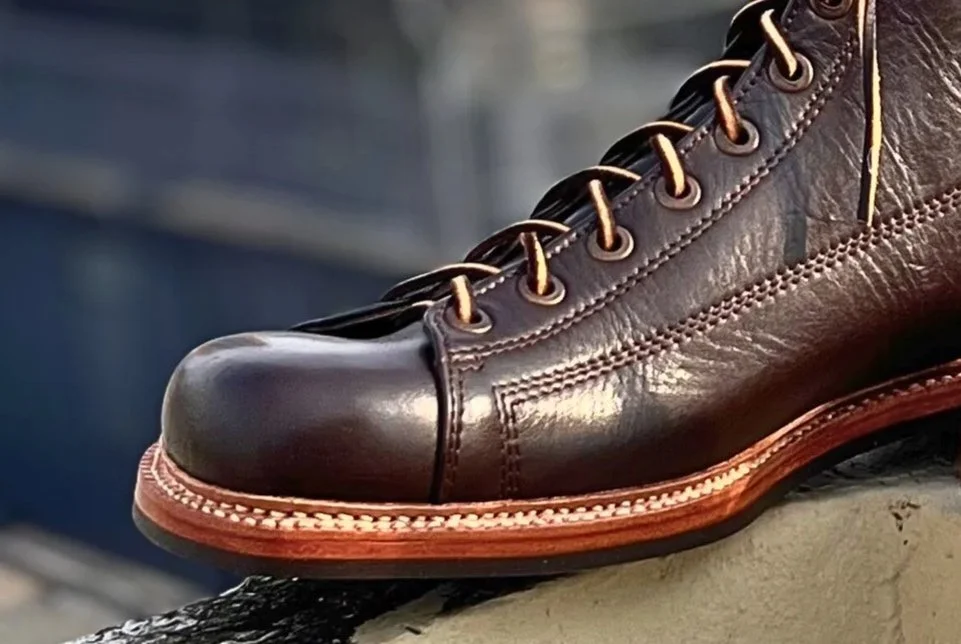
Toe spring changes the geometry of that movement. As your weight passes over the ball of the foot, the curved portion of the sole contacts the ground progressively farther forward. This allows the boot to rotate and roll toward the toe without requiring the entire everything under foot to flex at the same rate as your foot.
The location of that curve matters. Toe spring generally begins around the ball of the foot, close to the natural flex point of the boot. From there, the sole rises progressively toward the toe. If the curve begins too early, too late, or rises too abruptly, it can work against the way your foot naturally moves through a step.
Well designed toe spring works together with the boot’s flex point and the joints of your foot. Your foot still creates the movement, but the geometry of the sole allows a heavier, more structured boot to roll through the gait without fighting that movement.
How Much Toe Spring Should a Boot Have?
There is no single correct amount of toe spring for every boot. The right amount depends on the stiffness of the sole, the construction of the boot, the shape of the last, and what the boot is designed to do.
A light, flexible boot may need very little toe spring, or none at all, because the sole can bend easily with the foot. A heavier boot with a thick leather insole, midsole, welt, and outsole generally benefits from more toe spring because the sole package resists flexing. Very stiff work boots and mountaineering boots can use an even more pronounced curve to help them roll forward.
For many everyday boots, toe spring is fairly subtle. The toe might sit roughly 10 to 25 mm above the ground when the boot is resting flat, but that number alone does not tell you whether the geometry is right. A smooth, gradual curve that begins near the natural flex point of the boot matters more than simply lifting the toe as high as possible.
Too little toe spring in a stiff boot can make the boot feel flat and cumbersome, forcing you to flex more of the sole with every step. Too much can make the boot feel overly rocked forward or reduce the amount of sole contacting the ground under the forefoot.
Good toe spring is therefore a balance. It should be enough to work with the stiffness and intended use of the boot without becoming something you consciously notice while walking.
At Naang Boots, we went through several iterations of our last and adjusted the toe spring repeatedly as we worked to dial in that balance. Our hand-welted construction gives the boot a surprising amount of flex for the amount of leather underfoot, so we did not need an aggressive rocker.
We ultimately settled on 10 mm of toe spring, with a very gradual curve beginning around the ball of the foot. For our construction, that geometry gives the boot enough rollover to walk efficiently while still allowing the forefoot to flex naturally.
Do Zero Drop Boots Still Need Toe Spring?
Yes. Zero drop boots can still need toe spring, especially when they have a thicker, stiffer, or more structured sole. Zero drop describes the height relationship between the heel and forefoot, while toe spring describes the upward curve at the front of the boot. They are two separate parts of boot geometry.
In a zero drop boot, the heel and the ball of the foot sit at roughly the same level. Toe spring begins farther forward, usually around the ball of the foot, where the sole starts to curve upward toward the toe.
How much toe spring a zero drop boot needs depends largely on what sits underfoot. A very flexible barefoot-style boot with a thin rubber sole may need almost none because the sole can bend freely with the foot. A zero drop heritage boot with a leather insole, midsole, welt, and substantial outsole is different. That added structure resists flexing, so toe spring helps the boot roll forward more naturally through each step.
This is an important distinction because zero drop does not mean the entire bottom of the boot should be completely flat from heel to toe. A boot can maintain a level heel-to-forefoot platform while still using a gradual upward curve in front of the ball of the foot.
That is how we approach zero drop at Naang Boots. Our zero drop boots are still built like substantial heritage boots. We keep the heel and forefoot level to give the foot a more natural platform, while retaining the toe spring built into our last. Because our hand-welted construction uses multiple layers of leather underfoot, we still want enough toe spring to help the boot roll smoothly through each stride without making the sole feel unnecessarily rigid.
Zero drop is about heel-to-forefoot height. Toe spring is about how the front of the boot rolls through a step. A well-designed zero drop boot will benefit from both.
Do Barefoot Boots Need Toe Spring?
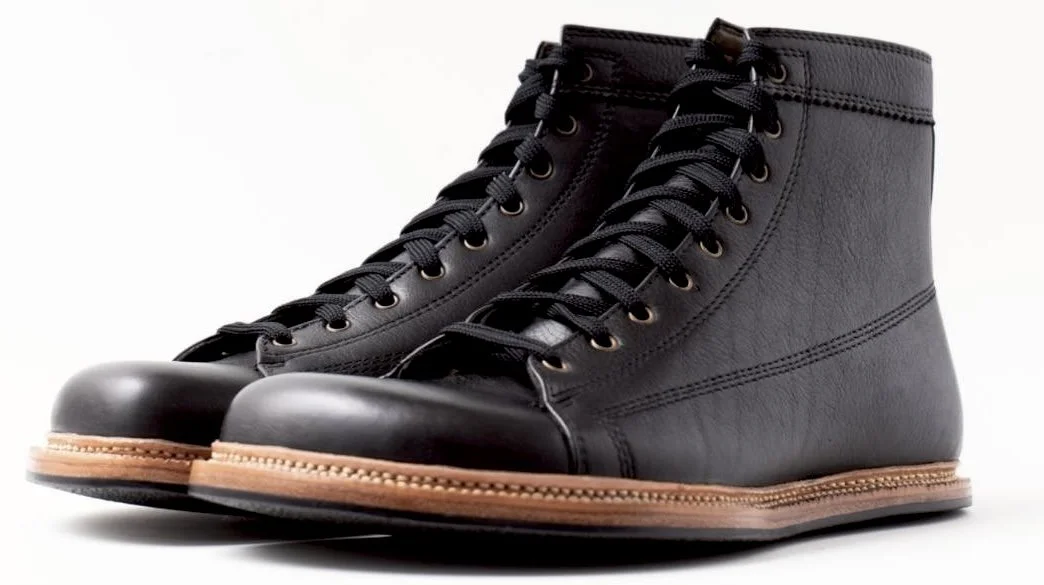
Not really. Barefoot boots generally need little, if any, toe spring because their thin, highly flexible soles can bend freely with the foot.
With very little material underfoot resisting movement, the foot can create most of the flex needed during walking. A barefoot boot does not rely on a pronounced upward curve at the toe in the same way a thicker, stiffer heritage or work boot does.
Some barefoot boots may still have a small amount of toe spring, but it is generally far less important than it is in more structured footwear.
Shop Naang Zero Drop Boots
Can a Boot Have Too Much or Too Little Toe Spring?
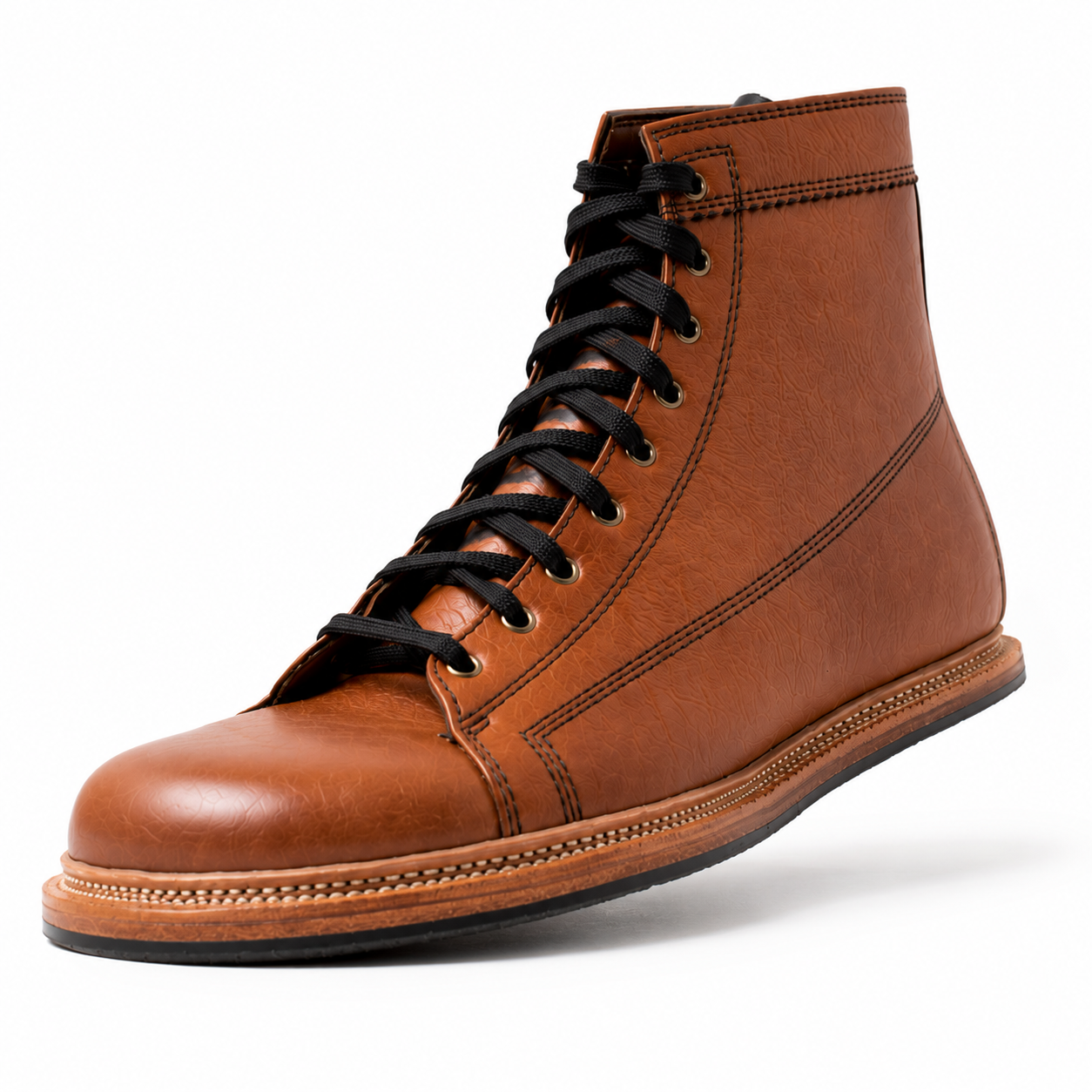
Absolutely. A boot can have too much or too little toe spring, and both can negatively affect how the boot feels and moves when you walk.
Too little toe spring can make a stiff or heavily constructed boot feel slow and cumbersome. The boot doesn’t roll forward easily, so each step feels a bit like walking through mud. You may also notice the toe dragging or catching more often because there is not enough upward curve at the front of the boot.
Too much toe spring creates a different problem. An overly aggressive curve can make the boot feel rocked forward or less stable under the forefoot. It also changes the way your toes sit inside the boot, making your foot feel cramped or forcing the toes into an uncomfortable position.
This is why testing and iteration are such important parts of boot design. Toe spring may look like a simple curve on a last, but small changes can noticeably change the way a boot walks.
We learned that firsthand while developing the Winnfield and Dante at Naang Boots. During testing, I could tell almost immediately when the toe spring was off. Too little made the boots feel heavy and reluctant to move forward, I could feel my toes wanting to drag. Too much made the forefoot feel unstable and uncomfortable. We adjusted the last through multiple iterations until the boots rolled naturally without feeling overly curved underfoot.
The right amount of toe spring should disappear when you walk. You shouldn’t be consciously thinking about the curve at the front of the boot. The boot should simply roll forward smoothly, remain stable underfoot, and let you move naturally through each step.
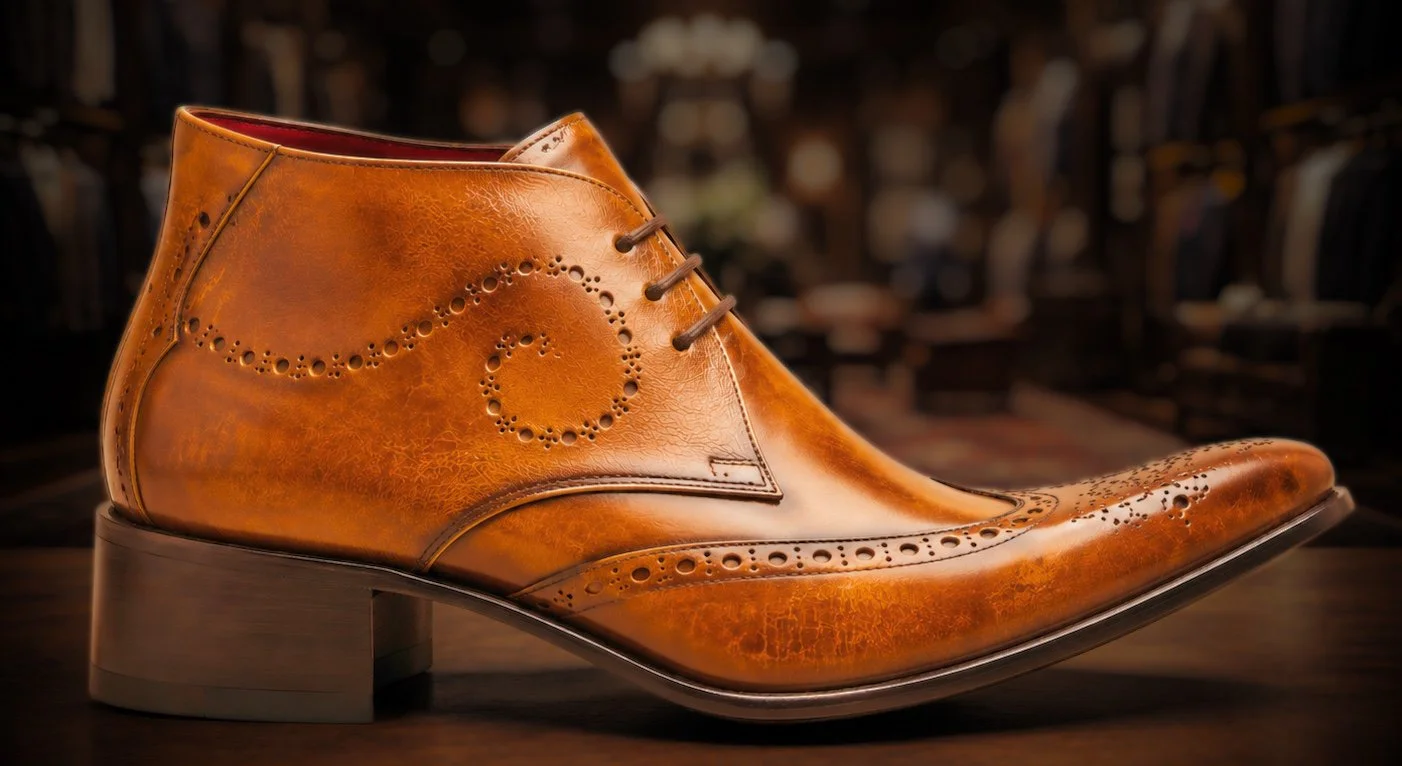
A Chukka Boot With Excessive Toe Spring
Frequently Asked Questions About Toe Spring
What is toe spring in boots?
Toe spring is the upward curve at the front of a boot where the sole rises away from the ground toward the toe. It usually begins around the ball of the foot or slightly ahead of it and becomes progressively more pronounced toward the front of the boot.
Why do boots have toe spring?
Boots have toe spring to help the sole roll forward through each step. This is especially useful in boots with thick or stiff soles that cannot flex as freely as the foot itself.
Toe spring also helps reduce the tendency for the front of the boot to catch or drag on the ground while walking.
How much toe spring should a boot have?
There is no single correct amount of toe spring for every boot. The appropriate amount depends on the stiffness of the sole, the boot’s construction, the shape of the last, and its intended use.
Many everyday boots have relatively subtle toe spring, while stiff work boots, mountaineering boots, and other heavily constructed footwear may use a more pronounced curve.
Where should toe spring start on a boot?
Toe spring generally begins around the ball of the foot or slightly ahead of it, close to the natural flex point of the boot. From there, the sole should rise gradually toward the toe.
The exact location depends on the last and construction of the boot.
Can a boot have too much toe spring?
Yes. Too much toe spring can make a boot feel overly rocked forward or unstable under the forefoot. It can also affect how the toes sit inside the boot and may make the forefoot feel cramped or uncomfortable.
What happens if a boot has too little toe spring?
Too little toe spring can make a stiff boot feel heavy, flat, or difficult to roll forward in. The toe may also be more likely to drag or catch on the ground while walking.
The effect is usually more noticeable in boots with thick, rigid sole construction.
Do zero drop boots need toe spring?
Zero drop boots can still need toe spring. Zero drop describes the height difference between the heel and forefoot, while toe spring describes the upward curve at the front of the boot.
A structured zero drop boot can keep the heel and forefoot level while still using toe spring in front of the ball of the foot.
Are zero drop boots supposed to be completely flat?
No. Zero drop does not mean the entire sole must remain completely flat from the heel to the tip of the toe.
A zero drop boot can have a level platform under the heel and forefoot while the front of the sole curves upward to create toe spring.
Do barefoot boots need toe spring?
Barefoot boots generally need very little toe spring because their thin, flexible soles can bend freely with the foot.
Some barefoot boots may still have a slight upward curve at the toe, but pronounced toe spring is usually less necessary than it is in thicker, more structured boots.
Do work boots need more toe spring?
Stiff work boots often benefit from more toe spring than lightweight, flexible boots. Thick leather insoles, midsoles, welts, and heavy outsoles resist bending, so additional toe spring can help the boot roll forward more easily during walking.
The exact amount still depends on the construction and intended use of the boot.
Does toe spring make boots easier to walk in?
Toe spring can make stiff or heavily constructed boots easier to walk in by allowing the front of the sole to roll progressively across the ground.
It reduces how much the entire sole package has to flex during each step, particularly as your weight moves over the ball of the foot toward toe-off.
Is toe spring the same as a rocker sole?
No. Toe spring and a rocker sole are related but not identical.
Toe spring refers specifically to the upward curve at the front of the footwear. A rocker sole usually describes a broader curved sole geometry that may extend through much more of the length of the shoe or boot and is designed to create a more pronounced rolling motion.
Is toe spring built into the boot last?
In traditional bootmaking, much of the toe spring is established by the shape of the boot last. The insole, welt, midsole, and outsole are then built around that geometry during construction.
This makes toe spring part of the fundamental design of the boot rather than simply a bend added to the finished outsole.
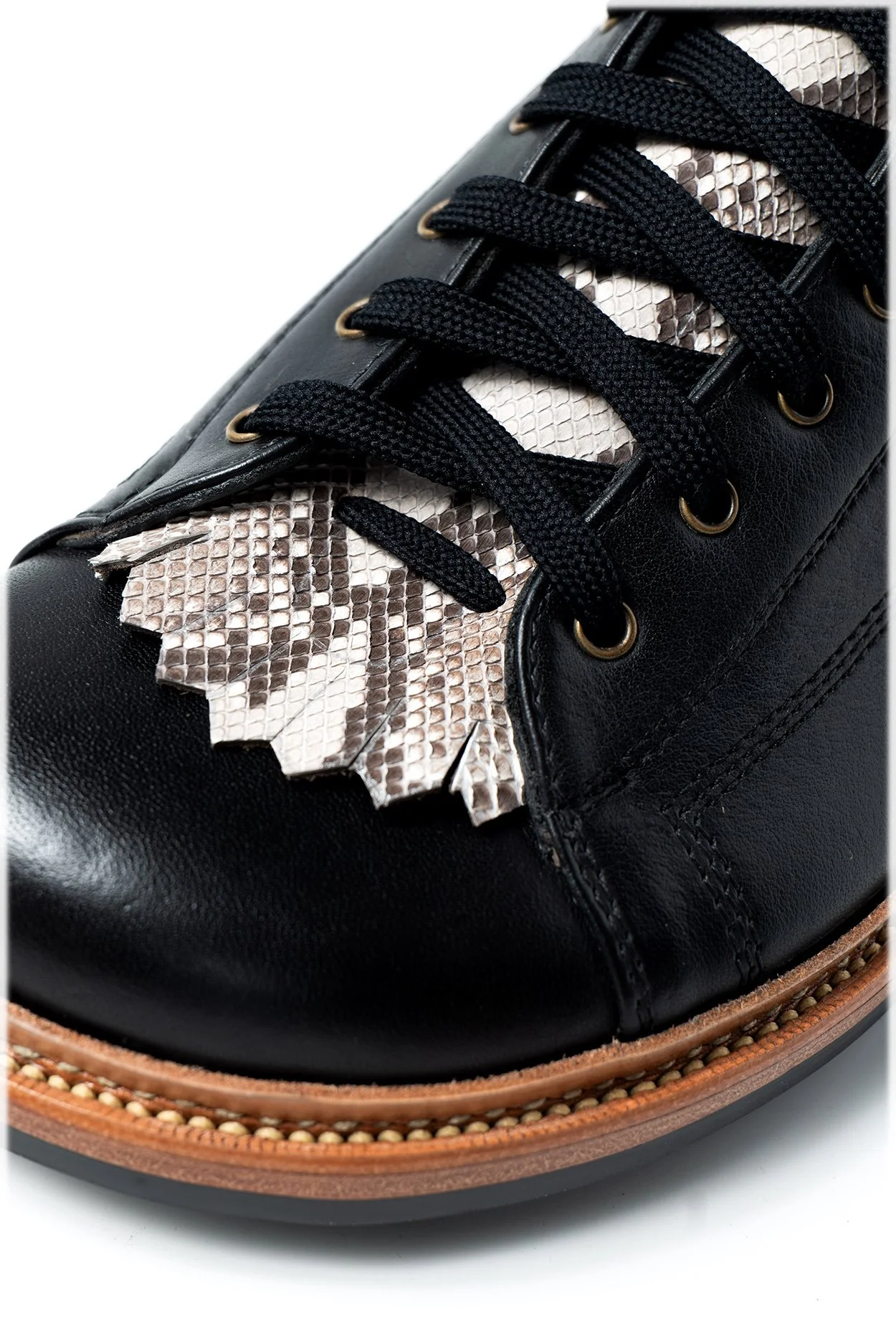
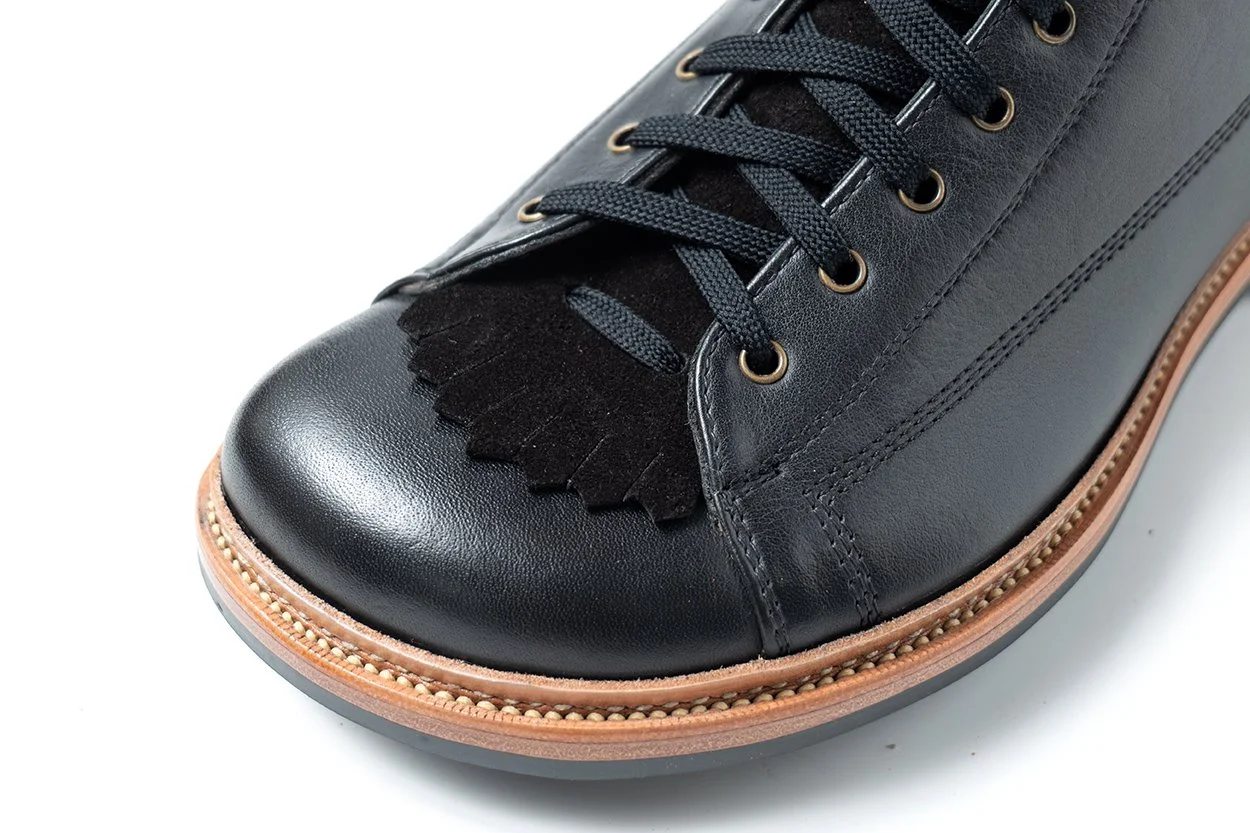
Naang Boots Unique Kiltie Collections


All Boots Are Made-To-Order. Current Lead Time: 60-90 Days.
The Winnfield is built to walk the earth. This limited edition pairs red goat leather with our anatomical toe box and lace-to-toe design, giving your toes room to spread and letting you adjust the fit across your forefoot.
Built with 360° hand-welted construction and a full leather lining, these 6-inch boots are available with a zero-drop sole or minimal heel.
Upper: Limited edition red goat leather
Construction: 360° hand-welted
Lacing: Lace-to-toe for adjustable forefoot fit
Shaft height: 6 inches
Fit: Anatomical toe box
Last Options: Zero drop or minimal heel
Lining: Full leather lining
Not sure about your size? Check our Sizing Guide. Or Contact Us.
Worldwide shipping available.