Why Do My Toes Hurt in Boots? Common Causes, Fixes, and What Most Bootmakers Get Wrong
If your toes hurt in boots, it’s usually because your toes don’t have enough room to move naturally.
In some cases, the boots are too short and your toes are repeatedly hitting the front of the boot. In others, the boots are too narrow and squeeze the toes together with every step. Sometimes the problem is caused by foot swelling, poor lacing, friction, or simply wearing the wrong boot for the activity.
Whatever the cause, toe pain is a sign that something isn’t working the way it should.
The good news is that toe pain is often preventable. Once you understand what’s causing the problem, the solution is usually straightforward.
In this article, we’ll look at the most common causes of toe pain in boots, how to fix them, and why many modern boots create these problems in the first place.
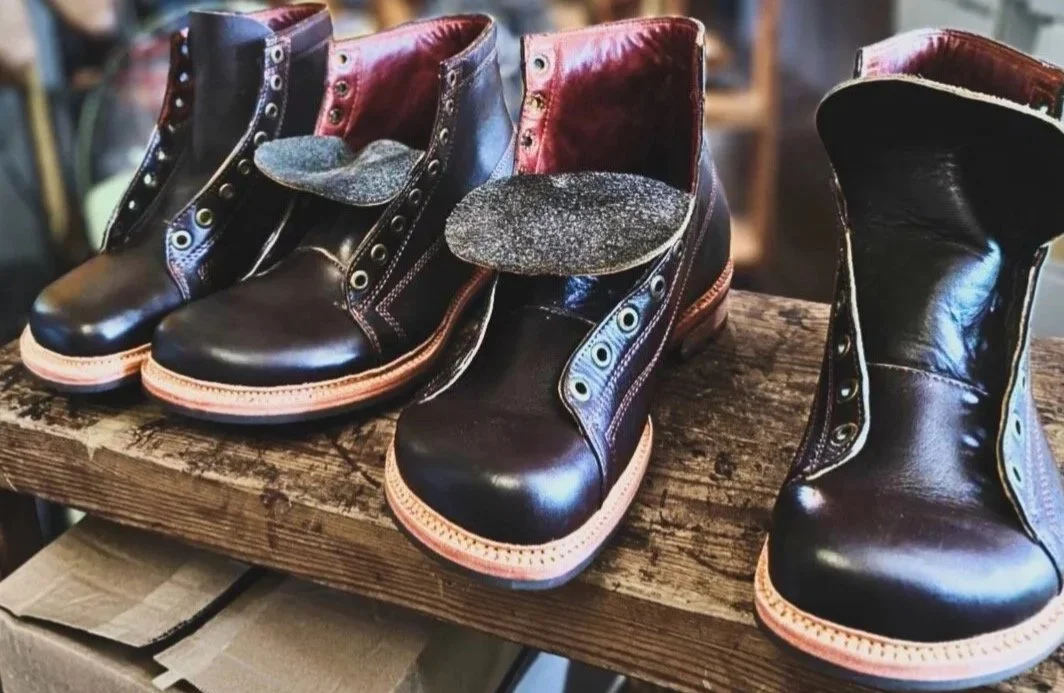
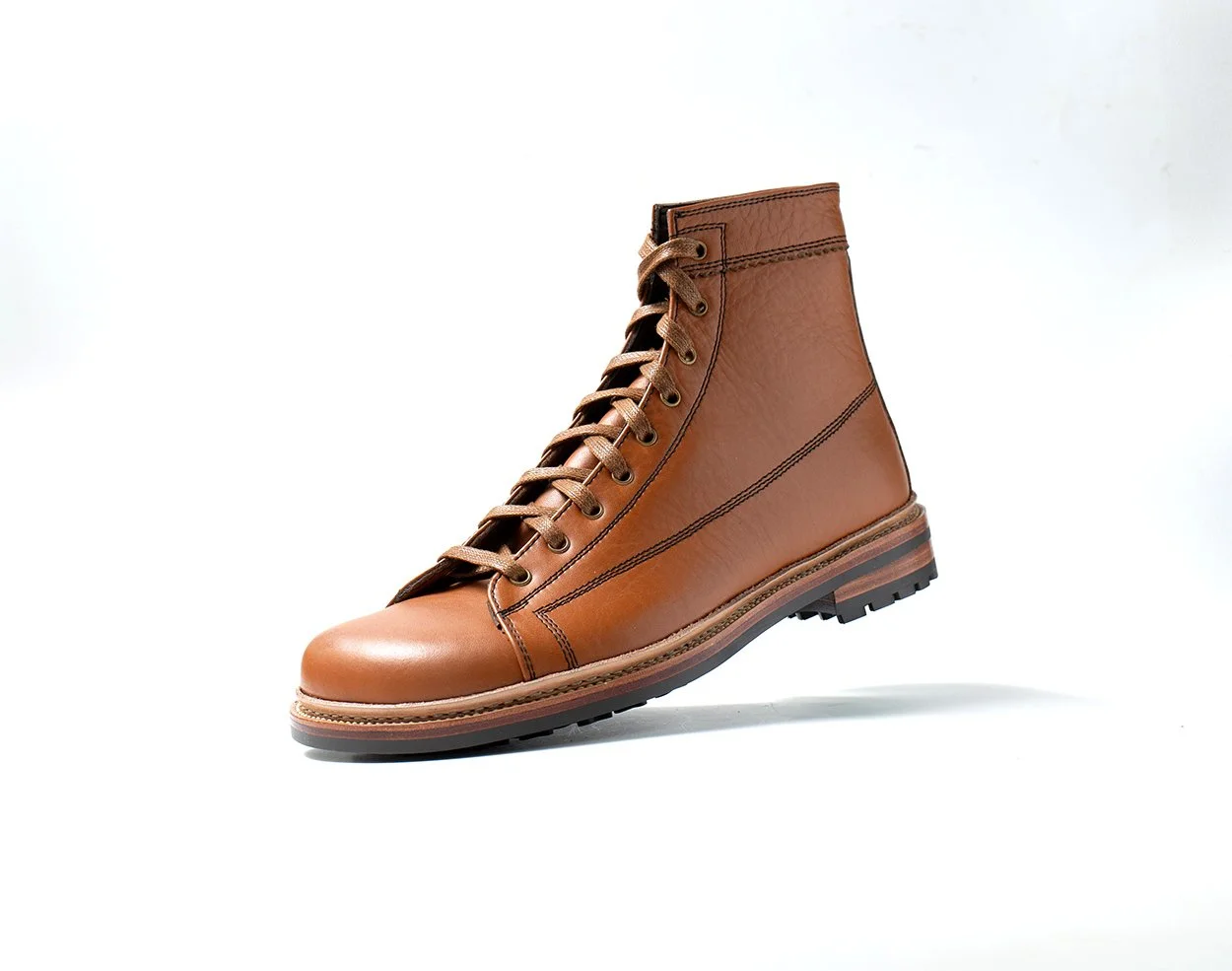
Boots with an Anatomical Toe Box can prevent toe pain.
Table of Contents
The Most Common Causes of Toe Pain in Boots
When someone tells me their toes hurt in their boots, my first question usually isn’t, “What size are you wearing?” It’s, “What kind of pain are you feeling?”
That’s because toe pain can come from several different issues. Sometimes the boot is too small. Sometimes it’s the right size but the wrong shape, as in the toe box is way too narrow. And other times the problem has nothing to do with the boot itself.
The good news is that most toe pain is predictable. Once you understand what’s causing it, it’s usually straightforward to fix.
Your Boots Are Too Narrow
If I had to point to one cause that shows up more than any other, it’s a toe box that’s simply too narrow.
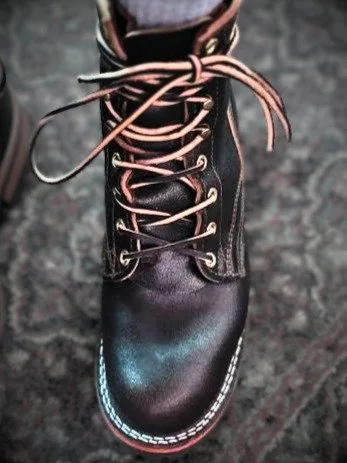
A narrow toe box is coming in boots.
A lot of boots squeeze your toes together without you really noticing it at first because years and decades of wearing narrow shoes has conditioned us to think this is normal. They might feel fine when you try them on in the store, but after a few hours your toes start aching, your little toe feels bruised, or you notice a numb spot developing along the side of your foot.
The problem is that most boots are built to look sleek, not to match the shape of your foot.
Your foot is naturally widest across the ends of your metatarsals and your toes. That’s where your toes need room to splay as you walk. Many traditional boot lasts do exactly the opposite, they taper inward toward the front, forcing your toes into a shape they were never designed to hold.
No amount of break in changes that shape. Leather softens. It doesn’t magically create more room where it doesn’t exist.
Your Boots Are Too Short
Length problems tend to be easier to spot.
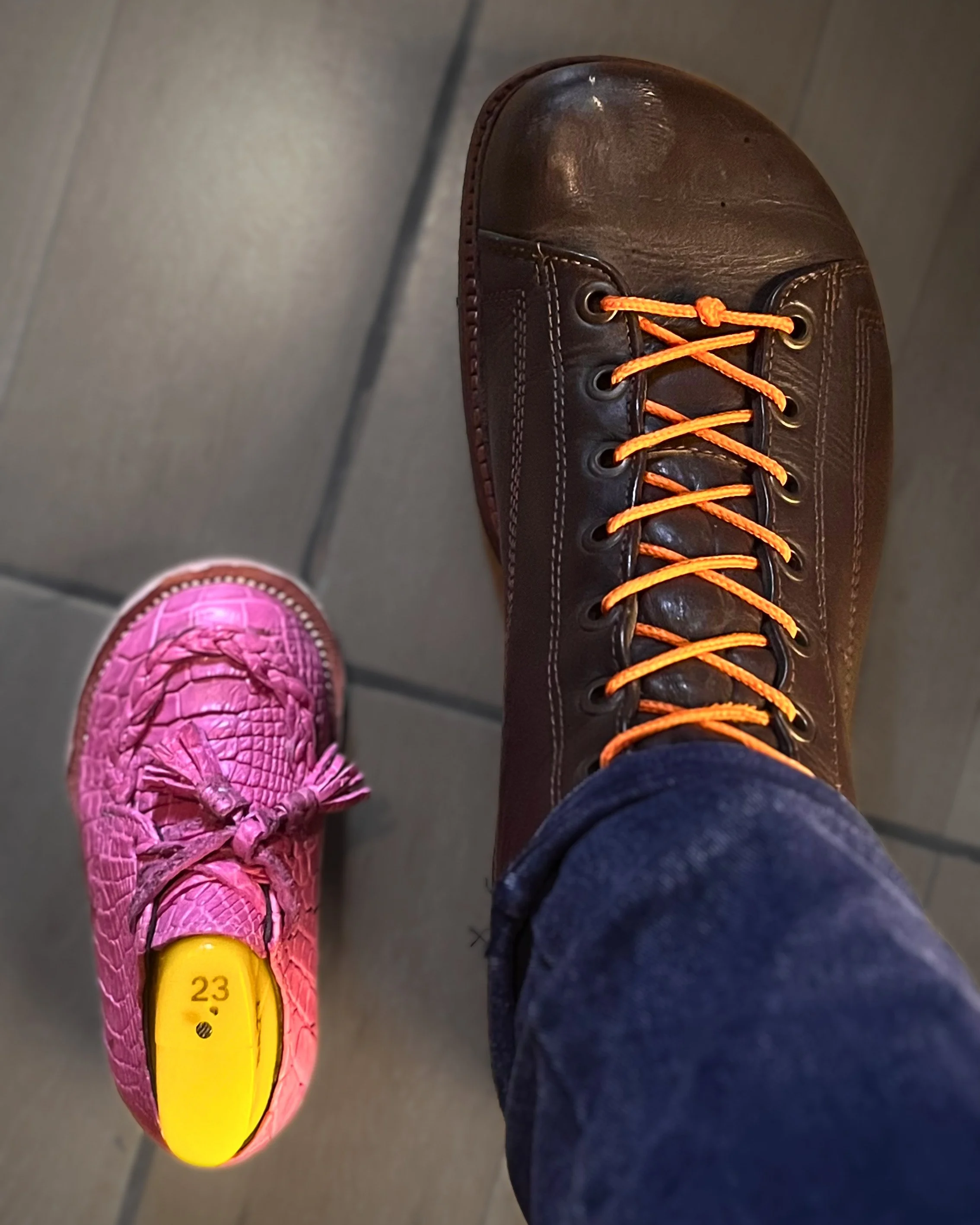
You’re gonna know right away if your boot is too short.
If your longest toe is touching the front of the boot when you’re standing, there’s a 100% chance the boot is too short. Every step drives your toes into the leather. Over the course of a day that repeated impact can leave them sore, bruised, or, in some cases, cost you one or all of your toenails.
This becomes especially obvious when you’re walking downhill. Gravity pushes your foot forward, so every descent becomes a series of tiny collisions between your toes and the front of the boot.
A boot should hold your foot securely, but your toes should never be acting as the crumple zone.
Shop Naang Boots Now
~
Shop Naang Boots Now ~
Your Feet Swell Throughout the Day
One mistake people make is judging a pair of boots by how they feel first thing in the morning.
Your feet don’t stay the same size all day. After several hours of walking, standing, hiking, or working, they naturally expand. Warm weather speeds the process up even more.
That’s why a boot that feels perfect over coffee can feel noticeably tighter by late afternoon.
Whenever possible, try new boots on later in the day or after you’ve been walking for a while. It’s a much better representation of how they’ll actually fit when you’re wearing them for eight, ten, or more hours.
Your Foot Is Sliding Forward
Sometimes the boot isn’t too small at all.
If your heel isn’t locked in place, your whole foot can slide forward every time you take a step. Your toes then end up crashing into the front of the boot over and over again.
You’ll notice this most on steep descents, carrying a heavy pack, or when your laces have worked themselves loose.
People often respond by buying a larger size, but that usually makes the problem worse because there’s now even more room for the foot to move around.
A well-fitting boot should secure your heel while leaving your toes free to move naturally.
Many boots with a wide toe box, are just wide through the whole boot. So your mid foot and heel never get locked in properly.
Your Socks Are Working Against You
Socks don’t get nearly as much attention as they deserve.
A thick sock inside a snug boot can take away just enough space to make your toes feel cramped. On the flip side, a thin sock may let your foot slide around more than it should.
Then there’s the sock itself. Cheap cotton socks bunch up, trap moisture, and create pressure points where you least want them.
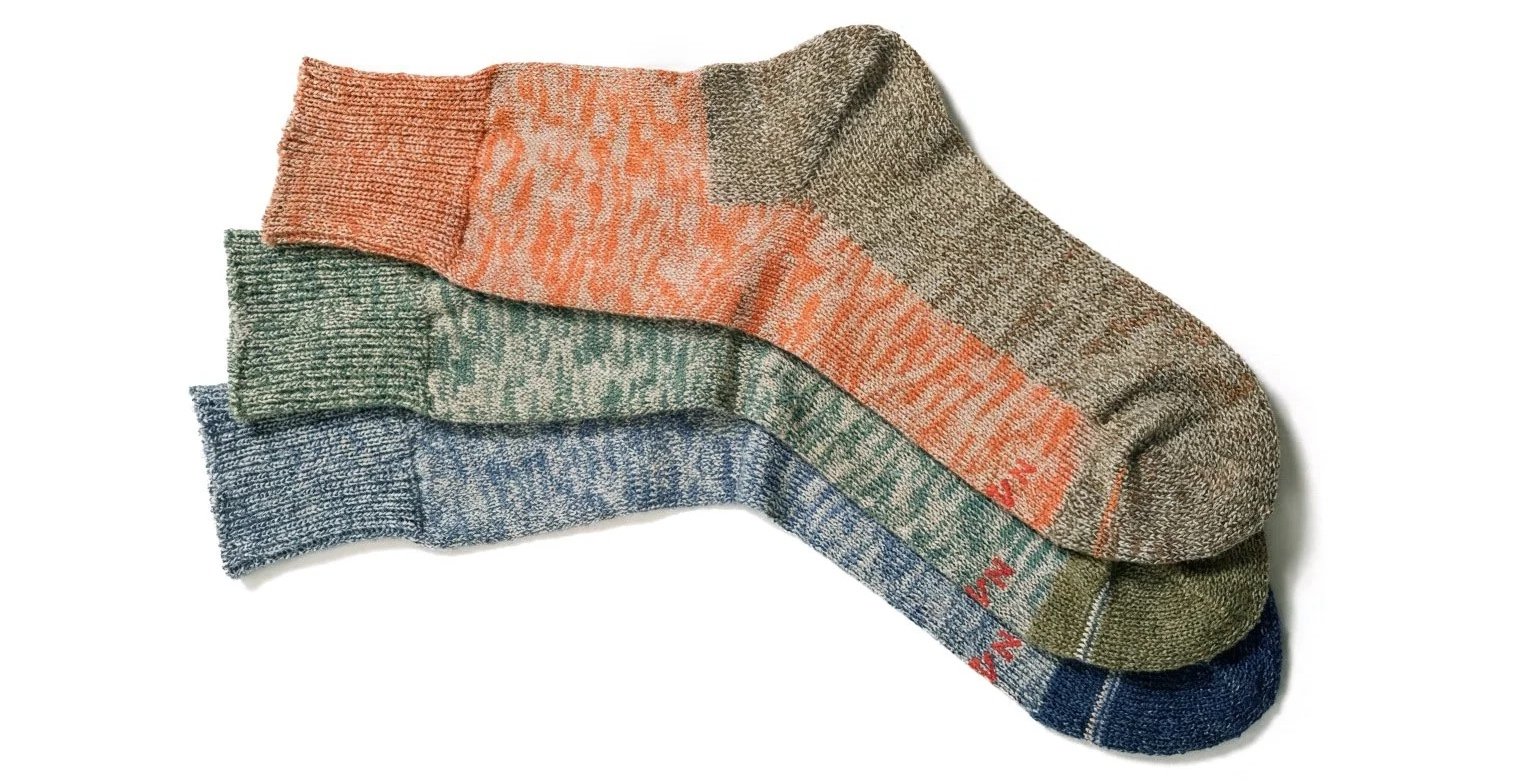
A good merino wool sock usually solves several problems at once. It manages moisture better, cushions without excessive bulk, and helps reduce the rubbing that eventually turns into blisters.
If you are rocking boots like Naang Boots, that are designed with an Anatomical Toe Box, consider giving toe sox a try. They will help keep your toes dry and they encourage them to splay out.
Don’t skimp on your socks, your feet will thank you in the long run.
Friction and Hot Spots
Not every sore toe is being crushed.
Sometimes it’s simply being rubbed thousands of times.
A hot spot usually starts as a faint burning sensation. Ignore it, and before long you’ve got a blister that makes every step miserable.
These tend to show up on the tops of the toes, along the sides of the forefoot, or between the toes where skin, socks, and leather are constantly moving against each other.
The best time to deal with a hot spot is when it first appears. Stop for a minute, tighten your laces, change your socks if they’re damp, or put a piece of blister tape over the area. Taking two minutes early on can save you days of discomfort later.
Toe pain is rarely random. It’s usually your feet telling you that something about the fit, the shape, or the way the boot is working with your foot isn’t quite right.
How to Fix Toe Pain in Boots
Once your toes start hurting, the first instinct is usually to blame the boots. Sometimes that’s the right answer. Sometimes it isn’t.
I’ve seen people give up on a perfectly good pair of boots when all they really needed was a different lacing pattern or a thinner pair of socks. I’ve also seen people spend years trying different insoles, thicker socks, and every lacing trick on YouTube when the real problem was that the boot simply didn’t fit their foot.
The goal isn’t to find a quick fix. It’s to figure out what’s actually causing the pain, then solve that specific problem.
Check Length First
Start with the easiest thing to rule out.
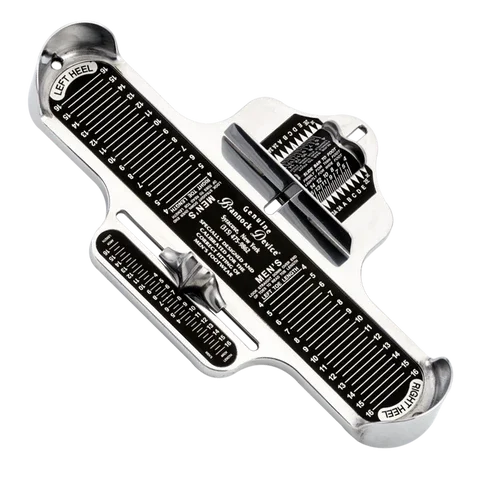
Make sure your boot is long enough.
Stand up in your boots and pay attention to your longest toe. It shouldn’t be touching the front of the boot. As you walk, especially downhill, your toes shouldn’t be slamming into the leather either.
A little extra room is a good thing. Your feet move as you walk, and they also swell during the day. If your toes are already close to the front of the boot when you first put them on, chances are they’ll be making contact before the day is over.
If the boot is genuinely too short, there isn’t much you can do besides moving to the correct size.
Evaluate Width Separately
This is where a lot of people go wrong.
They assume that if their toes feel cramped, they need to buy a bigger boot. Sometimes that works, but often it just creates a new problem.
A longer boot gives your foot more room to slide around, but it doesn’t necessarily give your toes any more space from side to side. In many boot designs, the toe box keeps the same width as the size increases. It’s just stretched over a longer last.
That’s why it’s important to think about length and width as two separate measurements.
If the length feels right but your toes still feel squeezed together, you’re probably dealing with a shape issue, not a sizing issue.
At Naang I email with all of our new customers to confirm width and walk through their foot measurements to make sure we are dialing the fit in just right for them.
Improve Your Lacing
Lacing is one of the easiest things to change, and it’s amazing how often people overlook it.
If your heel is lifting or your foot keeps sliding toward the front of the boot, your toes end up absorbing all that movement.
Before giving up on the boots, spend a little time experimenting with your lacing. Locking your heel into the heel pocket with a heel-lock or surgeon’s knot can make a surprising difference, especially if you spend time hiking or walking downhill.
You don’t want your boots cranked down so tightly that they cut off circulation. You just want your heel held securely enough that your foot stays where it’s supposed to.
This is a topic I will dive deep into at some point in the future and even make a YouTube video about.
Experiment With Socks
Changing your socks is a lot cheaper than buying a new pair of boots.
If you’re wearing thick socks inside a boot that’s already a snug fit, try switching to something slightly thinner. You may gain just enough room to relieve the pressure on your toes.
If your feet are sliding around, the opposite may be true. A slightly thicker sock can sometimes improve the fit without affecting comfort.
Material matters just as much as thickness. Merino wool continues to be my first choice for socks because it manages moisture well, resists bunching, and reduces friction far better than basic cotton socks.
Don’t assume every sock works with every boot. The combination matters.
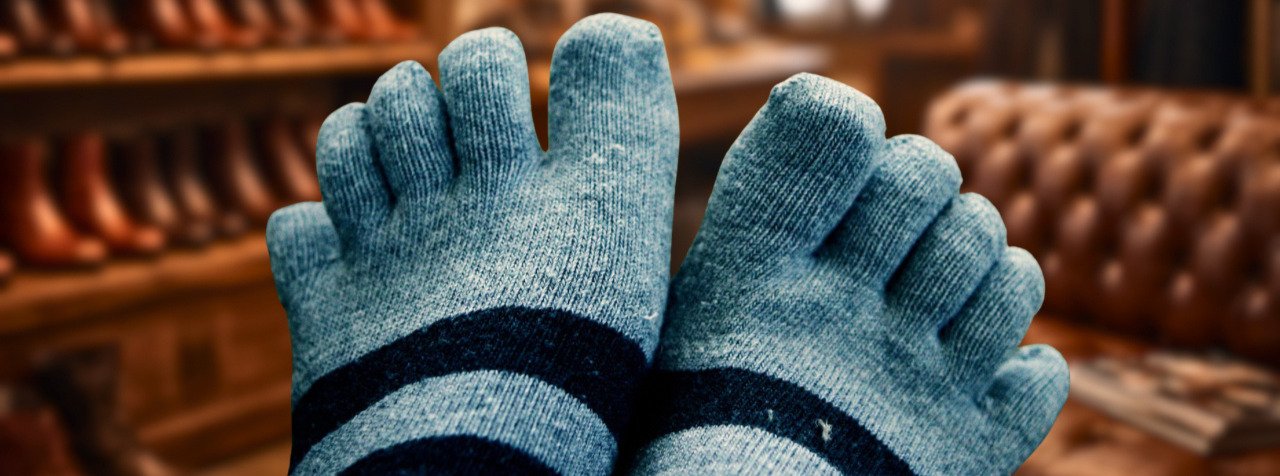
Toe Socks can make a big difference with an anatomical toe box.
Match the Boot to the Activity
The same pair of boots doesn’t have to do everything.
A boot that feels perfect for walking around town may not be the boot you want for a full day carrying a heavy pack in the mountains. Likewise, a stiff work boot that feels great on a construction site might be overkill for everyday wear.
Think about how you’ll actually be using the boots.
Long hikes usually benefit from a little more room to account for swelling. Adventure and motorcycle boots prioritize stability and protection. Work boots need a more secure fit if you’re climbing ladders or spending long hours on concrete.
The best-fitting boot isn’t just the one that matches your foot. It’s the one that matches both your foot and the job you’re asking it to do.
While I have worn my Winnfield boots on motorcycle rides, and they do just fine, they Arn’t the perfect boot for riding, I much prefer to wear my Dantes on rides because they offer more protection and stability. The same goes in reverse. I have done some short hikes in my Dantes, but man the Winnfield handles hikes a lot better, because that’s what they were designed for.
If you’ve worked through all of these steps and your toes are still hurting, the problem may not be the size at all. It may simply be that the shape of the boot doesn’t match the shape of your foot. That’s something we’ll look at next, because it’s where many modern boots still get it wrong.
What Most Bootmakers Get Wrong
After spending years around boots, one thing has become pretty damn clear to me.
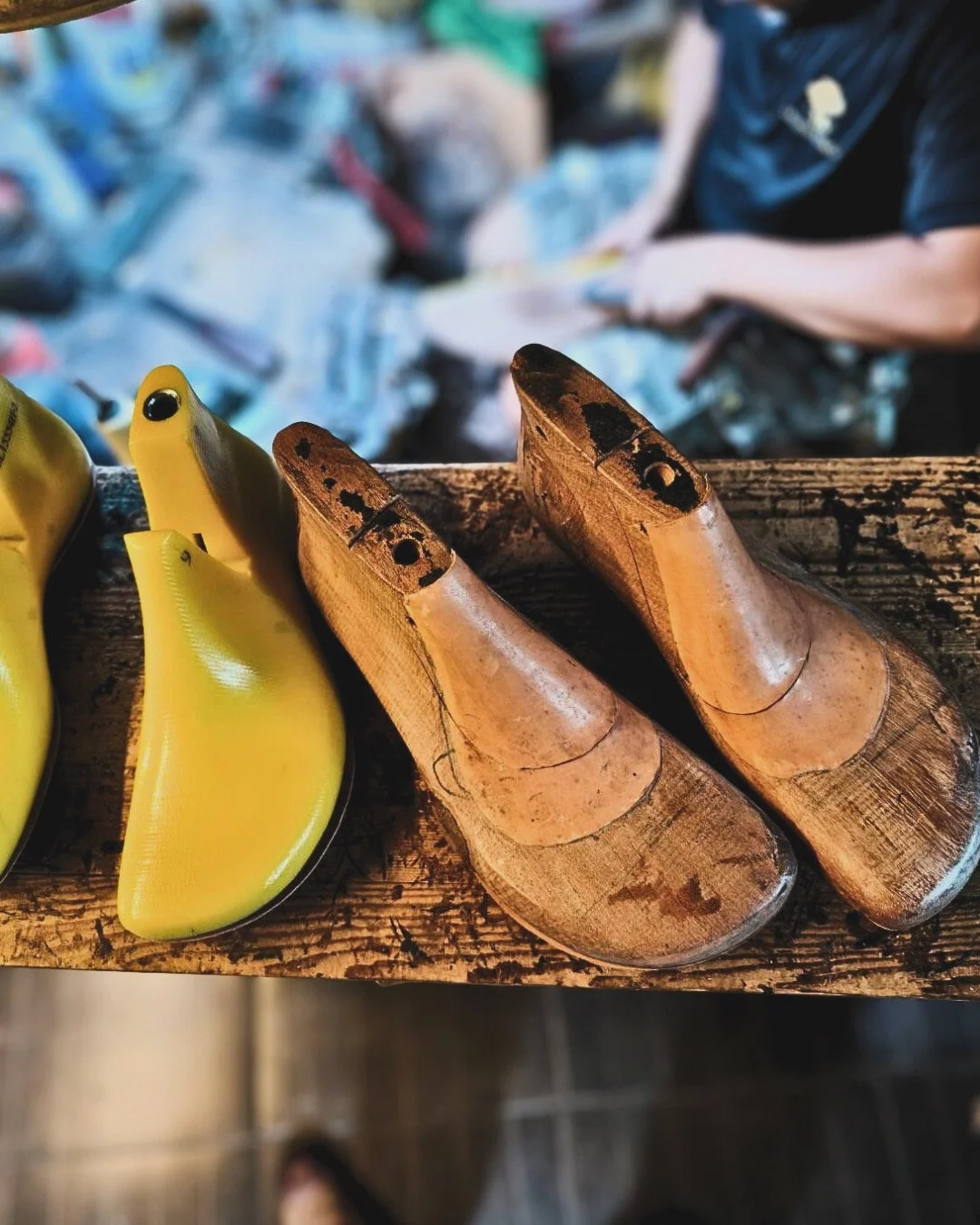
Most people don’t have difficult feet. They have feet that don’t match the shape of the boots they’re trying to wear.
For decades, the boot industry has been great at refining leather, construction methods, and materials. We’ve developed better waterproofing, stronger welts, lighter midsoles, and more durable outsoles.
What hasn’t changed nearly as much is the shape of the last. We made some great strides in the early 1900s with the Munson Last, but seem to have regressed since then.
Many boots are still built on forms that prioritize appearance over anatomy. They look sleek sitting on a shelf, but once you put a human foot inside them, compromises begin. Toes get squeezed together, pressure builds across the forefoot, and people are left believing that sore feet are simply part of wearing boots.
They aren’t.
Feet Are Widest at the Toes
Take a look at your bare foot on the floor. Pretend you’re Tarantino and take a long hard look at them.
Your heel is narrow. Your midfoot widens a bit. Then your foot opens way the hell up across the ball of the foot and your toes.
That’s not an accident. Your toes spread every time you walk. They help you balance, absorb force, and create a stable platform as you push off into the next step.
When your toes have room to move, what those of us who spend way too much time looking at and thinking about feet call splay, your foot can do the job it evolved to do.
When they’re compressed together like your boot is some type of leather sausage casing, everything changes. Your balance becomes less stable, your toes stop sharing the load naturally, and pressure gets concentrated into a much smaller area.
The result is the same damn complaints bootmakers hear every day: sore little toes, aching forefeet, numbness, and hot spots. And more often than you might think, toenails falling off.
Most Boots Taper Toward the Toes
Here’s the strange part. Most boots get narrower at exactly the point where your foot gets wider.
Look at the outline of many traditional work boots, dress boots, and heritage boots from above. You’ll notice the toe box gradually tapers inward until it reaches the front of the boot. It creates a clean profile that many people have come to associate with a “good-looking” boot.
The problem is that your foot doesn’t look like that. At least I hope it doesn’t, if it does, stop reading this blog right now and go see a damn pediatrist.
Even boots marketed as having a “wide toe box” often have the same tapered shape. They’ve simply added a little extra volume while still asking your toes to occupy a space that narrows toward the front.
That’s why someone can describe a boot as feeling roomy while still complaining that their toes hurt.
Room and shape aren’t the same thing. Your boots might have a big ol roomy toe box, but because it still tappers at the end, most of that room in front of your toes is unusable and the shape is still squeezing your little piggies.
Bigger Boots Don’t Solve Shape Problems
One of the most common mistakes people make is sizing up. The thinking makes sense. If the boots feel tight, buy the next size. I have actually had customers come to see me for a fitting and say they wear a size 14, and when we measure their feet they are a size 12. More often than not, it turns out they think this because salespeople have been telling them to size up to compensate for their wide feet.
The only time you want to go up in size is if the boot is genuinely too short for your foot. Otherwise it’s just moves the problem somewhere else.
Now the heel slips. Your foot slides forward. The arch no longer lines up with your own. The boot feels loose in some places and tight in others.
Meanwhile, your toes are still being pushed together because the front of the boot has the same basic shape it always had.
It’s a bit like buying a longer glove because your fingers feel cramped. The fingers may be longer, but if the glove is still too narrow across your knuckles, it won’t solve the real problem.
If the shape is wrong, adding length isn’t going to fix your problem.
Wide Feet and Wide Toe Boxes Are Not the Same Thing
This is probably the biggest misunderstanding in the boot world.
People often say they have “wide feet” when what they really mean is that their toes feel cramped.
Those aren’t necessarily the same thing. Though, they may be, bear with me for a moment.
Someone can have an average-width heel and midfoot but still need considerably more room for their toes to spread naturally. Someone else may genuinely have a wide foot from heel to forefoot and need a wider last overall. This is something a Made-to-Order brand like Naang Boots is particularly well positioned to deal with.
Traditional wide fittings: EE, EEE, or EEEE primarily add volume through the width of the boot. That’s exactly what’s needed for many people.
An anatomical toe box solves a different problem.
Instead of simply making the whole boot wider, it changes the shape of the front of the boot to follow the natural outline of the foot. Your heel can stay secure, your midfoot can remain locked in place, and your toes still have room to spread instead of being pushed together.
That’s an important distinction because a boot can be built on a wide last and still have a toe box that squeezes your toes. Likewise, an anatomical boot doesn’t have to feel oversized or sloppy. Done well, it should feel secure everywhere except the one place your foot actually needs extra room.
It’s a small change in design, but it completely changes how the boot feels after you’ve spent ten hours on your feet.
How to Tell if Your Boots Are the Problem
Sometimes the boots fit perfectly well, and the pain is coming from something else entirely.
Before you start shopping for another pair, spend a little time paying attention to when the pain starts, where it hurts, and what changes when you take your boots off. Those small details usually tell you far more than the size stamped inside the tongue ever will. It might save you from having to buy a new pair of boots right now, and it will certainty make you a more informed consumer next time.
Signs Your Boots Are Too Narrow
A boot that’s too narrow usually gives you plenty of warning before it becomes unbearable.
Your toes may feel fine for the first hour or two, but as the day goes on they begin to feel crowded. The little toe often takes the worst of it, although some people notice pressure across all five toes.
You might notice numbness creeping into your toes, a tingling sensation in the forefoot, or the feeling that you can’t spread your toes even if you try.
One of the biggest clues comes at the end of the day. The moment you pull your boots off, your toes immediately feel relieved. Many people instinctively wiggle their toes because it simply feels good to let them spread out again.
If that’s your experience, there’s a good chance your boots are restricting your toes rather than supporting your feet.
The good news is that a cobbler can likely help you out by stretching the boots out for you. This isn’t a magic fix, most boots can only be stretched a little bit, maybe a half width more, and it takes time. You’re gonna have to leave your boots with the cobbler for a few weeks for them to get fully stretched out. You might even have to pop in a few times to try them and see how they feel. But if it works it will save you from having to buy a new pair.
Signs Your Boots Are Too Short
Boots that are too short usually produce a different kind of discomfort.
Instead of pressure from the sides, you’ll notice repeated impact against the front of the boot.
Your toenails may feel tender after a long hike. You may develop bruising on the ends of your toes or find that walking downhill becomes noticeably uncomfortable. In more severe cases, the nail itself can darken or eventually fall off after repeated trauma.
One simple check is to pay attention while you’re walking downhill or descending stairs. If your toes are repeatedly making contact with the front of the boot, the fit deserves a closer look.
Your toes should never be hitting the front of your boot. If that’s happening you need to size up.
Signs the Issue May Be Something Else
Of course, not every sore toe is the fault of your boots.
If the pain continues after you’ve taken your boots off, or if you experience the same discomfort in running shoes, casual shoes, and sandals, the problem may have nothing to do with your footwear.
Conditions like bunions, hammertoes, arthritis, Morton’s neuroma, gout, and previous foot injuries can all cause pain that feels remarkably similar to a poorly fitting boot. Likewise, if you’ve recently increased your hiking mileage, started carrying a heavier pack, or spend long days working on hard concrete, your feet may simply be under more stress than they’re used to.
That’s why it’s important to look at the whole picture instead of focusing only on the boots.
If you’ve tried different boots, experimented with sizing, adjusted your lacing, and the pain never changes, it’s probably time to speak with a podiatrist or another qualified medical professional. A properly fitted boot can make an existing foot condition more comfortable, but it can’t correct an underlying medical issue.
The goal isn’t to convince yourself that every problem is caused by your boots. The goal is to understand the difference between a boot that doesn’t fit and a foot that needs medical attention. Once you know which one you’re dealing with, finding the right solution becomes much easier.
Final Thoughts
If there’s one thing I’d like you to take away from this article, it’s that toe pain isn’t something you should simply accept as part of wearing boots.
Your feet are remarkably well-designed. They were built to support your weight, absorb impact, adapt to uneven ground, and keep you balanced as you move. When they’re given the room to do those jobs naturally, they’re usually far happier than when they’re squeezed into a shape they were never meant to fit.
The more you understand how your feet actually work, the easier it becomes to spot good boot design. You’ll start looking beyond the leather, the stitching, and the brand name. You’ll pay attention to the shape of the last, the amount of room around your toes, how your heel is held in place, and whether the boot is working with your foot instead of asking your foot to adapt to it.
That’s knowledge that stays with you long after you’ve bought your next pair of boots.
In my experience, the most comfortable boots aren’t necessarily the most expensive or the ones with the biggest marketing budget. They’re the ones that respect the natural shape of your foot.
A well-built boot with an anatomical toe box allows your toes to spread naturally while still keeping your heel and midfoot secure. It feels stable without feeling restrictive, and comfortable without feeling sloppy. That’s exactly what good boot design should do.
At the end of the day, your boots should help you forget they’re on your feet. Whether you’re walking to work, riding your motorcycle, hiking through the mountains, or spending ten hours on a job site, your attention should be on the journey ahead, not on the pain in your toes.
Frequently Asked Questions
Why do my toes hurt when I wear boots?
Toe pain is usually caused by one of a handful of issues: your boots are too narrow, too short, your feet are swelling during the day, your foot is sliding forward inside the boot, or friction is creating hot spots. The location and type of pain often provide clues about which one you’re dealing with.
Should my toes touch the end of my boots?
No. Your toes should never touch that end of your boots.
When you’re standing, there should be a small amount of space between your longest toe and the front of the boot. Your toes should also stay clear of the front while you’re walking, especially downhill. If they’re repeatedly making contact, the boots are too short.
How much room should I have in the toe box?
Your toes should be able to lie flat and move naturally without rubbing against each other or the sides of the boot. You don’t need excessive empty space, but you also shouldn’t feel like your toes are being squeezed together.
A secure heel and midfoot combined with a roomy toe box is a much better fit than a loose boot with cramped toes.
Why do my boots feel fine in the morning but hurt later in the day?
Your feet naturally swell as the day goes on. Walking, standing, hiking, warm weather, and carrying heavy loads all increase the volume of your feet. A boot that feels comfortable first thing in the morning may become noticeably tighter after several hours of wear.
In most cases you can adjust the lacing to compensate for the swelling and make them more comfortable.
Can boots cause numb toes?
Yes.
Numbness or tingling is often caused by pressure across the forefoot or toes. A toe box that’s too narrow, laces that are pulled too tight, or swelling inside the boot can all compress nerves and reduce circulation.
If the numbness continues after removing your boots or becomes frequent, it’s worth speaking with a healthcare professional.
Is it better to buy a larger boot if my toes hurt?
Not necessarily.
If the boots are too short, going up a size may solve the problem. If they’re the correct length but too narrow or the toe box is the wrong shape, a larger size often creates heel slip without giving your toes the room they actually need.
It’s important to identify whether the issue is length, width, or overall shape before changing sizes.
Are wide boots the same as boots with an anatomical toe box?
No.
A wide boot usually increases the overall width and volume of the boot. An anatomical toe box changes the shape of the front of the boot so it follows the natural outline of your foot.
Someone with average-width feet may still benefit from an anatomical toe box if their toes need more room to spread naturally.
Can socks cause toe pain in boots?
Absolutely.
A sock that’s too thick can make a well-fitting boot feel cramped, while a sock that’s too thin can allow your foot to move around inside the boot. Poor-quality socks can also bunch up and create pressure points or blisters.
For most people, a quality merino wool sock offers the best balance of comfort, moisture management, and durability.
Why do my toes hurt more when I’m hiking downhill?
Walking downhill shifts your body weight forward. If your boots are too short or your foot is sliding inside the boot, your toes repeatedly strike the front of the toe box with every step.
Proper sizing and secure heel lock are especially important for hiking in steep terrain.
Will my boots stretch enough to stop hurting my toes?
Leather will soften and conform to your foot over time, but it won’t dramatically change the shape of the boot.
If the toe box is fundamentally too narrow or the boots are too short, breaking them in is unlikely to solve the problem. It’s far better to start with a boot that’s built around the natural shape of your foot.
What kind of boots are best for preventing toe pain?
The best boots combine enough length, a secure heel and midfoot, and a toe box that allows your toes to spread naturally.
Good materials and construction certainly matter, but comfort starts with the shape of the last. A well-designed anatomical last will almost always provide a better foundation for long-term comfort than simply choosing a wider or larger boot.
All Boots Are Made-To-Order. Current Lead Time: 60-90 Days.
Not sure about your size? Check out our Sizing Guide.
The Winnfield is built to walk the earth.
City streets. Back alleys. Remote trails. Foothills that don’t forgive mistakes.
Wherever you go, it keeps moving.
Construction: 360° Hand-Welted
Lace-to-Toe
Shaft Height: 6 inches
Last: Anatomical Zero Drop
Our Anatomical Last is very wide, if you feel your foot is exceptionally wide please indicate so on the form that pops up after you add the boots to your cart, we will get in touch to make sure that your boots are wide enough for your feet. We got you!
Leather: 2.5-3.5mm Full Grain
Full Leather Liner
Outsole: Naang Flat Rubber Super Grip
Built on our Anatomical Natural Toe Box last, the Winnfield follows your foot’s true shape.
Not the other way around.
Lace-to-toe construction, lets you fine-tune the fit, helping limit hot spots, pressure, and other foot problems mile after mile
Your toes can spread. Your stride stays strong. Comfort holds, mile after mile.
Every pair is hand-welted with a full 360° storm welt.
Not for looks. Not for marketing. For durability.
It seals out the elements and locks the upper to the sole the way it should be done. Built to take abuse. Built to last.
Inside, a leather shank adds structure where you need it, while letting the forefoot move the way it should.
Stable step after step. Solid under load. Comfortable through long days on your feet.
This is not a delicate boot.
It’s a tool.
The Winnfield is made to walk the earth.
Worldwide Shipping Available.