What Is a Boot Last?
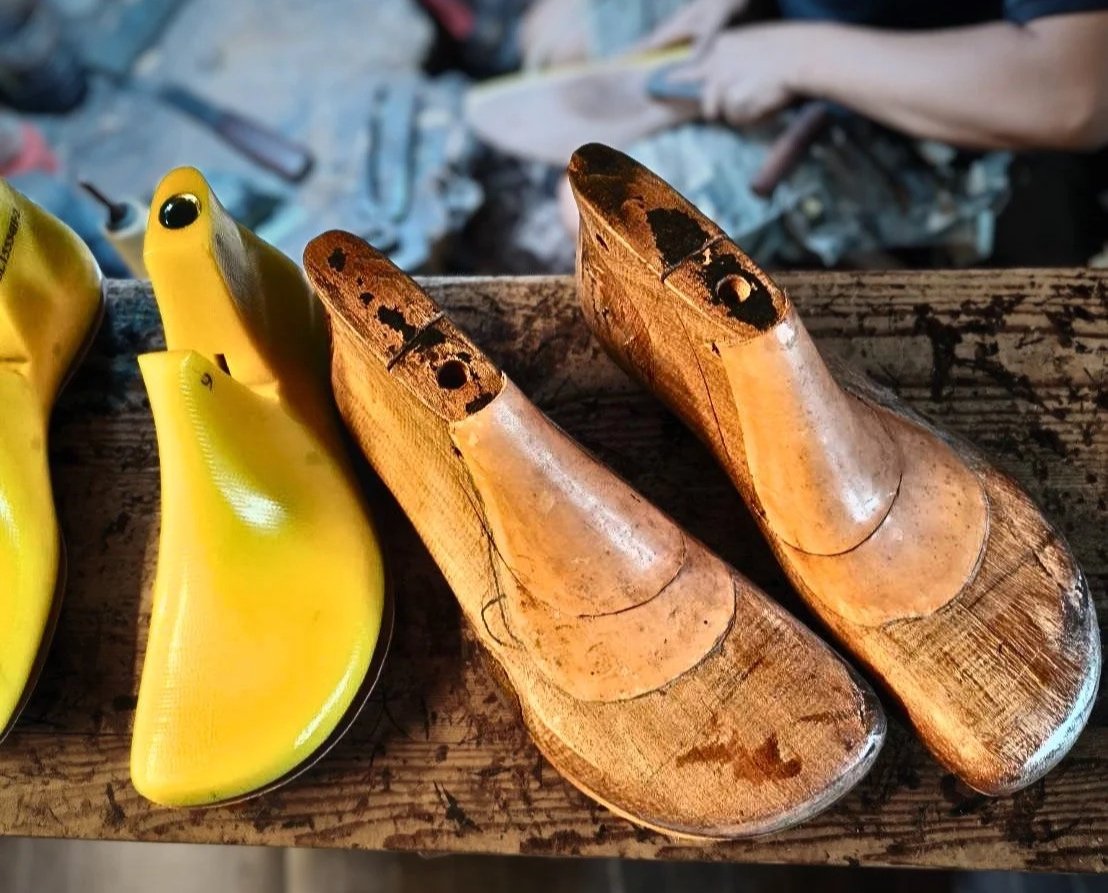
Two Boot Lasts, Both With Anatomical Toe Box. One Made of Hardwood, and One Made of Composite
What Is a Boot Last?
A boot last is a foot-shaped form used by bootmakers to create the shape, fit, and structure of a boot. Every part of the boot is built around it. In simple terms, the last is the foundation upon which the entire boot is made.
Most people think a great boot starts with premium leather.
Others focus on the sole, the welt, or the craftsmanship.
Those things matter.
But they aren’t where a great boot begins.
Every great boot starts with a great last.
The last determines the length, width, toe shape, arch profile, heel fit, and overall volume of the finished boot. Long before the leather is cut and long before the first stitch is made, the last has already decided how that boot will fit, feel, and perform.
Think of it as the blueprint for the entire boot.
Get the last wrong and no amount of premium leather, hand welting, or beautiful stitching will save it. A boot built on a poor last might look great sitting on a shelf, but after a long day on your feet you’ll know something isn’t right.
Get the last right and everything else falls into place.
This is why serious bootmakers obsess over lasts. Some spend years refining them. Small changes measured in millimeters can completely change the way a boot feels on foot. More room in the toe box. Better heel hold. Less pressure on the forefoot. Improved comfort over long days of walking, working, riding, or hiking.
The funny thing is that once the boot is finished, you’ll never actually see the last.
Yet it may be the single most important component in the entire boot.
In this guide, we’ll explain exactly what a boot last is, how it affects fit and comfort, why it matters for foot health, and how choosing the right last can make the difference between a boot you tolerate and a boot you genuinely enjoy wearing.
Shop Naang Boots
What Role Does the Last Play in Making a Boot?
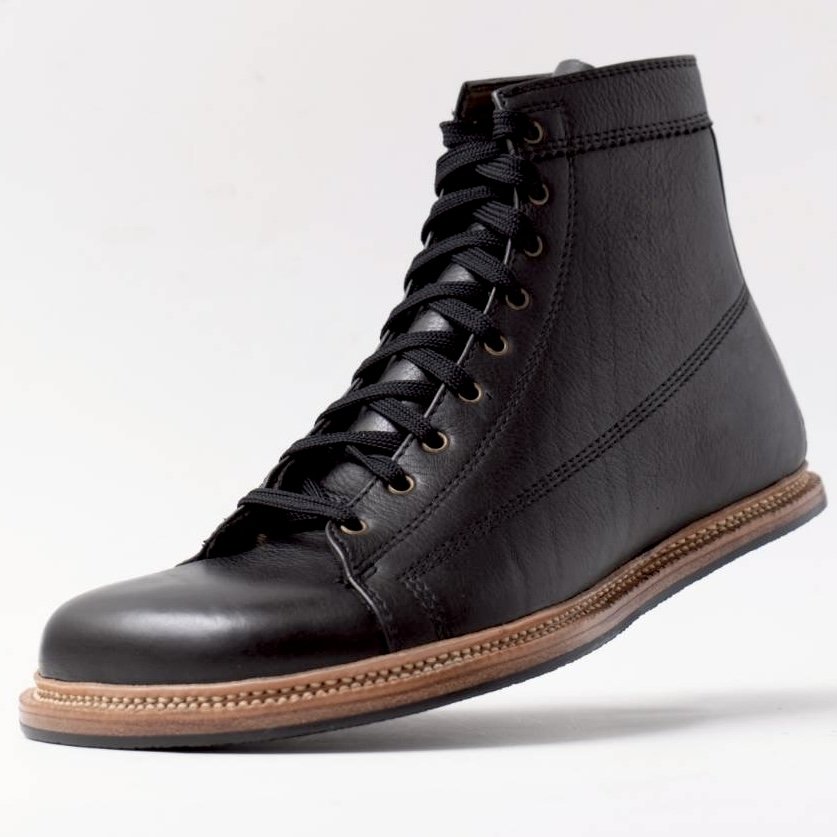
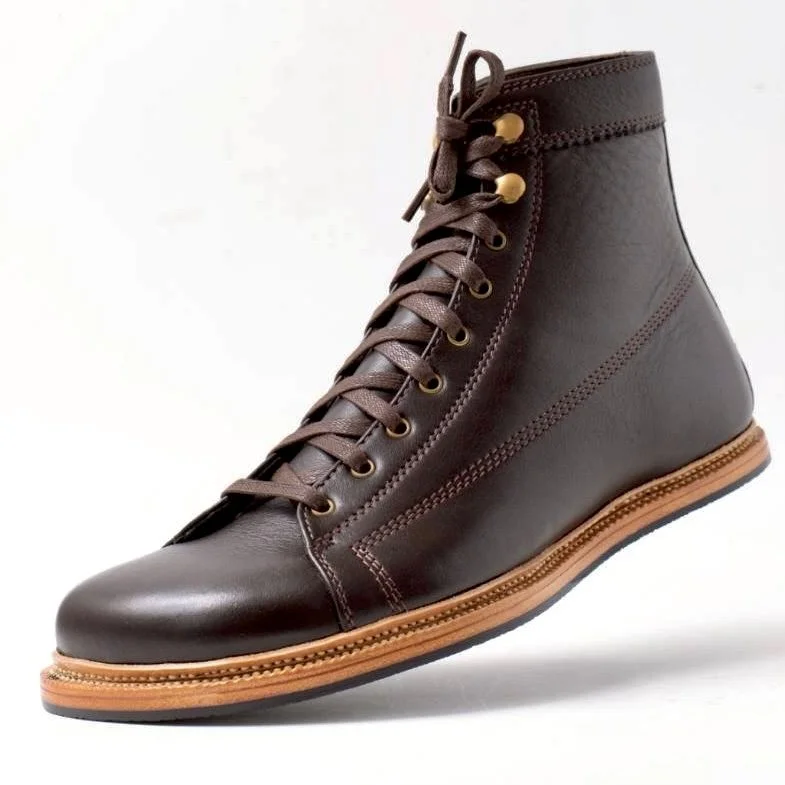
When a bootmaker begins constructing a boot, the leather upper is pulled, stretched, and shaped around the last. From there, the insole, welt, midsole, and outsole are all attached while the boot remains on the last.
In many ways, the last acts as both the blueprint and the foundation of the boot.
A last isn’t just a design tool.
It’s the form around which the entire boot is built.
Every characteristic of the finished boot is influenced by it, including:
Length
Width
Toe shape
Heel shape
Arch profile
Internal volume
Toe spring
Overall fit
This is why two boots made from the same leather, with the same construction methods, and the same sole can feel completely different on foot. Change the last and you’ve changed the boot.
For bootmakers, developing a good last is often a years-long process. Small adjustments measured in millimeters can have a dramatic impact on comfort, stability, and fit. A little more room in the forefoot. A slightly narrower heel. A touch more toe spring.
Individually, these changes seem small.
Together, they determine whether a boot feels natural and comfortable or like something you’re constantly fighting against.
At Naang Boots, we believe the last should work with the natural shape of the foot, not force the foot into an artificial shape. That’s why we spent more than three years designing, testing, refining, and reworking our lasts before we ever sold a pair of boots.
Over those three years, countless small adjustments were made. A little more room in the toe box. A change to the heel shape. Refinements to the overall volume and proportions. Each change was tested in the workshop and in the real world, on city streets, motorcycle trips, hikes, and long days on our feet.
The result is a last designed to prioritize comfort, stability, and long-term wearability while maintaining the rugged look and character of a traditional handmade boot.
How Does the Boot Last Impact Comfort and Fit?
The last determines how your foot sits inside the boot, how pressure is distributed as you walk, and ultimately whether a boot feels comfortable after ten hours on your feet or whether you’re counting the minutes until you can take it off.
A well-designed last should:
Secure the heel without creating pressure points
Support the foot without feeling restrictive
Distribute weight evenly across the foot
Reduce friction, rubbing, and hot spots
Proper boot fit is a lot more than what size a Brannock Device says you are.
Many people assume discomfort comes from stiff leather or a long break-in period.
Sometimes that’s true.
But more often than not, the real problem is that the shape of the boot doesn’t match the shape of the foot inside it.
No amount of break-in will fix a last that is fundamentally wrong for your foot.
This is one of the reasons why two boots that are technically the same size can feel completely different. A size 10 built on a narrow last will fit differently than a size 10 built on a wide last. Likewise, two boots built on lasts with different heel shapes, arch profiles, or toe box designs may feel nothing alike despite sharing the same size label.
At Naang Boots, we believe comfort comes from working with the natural shape of the foot rather than forcing the foot to adapt to the boot. That’s why our lasts are designed to provide room where your foot naturally needs it and support where it matters most.
The result is a boot that feels secure without feeling restrictive, comfortable without feeling sloppy, and capable of being worn all day whether you’re walking city streets, riding a motorcycle, or heading down a trail..
How Does the Boot Last Impact Foot Health?
Because the last determines the shape of the boot, it can also influence how your feet function throughout the day. A well-designed last allows the foot to move naturally, while a poorly designed last can create unnecessary pressure, restriction, and discomfort.
Your feet spend thousands of hours inside footwear over the course of your life.
That’s a lot of time for a boot to either work with your feet or work against them.
A properly designed last can help:
Reduce pressure points
Improve stability and balance
Encourage natural toe splay
Reduce friction and rubbing
Improve comfort during long periods of wear
One of the biggest mistakes in modern footwear design is assuming that the foot should adapt to the shape of the boot.
In reality, the opposite should be true.
The boot should accommodate the natural shape of the foot.
Human feet are widest at the toes. They spread slightly as we walk, stand, and carry weight. When a boot last ignores this natural shape, the foot is forced to operate within a space it was never designed for.
That doesn’t mean every boot needs to be oversized or excessively wide. It simply means the shape of the last should respect the shape of the foot.
At Naang Boots, this philosophy has guided our approach from the beginning. Rather than chasing fashion trends or aggressively tapered silhouettes, we focused on creating lasts that allow the foot to function naturally while still maintaining the appearance of a classic handmade boot.
The goal isn’t to treat medical conditions or make exaggerated health claims.
The goal is much simpler than that.
Build a boot that works with your feet instead of fighting against them.
Can a Poorly Designed Boot Last Have a Negative Impact on Foot Health?
In short, yes.
A boot last doesn’t have to be perfect to be comfortable, but it does need to respect the basic shape and function of the human foot.
The problem is that many modern boots and shoes are designed with appearance as the primary goal and foot function as a secondary consideration.
Take a look at the average foot.
Now take a look at the shape of many modern shoes and boots.
The foot naturally becomes wider toward the toes.
Many boots become narrower.
That’s a strange design choice when you stop and think about it.
When a foot is forced into a shape that doesn’t match its natural structure, the result can be discomfort, pressure, and fatigue. Over time, that mismatch can make long days on your feet far less enjoyable than they should be.
A poorly designed last may contribute to:
Toe crowding
Blisters and hot spots
Pressure points
Reduced stability
General foot discomfort
Increased foot fatigue
This doesn’t mean every boot needs an oversized toe box or an extreme barefoot-shoe shape.
There’s a middle ground.
A well-designed last can provide enough room for the foot to function naturally while still maintaining the rugged, timeless look that people expect from a traditional boot.
At Naang Boots, we spent years refining our lasts because we believe comfort shouldn’t require compromise. You shouldn’t have to choose between a boot that looks good and a boot that feels good.
The best boots do both.
And it all starts with the last.
What Is an Anatomical Boot Last?
An anatomical boot last is designed around the actual shape of the human foot.
That might sound obvious, but for much of modern footwear history, many boots and shoes have been designed around style first and anatomy second.
An anatomical last takes the opposite approach.
Instead of forcing the foot into a narrow, tapered shape, it follows the natural contours of the foot. The heel remains secure, the midfoot stays supported, and the forefoot is given the room it needs to function naturally.
Most importantly, the toes are allowed to spread and move the way they were designed to.
This creates a fit that more closely matches the way your foot functions when standing, walking, hiking, working, or riding a motorcycle.
At Naang Boots, we believe the foot should dictate the shape of the boot, not the other way around.
That philosophy guided the development of our lasts from day one. Over the course of more than three years, we designed, tested, and refined them to create a shape that prioritizes comfort and natural foot function while still maintaining the timeless appearance of a traditional handmade boot.
The goal was never to create an extreme barefoot boot or an oversized toe box.
The goal was balance.
Enough room for the foot to move naturally.
Enough support for long days on your feet.
And enough structure to build a rugged handmade boot that looks as good as it performs.
The result is a boot that feels comfortable not just when you first lace it up, but after hours of walking city streets, spending a day at work, riding across the country, or putting in miles on the trail.
Because a boot should adapt to your foot.
Not the other way around..
How the Last Helps Reduce Foot Fatigue
When a last matches the natural shape of your foot, your body doesn’t have to spend the entire day compensating for an uncomfortable fit. Your toes can move naturally. Weight is distributed more evenly across the foot. Pressure is reduced in areas that commonly become sore or fatigued.
Most people don’t notice foot fatigue when they first put a pair of boots on.
They notice it six hours later.
Or ten miles down the trail.
Or at the end of a long day spent walking city streets, standing at work, or riding a motorcycle.
By then, every pressure point, hot spot, and fit issue has had plenty of time to make itself known.
This is where the last plays a huge role.
A well-designed last can help provide:
Less toe compression
Reduced pressure on the forefoot
Better balance and stability
Fewer hot spots and pressure points
Greater comfort during extended wear
The opposite is also true.
When a boot is constantly squeezing your toes, creating pressure points, or forcing your foot into an unnatural position, your feet spend the entire day fighting the boot. That effort adds up over time, often leading to discomfort and fatigue long before the day is over.
This is one of the reasons a properly designed last can make such a dramatic difference, even when comparing boots made from similar materials.
At Naang Boots, reducing foot fatigue was one of the primary goals during the development of our lasts. Every adjustment we made was tested in the real world, not just in the workshop. Long walks through Bangkok. Multi-day motorcycle trips. Hikes. Travel days. Hours spent standing and moving.
Because the true test of a boot isn’t how it feels when you first lace it up.
It’s how it feels at the end of the day.
How Is a Boot Last Different From a Shoe Last?
At their core, boot lasts and shoe lasts serve the same purpose.
They determine the shape, fit, and structure of the finished footwear.
The difference lies in what that footwear is designed to do.
A shoe last is often designed around lightweight construction, flexibility, and everyday wear. A boot last must account for heavier materials, more demanding use, and longer periods spent on your feet.
One of the most obvious differences is height.
Because boots extend higher up the foot and ankle, boot lasts are typically taller than shoe lasts. This additional height allows the bootmaker to properly shape the shaft of the boot during construction.
Boot lasts also often need to accommodate:
Thicker leather uppers
Heavier-duty construction methods
Additional internal volume
Thicker socks
Greater stability and support
Depending on the intended use, a hiking boot, work boot, motorcycle boot, and heritage boot may all use slightly different lasts to achieve different performance goals.
Designing a great boot last is a balancing act. It needs to provide support without feeling restrictive, protection without feeling bulky, and comfort that lasts from the first mile to the last.
At Naang Boots, our lasts were developed to handle real-world use, from daily wear and travel to motorcycle trips and long days on your feet.
Because the best boots aren’t built for a single purpose.
They’re built for real life.
What Are Boot Lasts Made From?
Historically, boot lasts were carved from hardwoods such as maple or beech. Many traditional bootmakers still use wooden lasts today, particularly when creating custom footwear.
Modern lasts are commonly made from:
Hardwood
Plastic
High-density resin
Composite materials
The material itself matters far less than the shape.
A well-designed last can be made from wood, plastic, or resin and still produce an excellent boot. What ultimately determines comfort, fit, and performance isn’t what the last is made from, it’s how the last is shaped.
After all, the last is simply the tool.
The shape is what makes the difference.
Why Do Some Boot Lasts Have Metal Plates on the Bottom?
If you’ve ever looked closely at a bootmaker’s last, you may have noticed a metal plate attached to the bottom.
It’s there for more than just protection.
During construction, bootmakers often drive tacks and nails through the upper and insole into the last. When those tacks strike the metal plate, the tip of the nail bends and clinches back into the leather, helping lock the materials together.
In many traditional bootmaking methods, these tacks become a permanent part of the finished boot.
Without the metal plate, the last would quickly become damaged and the tacks would not clinch properly during construction.
The plate serves two purposes: it protects the last and provides a hard surface that allows the bootmaker to securely fasten materials together while shaping the boot.
At Naang Boots, our hand-welted construction uses surprisingly few nails compared to many traditional manufacturing methods. That’s intentional. We believe a boot should work with the natural movement of the foot, not rely on excessive hardware hidden inside the boot.
By combining hand welting, a leather shank, and carefully considered construction methods, we’re able to build durable, rebuildable boots while minimizing the amount of metal used in the finished boot.
Sometimes the smallest details in the workshop reveal the biggest differences in philosophy..
How Do You Know if a Boot Last Is Right for You?
Finding the right last is often more important than choosing the right leather, sole, or even the right size.
Because at the end of the day, your foot doesn’t care what leather the boot is made from.
It cares how the boot fits.
A good last should:
Match the natural shape of your foot
Provide adequate room for your toes
Hold your heel securely without slipping
Feel comfortable during extended wear
Minimize pressure points and hot spots
One of the biggest mistakes people make when buying boots is assuming that every fit problem is a sizing problem.
Often it isn’t.
If you’ve consistently struggled with cramped toes, forefoot pressure, heel slip, or boots that never seem to break in properly, the issue may not be the size at all.
It may be the last.
This is why two boots marked with the exact same size can feel completely different on foot. One may feel natural and comfortable from day one. The other may feel like something you’re constantly trying to tolerate.
At Naang Boots, every boot we build starts with the same philosophy: the foot should dictate the shape of the boot, not the other way around. That’s why all of our boots are built on anatomical lasts designed to support natural foot function, long-term comfort, and real-world wearability.
Because the right last doesn’t just make a boot more comfortable.
It makes the boot disappear.
And that’s when you know you’ve found the right one..
Final Thoughts
The last is the hidden foundation of every great boot.
Once the boot is finished, you'll never see it again.
Yet its influence is everywhere.
The fit.
The comfort.
The support.
The way the boot feels at the end of a long day.
Leather matters.
Construction matters.
Craftsmanship matters.
But none of those things can overcome a last that doesn't fit the foot it was designed to carry.
That's why bootmakers obsess over lasts. It's why we spent more than three years developing ours before we ever sold a pair of boots.
Because every great boot starts with a great last.
And while it may be the one part of a boot you'll never see, it might just be the most important part you'll ever feel..
Frequently Asked Questions About Boot Lasts
What is a boot last?
A boot last is a foot-shaped form used during the construction of a boot. It determines the shape, fit, width, toe box, arch profile, and overall feel of the finished boot.
Why is a boot last important?
The last is the foundation of every boot. It influences comfort, fit, stability, and how the boot feels during long periods of wear. Even the highest quality materials cannot compensate for a poorly designed last.
Does the last affect boot sizing?
Yes. Two boots labeled the same size can fit very differently if they are built on different lasts. The last determines not only length, but also width, volume, toe shape, and heel fit.
What is an anatomical boot last?
An anatomical boot last is designed to follow the natural shape of the human foot. It typically provides more room for the toes to spread naturally and prioritizes comfort and foot function over aggressively tapered styling.
Can a boot last affect comfort?
Absolutely. Comfort is heavily influenced by the shape of the last. A well-designed last helps distribute pressure evenly across the foot, while a poor-fitting last can create hot spots, toe crowding, and discomfort.
Can a poorly designed boot last cause foot pain?
A boot last that does not match the natural shape of your foot can contribute to pressure points, rubbing, blisters, and general discomfort. Over time, poorly fitting footwear may also increase foot fatigue during extended wear.
What are traditional boot lasts made from?
Historically, boot lasts were carved from hardwood. Today they may be made from wood, plastic, resin, or composite materials. The material matters far less than the shape and design of the last itself.
Why do bootmakers put metal plates on the bottom of lasts?
Metal plates protect the bottom of the last from damage during construction. They allow bootmakers to repeatedly drive tacks and nails into the last without wearing away the underlying material.
How do I know if a boot last is right for me?
A good last should match the shape of your foot, provide adequate toe room, hold your heel securely, and remain comfortable throughout the day. If your boots consistently feel cramped or uncomfortable, the issue may be the last rather than the size.
Are all boot lasts the same?
No. Every bootmaker develops their own lasts, often with different priorities. Some focus on a sleek appearance, while others prioritize comfort, support, durability, or natural foot shape. This is one reason why two boots of the same size from different brands can fit very differently. Most modern boot lasts can trace their roots back to the Munson Last.
What to Read Next



All Boots Are Made-To-Order. Current Lead Time: 60-90 Days.
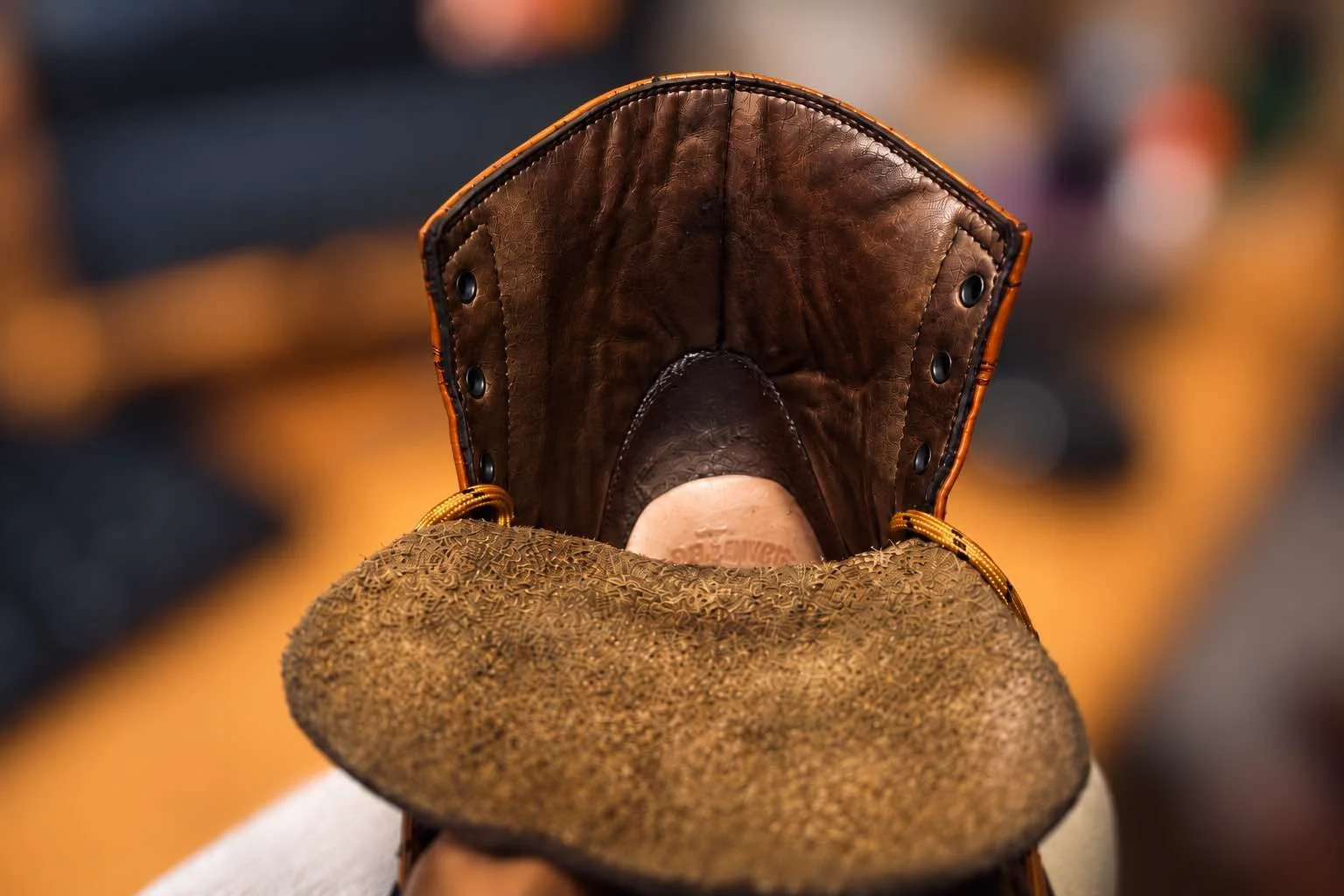
The Winnfield is built to walk the earth. This limited edition pairs red goat leather with our anatomical toe box and lace-to-toe design, giving your toes room to spread and letting you adjust the fit across your forefoot.
Built with 360° hand-welted construction and a full leather lining, these 6-inch boots are available with a zero-drop sole or minimal heel.
Upper: Limited edition red goat leather
Construction: 360° hand-welted
Lacing: Lace-to-toe for adjustable forefoot fit
Shaft height: 6 inches
Fit: Anatomical toe box
Last Options: Zero drop or minimal heel
Lining: Full leather lining
Not sure about your size? Check our Sizing Guide. Or Contact Us.
Worldwide shipping available.