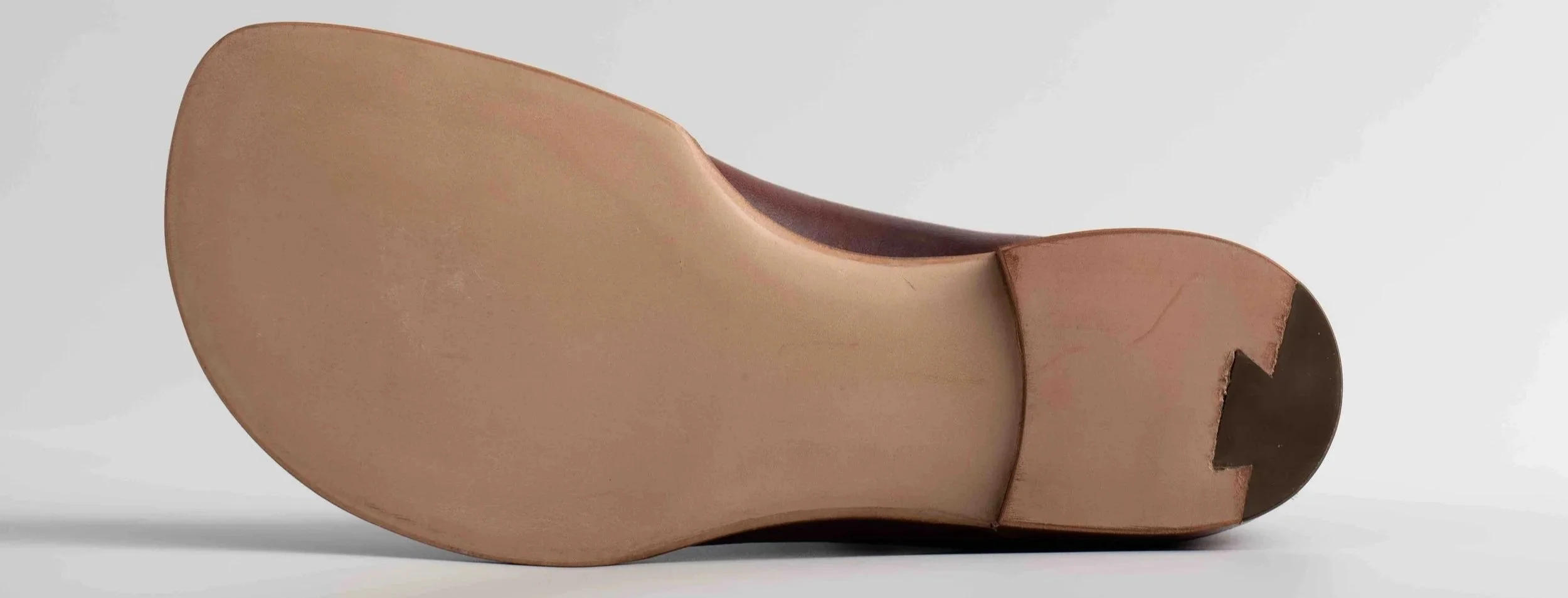
If you have a wide forefoot and a narrow heel, trying on boots can go like this. Your usual size pinches across the ball of your foot. You try the same boot in a wider width, and the pressure eases. Then you walk a few steps and feel your heel lift. Tightening the laces helps until the pressure across the front of your foot comes back.
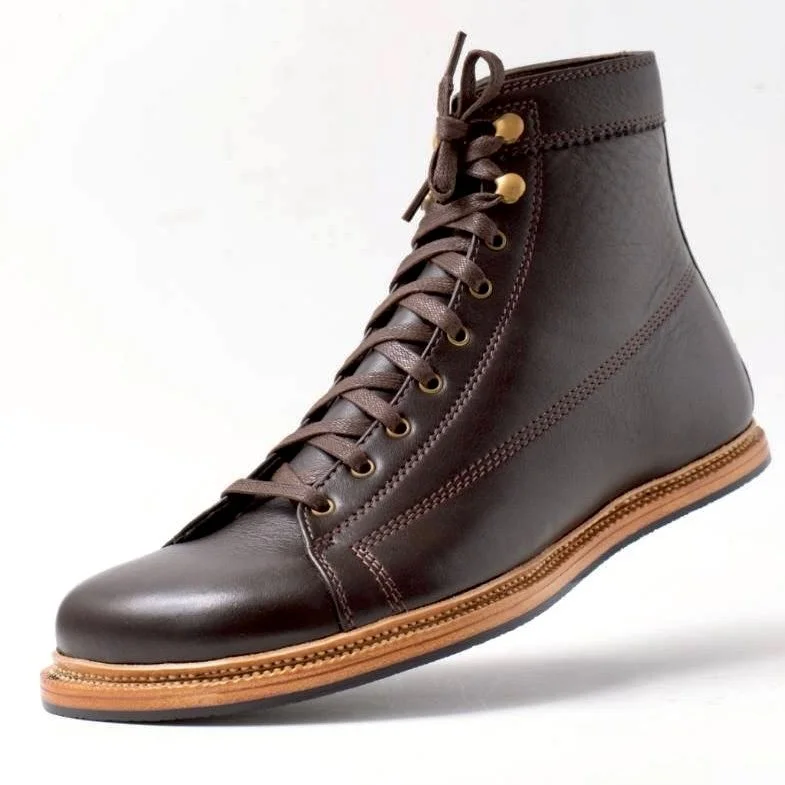
At Naang, we shape our boots with room across the ball of your foot and an anatomical toe box that follows the outline of your toes as they spread. Behind the ball, the boot tapers through the midfoot into a narrower heel cup. That snug fit at the back helps lock your heel in place as you walk without making you pull the laces tight across your forefoot.
Table of Contents
What Should You Look for in Wide Toe Box Boots if You Have a Narrow Heel?
Why Do My Boots Pinch at the Ball of My Foot Even With a Wide Toe Box?
How Can You Check Forefoot Room and Heel Fit When Trying On Boots?
How Do You Lace Boots to Reduce Heel Slip Without Squeezing Your Forefoot?
How Does Naang Fit Boots for a Wide Forefoot and Narrow Heel?
Frequently Asked Questions About Wide Toe Box Boots for Narrow Heels
What Should You Look for in Wide Toe Box Boots if You Have a Narrow Heel?
Look for a boot with enough width across the ball of your foot, a toe box that follows the shape of your toes, and a heel cup that fits closely around your heel. A “wide toe box” label tells you little about the fit at the back. If you have a narrow heel, pay attention to how the boot tapers from the forefoot through the midfoot and how well the laces hold your instep.
Try the boots on with the socks you usually wear. Stand up and feel where the upper meets the base of your big toe and little toe. You should have room across those joints as well as around the toes themselves. Then lace the boots comfortably over your instep and walk a few steps. A little heel lift can happen in a new boot. If your heel shifts from side to side, or you have to pull the laces tight enough to squeeze your forefoot to keep your heel seated, look for a boot with a closer fit through the midfoot and heel.
Are Wide Boots Also Wider at the Heel?
They can be. Many bootmakers add width through the whole boot when they make a wide size, including at the heel. How much wider the heel gets depends on the shape of the boot last, the form that gives the boot its shape. That’s why a wide size can relieve pressure across the ball of your foot and still leave you with a loose heel.
At Naang, most of the customers we measure who need extra width need it across the ball of the foot, just behind the toes. Their midfoot and heel don’t widen to the same degree. We build that difference into our anatomical last by keeping the forefoot broad and tapering through the midfoot to a snug heel cup.
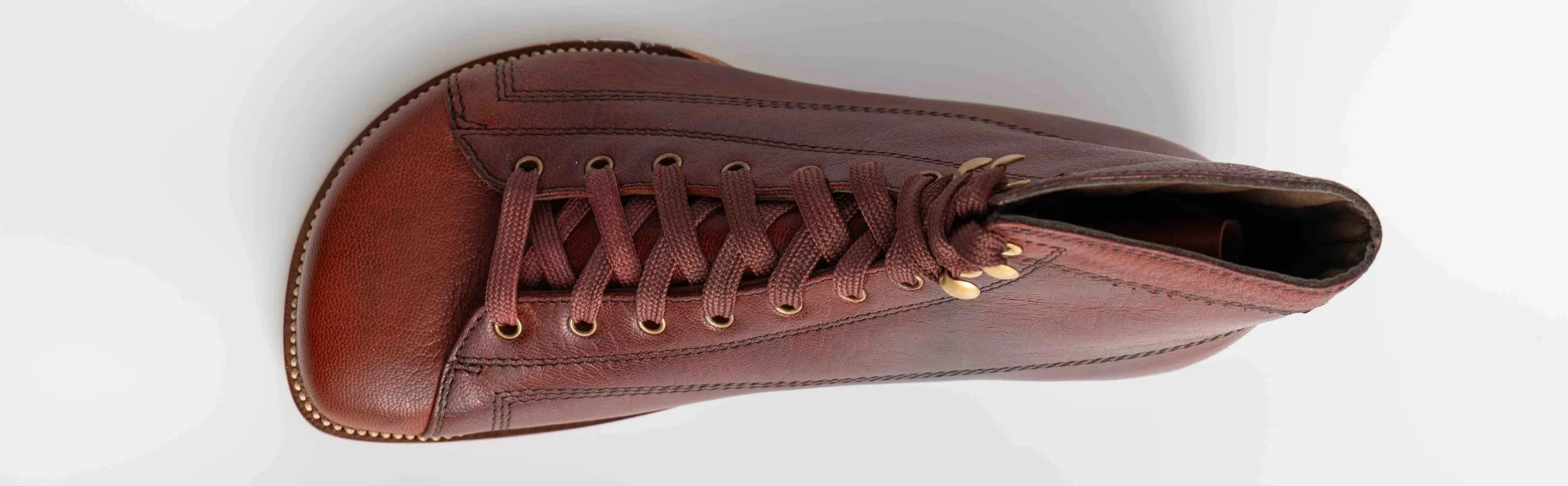
An Anatomical Shaped Boot That is Wide at the Ball and Toes but Tappers to the Heel.
Why Do My Boots Pinch at the Ball of My Foot Even With a Wide Toe Box?
A boot can have a wide toe box and still be too narrow across the ball of your foot, where your toes join your foot. If you feel pressure at the base of your big toe or little toe when you stand, you may need more width at those joints. Extra space farther forward does little to relieve that pinch.
Toe box shape matters, too. A boot can fit comfortably across the ball, then taper inward too sharply and push your big toe or little toe toward the others. Look for an anatomical toe box that follows the outline of your toes, and choose a width that gives the ball of your foot enough room. When you stand in the boot, the upper should sit comfortably around those joints and your toes should have room to spread.
How Can You Check Forefoot Room and Heel Fit When Trying On Boots?
Try on both boots with the socks you usually wear. Settle your heels into the heel cups, lace the boots comfortably, and stand with your weight on both feet. You should be able to splay your toes. Then roll forward onto the ball of each foot as you would when taking a step. If the leather pinches at the base of your big toe or little toe, you need more room across the ball even if you can wiggle your toes.
To check heel fit, walk a short distance and make a few turns. A little heel lift can happen in a new boot, but your heel should stay centered when you change direction. If it shifts, Snug your laces a bit over your instep. Walk again. If your heel still moves, or locking it in place takes enough lace pressure to make the top of your foot uncomfortable, look for a boot that fits closer through the midfoot and heel.
How Do You Lace Boots to Reduce Heel Slip Without Squeezing Your Forefoot?
If your boots fit snugly through the midfoot and around the heel, normal lacing will usually keep your heel seated. Leave the laces comfortable across the ball of your foot so your toes have room to spread.
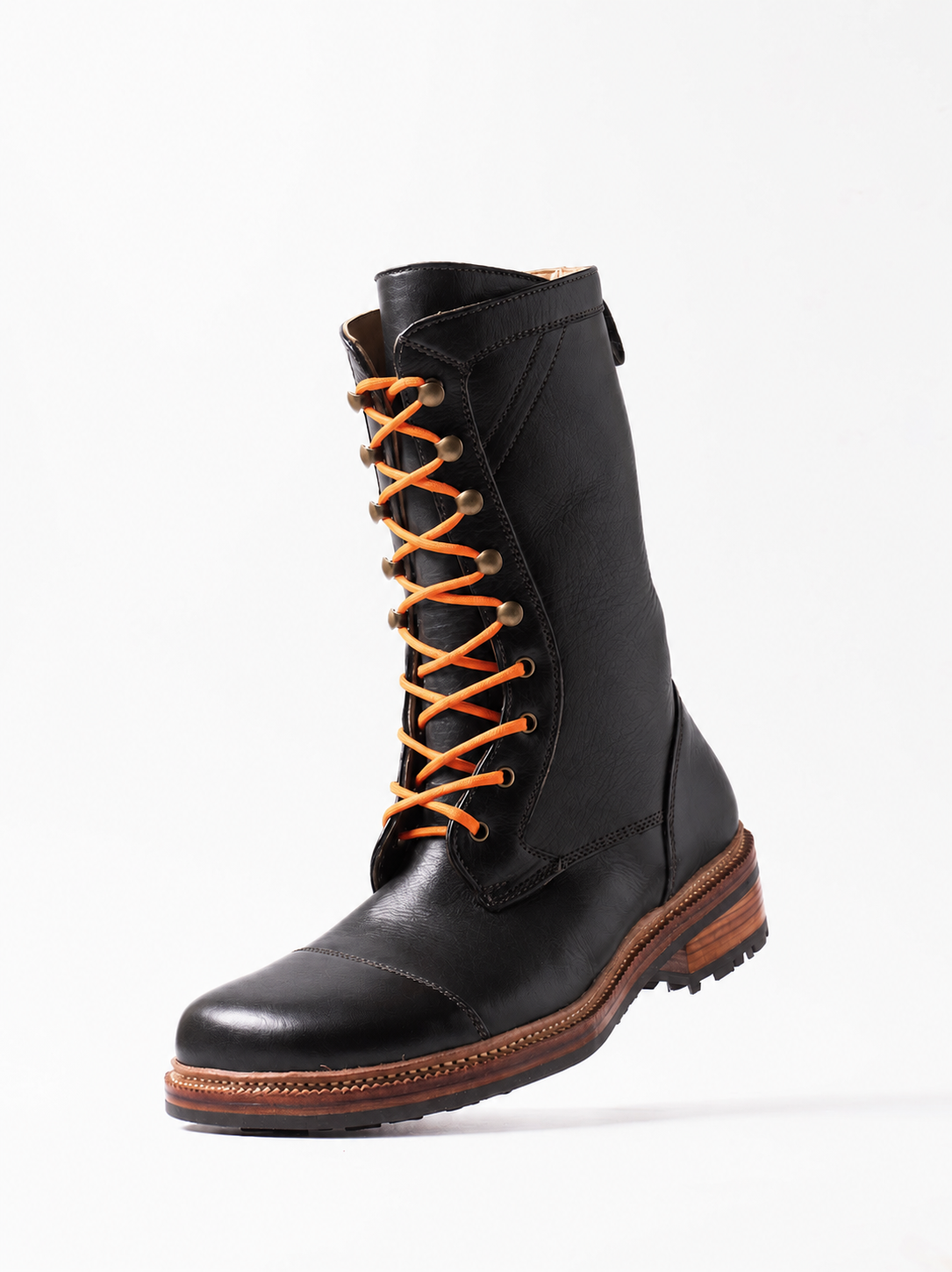
When I’m breaking in a new pair and feel a little heel slip, I use a surgeon’s knot where the top of my foot meets my ankle. I lace the forefoot and midfoot as usual. At the bend of my ankle, I cross the laces, wrap one end around the other twice, and pull the wraps snug. The extra turn helps hold the tension there, so I can lace the ankle a little tighter without pulling the lower laces tighter across my forefoot. That usually gives me the heel lock I want. I like to use round boot laces that have a bit of give to them, I find this gives me the most comfortable fit when laced up.
Walk a few steps after you tie your boots. If you have to crank the laces down until the top of your foot hurts just to keep your heel in place, look for a boot that fits closer through the midfoot and heel.
How Does Naang Fit Boots for a Wide Forefoot and Narrow Heel?
At Naang Boots, our designs are an optimal fit for wide feet; we build on an anatomical last that gives you room across the ball of your foot and lets your toes spread. As we move up in width at the same boot length, we add most of that width at the ball. We add very little through the midfoot and even less at the heel. That follows the pattern we see in most of the wide feet we measure and helps keep the fit snug through the midfoot and heel.
I have wide feet myself, and I know how much it sucks to finally find a boot that gives your toes room to spread, only to feel your heel slide around a few steps later. That experience shaped how we designed our last. I want to be able to lace my boots comfortably, walk downhill, and feel my heel stay seated without squeezing the front of my foot.
Shop Naang Boots
Frequently Asked Questions About Wide Toe Box Boots for Narrow Heels
Can wide toe box boots fit a narrow heel?
Yes. A boot can have room across the ball of your foot and around your toes, then taper through the midfoot into a snug heel cup. Look for a pair that lets your toes spread when you stand and keeps your heel seated when you walk. You should be able to get both with the laces comfortably snug.
What’s the difference between a wide toe box and a wide boot?
A wide toe box describes the space around your toes. A wide boot is a width option for the whole model. Depending on how the maker shapes the last, moving up in width can give you more room across the ball, over the instep, and around the heel. If your usual problem is a tight forefoot and a loose heel, ask where the maker adds width.
How is an anatomical toe box different from a wide toe box?
An anatomical toe box follows the outline of the toes, leaving room along the big-toe side and around the smaller toes. A wide toe box can still taper sharply toward the tip. If your big toe gets pushed inward even though the boot feels wide enough across the ball, pay attention to where that taper begins.
Why do my boots pinch at the ball of my foot if I can wiggle my toes?
The ball of your foot sits just behind your toes, at the joints that bend when you take a step. You can have plenty of wiggle room up front and still feel pressure at the base of your big toe or little toe. Stand up and roll forward as if you’re taking a step. If the upper squeezes those joints, look for more room across the ball.
Should I size up if the forefoot feels tight but the heel already feels loose?
No, If the length is right, keep that length as your starting point. A longer boot can leave more space around an already loose heel and put the widest part of the boot too far forward. Try a boot with more room where you feel the pinch and a closer fit at the back.
How can I tell if a boot fits both my forefoot and my heel?
Try on both boots with your usual socks. Stand, take a few steps, and make a turn. As you push off, your toes should have room to spread without the leather pinching across the ball. As you turn, your heel should stay centered in the heel cup. If tightening the laces fixes the heel movement but brings back the forefoot pressure, try a different boot shape.
How much heel slip is normal in new boots?
A little up-and-down movement can happen while a new boot is stiff. Pay attention to how the heel moves. A slight lift as you push off feels different from your heel sliding side to side when you turn. If the heel rubs with each step or you have to pull the laces painfully tight to hold it in place, check the fit through the instep and heel.
Can I use heel-lock lacing without tightening the forefoot?
Yes. I lace normally over the forefoot and midfoot. Where the top of my foot meets my ankle, I cross the laces, wrap one end around the other twice, and pull it snug. That extra turn in the surgeon’s knot helps hold the lower laces at their current tension while I snug up the lacing around my ankle.
Will breaking in leather boots fix a tight forefoot and loose heel?
No, Leather can soften, and a stiff sole can flex more easily with wear. That can ease a little initial heel lift. But if the boot already pinches across the ball while your heel slides around, break-in is unlikely to fix both problems. Look for a pair that gives your forefoot enough room and holds your heel comfortably from the start.
What should I ask a bootmaker before ordering wide boots online?
Ask, “When I go up a width in this model, how much does the heel widen?” Tell the maker where your current boots pinch and whether your heel lifts when you push off or shifts sideways when you turn. Ask which measurements to send and follow their instructions for both feet. Those details give the maker more to work with than your usual size alone.
How does Naang Boots add forefoot width while keeping the heel snug?
At Naang, we add most of the extra width at the ball of the foot as we move up in width at a given length. The midfoot changes very little, and the heel changes even less. That follows the pattern we see in most of the wide feet we measure. Our anatomical toe box gives your toes room to spread, while the closer fit through the midfoot and heel helps keep your foot seated as you walk.
What to Read Next



All Boots Are Made-To-Order. Current Lead Time: 60-90 Days.
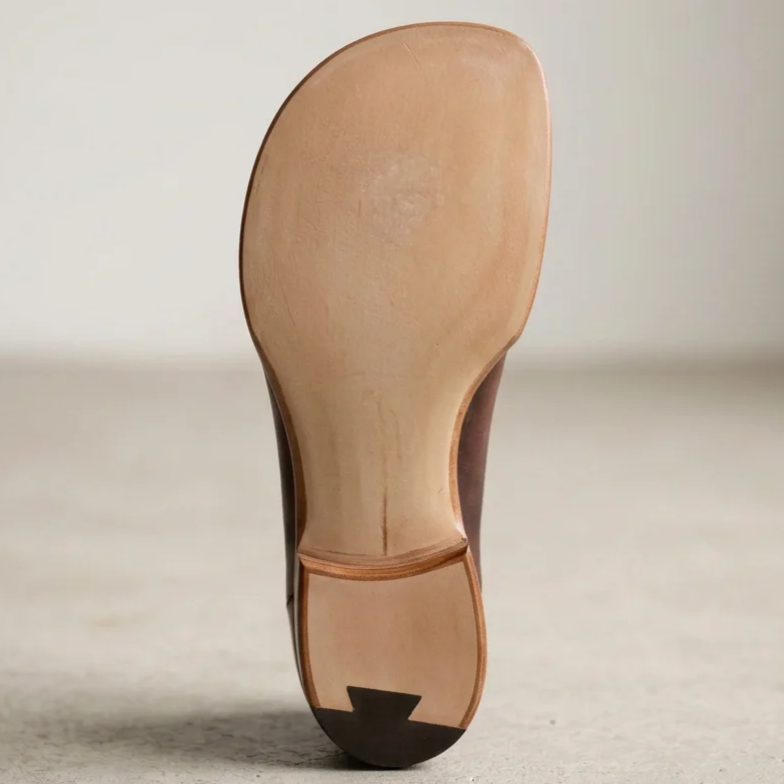
The Winnfield is built to walk the earth. This limited edition pairs red goat leather with our anatomical toe box and lace-to-toe design, giving your toes room to spread and letting you adjust the fit across your forefoot.
Built with 360° hand-welted construction and a full leather lining, these 6-inch boots are available with a zero-drop sole or minimal heel.
Upper: Limited edition red goat leather
Construction: 360° hand-welted
Lacing: Lace-to-toe for adjustable forefoot fit
Shaft height: 6 inches
Fit: Anatomical toe box
Last Options: Zero drop or minimal heel
Lining: Full leather lining
Not sure about your size? Check our Sizing Guide. Or Contact Us.
Worldwide shipping available.