The Soldier’s Foot and the Military Shoe
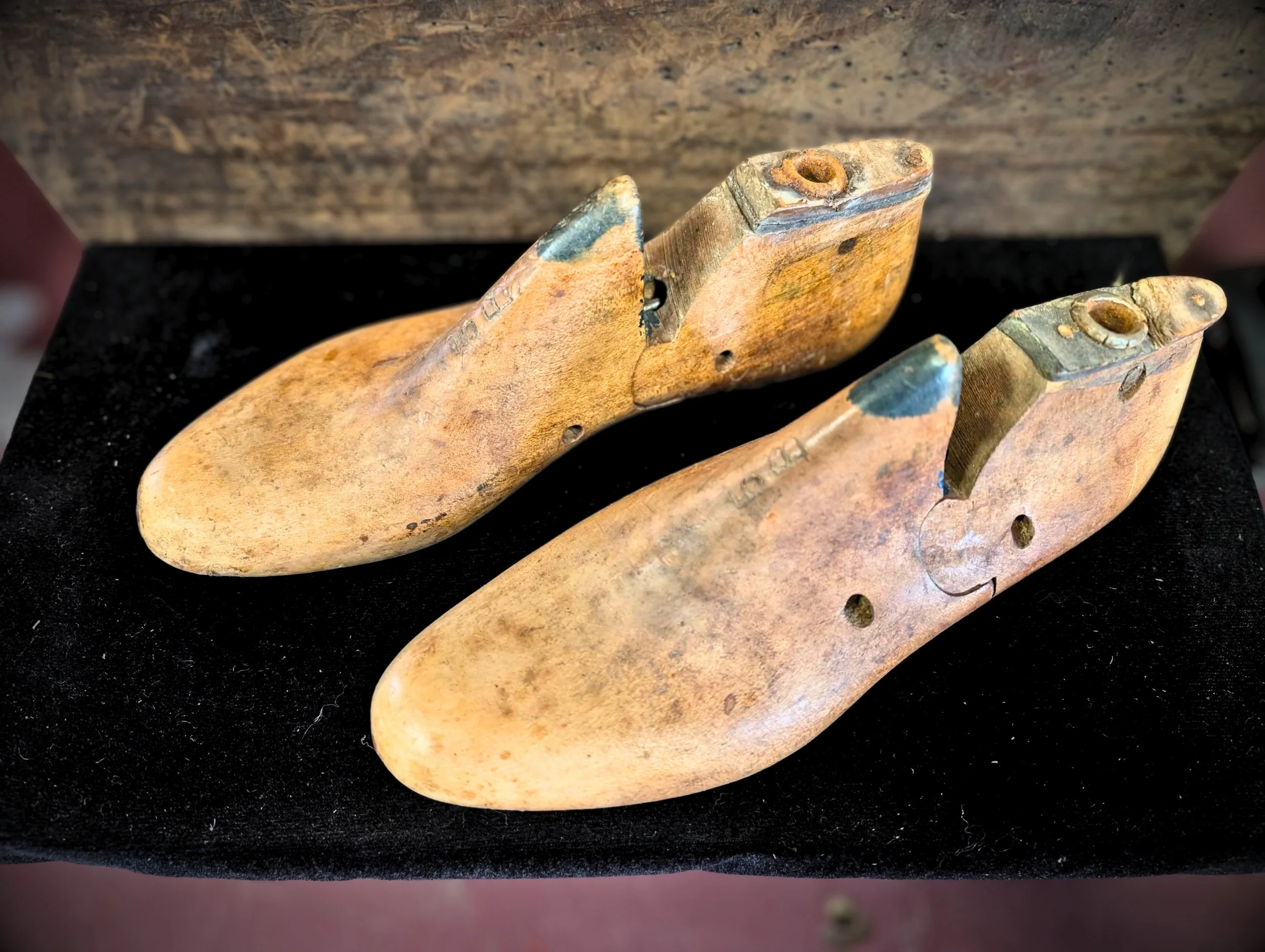
An Example of a Munson Last that would have been used to make Military Boots
The Blueprint for the Perfect Fit
The boots we wear today have one common thread. Whether you are on a bike, walking back alleys of a city, or deep in the back country, your footwear was influenced by the work of Edward Munson, specifically his 1912 book titled The Soldier’s Foot and the Military Shoe. His research changed everything. He spent years studying how the human foot actually behaves under pressure. Before his work, boots were often made for style alone. Munson wanted something better. He wanted a boot that worked with the body, not against it. This book, The Soldier’s Foot and the Military Shoe, is the story of how he cracked the code for foot health.
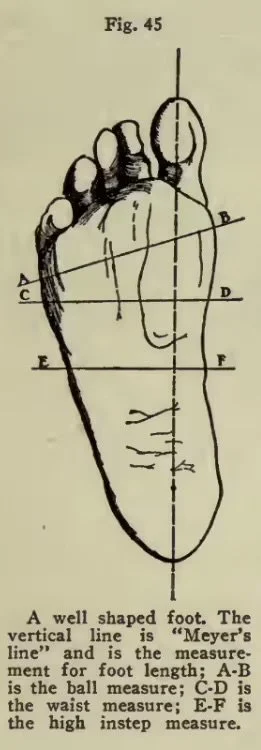
Munson was a Major in the US Army Medical Corps. He saw that the right gear could change a person's life. He realized that a soldier is only as good as his feet. If your feet feel great, you can go further and stay out longer. He didn’t just guess what a foot needed. He turned boot design into a rigorous science.
Before he started his research, Munson saw a major problem with foot injuries. Soldiers were being sidelined by preventable pain. In the early 1900s, foot issues were the leading cause of military disability. After a long march men suffered from severe blisters, bunions, and ingrown nails. These weren’t minor annoyances. They were injuries that could stop an entire troop in its tracks. Munson realized these problems came from poorly designed boots that pinched the toes and compressed the foot. He saw that a poorly fitted boot was just as dangerous as a faulty rifle.
Military boots at the time were modeled after fashion trends rather than the human body. It was often too narrow in the front. This forced the big toe to curve inward, which ruined a person's balance and power. Munson observed that when a soldier carries a heavy rucksack, the foot splays out getting wider and longer. The old boots did not account for this change in size. This friction caused heat and skin damage that caused blisters, and lead to infections. Munson’s quest began because he knew that a healthy foot was the key to endurance and mobility. He wanted to end the era of boots that broke soldiers.
He looked at the boots of 1912 and saw a chance to help people move better. He decided to fix the most basic piece of gear in history by focusing on function and comfort.
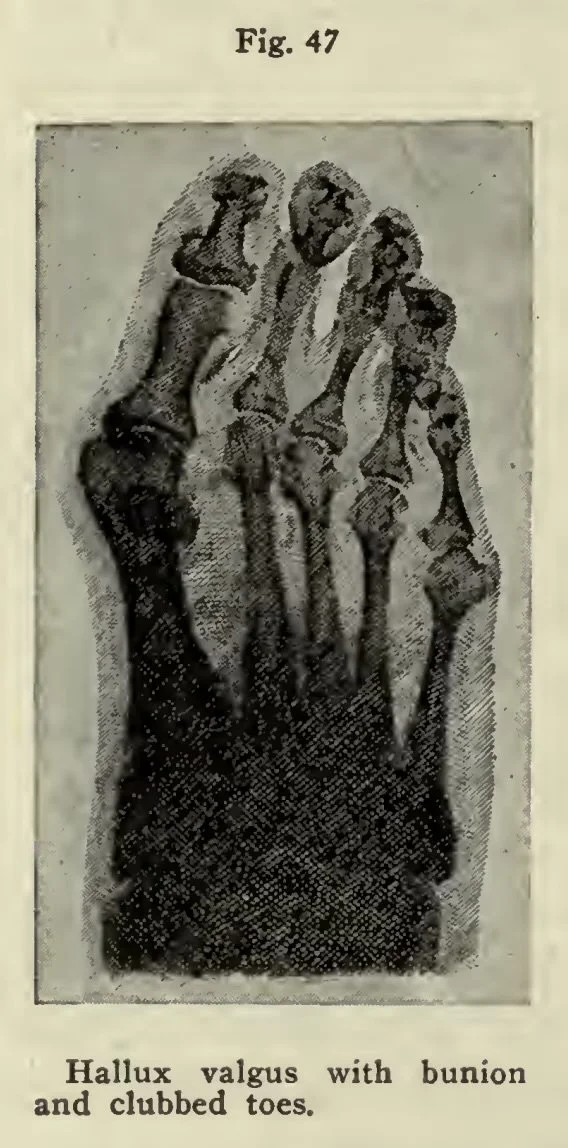
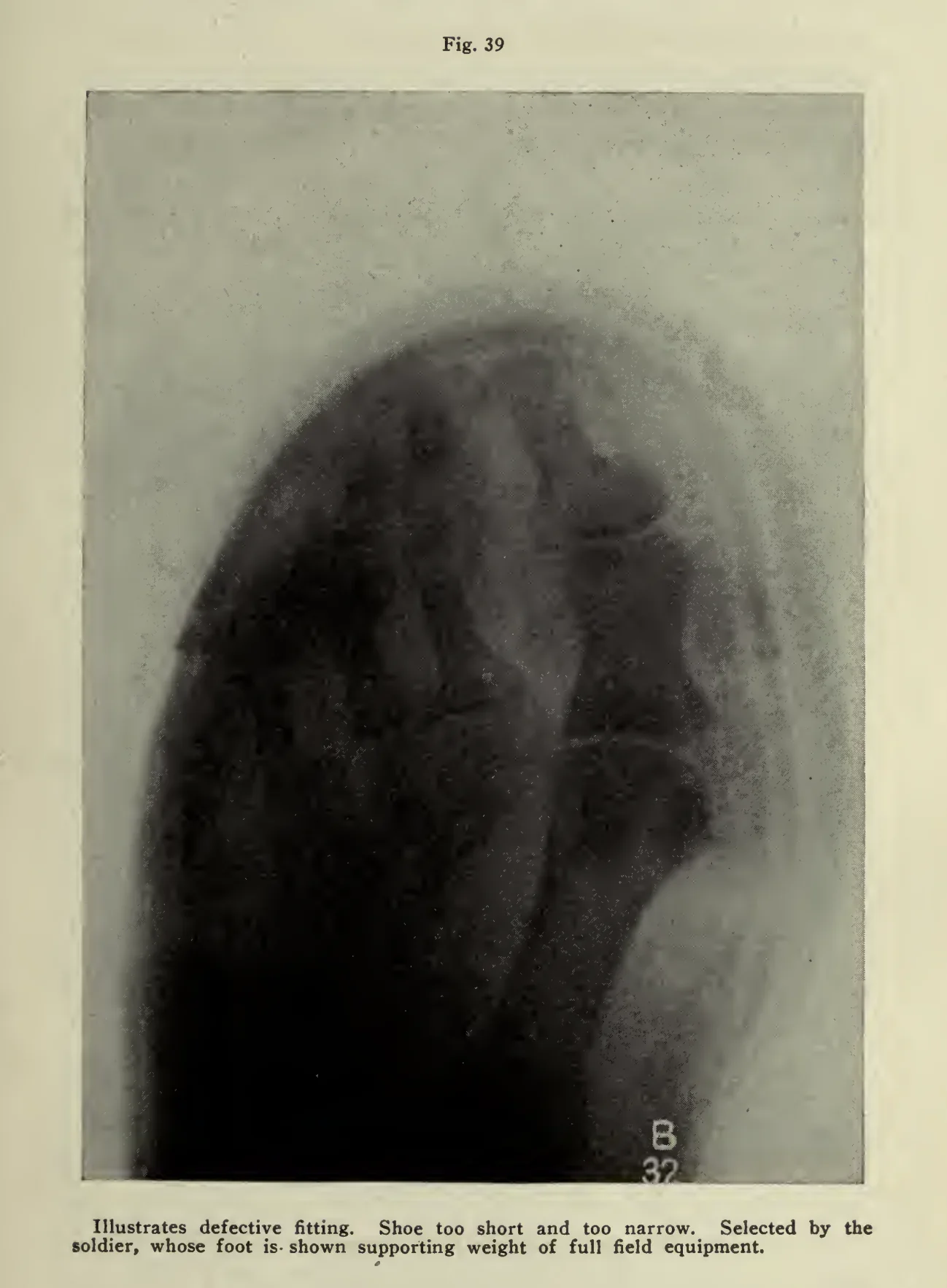
The meat of the book covers his massive study. Munson looked at the feet of over two thousand soldiers. He used X-rays to see exactly what happened to bones of the foot once they are inside a boot. He found that a foot needs room to spread out. When you carry a heavy pack or hike a steep trail, your foot expands. Munson designed a shape that allowed for this natural movement. This became known as the Munson Last. It gave the toes room to breathe while keeping the heel secure. It was a total win for anyone who spends their day outdoors.
This research is the foundation of everything we do at Naang Boots. We take Munson’s lessons and apply them to our hand-made process. We believe that heritage style should feel amazing from the first mile. By using an anatomical shape, we ensure your foot functions the way nature intended. Munson’s book is not just a dusty old manual. It is a guide to building gear that respects the person wearing it. You deserve a boot that supports your adventures without holding you back. Let’s dive into how he actually built this legendary shape.
The Science of the Splay
Edward Munson had the kind of obsessed engineer energy we love. He wasn’t just a doctor; he was a man on a mission to map the human foot. To get it right, he launched one of the most massive studies in history. He didn't just look at a few guys in his office. He examined over two thousand pairs of feet. He watched how they moved, how they stood, and how they reacted to weight. His work gave birth to the science of splay. It laid the groundwork for everything that makes Naang Boots so comfortable today.
Munson was also a tech geek. In 1912, X-ray technology was a new frontier. He used it to look through leather and skin to see the truth. What he found was eye opening. He saw that standard boots were literally crushing bones. When a person stood still, the foot looked fine. But when they picked up a heavy pack, the foot expanded. It got wider and longer as the arches flattened under the load. In a regular boot, there was nowhere for that extra foot to go. The bones would overlap and the toes would cramp.
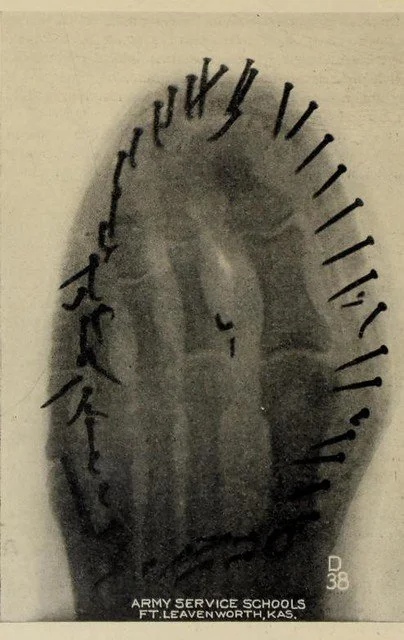
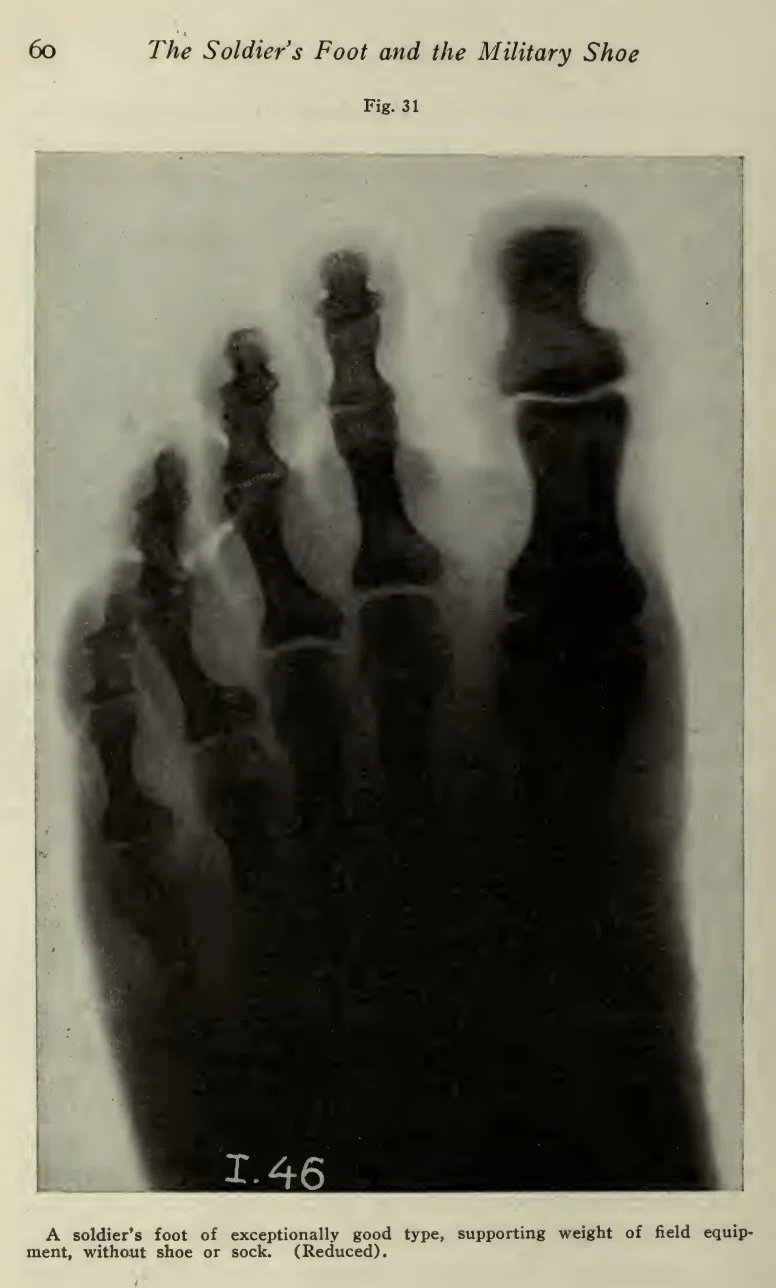
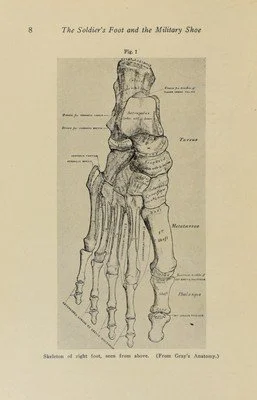
This led to the creation of the Munson Last. A last is the solid form used to shape a boot. Munson’s version was a total game-changer. Instead of a sharp, pointed front, he gave it a wide toe box. He followed the natural curve of the inside of the foot. This allowed the big toe to stay perfectly straight. Why does that matter? Your big toe is your anchor. It provides your balance and your power when you push off the ground. If your big toe is bent inward, you lose stability.
The Munson Last respects the splay. That is the natural spreading of your toes when you walk or hike. By giving the foot room to breathe, Munson solved the problem of friction and heat. He proved that a boot doesn't have to be tight to be secure. You can have a snug fit around the heel and ankle while letting your toes spread out. It was a brilliant mix of medical science and rugged utility. At Naang, we lean hard into this history. Munson’s work is at the heart of our design.


Why 1912 Still Matters in 2026
It might seem wild to talk about a book from 114 years ago. You might think foot science has moved on. But look around. Most mass-produced boots today are actually a step backward. Big brands care more about fast trends than your bone structure. They churn out boots that look good on a shelf but still force your foot into a space not designed for it. We are living in 2026, yet we are still fighting the same battle Munson fought in 1912. Most fashion boots are still just leather cages for your feet.
For many of us, boots are a major part of our daily lives. We wear them to work every single day. It does not matter if you work in a quiet office and only walk down the hall for coffee. You might be a teacher on your feet all day in a classroom. Maybe you are walking the hard shop floor in a busy factory. Every step you take in those boots is impacting your foot health. If your boots are built wrong, you are paying the price with every step.
Then comes your time. This is when we head out for real adventure. You might be exploring the urban jungle while working on your street photography. You could be hitting the open road on your bike or hiking a steep mountain trail with friends. These are the moments that matter most. You need your boots to care for your feet so you can focus on the experience. You should be looking at the view, not thinking about a hot spot on your heel or a cramped big toe.
The lessons Munson learned in 1912 made these moments possible. He proved that a boot can be a tool for health rather than a source of pain. Because of his work, we can push our limits without destroying our feet. He bridged the gap between a rugged work boot and a healthy anatomical shape. At Naang, we follow that lead. We build boots that handle the grind of your job and the thrill of your hobbies. Munson’s research ensures that whether you are at a desk or on a peak, your feet are in good hands.
We don't believe in choosing between looking cool and feeling good. Munson laid the groundwork for boots that respect the human form. We are just the ones carrying the torch. Staying true to his research means we build boots that last a lifetime and keep you moving the whole time. You don't need a "break-in" period that ruins your week. You need a boot built on a foundation of proven science. 1912 wasn't that long ago when you realize the human foot hasn't changed at all. We just finally started building boots the right way again.
The Verdict: Should You Read It?
So, is The Soldier’s Foot and the Military Shoe worth your time? Here is the honest truth. Unless you are a total boot nerd or a gear designer, you can probably skip it. This book isn’t a light memoir or a gripping journal of war. It’s a technical manual. It’s packed with data, charts, and dry medical talk. It is a deep dive into the weeds of anatomical design. If you want a fun story to read by the campfire, this isn't it.
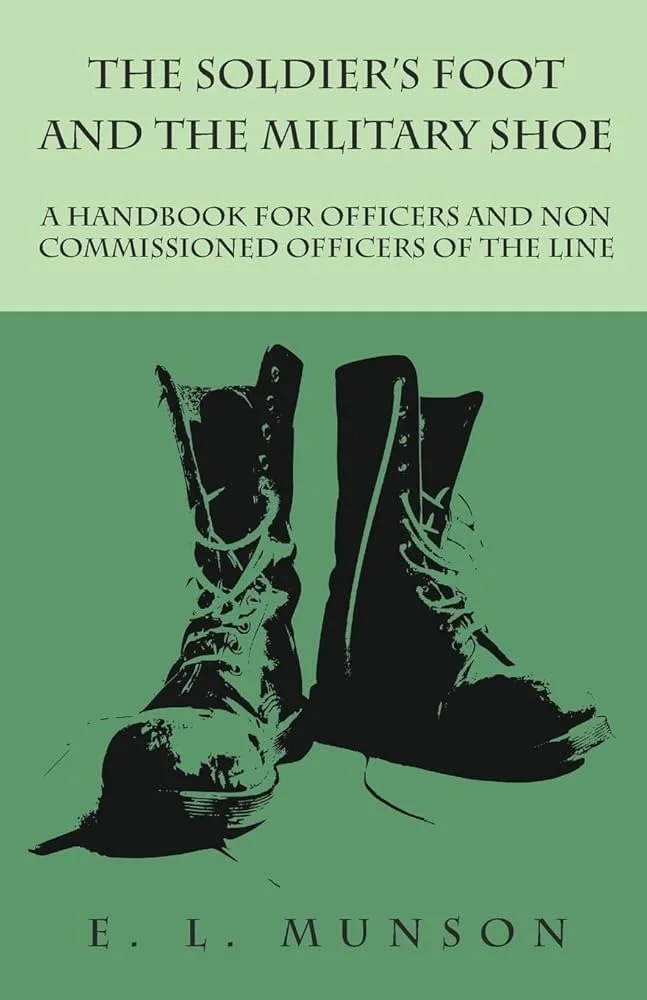
That said, its place in history is massive. It gives us a rare glimpse into a moment in time when the world finally started caring about foot health. It’s the holy book for anyone who builds high-quality footwear. It’s the reason we understand why the big toe needs to stay straight and why the heel needs to lock in. Munson did the heavy lifting so the rest of the world could stop limping. He turned your boots into a precision tool.
I’m giving it 4 out of 5 grease-stained thumbprints. It gets high marks for its impact and its grit, but it loses a point for being a bit of a snooze fest due to the density of data points and terminology. It’s the kind of book you would keep on the bootmaking workbench, not on the coffee table to impress guests.
Don’t want to spend your weekend reading a 100-year-old manual? We already did the homework for you. We took Munson’s best ideas and brought them into the modern age with better leather and tougher builds. Experience the Munson evolution for yourself. Skip the library and get on the road.
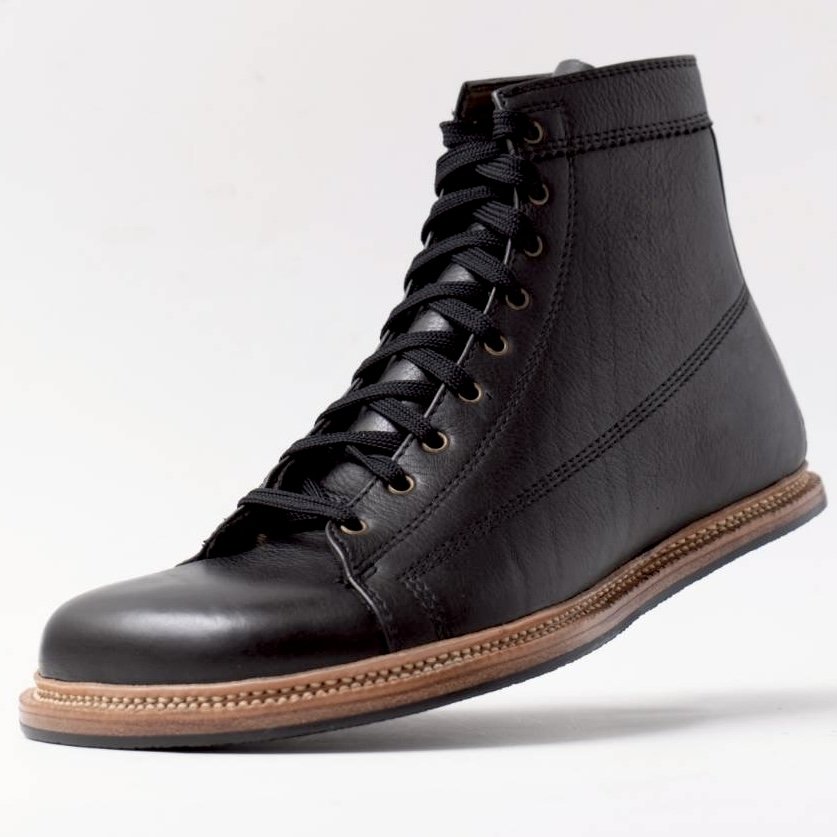
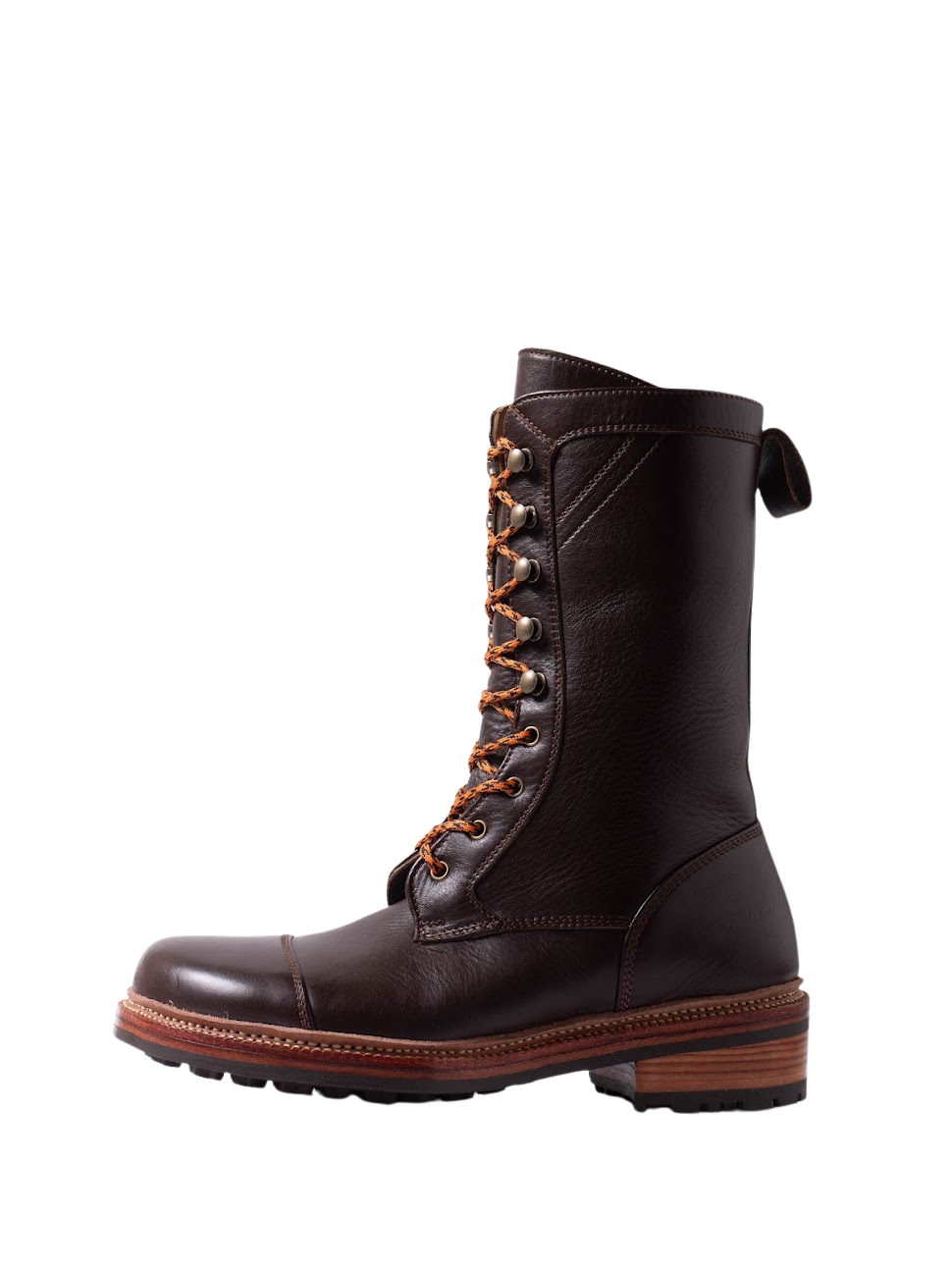
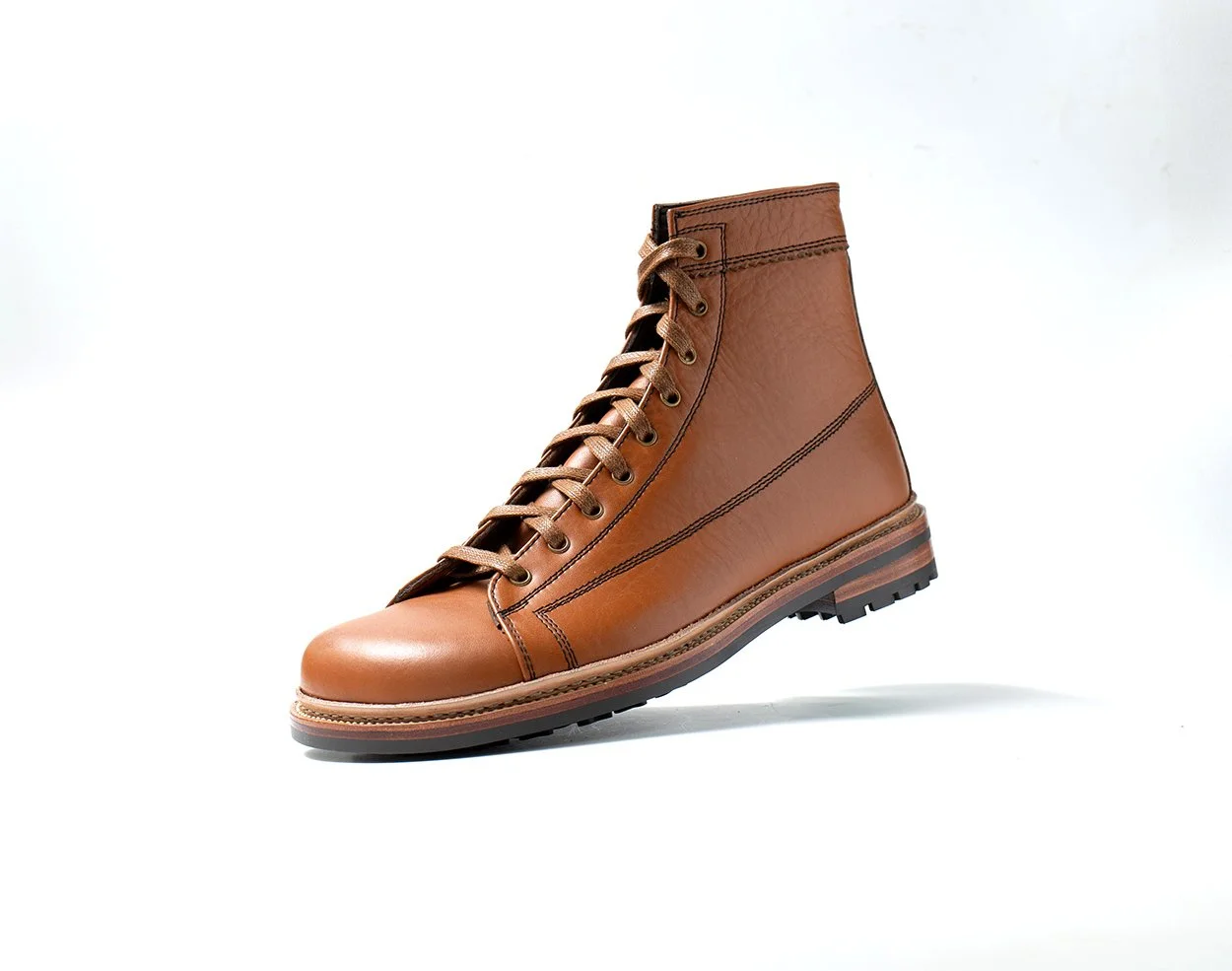
At Naang Boots, we have taken what Munson started and evolved it, our anatomical toe box gives your toes the room they need to splay out and function the way your body is intended to.
Check out our shop now to get the best pair of boots you will ever own. At Naang Boots, all of our boots are handmade and feature our 360 degree hand welted construction to ensure your foot not only moves naturally, but that your boots are resolable and rebuildable for as long as you have them.
Frequently Asked Questions About The Soldier’s Foot and the Military Shoe, and The Munson Last
What is The Soldier’s Foot and the Military Shoe?
The Soldier’s Foot and the Military Shoe is a 1912 book by U.S. Army physician Edward Lyman Munson. It examines the anatomy of the human foot, common foot problems experienced by soldiers, military boot fit, and how footwear could be designed to reduce foot injuries during marching and military service.
Munson’s research became particularly influential in military footwear design and contributed to the development of the Munson Last.
Who was Edward Lyman Munson?
Edward Lyman Munson was a physician and officer in the U.S. Army Medical Corps who studied the relationship between foot anatomy, military footwear, and soldiers’ ability to march and operate effectively.
His work focused on a practical military problem: soldiers needed boots that remained secure while allowing the foot enough room to function naturally, particularly when marching and carrying heavy loads.
What is the Munson Last?
The Munson Last is a boot last developed from Edward Munson’s research into the anatomy and function of the human foot.
Unlike many traditionally shaped footwear lasts, the Munson Last provides more room around the forefoot and follows the natural line of the foot more closely. This allows the toes, particularly the big toe, to remain in a more natural position while the heel and midfoot remain secure.
Why does the Munson Last have a wide toe box?
The Munson Last has a wide, anatomically shaped toe box because the forefoot spreads when a person stands, walks, marches, and carries weight.
Munson observed that footwear that restricted this natural expansion could create pressure, friction, and discomfort. His last therefore provided additional space where the forefoot needed it instead of forcing the toes into a narrow or pointed shape.
Is the Munson Last an anatomical boot last?
Yes. The Munson Last can be considered an early example of an anatomical boot last because its shape was developed around the structure and function of the human foot instead of primarily following footwear fashion.
Its characteristic shape provides room for the forefoot and toes while maintaining a secure fit around the heel and midfoot.
Why do feet get wider when carrying a heavy load?
When a person stands or carries additional weight, the structures of the foot support a greater load. The arches can lower slightly and the foot can become both wider and longer.
This is particularly relevant to soldiers, hikers, backpackers, and others carrying heavy loads. A boot needs enough internal space to accommodate this change without allowing the foot to move excessively inside the boot.
Why was boot fit so important to the military?
Poorly fitting boots can cause blisters, pressure points, damaged toenails, and other foot problems. For soldiers who may need to walk long distances while carrying equipment, relatively small foot problems can quickly affect mobility and endurance.
Munson therefore treated military footwear as functional equipment. A military boot needed to protect the foot while allowing a soldier to continue walking and working effectively.
Did Edward Munson invent the anatomical toe box?
Munson was not the first person to recognize that footwear should accommodate the natural shape of the foot, but his research helped turn the idea into a systematic approach to military footwear design.
His work documented the relationship between foot anatomy, load, shoe shape, and fit, and the resulting Munson Last became one of the best-known examples of an anatomically shaped military footwear last.
Are modern anatomical boots based on the Munson Last?
Some modern anatomical boots draw directly from the Munson Last, while others use independently developed lasts based on similar principles.
The common idea is that the boot should provide adequate space for the forefoot and toes while remaining secure around the heel and midfoot. The exact shape, width, volume, and proportions vary considerably between manufacturers.
Are Munson Last boots barefoot boots?
No. A Munson-style anatomical last describes the shape of the boot, particularly the space and alignment provided for the foot. It does not determine the construction, sole thickness, cushioning, heel height, flexibility, or ground feel.
A rugged leather boot can therefore use an anatomical or Munson-inspired last without being a barefoot boot.
Is The Soldier’s Foot and the Military Shoe still relevant today?
Yes, particularly for people interested in footwear design, bootmaking, military footwear history, and anatomical boot lasts.
Footwear materials and manufacturing methods have changed considerably since 1912, but the basic design problem Munson investigated remains relevant: how do you build footwear that stays secure while giving the human foot enough space to function under load?
Does Naang Boots use the Munson Last?
No, Naang Boots does not simply reproduce the original Munson Last. We use our own anatomical boot last, but Munson’s research and the design principles behind the Munson Last strongly influence how we think about footwear.
Our boots provide room for natural toe splay while maintaining a secure heel and midfoot. We combine that anatomical approach with traditional leather bootmaking and hand-welted construction.

Commodo cursus magna, vel scelerisque nisl consectetur et. Donec id elit non mi porta gravida at eget metus.