Anatomical Toe Boxes and Zero Drop: What New Research Suggests
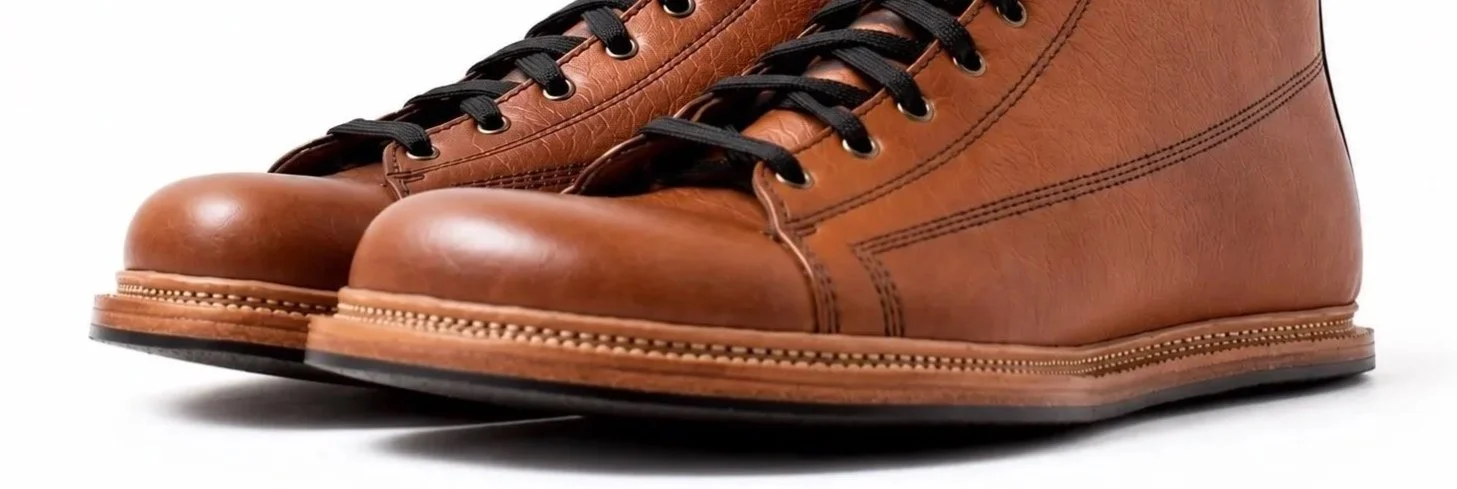
A recent study on minimalist footwear caught my attention because the shoes shared several features with Naang’s design philosophy, in particular with our anatomical zero-drop boots: room for toe splay, a level heel and forefoot, and flexible soles with minimal cushioning.
The researchers found changes in walking mechanics and muscle activity in older adults with a history of falls. Our thicker leather midsoles and rubber outsole construction differ from the shoes they tested, but the overlap is worth examining. Be warned, this is gonna be a nerdy one. I’m gonna dive deep into what the research suggests and how it relates to the boots we build.
What Did the Minimalist Footwear Study Investigate?
The study published in Communications Medicine investigated how footwear affects leg movement and muscle activity during walking, and whether those changes help explain differences in walking stability.
Researchers recruited 30 adults aged 60 or older who had experienced at least one fall since turning 60. Each participant walked barefoot, in conventional supportive shoes, and in minimalist shoes, with the order randomized.
The minimalist shoes combined a wide toe box, zero drop, and thin, flexible soles with minimal cushioning. Participants walked along a 10-meter walkway, both normally and while counting backward to introduce a mental task. Motion-capture cameras, force plates, and muscle sensors recorded how their bodies responded.
All of this took place during one laboratory visit. The experiment measured immediate responses to each footwear condition. It didn’t track long term changes in strength. It also compared complete shoes, so it could not separate the effects of toe box shape, heel height, or cushioning.
Bascially, the study looked at the shoe as a whole; it didn’t evaluate the individual design elements. So not the best study design, but it’s still giving us some strong data points we can go off of.
What Did the Researchers Find About Walking Mechanics?
The researchers found that minimalist shoes changed how participants moved and used their leg muscles compared with supportive shoes. The changes impacted the hips and knees as well as the ankles.
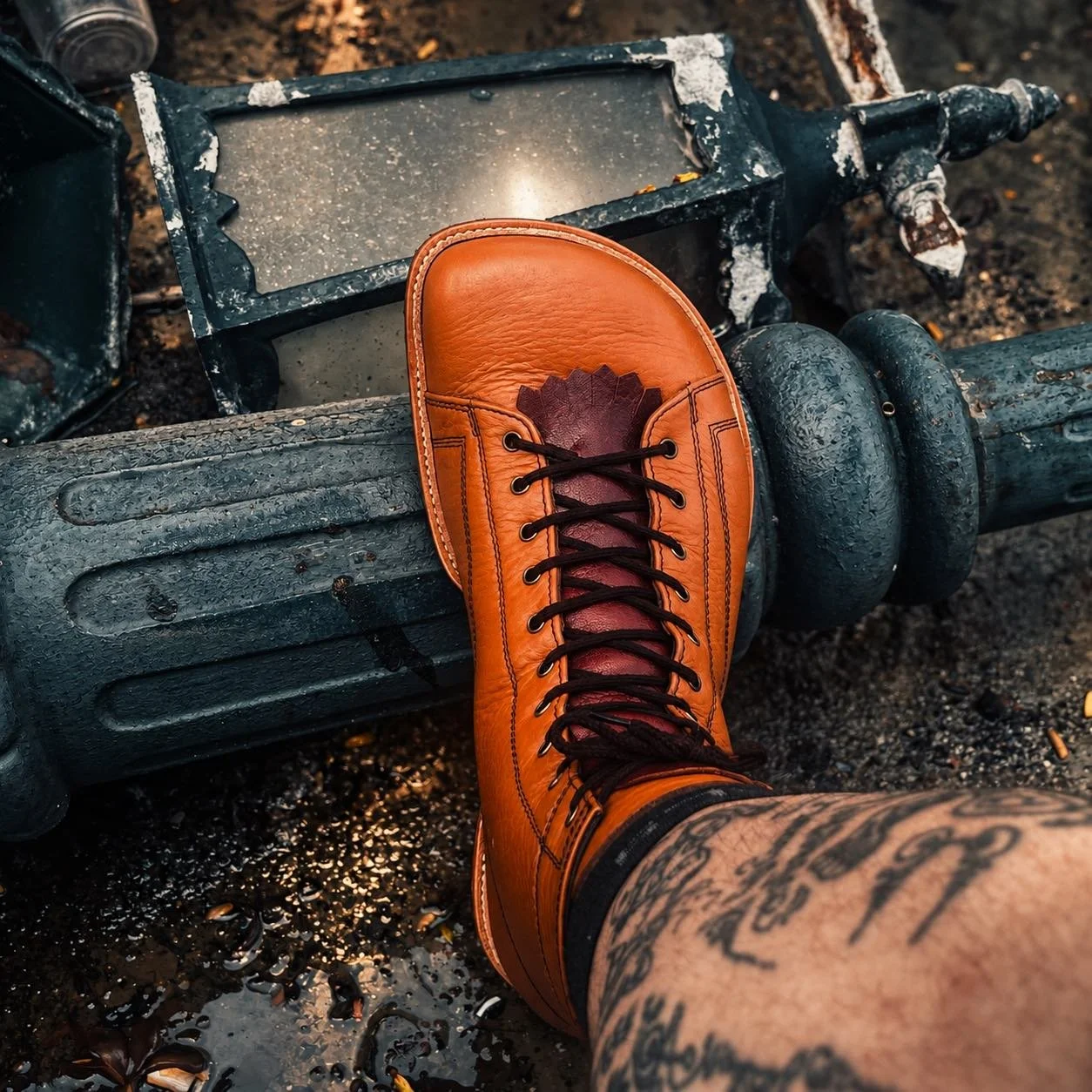
In minimalist shoes, the ankle bent further forward as the body moved over the planted foot. Participants also bent their knees more as they swung the leg forward and kept their hips less flexed during the stance phase, when the foot was on the ground.
The researchers measured greater power generation at the hip during initial loading and at the ankle during push-off. Some of the quads at the front of the thigh were also more active. That shows a change in muscular demand during walking, but it doesn’t establish that wearing minimalist shoes builds stronger muscles over time.
The findings suggest a shift toward a more actively controlled walking pattern. The study also indicated that the participatns were more stable when walking in minimalist shoes. Ultimately, the only thing this shows is that our bodies walk differently depending on the type of shoes we wear. That walking style seems to be more active when we have minimal shoes on.
How Does an Anatomical Toe Box Give Your Toes Room to Move?
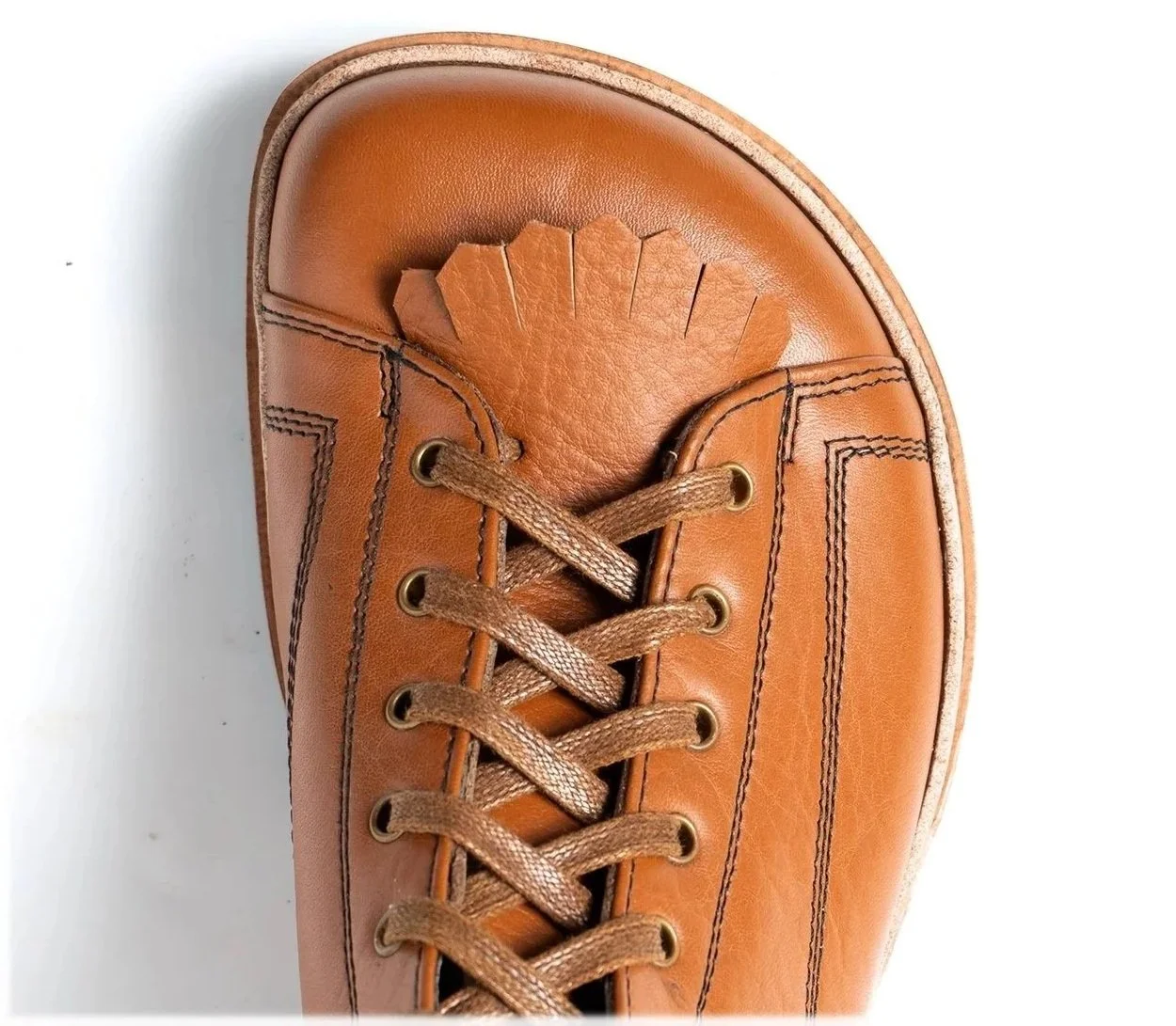
An anatomical toe box follows the outline of the foot and leaves room for the toes to splay. When I designed the Naang last, that space was part of the shape from the beginning.
A rounded, symmetrical toe box like you would see on a traditional boot will taper inward where your toes need room. Rounding off the front doesn’t make it foot-shaped at all. At Naang, we keep more space through the toe area, allowing the big toe and smaller toes the room they need, instead of being pushed toward the center.
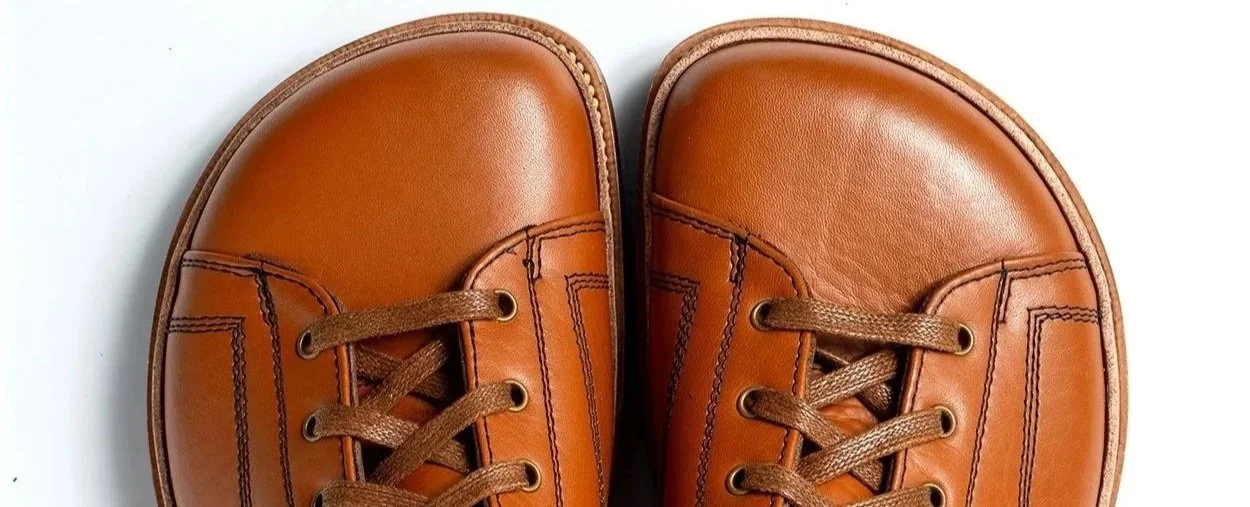
Boots with an Anatomical Toe Box
That room matters when you move. Your toes take an active role in balance and push-off. A cramped toe box prevents your toes from spreading and adjusting under load. Giving them space removes that restriction, although the boot still needs to fit securely through the midfoot and heel.
The study describes a wide toe box that allows natural toe splay. That is the same practical goal behind Naang’s anatomical last. Width contributes to it, but where we put that width matters. Extra space across the ball of the foot won’t save a toe box that tapers in and crushes your toes. Shape trumps size when it comes to the toe box.
How Does Zero Drop Fit Into Minimalist Footwear Design?
Zero drop means the heel and forefoot sit at the same height inside the shoe. It describes their relative position, regardless of how much sole material sits underneath them. That is all, it doesn’t indicate anything about the thickness of the soles or the stack hight.
In minimalist footwear, zero drop works in conjunction with toe room and sole flexibility. Removing heel elevation changes the foot’s starting position, giving the wearer a more natural range of motion, similar to being barefoot.
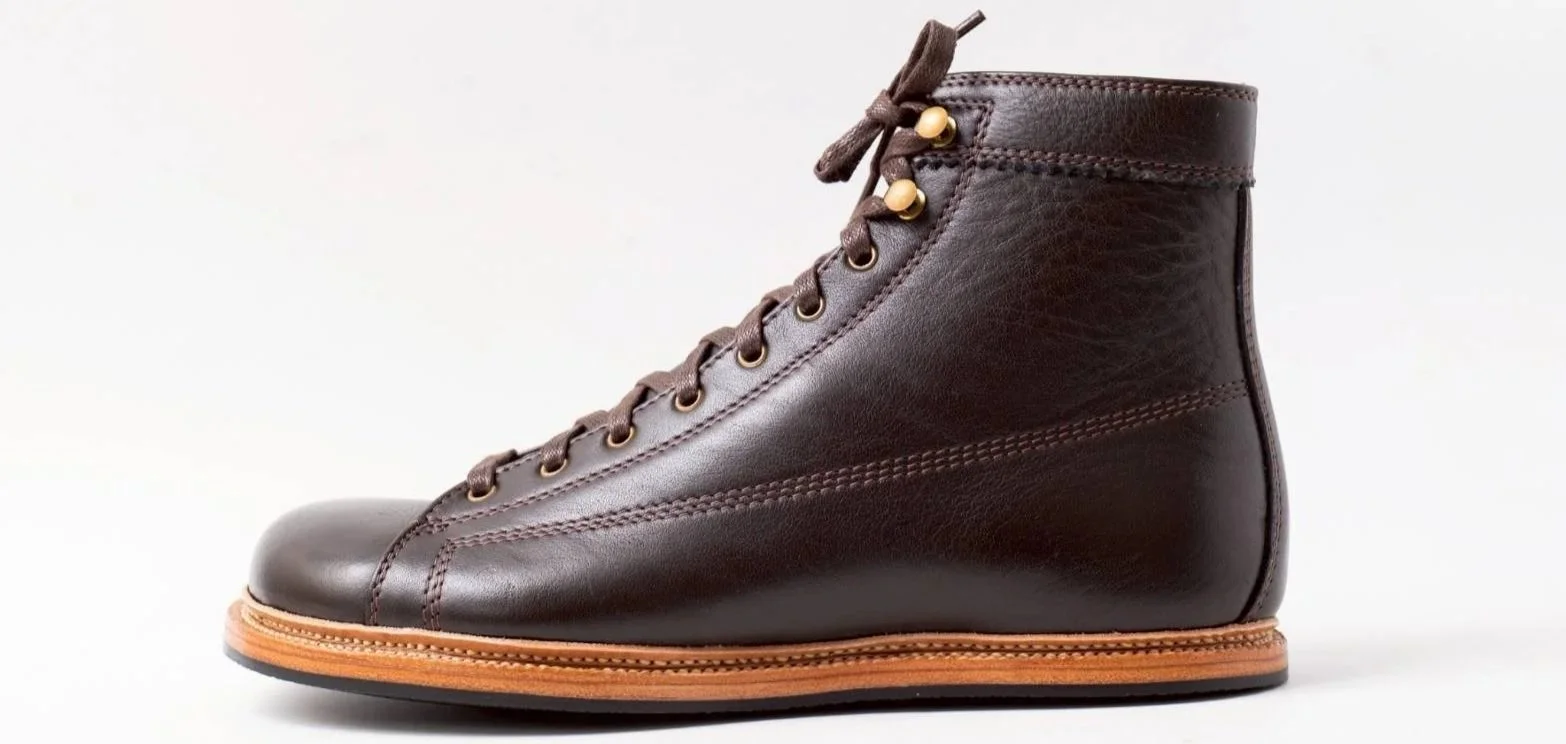
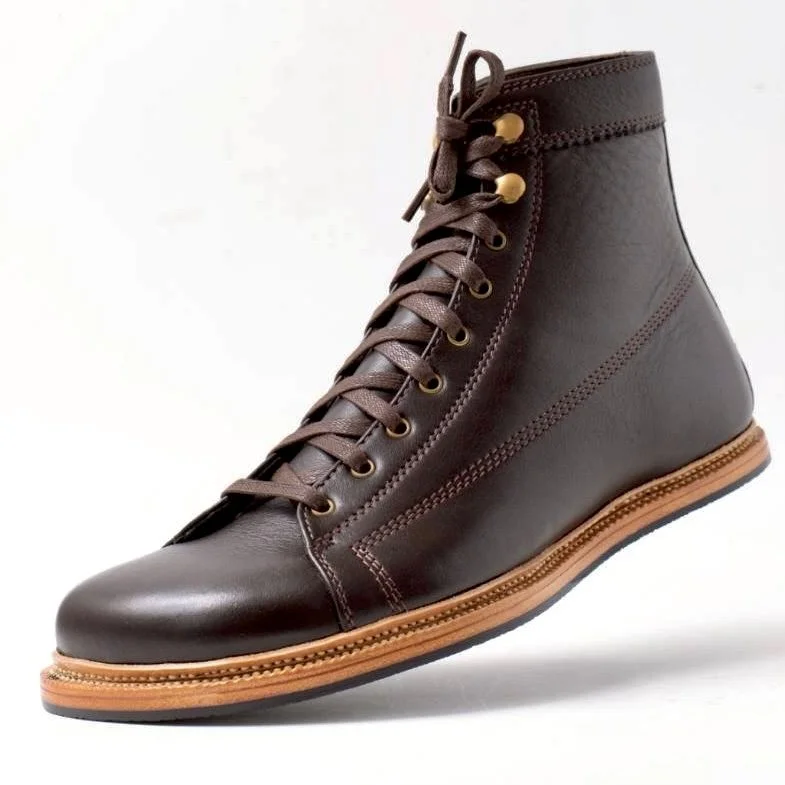
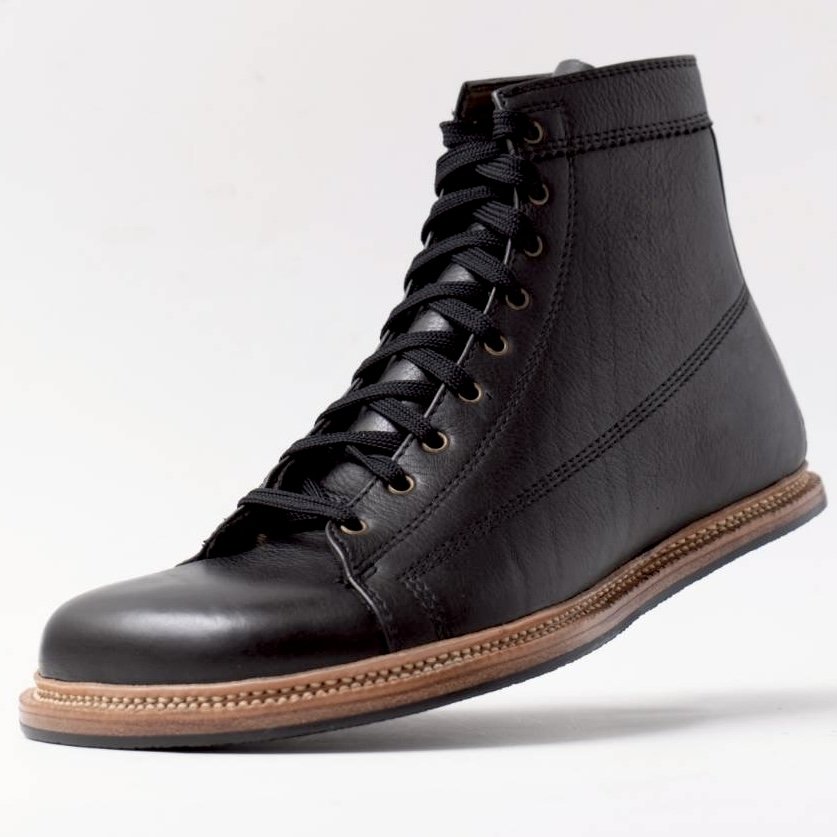
Zero Drop Anatomical Boot - Naang Winnfield
In this study, participants showed greater ankle dorsiflexion in minimalist shoes, meaning the shin moved further forward over the planted foot. The researchers suggested that the reduced heel-to-toe drop could help explain that movement. Because they tested complete shoes, they couldn’t identify how much of the change came from zero drop alone.
At Naang, our zero drop boots also keep the heel and forefoot level. Once broken in, our vegtan leather midsole and insole gives our boots a flat, flexible foundation while retaining the rugged construction we want in our boots.
Zero Drop Anatomical Naang Boots
Why Does Sole Flexibility Matter Alongside Stack Height?
Stack height tells you how much material sits beneath your foot. Flexibility tells you how readily that material bends as you walk. Stack height influences flexibility, but the materials and construction also matter.
The minimalist shoes in the study combined a very low stack height with substantial flexibility. Those are separate qualities, but both impact feeling small details underfoot and being able to bend the sole through a step. Though not always to the same degree, a thicker stack height can reduce ground feel while still allowing movement.
Our zero-drop boots have a 15 mm stack height, made up of a leather midsole and rubber outsole paired with. a vegtan leather insole. That construction gradually becomes easier to bend with wear. Fresh out of the box, it will feel stiffer than it does after break-in.
We’re not claiming the same flexibility or ground feel as the shoes used in the study. The comparison is in the design approach: allowing the sole to bend with the foot. At Naang, we build that movement into a thicker construction intended for the demands of a rugged boot.
How Do Naang’s Anatomical Zero-Drop Boots Compare With the Study Footwear?
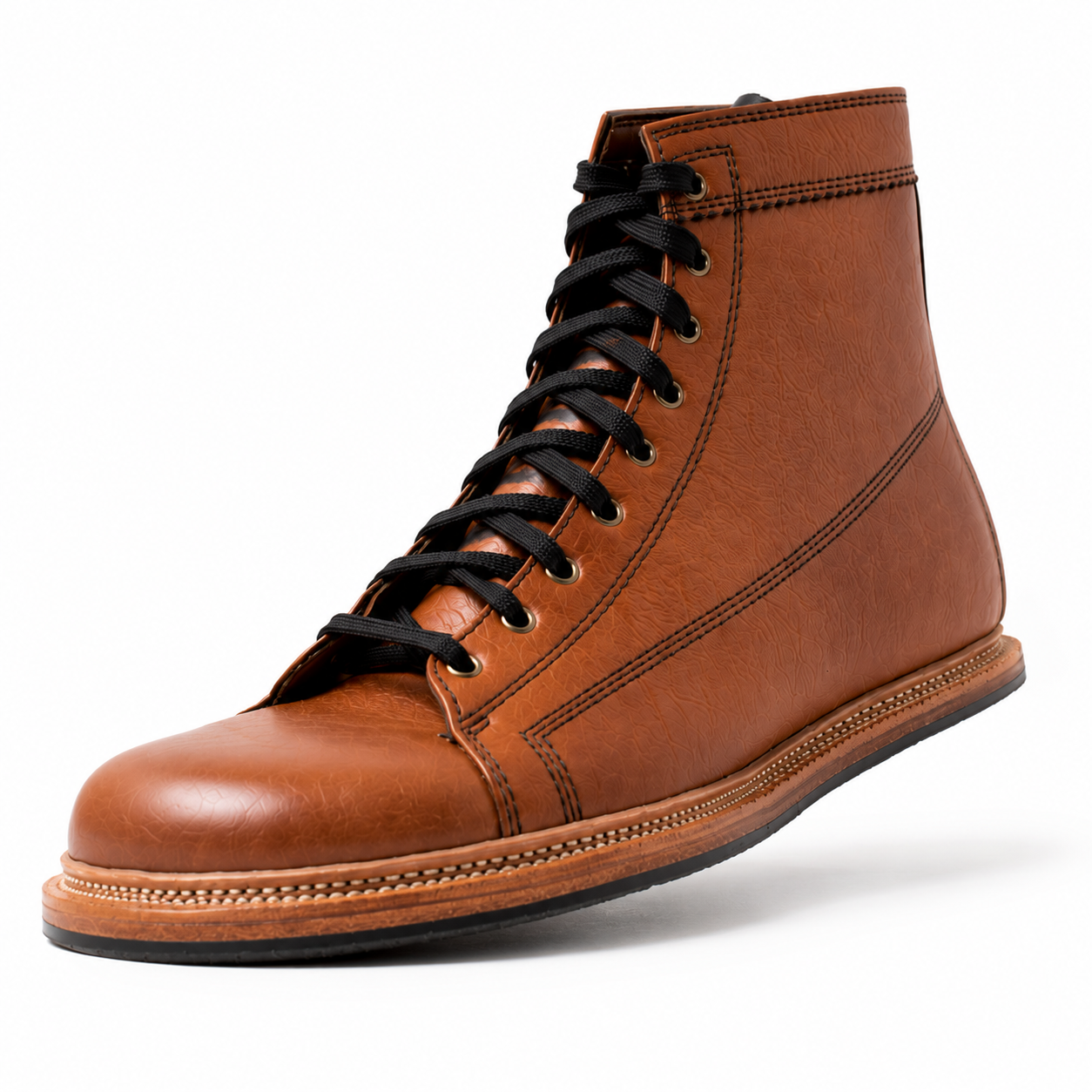
Naang boots share several design features with the minimalist shoes in the study. Both are zero drop, have a wide toe box that provides room for natural toe splay, and allow the sole to flex through a step.
The clearest difference is stack height. The study reports less than 4 mm for its minimalist shoes. Naang’s construction has a 15 mm stack height, putting substantially more material between your foot and the ground. Our boots retain the substantial construction we want for daily wear and outdoor use.
There is also a connection in the approach to cushioning. The paper describes minimal cushioning, although it doesn’t isolate its effects. At Naang, we use no added padding underfoot. Our vegetable-tanned leather insoles gradually mold to your feet, developing a comfortable, worn-in fit through use. That leather footbed provides a firm surface beneath the foot.
These shared design choices draw an interesting parallel between our approach at Naang and the work we are seeing percolate up from the research world.
Zero Drop Anatomical Naang Boots
What Can This Study Tell Us About Choosing Boots?
When it comes down to it, I wouldn’t choose a pair of boots based on a single study. But this research gives us a reason to look closely at how footwear design affects the way we walk.
The minimalist shoes combined zero drop, room for toe splay, flexible soles, and minimal cushioning. The researchers interpreted the changes they observed as a shift toward a more actively controlled walking pattern. Several of those features are also part of Naang’s design. Choices we made for very much the same reason, This research adds weight to the choices we make as bootmakers.
The research is still far from conclusive. The authors call for further studies, and longer trials would help establish whether these changes persist and translate into practical benefits.
If anatomical zero-drop boots fit well and feel comfortable when you move, that experience matters. This paper offers a possible explanation for why different footwear can feel different in use, but keep in mind, it doesn’t at all confirm that your boots improve stability.
Start with fit. Make sure you have room for your toes, a secure heel and midfoot, and a boot that works for what you do. Buy boots that fit you and make your feet feel good.
Frequently Asked Questions About Anatomical Toe Boxes and Zero-Drop Boots
What is an anatomical toe box?
An anatomical toe box follows the outline of the foot and provides room for the toes to spread. Its shape avoids tapering inward too early around the toes. A suitable fit combines that toe space with a secure midfoot and heel.
Is a wide toe box the same as an anatomical toe box?
They can overlap, but width alone does not describe the shape. A wide shoe can still narrow around the toes. Naang’s anatomical toe box provides width where the toes need room, meeting the study’s stated design goal of allowing natural toe splay.
Do zero-drop boots have to have a low stack height?
No. Zero drop describes the height difference between the heel and forefoot. Stack height describes the total material beneath the foot. Naang’s zero-drop boots have a 15 mm stack height while keeping the heel and forefoot level.
Are Naang’s anatomical zero-drop boots the same as minimalist shoes?
They share several features, including toe-splay room, zero drop, and sole flexibility. However, Naang boots have substantial leather uppers and a 15 mm leather-and-rubber sole stack. The study’s minimalist shoes had a reported stack height below 4 mm. These construction differences mean we cannot assume identical effects on walking.
How can a substantial leather sole still be flexible?
Flexibility depends on materials and construction as well as stack height. The leather midsole also becomes easier to bend with wear. That flexibility does not mean the boots transmit the same ground detail as a thin minimalist sole.
What is the difference between ground feel and cushioning?
Ground feel describes how clearly you perceive the surface beneath your feet. Cushioning describes how the materials underfoot compress and soften loading. A firm sole can provide little cushioning while its stack height still limits your perception of small surface details.
Do Naang’s zero-drop boots have cushioned insoles?
Naang uses vegetable-tanned leather insoles without added foam or padded cushioning. The leather gradually takes an impression of the foot, developing a worn-in fit. Leather and rubber still deform and absorb some energy, so “no added cushioning” does not mean the sole has no impact absorption.
Does this study prove that anatomical zero-drop boots improve balance?
No. The study found changes in walking mechanics and muscle activity in older adults with a history of falls. Its laboratory stability measurement does not establish better overall balance or fewer falls. It also tested minimalist shoes, not Naang boots.
Did the researchers prove which footwear feature caused the changes?
No. The researchers compared complete footwear designs. Toe box shape, heel-to-toe drop, cushioning, and flexibility differed together, so the study could not establish the independent contribution of each feature.
What should I look for when choosing anatomical zero-drop boots?
Look for enough room for your toes to spread, a secure fit through the midfoot and heel, and construction suited to your intended use. Consider how the boots feel while walking. Research can inform your choices, but this study does not establish one footwear design as best for everyone.
What To Read Next
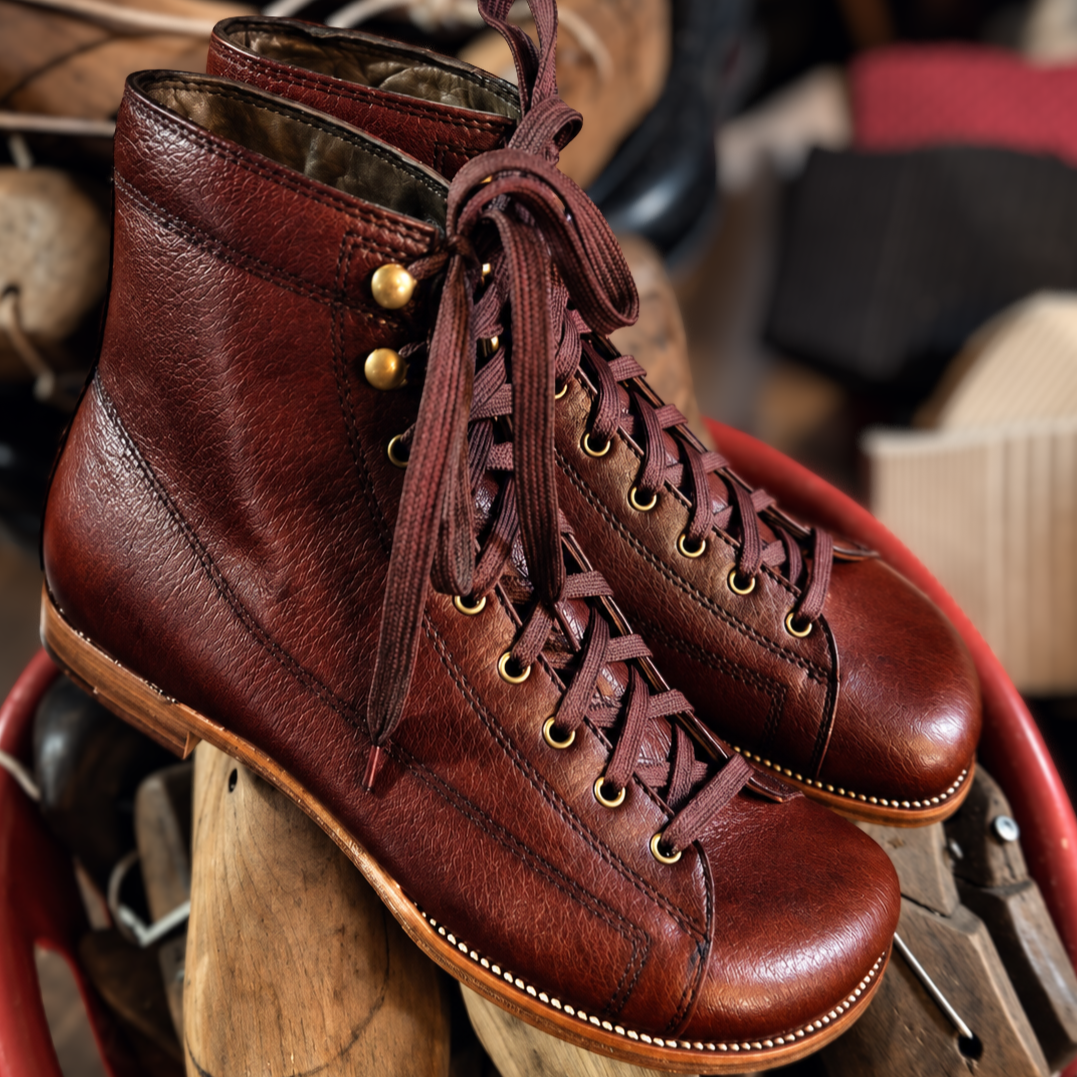
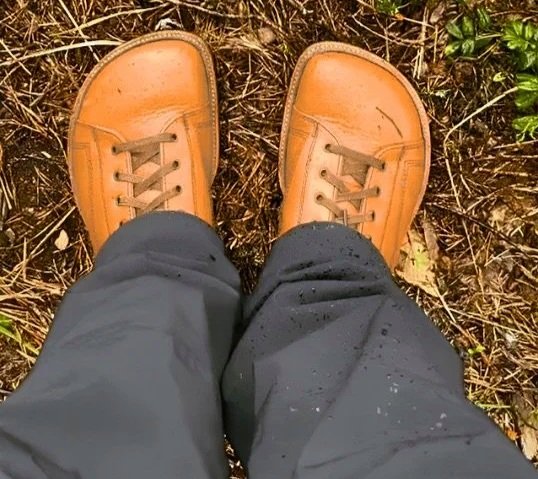

All Boots Are Made-To-Order. Current Lead Time: 60-90 Days.
Not sure about your size? Check out our Sizing Guide.
The Winnfield is built to walk the earth.
City streets. Back alleys. Remote trails. Foothills that don’t forgive mistakes.
Wherever you go, it keeps moving.
Construction: 360° Hand-Welted
Lace-to-Toe
Shaft Height: 6 inches
Last: Anatomical Zero Drop
Our Anatomical Last is very wide, if you feel your foot is exceptionally wide please indicate so on the form that pops up after you add the boots to your cart, we will get in touch to make sure that your boots are wide enough for your feet. We got you!
Leather: 2.5-3.5mm Full Grain
Full Leather Liner
Outsole: Naang Flat Rubber Super Grip
Built on our Anatomical Natural Toe Box last, the Winnfield follows your foot’s true shape.
Not the other way around.
Lace-to-toe construction, lets you fine-tune the fit, helping limit hot spots, pressure, and other foot problems mile after mile
Your toes can spread. Your stride stays strong. Comfort holds, mile after mile.
Every pair is hand-welted with a full 360° storm welt.
Not for looks. Not for marketing. For durability.
It seals out the elements and locks the upper to the sole the way it should be done. Built to take abuse. Built to last.
Inside, a leather shank adds structure where you need it, while letting the forefoot move the way it should.
Stable step after step. Solid under load. Comfortable through long days on your feet.
This is not a delicate boot.
It’s a tool.
The Winnfield is made to walk the earth.
Worldwide Shipping Available.