Recently, Nick from Stridewise and Ted from Patina Project stopped by the Naang workshop in Bangkok to look at what some Reddit users have called “the ugliest boots in the world.” A title I’m fully embracing.
I understand that the anatomical shape of Naang Boots isn’t to everyone’s liking. Yet. But I’ve lost count of how many people have tried on a pair and immediately told me they’re the most comfortable boots they’ve ever worn. That roomy toe box might look unusual, but there’s a reason we build it that way.
So, naturally, we took the opportunity to talk about our design and bootmaking philosophy. Allan and I explained why we combine an anatomical fit with traditional hand-welted construction, why a foot-shaped boot doesn’t have to be a barefoot boot, and why we believe so strongly in what we make. You can watch the full conversation below.
Why Do Naang Boots Look Different?
Naang Boots look the way they do because we build them around the shape of a foot. If you’re coming from the heritage boot world, that shape might take some getting used to. If you already wear barefoot shoes, it probably looks familiar.
Most of that difference is in our anatomical toe box. It follows the shape of your forefoot and leaves room for your toes to splay. Many familiar boot designs taper toward a symmetrical, almond-shaped toe. Your foot doesn’t follow that outline, and neither does our last, the form we build each boot around.
We give your toes room without making the whole boot uniformly wide. The shape tapers through the midfoot and heel for a more secure fit. You should have space up front without feeling like your foot is swimming around inside the boot.
That shape is a deliberate choice. We want your toes to have room to move when you walk. If that makes our boots look different, we’re perfectly ok with that.
Are Naang Boots Barefoot Boots?
Not quite. We call Naang Boots anatomical boots because we combine a foot-shaped toe box with substantial, traditional boot construction. We share some features with barefoot shoes and deliberately leave others out.
Our wide, anatomical toe box gives your toes room to spread and move. We also offer a zero-drop option, which keeps your heel and the ball of your foot at the same level. But zero drop doesn’t have to mean barefoot, and we offer a minimal heel for people who prefer one. Both options retain the anatomical shape.
The biggest difference is what sits beneath your foot. Barefoot shoes typically use thin, highly flexible soles that let you feel more of the surface you’re walking on. Some people enjoy that ground feel. I don’t want that much feedback from every rock underfoot, especially on a long day outdoors. At Naang, we choose a more structured build.
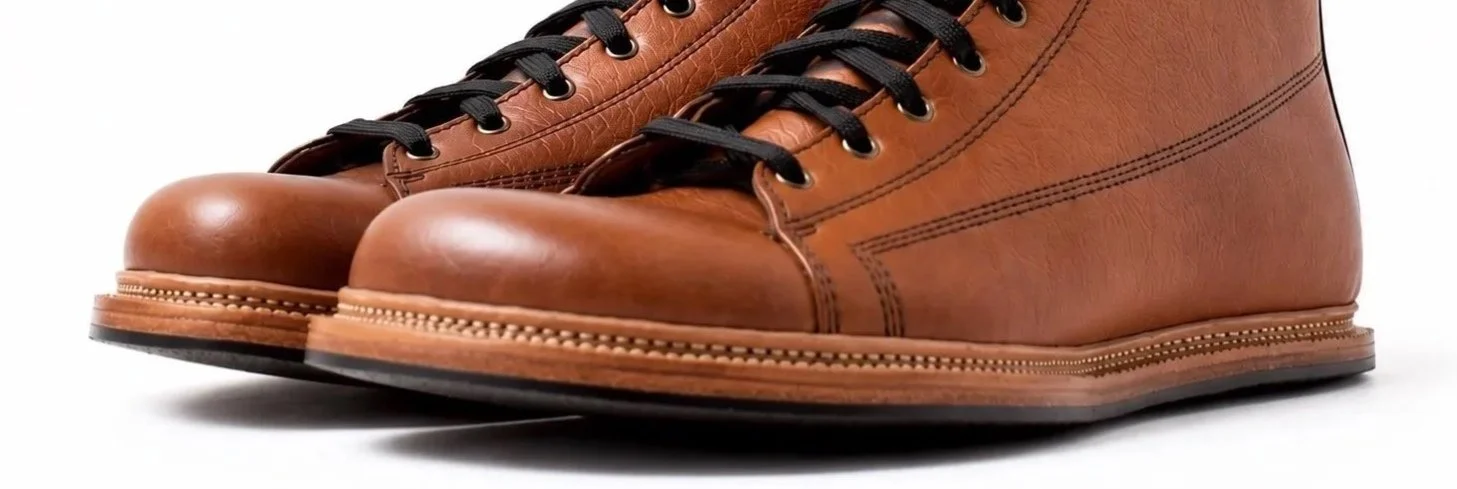
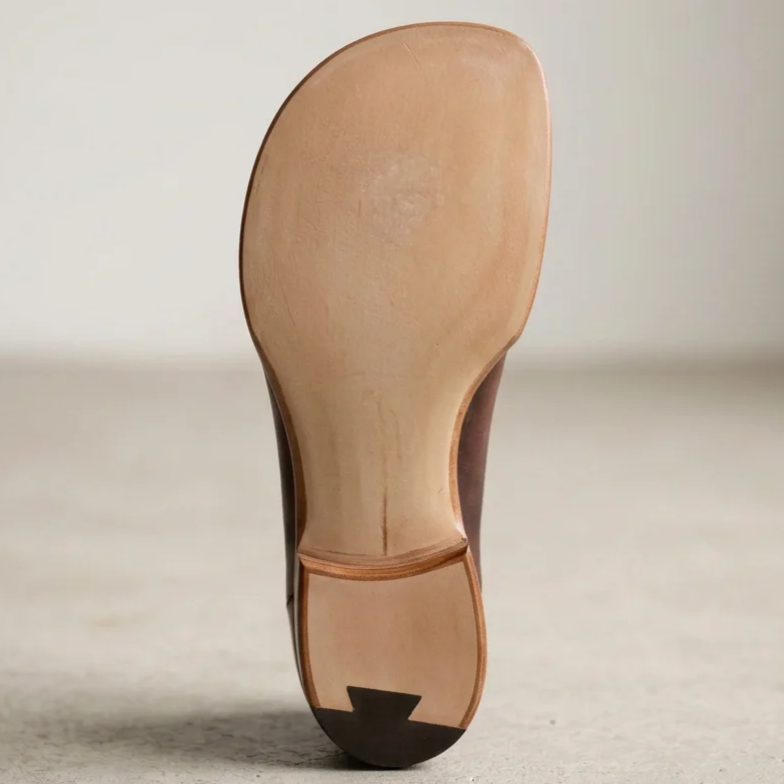
Every Naang boot has a 360-degree hand-welted storm welt. We start with a thick vegetable-tanned leather insole and carve a holdfast into its underside, creating the leather ridge we stitch the welt to. We fill the shallow space inside the welt with more vegetable-tanned leather, then add a thick leather midsole and a rubber outsole.
Those layers put more material between your foot and the ground. They also take time to break in. As you wear the boots, the leather flexes and gradually conforms to your feet. That familiar, worn-in fit is something I value in a traditional leather boot, and something we wanted to keep.
Barefoot adjacent is probably fair. You get room for your toes and the option of zero drop, with substantial leather underfoot and construction designed for repair. That’s what I mean by barefoot boots with sole.
How Do Naang Boots Fit Your Feet?
Naang Boots give your forefoot and toes room while fitting more closely through the midfoot and heel. That combination is where the fit really comes together.

Our anatomical toe box lets your toes spread and do all those good toe things. Behind the ball of your foot, the boot tapers inward to hold your midfoot comfortably and keep your heel seated. You get space where you need it without making the whole boot loose. A little heel movement can happen during break-in, but your foot shouldn’t slide around inside a properly fitted boot.
The shape underneath your foot matters too. We contour the underside of our last through the waist, the narrower section beneath your arch. That shape helps establish the contours of the leather footbed before you ever put the boots on.
We don’t add a raised arch-support insert. As you wear the boots, the vegetable-tanned leather insole gradually takes an impression of your foot, and the leather beneath it becomes more flexible. The fit develops with wear, though break-in should never be something you rely on to fix the wrong size.
Getting that starting fit right is why I talk with customers about their measurements and where their previous boots have felt tight or loose. Foot length and ball girth tell us more than a size label alone.
So, how do Naang Boots fit? If you ask me, pretty damn great. But I’d rather get your measurements and help you find out for yourself.
Read This Next