Why Naang Boots Uses a Full Leather Lining
At Naang Boots, we build every pair of boots with a full leather lining. We choose leather because we want the inside of your boots to hold up to hard wear, break in with your feet, and stay comfortable through years of use. The lining deserves just as much attention as the leather you see on the outside. You feel it with every step.
In this article, we’ll get into why we choose leather, why it beats with fabric linings, and the specific leather we use at Naang. We’ll also cover how to care for your leather boot lining and a small detail we use to improve your fit. .
Table of Contents
What Is a Full Leather Boot Lining?
A full leather boot lining is pretty much what it sounds like: a layer of leather lining the inside of the boot’s upper, including the heel, forefoot, and shaft. “Full” refers to the whole damn inside of the boot. Some boots use leather only in certain areas, with fabric elsewhere; some are fully unlined. And when we are talking about lining, we aren’t talking about the insole beneath your foot, but at Naang, that’s leather as well.
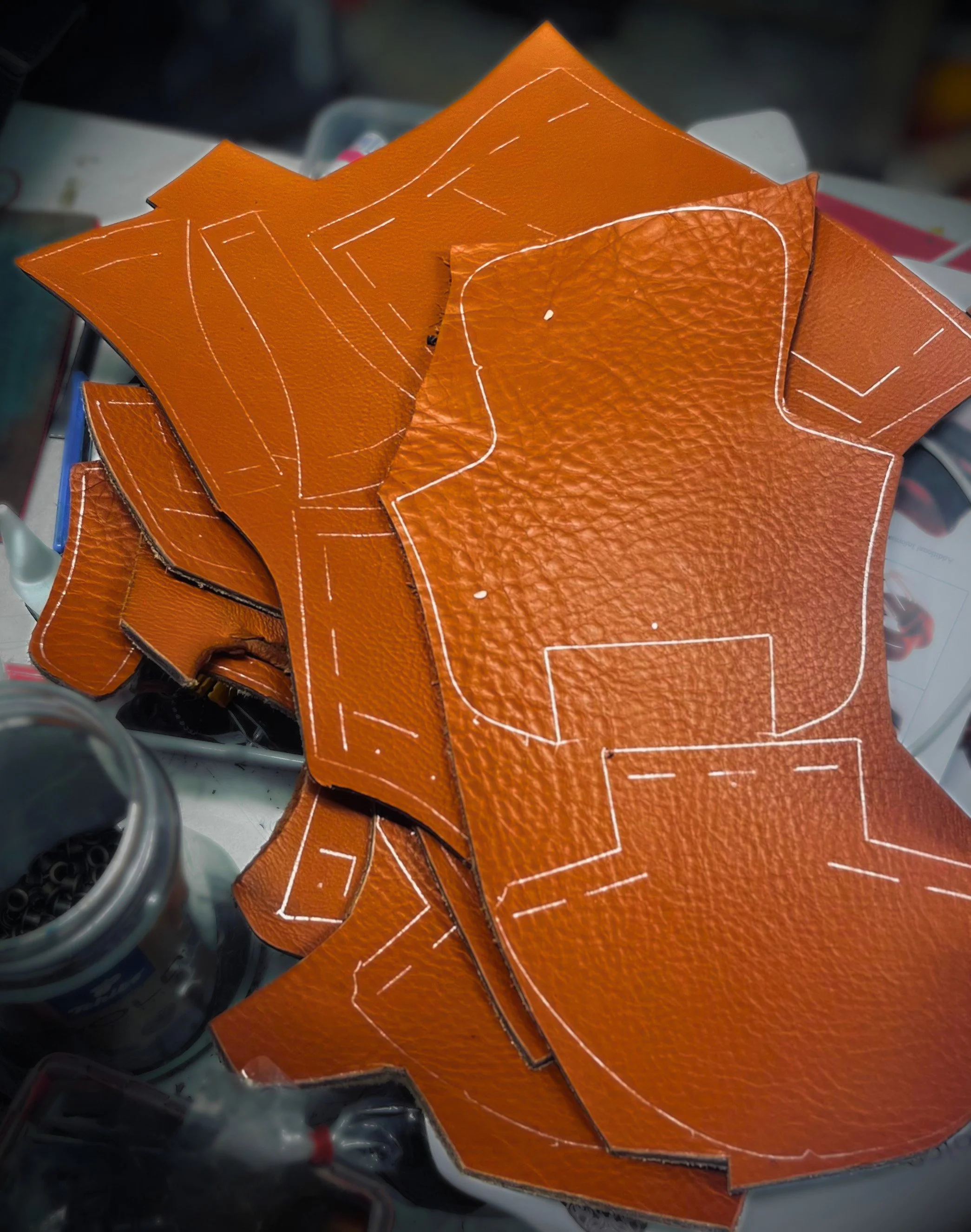
At Naang, our lining leather is much thinner and softer than our outer leather because it has a different job to do. The upper takes the knocks from the outside. The lining sits against your socks and needs to feel comfortable while handling repeated flexing, rubbing, and moisture. That’s why we choose different leather for different parts of a boot.
Leather lining is breathable, can absorb moisture, and gradually conforms to your foot as the boots break in. That helps a properly fitted boot develop a more comfortable, familiar feel with wear.
Why Does Naang Build Boots With a Full Leather Lining?
Because it’s awesome, and so are our boots.
Okay, I suppose I owe you a little more context, dear reader.
Naang uses a full leather lining because we want an interior that holds up to hard wear and becomes more comfortable as you wear it. Every step creates movement between your sock and the lining. Over time, that repeated rubbing can wear through the material, particularly around the heel. In our own wear testing, we’ve worn through multiple outsoles and the original leather linings were still holding up well. That’s the kind of durability we’re after.
A full leather lining also adds substance and some structure to the upper. That extra layer can mean a longer break-in period, depending on the leather and construction. As the leather softens and conforms to your foot, the boot develops that familiar feel that makes you keep reaching for the same pair.
We build boots with the ambition that they’ll outlast us. Whether they get there depends on how they’re worn, cared for, and repaired, but choosing durable components gives them a fighting chance. Fabric linings last for a year, maybe two, at best. For the boots we build, we trust the leather we’ve selected and worn ourselves.
Leather still needs care and time to dry between wears. It isn’t immune to odor or damage. But if you eventually wear through the lining, that doesn’t automatically mean the boot is finished. Depending on the condition of the surrounding leather, a worn lining can be replaced as part of a boot rebuild.
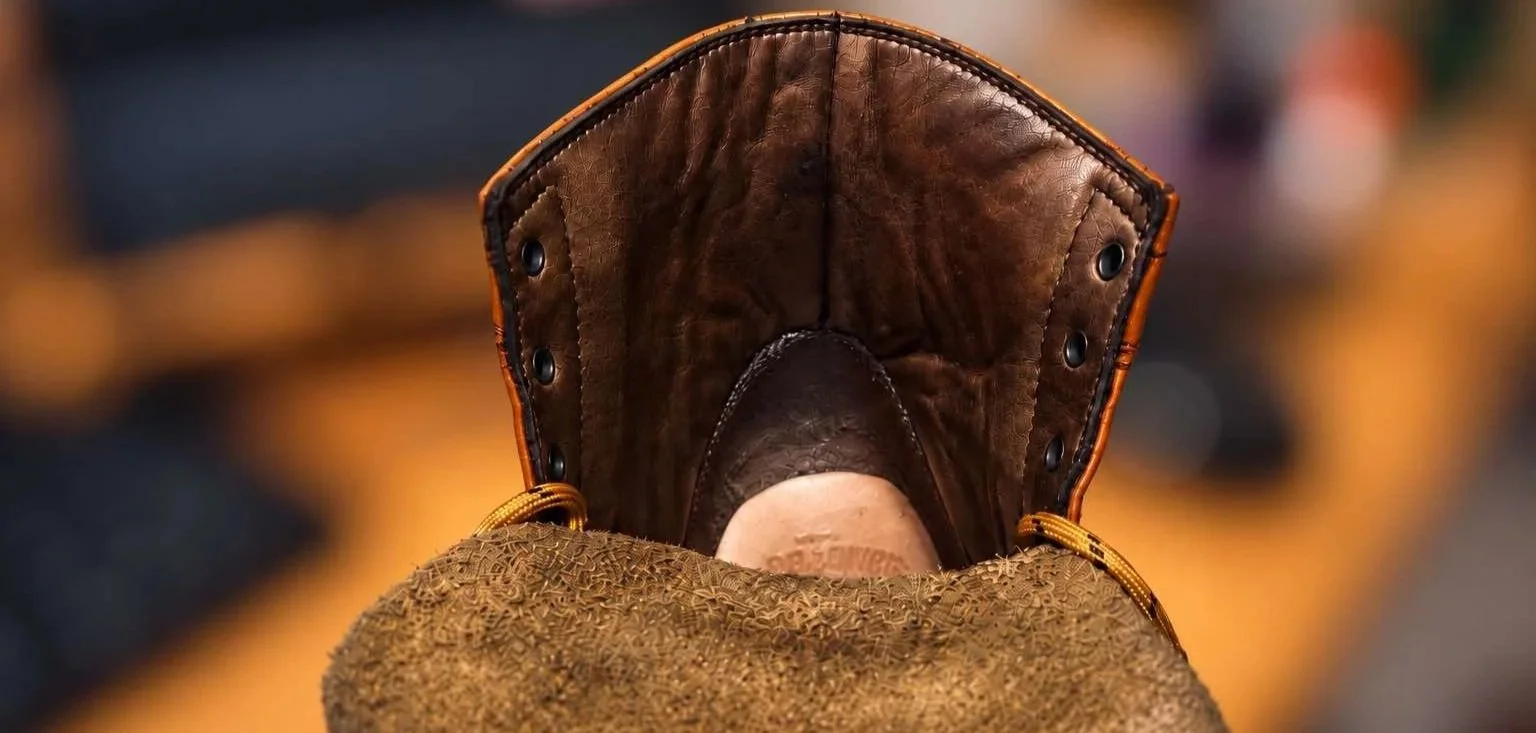
What Are the Benefits of a Leather Boot Lining?
Beyond the ruggedness and longevity we’ve already discussed, long-term comfort tops my list. A leather boot lining gradually softens and conforms to your foot through repeated wear. Flexing, pressure, and moisture all contribute to that process, helping a properly fitted boot feel more familiar and comfortable with time.
That’s one of my favorite things about wearing leather-lined boots. You feel the difference as they break in. The lining becomes more supple and settles around the contours of your foot. It’s part of what changes during boot break-in, alongside the changes happening in the upper and the leather underfoot.
Moisture absorption is another benefit. Leather can absorb some of the moisture your feet produce during wear, but it needs an opportunity to release that moisture afterward. Giving your boots time to dry between wears is part of keeping the lining comfortable and in good condition.
And then there’s the funk (not the George Clinton type). Nobody wants their favorite boots smelling like wet-aged gym socks. Fabric liners create a great environment for smelly bacteria to grow. Leather isn’t fully antibacterial, but it does a much better job of staying fresh, especially if you take care of them.
Keep the interior clean, wear clean socks, and let your boots dry properly. Those habits help control odor and preserve the lining you’ve spent all that time breaking in.

Does Leather Boot Lining Last Longer Than Fabric?
In our experience, a well-chosen leather lining holds up better than the fabric linings ever will. That’s what I’ve been getting at this whole time.
The useful evidence is what happens inside a worn pair. In our own Naang boots, we’ve worn through outsoles while the original leather linings were still doing their job. That’s what we want: a lining that stays comfortable and serviceable when the boots come back for another sole.
That doesn’t mean every leather lining will outlast every fabric lining. Material quality, thickness, construction, fit, and care all affect how quickly a lining wears. Leather can wear through, too.
We choose our lining leather with repeated rubbing and years of wear in mind. Its performance in the boots we actually wear is why we keep using it.
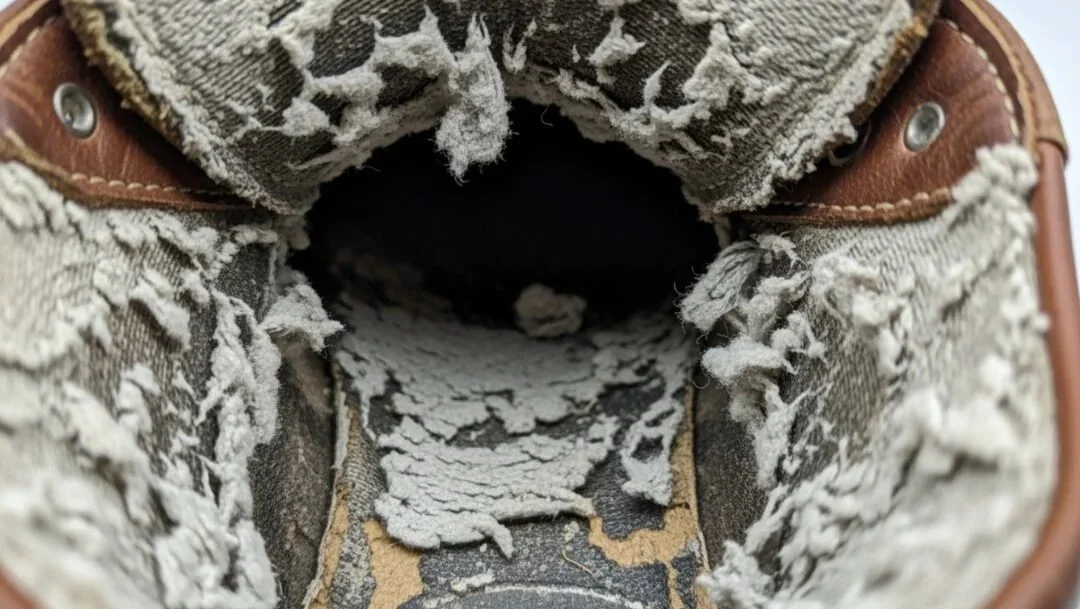
A Fabric Boot Liner Failing Inside the Boot.
What Are the Tradeoffs of a Full Leather Lining?
I’ll take a full leather lining in my boots every time. But that choice comes with tradeoffs, including some extra weight, potential stiffness, and a little upkeep. For me, those are reasonable compromises for the kind of boot we build at Naang.
First is break-in. An additional layer of leather adds some stiffness to the upper, depending on its thickness and softness. It needs time to flex and settle around your foot. A soft fabric lining may feel more forgiving immediately, although the upper, sole, and other components still affect how a boot breaks in. With leather, that gradual softening is part of what I enjoy about wearing the boots, and that full leather liner improves your fit over time as it breaks in.
Next is weight. A full leather lining adds more weight than a lightweight fabric lining. How much depends on the materials and coverage, but if you’re counting every gram, then your boot isn’t going to have much, if any leather at all. At Naang, we’re willing to accept that extra weight to get the rugged boot we want.
There’s also drying time. Leather absorbs moisture, and a soaked leather-lined boot can take longer to dry than one with a quick-drying textile lining. That matters if you’re wearing the same pair every day or heading out on a multiday trip. Give your boots time to air out, and follow our guide to drying wet leather boots.
Finally, there’s upkeep. Wipe the lining with a lightly damp cloth when it needs cleaning, then let it dry naturally. Occasional conditioning with a product suitable for the lining leather can help keep it supple. Use a small amount and follow the product instructions. More conditioner isn’t better, and the lining doesn’t need a fresh coat every time you clean your boots.
That’s a little more attention than a textile lining typically needs. For me, it’s a manageable part of owning leather boots, and a tradeoff I’m happy to make.
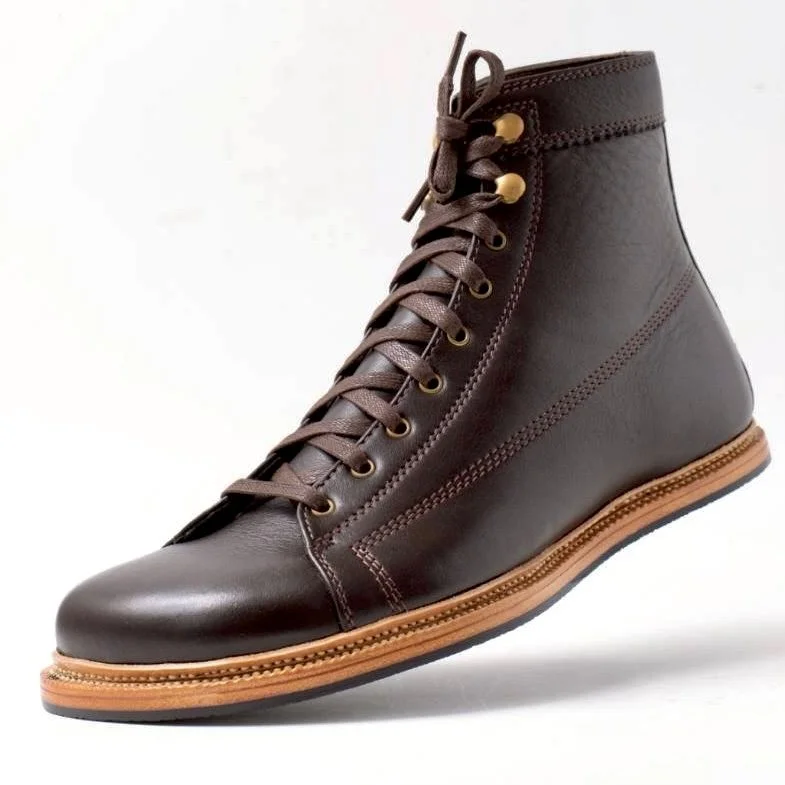
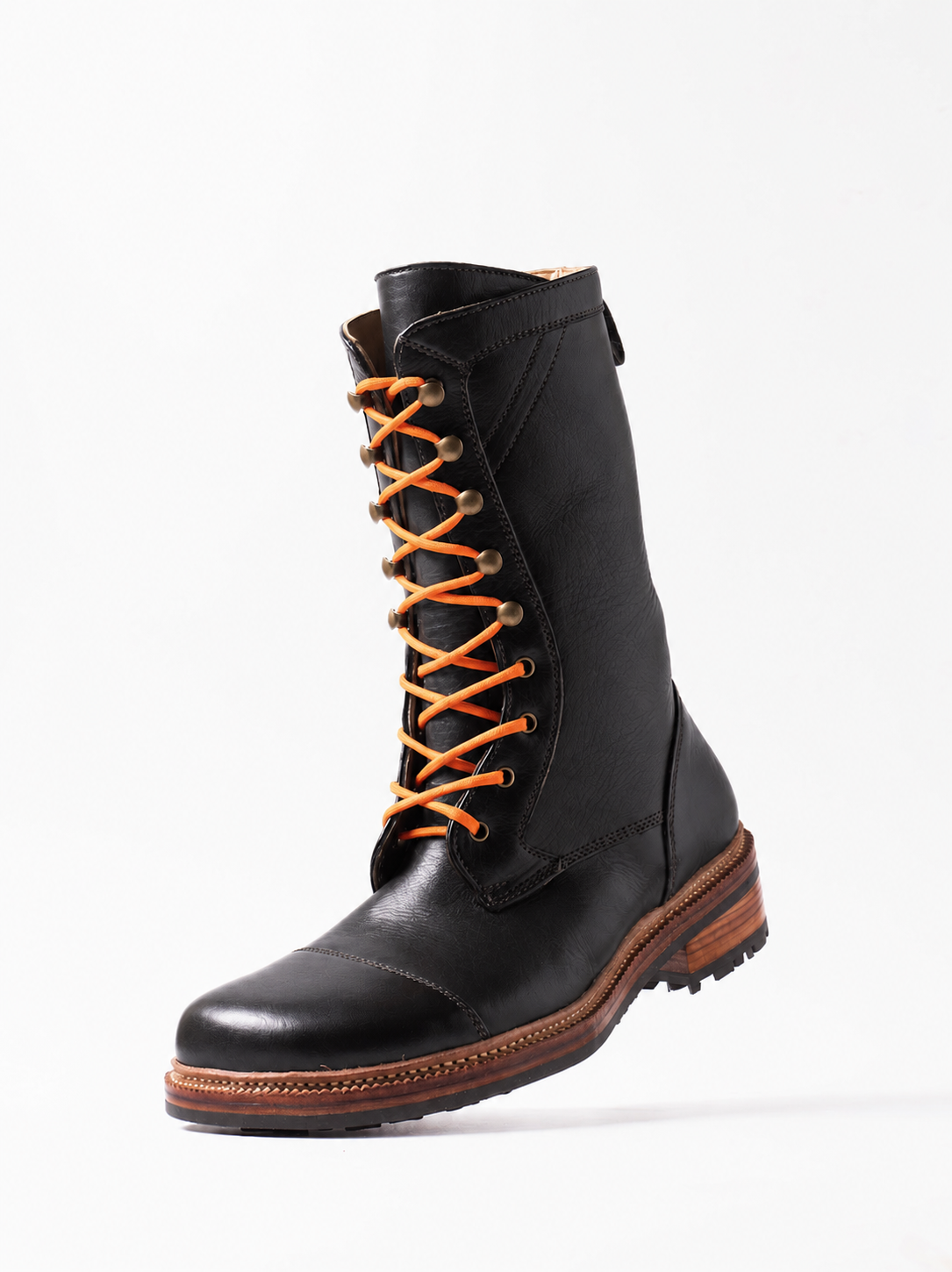
Shop Fully Leather Lined Naang Boots
What Leather Does Naang Use for Its Boot Linings?
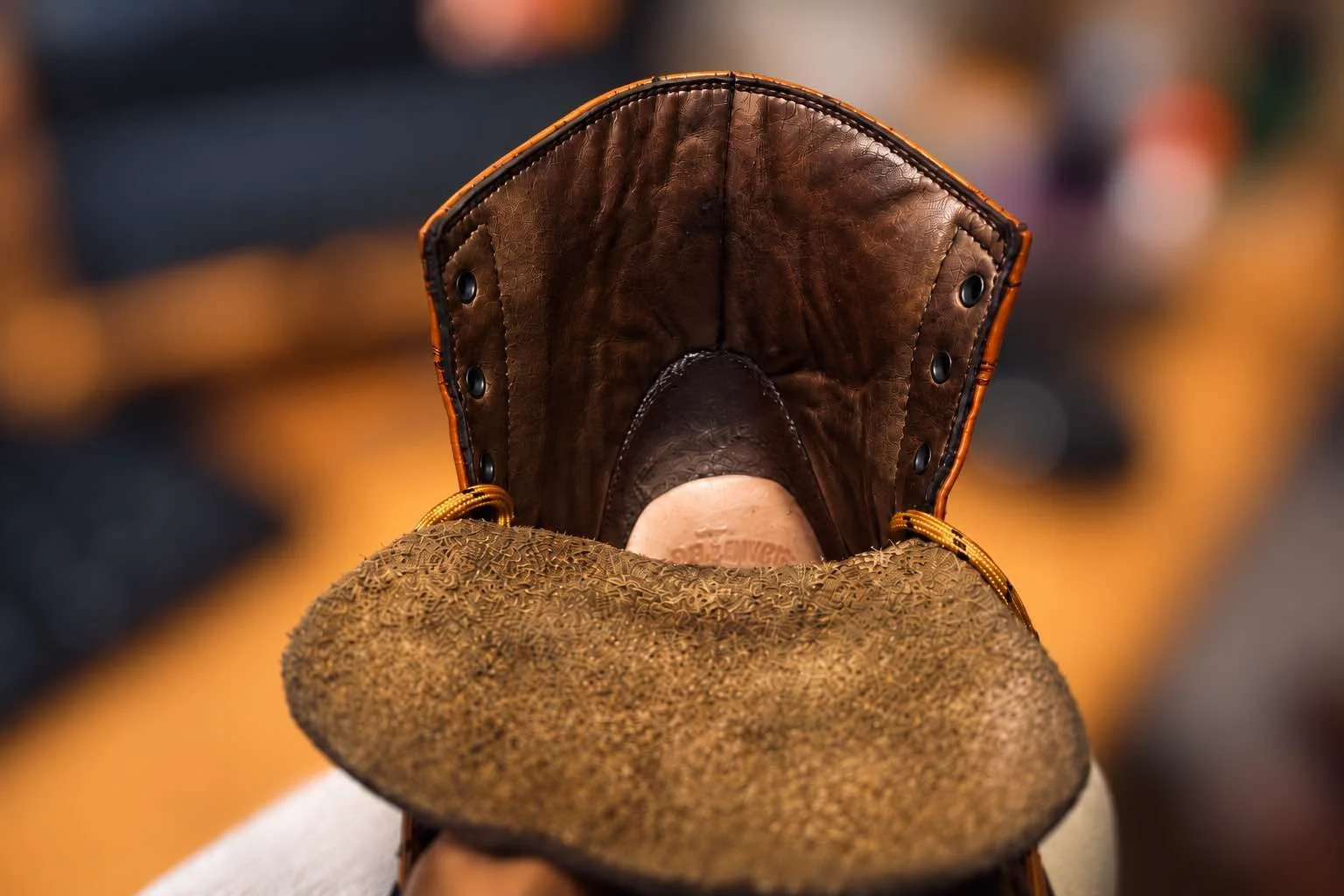
Naang uses a thin, minimally finished cowhide made specifically for boot linings. It gives you a supple leather interior without adding excessive weight or unnecessary stiffness. Our upper leather does the heavy lifting on the outside. The lining has a different job, so we choose accordingly.
Our lining leather comes from the same tannery that supplies our upper leather. Its tanning and finishing are tailored to lining use, with a light finish that preserves the leather’s ability to breathe and absorb moisture. Its thinness also helps keep the lining flexible, so it can settle around your foot without adding substantially to the boot’s break-in.
There’s also a little trick we use in the heel pocket. We add a leather patch with the roughout side facing your sock. That textured surface gives the heel pocket a bit more grip, helping limit unwanted movement while the boot breaks in and settles around your heel.
The roughout patch is there to help your heel feel secure from the start. It works alongside the boot’s shape, sizing, and lacing, all of which play a role in how much heel slip you experience. It’s a small construction detail, but one we deliberately build into the fit.
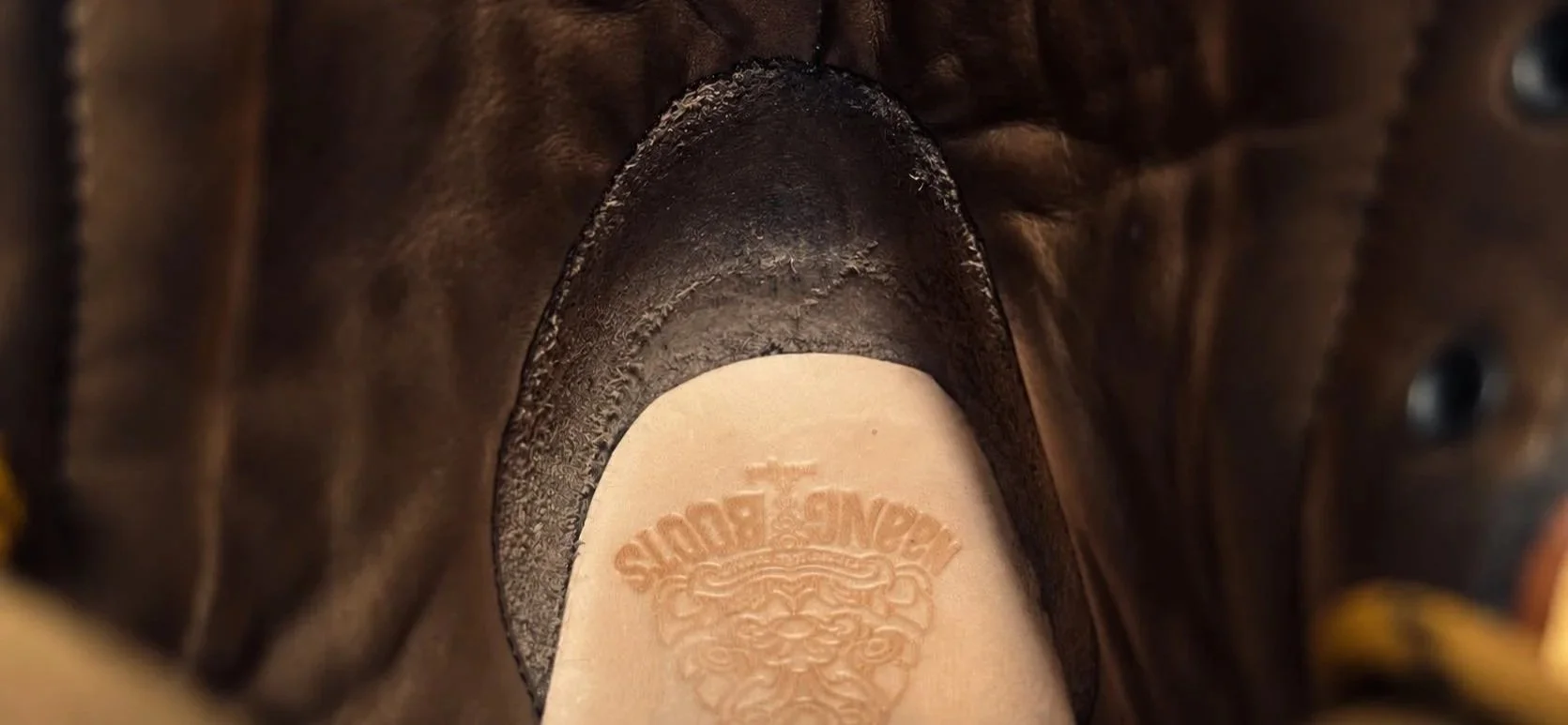
The Roughout Leather Patch in the Heel Pocket of Naang Boots
How Do You Care for a Leather Boot Lining?
Caring for your leather boot lining is fairly straightforward. After wearing your boots, give them time to dry out naturally. The lining absorbs some of the moisture your feet produce, and that moisture needs time to evaporate. Loosen the laces, open the tongues, and let air circulate. Keep them away from direct heat. If you have particularly sweaty feet or were out for a long hike, point a fan at them to add some airflow to the mix.
Every now and then, wipe the lining with a damp cloth. Damp, not wet. Get inside the boot, wipe away dirt and sweat residue, then let it dry naturally.
If the interior gets grimy, use a gentle cleaner suitable for leather linings and work it over the surface with your damp cloth. A little elbow grease helps, but you don’t need to scrub aggressively or soak the leather. For boots that are already soaked, follow our guide to drying wet leather boots.
Once the lining is dry, apply a tiny amount of a light conditioner suitable for lining leather. An appropriate leather cream can work, but skip heavy treatments such as mink oil. Use just enough to work a thin layer into the leather, then give it time to absorb before wearing the boots again. Follow the product’s instructions, and avoid coating the roughout heel patch with cream or wax.
On my own boots, I wipe down the lining every few weeks, then leave the boots for a day or two to air out. When I clean and condition the outside, I check the lining and give it the same attention if it needs it. Cleaning comes first, drying comes next, and conditioner goes on sparingly afterward. I generally allow another day or two before wearing them again.
Neglected leather lining can become stiff and develop cracks, eventually leaving rough or worn-through areas against your foot. Keep it clean, give it time to dry, and condition it when needed. That’s how you preserve the supple lining you’ve spent all that time breaking in.
Frequently Asked Questions About Leather Boot Linings
What is a full leather boot lining?
A full leather boot lining is a layer of leather covering the inside of the boot’s upper, including the forefoot, heel, and shaft. It sits against your socks and is separate from the insole beneath your foot. “Full” describes the lining’s coverage, rather than the thickness or grade of leather.
Does full leather lining mean full-grain leather?
No. “Full leather lining” describes which material lines the boot and how much of the interior it covers. “Full-grain” describes leather that retains its original grain surface. A boot can have a full leather lining without that lining being full-grain leather.
What leather does Naang use for its boot linings?
Naang uses thin, minimally finished cowhide made specifically for lining footwear. It comes from the same tannery that supplies our upper leather, but its tanning and finishing are tailored to a different job. We choose it for a supple interior without adding excessive weight or stiffness.
Is leather boot lining better than fabric?
Yes. For the boots we build at Naang, leather is our preference because of its durability, feel, and ability to conform with wear. Lightweight textile linings can offer advantages in weight and drying time. The useful comparison is between specific materials and constructions, because neither leather nor fabric comes in just one quality or thickness.
Does leather boot lining last longer than fabric?
Yes. A well-chosen leather lining will outlast fabric linings. Leather quality, textile construction, fit, moisture, and care all affect wear. At Naang, we select lining leather with long-term use in mind, rather than treating the interior as a component that matters only when the boots are new.
Do leather-lined boots need more break-in?
Yes. An additional leather layer can contribute to initial stiffness, but thin, supple lining leather may need little breaking in. The upper, sole, and overall construction also affect the process more. Our guide to what changes during boot break-in explains these differences.
Does leather lining mold to your feet?
Leather lining gradually softens and conforms to the contours of your foot through wear. That can help a properly fitted boot become more comfortable. It won’t correct a boot that is too short or has the wrong shape for your foot.
Are leather-lined boots suitable for hot weather?
Leather-lined boots can be comfortable in hot weather, but the lining alone doesn’t determine temperature. Upper thickness, socks, activity, and humidity also matter. Leather can absorb some moisture during wear, but it needs time to dry afterward. A full leather lining doesn’t guarantee cool or dry feet.
Does leather lining make boots waterproof?
No. A leather lining is not a waterproof membrane. Water resistance depends on the entire boot, including its upper, seams, tongue construction, and sole attachment. Leather lining can become saturated if water gets inside.
Do leather boot linings prevent odor?
Sort of. No lining material guarantees odor-free boots. Leather-lined boots can develop a smell if moisture and sweat residue accumulate. Wear clean socks, clean the lining when needed, and let the interior dry between wears. Conditioner is a leather-care product, not an odor treatment.
What is the difference between leather-lined and unlined boots?
Leather-lined boots have an additional leather layer inside the upper. Unlined boots expose the inner surface of the upper leather in the unlined areas, although they may still have localized reinforcement or lining. An unlined construction removes that extra layer, but comfort and durability still depend on the leather, seams, and fit.
Why does Naang use a roughout leather patch in the heel?
Naang places a leather patch in the heel pocket with its textured roughout side facing your sock. We use that surface to add grip and help limit heel movement during break-in. It works alongside correct sizing, heel shape, and lacing. It cannot compensate for an oversized boot. Read more about why heel slip happens in boots.
How do you clean a leather boot lining?
Remove loose debris, then wipe the lining with a soft, damp cloth. Damp, not soaking wet. For stubborn grime, use a gentle cleaner suitable for lining leather and follow its instructions. Let the interior dry naturally before conditioning or wearing the boots again.
Should you condition a leather boot lining?
Condition a leather lining sparingly when it needs it, using a product suitable for that leather. Sweat can contribute to leather becoming dry and stiff, but excessive treatment can interfere with breathability. Apply a small amount and let it absorb. Avoid coating Naang’s roughout heel patch with cream or wax.
Can you use mink oil on a leather boot lining?
You shouldn’t. For Naang’s leather lining, we recommend avoiding heavy treatments such as mink oil. Use a small amount of a suitable light leather cream or conditioner instead. Check that the product is appropriate for lining leather, and don’t assume that everything you use on the upper belongs inside the boot.
How often should you clean and condition leather boot linings?
Base the routine on use and condition. On my own boots, I wipe the lining every few weeks and check it when I clean and condition the uppers. Conditioning is less frequent and only as needed. Heavy sweating or dirty conditions may call for more frequent cleaning, but they don’t automatically call for more conditioner.
How do you dry the inside of leather-lined boots?
Loosen the laces, open the tongues, and leave the boots somewhere dry with good airflow, away from direct heat. Drying time depends on how wet they are and the surrounding humidity. Don’t assume they’re ready just because the outside feels dry. See our guide to drying wet leather boots.
Why does boot lining wear through at the heel?
Repeated rubbing between your sock and the heel pocket can gradually wear the lining. Excessive heel movement, trapped grit, and deteriorated leather can contribute. If wear repeatedly develops in the same place, check the fit and lacing as well as the lining itself. Conditioning cannot repair leather that has already worn through.
Can a leather boot lining be repaired or replaced?
Often, yes. Localized heel wear may be repairable with a patch, while more extensive damage can require a larger lining repair or replacement. The options depend on construction and the condition of the surrounding leather. For Naang boots, contact us with photographs so we can assess the damage and discuss repair or rebuild options.
What to Read Next


All Boots Are Made-To-Order. Current Lead Time: 60-90 Days.
The Winnfield is built to walk the earth. This limited edition pairs red goat leather with our anatomical toe box and lace-to-toe design, giving your toes room to spread and letting you adjust the fit across your forefoot.
Built with 360° hand-welted construction and a full leather lining, these 6-inch boots are available with a zero-drop sole or minimal heel.
Upper: Limited edition red goat leather
Construction: 360° hand-welted
Lacing: Lace-to-toe for adjustable forefoot fit
Shaft height: 6 inches
Fit: Anatomical toe box
Last Options: Zero drop or minimal heel
Lining: Full leather lining
Not sure about your size? Check our Sizing Guide. Or Contact Us.
Worldwide shipping available.