How To Dry Wet Leather Boots

Sidth taking off his soaked boots after a river crossing
Drying wet boots is not something that should be rushed. If there’s one thing to remember, it’s this: dry your boots slowly and avoid direct heat. Leather, adhesives, stitching, and even the shape of the boot can all be damaged by excessive heat or improper drying methods.
Getting your boots wet is inevitable. Whether you’re hiking through the backcountry, riding through a rainstorm, crossing a river, or simply caught out in bad weather, sooner or later every good pair of boots is going to end up soaked.
The good news is that water usually isn’t what ruins a pair of boots. More often than not, the damage comes from drying them incorrectly.
In this guide, we’ll walk through the right way to dry wet boots, the common mistakes that can shorten their lifespan, and a few tips and tricks I’ve picked up over years of hiking, traveling, and riding motorcycles in all kinds of conditions.
Table of Contents
Why You Should Never Rush Drying Wet Boots
When your boots are soaked, the temptation is always the same: find the nearest heat source and dry them as quickly as possible. Unfortunately, that’s often the fastest way to damage a good pair of boots.
Leather is a natural material. As it dries, it loses moisture and oils that help keep it flexible. If that drying process happens too quickly, the leather can become stiff, shrink, crack, or lose its shape. The hotter the drying environment, the greater the risk.
It’s not just the leather that can suffer. Excessive heat can weaken adhesives, dry out welts, cause insoles to warp, and accelerate wear throughout the boot. Even boots built with durable construction methods like hand welting or stichdown can be negatively affected if they are repeatedly exposed to high heat during the drying process.
The irony is that getting your boots wet is rarely what causes long-term damage. Quality boots are designed to handle rain, mud, stream crossings, and harsh conditions. The real danger often comes afterward when people place their boots next to a campfire, on top of a heater, or in direct sunlight in an attempt to speed things up.
Over the years, I’ve ridden motorcycles through tropical storms, hiked in constant rain, and crossed more rivers than I can count. I’ve learned that patience is one of the most important parts of boot care. A pair of boots that dries slowly and naturally will usually recover just fine. A pair of boots that gets cooked beside a heat source may never feel quite the same again.
Before we get into the step-by-step process, remember this simple rule: wet boots are temporary. Heat damage is permanent.
The Best Way to Dry Wet Boots
If you’re looking for the short answer, here it is: dry your boots slowly at room temperature and away from direct heat.
While there are countless tricks and gadgets marketed as the fastest way to dry wet boots, the safest and most effective method has remained largely unchanged for generations. The goal is not to remove moisture as quickly as possible. The goal is to remove moisture while causing as little stress to the leather and construction of the boot as possible.
For most wet leather boots, the process is simple:
Remove the laces.
Remove the insoles if they are removable.
Wipe away any standing water and mud.
Stuff the boots with an absorbent material.
Allow them to dry naturally at room temperature.
Replace the stuffing as it becomes damp.
Condition the leather once the boots are fully dry.
This method works whether you’re drying hiking boots after a river crossing, work boots after a rainy day on the job site, or motorcycle boots after hours spent riding through bad weather. Regardless of the leather type these rules apply.
The key is patience. Depending on how wet the boots are, the drying process may take anywhere from several hours to a couple of days. That can feel slow when you’re eager to get back on the trail, road, or job site, but giving your boots the time they need to dry properly will help preserve the leather, maintain their shape, and extend their lifespan.
In the next section, we’ll break down each step in detail and explain why each one matters.
Check Out Our Handmade Boots
~
Check Out Our Handmade Boots ~
How to Dry Wet Boots Step by Step
Now that we’ve covered the basic principles, let’s walk through the process step by step.
None of these steps are particularly complicated, but each one plays an important role in helping your boots dry thoroughly while minimizing stress on the leather and construction.
The following process is the method I’ve relied on for years in everything from working in horrible weather, to tropical downpours to multi-day adventures where wet boots were simply part of the journey.
Remove Laces and Insoles
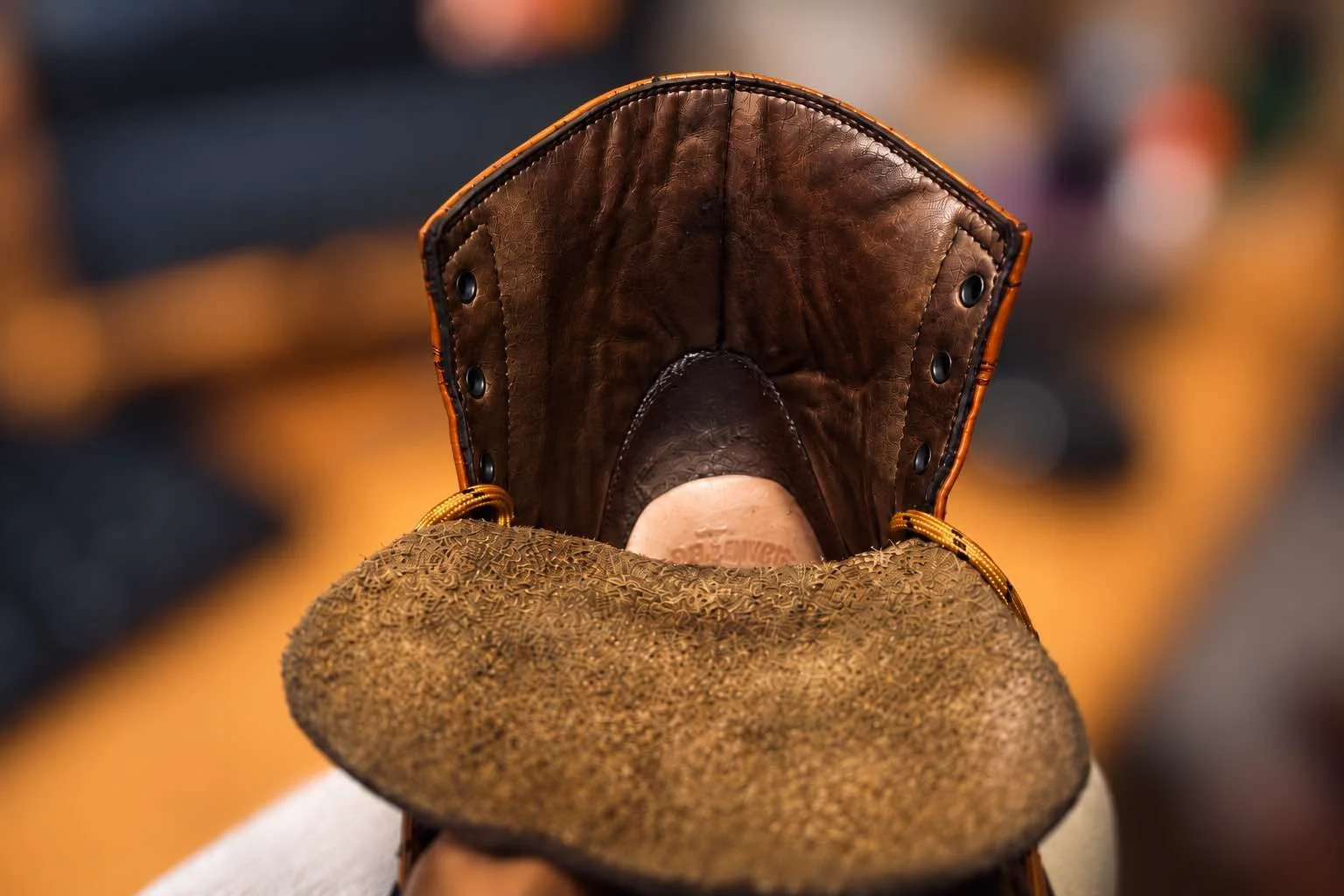
The first step is to open the boots up as much as possible. Remove the laces completely and, if your boots have removable insoles, take those out as well.
This serves two purposes. First, it improves airflow throughout the boot, allowing moisture to escape more easily. Second, it gives the tongue, eyelet area, and footbed a chance to dry properly. These are often some of the slowest areas of a boot to dry because moisture can become trapped between layers of leather.
If the laces are wet, set them aside to dry separately. The same applies to removable insoles. Insoles tend to absorb a surprising amount of water and can remain damp long after the rest of the boot appears dry. Drying them separately will help speed up the overall process and reduce the chance of lingering moisture or odors inside the boot.
For boots with a gusseted tongue, take a moment to open the tongue out as far as the design allows. The more air you can get into the boot during the drying process, the more effectively moisture will be able to escape.
It may seem like a small step, but properly opening the boot before drying lays the foundation for everything that follows.
Wipe Away Surface Water
Before you begin the drying process, take a few minutes to remove any excess moisture from the outside of the boot.
Use a clean towel, rag, or cloth to wipe away standing water from the leather, welt, sole, and hardware. The goal isn’t to dry the boot completely at this stage, but simply to remove as much surface moisture as possible before letting the boot air dry naturally. You will be surprised by how much moister a dry rag will pull off the surface of a soaked boot.
If your boots have been exposed to mud, sand, or dirty water, now is also a good time to clean them. Mud and grit can trap moisture against the leather and may cause unnecessary wear if left in place as the boots dry. A quick rinse or wipe-down is usually all that’s needed.
Pay particular attention to seams, welts, and the area around the tongue where water often collects. These spots tend to hold moisture longer than the larger, exposed surfaces of the boot.
This step only takes a few minutes, but removing excess water early helps the rest of the drying process work more efficiently and reduces the amount of moisture the leather has to hold as it dries.
Stuff the Boots
Once you’ve removed the excess surface water, it’s time to focus on the moisture trapped inside the boots.
One of the simplest and most effective ways to do this is by stuffing the boots with an absorbent material. Newspaper has traditionally been the go-to choice because it is inexpensive, readily available, and does an excellent job of pulling moisture out of the interior of the boot. Paper towels, shop towels, or clean absorbent cloths can also work well.
Loosely fill the boots from toe to heel, making sure the material reaches deep into the toe box where moisture often accumulates. The stuffing should fill the boot without being packed tightly. Airflow is still important, and overstuffing can actually slow the drying process.
As the paper or cloth absorbs moisture, it will become damp. For heavily soaked boots, especially after a river crossing or a day of riding in heavy rain, you may need to replace the stuffing several times during the first day. Give the boots a check every few hours. The wetter the boots are, the more frequently you’ll need to replace the stuffing. Each fresh batch will continue drawing moisture away from the inside of the boot.
Eventually, you’ll reach a point where the paper or cloth is no longer pulling a significant amount of moisture from the boot. When that happens, remove the stuffing and leave the boots empty. At this stage, increased airflow will help the remaining moisture evaporate more efficiently and speed up the final stages of the drying process.
Beyond helping remove moisture, stuffing also helps the boots maintain their shape while they dry. This is particularly beneficial for leather boots, as leather can become more susceptible to shrinking or deforming as it loses moisture.
It isn’t the most exciting part of the process, but a few minutes spent stuffing your boots can dramatically reduce drying time and help ensure they come out the other side looking and fitting the way they should.
Let Them Dry Naturally
With the excess water removed and the interior moisture being drawn out, the next step is the most important one: leave the boots alone and let them dry naturally.
Place the boots in a dry, well-ventilated area at room temperature where air can circulate freely around them. A covered porch, mudroom, garage, workshop, or any indoor space with decent airflow works well. The exact location matters less than avoiding excessive heat.
This is where many people make their biggest mistake. Wet boots can feel miserable to wear, and the temptation to speed up the drying process is strong. Resist it. Don’t place your boots beside a heater, on top of a radiator, in front of a space heater, or next to a campfire. Excessive heat can dry the leather too quickly, causing it to become stiff, brittle, shrink, or crack.
Direct sunlight should also be avoided, especially in hot climates. While a little morning sun is unlikely to cause problems, leaving wet leather boots baking in the afternoon sun for hours can have many of the same negative effects as artificial heat.
Good airflow is your friend. Heat is not.
Depending on how wet the boots are, this stage may take anywhere from several hours to a couple of days. That’s perfectly normal. Quality leather boots are designed to handle getting wet. Giving them the time they need to dry properly is one of the simplest things you can do to extend their lifespan.
Remember, the goal isn’t to dry your boots as quickly as possible. The goal is to dry them without damaging them.
Replace Damp Paper as Needed
Yes, I know we already talked about this in the previous section.
I’m bringing it up again because it’s important, and there’s a good chance you’ve already forgotten.
Stuffing your boots with newspaper or another absorbent material works because that material pulls moisture out of the boot. But once the paper becomes saturated, it stops absorbing water. At that point, you’ve essentially filled your boot with a wet sponge.
If you leave soaked paper sitting inside the boot, you’re no longer helping the drying process. In fact, you’re slowing it down. The moisture has nowhere to go, and the boot can remain damp far longer than necessary.
Check the stuffing every few hours, especially during the first day if the boots were heavily soaked. When the paper feels damp, replace it with fresh paper and let it continue pulling moisture from the interior of the boot.
Eventually you’ll notice that the replacement paper is no longer getting particularly wet. That’s your signal that most of the moisture has been removed. At that point, remove the stuffing completely and allow the boots to finish drying with the interior open to the air.
It might seem like a small detail, but regularly changing the paper is one of the easiest ways to dramatically speed up the drying process while still avoiding the risks that come with using heat.
Condition the Leather
Once your boots are completely dry, there’s one final step that many people overlook: restoring moisture to the leather.
Leather is a natural material, and even when you dry your boots properly, some of the oils and moisture that help keep it flexible can be lost during the wetting and drying process. Conditioning helps replenish those oils, keeping the leather supple and reducing the risk of stiffness, dryness, or cracking over time.
The key word here is completely. Don’t apply conditioner to damp boots. If moisture is still trapped in the leather, applying conditioner too early can interfere with the drying process. Give the boots the time they need to fully dry before reaching for any leather care products.
Once the boots are dry, apply a quality leather conditioner according to the manufacturer’s instructions. You don’t need to saturate the leather. A light, even application is usually all that’s required. Afterward, allow the conditioner time to absorb before wearing the boots again.
Not every time your boots get slightly damp will require conditioning. If you were caught in a light rain shower and the boots dried quickly, you’re probably fine. But if your boots were thoroughly soaked during a river crossing, a multi-day hike, or a long ride through heavy rain, conditioning them afterward is a good habit to develop.
Think of conditioner as recovery for your boots. Just as your body benefits from proper recovery after a hard day on the trail, your boots benefit from a little care after they’ve been through the same experience.
Shop Naang Boots
Common Mistakes That Can Ruin Wet Boots
At this point, you know how to dry wet boots properly.
Now let’s talk about how people destroy them.
Almost every mistake people make when drying boots comes from the same place: impatience. Wet boots are uncomfortable, and nobody wants to wait a day or two for them to dry. Unfortunately, many of the shortcuts people use to speed up the process can do more damage than the water ever did.
Here are some of the most common mistakes to avoid.
Don’t Put Boots Near a Heater
If there’s one mistake that probably destroys more boots than any other, it’s placing wet boots next to a heater.
On the surface, it seems logical. Heat speeds up evaporation, so putting your boots beside a heater should help them dry faster. The problem is that leather doesn’t care about your schedule.
When leather is exposed to excessive heat, it can dry out far too quickly. This rapid loss of moisture can cause the leather to stiffen, shrink, lose flexibility, and eventually crack. Once that damage occurs, no amount of conditioner can fully reverse it.
It’s not just the leather that’s at risk. Modern boots often contain adhesives, synthetic components, foam materials, and insoles that can all be negatively affected by prolonged exposure to heat. Even traditionally constructed boots can suffer if they’re repeatedly dried this way.
If you absolutely must use a heated room to dry your boots, keep them well away from the heat source itself. Let the warm air in the room do the work rather than exposing the boots directly to concentrated heat.
Remember, the goal isn’t to dry your boots as quickly as possible. The goal is to dry them in a way that allows you to keep wearing them for years to come.
Don’t Use a Hair Dryer
A hair dryer is really just a portable heater, which means it comes with many of the same risks.
While it may seem like a good way to target the inside of a wet boot, the concentrated heat can dry the leather unevenly and far too quickly. In some cases, the leather closest to the airflow can become overly dry while other areas of the boot remain damp.
The problem is even worse because people tend to hold the hair dryer close to the boot in an effort to speed things up. This exposes the leather to temperatures far higher than it would experience during normal use and can lead to stiffness, shrinkage, and premature cracking.
Hair dryers can also create a false sense of progress. The surface of the boot may feel dry to the touch while moisture remains trapped deeper inside the leather or footbed. This often results in boots that seem dry but still feel damp when worn a few hours later.
If you’re tempted to reach for a hair dryer, you’re usually better off spending that same time replacing the newspaper or absorbent material inside the boot and letting airflow do the rest.
Your boots may take a little longer to dry, but they’ll be far happier for it.
Don’t Put Boots in a Clothes Dryer
This one should be obvious, but every year people do it.
A clothes dryer combines two things that leather boots hate: heat and tumbling. Neither is good for your boots on its own. Together, they’re even worse.
The heat can dry out the leather, damage adhesives, and cause components to shrink or deform. Meanwhile, the constant tumbling can stress stitching, damage hardware, scuff the leather, and potentially alter the shape of the boot itself.
Even if the boots survive the experience without obvious damage, you’re putting unnecessary wear on them for very little benefit. More often than not, the outside of the boot will dry much faster than the inside, leaving you with the same problem you were trying to solve in the first place.
There’s also a practical consideration: heavy boots banging around inside a clothes dryer can be pretty hard on the dryer as well.
If you’ve made it this far in the article, you already know the better approach. Remove the moisture gradually, allow plenty of airflow, and give the boots the time they need to dry naturally.
Your boots will thank you. Your dryer probably will too.
Don’t Leave Wet Boots in a Hot Vehicle
After a long day on the trail or a ride through bad weather, it can be tempting to toss your wet boots into the back of the truck, close the door, and deal with them later.
Unfortunately, that’s often the worst thing you can do.
A parked vehicle can become surprisingly hot, even on days that don’t feel particularly warm. In direct sunlight, temperatures inside a vehicle can quickly climb high enough to create many of the same problems caused by heaters and hair dryers. Leather can dry too quickly, adhesives can be stressed, and components can begin to deform.
The problem is made worse by the lack of airflow. Instead of drying naturally, moisture can become trapped inside the boot between the liner and upper, while the exterior is exposed to excessive heat. It’s a combination that does neither the leather nor the overall construction any favors.
If you need to transport wet boots, leave them somewhere they can breathe. Crack open the boot tops, remove the insoles if possible, and give them access to fresh air as soon as you can.
A vehicle is fine for getting your wet boots home. It just shouldn’t be where you leave them to dry.
Don’t Dry Them in Direct Sunlight
At first glance, drying boots in direct sunlight seems like a natural solution. After all, it’s free heat, free light, and plenty of fresh air.
The problem is that the sun is still a heat source.
Just like a heater or hair dryer, prolonged exposure to direct sunlight can cause leather to dry too quickly. As moisture leaves the leather too rapidly, the fibers can become stiff, leading to shrinkage, loss of flexibility, and eventually cracking. Dark-colored leathers are especially vulnerable since they absorb more heat than lighter colors.
Sunlight can also cause leather to fade over time, particularly if the boots spend long periods exposed to strong UV rays. While a single afternoon isn’t likely to ruin a pair of boots, repeated exposure can gradually affect both the appearance and condition of the leather.
A little indirect sunlight or a well-ventilated shaded area is perfectly fine. In fact, good airflow is one of the best things you can give a wet pair of boots. What you want to avoid is leaving them sitting for hours in intense direct sun while they bake dry.
When it comes to drying boots, think shade and airflow, not heat and sunlight.
Your boots don’t need a tanning session. They just need time to dry.
How to Dry Boots on the Trail or During a Motorcycle Trip
Everything we’ve covered so far works perfectly when you’re at home. But what happens when you’re halfway through a multi-day hike, camping in the backcountry, or several days into a motorcycle trip and your boots get soaked?
The reality is that sometimes you don’t have the luxury of a warm workshop, a stack of newspapers, or 48 hours to let your boots dry properly. When you’re living out of a backpack, tent, or motorcycle pannier, the goal shifts from completely drying your boots to managing moisture and keeping them as dry and comfortable as possible.
Over the years, I’ve spent plenty of nights with wet boots after river crossings, unexpected storms, and long days on the road. While there are no magic solutions, there are a few tricks that can make life considerably more comfortable until you have the opportunity to properly dry your boots.
Let’s take a look at some practical field-expedient methods that actually work.
Change Into Dry Socks as Soon as Possible
If you have a spare pair of socks, use them.
Wet boots are uncomfortable. Wet boots combined with wet socks are miserable. Even if your boots are still damp inside, putting on a dry pair of socks can make a huge difference in comfort and help reduce the chances of developing hot spots and blisters.
Whenever possible, carry at least one spare pair of socks on longer hikes, motorcycle trips, or overlanding adventures. Few pieces of gear offer a bigger comfort boost for their size and weight.
Use Whatever Absorbent Material You Have Available
You probably won’t have a stack of newspapers sitting in your backpack or panniers, but the same principle still applies.
Paper towels from a gas station, napkins from a restaurant, shop towels, spare clothing, or any reasonably absorbent material can be used to help pull moisture out of the boot. It may not be perfect, but even removing some of the moisture can make a noticeable difference.
Just remember the same rule applies in the field as it does at home: once the material becomes saturated, replace it if possible.
Take Advantage of Airflow
Airflow is one of the most effective tools you have when drying boots in the field.
During breaks, loosen your laces, open the boots up, and let them breathe. If you’re riding a motorcycle, stop for a coffee, pull the boots off, and let them sit in the open air while you rest. If you’re hiking, take advantage of lunch stops and camp breaks to do the same.
You’d be surprised how much moisture can escape from a boot during a short stop if you simply give it the opportunity.
Be Careful Around Campfires
Every experienced hiker has seen it happen.
Someone places their wet boots beside the fire before bed, only to wake up and find leather that has hardened, shrunk, or partially melted components.
A campfire can dry boots quickly, but it can also destroy them quickly. If you choose to use a fire to help dry your boots, keep them well back from the heat and focus on warm airflow rather than direct heat. Personally, I’d rather deal with slightly damp boots than risk cooking a good pair of leather boots.
Accept That Sometimes Your Boots Will Stay Wet
This might be the most important field tip of all.
In some environments, especially during extended periods of rain or on trips involving repeated river crossings, your boots may never fully dry until you return home. At that point, the goal isn’t to achieve perfectly dry boots. The goal is to manage moisture, protect your feet, and prevent things from getting worse.
Change socks when you can. Air the boots out whenever possible. Remove moisture where practical. Then keep moving.
Sometimes adventure is muddy, wet, and uncomfortable. That’s just part of the experience.
The good news is that quality boots are built for exactly those kinds of days.
How Long Do Wet Boots Take to Dry?
One of the most common questions people ask after getting their boots wet is, “How long will they take to dry?”
Unfortunately, there isn’t a single answer.
The drying time for wet boots depends on several factors, including how saturated they are, the thickness of the leather, the humidity of the environment, air circulation, temperature, and whether you’ve taken steps to remove moisture from the inside of the boot.
As a general rule, lightly damp boots may dry overnight, while heavily soaked boots can easily take several days to dry completely.
Here are some rough guidelines:
Lightly damp from rain or dew
8–12 hours
Moderately wet
12–24 hours
Thoroughly soaked
24–48 hours
Heavy leather boots after river crossings or prolonged rain
48+ hours
Keep in mind that these are only estimates. A pair of lightweight synthetic hiking boots drying in a dry climate may dry much faster, while a heavily built leather boot drying in a humid environment may take considerably longer.
The mistake many people make is assuming their boots are dry simply because the exterior feels dry to the touch. In reality, moisture often remains trapped deep inside the leather, footbed, lining, or toe box long after the outside appears dry.
When in doubt, give them more time.
A few extra hours of drying is a small price to pay compared to the potential damage caused by trying to rush the process.
Conditioning Leather After Boots Get Wet
We’ve already touched on conditioning as part of the drying process, but it’s worth taking a closer look at why this step matters.
Leather is remarkably durable, but it isn’t indestructible. Every time leather gets wet and then dries, it loses a small amount of the natural oils that help keep it flexible and resilient. Over time, repeated wetting and drying without proper care can leave leather feeling dry, stiff, and more prone to cracking.
The good news is that this is easy to prevent.
Once your boots are completely dry, applying a quality leather conditioner helps restore some of the oils and moisture that were lost during the drying process. This helps keep the leather supple, improves long-term durability, and can even enhance water resistance depending on the product being used.
It’s important not to overdo it. More conditioner is not necessarily better. Most quality leather conditioners work best when applied in thin, even coats. The goal is to nourish the leather, not saturate it.
It’s also worth remembering that not every pair of wet boots requires immediate conditioning. If your boots got slightly damp during a short walk in light rain, you’re probably fine. If they were thoroughly soaked during a river crossing, a multi-day hike, or a long ride through heavy weather, conditioning afterward is generally a good idea.
Think of leather conditioner as preventative maintenance. A few minutes of care after your boots dry can help preserve their comfort, appearance, and longevity for years to come.
Frequently Asked Questions About Drying Wet Boots
Drying wet boots is one of those topics that generates a surprising number of questions. Here are answers to some of the most common questions hikers, motorcyclists, workers, and outdoor enthusiasts ask about drying and caring for wet leather boots.
Can Leather Boots Get Wet?
Yes. Quality leather boots are designed to handle rain, wet trails, river crossings, and other challenging conditions. Getting leather boots wet occasionally will not ruin them. The biggest risk usually comes from drying them incorrectly rather than from the water itself.
What Is the Fastest Way to Dry Wet Boots?
The safest way to dry wet boots is to remove the laces and insoles, stuff them with absorbent material, and allow them to dry naturally in a well-ventilated area. While direct heat may dry boots faster, it can also damage the leather and shorten the lifespan of the boots.
Can I Dry Boots With a Hair Dryer?
No, It’s not recommended. A hair dryer can expose leather to excessive heat, causing it to dry unevenly, stiffen, shrink, or crack. Natural airflow is a much safer option.
Can I Put Wet Boots Near a Heater?
No. Placing wet boots near a heater can dry the leather too quickly, leading to stiffness, cracking, shrinkage, and premature wear. Keep boots away from direct heat sources and allow them to dry naturally.
Can I Put Boots in a Clothes Dryer?
No. The combination of heat and tumbling can damage leather, stitching, hardware, adhesives, and the overall shape of the boot. Boots should always be air dried.
How Long Do Wet Boots Take to Dry?
Most wet boots take between 12 and 48 hours to dry, depending on how saturated they are, the thickness of the materials, humidity levels, and airflow. Heavily soaked leather boots may take longer.
Should I Stuff Wet Boots With Newspaper?
Yes. Newspaper is one of the most effective ways to absorb moisture from inside a wet boot. Replace the paper as it becomes damp and remove it completely once it stops drawing out significant moisture.
Can Wet Leather Boots Be Saved?
In most cases, yes. Even heavily soaked leather boots can usually be restored if they are dried slowly, kept away from direct heat, and conditioned after they are fully dry.
Do I Need to Condition Leather Boots After They Get Wet?
Not always. Light exposure to rain usually doesn’t require conditioning. However, if your boots become thoroughly soaked, applying a quality leather conditioner after they are completely dry can help restore lost oils and maintain the health of the leather.
Is Direct Sunlight Bad for Wet Boots?
Yes. Prolonged exposure to direct sunlight can cause leather to dry too quickly, potentially leading to stiffness, fading, shrinkage, and cracking. A shaded, well-ventilated area is a better choice.
Why Do My Boots Still Feel Damp After Drying?
The exterior of a boot can feel dry while moisture remains trapped inside the leather, lining, footbed, or toe box. This is why it’s important to allow adequate drying time and not rely solely on how the outside of the boot feels.
How Do I Stop Wet Boots From Smelling?
Remove the insoles, allow the boots to dry completely, and replace damp stuffing material regularly during the drying process. Most boot odors are caused by moisture remaining trapped inside the boot.
A Note From the Workshop
Before we wrap up, I want to share two tricks I’ve picked up over the years that can help speed up the drying process without exposing your boots to the risks that come with direct heat.
The first is using a dehumidifier. Whenever I have a pair of boots that have been completely soaked through, I’ll often place them in a room with a dehumidifier running. The drier the air around the boots, the more moisture the leather can release into the environment. You’re not adding heat, you’re simply improving the conditions for evaporation to occur.
The second trick is to use a fan.
Notice that throughout this article I’ve been talking about airflow, not heat. A fan helps increase air movement around the boots, allowing moisture to evaporate more efficiently without exposing the leather to damaging temperatures. I don’t point the fan directly into the boots like a wind tunnel. Instead, I simply place it nearby and let it circulate air through the room and around the boots.
In my experience, the combination of a fan and a dehumidifier can dramatically reduce drying time while still allowing the boots to dry safely.
I even use the same principle when I’m camping. I normally carry a small fan in my tent to improve ventilation and comfort while sleeping. If my boots are completely saturated after a day on the trail, I’ll often position the fan so that it circulates air around them overnight. They may not be completely dry by morning, but they’ll usually be noticeably drier than if I had simply left them sitting in still air.
Neither of these tricks replaces patience. A heavily soaked pair of leather boots is still going to take time to dry properly. But if you’re looking for ways to help the process along without risking damage to the leather, a dehumidifier and a fan are two of the best tools I’ve found.
Final Thoughts
Getting your boots wet is part of the adventure.
Whether you’re hiking through the backcountry, riding through a storm, crossing a river, or simply caught in unexpected rain, sooner or later every good pair of boots is going to end up soaked. The good news is that quality boots are built for exactly that kind of use.
The mistake many people make is treating wet boots like an emergency. It isn’t. Leather boots have been carrying people through rain, mud, rivers, and harsh weather for centuries. A little water isn’t going to ruin a well-made pair of boots.
What can ruin them is impatience.
If you take nothing else away from this article, remember these three principles:
Remove moisture gradually.
Maximize airflow.
Avoid direct heat.
Follow those simple rules and your boots will usually come through even the wettest days without issue.
Over the years I’ve dried boots after tropical downpours, river crossings, muddy trails, and countless motorcycle trips. The lesson has always been the same: water is temporary, heat damage is often permanent.
Give your boots the time they need to dry properly, condition them when necessary, and they’ll continue serving you for years to come.
After all, boots aren’t meant to spend their lives sitting on a shelf. They’re meant to be worn, tested, scuffed, soaked, dried, and taken on adventures. Getting them wet is part of the story.
What to Read Next

All Boots Are Made-To-Order. Current Lead Time: 60-90 Days.
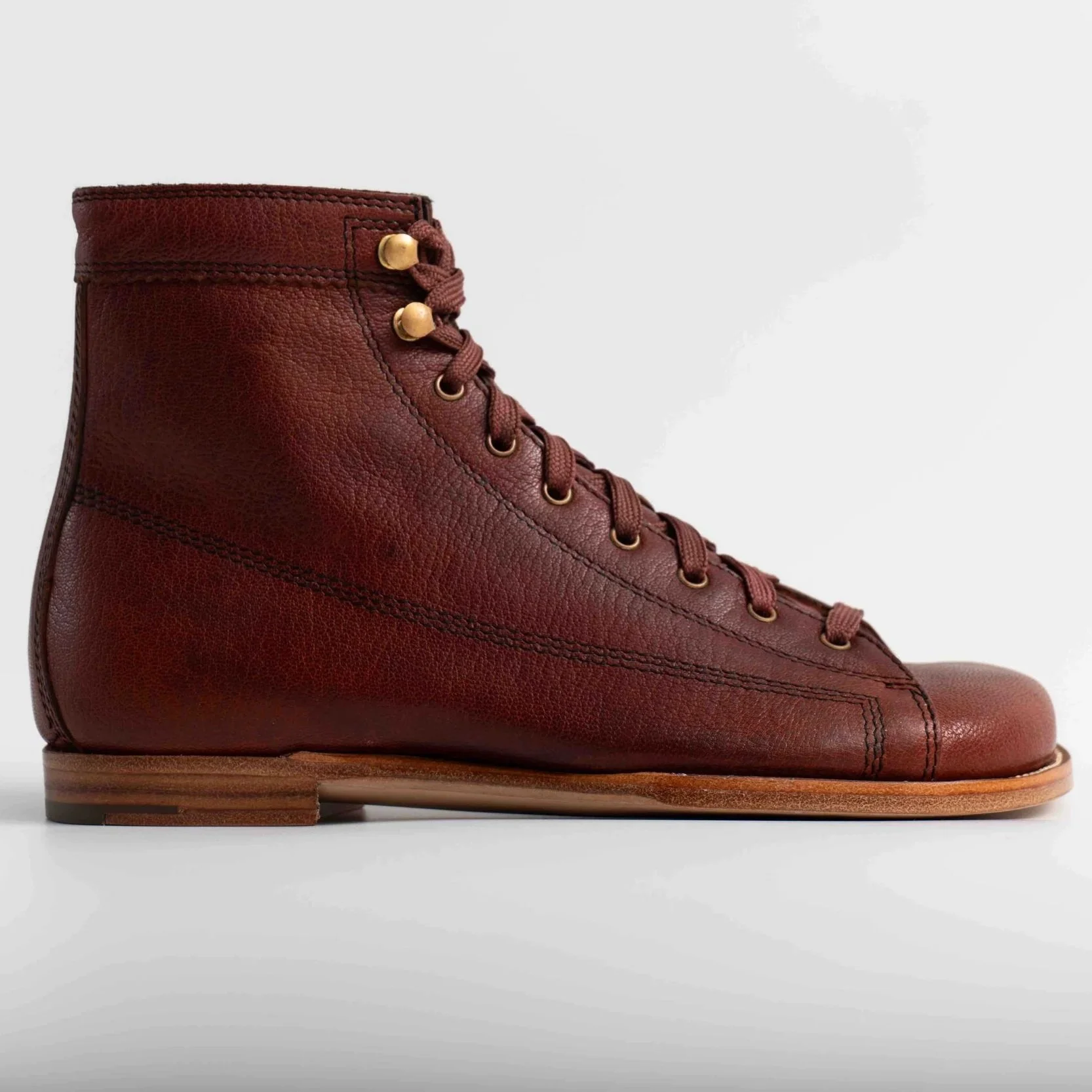
The Winnfield is built to walk the earth. This limited edition pairs red goat leather with our anatomical toe box and lace-to-toe design, giving your toes room to spread and letting you adjust the fit across your forefoot.
Built with 360° hand-welted construction and a full leather lining, these 6-inch boots are available with a zero-drop sole or minimal heel.
Upper: Limited edition red goat leather
Construction: 360° hand-welted
Lacing: Lace-to-toe for adjustable forefoot fit
Shaft height: 6 inches
Fit: Anatomical toe box
Last Options: Zero drop or minimal heel
Lining: Full leather lining
Not sure about your size? Check our Sizing Guide. Or Contact Us.
Worldwide shipping available.