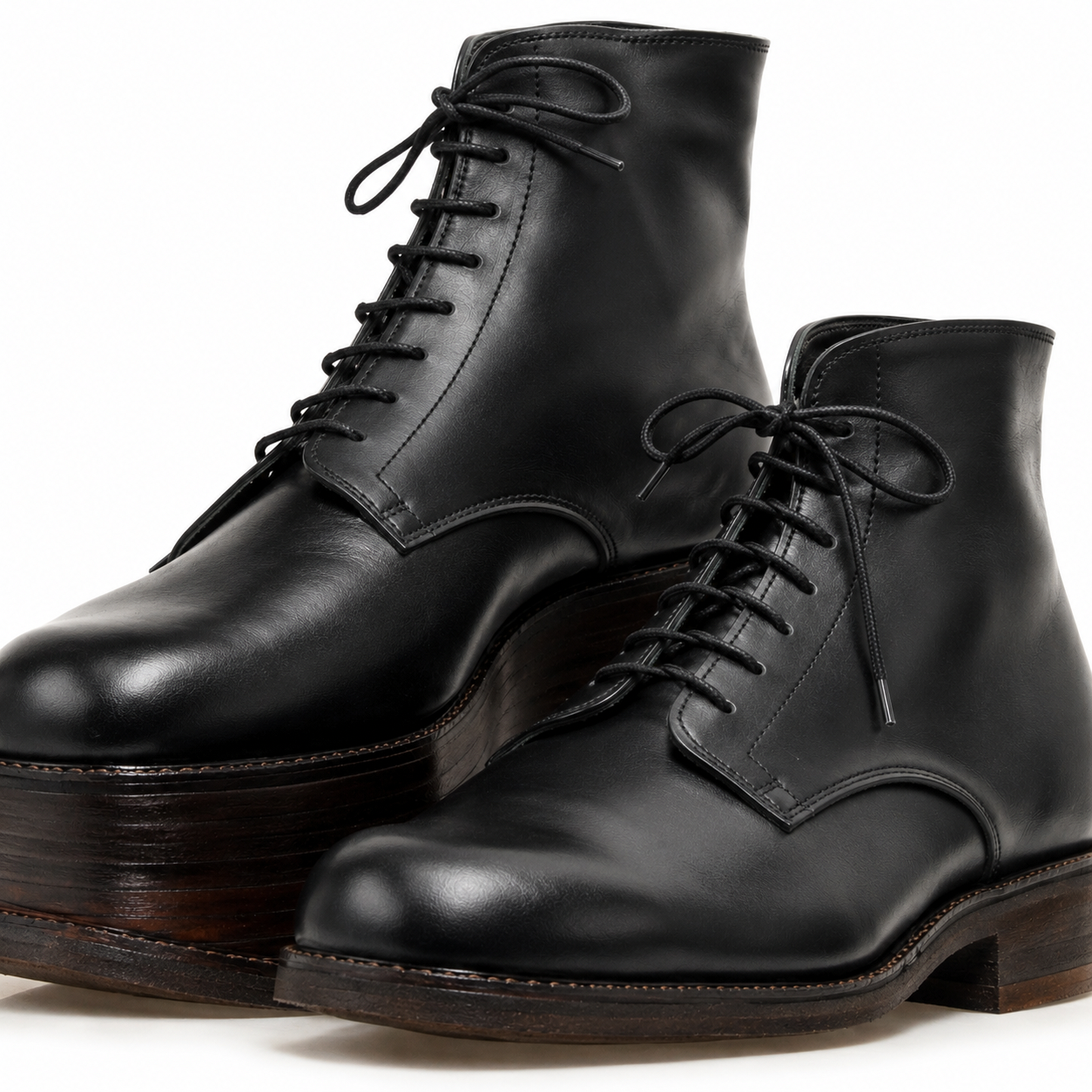
Naang Boots Articles
Boot Break-In: What Changes and What Doesn't
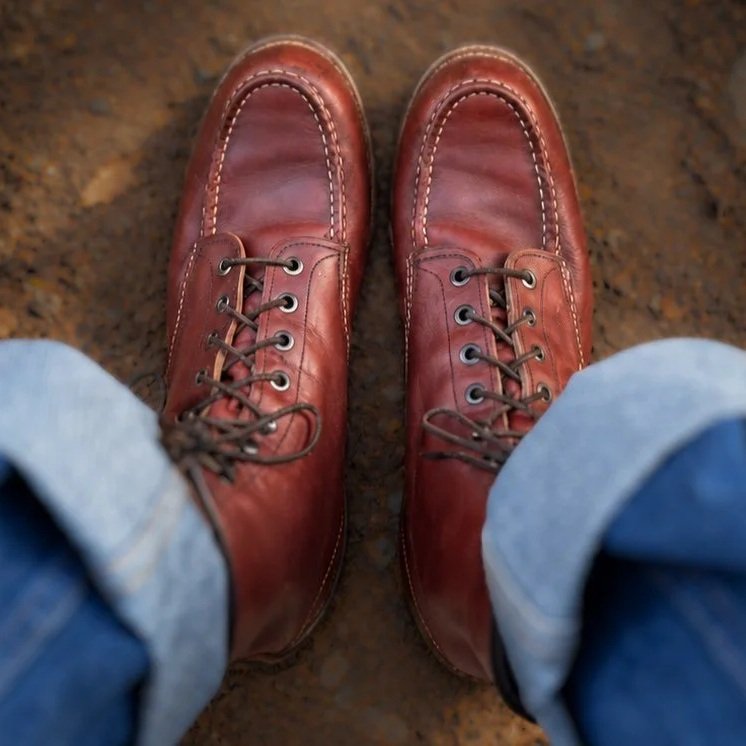
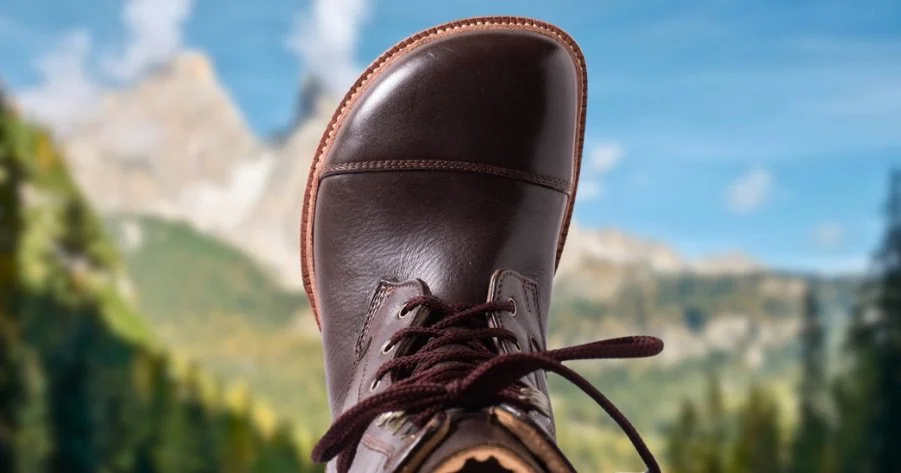
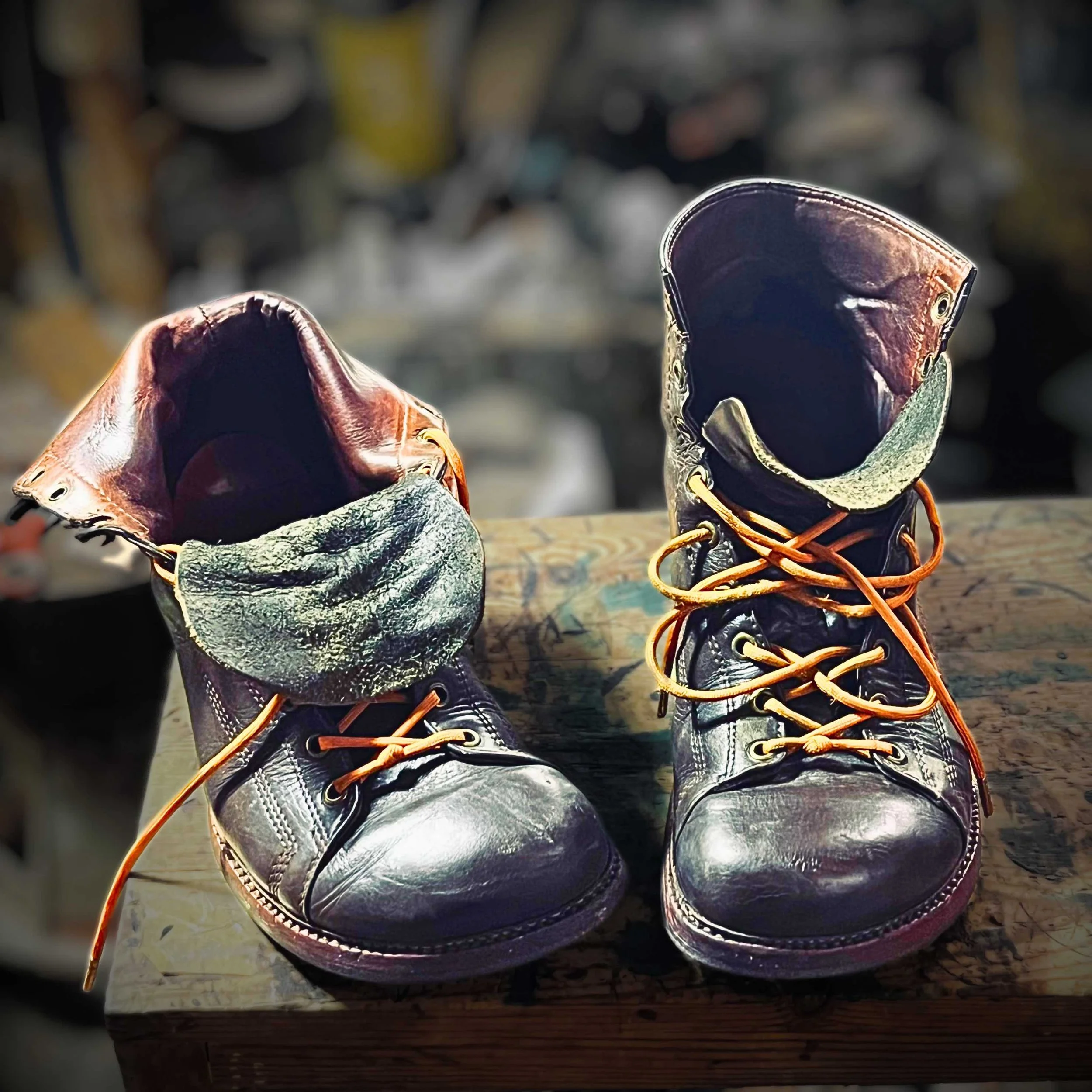
Most leather boots need some break-in. As the leather softens, flexes, and molds to your feet. But there are limits to what that process can change, and the excuse of “they just need breaking in” gets used to explain away plenty of fit problems.
Boots Should Fit Your Feet: The Case for Anatomical Design
There’s always new research coming out about foot anatomy and footwear, and I try to keep up with it as part of my job designing Naang Boots. And to be clear, no single paper is going to give us all the answers; that’s why I have to read just about all of them.
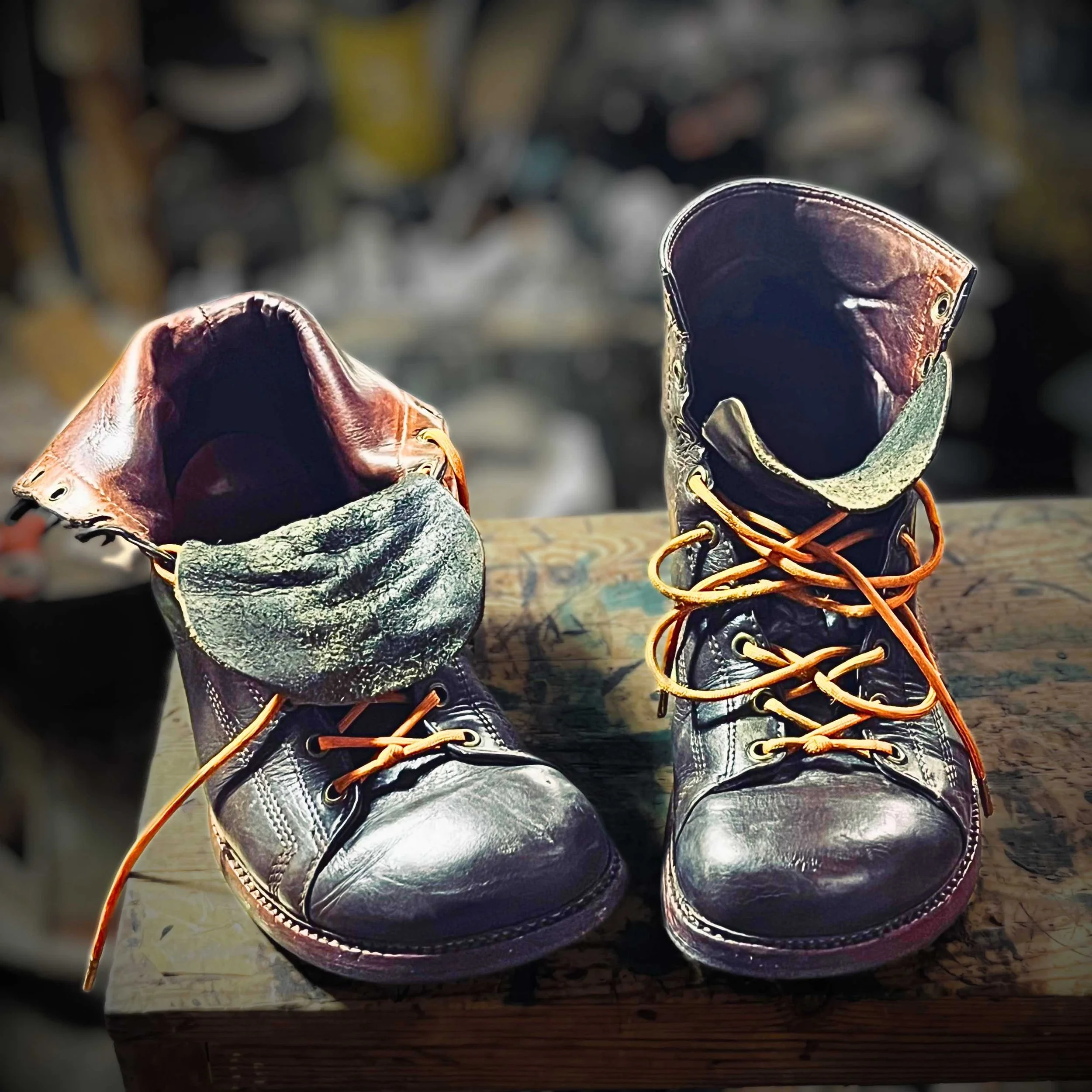
What Makes a Boot Rebuildable?
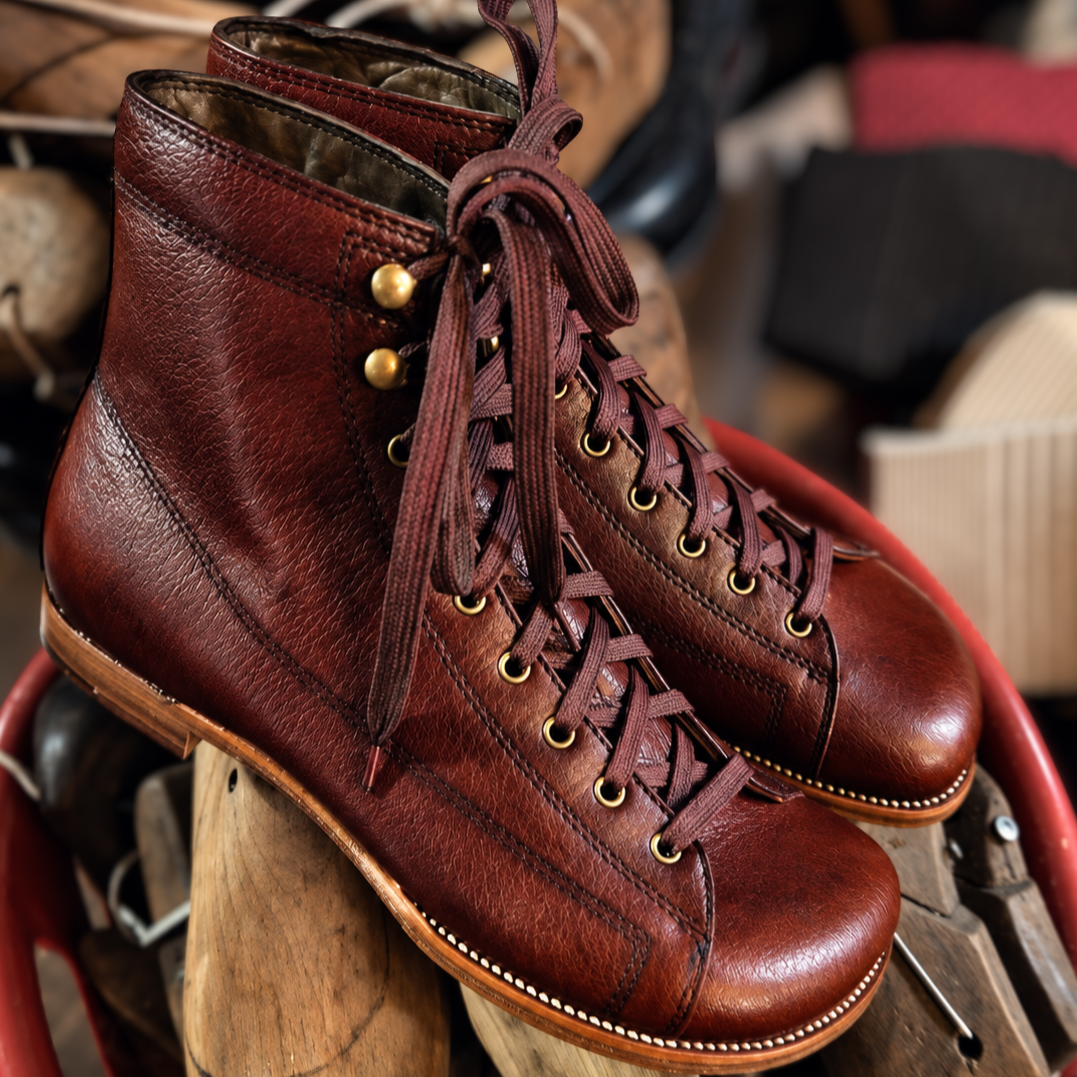
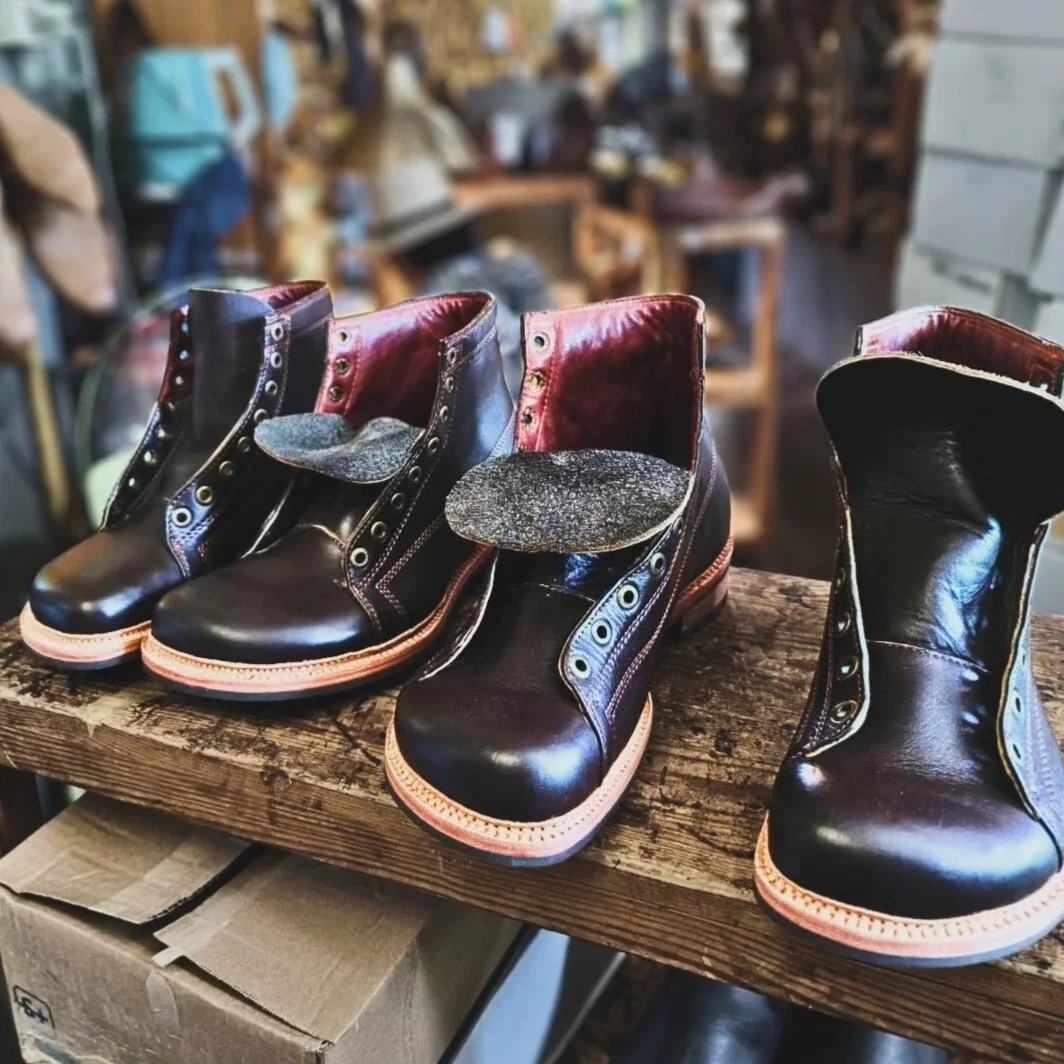
Most of us know that a good pair of boots can be resoled. But some heritage boots can go a step further. Rebuildable boots can be taken apart so worn or damaged components beyond the outsole can be replaced, keeping the parts that still have life in them.

What Did He Just Say?
I wasn’t expecting to find a connection between Naang Boots and hip-hop while working on boot designs the other day. But one line in a Czarface track brought back a memory from more than 20 years ago, right around the time I started getting serious about my feet.
It’s a six-degrees-of-separation kind of story, so stick with me.
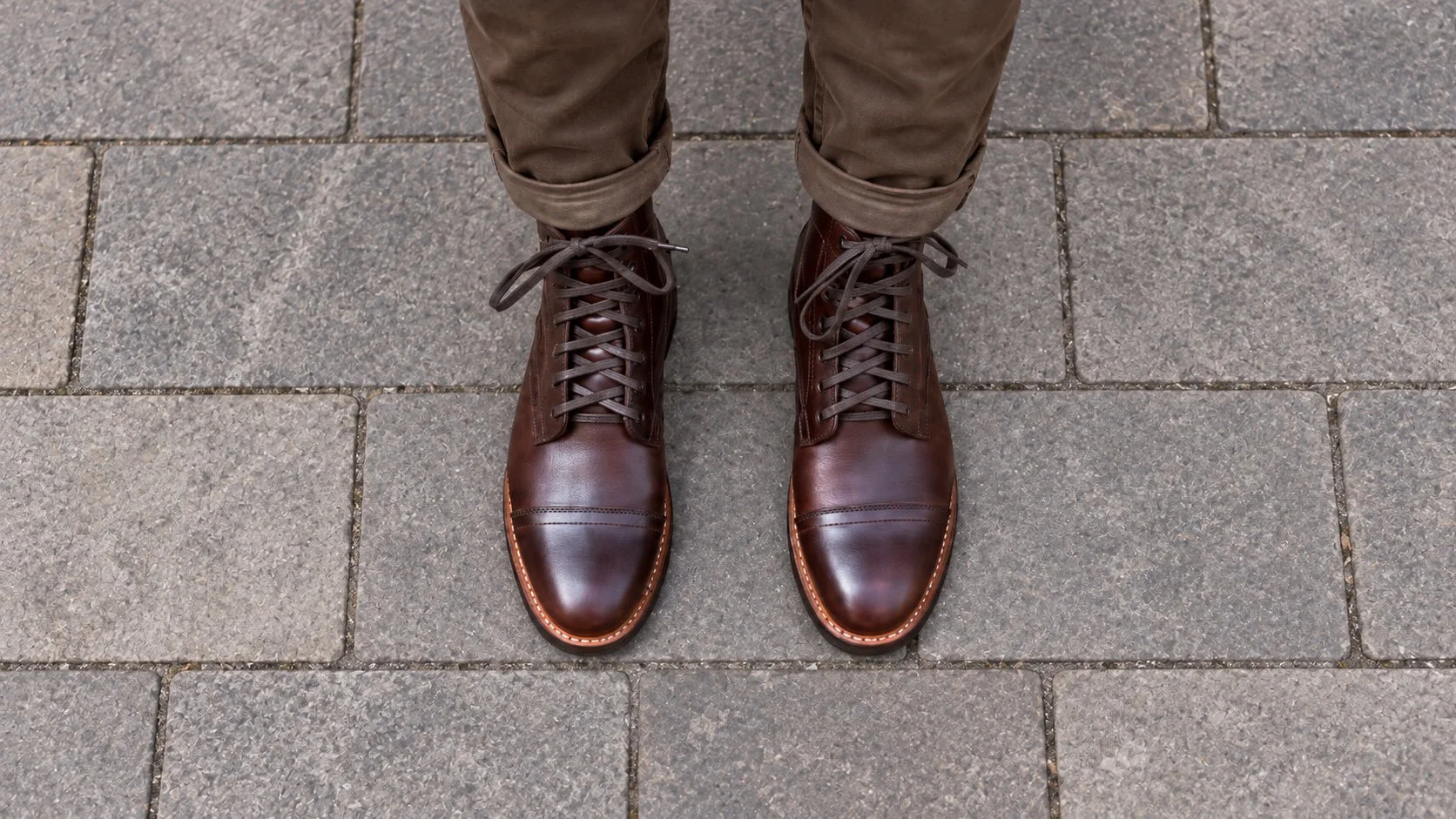
Why Most Boots Are Too Narrow
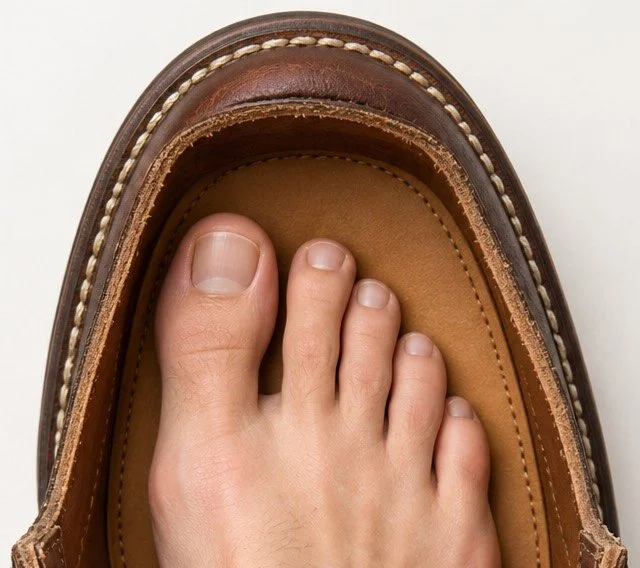
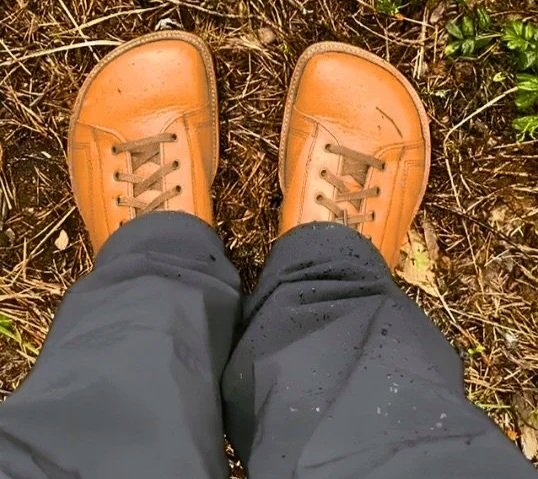
If your boots feel too narrow, the problem may not be that you have unusually wide feet. The problem may be the shape of your boots. Many traditional boot lasts taper inward through the forefoot and toe box, even though our feet generally get wider toward the toes. That mismatch can squeeze the toes together and create pressure where your foot needs more space.
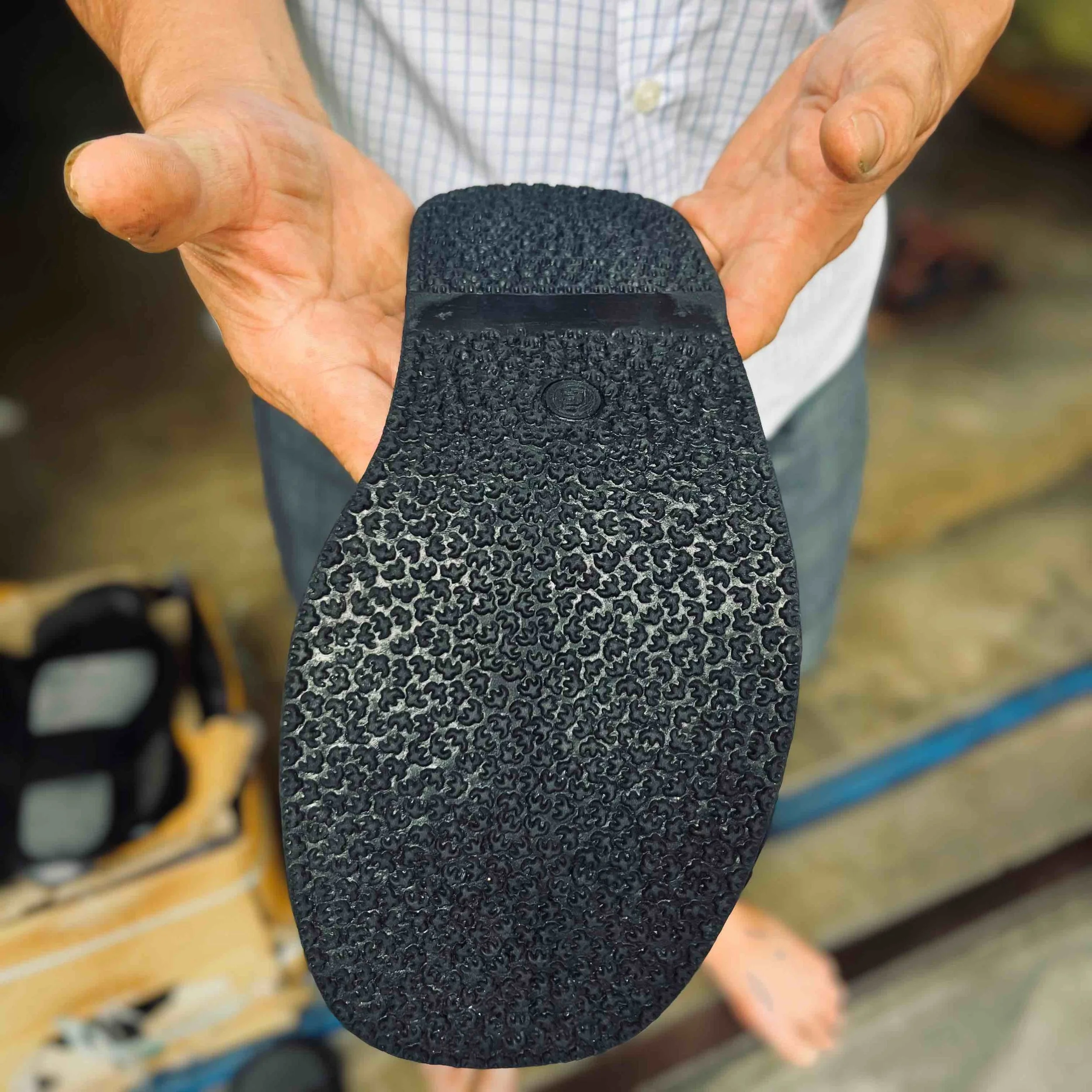
Sole Searching in Bangkok
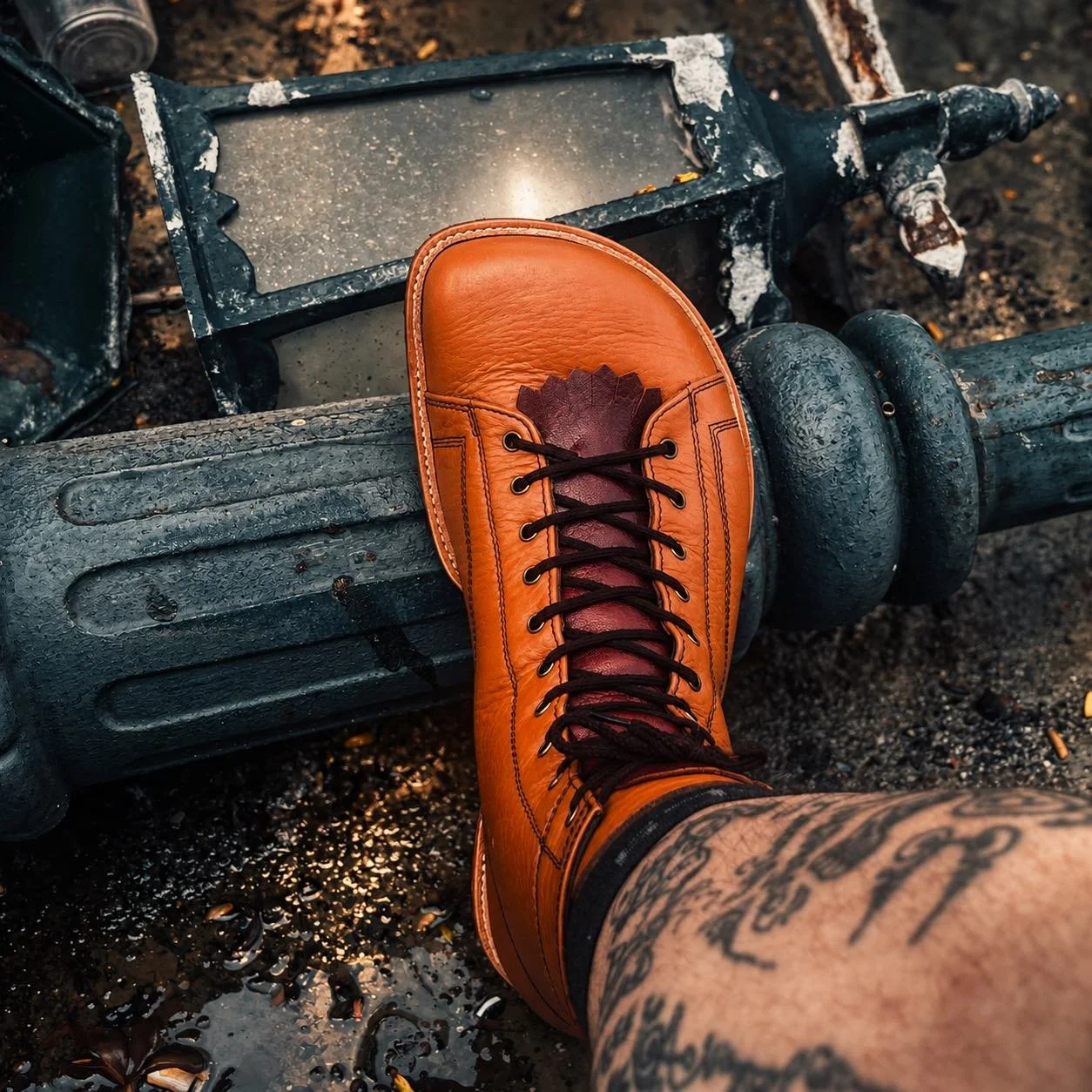
This weekend I went out looking for new sole sheets for our zero-drop boots.
Fortunately, Bangkok has an entire section of the city dedicated to leatherwork, shoemaking, and bootmaking. It’s not far from Wongwian Yai, and it has become one of my favorite places to wander around when I’m looking for materials, tools, or ideas.
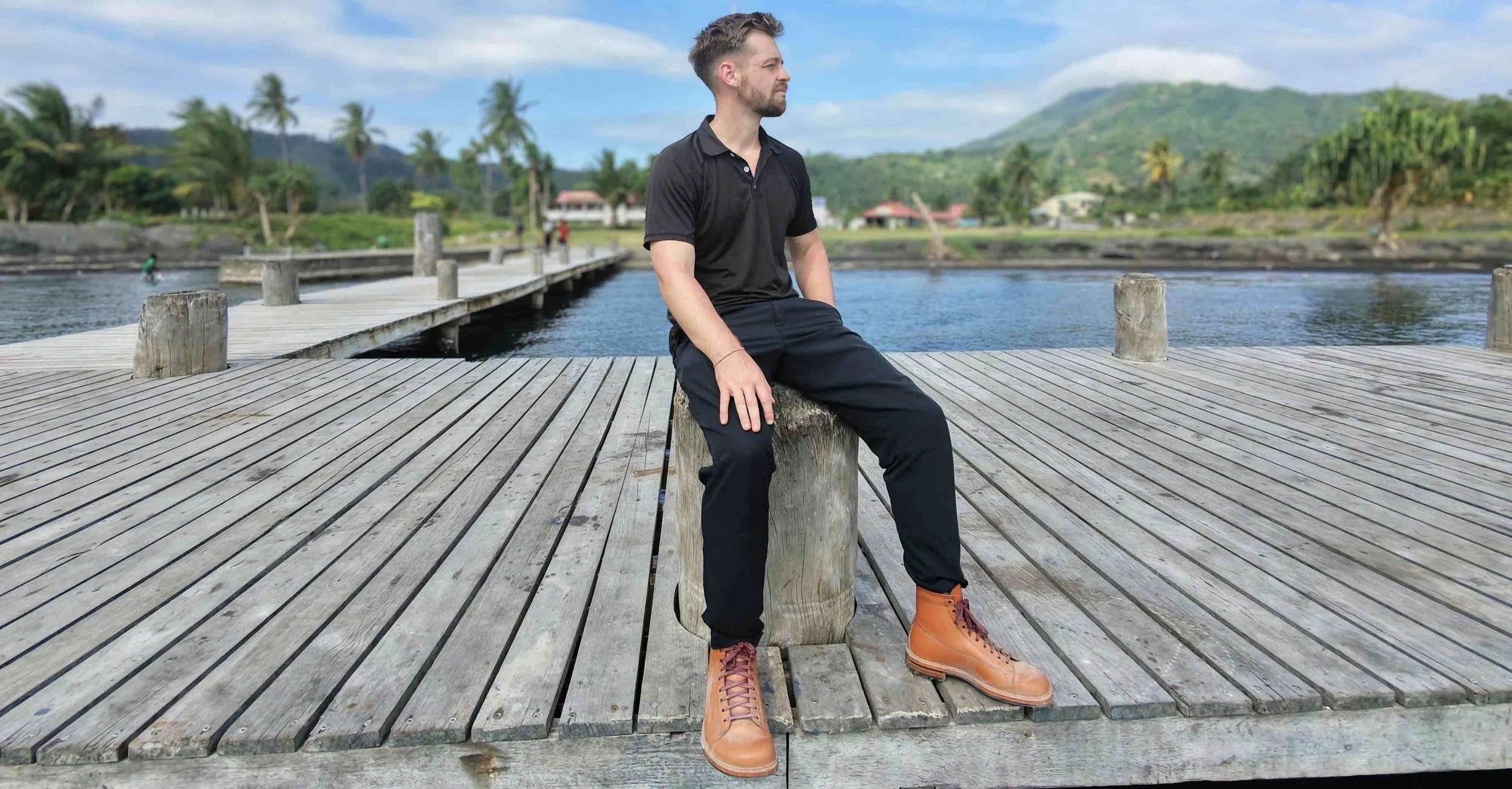
Winnfields Into the Wild
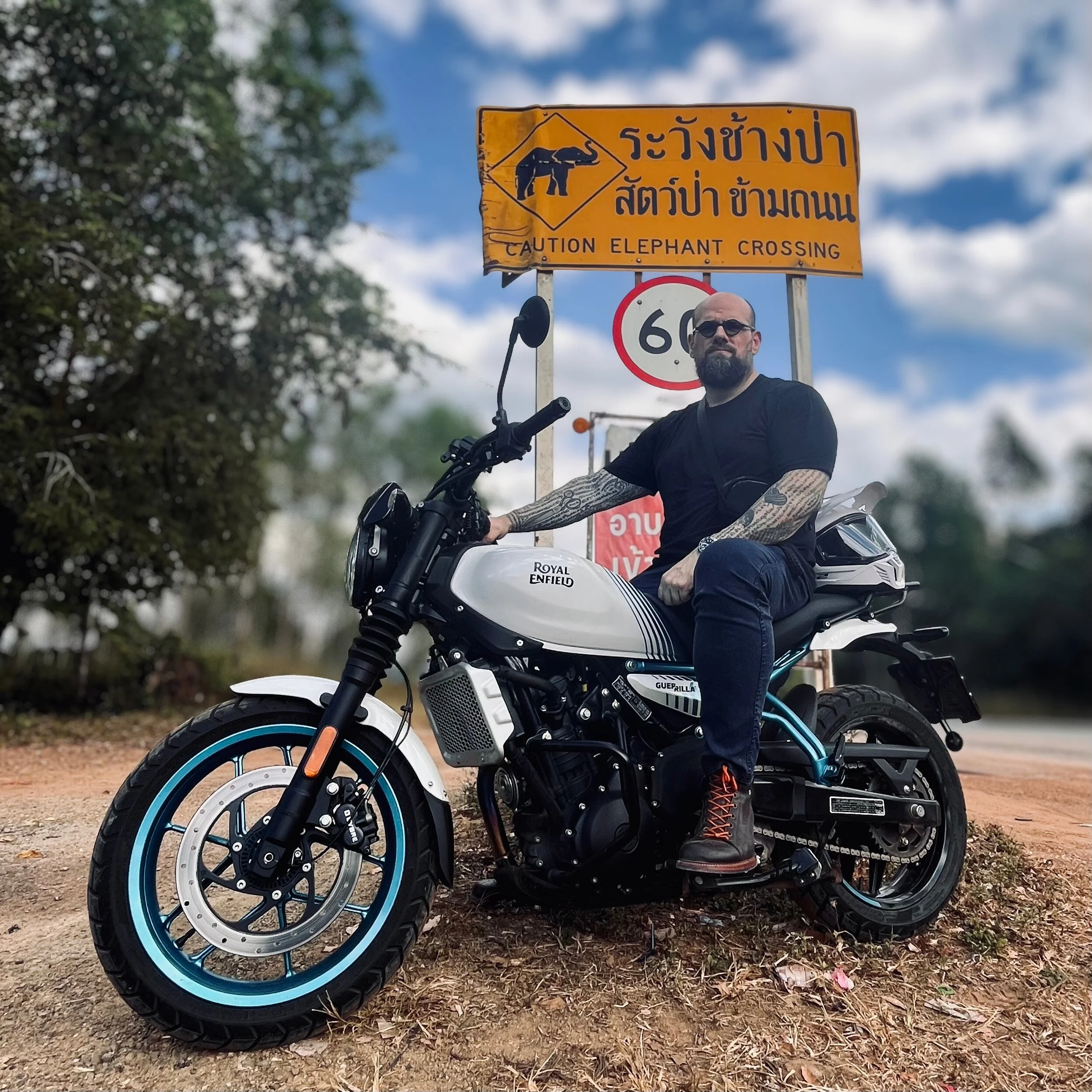
Adventure is at the core of what we do. Every pair we make is designed to be worn hard, beaten up, and taken somewhere interesting.
That is why I was especially happy to kit out my friend Harry from the YouTube channel WeHateTheCold with a pair of Winnfields for his latest adventure into the jungles of Papua New Guinea.
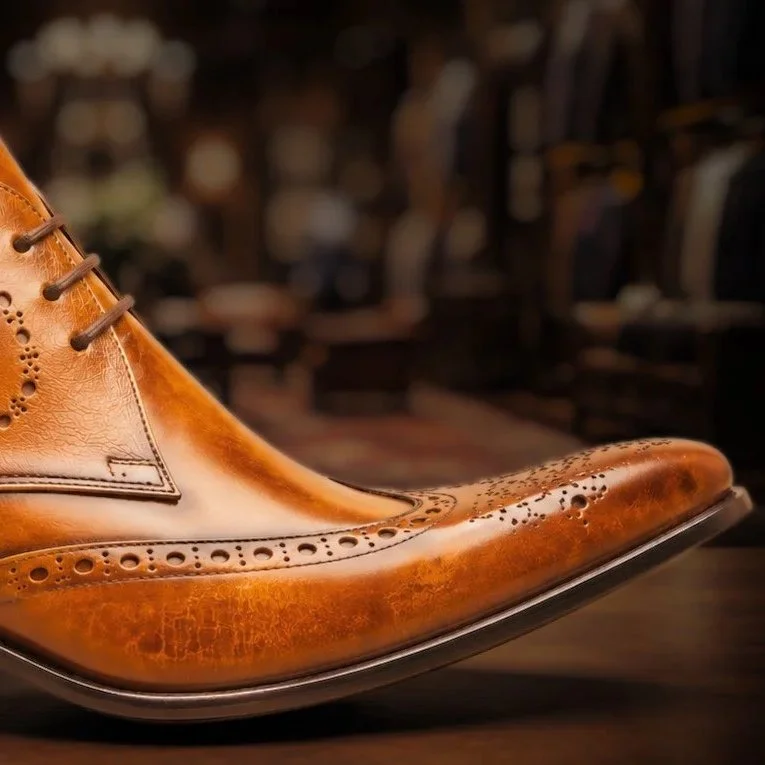
Why Do Boots Have Toe Spring? What It Is and Why It Matters
Boots have toe spring to help the foot and boot roll forward through each step while reducing the chance of the toe catching or dragging on the ground. Toe spring is the slight upward curve at the front of a boot, and it becomes especially important in boots with thicker, stiffer, or more structured soles.
As you walk, that upward curve helps the boot transition from the forefoot forward to the toe, instead of forcing the entire sole to bend sharply with every step. In a well-designed boot, toe spring works with your natural gait to make the boot easier and more comfortable to walk in.
Bootmaking
Adventure



Behind The Brand
Boot Fit