Naang Boots Articles
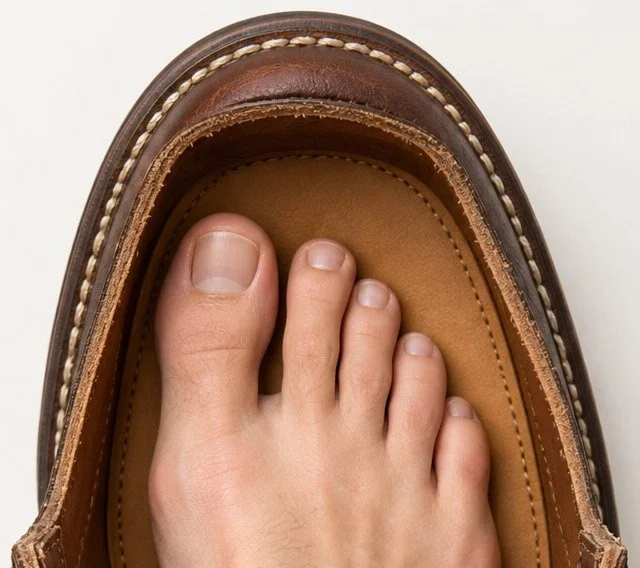
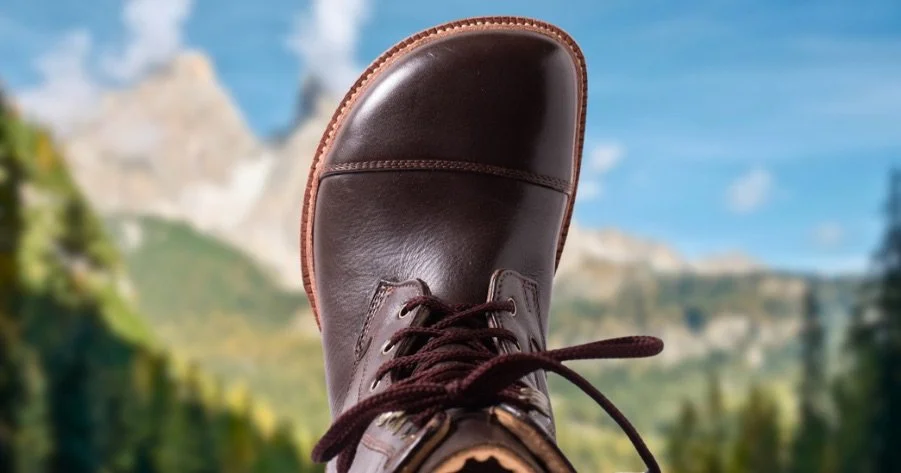
How Much Toe Room Do You Need in Boots?
Your foot is a three-dimensional body part. Your boots need to accommodate it that way. You can have plenty of space beyond your longest toe and still have a boot that squeezes your little toe or presses down on your toenails.
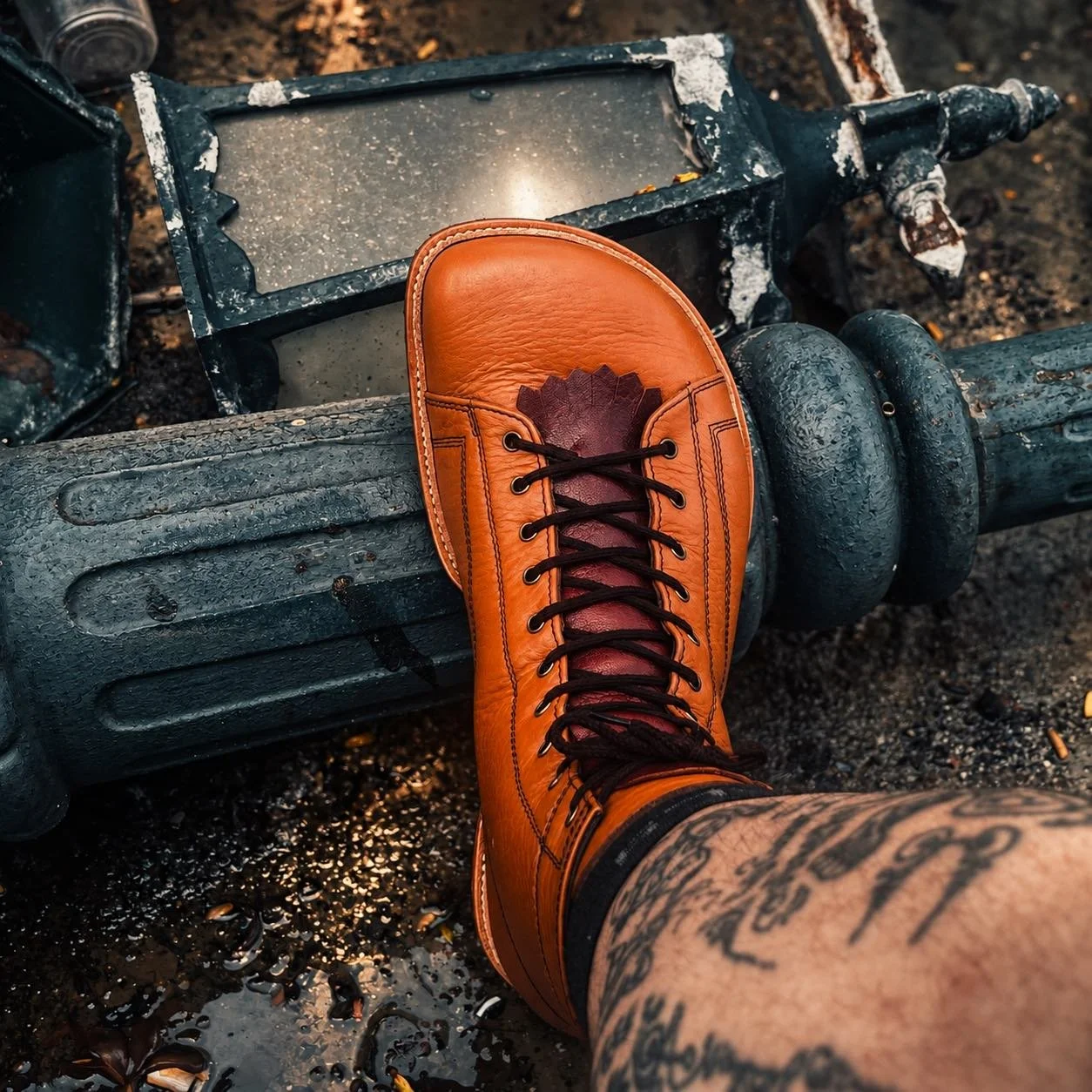
Got Wide Feet? Naang Boots Are Made To Fit
Nick at Stridewise recently featured Naang Boots in his video about The Best Boots for Wide Feet, highlighting our EEEEEE widths, handmade construction, hand-welting, and value. If that video brought you here, welcome. I’m dana, one of Naang’s co-founders, and I’m the person to contact about getting your fit right.
There’s one detail I want to expand on: EEEEEE, or 6E, isn’t our limit. We can go as wide as your feet need. We can also go as narrow as your feet need.
Anatomical Toe Boxes and Zero Drop: What New Research Suggests
A recent study on minimalist footwear caught my attention because the shoes shared several features with Naang’s design philosophy, in particular with our anatomical zero-drop boots: room for toe splay, a level heel and forefoot, and flexible soles with minimal cushioning.
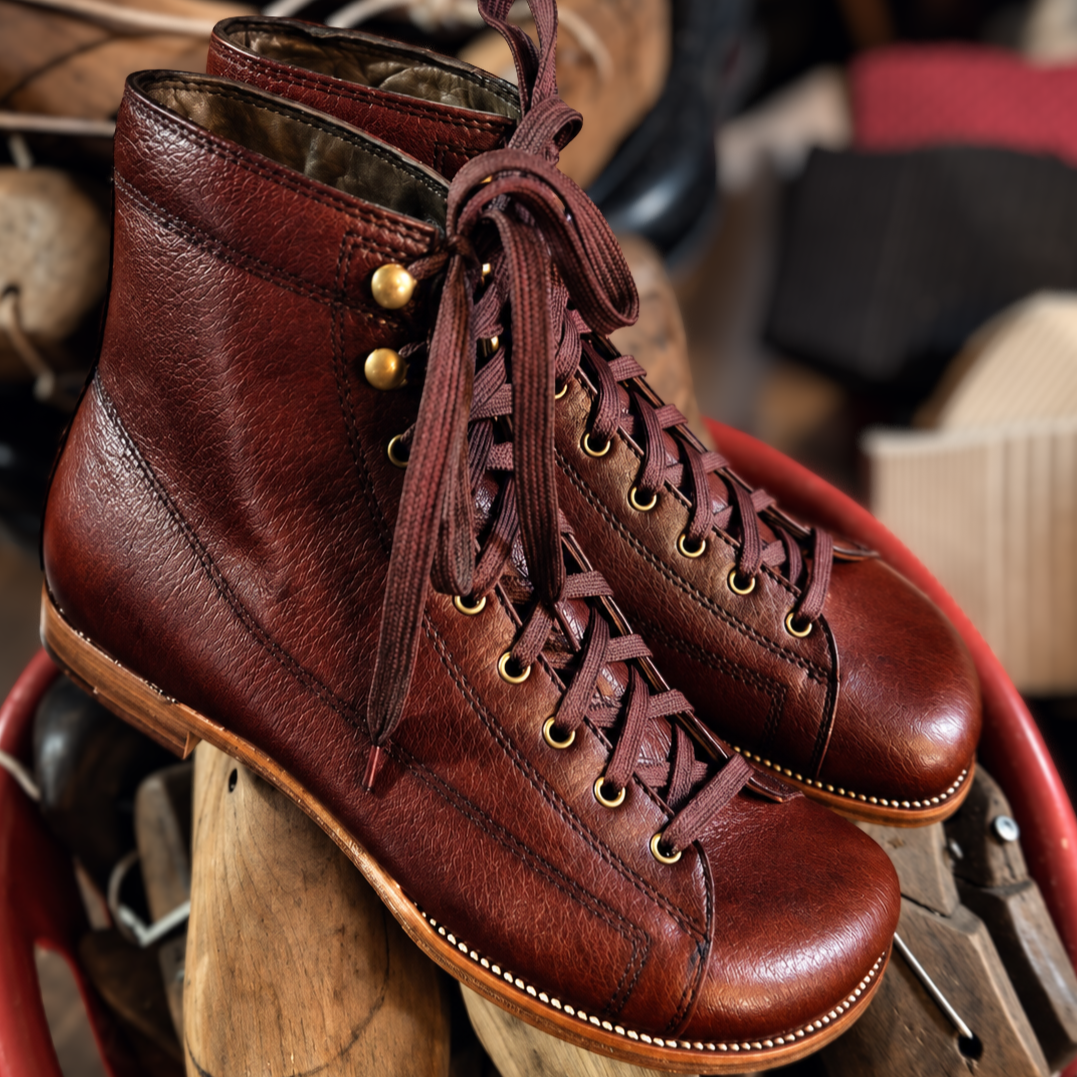
Boot Break-In: What Changes and What Doesn't
Most leather boots need some break-in. As the leather softens, flexes, and molds to your feet. But there are limits to what that process can change, and the excuse of “they just need breaking in” gets used to explain away plenty of fit problems.
Boots Should Fit Your Feet: The Case for Anatomical Design
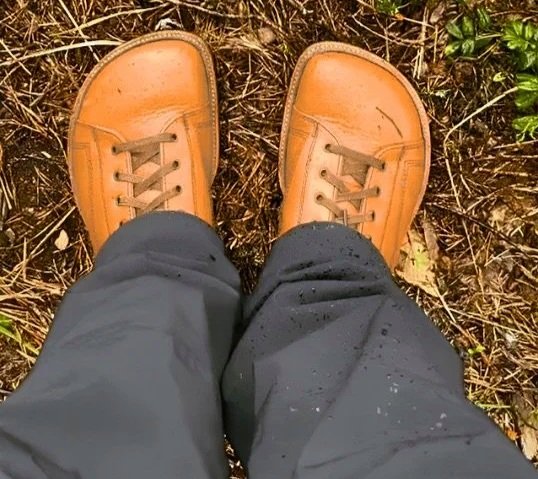
There’s always new research coming out about foot anatomy and footwear, and I try to keep up with it as part of my job designing Naang Boots. And to be clear, no single paper is going to give us all the answers; that’s why I have to read just about all of them.
Why Most Boots Are Too Narrow
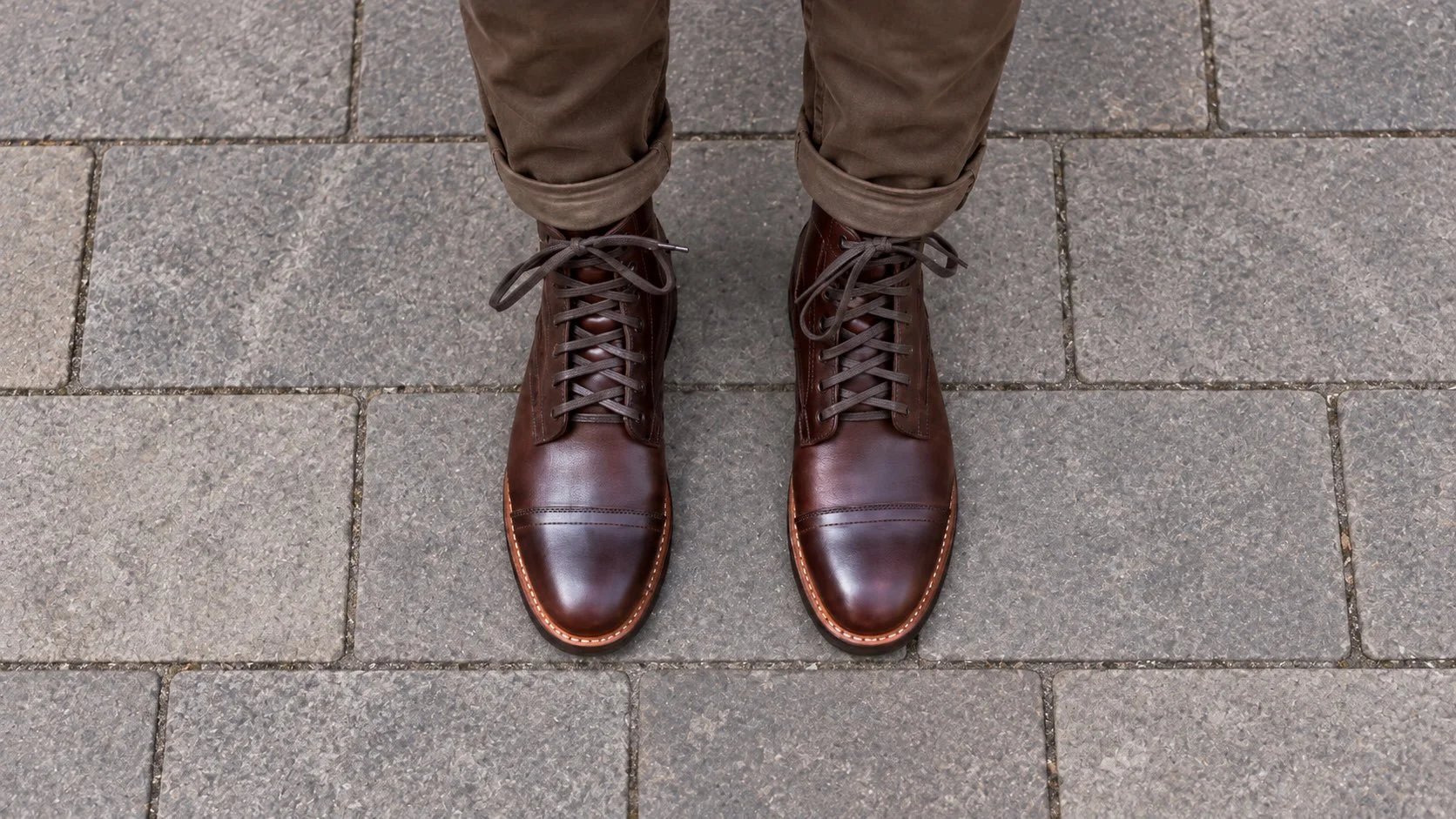
If your boots feel too narrow, the problem may not be that you have unusually wide feet. The problem may be the shape of your boots. Many traditional boot lasts taper inward through the forefoot and toe box, even though our feet generally get wider toward the toes. That mismatch can squeeze the toes together and create pressure where your foot needs more space.
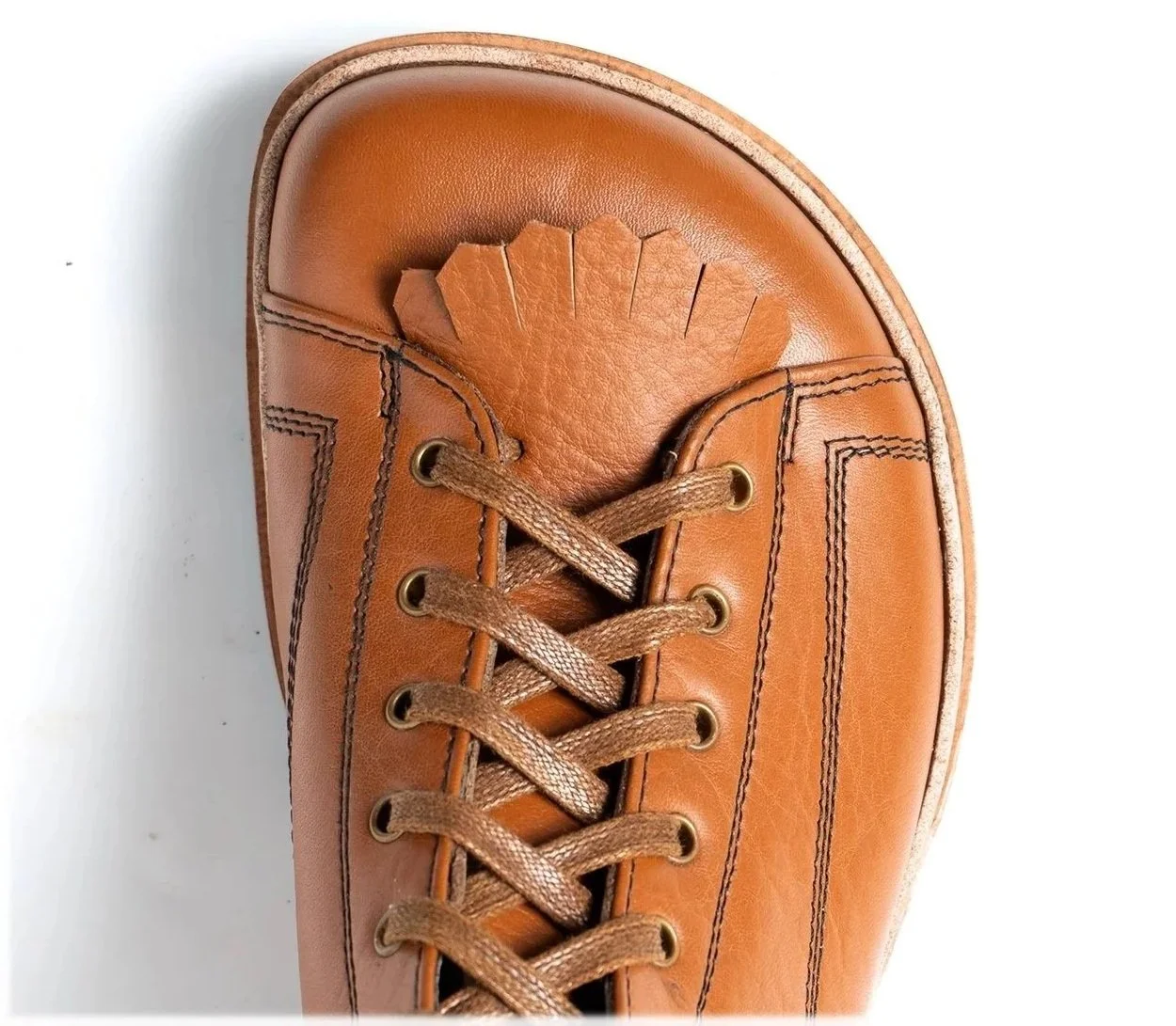
Boot Kilties: What They Are, What They Do, and Whether You Actually Need Them
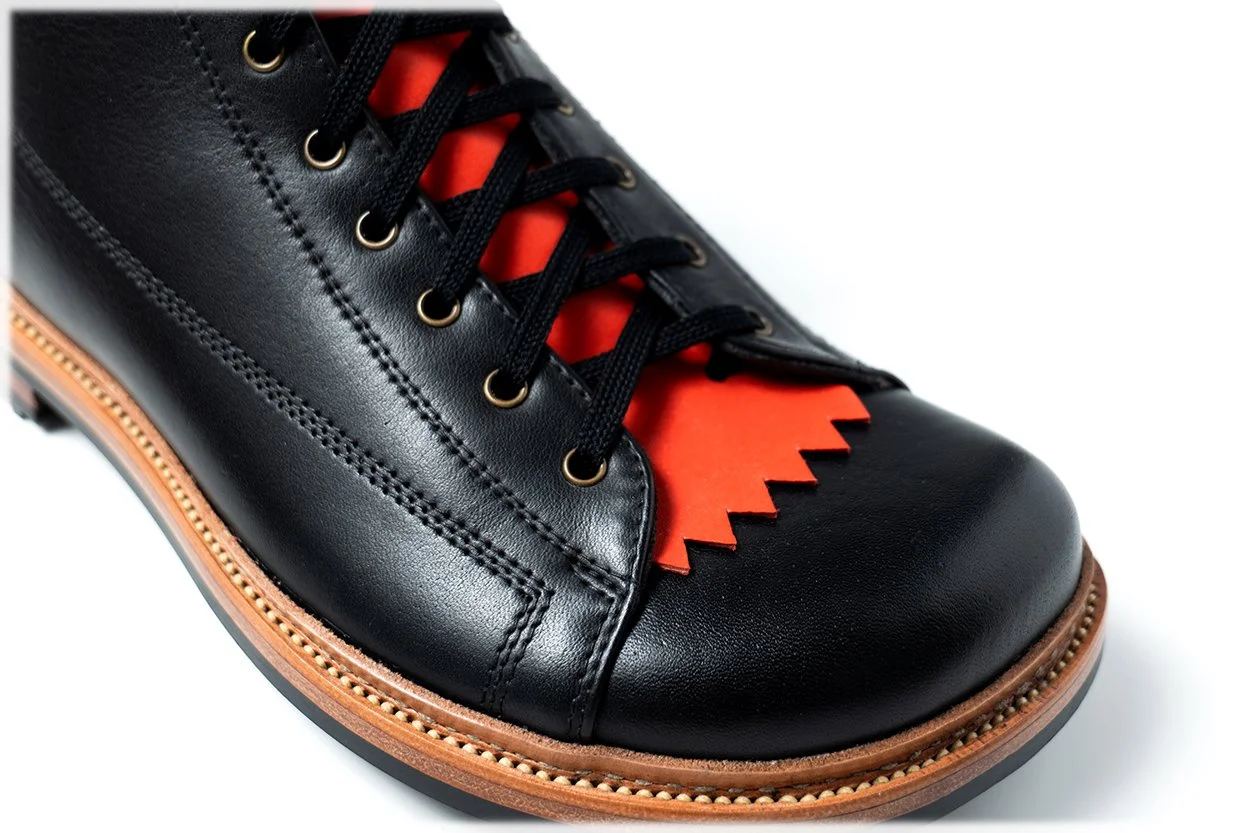
At first glance, a kiltie can look like it’s there mostly for style, especially the traditional versions with the long fringe hanging over the front of the boot. But kilties actually started with a very practical job to do, and they can still be pretty useful today.
They can protect the tongue, help with lace pressure, keep some of the crud you encounter on the trail out of your boots, and even change the way a boot fits around your instep.
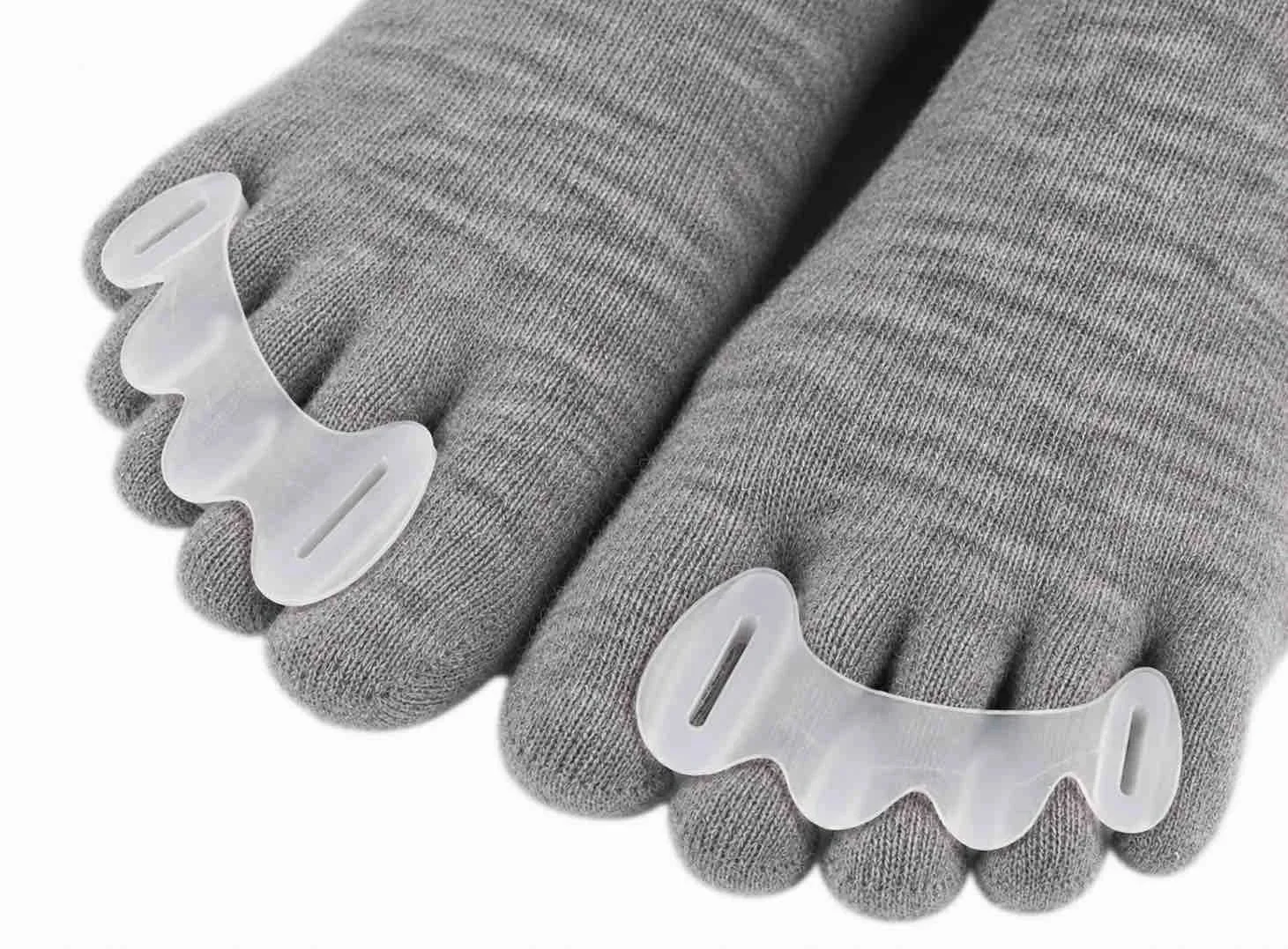
Why Do My Toes Hurt in Boots? Common Causes, Fixes, and What Most Bootmakers Get Wrong
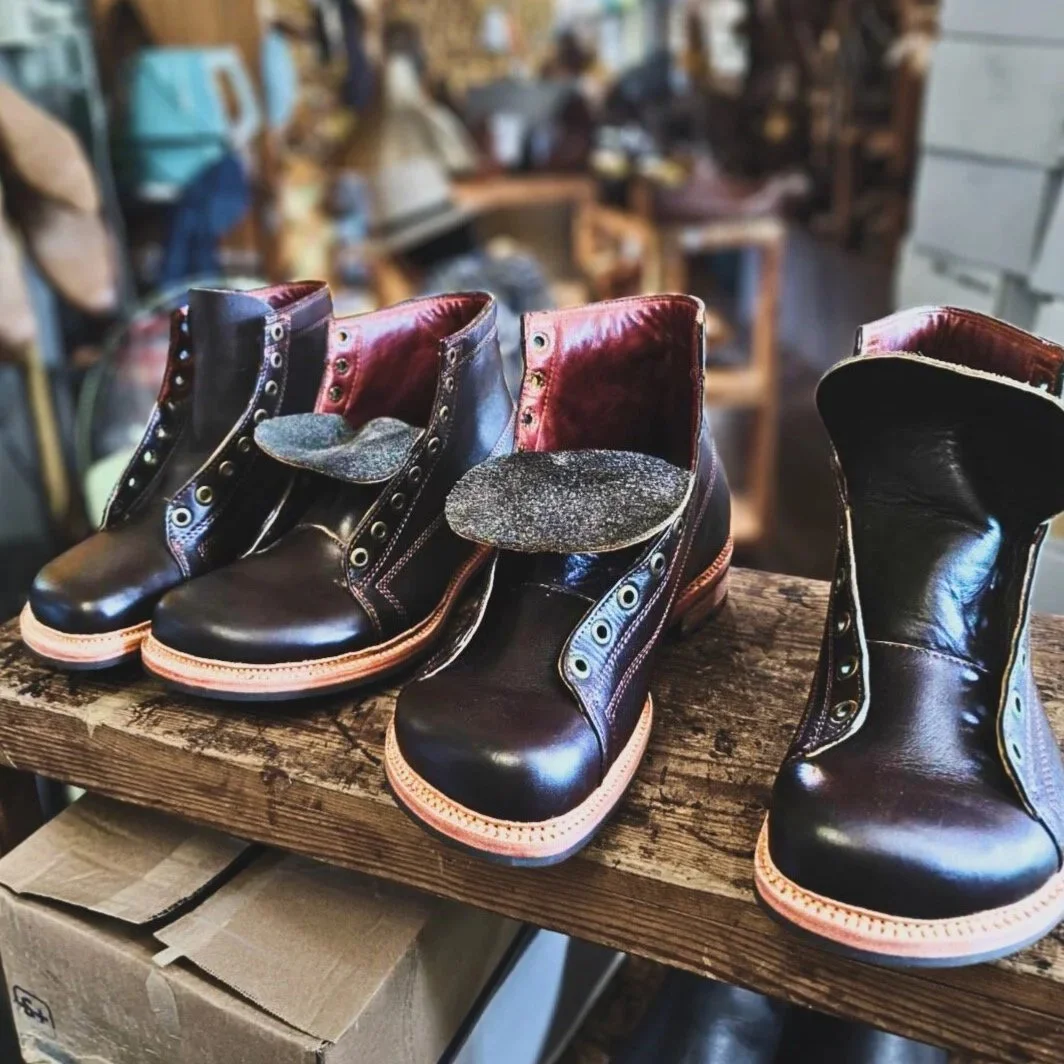
If your toes hurt in boots, it’s usually because your toes don’t have enough room to move naturally.
Whatever the cause, toe pain is a sign that something isn’t working the way it should.
The good news is that toe pain is often preventable. Once you understand what’s causing the problem, the solution is usually straightforward.
Bootmaking
Adventure



Behind The Brand
Boot Fit