Boot Break-In: What Changes and What Doesn't
Most leather boots need some break-in. As the leather softens, flexes, and molds to your feet. But there are limits to what that process can change, and the excuse of “they just need breaking in” gets used to explain away plenty of fit problems.
In this article we’re gonna look at what actually happens during boot break-in, what doesn’t, and how to get comfortable in your boots without destroying your feet in the process.
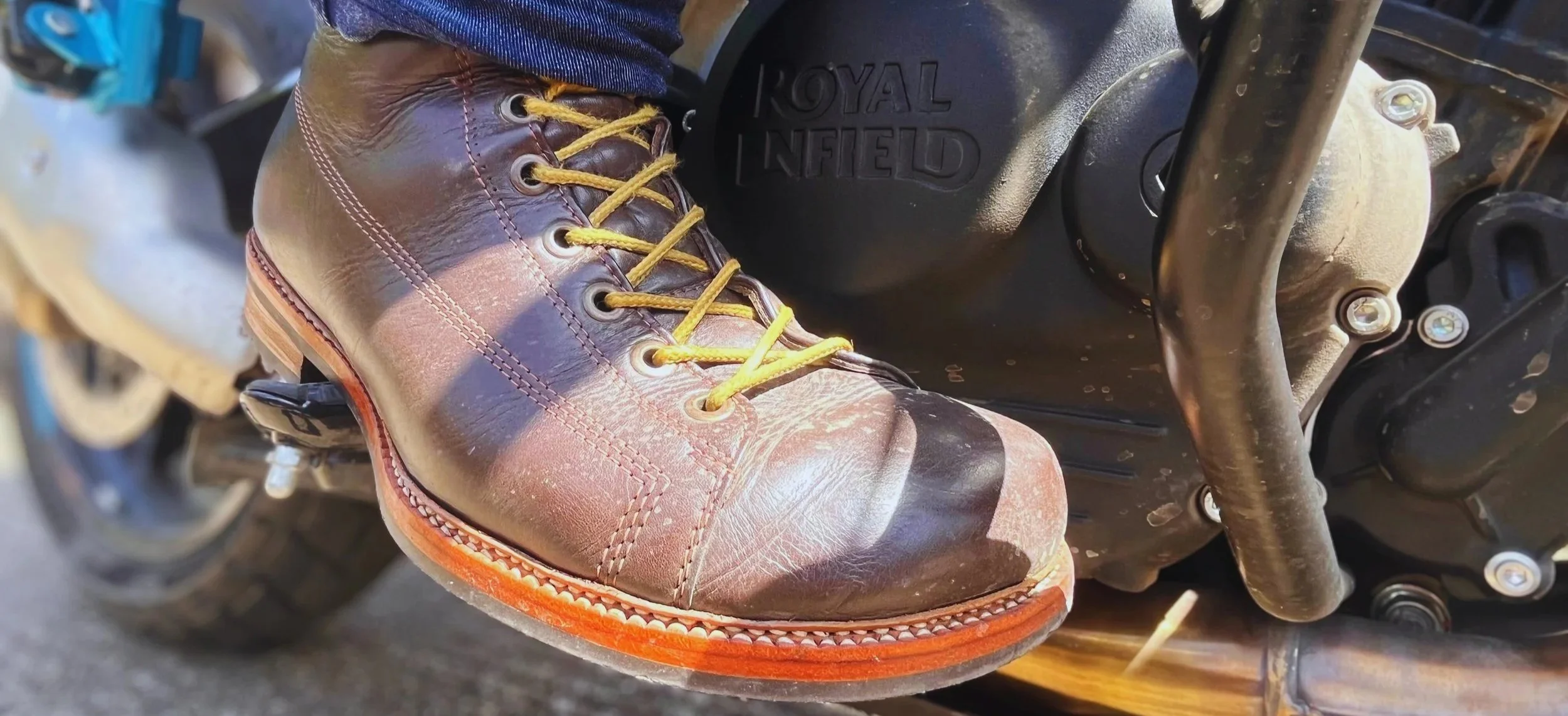
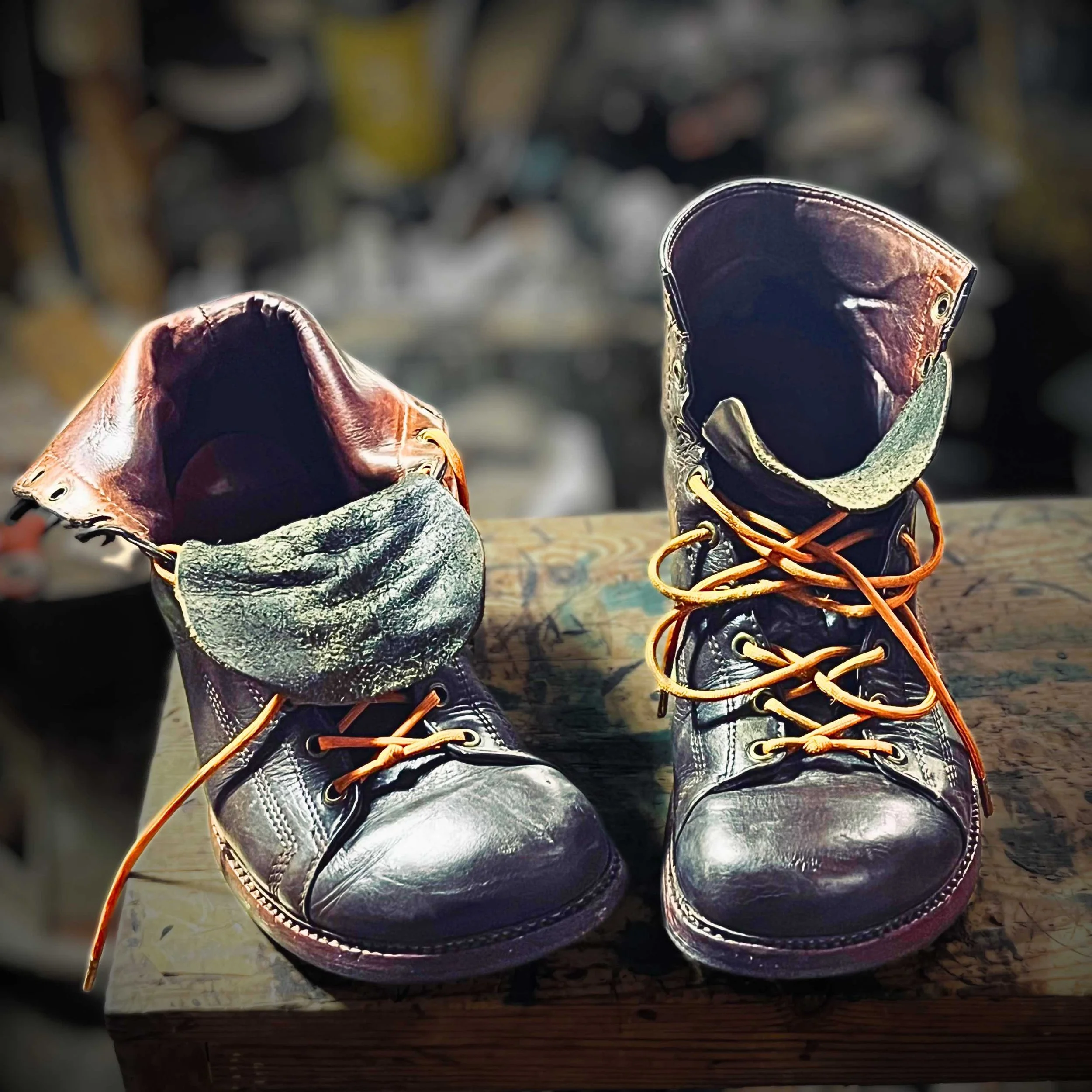
A Well Broken in Naang Winnfield Boot
Table of Contents
What Does Breaking In Boots Actually Mean?
Breaking in boots is the process of wearing, and this next part is important… a properly fitted pair until the brand spankin new, stiff leather soften so it can mold to your feet and become more flexible.
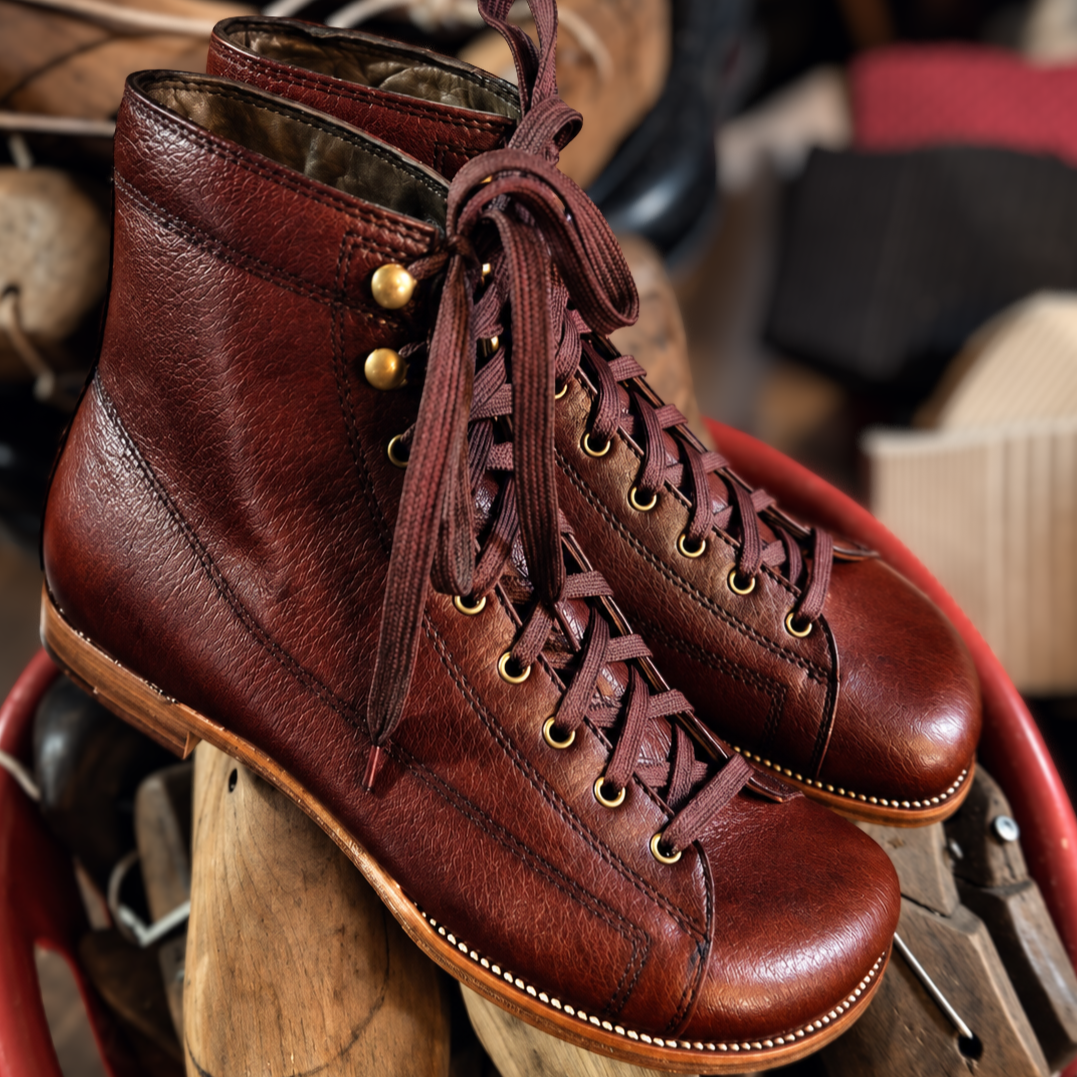
The leather uppers develop creases where your feet bend and give a little in areas under tension. Inside boots with leather insoles, the footbed gradually takes an impression of your feet, while the leather midsole becomes more flexible with each step.
A boot that fits well from the beginning starts to feel more like your boot. How quickly that happens depends on the materials, construction, and how often you wear them. The fit should already be right. Break-in makes that fit more comfortable and personal. Break-in doesn’t fix boots that don’t fit properly.
What Changes During Boot Break-In?
While your boots are breaking-in, the leather uppers soften, the leather insole begins to take the shape of your feet, and the midsole becomes more flexible. Just like the gym, you got to get the reps in, it’s that movement that does most of the work. The warmth and moisture from your feet also also play a big role, influencing how the leather responds.
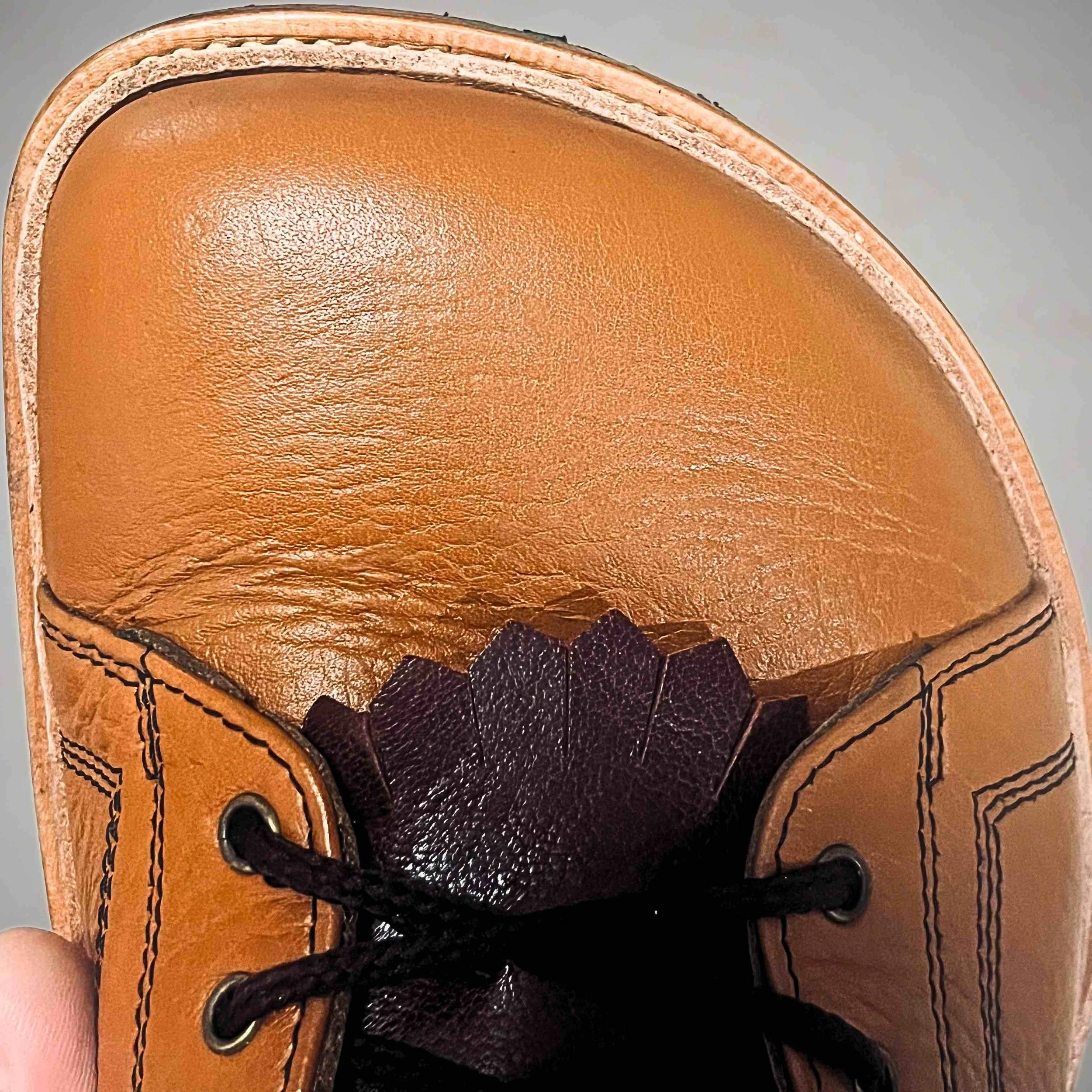
The uppers start to develop their first marks of character in the form of creases where your feet bend. Then that thick leather upper gradually conform around areas your foot presses against. That initial stiffness eases, allowing the leather to move more comfortably with you. Underfoot, a leather insole develops an impression of your feet as it compresses through wear. A leather midsole also becomes easier to flex where the boot bends with your forefoot.
These changes happen gradually. You may notice an improvement within the first few wears, while that familiar, settled-in feel can develop over several months of regular use. With a properly fitted boot, you should feel a progression toward greater comfort as the materials adapt to your feet and the stiffness of the leather grain breaks down and relaxes. atever it is, the way you tell your story online can make all the difference.
What Doesn’t Change When You Break In Boots?
Breaking in your boots isn’t magic. The leather can soften and give a little, but you won’t gain any length or a wider sole under your foot. A tapered toe box doesn’t transform into an anatomical one, and a boot built on the wrong last for your foot won’t become a good fit through wear.
Stiffness should ease as the materials become more flexible. But if you feel pain, that deserves more attention. If your toes are crowded, your feet feel numb, or the same spot keeps getting pinched, don’t assume more wear will solve it. Check the fit and talk to the maker, don’t just tough it out.
A good break-in takes a boot that already fits and makes it more comfortable to walk in. The leather becomes more forgiving, and the boot moves more naturally with your foot. That’s the change you should expect.
How Much Do Leather Boots Stretch?
Leather boots stretch a hell of a lot less than you think they do. Leather can give under pressure, but how much depends on the leather, its thickness, and the boot’s construction. Don’t expect that a tight fit is going to break in to something it never was.
I’ve had people tell me they want to order their boots a width smaller and stretch into them during break-in. That is not how the boot break-in works, that’s not how leather uppers work, and it for sure as hell isn’t how your feet work
Even a thin leather upper isn’t gonna give you enough stretch to correct a poor fit. With the thick 3.5 mm upper leather we use at Naang, you should expect gradual softening and some give, without relying on either to create the width you need. Buy the boots that fit your damn feet. Let the break-in process make them more comfortable.
How Should New Boots Fit Before Break-In?
New boots should fit well from the first wear. Your heel should sit securely in the heel pocket, your midfoot should feel held in place, and your toes should have room to splay without being squeezed together. You shouldn’t need to stretch the boots to get your feet comfortable inside them.
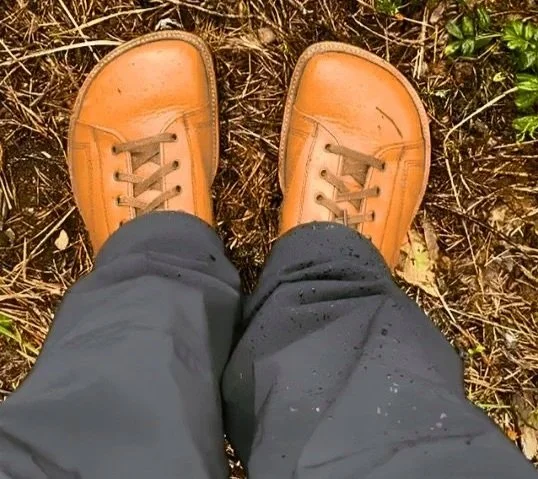
Some areas may feel snug, not tight, not painful, snug. And thick leather can feel stiff until it breaks in. A vegtan leather midsole is gonna feel like a board at first. That resistance to bending should ease with wear as the sole becomes more flexible and the upper starts moving with your foot. Pinching or cramped toes are no bueno, you have to reassess the fit.
Your foot also shouldn’t slide around inside the boot. A little heel movement can occur while the sole is stiff, but substantial slipping deserves a fit check. Try the boots with the socks you plan to wear and walk around indoors. You should have enough room for your toes without sacrificing a secure fit through the rest of the boot.
Is It Normal for Boots to Hurt During Break-In?
Hell no. Pain shouldn’t be part of breaking in boots. It’s not a merit badge you need to earn by pushing through it to be awarded with a comfortable pair.
Your boots should fit when you get them. Thick leather and a stiff sole may make them feel awkward at first, and they probably won’t feel like your favorite worn-in pair. Break-in should gradually ease that stiffness. You shouldn’t be walking around with pinched toes or rubbed-raw heels while waiting for things to improve.
If new boots hurt, take them off and check the fit and lacing. But look, if your boots are hurting your feet, you got the wrong size, or it’s possible that you a need boots built on a different last altogether. There’s no prize for suffering through boots that don’t suit your feet.
Shop Naang Boots
How Long Does It Take to Break In Leather Boots?
Oh, that depends on a lot of things. Their construction and how much you wear them are the two primary drivers. Thick uppers, a full leather lining, and a substantial leather midsole can all take time to become flexible. A few hours of walking also does more to work those materials than a day spent sitting at a desk.
With properly fitted boots, you should start noticing changes after the first few wears. The uppers feel less rigid, the sole bends more easily, and a leather insole gradually starts taking an impression of your feet.
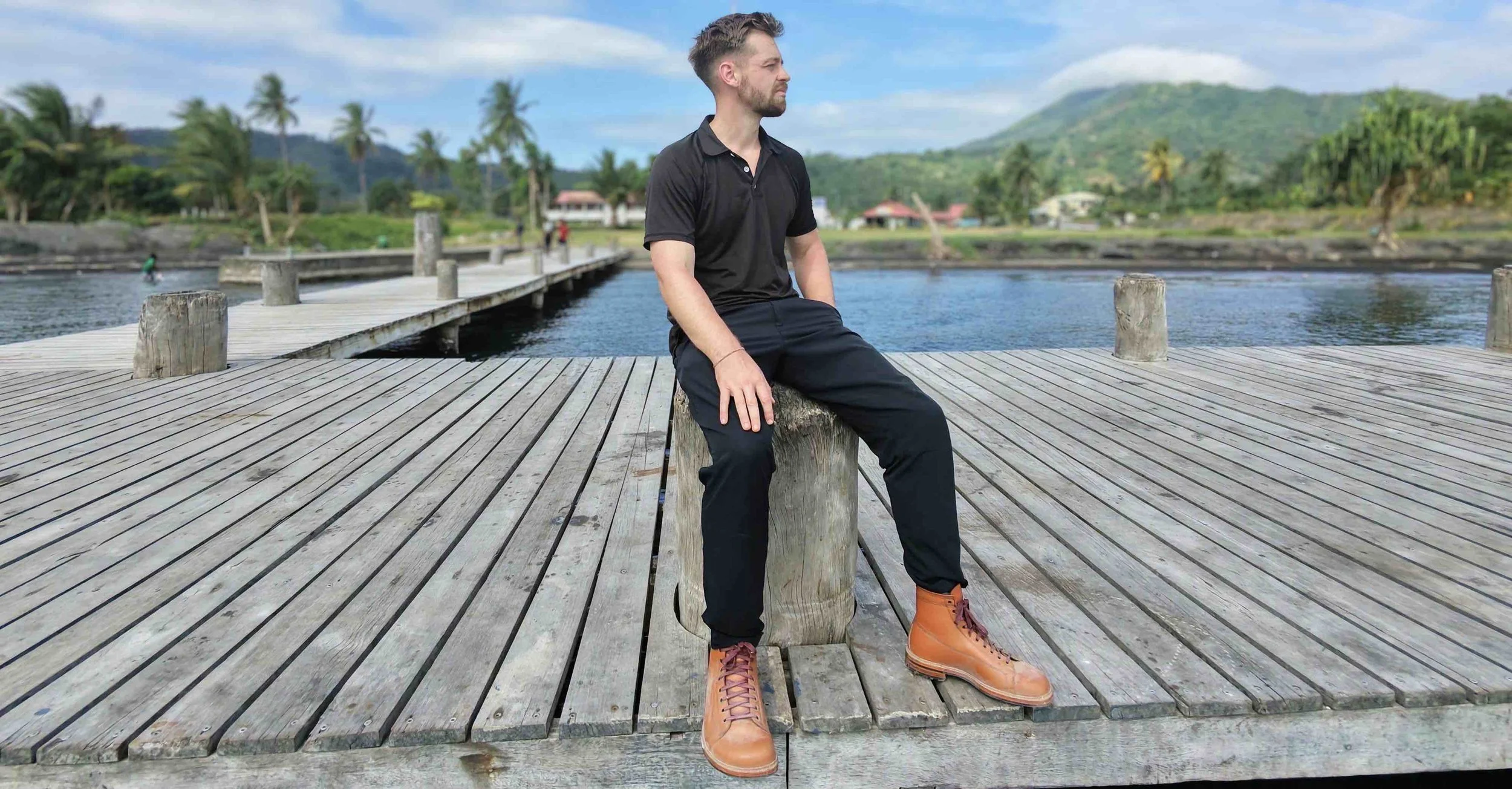
Adventure Filmmaker Harry Jackson on Location in Papua New Guinea with his broken-in Naang WInnfield Boots
After about a month of regular wear, you probably most of the way there. Think of that as roughly the first 80%, though nobody is measuring break-in with a percentage gauge, I hope. The remaining changes are smaller, those can continue for another month or so as the boots continue to develop that familiar, broken-in feel.
You don’t have to wait for every last bit of the break-in process to finish before enjoying your boots. Just increase your boot time as they become more comfortable, and let how your feet determine when they’re ready for a full day out.
What Is the Best Way to Break In New Boots?
Wear them. Start with short periods and gradually increase the time you spend in them. Don’t be that guy who goes for a 10km technical hike the first time you wear your new boots.

Wear them around the house first, then take them to the mall for a bit. Wear them on a motorcycle ride to get a coffee, then walk around while you’re there. Work them into the things you normally do. Walking gives the uppers and soles a chance to flex, so build up the activity as well as the hours.
There’s no complicated routine here. If your feet feel good, go a little longer next time. If you notice discomfort or fatigue, take the boots off and figure out what needs adjusting. Give the materials time to soften without turning every outing into an endurance test.
Which Boot Break-In Methods Should You Avoid?
Avoid break-in shortcuts involving anything other than wearing your boots. These crazy ass methods can damage the leather and other boot components. Making leather softer by damaging it is a pretty lousy way to break in a new pair of boots.
I’ve heard some wild advice over the years. Dip them in boiling water and wear them until they dry. Leave them baking in the sun. Spray Windex inside them every day. You bought a pair of boots, and now someone wants you to cook them or fill them with window cleaner.

Wear the damn boots. Start with short outings and gradually spend more time in them as they become more comfortable. Follow the maker’s care instructions, and give the materials time to settle around your feet. Break-in doesn’t need to be more complicated than that.
What Should You Expect When Breaking In Naang Boots?
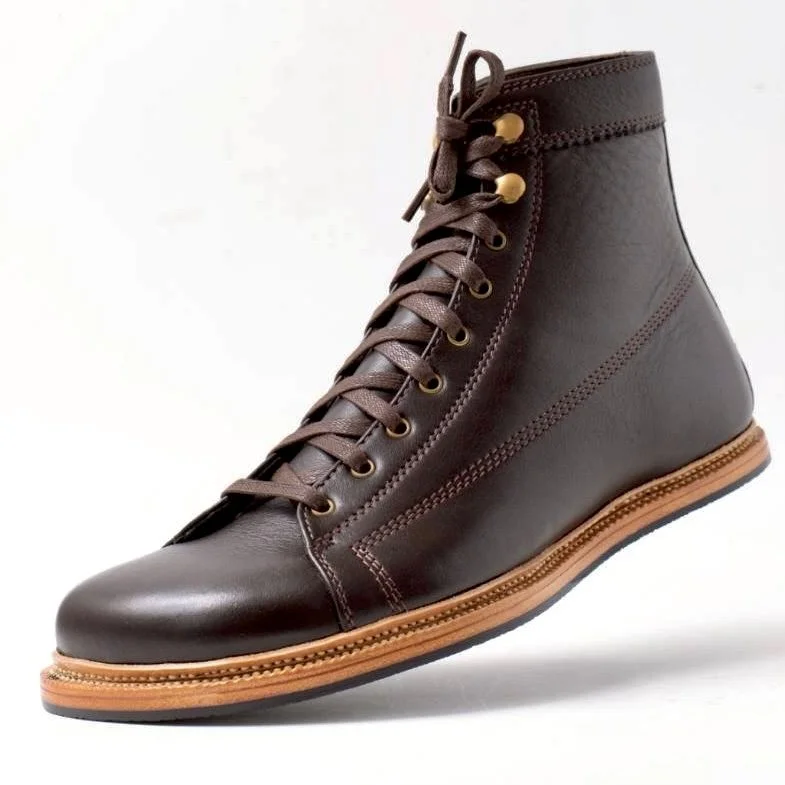
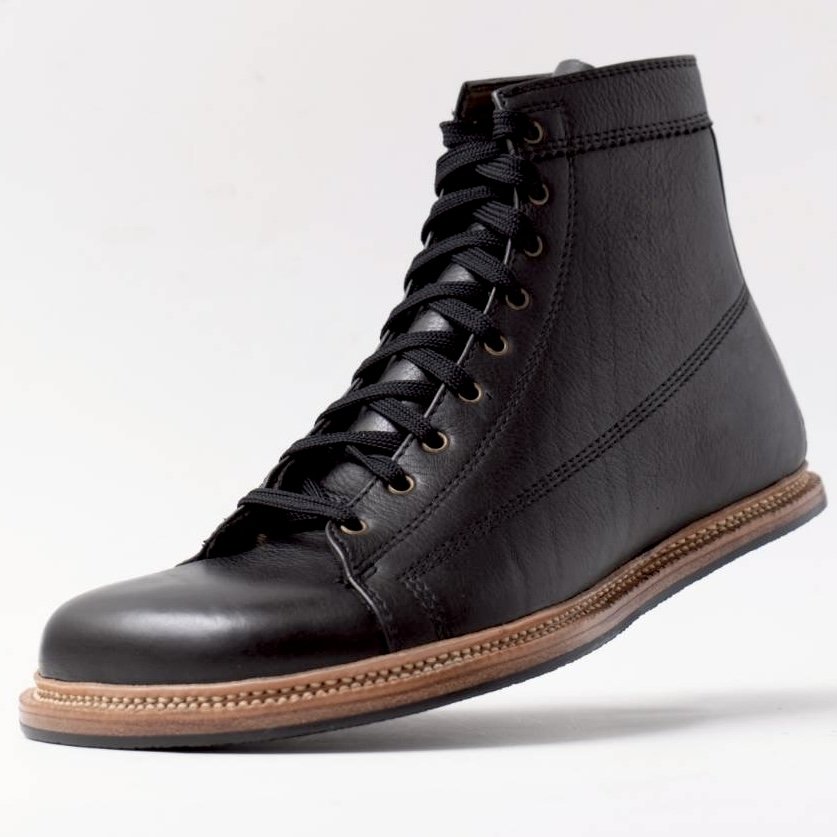
Like any other quality handmade boot, Naang Boots take time to break in. We build them with thick leather uppers and vegetable-tanned leather midsoles, so expect some stiffness at first. Regular wear will gradually soften the uppers and make the midsoles more flexible where your feet bend.
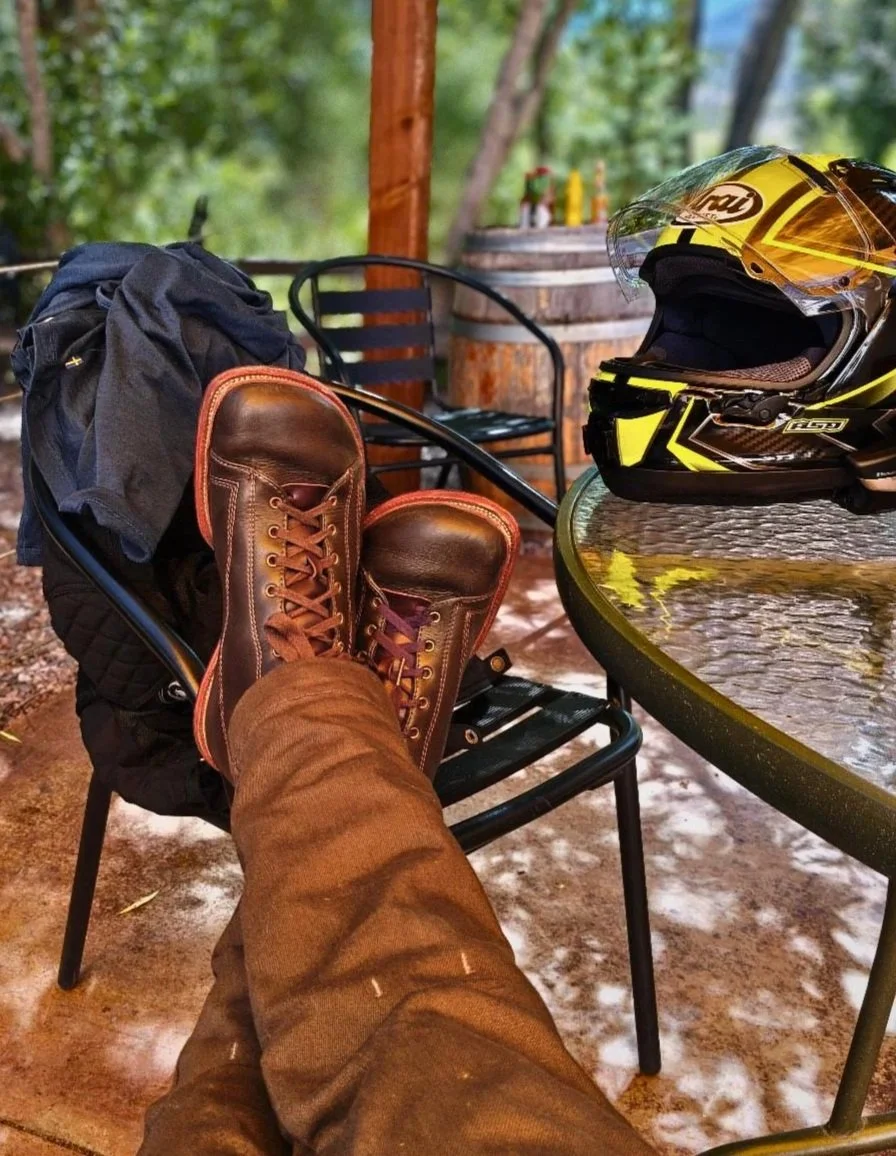
Once your boots arrive, wear them for short periods and work your way up as they get more comfortable. The uppers will gradually conform around your feet, and the leather underfoot will settle with use. Give them time, pay attention to the fit, and enjoy wearing them. That’s how a new pair of Naang Boots becomes your pair.
Shop Naang Boots
Frequently Asked Questions About Boot Break-In
How long does it take to break in leather boots?
Leather boots can take several weeks to a few months to break in, depending on the materials, construction, and how often you walk in them. You may notice less stiffness after the first few wears, while smaller changes continue long after the boots become comfortable.
What actually changes when boots break in?
Leather uppers soften and develop creases where your feet bend. Leather insoles gradually take an impression of your feet, and leather midsoles become more flexible with use. These changes help a properly fitted boot move more comfortably with you.
Do leather boots stretch in width during break-in?
Leather uppers can give a little under pressure, but the amount varies with the leather, lining, and construction. The sole does not widen to accommodate your foot. Don’t buy boots a width smaller expecting break-in to create the room you need.
Should new boots feel tight or snug?
New boots should hold your heel and midfoot securely without squeezing your feet. Your toes should have room to spread and shouldn’t press against the front. Some stiffness is expected, but pinching or cramped toes call for a fit check.
Is pain normal when breaking in boots?
No! Pain shouldn’t be an expected part of boot break-in. Stiff materials may feel awkward initially, but you shouldn’t push through painful pressure or rubbing. Take the boots off, check the fit and lacing, and contact the maker if the problem continues.
Is heel slip normal in new boots?
A small amount of heel movement can occur while the sole is stiff. Substantial lifting, rubbing, or your foot sliding around deserves a fit check. Don’t assume that all heel slip will disappear with break-in.
What is the best way to break in leather boots?
Start with short wears indoors, then gradually increase your walking time as the boots become comfortable. Wear the socks you normally plan to use. Work the boots into everyday outings before committing to long walks or full days on your feet.
Can you speed up boot break-in with water or heat?
No! Soaking boots, using boiling water, or exposing them to concentrated heat can damage the leather and other components. Household cleaners such as Windex are also unsuitable. Regular wear and care according to the maker’s instructions are the better approach.
How do you know when boots are broken in?
Your boots should flex comfortably as you walk, and the uppers should move with your feet without persistent rubbing or pressure. Comfort during your intended activity is more useful than a fixed deadline. The leather can continue settling after the boots are ready for regular use.
Do anatomical boots still need breaking in?
Yes. An anatomical toe box provides room for your toes, but thick leather components can still need time to soften and flex. Naang Boots should fit from the beginning, with break-in gradually improving comfort. If you’re unsure about sizing, email us before ordering.
What to Read Next

All Boots Are Made-To-Order. Current Lead Time: 60-90 Days.
Not sure about your size? Check out our Sizing Guide.
The Winnfield is built to walk the earth.
City streets. Back alleys. Remote trails. Foothills that don’t forgive mistakes.
Wherever you go, it keeps moving.
Construction: 360° Hand-Welted
Lace-to-Toe
Shaft Height: 6 inches
Last: Anatomical Zero Drop
Our Anatomical Last is very wide, if you feel your foot is exceptionally wide please indicate so on the form that pops up after you add the boots to your cart, we will get in touch to make sure that your boots are wide enough for your feet. We got you!
Leather: 2.5-3.5mm Full Grain
Full Leather Liner
Outsole: Naang Flat Rubber Super Grip
Built on our Anatomical Natural Toe Box last, the Winnfield follows your foot’s true shape.
Not the other way around.
Lace-to-toe construction, lets you fine-tune the fit, helping limit hot spots, pressure, and other foot problems mile after mile
Your toes can spread. Your stride stays strong. Comfort holds, mile after mile.
Every pair is hand-welted with a full 360° storm welt.
Not for looks. Not for marketing. For durability.
It seals out the elements and locks the upper to the sole the way it should be done. Built to take abuse. Built to last.
Inside, a leather shank adds structure where you need it, while letting the forefoot move the way it should.
Stable step after step. Solid under load. Comfortable through long days on your feet.
This is not a delicate boot.
It’s a tool.
The Winnfield is made to walk the earth.
Worldwide Shipping Available.