Why Most Boots Are Too Narrow
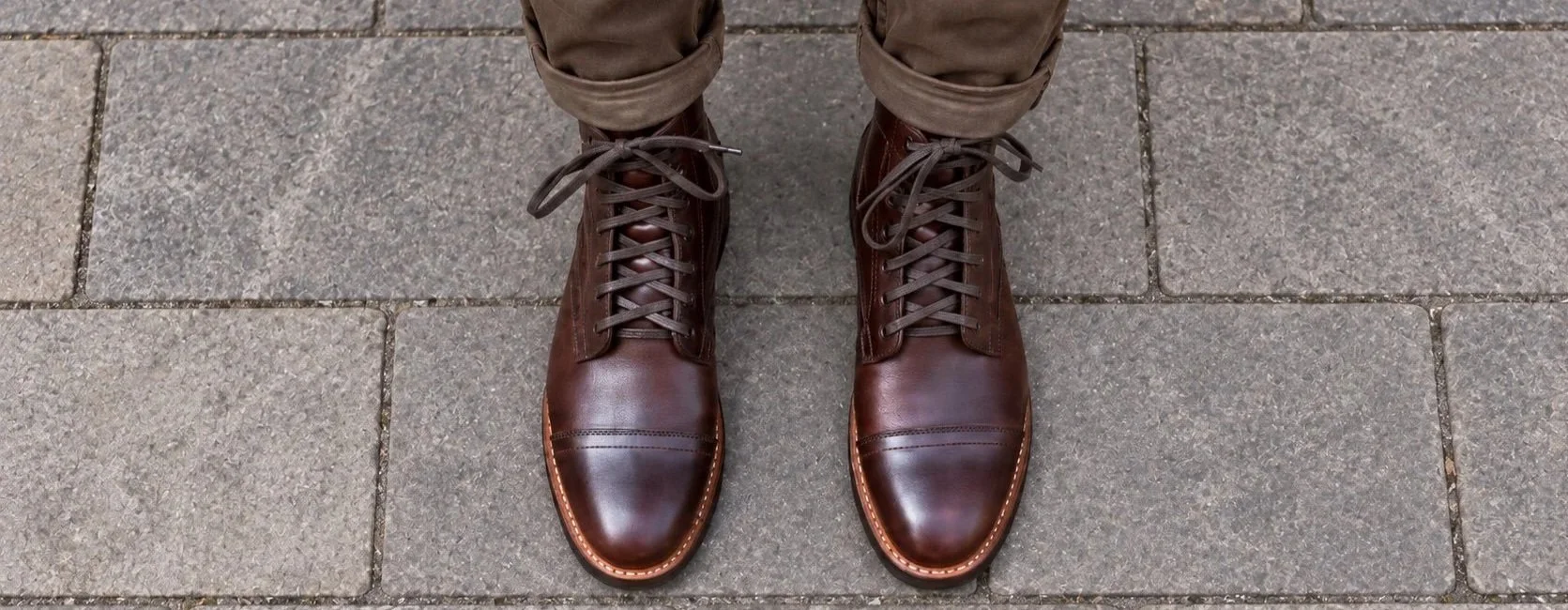
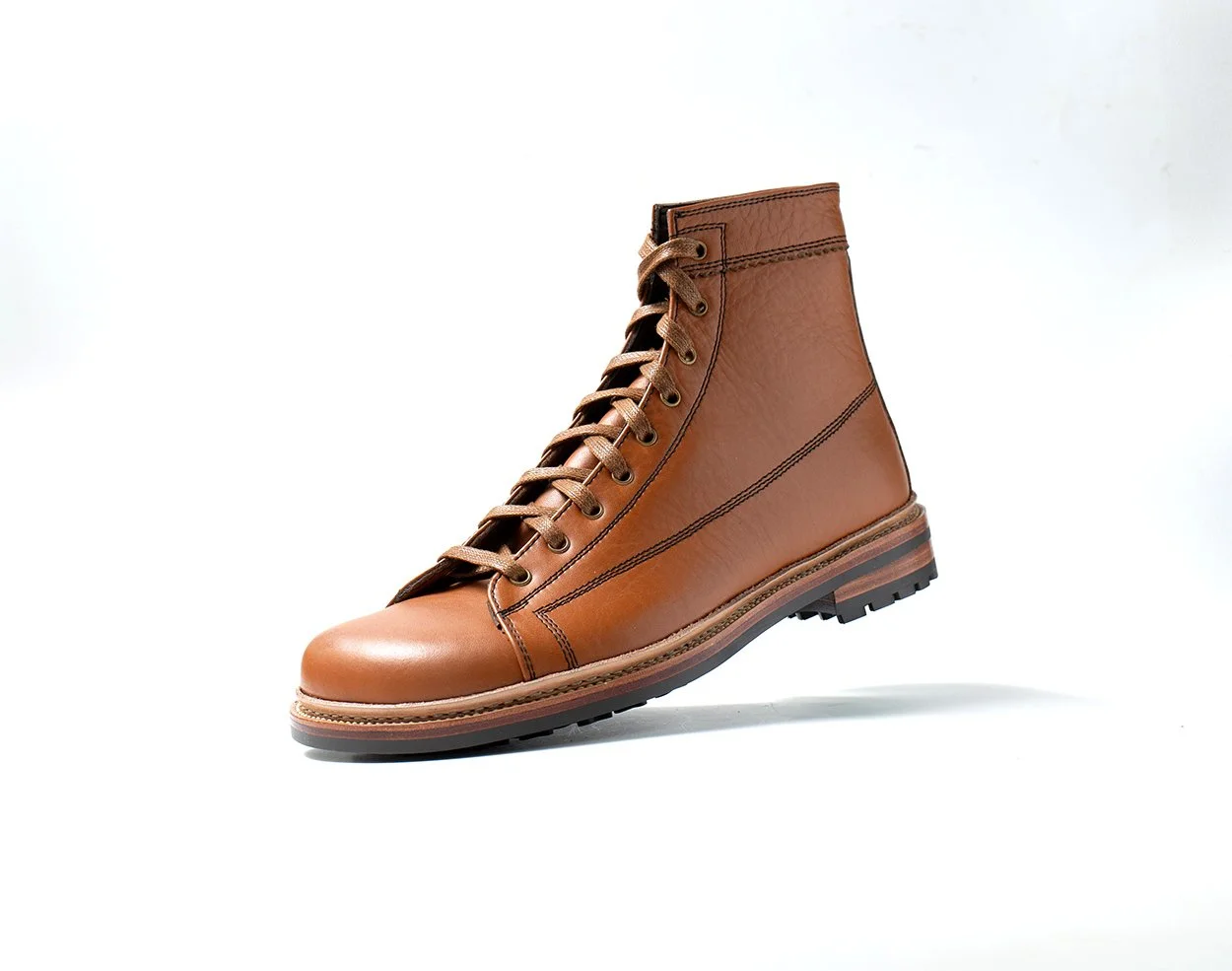
A pair of very narrow boots with an almond shaped toe box.
If your boots feel too narrow, the problem may not be that you have unusually wide feet. The problem may be the shape of your boots. Many traditional boot lasts taper inward through the forefoot and toe box, even though our feet generally get wider toward the toes. That mismatch can squeeze the toes together and create pressure where your foot needs more space.
Buying a wider size doesn’t always solve the problem either. A wider version of the same tapered last adds volume without changing the shape of the toe box.
So the real question is not simply how wide a boot is. It is whether the boot is shaped like the foot that has to fit inside it. That starts with the last, and it is where a lot of conventional boots get things wrong.
Table of Contents
Why Are So Many Boots Too Narrow in the Toe Box?
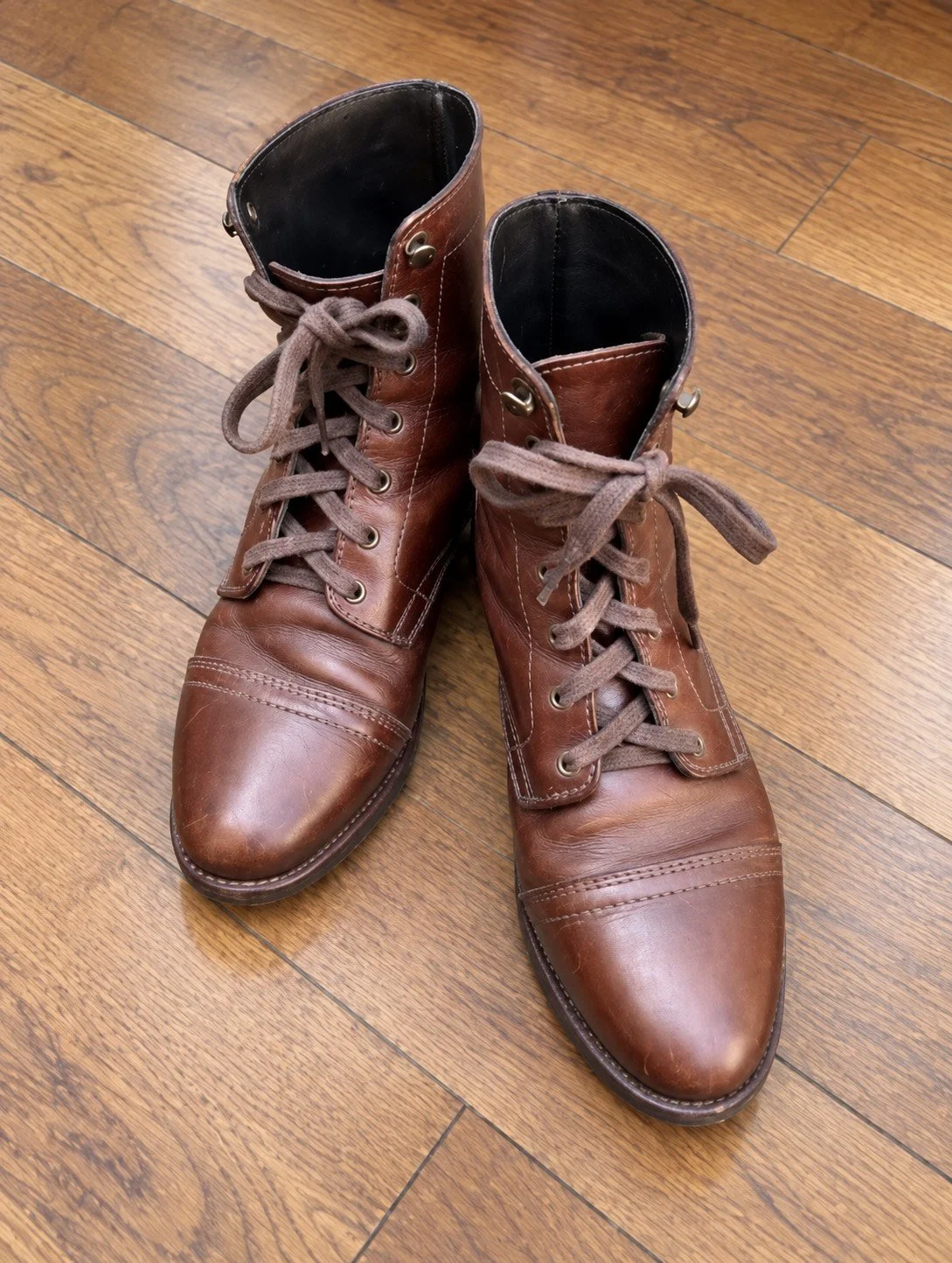
Most boots are narrow in the toe box because they are built on lasts that taper inward toward the front of the foot. The last determines the shape of the boot, and in traditional footwear that shape has often been influenced more by appearance than your anatomy.
Look down at a typical heritage or dress boot and you see it. The boot begins narrowing near the ball of the foot, squeezing the toes into a rounded, almond, or pointed shape. Your foot doesn’t naturally work that way. The forefoot spreads under load and your toes need enough room to sit in their natural position, this spread is known as splay.
Look, I get it, nobody wants every boot to look like a shoebox with laces. The problem comes when the visual shape of the boot starts dictating the shape of the foot inside it.
This has become so normal that we often treat pressure around the toes as part of wearing boots. We size up, order a wider width, or simply assume our feet are unusually wide. Sometimes they are. But the real problem is much simpler: the toe box is the wrong shape for the foot.
Why Do Traditional Boots Taper Toward the Toes?
Traditional boots taper toward the toes because boot lasts have historically been designed around a desired silhouette instead of the natural shape of the foot. A narrower front creates the fancy, rounded, almond, or pointed profile that people have come to associate with classic footwear.
Over time, that tapered shape became normal. We got used to looking at boots with narrow fronts and started judging wider toe boxes as unusual, even though the wider shape may actually be closer to the foot inside them.
The problem begins when the last narrows too early and forces the toes inward to match the boot’s shape. The boot should follow the foot, not compress it into a decorative point. An anatomical boot should provide enough width and height for the toes to spread, align naturally, and rest without pressure.
This does not mean every boot must look shapeless or oversized. It means the silhouette should be built around the foot rather than imposed on it. A well-designed boot can still be refined and visually distinctive while preserving the natural shape and function of the toes..
What Shape Should a Boot Toe Box Be?
A boot toe box should follow the natural shape of the forefoot and give the toes enough room to sit and spread without being pushed inward. For most feet, that means the front of the boot should stay relatively broad from the ball of the foot and shouldn’t taper towards the toes.
That does not mean the toe box needs to copy the exact outline of the foot. But we need to move away from the idea that an almond-shaped or tapered toe box can respect the natural shape of the foot. These designs narrow the front of the boot and push the toes toward one another, even when the boot appears roomy from the outside. A proper toe box should not taper inward before the toes naturally do.
Width is only part of the equation. The toe box also needs enough height and volume for the toes to rest naturally without pressure from above. A boot can look wide from the top and still feel cramped if the toe box is too shallow.
The goal is simple. The heel and midfoot should hold the foot securely, while the forefoot and toes should have enough space to move naturally. You want the boot to feel controlled through the back half and unrestricted through the front.
That is the basic idea behind an anatomical toe box. It puts the extra room where the foot actually needs it instead of simply making the entire boot wider.
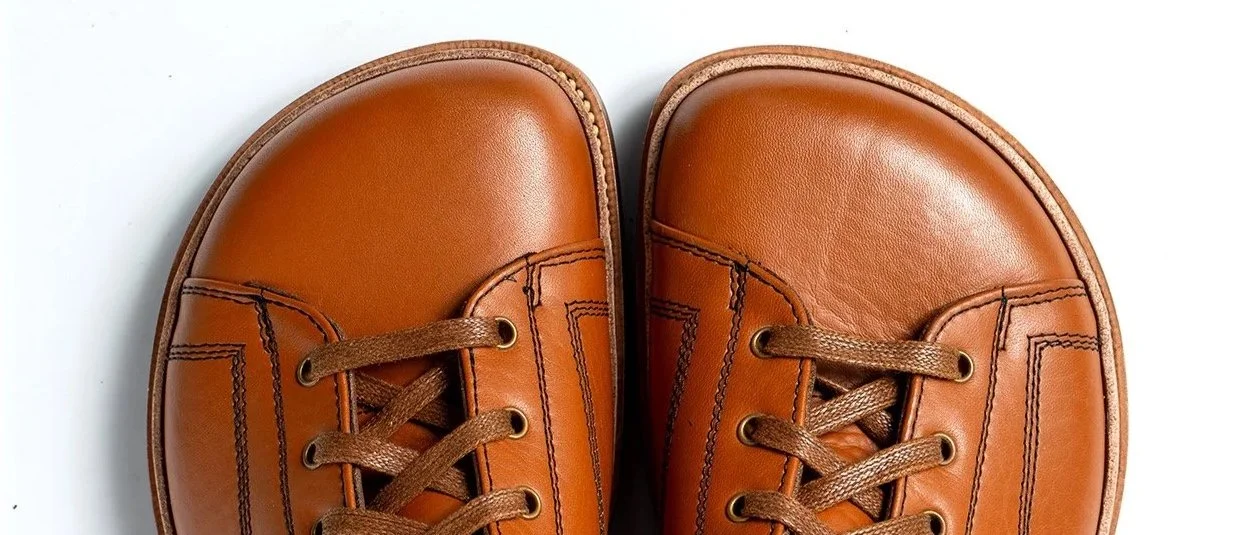
The Shape of an Anatomical Toe Box
Are Wide Boots and Anatomical Toe Box Boots the Same Thing?
Hell no. A wide boot and a boot with an anatomical toe box are not the same thing, not even close. A wider size gives the foot more space, but if the last still tapers inward toward the toes, it can still squeeze them. You have more width, but you still have the same basic shape.
This is why someone can wear an EE or EEE boot and still feel cramped in the toe box. Making a tapered last wider does not remove the taper. The boot may gain more volume through the forefoot while still narrowing where the toes actually need space.
An anatomical toe box works differently. It is shaped around the natural outline of the forefoot and toes, so it does not start pulling inward before the foot does. An anatomical toe box can be relatively narrow or very wide depending on the foot it is designed for. What matters is that the shape allows the toes to sit naturally instead of forcing them toward the center.
That is why shape is ultimately more important than width. A properly shaped boot does not need to be excessively wide to give your toes room. It simply needs to put the available space in the right place.
Shop Naang Boots Anatomical Toe Box Boots
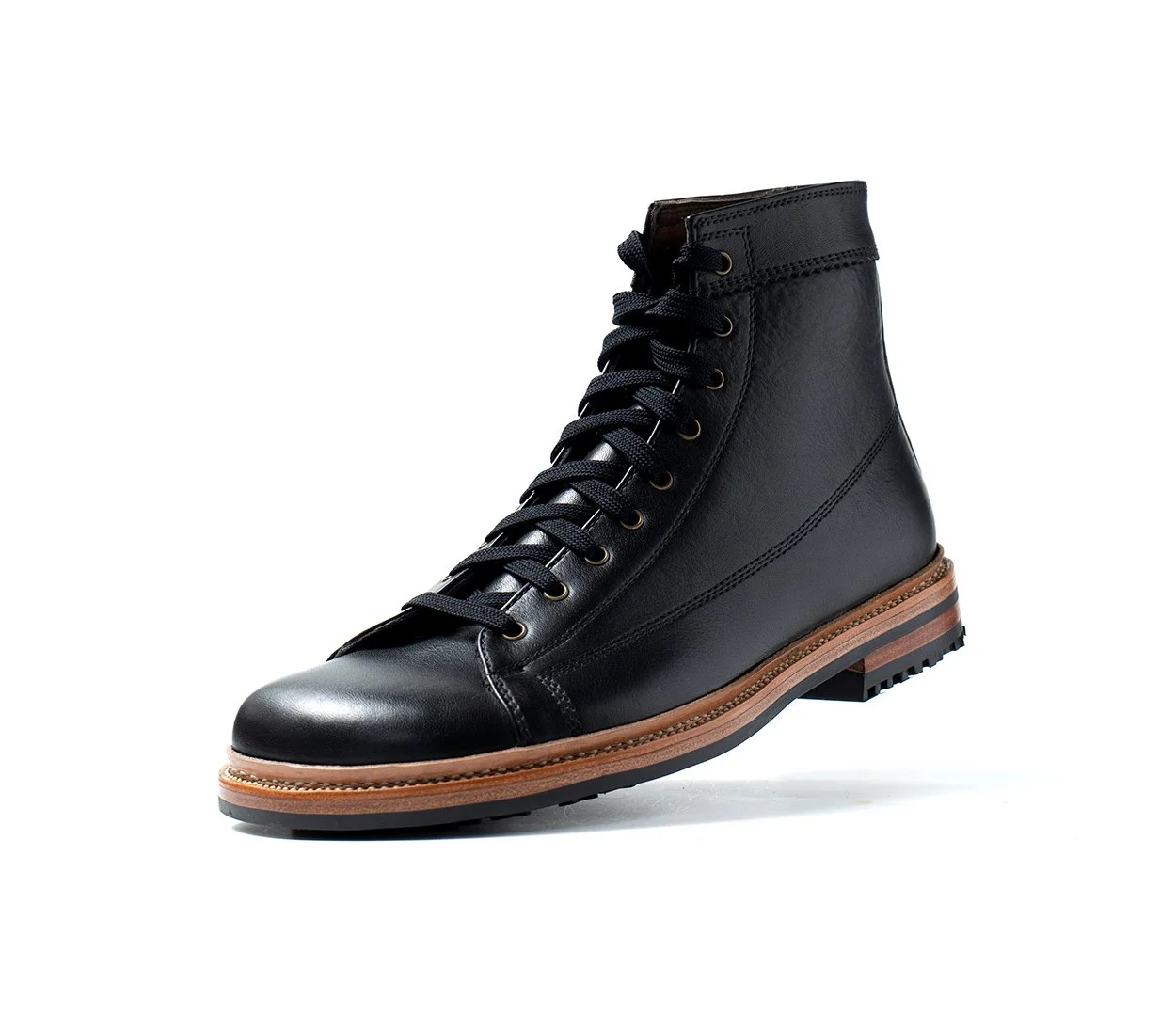
How Can You Tell If Your Boots Are Too Narrow?
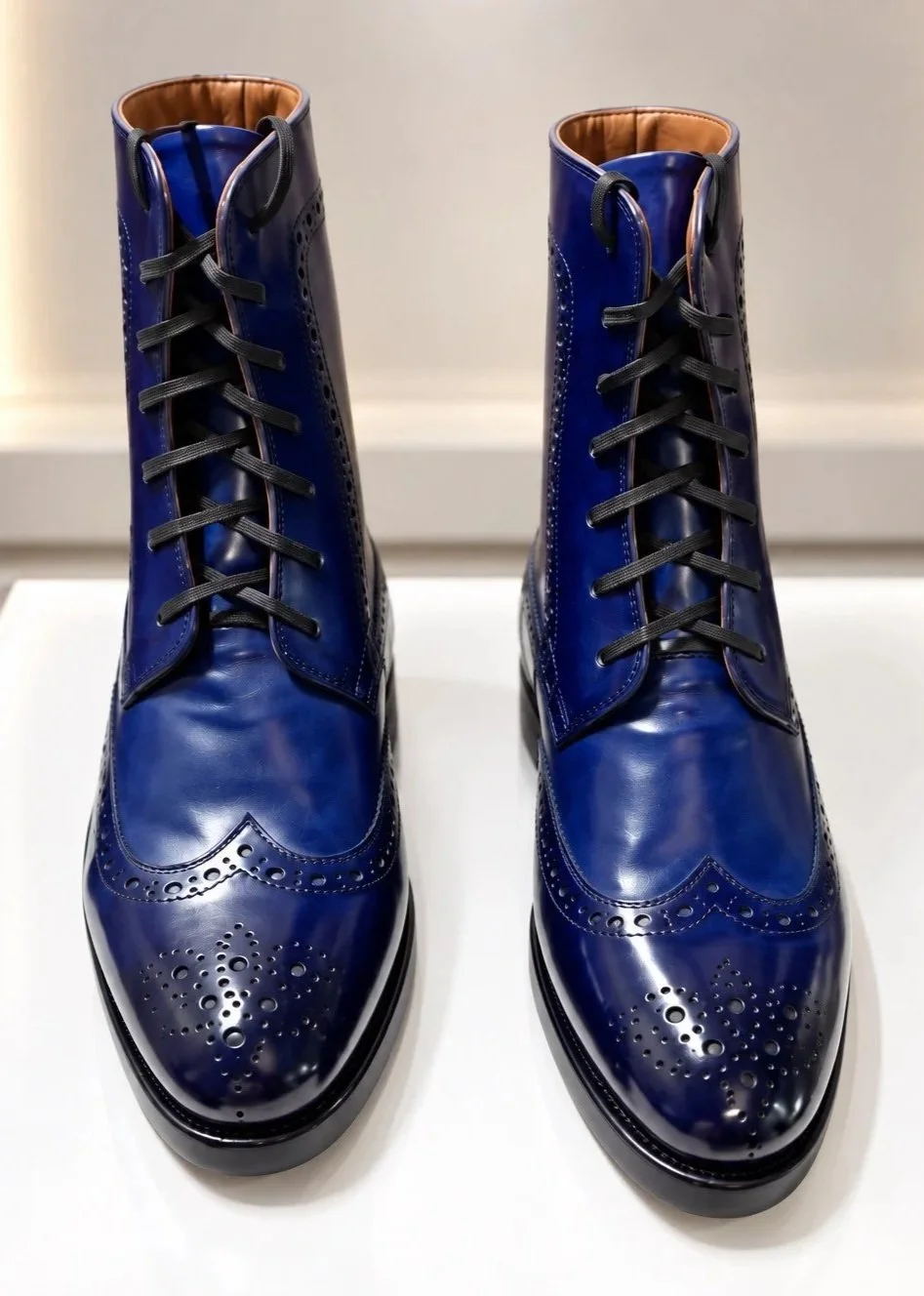
The clearest sign that your boots are too narrow is pressure where you should not be feeling it. If the sides of your forefoot or toes feel compressed, pinched, or painful, the boot is too narrow or the toe box is the wrong shape.
That doesn’t mean a good boot should feel loose everywhere. You actually want a snug fit through the heel and midfoot. Those areas help hold your foot securely inside the boot, reduce heel slip, and keep your foot from moving around and rubbing as you walk.
The line between snug and too tight can be a fine one though, and everyone has to judge that for themselves. The way I usually describe it is simple: snug feels secure and comfortable. Tight hurts. If you are feeling pain, that’s a bad sign.
Your toes are a different story. You do not want the same snugness at the front of the boot. Your toes need enough room to spread, splay, and move without being pushed into one another. If the boot feels secure through the heel and midfoot but relaxed around the toes, that’s generally what you’re looking for.
Pressure around the toes, especially along the outside of the little toe or inside of the big toe, is a strong sign that the boot is either too narrow or too tapered for your foot. Get new boots.
Will Leather Boots Stretch If They Are Too Narrow?
That’s complicated. Yes, leather boots will stretch a little as they break in, but you should not expect that stretch to fix a boot that is genuinely too narrow. Leather gives, it softens, and it molds around your foot. It doesn’t magically turn a narrow boot into a properly fitting one.
That is what break-in is all about: making the boot yours. As you wear a good pair of leather boots, the leather begins to flex where your foot flexes and give slightly where your foot puts pressure on it. Over time, the boot starts to feel more like your boot because the leather has broken to the will of your foot.
But don’t get it twisted: leather can mold to the shape of your foot, but break-in isn’t voodoo. It’s not gonna change the size or basic geometry of the boot. If the last is too narrow or the toe box tapers into your toes, breaking the boots in isn’t going to suddenly create the width and space that should have been there from the beginning.
You need to start with a boot that already fits your foot in both length and width. Then, and only then can the break-in period do what it’s supposed to do: take a properly fitting boot and make that fit better.
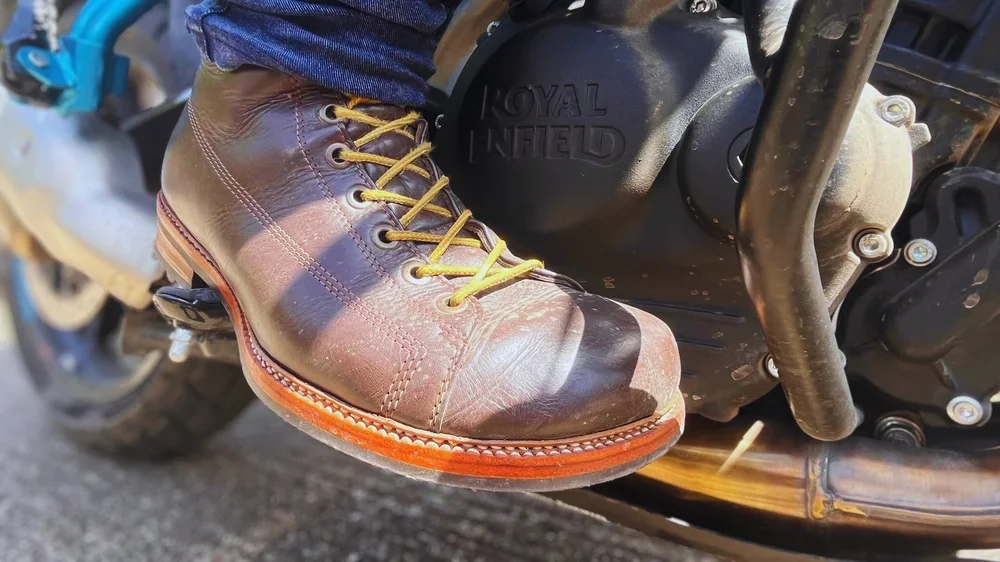
A Pair of Naang Winnfiends Broken In
Should You Size Up If Your Boots Are Too Narrow?
No. If your boots are too narrow, sizing up isn’t the fix you’re looking for. A longer boot is just that: a longer boot. It doesn’t solve a width problem.
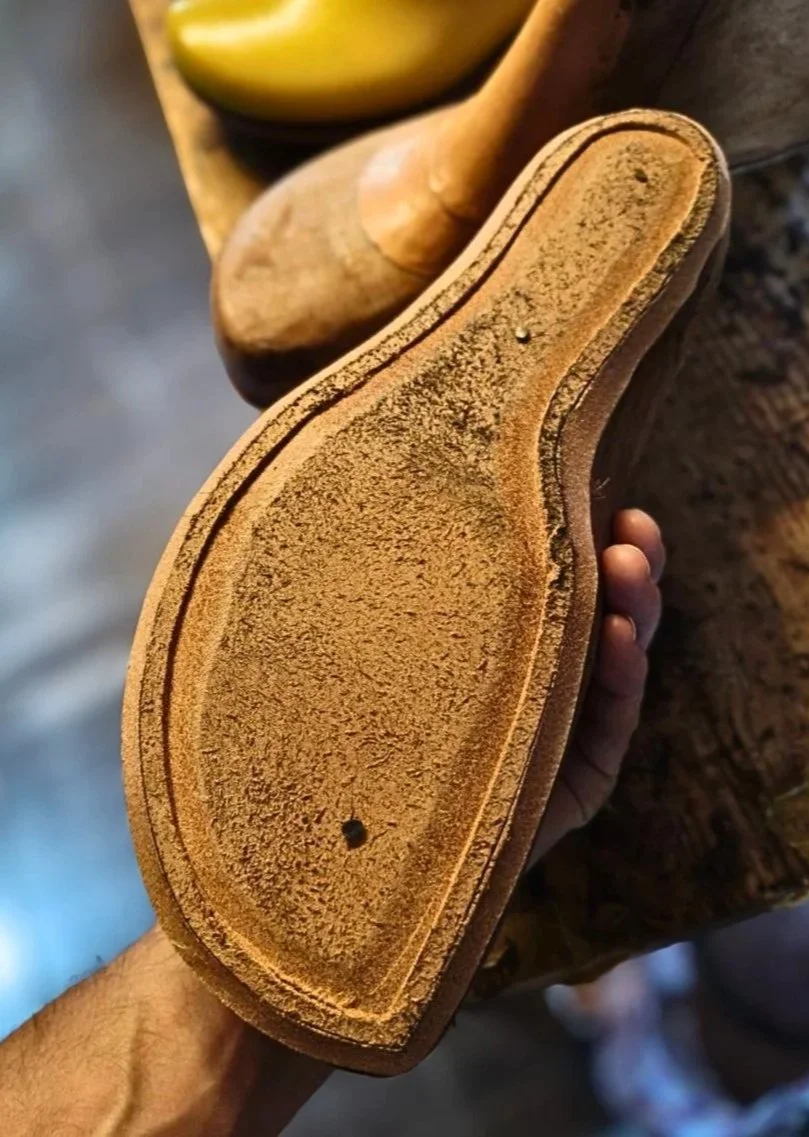
If the boot feels too tight through the heel or midfoot, you need more width or volume in those areas. If your toes are getting pinched, look at the shape of the toe box. Is it tapered? Almond-shaped? Does it start narrowing from the ball of your foot? If so, you need a better toe box design, not extra length.
A lot of people with cramped toes size up because it feels like it gives them more room. What they’re really doing is moving the narrowest part of the taper farther forward by extending the boot. That can reduce some immediate pressure, but now you’ve got too much boot in front of your toes.
That extra length creates its own problems. The boot may flex in the wrong place, the heel may move more, and the whole boot can feel less secure and less natural when you walk. Worst of all, your toes are still sitting inside a shape that was never right for your foot in the first place.
In short, getting a longer boot doesn’t fix a width problem. Get the correct length first, then find the width and toe box shape that actually fit your foot.
How Much Room Should Your Toes Have in Boots?
Your toes should have enough room inside a boot that they aren’t being compressed in any way, or pushed into one another. When a boot fits properly, your toes should be able to sit in their natural position and splay out as you put weight on your foot.
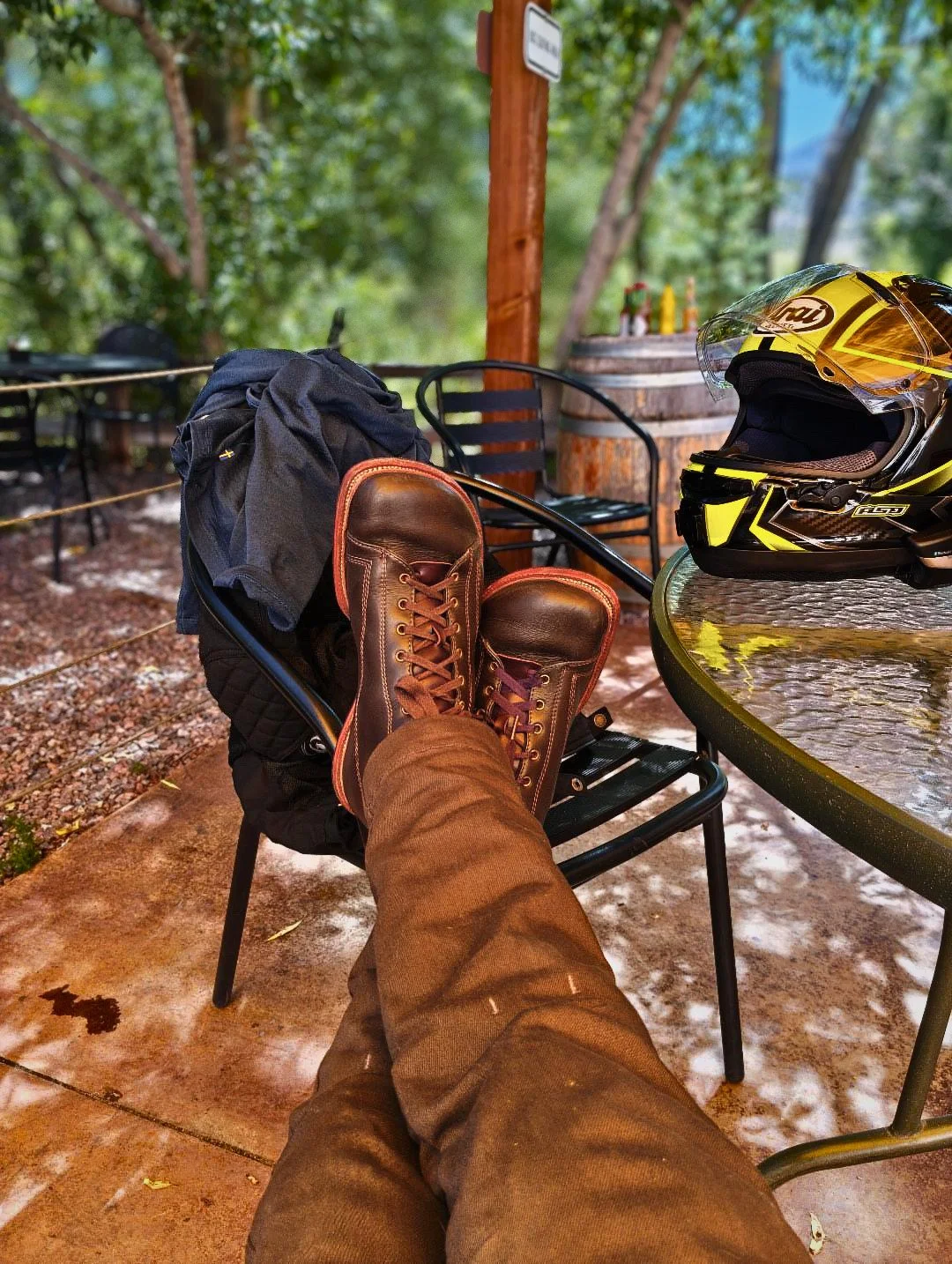
That doesn’t mean the toe box needs to feel sloppy. You don’t need a bunch of empty space around your toes. You just need enough space for them to move naturally without contacting the boot in a way that creates pressure.
There’s also no single measurement that works for every foot and every boot. Toe length, foot shape, last shape, socks, and the construction of the boot all affect how much space you need. That’s why I care more about how the foot sits inside the boot than chasing a specific number.
The basic test is simple: your toes shouldn’t feel crowded. You should be able to wiggle them, spread them, and load your forefoot without the sides of the toe box pushing them inward.
A good toe box isn’t excessively wide. It’s just wide enough, and tall enough, to let your toes do what toes are supposed to do.
Do You Need Wide Feet to Wear an Anatomical Toe Box?
Absolutely not. You don’t need wide feet to benefit from an anatomical toe box. Anatomical describes the shape of the toe box, not how wide the entire boot is.
Wide feet tend to get most of the attention when people talk about anatomical footwear, but narrow feet have toes too. A narrow foot can still get squeezed inside a tapered toe box because that isn’t how our feet are shaped.
In fact, this is where width labels can get misleading. A narrow boot may fit perfectly through the heel and midfoot but still taper aggressively through the front. That can leave someone with a genuinely narrow foot feeling pressure around the big toe, little toe, or both.
The answer isn’t to make every boot wider. The answer is to make the toe box the right shape. A narrow anatomical last can still hold a narrow foot securely while giving the toes enough room to sit naturally and splay under load.
Anatomical toe boxes are for feet, not just wide feet.
Can Heritage Boots Have an Anatomical Toe Box?
Yes, absolutely. Heritage boots can have an anatomical toe box, and I’d argue that they should.
Heritage boot construction is great for a reason. Thick leather, welted or stitchdown construction, substantial midsoles, rugged outsoles, and boots built to be repaired and worn for years. That’s what a boot’s supposed to be.
But the shape of the boot needs to evolve. We can keep the construction, durability, and character of a traditional boot without forcing the front of it into a tapered shape that doesn’t match the foot inside.
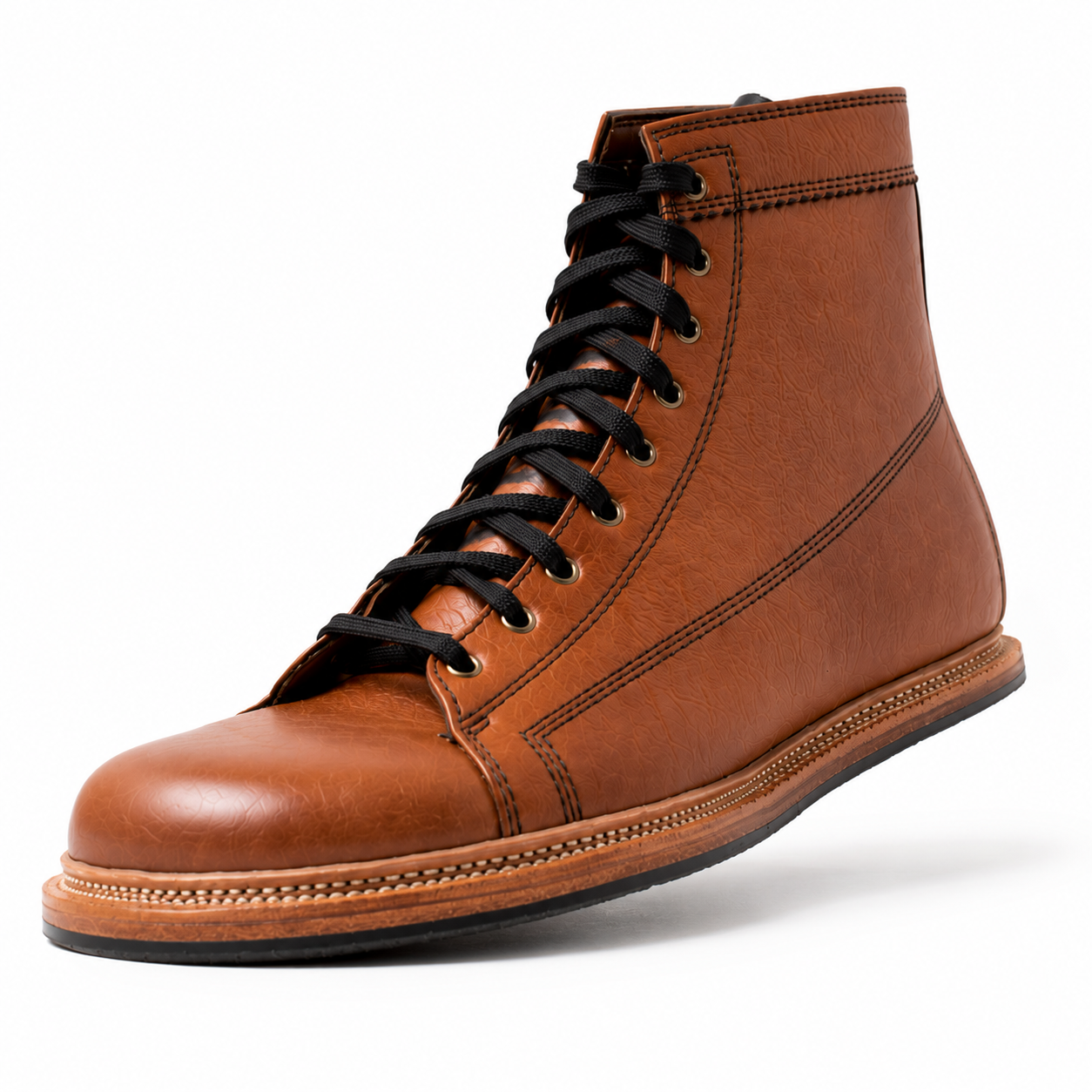
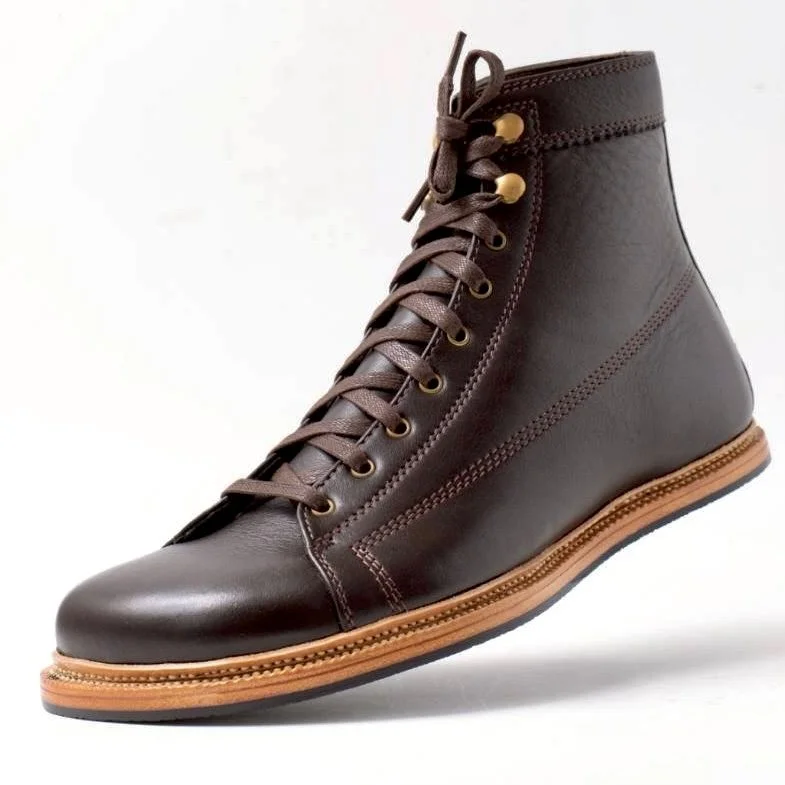
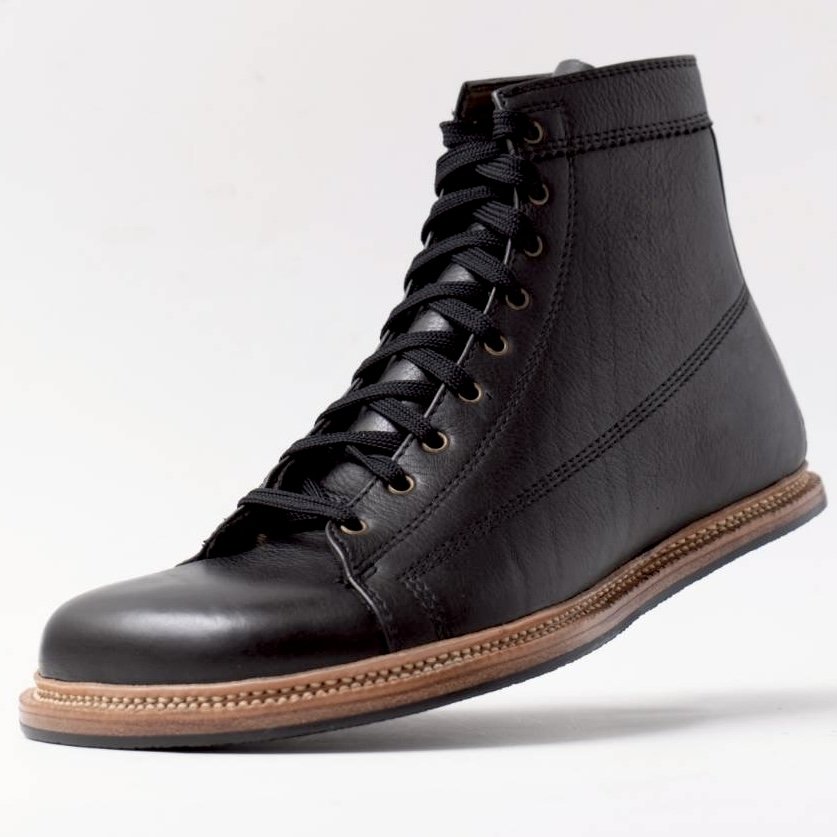
That’s the thesis we’ve been working from at Naang Boots. We spent years dialing in our last so the toe box follows the natural shape and function of the foot. The heel and midfoot stay secure, while the forefoot and toes get the room they need to sit and move naturally.
Boots are tools. Their job’s to protect your feet and help you move through the world. That protection should include your toes, too. A heritage boot should be rugged, rebuildable, and built to last, but none of that requires crushing your foot into the wrong shape.
Shop Naang Boots Anatomical Toe Box Boots
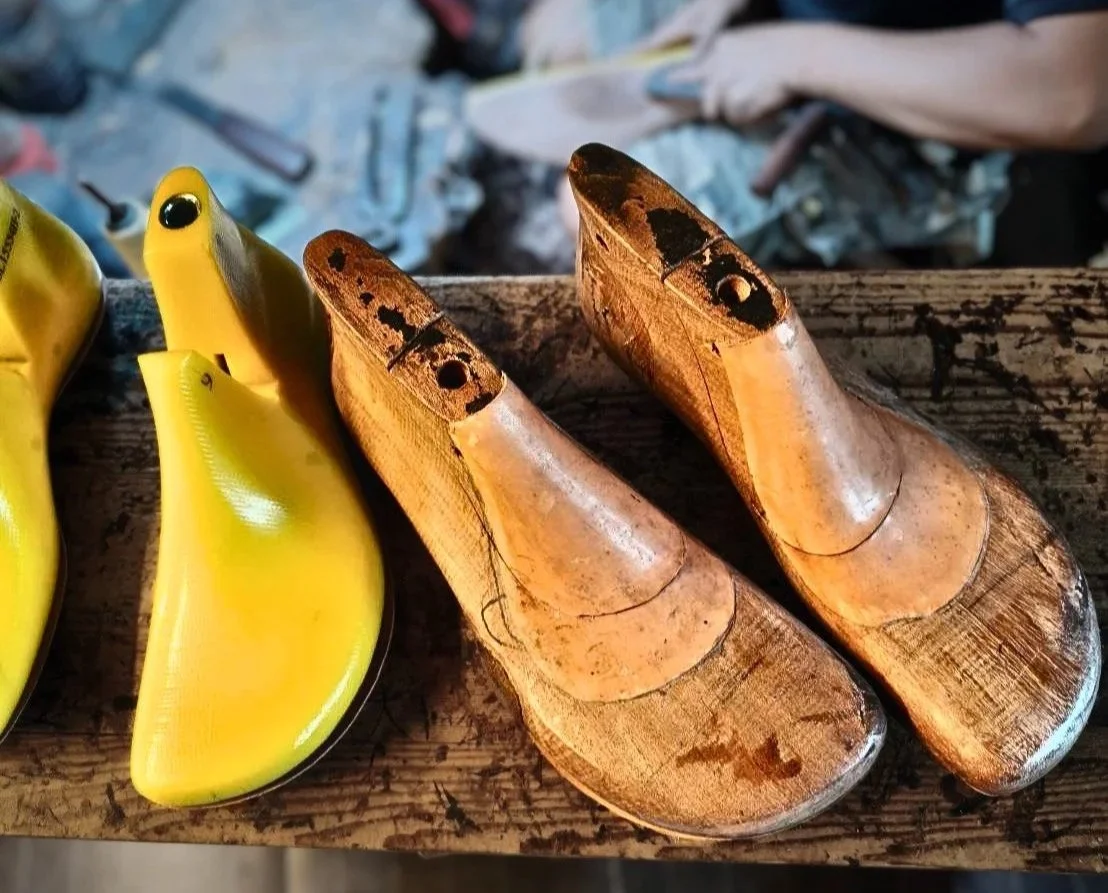
A Better Fitting Boot Starts With the Last
If we want to fundamentally change the way boots fit, we’ve got to start with the last. The last is the three-dimensional form that the leather upper’s stretched over and the boot’s built around. It determines the basic shape of the finished boot.
One of the most important early examples of designing a last around the foot came from Dr. Edward Lyman Munson in the early 1900s. Munson studied soldiers’ feet and helped develop a military last that gave the forefoot and toes more room while keeping the heel and midfoot secure. More than a century later, the basic idea still makes a lot of sense: start with the foot, then design the boot around it.
But our understanding of foot anatomy and biomechanics has moved forward since Munson’s time, and boot design should move forward with it.
That’s how we approached developing the last at Naang Boots. We looked at modern research on the foot and used it to inform the shape, proportions, and fit we wanted. Then we spent years refining the last until we could get that secure feeling through the heel and midfoot without forcing the forefoot and toes into a tapered shape.
That difference becomes obvious when you put the boots on. Your foot feels secure, but your toes suddenly have room to be toes. For people who’ve spent years wearing tapered boots, it can completely change their relationship with footwear.
So the next time you’re looking to buy a pair of boots, forget the width label for a second and look at the shape of the toe box.
Does it actually look like your foot?
If it doesn’t, why are you putting your foot inside it?
Anatomical Boot Lasts
Frequently Asked Questions
Why are most boots too narrow in the toe box?
Many boots are built on lasts that taper inward from the ball of the foot toward the toes. That creates the traditional rounded, almond, or pointed boot shape, but it can also push the toes together. A better toe box follows the natural shape of the forefoot instead of forcing the foot to match the boot.
Should your toes touch the sides of your boots?
Your toes should not be compressed or pushed inward by the sides of your boots. The toe box should provide enough width and volume for your toes to sit naturally and splay when you put weight on your foot. Secure is good through the heel and midfoot. Your toes need room.
Should new leather boots feel tight around the toes?
No. New leather boots can feel firm or stiff before they break in, but your toes should not feel pinched or painful. Break-in allows leather to soften and mold to your foot. It will not fix a toe box that is fundamentally too narrow or the wrong shape.
Will leather boots stretch wider as they break in?
Leather will give slightly and conform to your foot during break-in, but it will not turn a narrow boot into a properly fitting wide boot. Start with the correct length, width, and toe box shape, then let the leather mold to your foot over time.
Is a wide boot the same as an anatomical boot?
No. Width and shape are different things. A wide boot can still have a tapered toe box that squeezes the toes, while an anatomical boot follows the natural outline of the forefoot and can be made for narrow, average, or wide feet.
Do you need wide feet to wear anatomical boots?
No. Anatomical toe boxes are useful for any foot width because they are about shape, not simply width. A narrow foot can still have its toes compressed by a tapered toe box, so narrow feet benefit from anatomically shaped footwear too.
Should I size up if my boots pinch my toes?
Usually not. Sizing up gives you a longer boot, not necessarily a wider or better-shaped one. If your toes are being pinched, look for the correct width and a toe box that matches the shape of your foot instead of adding unnecessary length.
How much room should your toes have inside boots?
Your toes need enough space to rest naturally, wiggle, and splay under load without feeling pressure from the sides or top of the toe box. The toe box does not need to feel oversized or sloppy. It simply needs to provide enough room for your toes to function normally.
Can heritage boots have anatomical toe boxes?
Absolutely. Traditional boot construction methods like welted and stitchdown construction do not require a narrow or tapered toe box. Heritage boots can keep their thick leather, rugged construction, repairability, and traditional character while using a last that follows the natural shape of the foot.
What is the most important part of getting the right boot fit?
Start with the last. The last determines the basic three-dimensional shape of the boot, including its heel, midfoot, forefoot, and toe box. A good fit comes from choosing a last that matches the shape of your foot, then selecting the correct length and width.

All Boots Are Made-To-Order. Current Lead Time: 60-90 Days.
Not sure about your size? Check out our Sizing Guide.
The Winnfield is built to walk the earth.
City streets. Back alleys. Remote trails. Foothills that don’t forgive mistakes.
Wherever you go, it keeps moving.
Construction: 360° Hand-Welted
Lace-to-Toe
Shaft Height: 6 inches
Last: Anatomical – Minimal Heel
Our Anatomical Last is very wide, if you feel your foot is exceptionally wide please indicate so on the form that pops up after you add the boots to your cart, we will get in touch to make sure that your boots are wide enough for your feet. We got you!
Leather: 2.5-4mm Full Grain
Full Leather Liner
Outsole: Naang Mini Lug Rubber Outsole
Built on our Anatomical Natural Toe Box last, the Winnfield follows your foot’s true shape.
Not the other way around.
Lace-to-toe construction, lets you fine-tune the fit, helping limit hot spots, pressure, and other foot problems mile after mile
Your toes can spread. Your stride stays strong. Comfort holds, mile after mile.
Every pair is hand-welted with a full 360° storm welt.
Not for looks. Not for marketing. For durability.
It seals out the elements and locks the upper to the sole the way it should be done. Built to take abuse. Built to last.
Inside, a leather shank adds structure where you need it, while letting the forefoot move the way it should.
Stable step after step. Solid under load. Comfortable through long days on your feet.
This is not a delicate boot.
It’s a tool.
The Winnfield is made to walk the earth.
So go use it.
Worldwide Shipping Available.