Naang Boots Articles
Why Most Boots Are Too Narrow
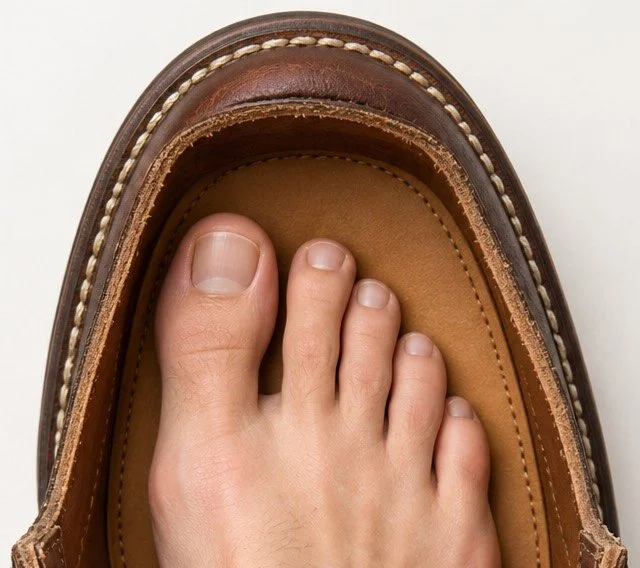
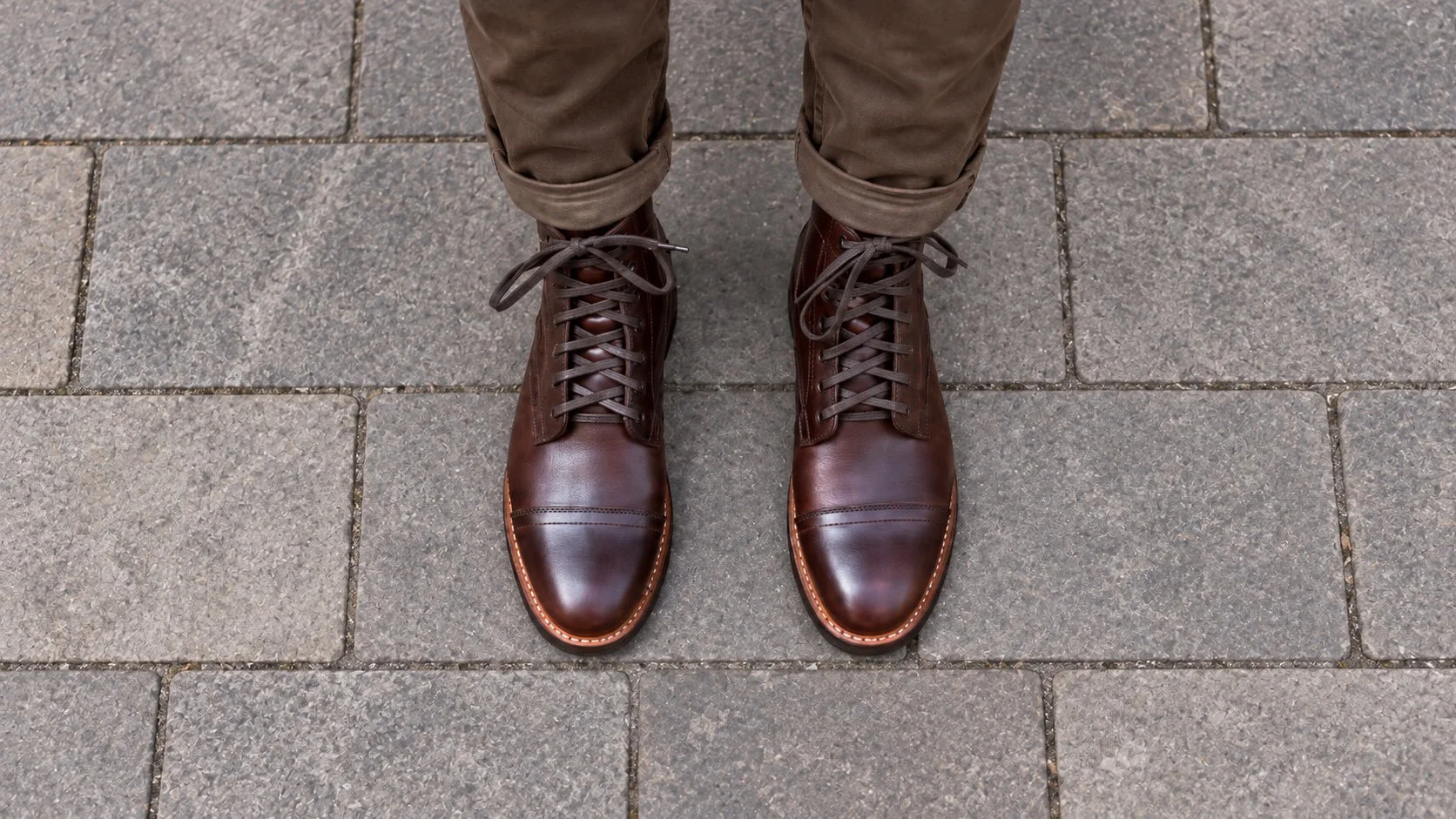
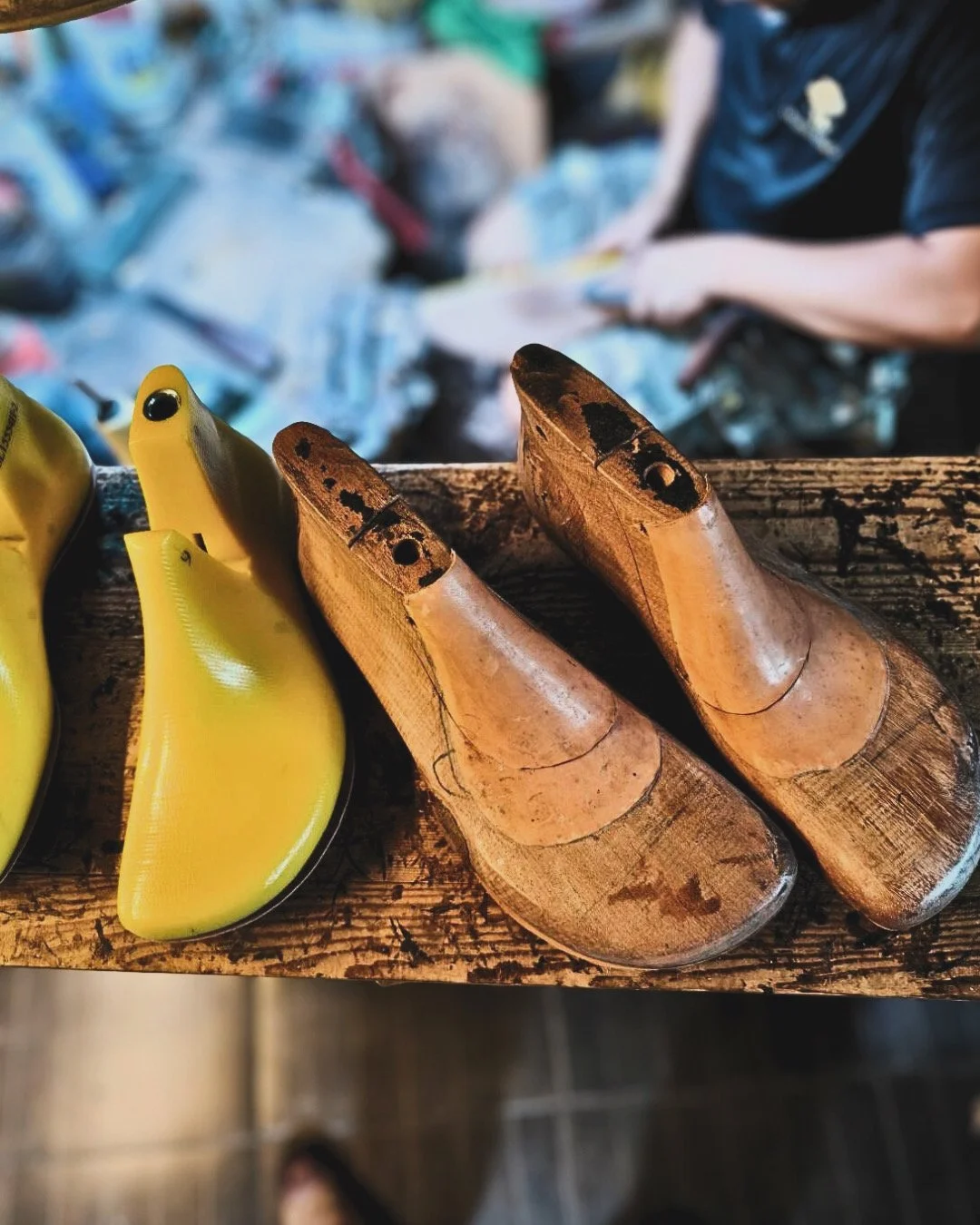
If your boots feel too narrow, the problem may not be that you have unusually wide feet. The problem may be the shape of your boots. Many traditional boot lasts taper inward through the forefoot and toe box, even though our feet generally get wider toward the toes. That mismatch can squeeze the toes together and create pressure where your foot needs more space.
Sole Searching in Bangkok
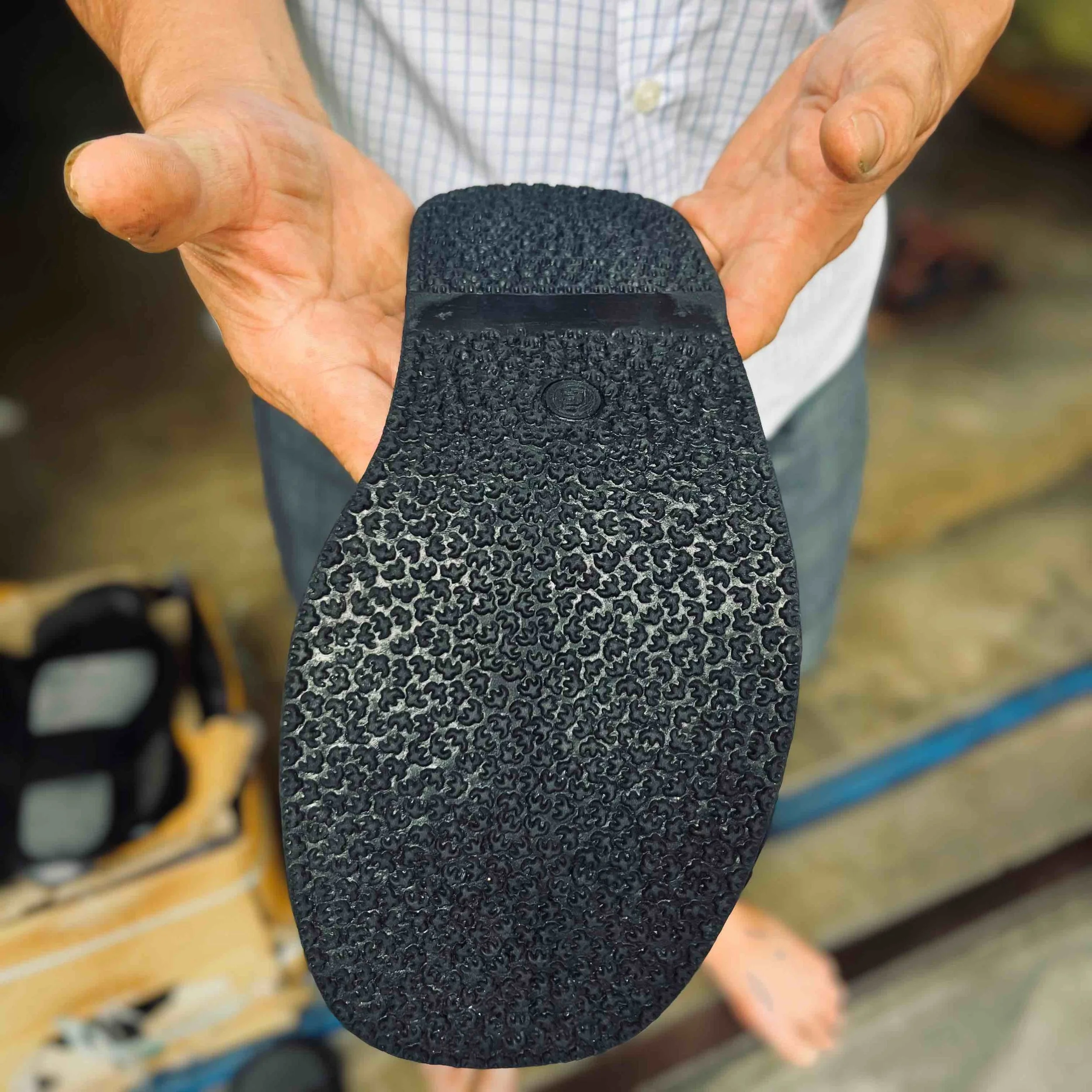
This weekend I went out looking for new sole sheets for our zero-drop boots.
Fortunately, Bangkok has an entire section of the city dedicated to leatherwork, shoemaking, and bootmaking. It’s not far from Wongwian Yai, and it has become one of my favorite places to wander around when I’m looking for materials, tools, or ideas.
Winnfields Into the Wild
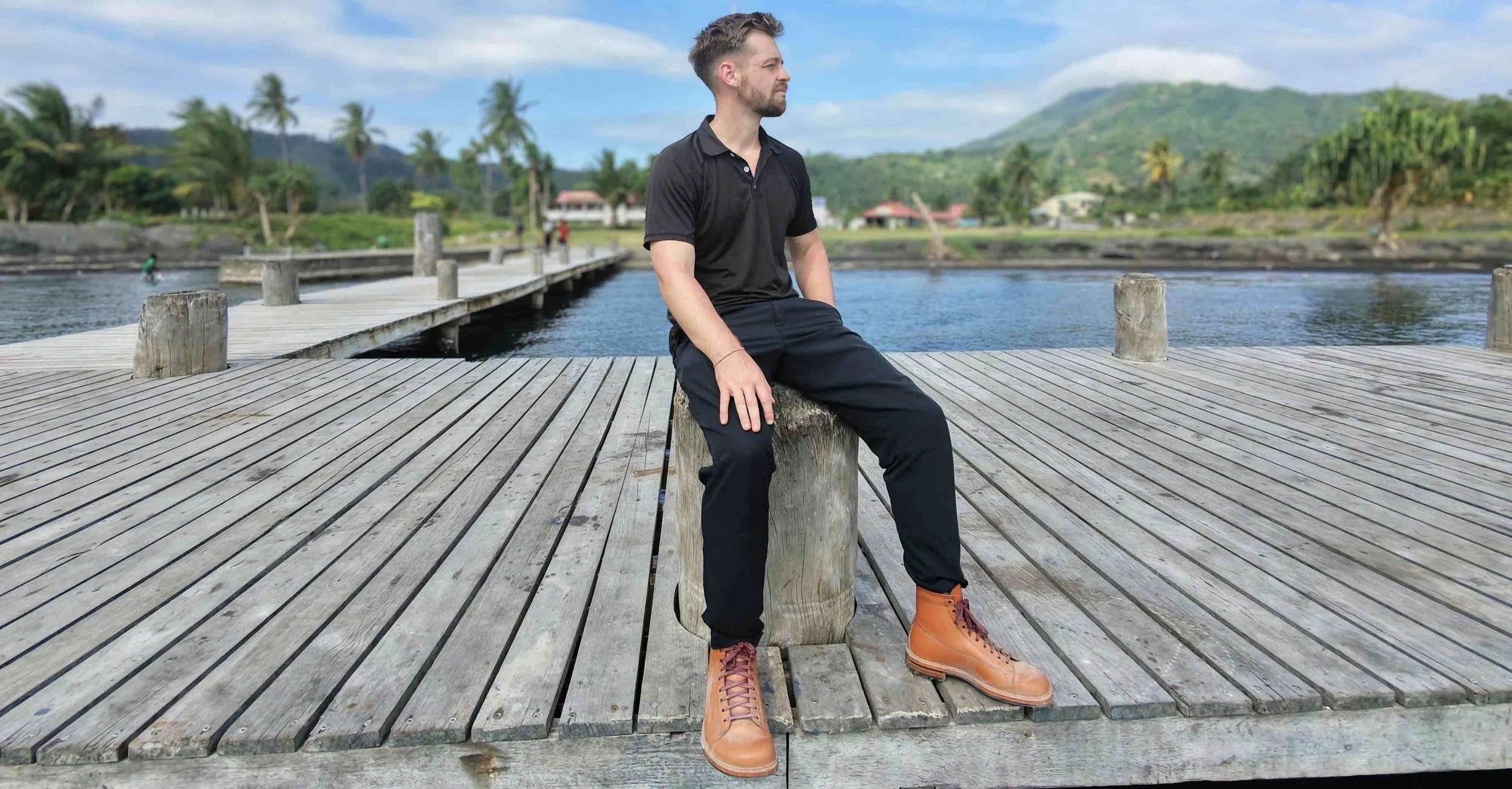
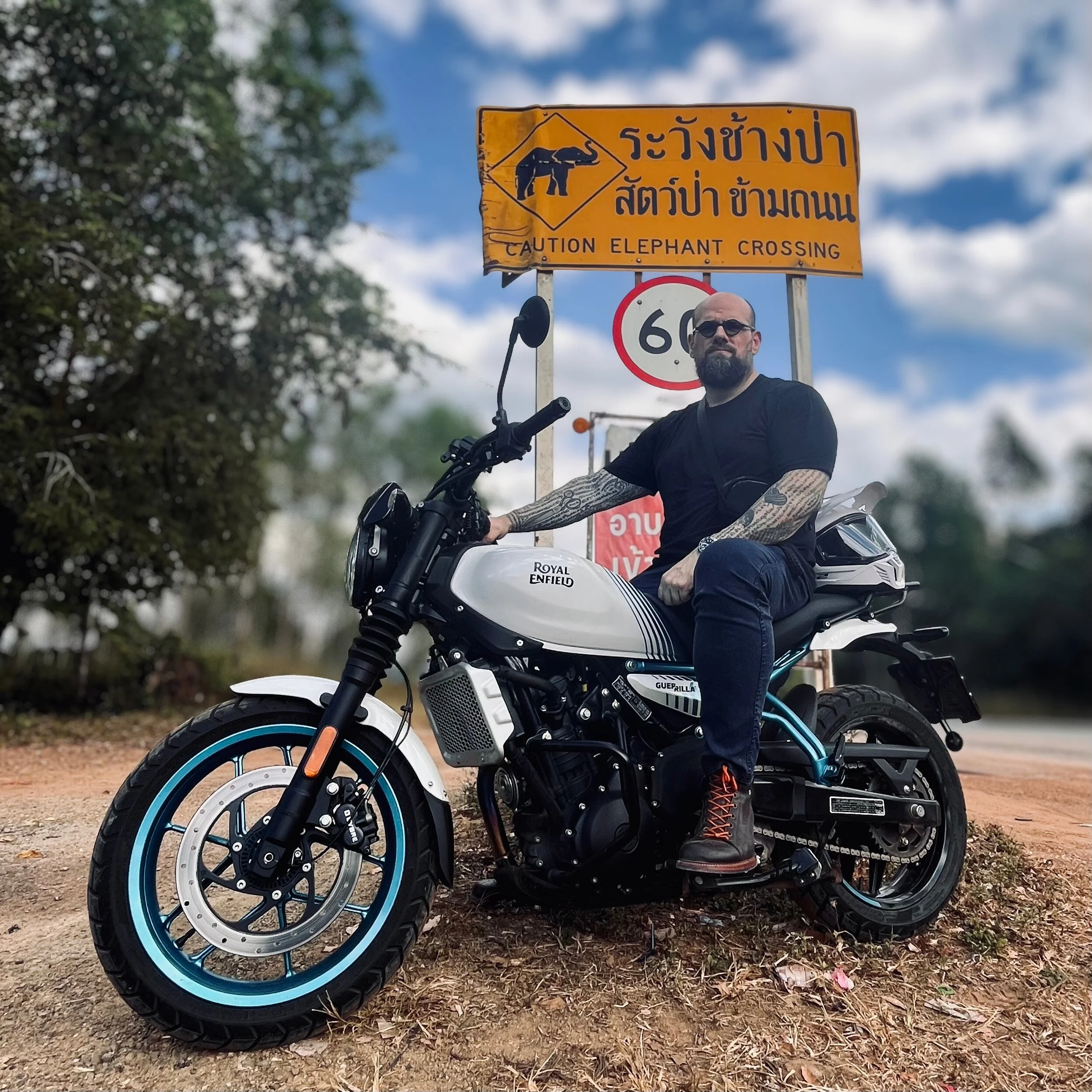
Adventure is at the core of what we do. Every pair we make is designed to be worn hard, beaten up, and taken somewhere interesting.
That is why I was especially happy to kit out my friend Harry from the YouTube channel WeHateTheCold with a pair of Winnfields for his latest adventure into the jungles of Papua New Guinea.
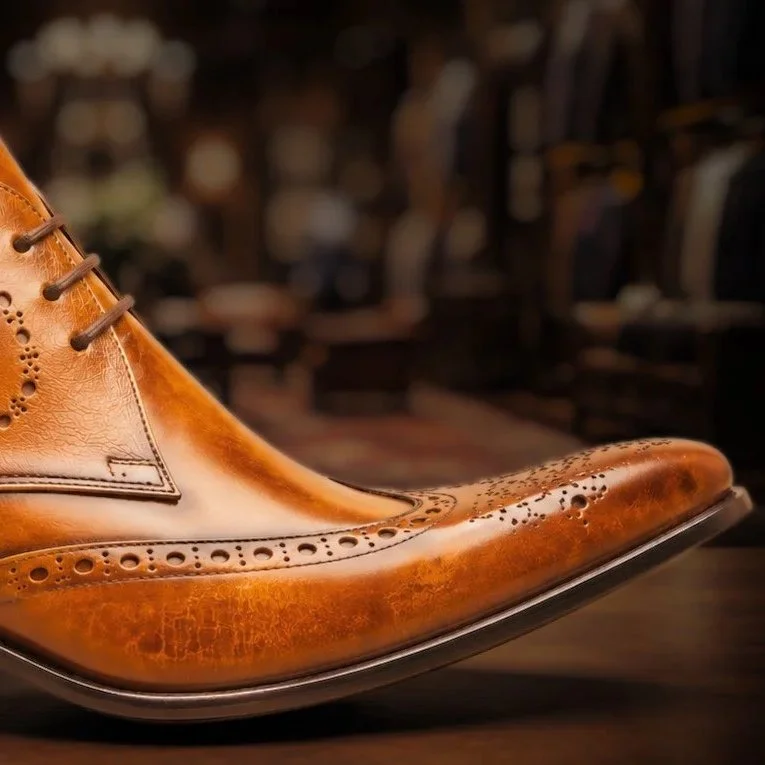
Why Do Boots Have Toe Spring? What It Is and Why It Matters
Boots have toe spring to help the foot and boot roll forward through each step while reducing the chance of the toe catching or dragging on the ground. Toe spring is the slight upward curve at the front of a boot, and it becomes especially important in boots with thicker, stiffer, or more structured soles.
As you walk, that upward curve helps the boot transition from the forefoot forward to the toe, instead of forcing the entire sole to bend sharply with every step. In a well-designed boot, toe spring works with your natural gait to make the boot easier and more comfortable to walk in.
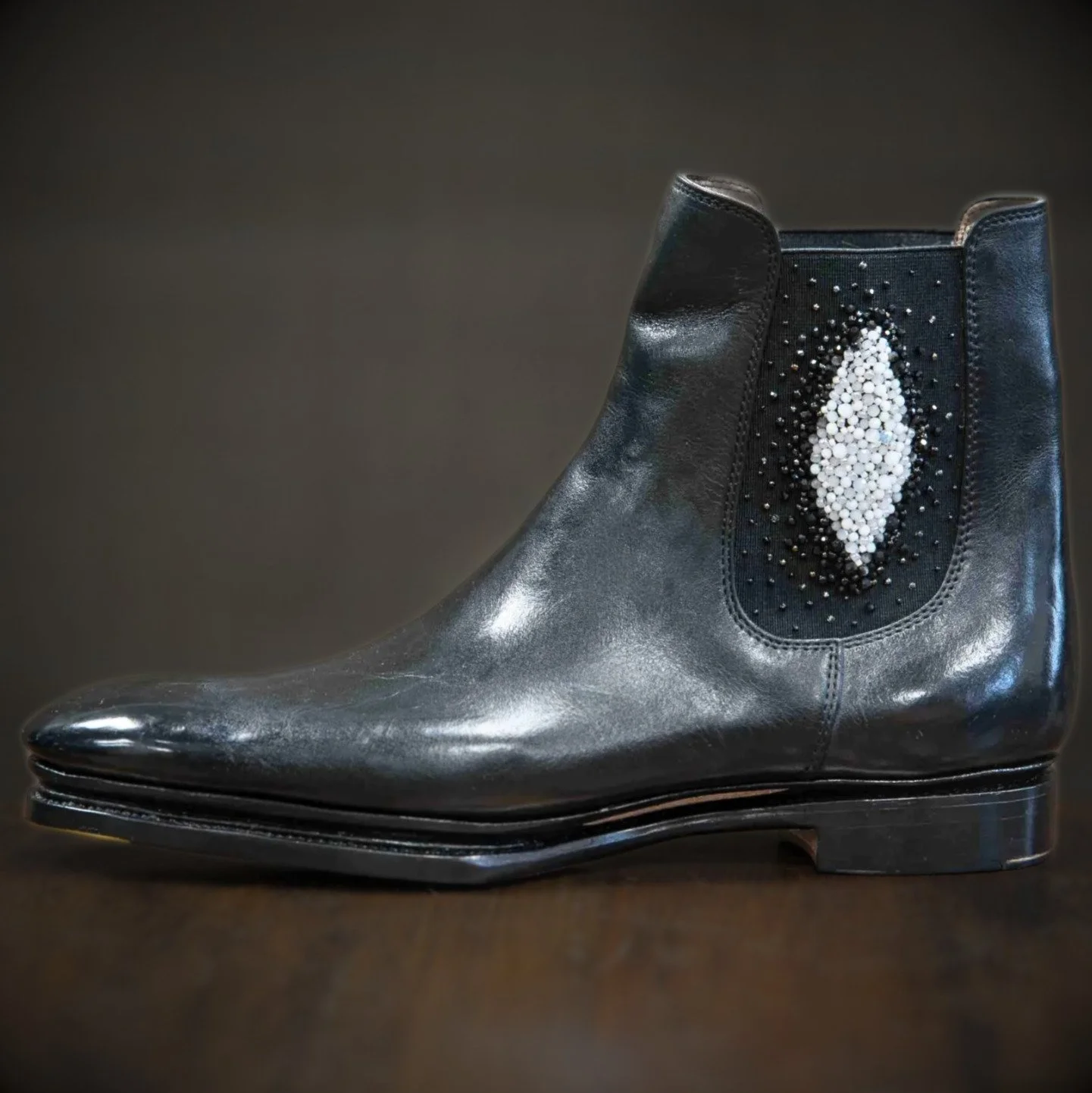
Naang Boots Finishes 13th at the 2026 World Championships of Shoemaking
Shoegazing recently published the second half of its rundown of all the competition boots, which means we finally got to see Zissou sitting there at number 13 alongside some seriously good shoemakers from around the world.
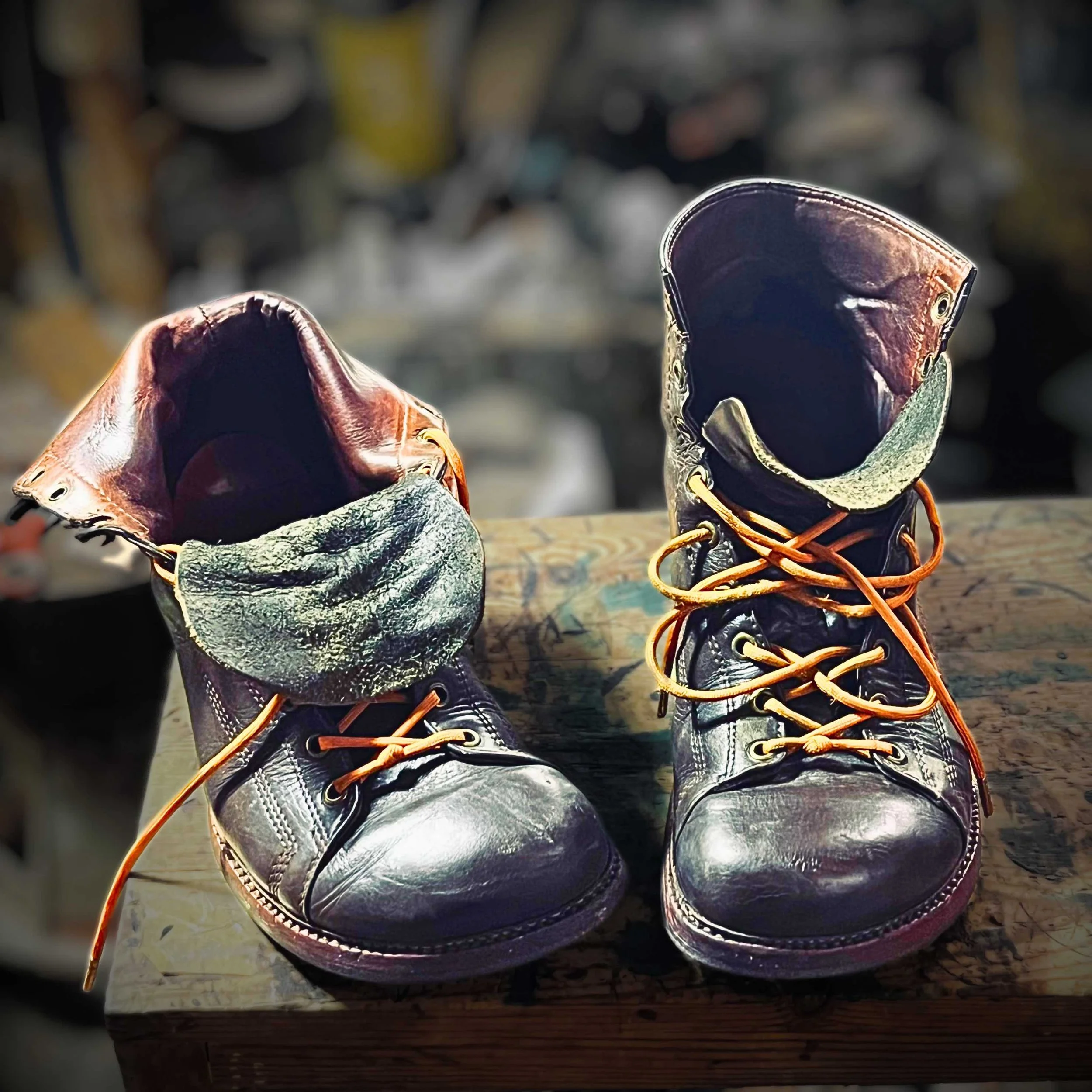
A Pair of Worn Boots, Van Gogh, and the Winnfield
still wear the very first pair of Winnfields we ever made.
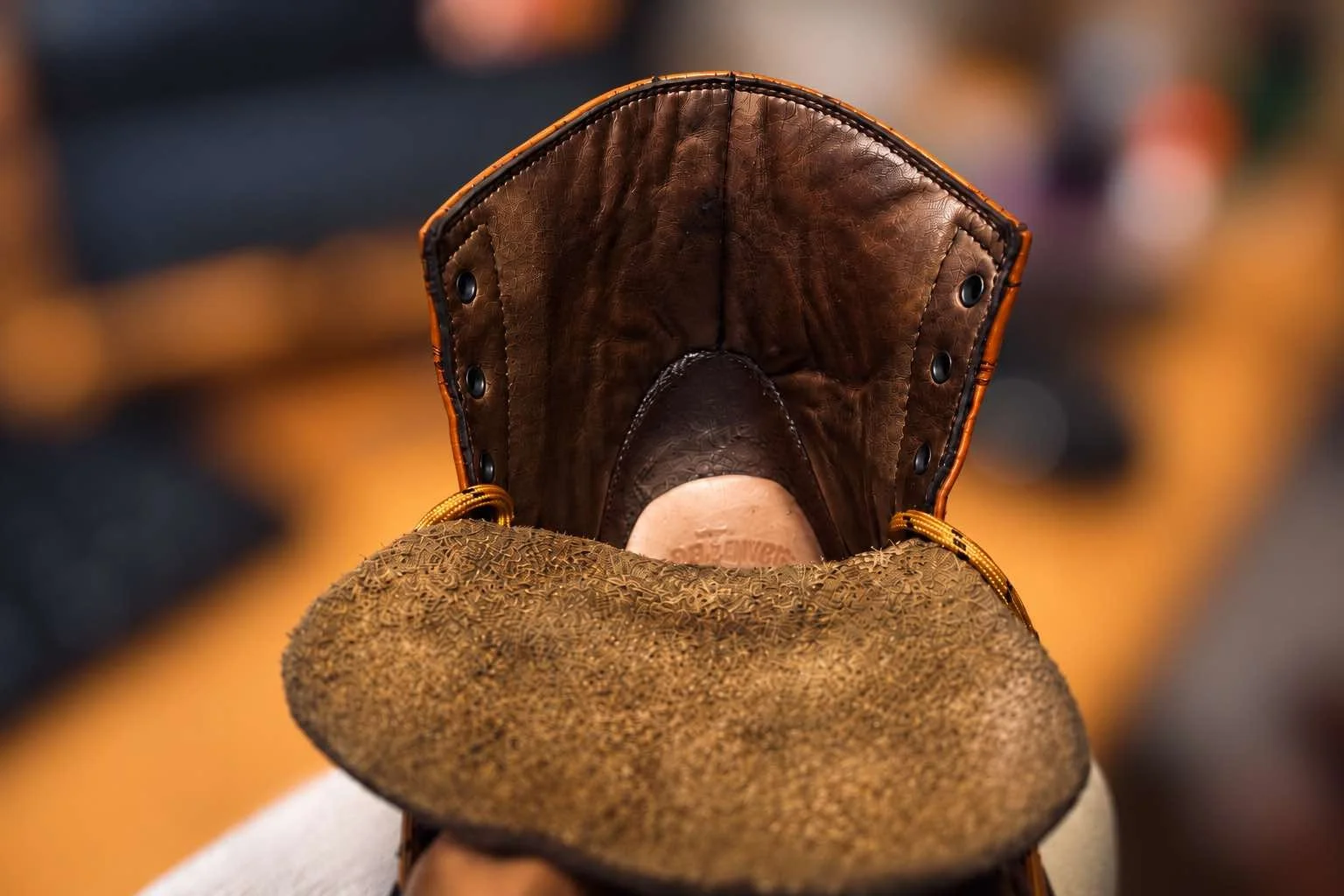
They were prototypes, built long before the Winnfield became the boot we sell today. I’ve worn them almost daily ever since, and I haven’t been particularly kind to them. I’ve worn through the soles, scuffed the leather, nearly worn a hole through the tongue, and even managed to rip out an eyelet.
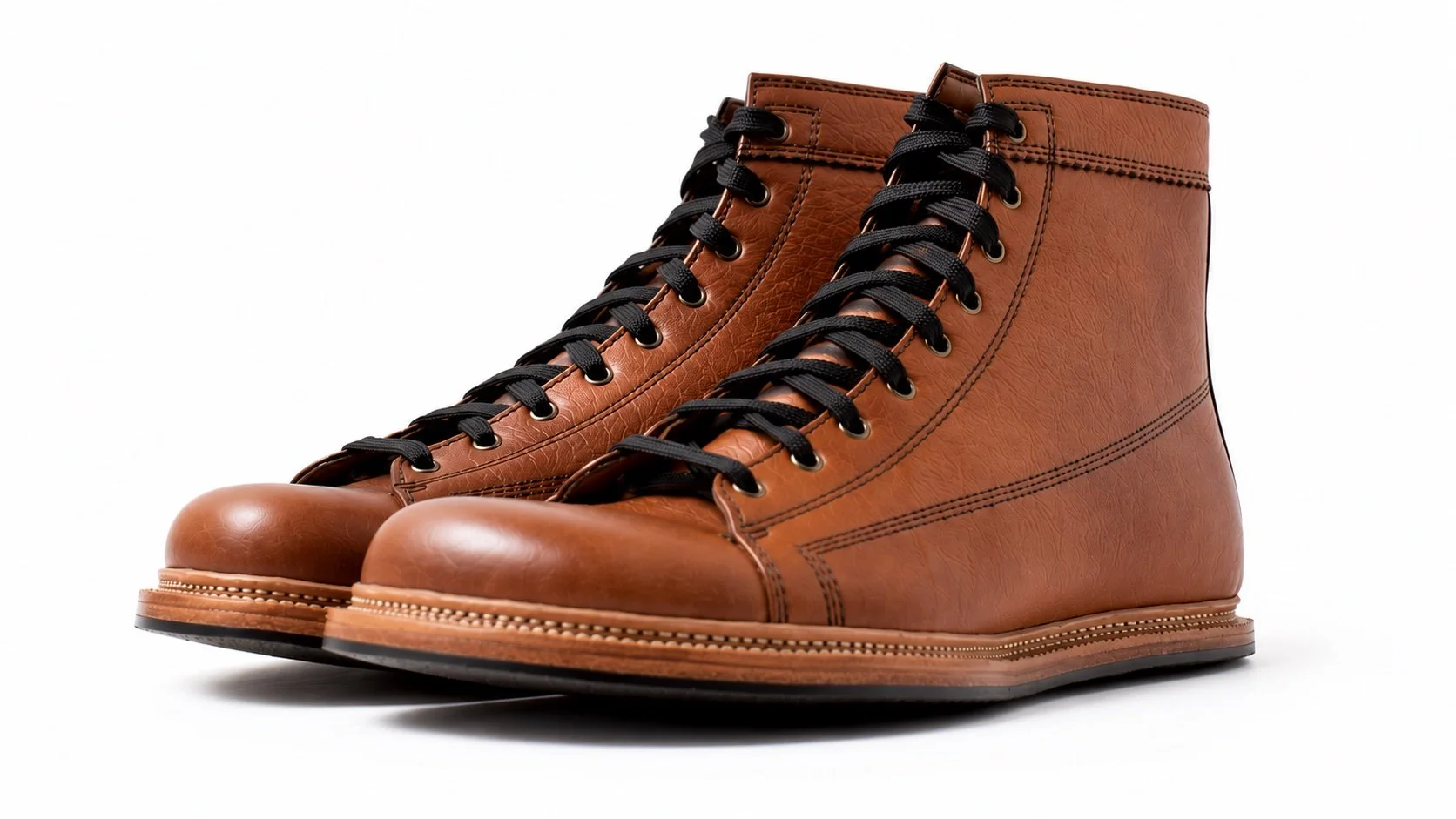
Zero Drop Boots Don’t Have to Be Barefoot
Zero drop boots DO NOT have to be barefoot boots. This is something I find myself correcting all the time when customers ask me about our “barefoot boots.”
At Naang, we don’t make barefoot boots. We make heritage boots built around an anatomical toe box, with zero drop as an option for customers who want it. We still use thick leather insoles and midsoles, traditional welted construction, and all the things that make a heritage boot a heritage boot.
Zero drop and barefoot are not the same thing, and we need to stop using the terms interchangeably.
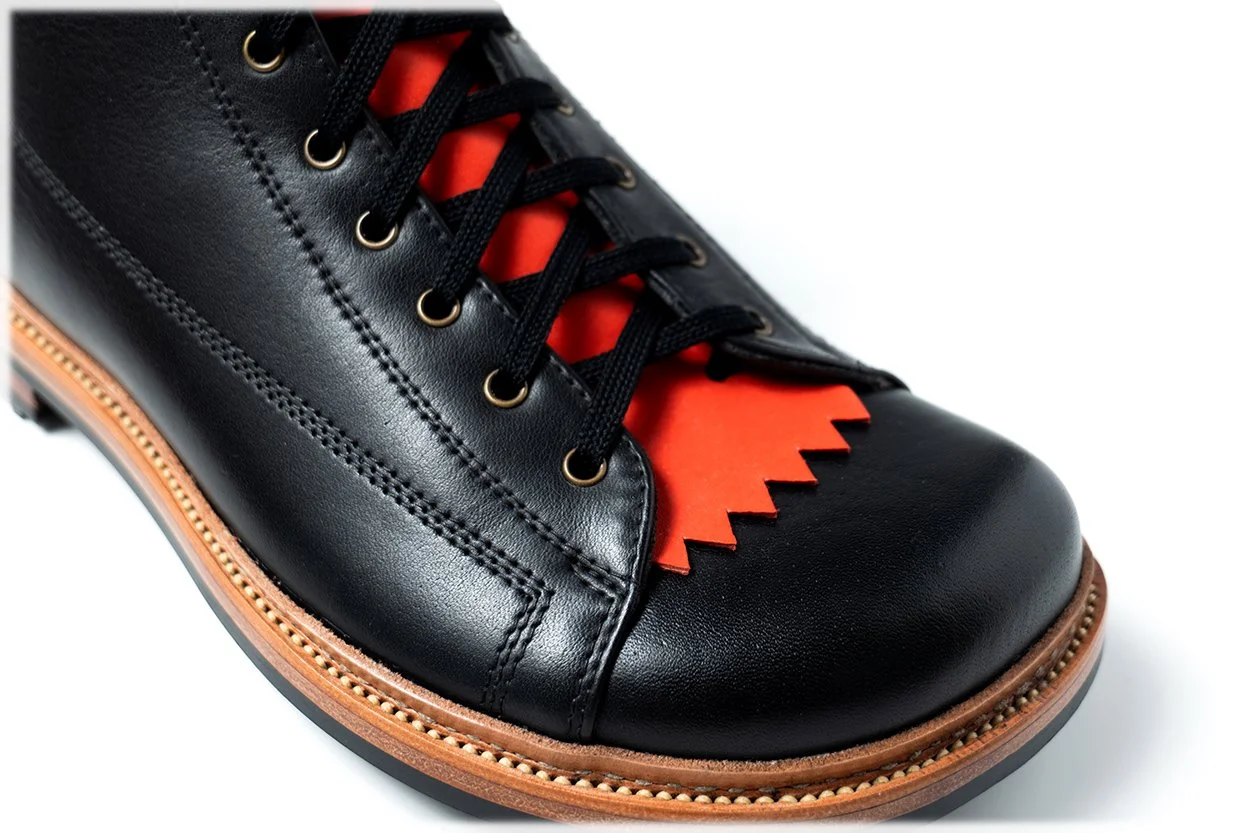
Boot Kilties: What They Are, What They Do, and Whether You Actually Need Them
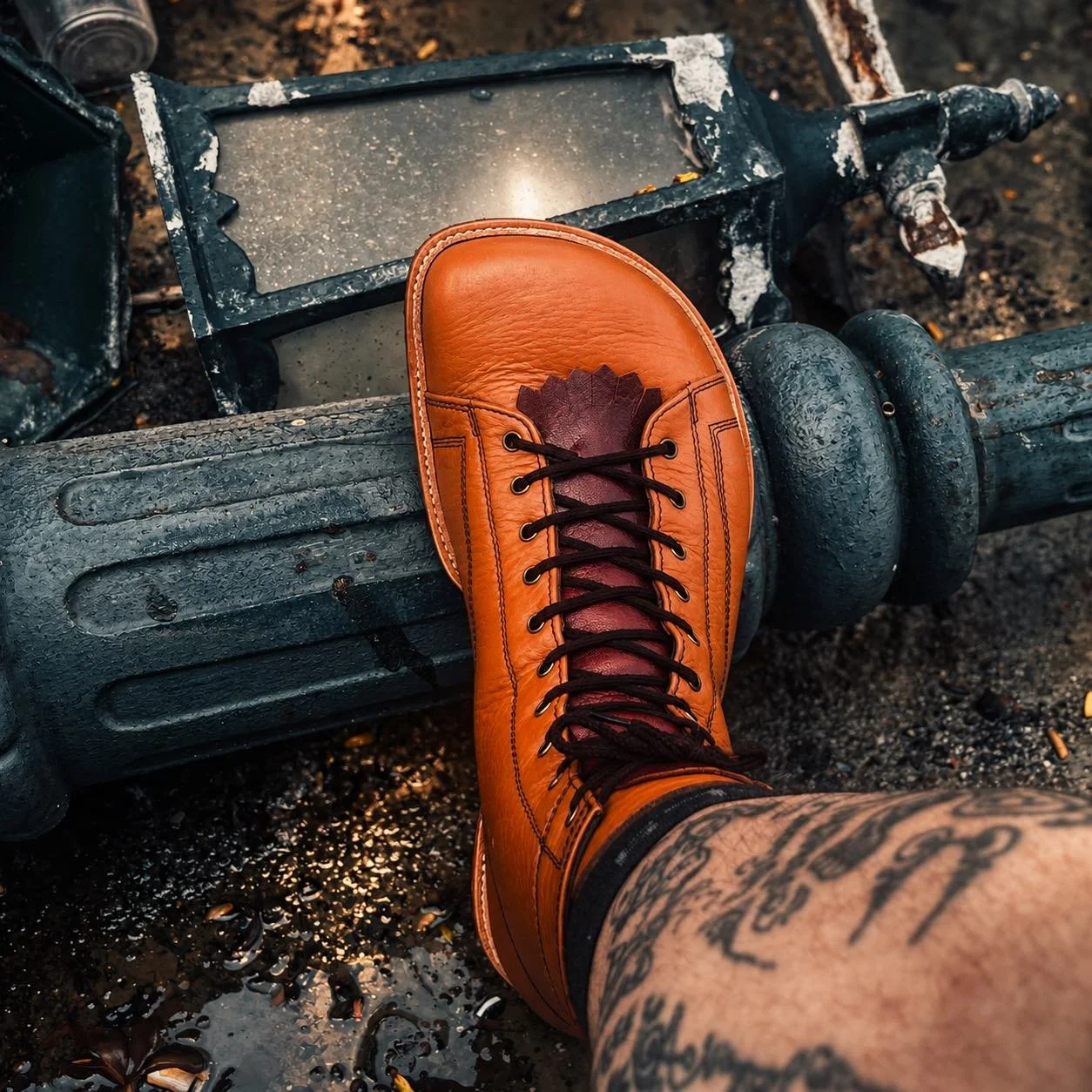
At first glance, a kiltie can look like it’s there mostly for style, especially the traditional versions with the long fringe hanging over the front of the boot. But kilties actually started with a very practical job to do, and they can still be pretty useful today.
They can protect the tongue, help with lace pressure, keep some of the crud you encounter on the trail out of your boots, and even change the way a boot fits around your instep.
Bootmaking
Adventure



Behind The Brand

Boot Fit