Boot Kilties: What They Are, What They Do, and Whether You Actually Need Them
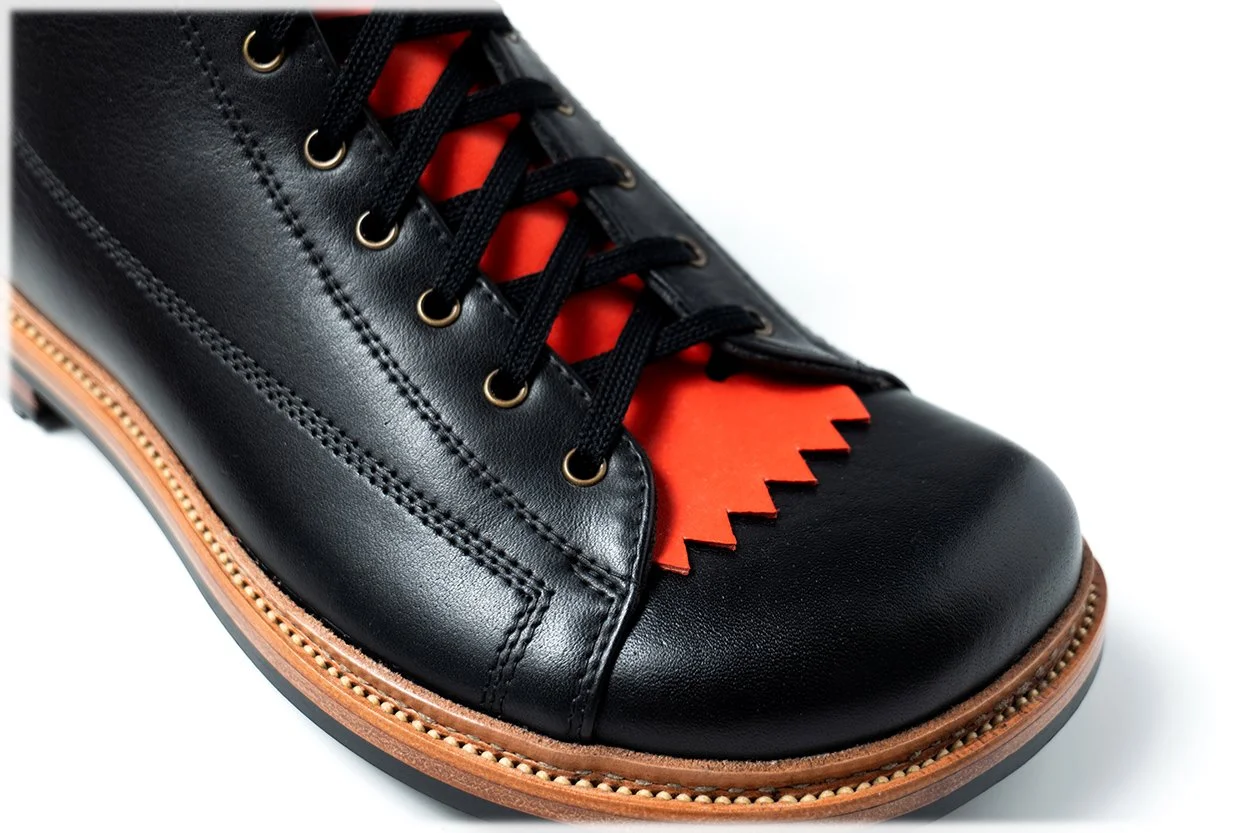
If you’ve spent much time around work boots, logger boots, or even heritage boots, you’ve probably seen kilties before, even if you didn’t know what they are called. It’s that extra piece of leather sitting between the laces and the tongue of the boot.
At first glance, a kiltie can look like it’s there mostly for style, especially the traditional versions with the long fringe hanging over the front of the boot. But kilties actually started with a very practical job to do, and they can still be pretty useful today.
They can protect the tongue, help with lace pressure, keep some of the crud you encounter on the trail out of your boots, and even change the way a boot fits around your instep.
So, let’s get into what a boot kiltie actually is, where it came from, and whether you really need one on your boots.
Table of Contents
What Is a Boot Kiltie?
A boot kiltie is a separate piece of leather that sits between the tongue of your boot and the laces. You’ll also hear them called false tongues, which is probably the more descriptive name. They essentially give your boot a second layer of leather over the tongue.
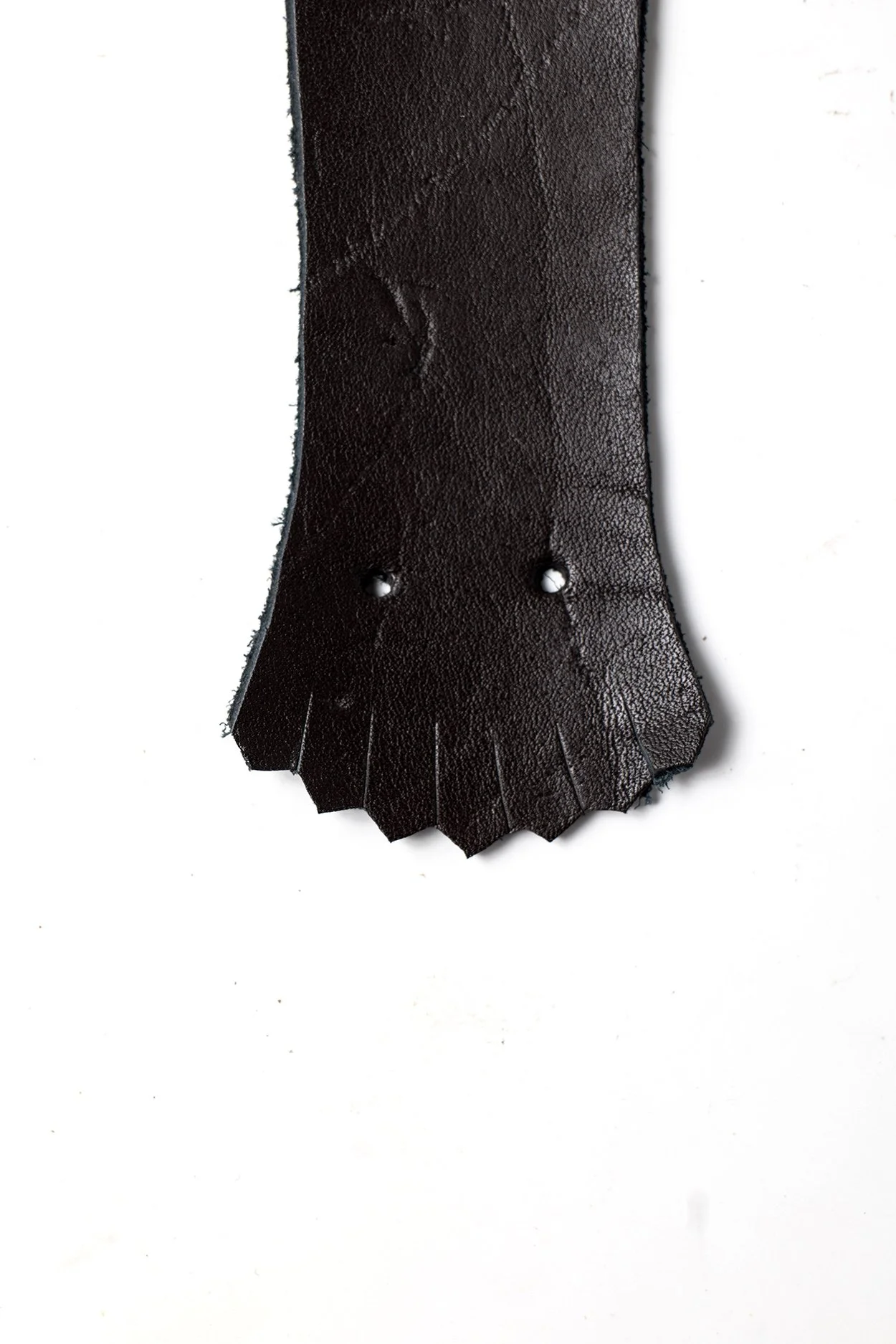
Kilties are removable. They have a couple of slots or holes cut into the leather that the laces pass through, holding the kiltie in place once the boot is laced. That means you can add one to a pair of boots, take it out whenever you want, or replace it once it gets worn out.
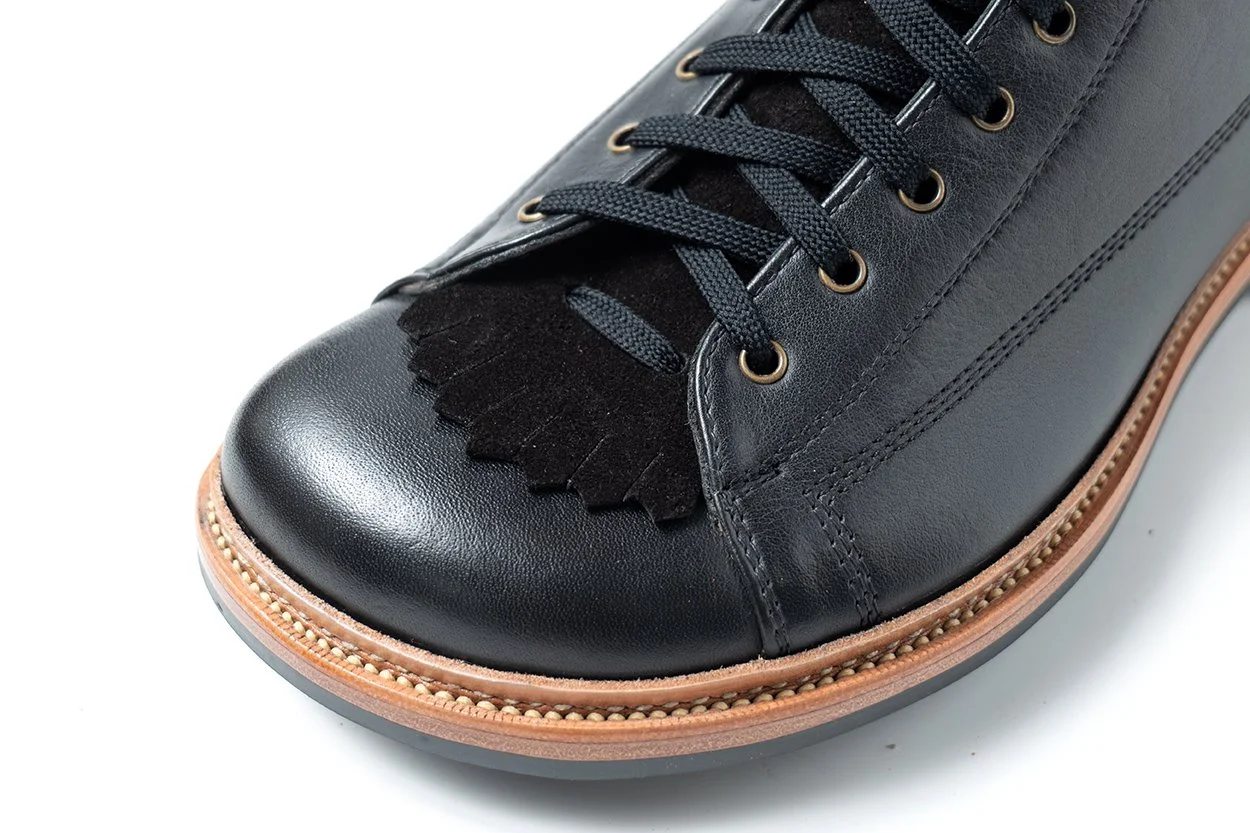
There are quite a few different styles. The classic logger kiltie usually has a fringed or serrated edge that sticks out below the lower laces. Packer style kilties tend to fan the fringe out in an arch below the bottom lace. Other styles are cut straight across and almost disappear once the boot is laced. You can also find them made from different leathers, colors, and thicknesses, so there is definitely can be a style element to them as well.
But underneath all of that, a kiltie is a pretty simple boot accessory. It’s an extra piece of leather put in a high-wear area of the boot to do a job.
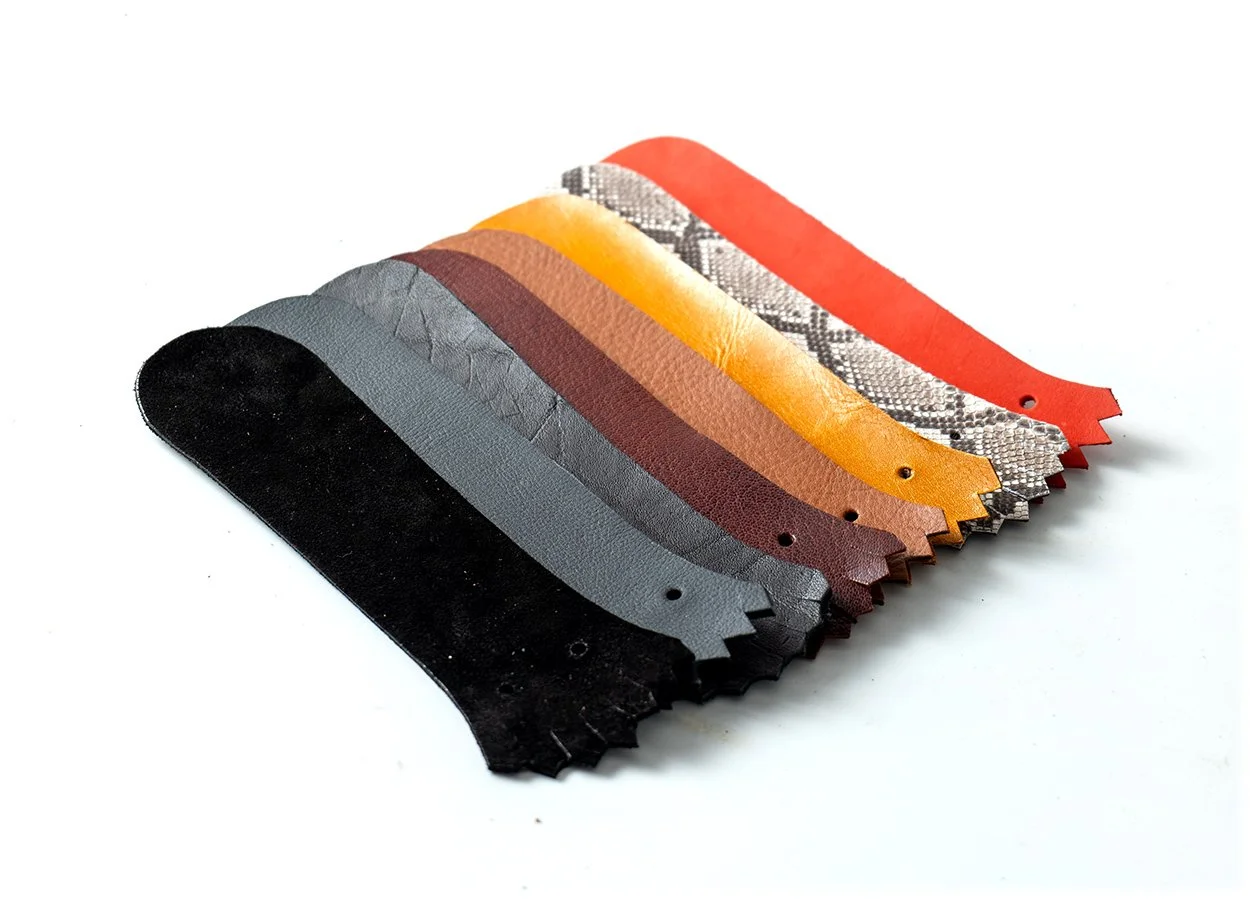
An Assortment of the Kilties Offered by Naang Boots
Why Were Boot Kilties Invented?
The simple answer is, because they solved a problem. Like a lot of things we now associate with heritage boots, kilties came from a need: people were working hard in their boots and wearing parts of them out.
The tongue of a boot sits in a rough spot. Every time you tighten your boots, the laces pull across it. Add dirt, dust, sawdust, and whatever else finds its way into your boots during a day of work, and you have plenty of opportunities for abrasion. Over time, that can chew up the leather.
A kiltie puts another piece of leather between the laces and the tongue. Instead of all that friction happening directly against the tongue, the kiltie takes the abuse. If it eventually wears out, you can replace a small piece of leather instead of having to send your boots to a cobbler to get the tongue repaired.
This made a lot of sense on boots used for logging, forestry, construction, and other demanding work, which is why kilties became so closely associated with heavy-duty work boots and the Pacific Northwest style of logger boot.
There was another benefit as well. That extra layer of leather helped close some of the gaps around the tongue and gave dirt, wood chips, and other debris one more obstacle before making its way inside the boot.
It’s a very old-school solution: put a replaceable piece of leather where you know the wear is going to happen and let it take the beating.
Shop Naang Boots Kilties
•
Shop Naang Boots Kilties •
What Does a Boot Kiltie Actually Do?
A kiltie is a pretty simple piece of leather, but it can do a few different jobs depending on the boot and how you wear it.
Protects the Tongue
This is the big one. Your laces are constantly moving against the tongue as you walk, especially if you wear your boots tight. Over time, that friction can leave some pretty serious wear marks.
A kiltie becomes a sacrificial layer between the laces and the actual tongue. The laces rub against the kiltie instead, and if you eventually wear through it, you can replace it. That’s a lot better than having to send your boots off for a repair.
Adds Some Cushioning
That extra layer of leather can also help spread out pressure from the laces.
If you like to really cinch your boots down, you may have experienced lace bite, where one section of the laces starts digging into the top of your foot. A thicker leather kiltie gives you a little more material between your foot and those pressure points.
Sometimes a few millimeters of leather is all you need.
Helps Keep Debris Out
A kiltie also helps cover some of the small gaps that can develop around the tongue when a boot flexes.
It isn’t going to magically seal your boots, but if you’re hiking, working around sawdust, walking through loose dirt, or spending time off trail, that extra layer can help keep some of that stuff from finding its way inside.
And anyone who has stopped halfway through a hike to shake a tiny rock out of their boot knows that even a little extra bit of protection here is nice.
Can Help Fine-Tune the Fit
This one sometimes gets overlooked.
A kiltie takes up a small amount of volume inside the lacing area of the boot. If you have a lower-volume foot or a lower instep, that can actually be useful. It gives the laces something more to compress against and can help you get a more secure fit through the middle of the foot.
Obviously, a kiltie isn’t going to fix a boot that is the wrong size or shape for your foot. But when the fit is already close, that little bit of extra leather can make a noticeable difference.
And, Yeah, They Look Cool
We can talk about function all day, but there’s no point pretending appearance has nothing to do with it.
Kilties have become part of the look of certain kinds of boots, especially logger and PNW-style boots. A big fringed kiltie gives a boot a completely different personality, while a simple straight-cut kiltie can be almost invisible.
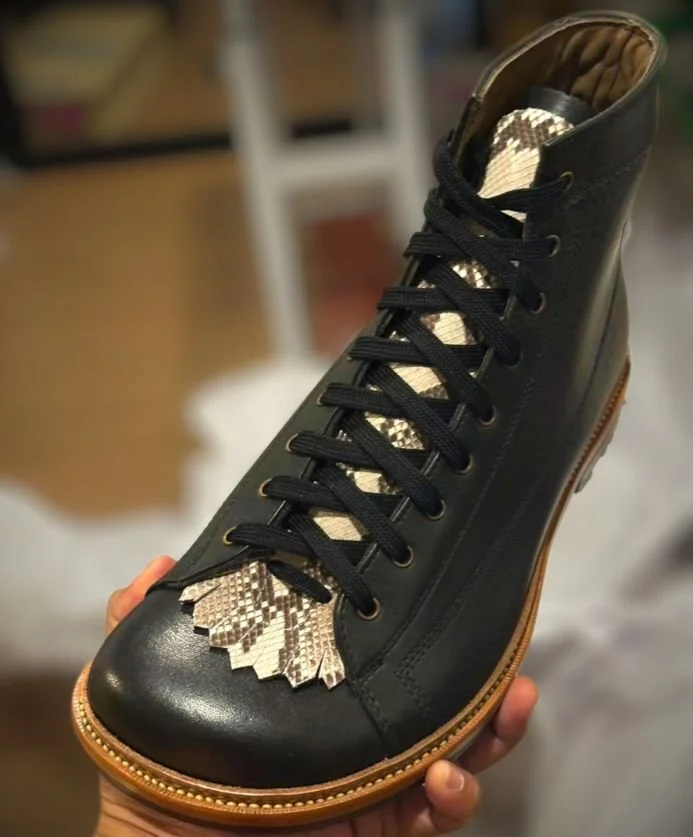
You can also play around with contrasting leather, different colors, or something a little more unusual, like some exotic leather kilties.
So while kilties started as a practical piece of boot gear, there’s nothing wrong with wearing one simply because you like the way it looks.
Do Boot Kilties Make Boots More Comfortable?
They can, but this really depends on your feet, your boots, and what is making them uncomfortable in the first place.
The biggest difference usually comes from how a kilties change the pressure across the top of your foot. If you lace your boots tightly, especially for hiking or work, those laces can create pressure points across the instep. Adding another layer of leather between the laces and the tongue helps spread some of that pressure over a larger area.
Kilties can also help if you have a lower-volume foot. If you find yourself really cranking down on the laces to get your boots secure through the midfoot, a thicker kiltie can take up a little of that extra space. It’s a small adjustment, but sometimes small adjustments are exactly what a boot needs.
There is a flip side to this. If your boots are already snug across the instep, adding a thick piece of leather may actually make them less comfortable. You’re putting more material into an area where you may not have much room to begin with.
And a kiltie isn’t a fix for a bad-fitting boot. If your toes are getting crushed, your heel is sliding around, or the shape of the boot simply doesn’t match the shape of your foot, adding another piece of leather isn’t going to solve the problem.
Think of a kiltie as a way to fine-tune an already decent fit. Sometimes that little change makes a boot noticeably more comfortable. Sometimes it doesn’t change much at all. Your feet will tell you pretty quickly which one it is.
Shop Naang Boots
•
Shop Naang Boots •
Are Kilties Good for Hiking and Work Boots?
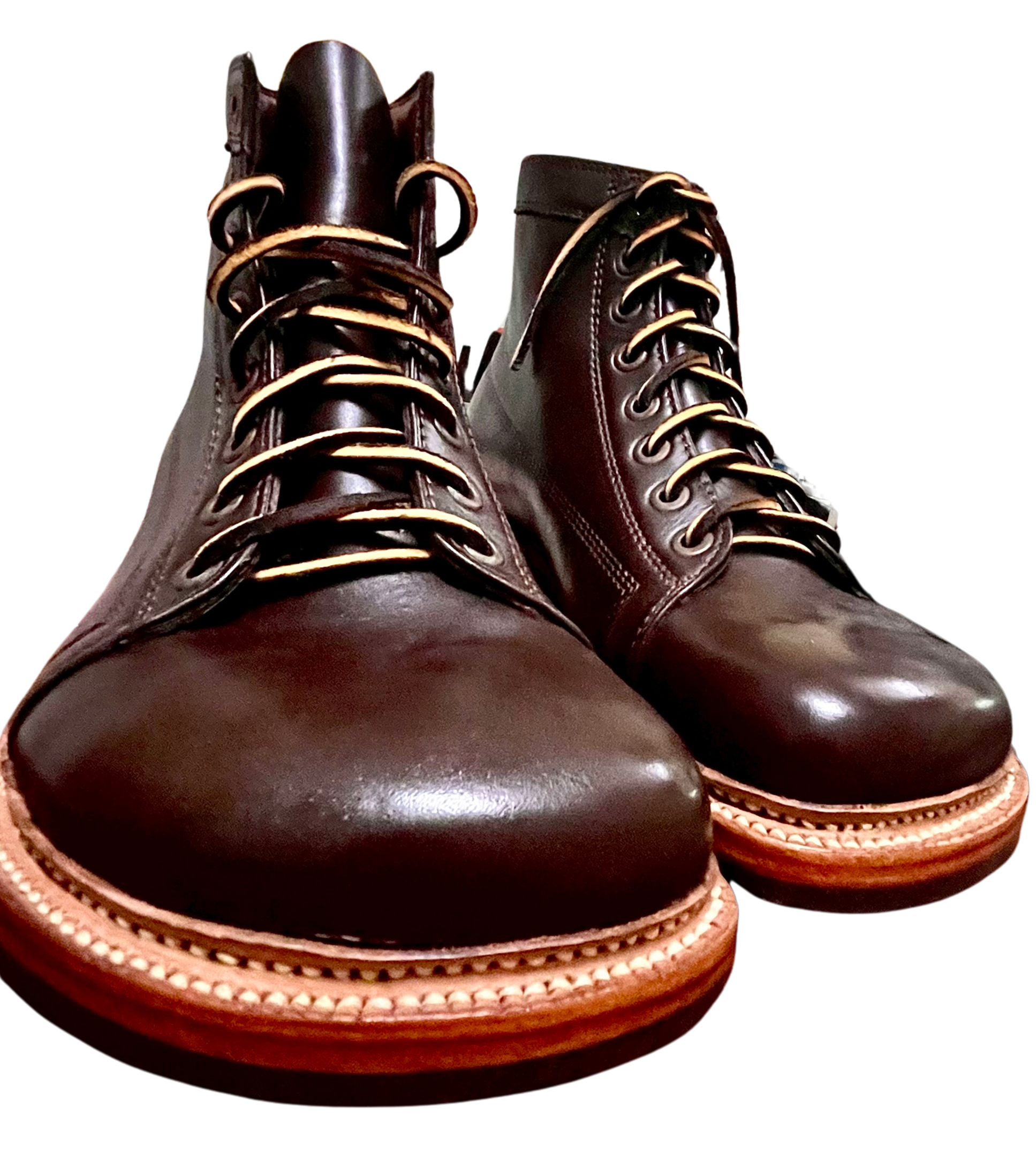
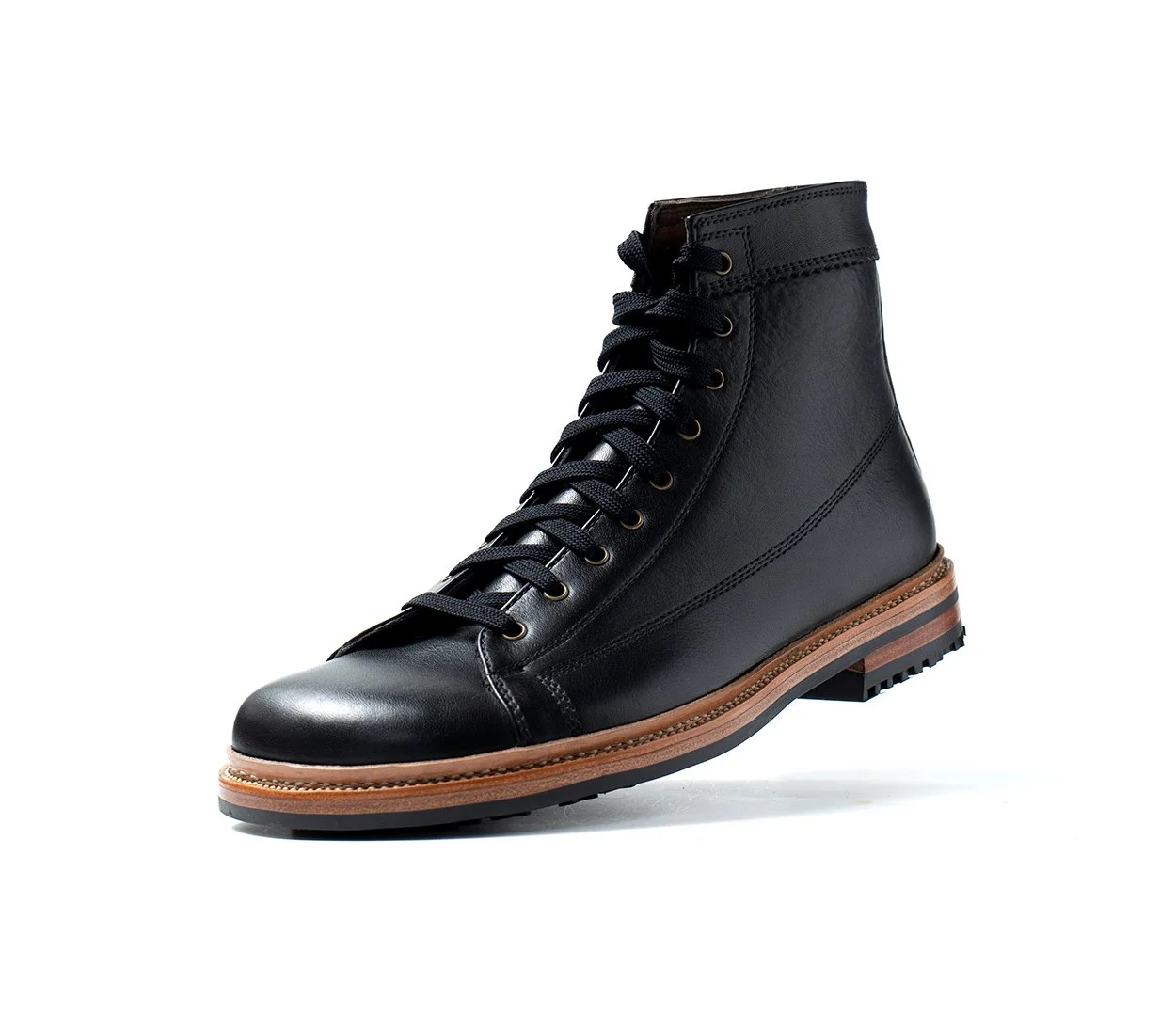
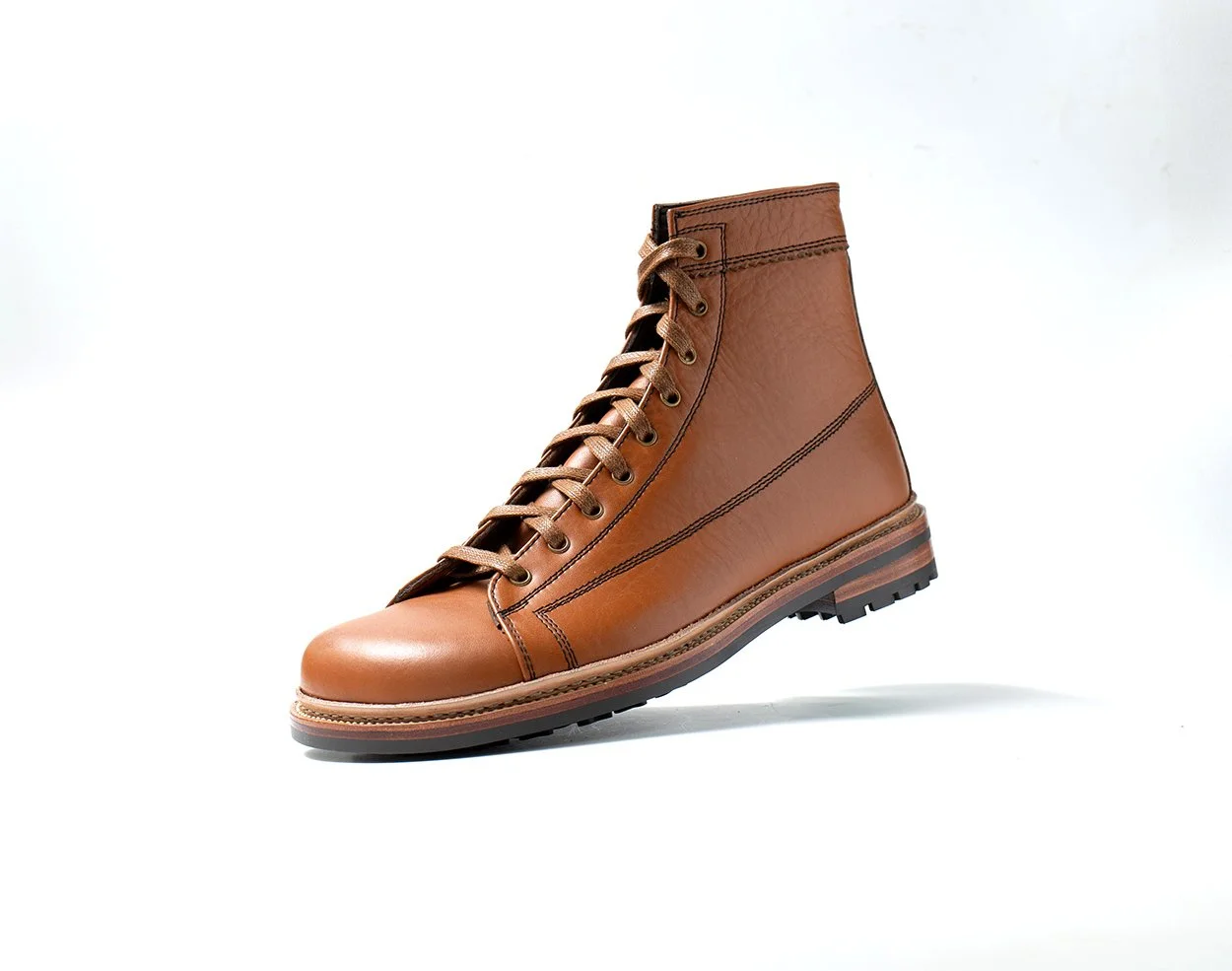
Hell yeah they are! This is probably where kilties make the most sense.
If you’re wearing your boots around town or to the office, Your kilties are probably doing more heavy lifting in the style department than protecting the tongue from dirt and abrasion. Take those same boots hiking, working outside, riding a motorcycle, or spending a few days in the woods and things change pretty quickly.
Dirt gets everywhere. So does sand, gravel, mud, leaves, and whatever else you happen to walk through. A kiltie gives you another layer of leather covering the tongue and helps close up some of the gaps around the laces. It won’t make your boots waterproof or completely seal them from debris, but it does give all that stuff one more barrier to get past.
There’s also the simple matter of wear.
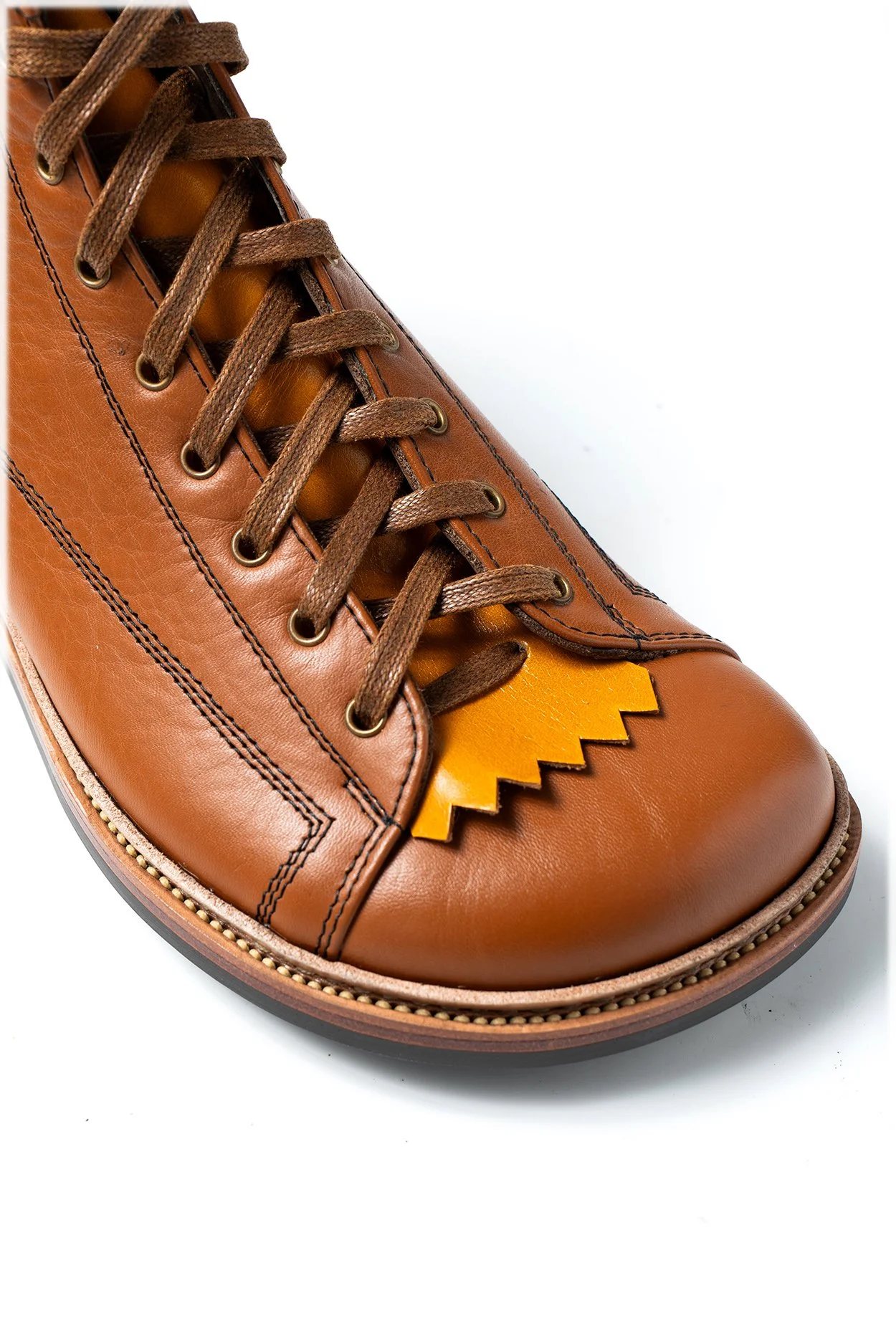
I tend to lace my boots tighter when I’m hiking than I do when I’m wearing them casually. I want my heel locked in and my foot secure inside the boot, especially when I’m moving over uneven ground or carrying weight. That puts more pressure on the lacing system and creates more friction against the tongue. A kiltie takes a lot of that abuse instead.
The same idea applies to work boots. If you’re wearing a pair eight or ten hours a day and constantly bending, climbing, kneeling, or walking, all those little movements add up. Boots that get worked hard tend to wear in predictable places, and the tongue underneath the laces is one of them.
That’s really where I see the value of a kiltie. It’s a small, replaceable piece of leather protecting a much more expensive piece of footwear.
You certainly don’t need one to go hiking or work in your boots. But if you already own a good pair of rebuildable leather boots and you plan on putting some serious miles on them, a kiltie makes a lot of sense.
How to Install a Boot Kiltie
One of the nice things about kilties is that there really isn’t much to installing them. You don’t need any tools, and you aren’t making a permanent change to your boots.
Start by unlacing your boots far enough that you can get to the lower part of the tongue. Most kilties will have two vertical slots cut near the bottom. Run your laces through those slots as you relace the boot. Once you tighten everything down, the laces hold the kiltie in place.
Before you lace the boot all the way up, take a second to make sure the kiltie is centered over the tongue. You want roughly the same amount of leather showing on either side of the laces. Then lace the boot normally and put it on.
From there, it may take a little messing around to get it exactly where you want it.
Leather kilties can shift slightly when they’re new, especially before they start taking the shape of the boot. Wear them for a while, adjust them if they start moving to one side, and give the leather some time to settle in. After a few wears, they usually start conforming to the tongue and stay put much better.
You may also find that adding a kiltie changes how tightly you need to lace your boots. Since you’ve added another layer of leather, you might need to back off the laces a little, particularly if your boots were already snug across the instep.
And that’s really it. Lace them in, get them centered, and wear your boots. If you decide you don’t like them, pull them out. Nothing about the boot itself has changed.
Should You Wear Kilties on Every Pair of Boots?
Probably not. But you do you.
Kilties are useful, but that doesn’t mean every pair of boots needs them. A lot depends on the boot, how it fits, and what you actually plan on doing in it.
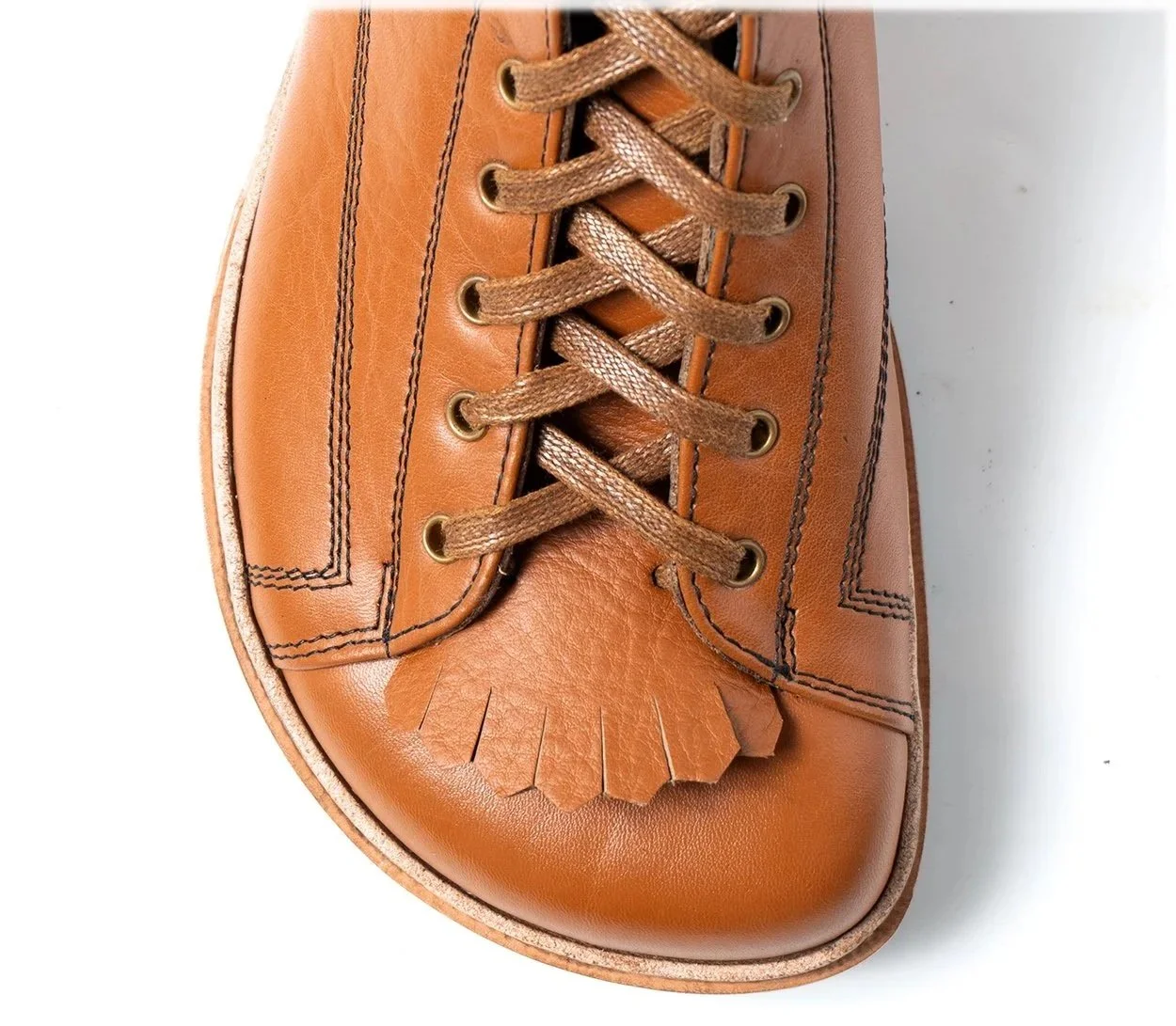
If you have a pair of work or hiking boots that regularly gets beat up, adding a kiltie makes a lot of sense. The same goes for an expensive pair of rebuildable boots that you plan to own for years. Protecting the tongue with a piece of leather that can easily be replaced is a pretty cheap bit of insurance.
They can also be worth trying if you have a little too much room over the top of your foot or regularly deal with pressure from your laces. In those cases, the kiltie is doing something beyond simply protecting the boot.
On the other hand, if you have a pair of casual boots that fits great and spends most of its life walking around town, there may not be much reason to add one. The same is true if the boot already has a thick tongue. Adding more material could actually make the fit worse, especially if you have a high instep.
Or maybe you just like the way it looks and want to change things up from time to time by rocking a high contrast pair of kilties with your boots. As the great American philosopher, Dres from Black Sheep once said “The choice is your.”
Then there’s the simplest reason of all: maybe you just don’t like them.
I like kilties, particularly on boots that are going to get used hard, but I don’t think they need to become another one of those boot rules where everyone suddenly decides you’re doing something wrong if you aren’t wearing them.
If a kiltie protects your boots, improves the fit, or you simply like the way it looks, wear one. If it doesn’t do anything for you, leave it out. Your boots will be fine.
Final Thoughts
Final Thoughts
Kilties are one of those little things in the boot world that make a lot more sense once you understand why they exist.
There’s nothing particularly complicated about them. It’s a piece of leather sitting between your laces and the tongue of your boot. But that simple piece of leather can take some abuse, protect the tongue, help with lace pressure, keep a little more trail debris out, and even fine-tune the fit of a boot.
Do you need them? Maybe. Probably not. It depends. Sheeeeet, go for it.
But I’ve always liked simple solutions to simple problems, especially when it comes to boots. If I can put a replaceable piece of leather in a high-wear area and let it get scratched, dirty, and beaten up instead of the boot itself, that makes sense to me.
And if you happen to like the way kilties look, that’s a pretty good reason to wear them too.
At the end of the day, boots are meant to be worn. Kilties are just one more small way to help them handle whatever you decide to throw at them.
Frequently Asked Questions About Boot Kilties
What is a boot kiltie?
A boot kiltie is a piece of leather worn between the boot tongue and the laces. It acts as an extra layer that can protect the tongue from abrasion, reduce lace pressure, help keep debris out, and slightly change the fit around the instep. Kilties are also commonly called false tongues.
Why are boot kilties also called false tongues?
A kiltie is sometimes called a false tongue because it sits directly over the actual tongue of the boot, essentially creating a second tongue. Unlike the real tongue, most kilties are removable and held in place by the boot laces.
Why are they called kilties?
The name is generally associated with the decorative fringed edge found on traditional kilties, which resembles the fringed leather tongues used on some older shoe styles. The term “kiltie” has also been used in footwear beyond work boots, particularly for fringed tongues found on golf shoes and other traditional footwear. On boots, you’ll often hear the more literal term “false tongue” used as well.
Who invented boot kilties?
No one knows. Kilties developed as a practical piece of footwear used to protect the tongue and help keep debris out of the boot. They eventually became particularly associated with logger and heavy-duty work boots. So, while we can explain why kilties exist and how they developed, attributing the boot kiltie to one specific inventor would be difficult.
What is the purpose of a kiltie on boots?
The original purpose of a boot kiltie is to protect the tongue from wear caused by the laces, dirt, and regular use. Today, people also use kilties to reduce lace pressure, take up extra volume inside a boot, help keep debris out, or simply change the look of their boots.
Do kilties protect the boot tongue from wear and tear?
Yes. Protecting the tongue is one of the main reasons to use a boot kiltie. The kiltie sits between the laces and the tongue, taking much of the rubbing and abrasion that would otherwise happen directly against the tongue leather. Since most kilties are removable, you can replace a worn kiltie much more easily than you can replace a damaged boot tongue.
Do kilties make boots more comfortable?
They can. The extra layer of leather can help spread pressure from the laces across the top of your foot. A kiltie can also take up a small amount of extra space if you have a lower-volume foot. If your boots are already tight across the instep, though, adding a kiltie may make them less comfortable.
Do kilties change the fit of boots?
Yes, slightly. A kiltie adds material underneath the laces, which reduces some of the volume around the instep. This can be useful if your boots fit well overall but you need to tighten the laces significantly to secure your midfoot.
Are kilties good for work boots?
Yes. Work boots are one of the places where kilties make the most sense. They add a replaceable layer of leather between the laces and the boot tongue, helping protect the tongue from abrasion during long days of walking, climbing, bending, and working. They can also help reduce lace pressure and keep some dirt and debris from working its way into the boot.
Are kilties good for logger boots?
Yes. Kilties are strongly associated with logger boots and other heavy-duty work boots. Logger boots tend to be laced firmly and worn in environments where dirt, wood chips, sawdust, and other debris are common. A leather kiltie helps protect the tongue while adding another barrier underneath the laces. This is why you still see kilties on many traditional logger and Pacific Northwest-style boots today.
Are kilties good for hiking boots?
Kilties can be particularly useful on leather hiking boots. They help protect the tongue from lace abrasion and provide another barrier against dirt and small debris. They can also help distribute lace pressure when you tighten your boots for hiking or carrying a heavier pack.
Can you put kilties on any boots?
You can use kilties with most lace-up boots as long as there is enough room underneath the laces. They tend to work best with work boots, logger boots, hiking boots, and heritage-style leather boots. Boots that already fit tightly across the instep may not have enough room for the additional leather.
Are boot kilties removable?
Most boot kilties are completely removable. The laces pass through slots near the bottom of the kiltie and hold it against the tongue. You can install or remove one without permanently modifying the boot.
Do kilties make boots waterproof?
No. A kiltie can help cover some of the gaps around the tongue and may reduce the amount of dirt or debris that gets inside, but it does not make a boot waterproof. Waterproofness depends much more on the boot’s construction, leather, tongue design, seams, and other materials.
Are boot kilties worth it?
If you regularly hike, work, ride, or spend a lot of time outdoors in your boots, they can be. Kilties are relatively simple and replaceable, and they take wear that would otherwise happen directly to the boot tongue. If you only wear your boots casually and already have a good fit, you may not see much practical benefit from adding them.

These limited run snake skin kilties will dress up your boots and really make them stand out.
These are backed with nubuck leather.
Sold in pairs.