The Ultimate History of Monkey Boots: From Paratroopers to Modern Heritage Style
From Trenches to Treads: The Gritty, No-BS History of the Monkey Boot
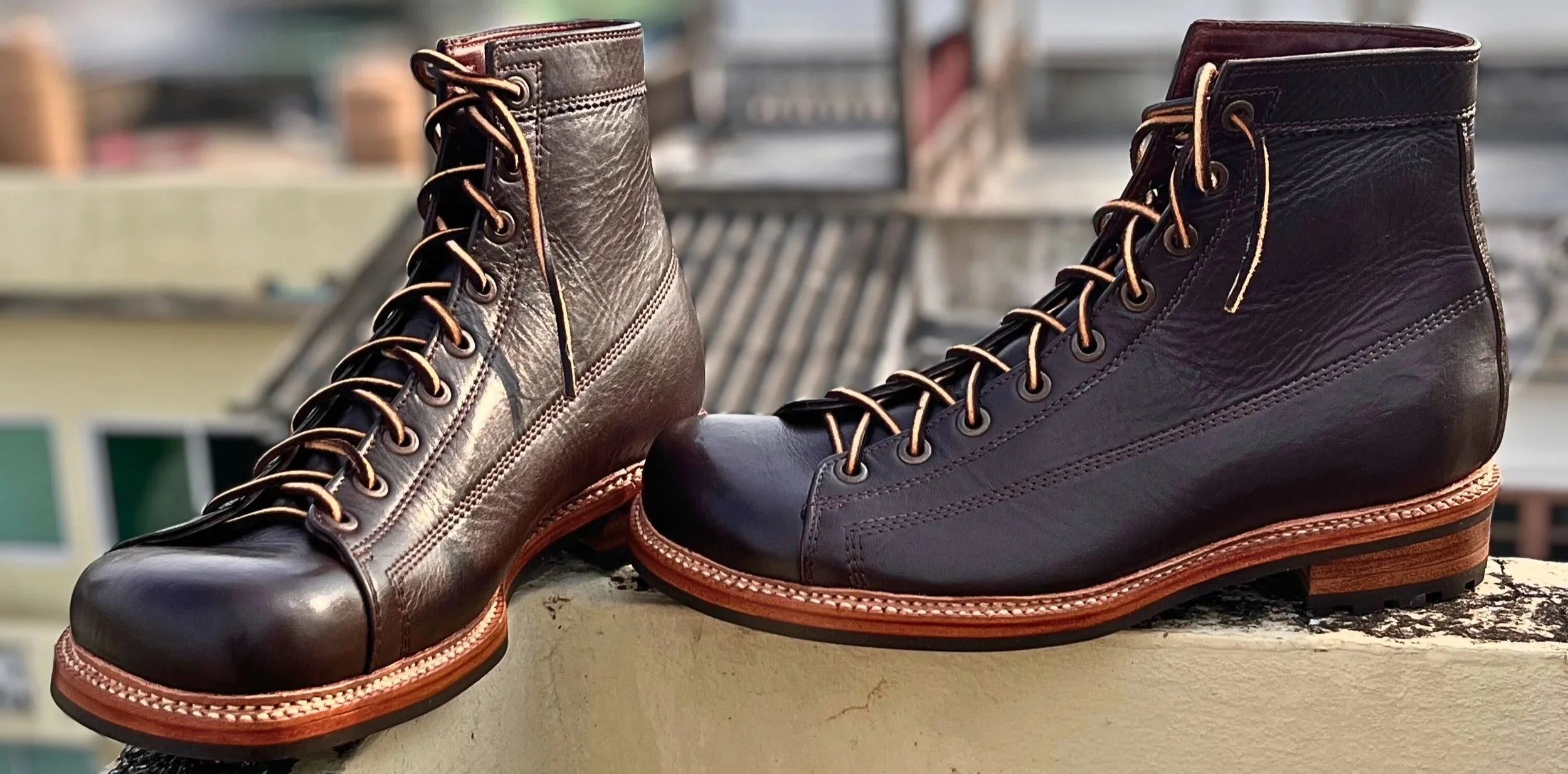
A Pair of Naang Winnfield Monkey Boots.
Listen up. If you’re tired of the same old cookie-cutter mall boots that fall apart the second they see a puddle, it’s time for a history lesson. We’re talking about a silhouette that has survived world wars, subculture riots, and the absolute disaster that was 90s corporate fashion.
We’re talking about the Monkey Boot.
At Naang Boots, we don’t just build footwear; we build tanks for your feet. And while our Winnfield boot is the peak of modern, anatomical engineering, it owes its DNA to a lineage of lace-to-toe rebels.
So, Grab a coffee (or something stronger), and let’s dive into the dirt.
Table of Contents
The Tactical OG: Born in the Cold, Hard Shadow of the Iron Curtain
If you want to understand the Monkey Boot, you have to look at Czechoslovakia in the late 1940s and early 50s. We aren’t talking about the "aesthetic" heritage you see in a glossy magazine. We’re talking about Eastern Bloc utility—a world of iron, grit, and gear that was built to outlast the regime that commissioned it.
While the West was busy leaning into post-war consumerism, the Czechs were perfecting the art of the "Vertical Insertion." They needed a boot for their elite paratroopers that could handle a violent exit from a plane and a bone-shaking landing in a rocky field outside Prague.
Shop Our Handmade Boots
•
Shop Our Handmade Boots •
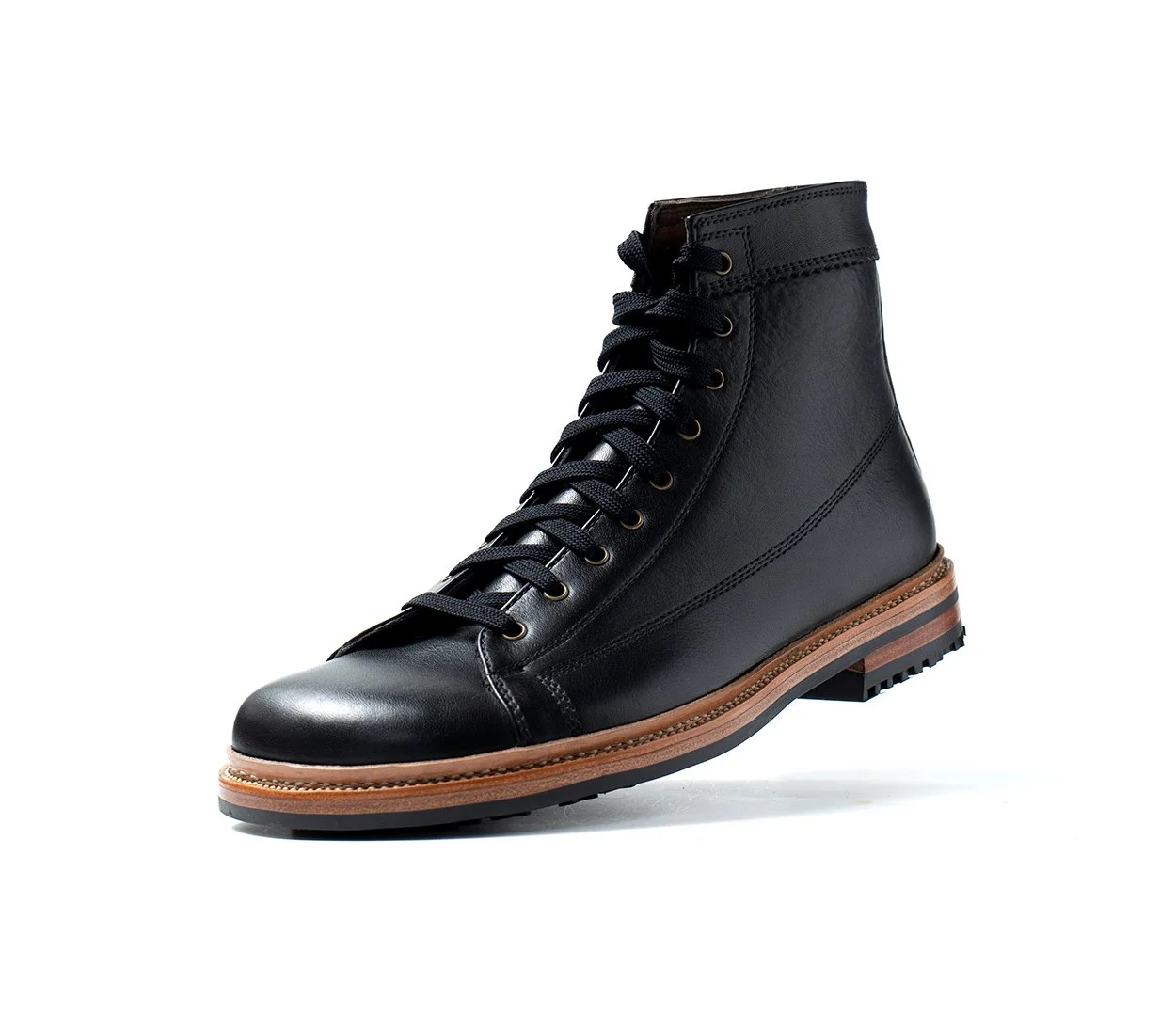
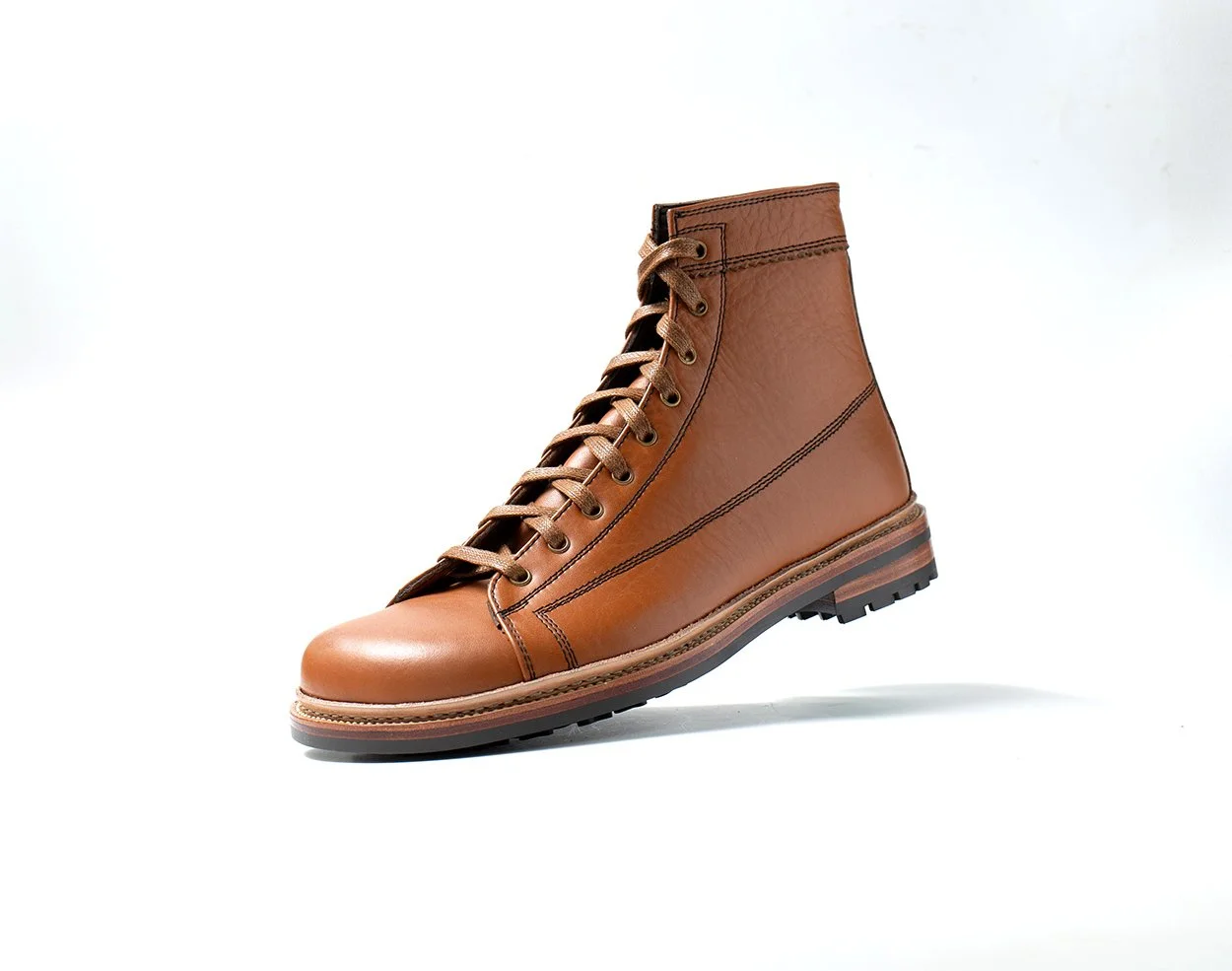
The Zlín Powerhouse: From Bata to Svit
The story starts in the industrial city of Zlín. Before the war, this was the kingdom of the Bata family—the guys who basically invented the modern shoe factory. But after 1948, the Communist party seized the factories, renamed them Svit, and turned them into a massive state-run engine for military production.
These weren’t "artisanal" workshops. These were brutalist industrial cathedrals where the original Monkey Boots (specifically the M52 and M60 variants) were churned out. They weren't made to look good at a coffee shop; they were made to be government-issued survival equipment. Every stitch was a requirement, not a choice.
Why Monkey? The Legend vs. The Reality
There’s a lot of debate about the name, and honestly, the truth is probably a mix of all the gritty details. Ultimatly it seems the most commonly accepted notion is that the boot itself is more agile than your standard work boot, or at least it was back in the day, and that seems to have influenced the naming convention. However, there are a few other, shall we say, mor colorful, stories about the name floating around.
1. The Infantry Insult: The most popular anecdote is that the "Monkey" moniker came from the ground-bound infantry. Watching paratroopers scramble up training towers, swing from harnesses, and hang from rafters like high-altitude circus performers, the grunts started calling them monkeys.
2. The Silhouette: Look at an original M52 from the top down. Because the laces go all the way to the toe, the boot has a long, narrow, slightly prehensile look. In the 1950s, people thought they looked like a monkey’s foot.
3. The Dangle: Another theory suggests that when paratroopers were suspended in their chutes, their feet—cinched tight in those lace-to-toe boots—curled slightly, mimicking the look of a primate’s grip.
The Lace-to-Toe Design: It Wasn’t a Fashion Choice
The defining feature of the Monkey Boot is the Lace-to-Toe (LTT) design. Most boots back then stopped the laces halfway down the bridge of the foot. The Czech military engineers went all the way to the end. Why? Brutal stability.
When a paratrooper hits the ground, his foot wants to slide forward inside the boot. In a standard boot, that’s how you break a metatarsal or lose a toenail. By lacing all the way to the toe, a soldier could "mummify" their foot. It locked the heel into the back of the boot and prevented any internal movement. It turned the boot into an extension of the leg—essential for navigating uneven terrain or climbing out of a muddy trench.
The original military versions were often unlined, made of thick, grainy leather that would eat your heels for breakfast. They featured a distinct circular leather patch over the ankle bone—not for branding, but to prevent the metal hardware of a parachute or a motorcycle frame from chewing through the leather (and your skin).
From Mothballs to Mosh Pits: The Great Surplus Wave
The Monkey Boot didn’t transition into civilian life through a high-end boutique window. It crawled out of the dark, damp corners of Army & Navy surplus stores in the 60s and 70s.
For the average working-class kid, those stores were a goldmine. They smelled of cosmoline and canvas. And there, sitting in bins for a fraction of the price of "fashion" shoes, were the Czech imports.
The Blue-Collar Backbone
Before they were a fashion statement, Monkey Boots were just... work. Because they were dirt cheap and built like iron, they became the unofficial uniform of the guys who actually kept the world spinning.
The Story of the "Postie": Throughout the 60s, you couldn't walk a block in London without seeing a postman or a window cleaner in a pair of scuffed-up Monkey Boots. They were the original "utility" footwear. These guys didn't care about the Czechoslovakian lineage; they cared that the LTT design meant they could walk ten miles a day without their feet sliding around like wet soap.
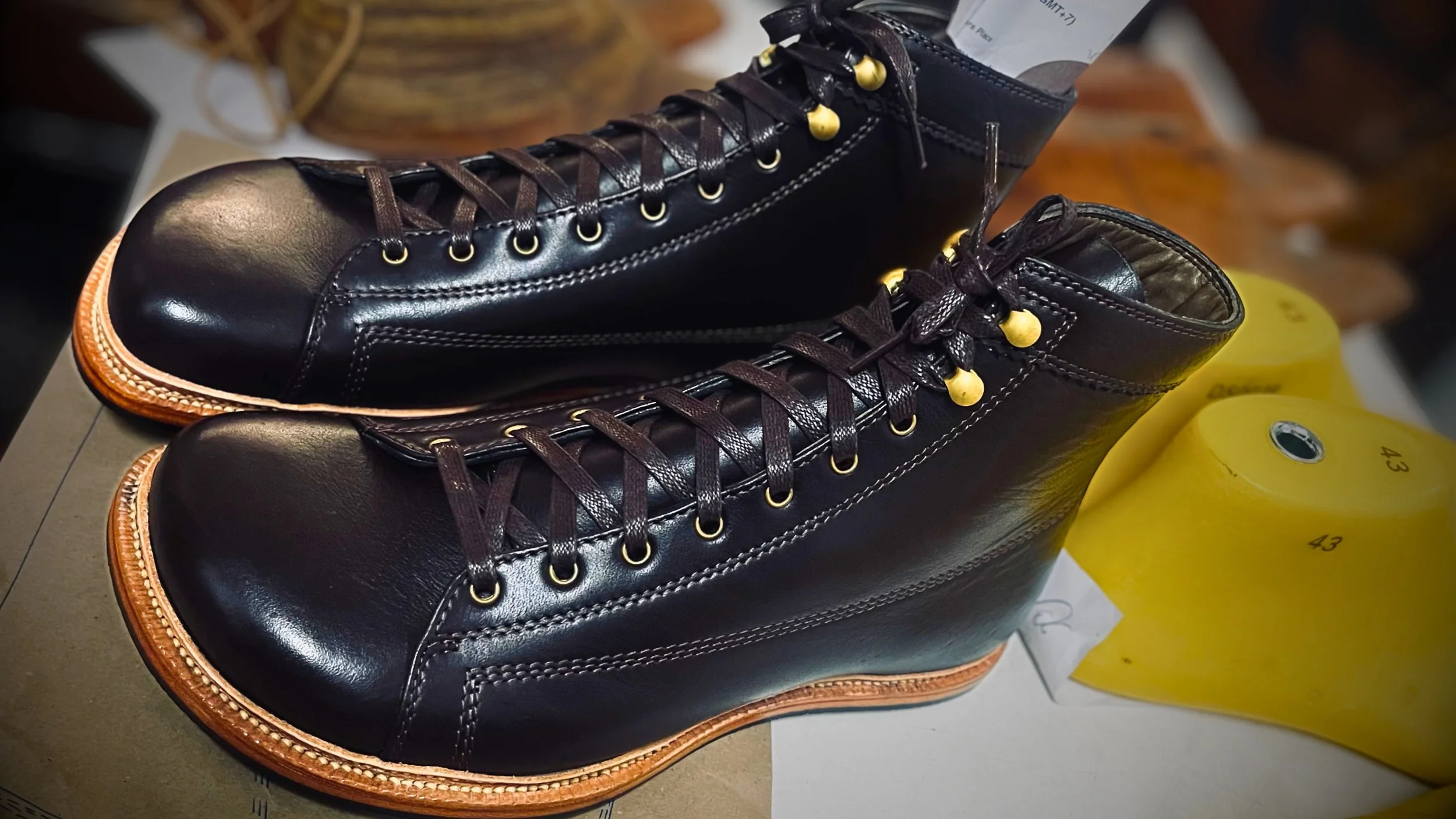
Naang Winnfield Monkey Boots Built on a Zero Drop Last Still have a Rugged Work Boot Build.
The Subculture Riot: Skinheads, Mods, and Soul Boys
Then came the kids. In the late 1960s, a new breed of youth culture was rising. They wanted something harder, sharper, and more authentic than the "Summer of Love" nonsense.
*The Original Skinheads:** While the 10-eyelet Dr. Martens were the heavy artillery, the Monkey Boot (specifically the Grafters brand or the Svit imports) was the sleek, agile alternative. It was cheaper than a DM, meaning you had more money for records and beer, but it still looked lethal on the dance floor.
*Northern Soul:** If you’ve ever seen a Northern Soul dancer, you know they move like lightning. The Monkey Boot became a cult favorite in the scene because of that stability. You could spin, drop, and slide on a talcum-powdered floor without the boot flying off. It was "tactical dancing" gear.
*The Punk & Gen X DIY Era:** By the time the 70s bled into the 80s and 90s, the Monkey Boot was a staple of the DIY ethos. It was the alternative to the mainstream. It didn't scream for attention, but if you saw someone else wearing them at a dive bar, you knew they didn't shop at the mall.
The Technical Masterclass: Why Lace-to-Toe Matters Today
If you look at our Winnfield, the LTT design is the engine under the hood. It’s an engineering solution to a human problem.
1. The "Mummified" Heel Lock: Cinching the bottom eyelets pulls the entire leather upper around the ball of your foot, locking your heel back and down. No sliding = no blisters.
2. Infinite Volume Control: Because the eyelets run the full length, you have granular control. Wide forefoot? Leave the bottom loose. Narrow feet? Cinch it like a second skin.
3. Precision and Agility: There is zero "dead space" between your toes and the outsole. Whether you’re finding the peg on your bike or stepping onto a jagged rock, you get a level of tactile feedback a "fashion" boot can’t touch.
4. Structural Exoskeleton: The LTT system distributes pressure across the entire bridge of the foot, reducing "hot spots" and turning the upper into a support structure that moves with you.
The Winnfield: The Naang Evolution
Here’s where we separate the pros from the posers. Most modern "heritage" brands take the LTT look and slap it on a narrow, pointy last because it looks "sleek." That’s a disaster. If you cinch an LTT boot on a narrow last, you’re putting your foot in a high-tension vise.
At Naang Boots, we took that aggressive DNA and fixed everything the old world got wrong.
The Anatomical Last: We paired the LTT system with our signature last. You get that locked-in paratrooper feel, but with a wide anatomical toe box that lets your foot function like a foot—not a cramped sardine.

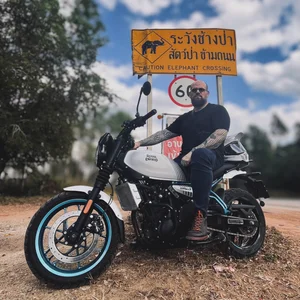
Naang Boots Winnfield Monkey Boots On a Motorcycle Trip to The Three Pagodas Pass on the Thai / Myanmar Boarder
Hand-Welted in Thailand: The Czechs used heavy machinery; we use hands. Every Winnfield is hand-welted by masters. This isn't just about "vibes"; it means the connection is stronger, more flexible, and—unlike those vintage surplus boots—actually repairable for decades.
Adventure-Ready: We kept the stability (perfect for gear-shifting on a bike or scrambling up a trail) but used premium leathers that actually mold to your foot, skipping the "blood-and-sweat" break-in period of the 1950s.
The Winnfield isn't a museum piece. It’s a real-world-tested silhouette redesigned for people who actually give a damn about how their feet feel at the end of the day.
Stop wearing boots designed for the lowest bidder. Get the evolution.
Shop Our Handmade Boots
•
Shop Our Handmade Boots •
Frequently Asked Questions
What are monkey boots?
Monkey boots are a style of lace-to-toe boot that originated from military footwear and later became popular through British youth culture in the 1960s. They are known for their distinctive lacing that extends close to the toe, high ankle support, and rugged yet versatile appearance. Today, monkey boots are worn for everything from everyday casual wear to motorcycling and outdoor adventures.
Why are they called monkey boots?
The exact origin of the name isn’t known. The most widely accepted theory is that the lightweight, flexible design made the boots feel more agile than traditional work boots. Another theory suggests the distinctive lace-to-toe design resembled a monkey’s foot. While no single explanation has been confirmed, the name became widely used in the UK during the 1960s.
Where did monkey boots originate?
Most historians trace the origins of monkey boots to military footwear produced in Czechoslovakia before or shortly after World War II. Surplus boots eventually found their way to Britain, where they were adopted by Mods, skinheads, and other youth subcultures before evolving into the heritage boots we know today.
What makes a boot a monkey boot?
The defining feature of a monkey boot is its lace-to-toe construction, where the laces extend much farther toward the front of the boot than on most other styles. Traditional monkey boots also feature a slim ankle profile, durable leather uppers, and a rugged outsole. While designs vary between manufacturers, the lace-to-toe pattern remains the hallmark of the style.
Are monkey boots comfortable?
Yes. Many people find monkey boots exceptionally comfortable because the lace-to-toe design allows the fit to be adjusted across more of the foot than traditional boots. Comfort ultimately depends on the quality of construction, the shape of the last, and whether the boot fits your foot properly.
Are monkey boots good for everyday wear?
Yes. Monkey boots are versatile enough for daily wear and pair well with jeans, workwear, and casual clothing. A well-built leather pair can comfortably handle commuting, travel, and long days on your feet while developing character as the leather ages.
Are monkey boots good for hiking?
They can be. Although monkey boots weren’t originally designed as hiking boots, high-quality leather versions with supportive construction and durable soles work well for hiking and everyday outdoor use.
How should monkey boots fit?
Monkey boots should fit securely around the heel while leaving enough room for your toes to spread naturally. Your toes shouldn’t touch the front of the boot, and the lacing should allow you to fine-tune the fit across your foot. A properly fitted pair should feel snug without creating pressure points.
Can monkey boots be resoled?
Yes, depending on how they’re made. The Naang Winnfields are hand welted with a 360 degree storm welt and can be resoled multiple times by a skilled cobbler.
Are monkey boots waterproof?
Most leather monkey boots are water-resistant rather than waterproof. Full-grain leather naturally sheds light rain, and construction methods such as a storm welt can further improve water resistance. However, no leather boot is completely waterproof unless it uses a waterproof membrane or rubber construction.
Are monkey boots still in style?
Absolutely. Monkey boots have remained popular for decades thanks to their military heritage, timeless design, and versatility. They continue to be worn by heritage boot enthusiasts, motorcyclists, hikers, and anyone who appreciates durable, well-made footwear.
Do monkey boots have to be narrow?
No. The monkey boot style is defined by its lace-to-toe construction, not the shape of the last it’s built on. At Naang Boots all of our boots, including our Winnfield Monkey Boot are made on our signature last which features a wide, anatomical toe box.
All Boots Are Made-To-Order. Current Lead Time: 60-90 Days.
Not sure about your size? Check out our Sizing Guide.
The Winnfield is built to walk the earth.
City streets. Back alleys. Remote trails. Foothills that don’t forgive mistakes.
Wherever you go, it keeps moving.
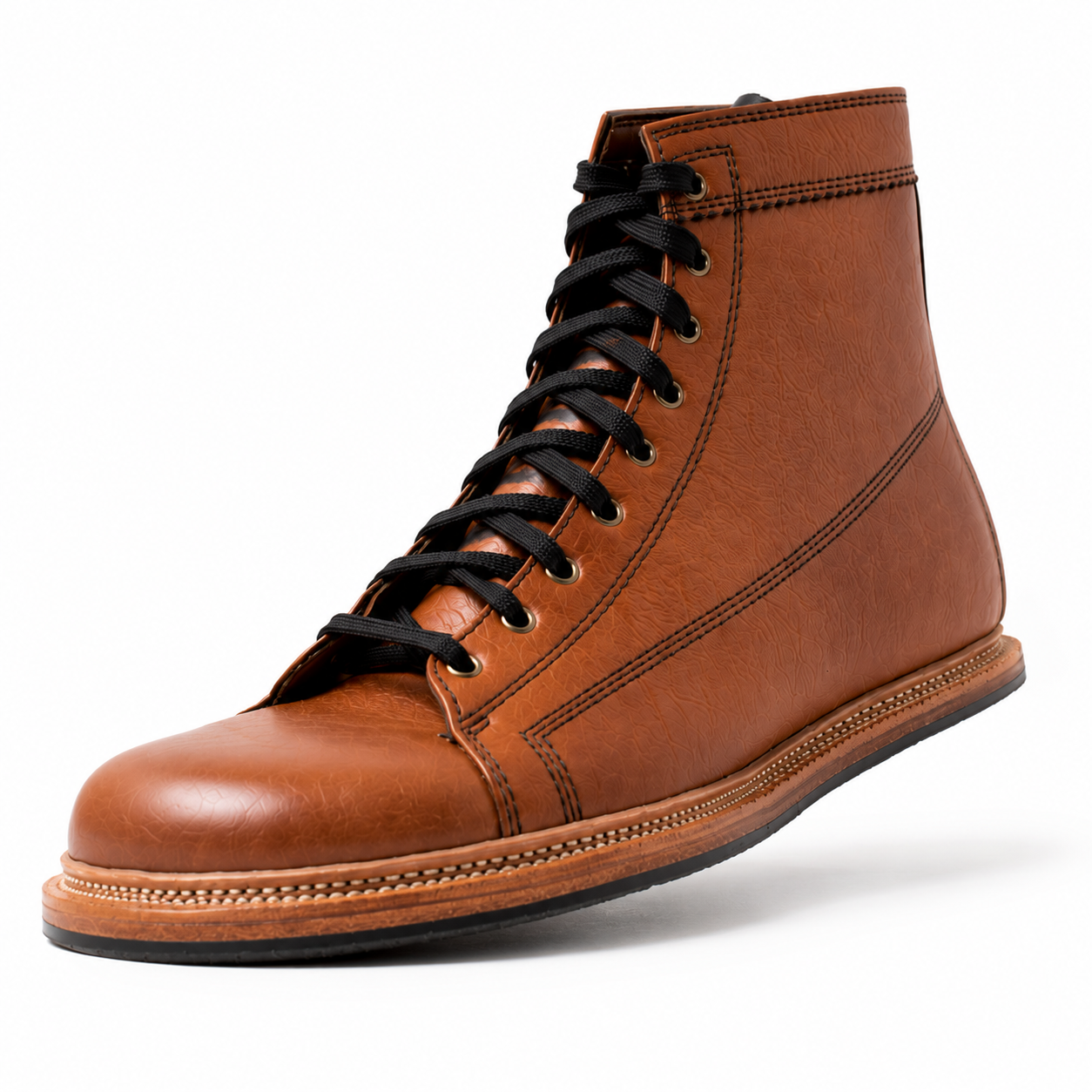
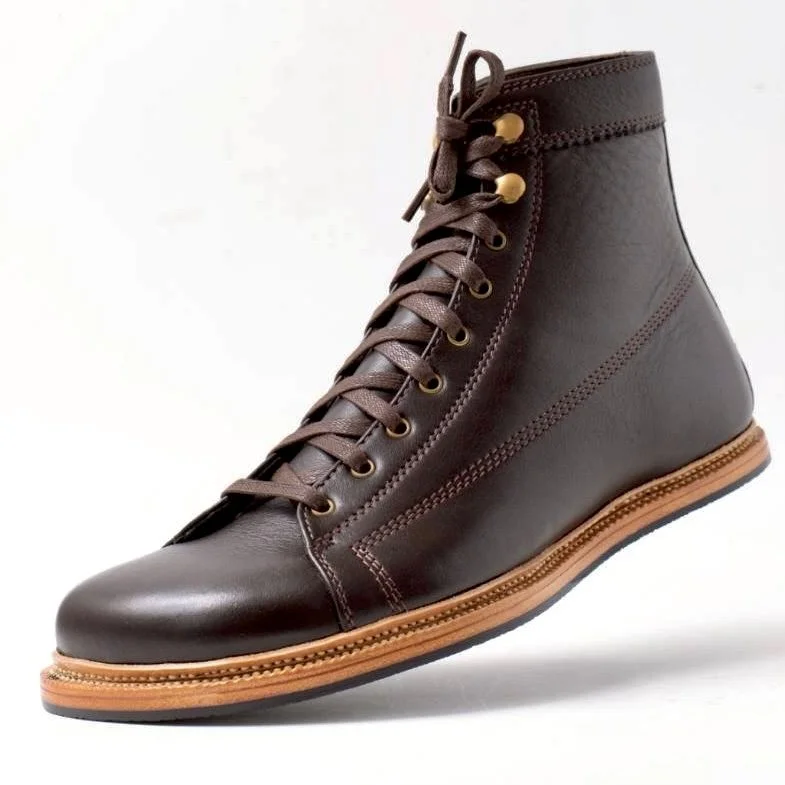
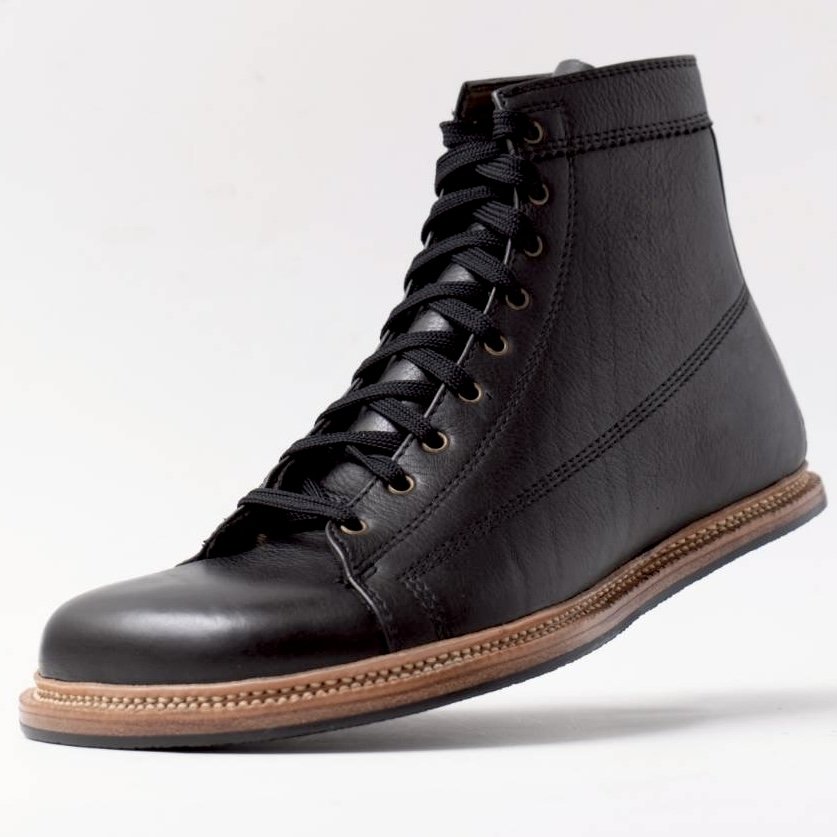
Construction: 360° Hand-Welted
Lace-to-Toe
Shaft Height: 6 inches
Last: Anatomical – Minimal Heel
Our Anatomical Last is very wide, if you feel your foot is exceptionally wide please indicate so on the form that pops up after you add the boots to your cart, we will get in touch to make sure that your boots are wide enough for your feet. We got you!
Leather: 2.5-4mm Full Grain
Full Leather Liner
Outsole: Naang Mini Lug Rubber Outsole
Built on our Anatomical Natural Toe Box last, the Winnfield follows your foot’s true shape.
Not the other way around.
Lace-to-toe construction, lets you fine-tune the fit, helping limit hot spots, pressure, and other foot problems mile after mile
Your toes can spread. Your stride stays strong. Comfort holds, mile after mile.
Every pair is hand-welted with a full 360° storm welt.
Not for looks. Not for marketing. For durability.
It seals out the elements and locks the upper to the sole the way it should be done. Built to take abuse. Built to last.
Inside, a leather shank adds structure where you need it, while letting the forefoot move the way it should.
Stable step after step. Solid under load. Comfortable through long days on your feet.
This is not a delicate boot.
It’s a tool.
The Winnfield is made to walk the earth.
So go use it.
Worldwide Shipping Available.