Naang Boots Articles
Boots for Leg Length Discrepancy (LLD)
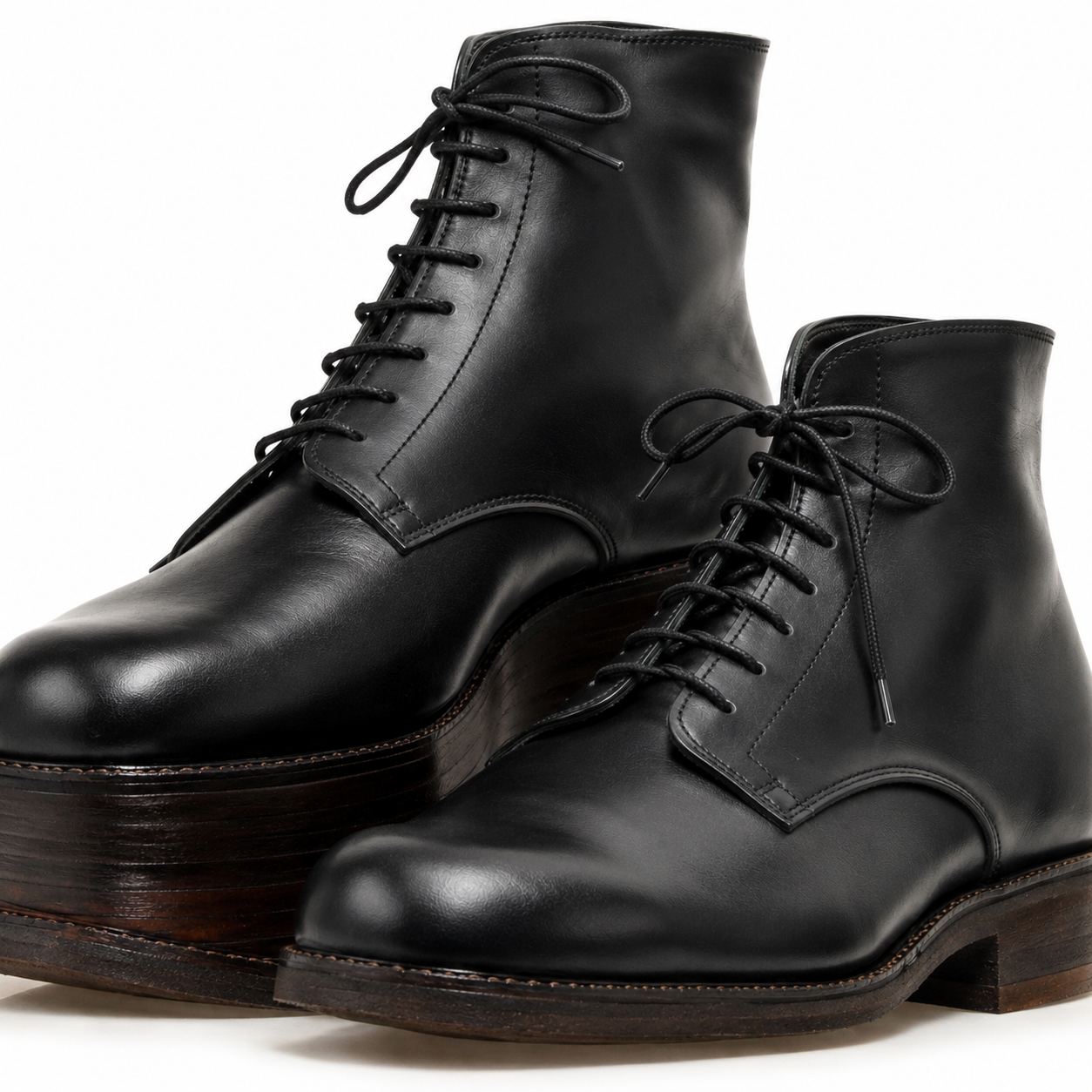
Finding comfortable boots for leg length discrepancy isn’t always easy. Most boots are built as identical pairs, but when one leg is longer than the other, that standard approach doesn’t always work.
Bootmaking
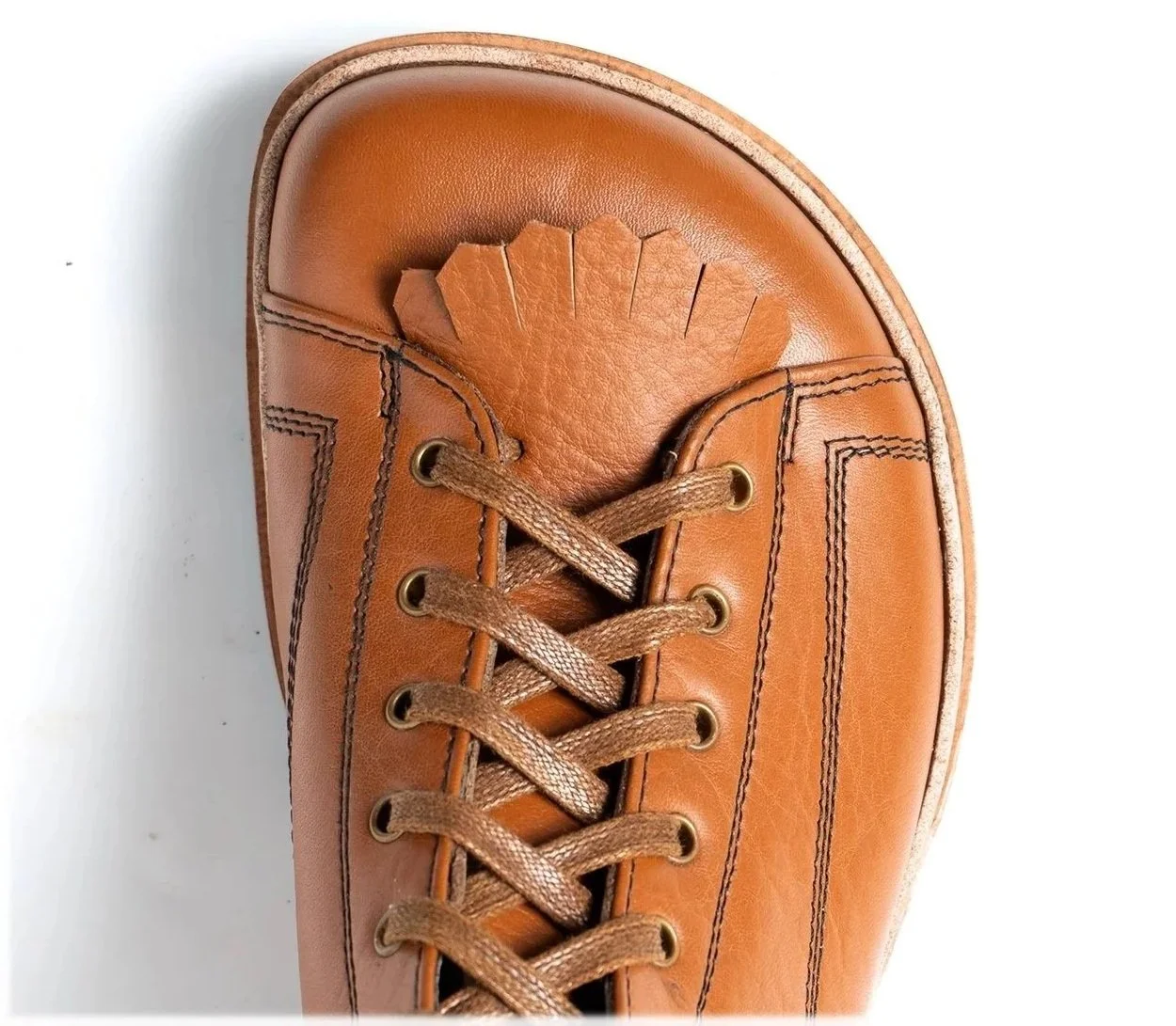
A recent study on minimalist footwear caught my attention because the shoes shared several features with Naang’s design philosophy, in particular with our anatomical zero-drop boots: room for toe splay, a level heel and forefoot, and flexible soles with minimal cushioning.
The researchers found changes in walking mechanics and muscle activity in older adults with a history of falls. Our thicker leather midsoles and rubber outsole construction differ from the shoes they tested, but the overlap is worth examining. Be warned, this is gonna be a nerdy one. I’m gonna dive deep into what the research suggests and how it relates to the boots we build.
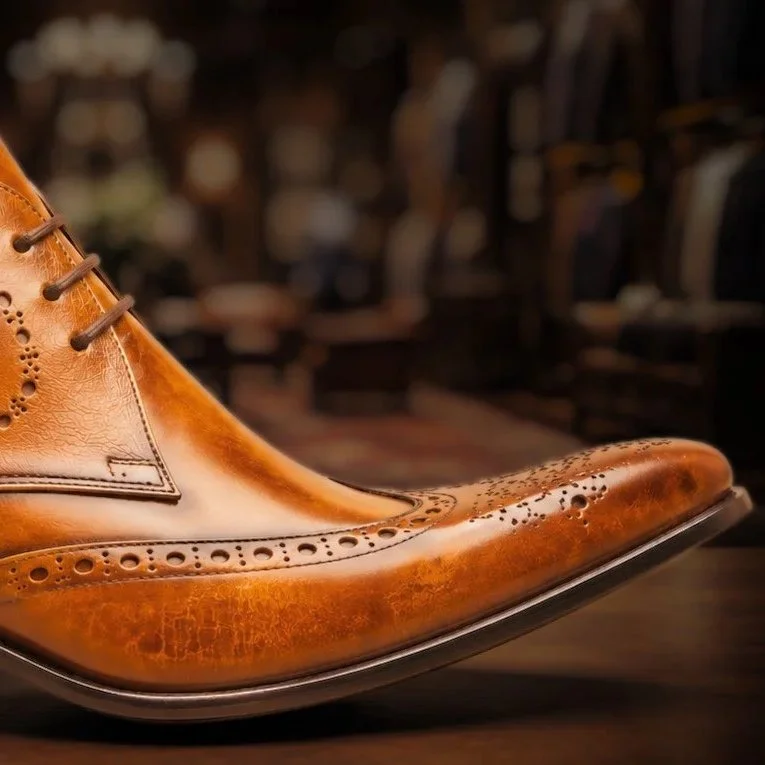
Boots have toe spring to help the foot and boot roll forward through each step while reducing the chance of the toe catching or dragging on the ground. Toe spring is the slight upward curve at the front of a boot, and it becomes especially important in boots with thicker, stiffer, or more structured soles.
As you walk, that upward curve helps the boot transition from the forefoot forward to the toe, instead of forcing the entire sole to bend sharply with every step. In a well-designed boot, toe spring works with your natural gait to make the boot easier and more comfortable to walk in.
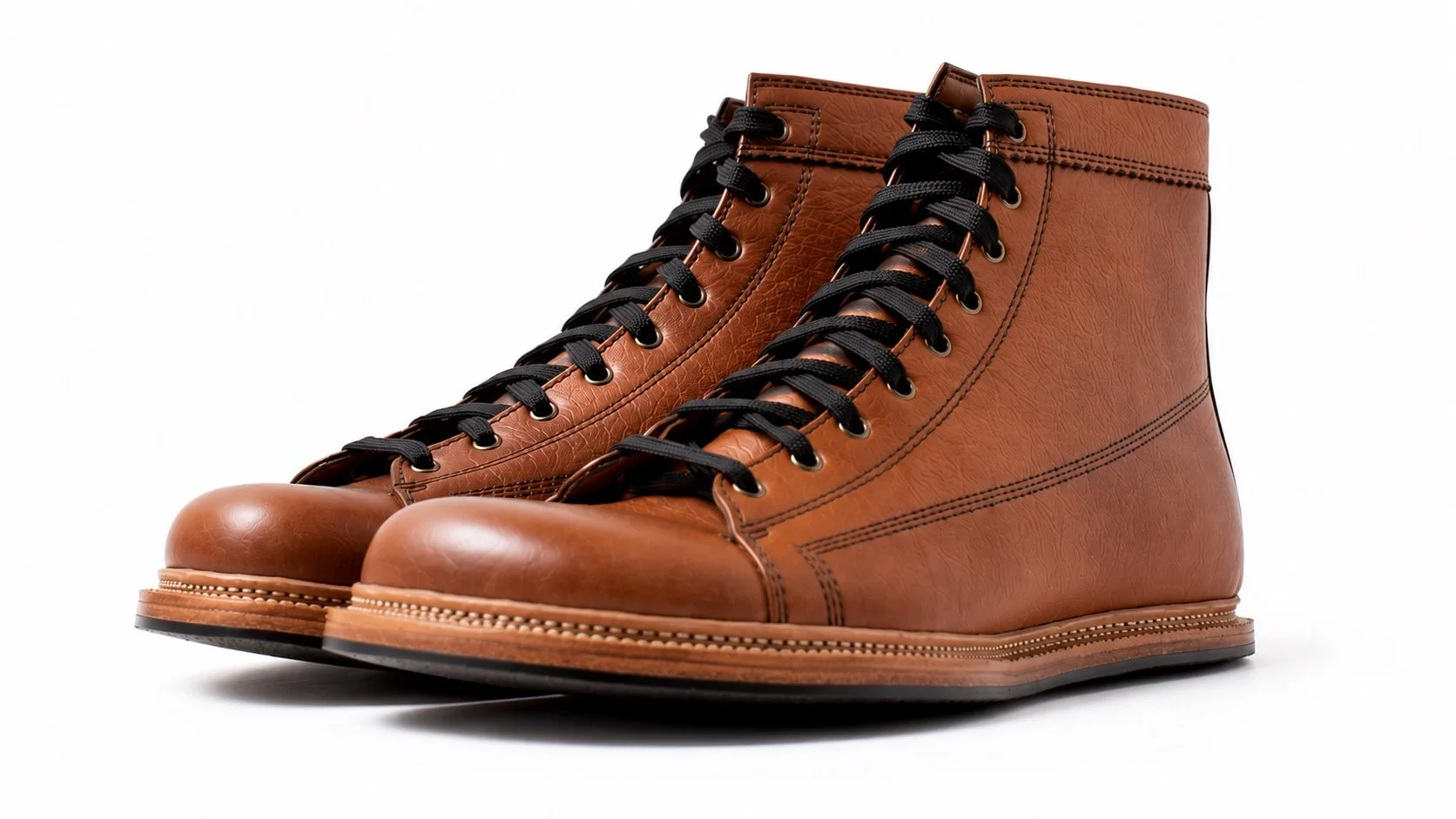
Zero drop boots DO NOT have to be barefoot boots. This is something I find myself correcting all the time when customers ask me about our “barefoot boots.”
At Naang, we don’t make barefoot boots. We make heritage boots built around an anatomical toe box, with zero drop as an option for customers who want it. We still use thick leather insoles and midsoles, traditional welted construction, and all the things that make a heritage boot a heritage boot.
Zero drop and barefoot are not the same thing, and we need to stop using the terms interchangeably.
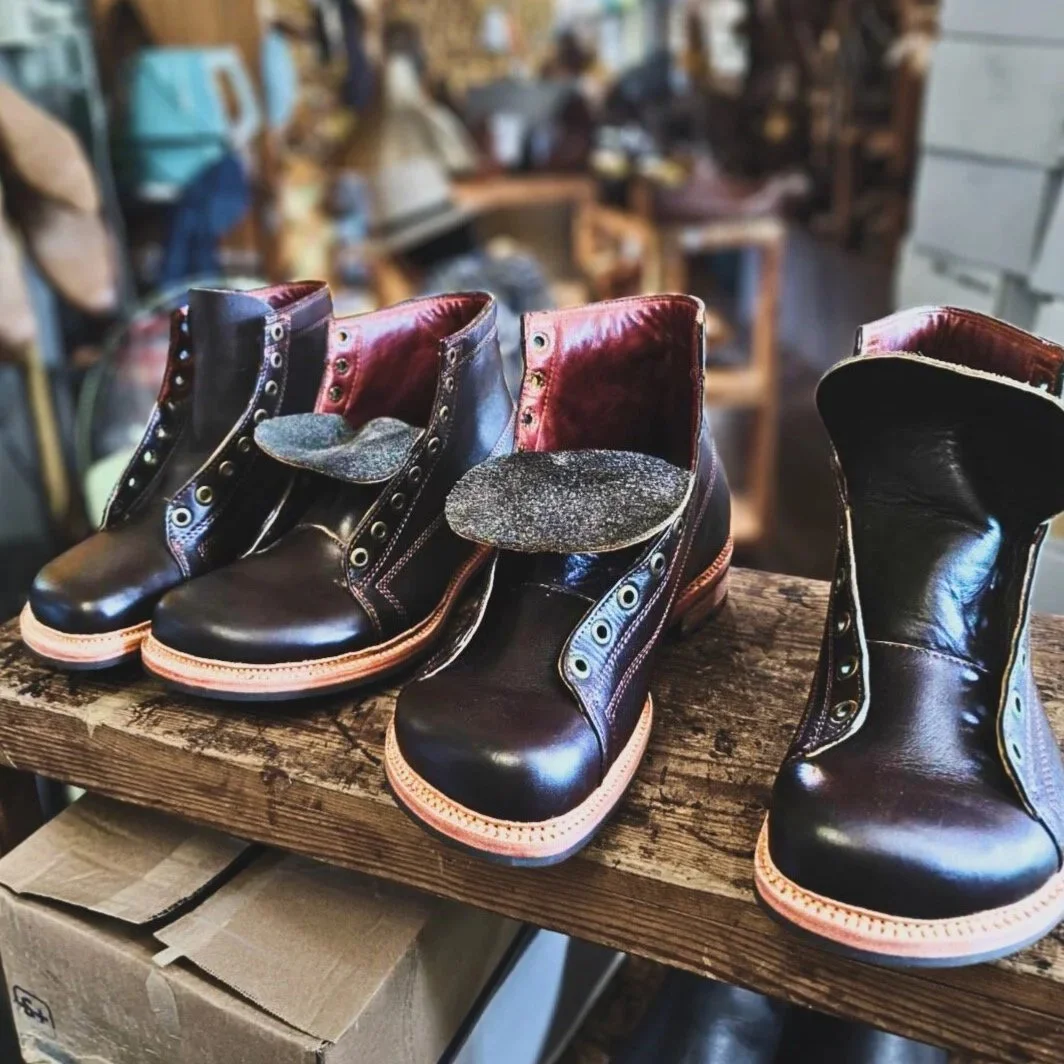
If your toes hurt in boots, it’s usually because your toes don’t have enough room to move naturally.
Whatever the cause, toe pain is a sign that something isn’t working the way it should.
The good news is that toe pain is often preventable. Once you understand what’s causing the problem, the solution is usually straightforward.
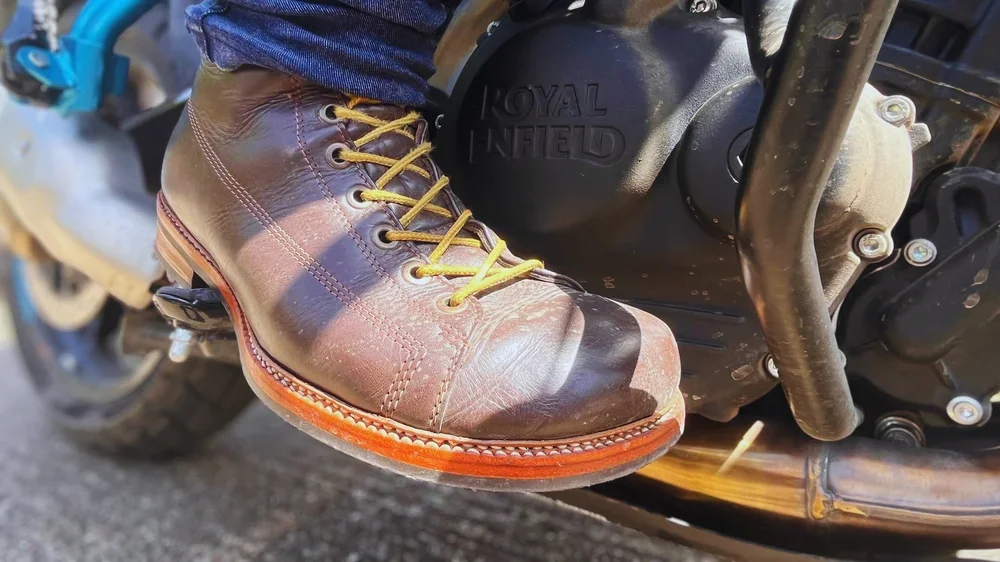
If you want to understand the Monkey Boot, you have to look at Czechoslovakia in the late 1940s and early 50s. We aren’t talking about the "aesthetic" heritage you see in a glossy magazine. We’re talking about Eastern Bloc utility
Adventure
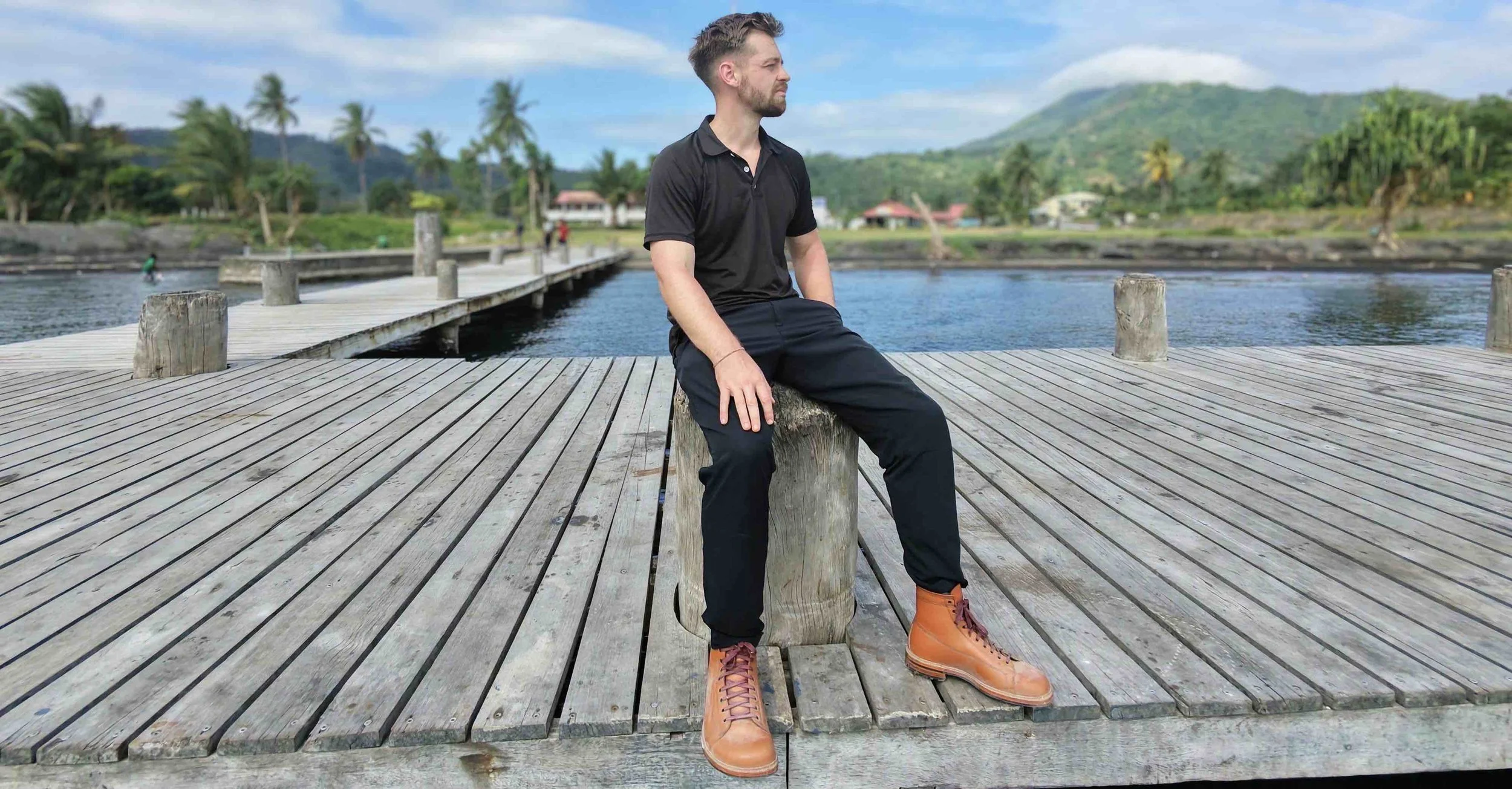
Adventure is at the core of what we do. Every pair we make is designed to be worn hard, beaten up, and taken somewhere interesting.
That is why I was especially happy to kit out my friend Harry from the YouTube channel WeHateTheCold with a pair of Winnfields for his latest adventure into the jungles of Papua New Guinea.
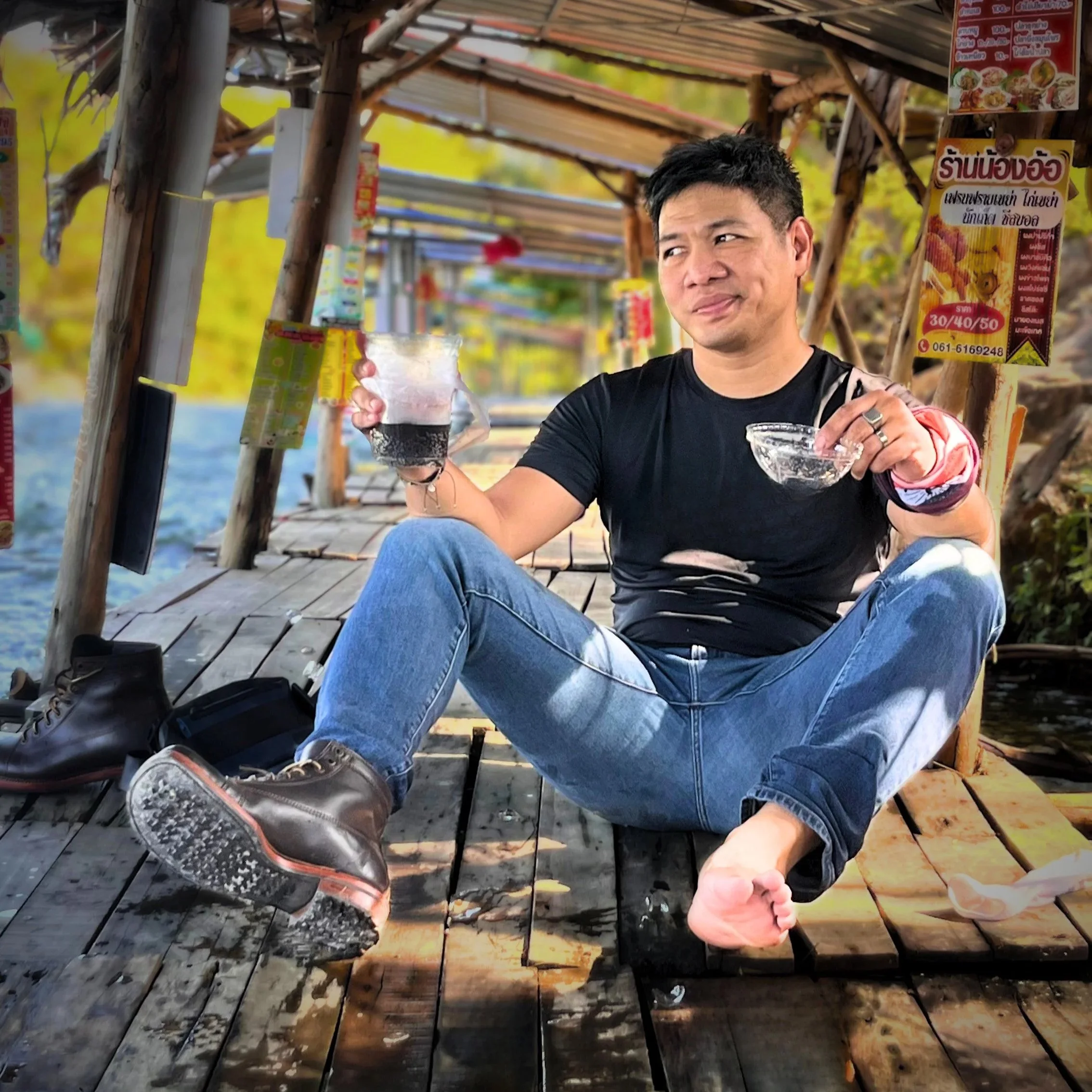
Drying wet boots is not something that should be rushed. If there’s one thing to remember, it’s this: dry your boots slowly and avoid direct heat. Leather, adhesives, stitching, and even the shape of the boot can all be damaged by excessive heat or improper drying methods.

I moved to Thailand in 2013. It didn’t take long to get my first bike. Out here, a bike isn’t a weekend toy. It’s how you live and how you escape.
Early on, I fell in with a good group of friends. One of them was Garrett. We landed in Thailand around the same time. Both of us rode. That was enough.
Some of my first real Thai road trips were with that crew. Day runs to wherever we could reach from Bangkok and back. Evening rides into the city, night market food, last-minute concerts, no real plan. Nothing planned, everything memorable.
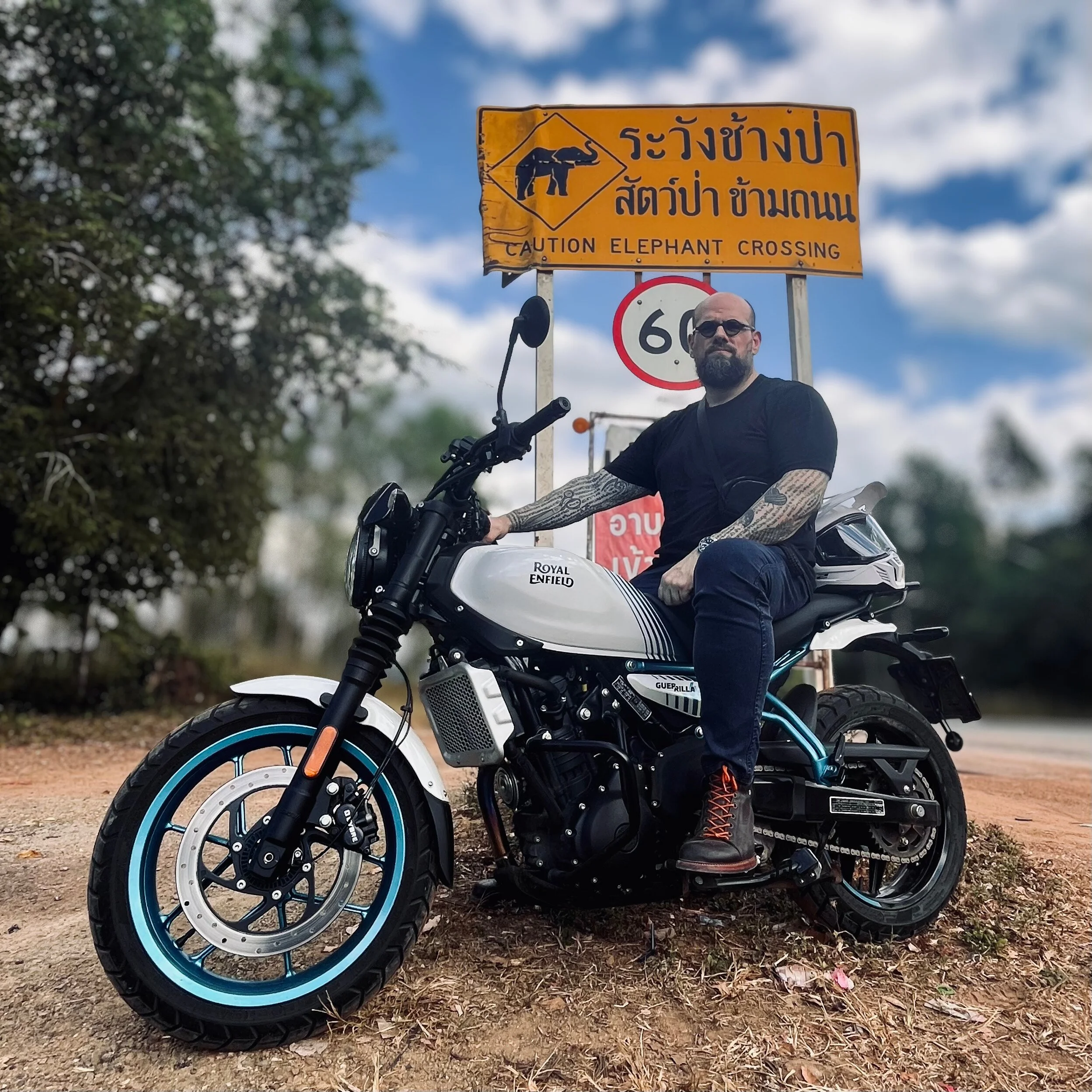
In late December 2025, while Thailand and Cambodia were in the middle of an armed border conflict and active operations were underway on both sides, I had what can only be described as a questionable idea:
Let’s ride to Sa Kaeo. Let’s do some off-road riding. Let’s see what happens.
Was it the best idea I’ve ever had? Absolutely not.
Was it the worst? Also no.

There are rides you plan, and rides that just happen. This was one of the planned ones—but even the best plans don’t prepare you for what the road gives back. The Three Pagodas Pass had been on my list for a while, a route stacked with history, grit, and the kind of roads that test both machine and rider. The rainy season had finally eased. In Thailand, you learn to respect the rain. Out here, a storm doesn’t just get you wet; it can pin you down on the roadside, staring at sheets of water that make the world disappear.
Behind The Brand

I wasn’t expecting to find a connection between Naang Boots and hip-hop while working on boot designs the other day. But one line in a Czarface track brought back a memory from more than 20 years ago, right around the time I started getting serious about my feet.
It’s a six-degrees-of-separation kind of story, so stick with me.
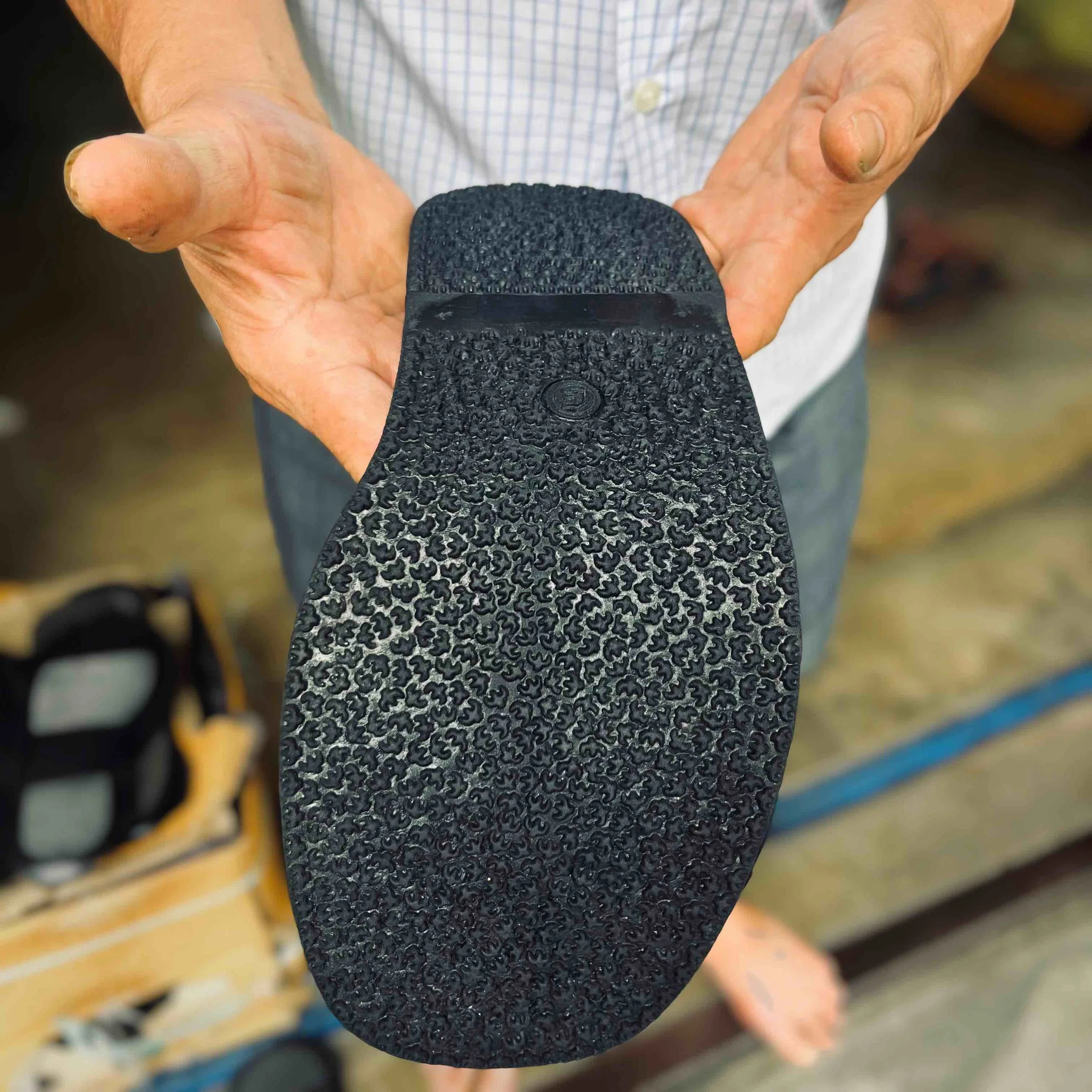
This weekend I went out looking for new sole sheets for our zero-drop boots.
Fortunately, Bangkok has an entire section of the city dedicated to leatherwork, shoemaking, and bootmaking. It’s not far from Wongwian Yai, and it has become one of my favorite places to wander around when I’m looking for materials, tools, or ideas.
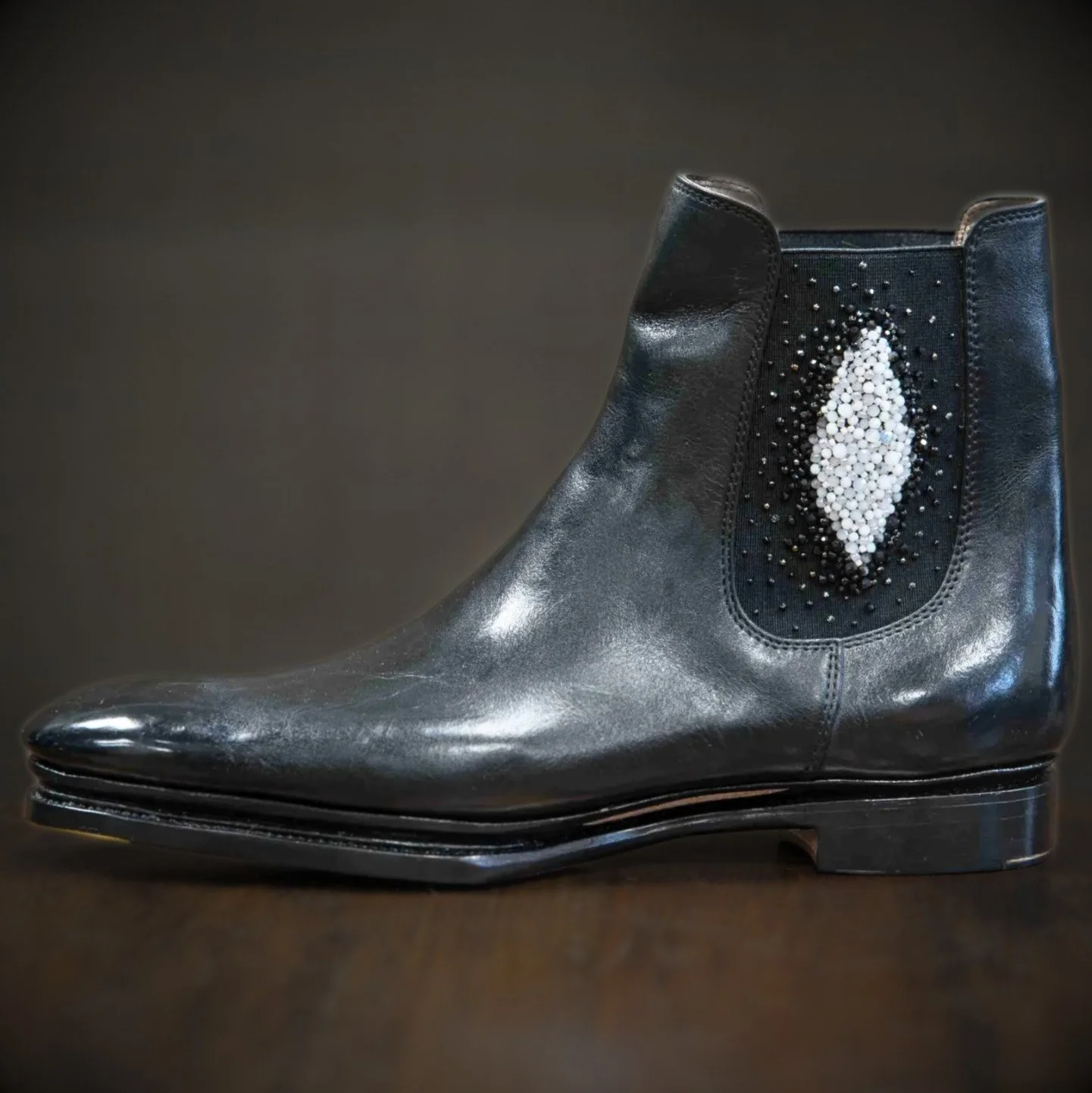
Well, the results are in.
Our Zissou Chelsea boot finished 13th out of 20 entries in the 2026 World Championships of Shoemaking.
Shoegazing recently published the second half of its rundown of all the competition boots, which means we finally got to see Zissou sitting there at number 13 alongside some seriously good shoemakers from around the world.
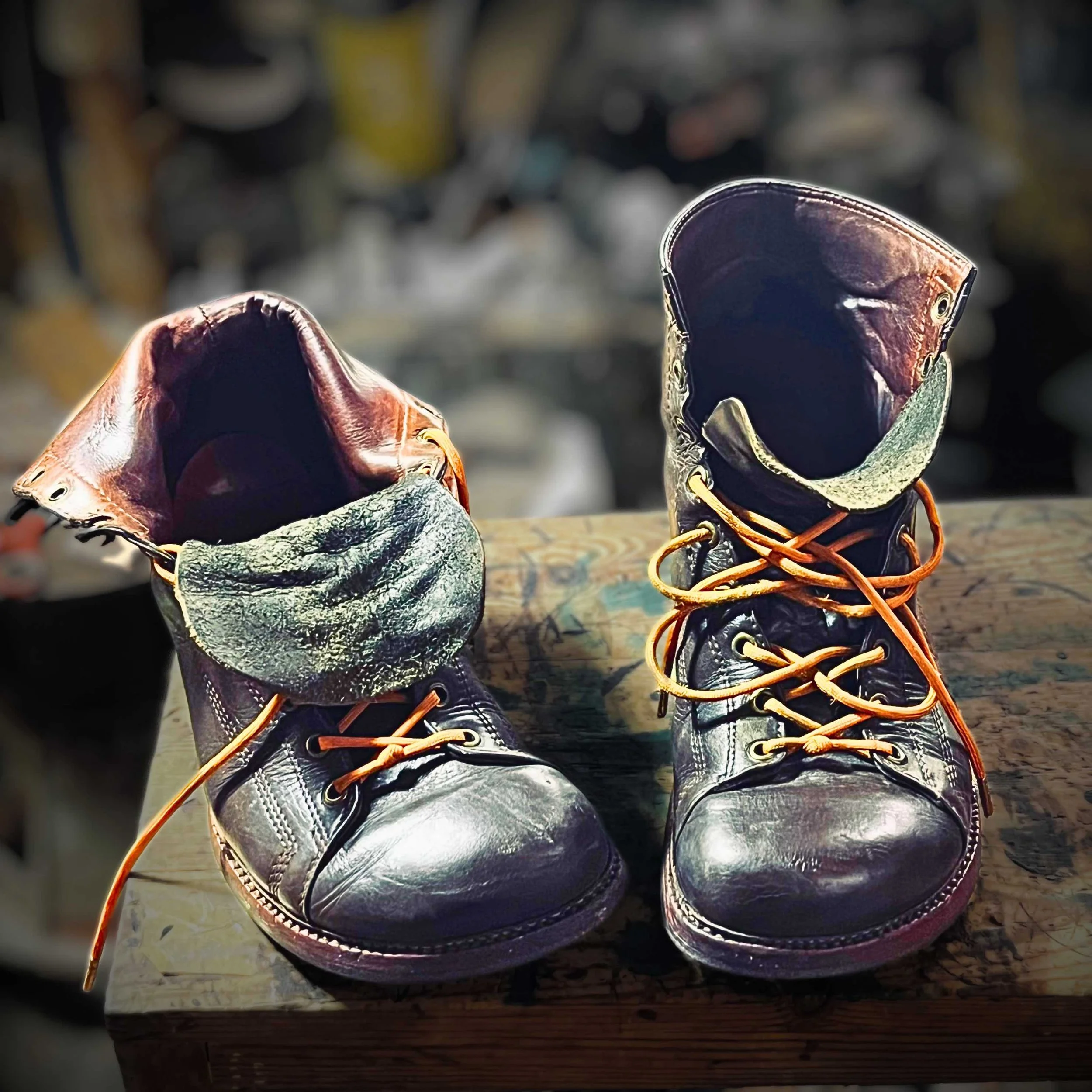
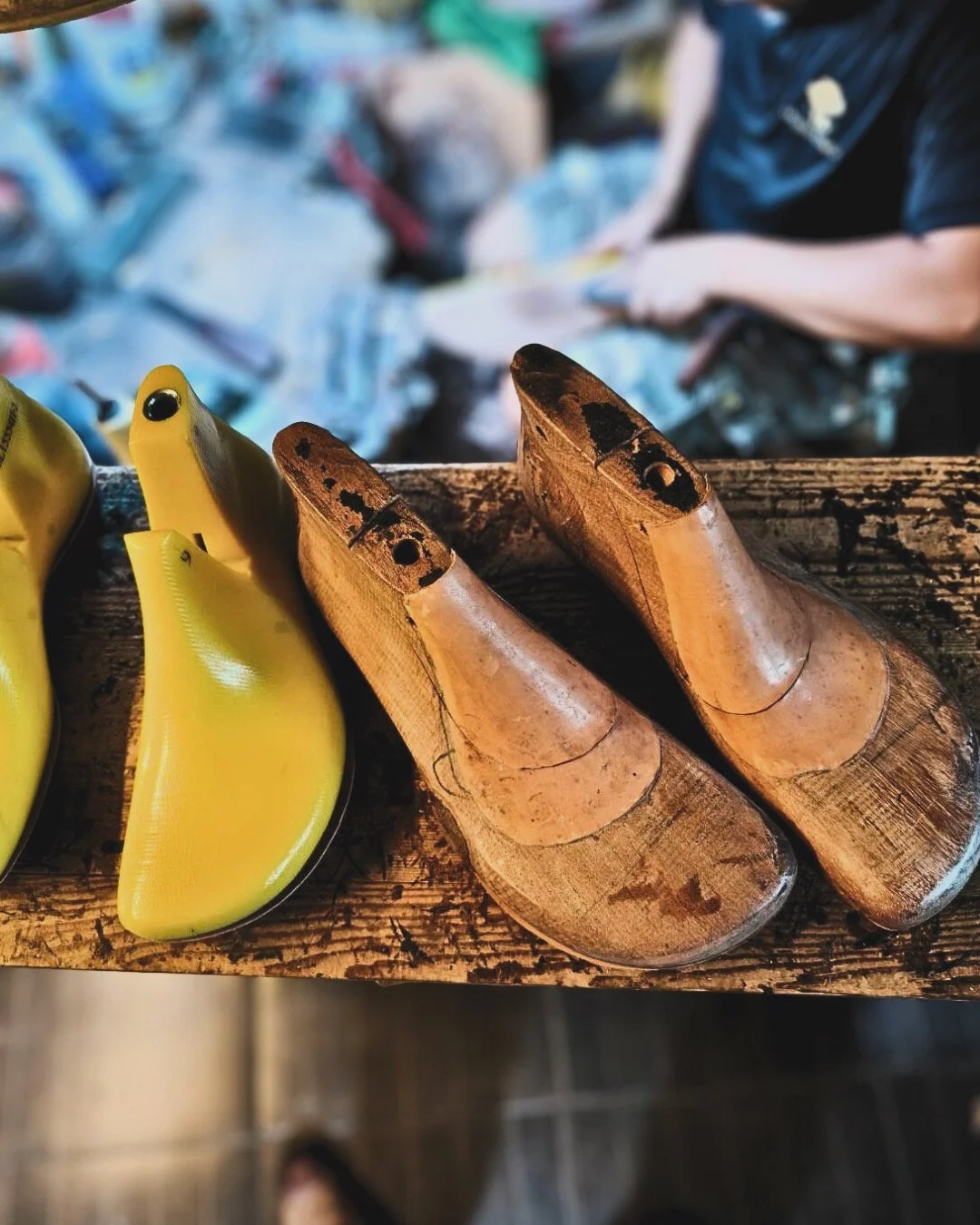
A boot last is a foot-shaped form used by bootmakers to create the shape, fit, and structure of a boot. Every part of the boot is built around it. In simple terms, the last is the foundation upon which the entire boot is made.
Boot Fit
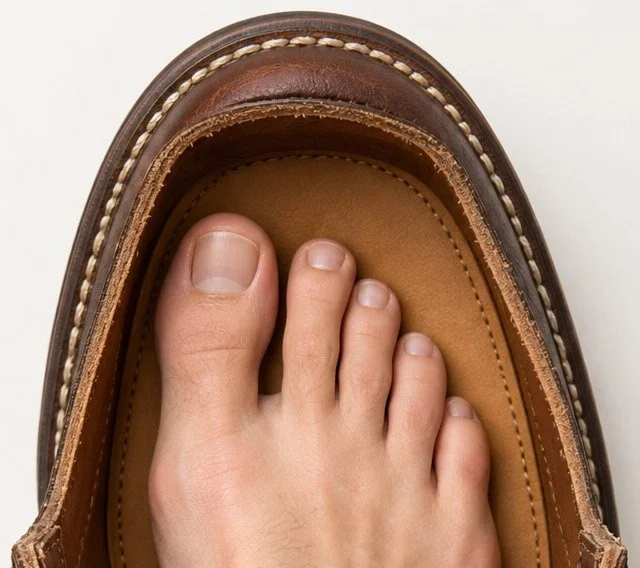
Your foot is a three-dimensional body part. Your boots need to accommodate it that way. You can have plenty of space beyond your longest toe and still have a boot that squeezes your little toe or presses down on your toenails.
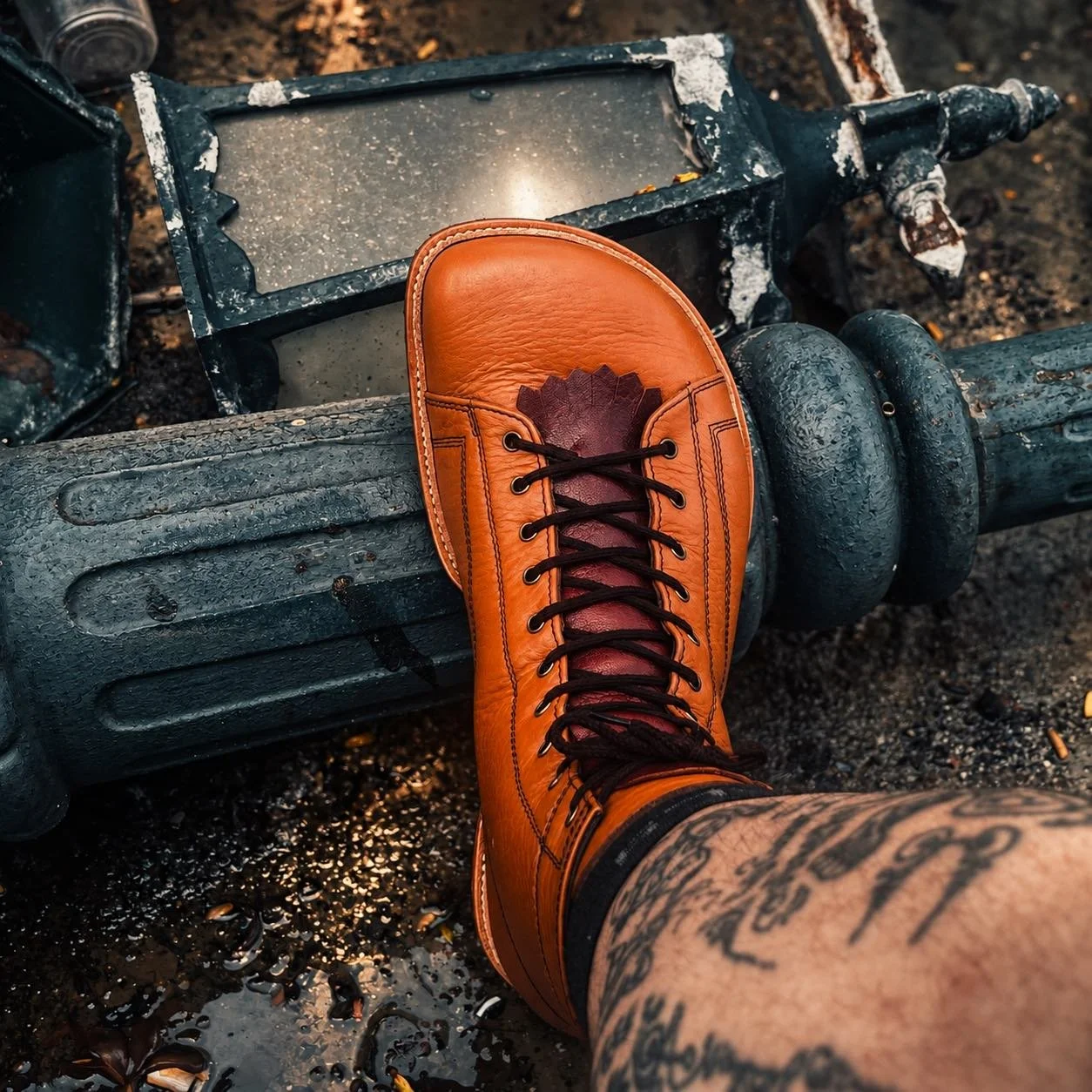
Nick at Stridewise recently featured Naang Boots in his video about The Best Boots for Wide Feet, highlighting our EEEEEE widths, handmade construction, hand-welting, and value. If that video brought you here, welcome. I’m dana, one of Naang’s co-founders, and I’m the person to contact about getting your fit right.
There’s one detail I want to expand on: EEEEEE, or 6E, isn’t our limit. We can go as wide as your feet need. We can also go as narrow as your feet need.
A recent study on minimalist footwear caught my attention because the shoes shared several features with Naang’s design philosophy, in particular with our anatomical zero-drop boots: room for toe splay, a level heel and forefoot, and flexible soles with minimal cushioning.
The researchers found changes in walking mechanics and muscle activity in older adults with a history of falls. Our thicker leather midsoles and rubber outsole construction differ from the shoes they tested, but the overlap is worth examining. Be warned, this is gonna be a nerdy one. I’m gonna dive deep into what the research suggests and how it relates to the boots we build.
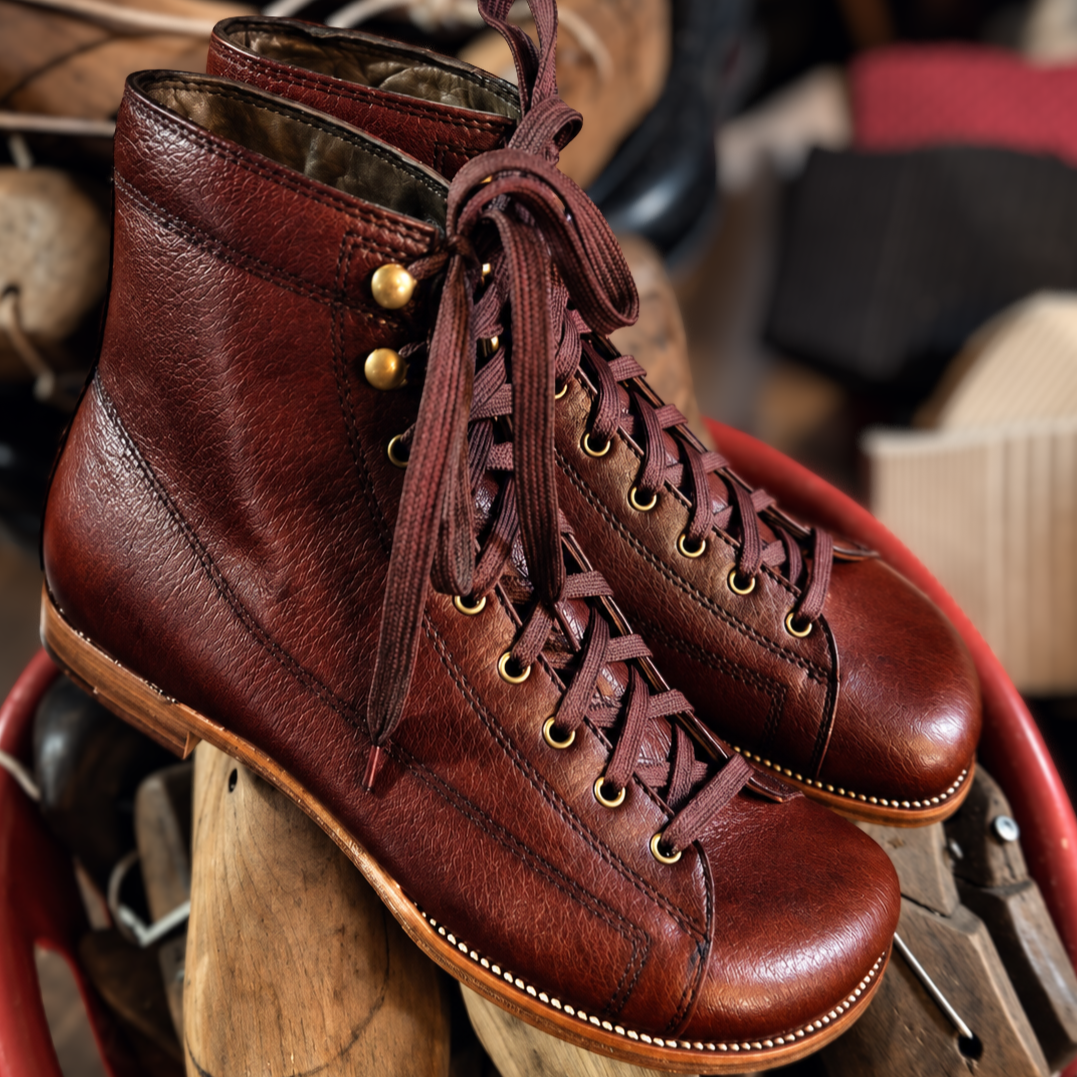
Most leather boots need some break-in. As the leather softens, flexes, and molds to your feet. But there are limits to what that process can change, and the excuse of “they just need breaking in” gets used to explain away plenty of fit problems.
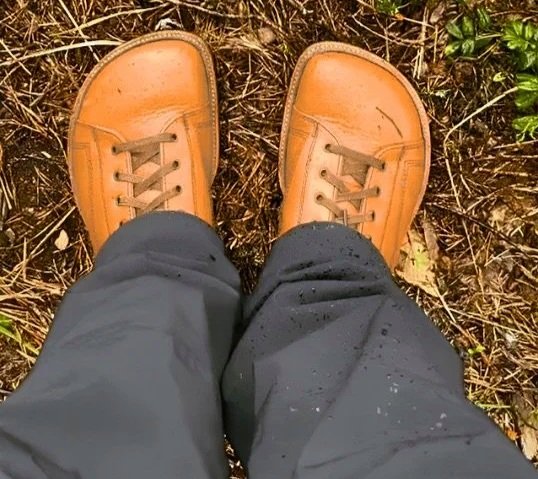
There’s always new research coming out about foot anatomy and footwear, and I try to keep up with it as part of my job designing Naang Boots. And to be clear, no single paper is going to give us all the answers; that’s why I have to read just about all of them.
Foot Health
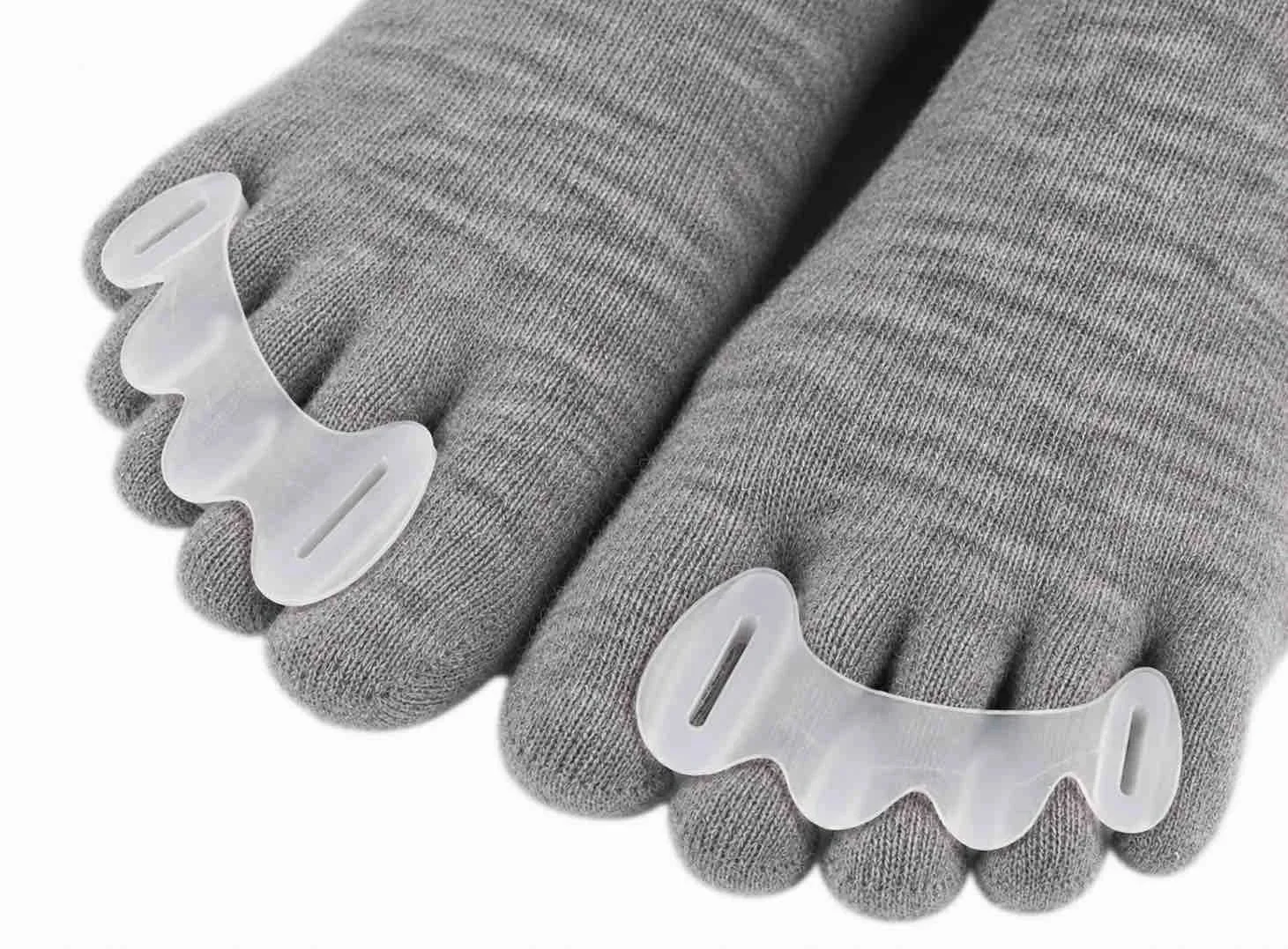
Toe spacers do pretty much what the name suggests. They’re small devices, commonly made from soft silicone or foam, that sit between your toes and hold them apart, some might say they space them out. Some separate just two neighboring toes. Others fit across the foot to separate all five. The amount of separation depends on the spacer’s shape, size, and flexibility.
If your toes hurt in boots, it’s usually because your toes don’t have enough room to move naturally.
Whatever the cause, toe pain is a sign that something isn’t working the way it should.
The good news is that toe pain is often preventable. Once you understand what’s causing the problem, the solution is usually straightforward.
Finding comfortable boots for leg length discrepancy isn’t always easy. Most boots are built as identical pairs, but when one leg is longer than the other, that standard approach doesn’t always work.
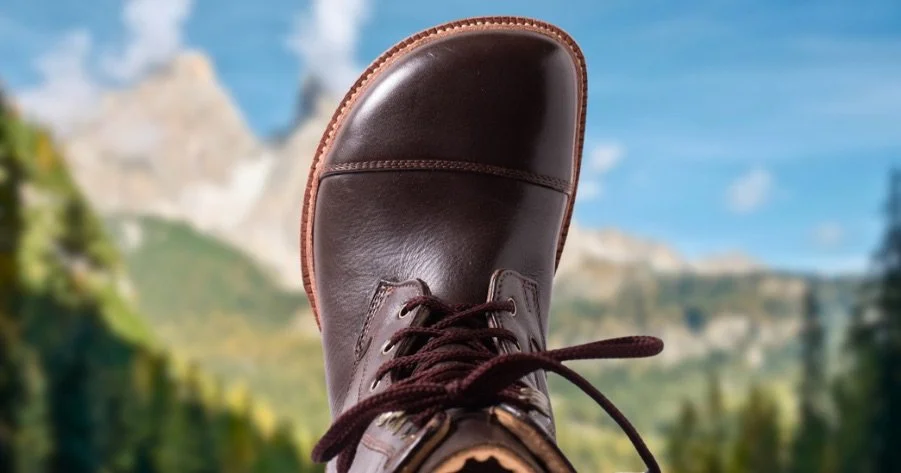
A wide toe box and an anatomical toe box are two very different things. A wide toe box simply gives your forefoot more space, but it may still taper toward the end. An anatomical toe box is designed to follow the natural shape of your foot.
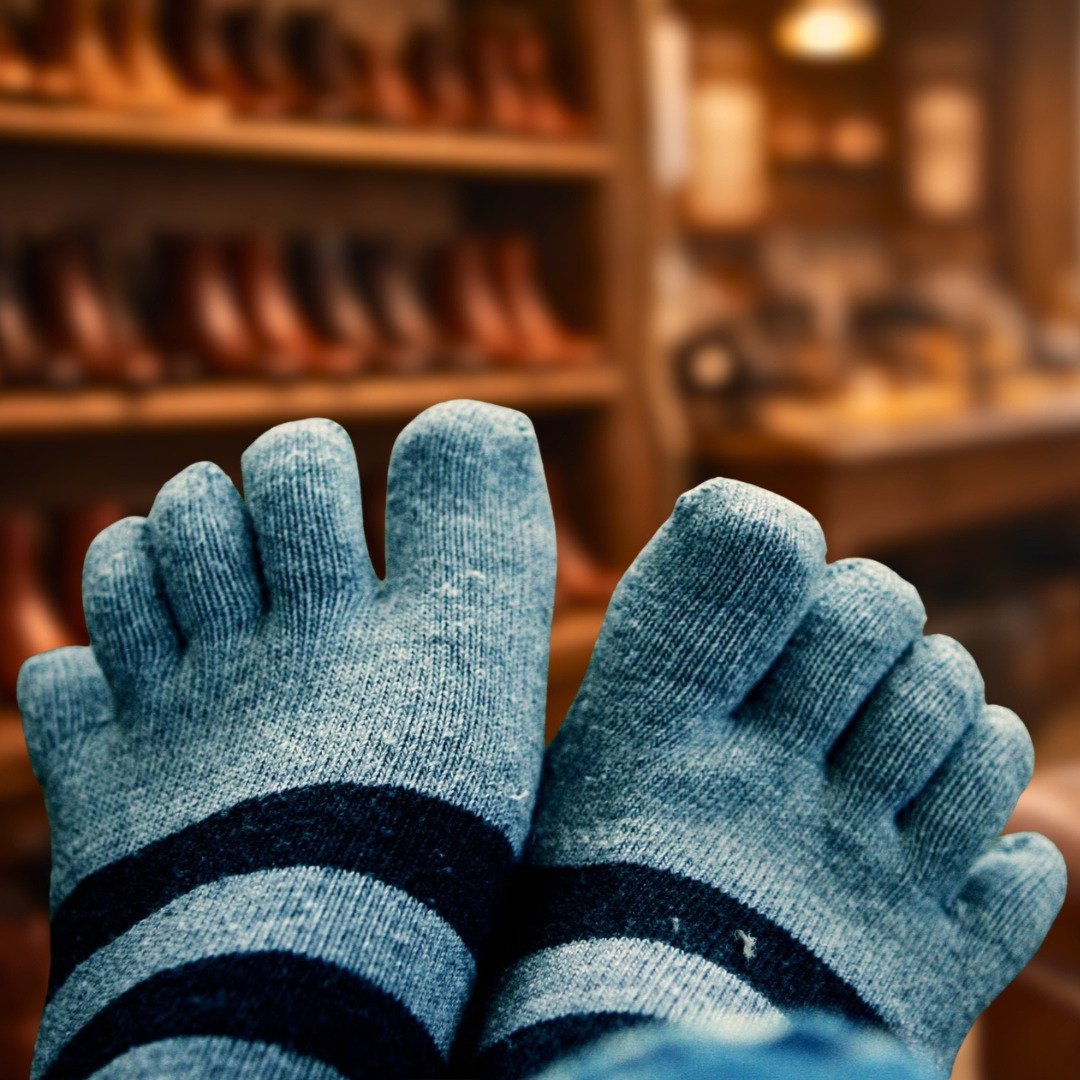
Toe socks help your feet function at their best while you tackle the world. Think of them as gloves for your feet. Instead of stuffing all five of your digits into one big, sweaty fabric sack, the way standard tube socks do, each toe gets its own individual, moisture-wicking sleeve. They look a bit wild, but what they are is serious, high-performance piece of gear.
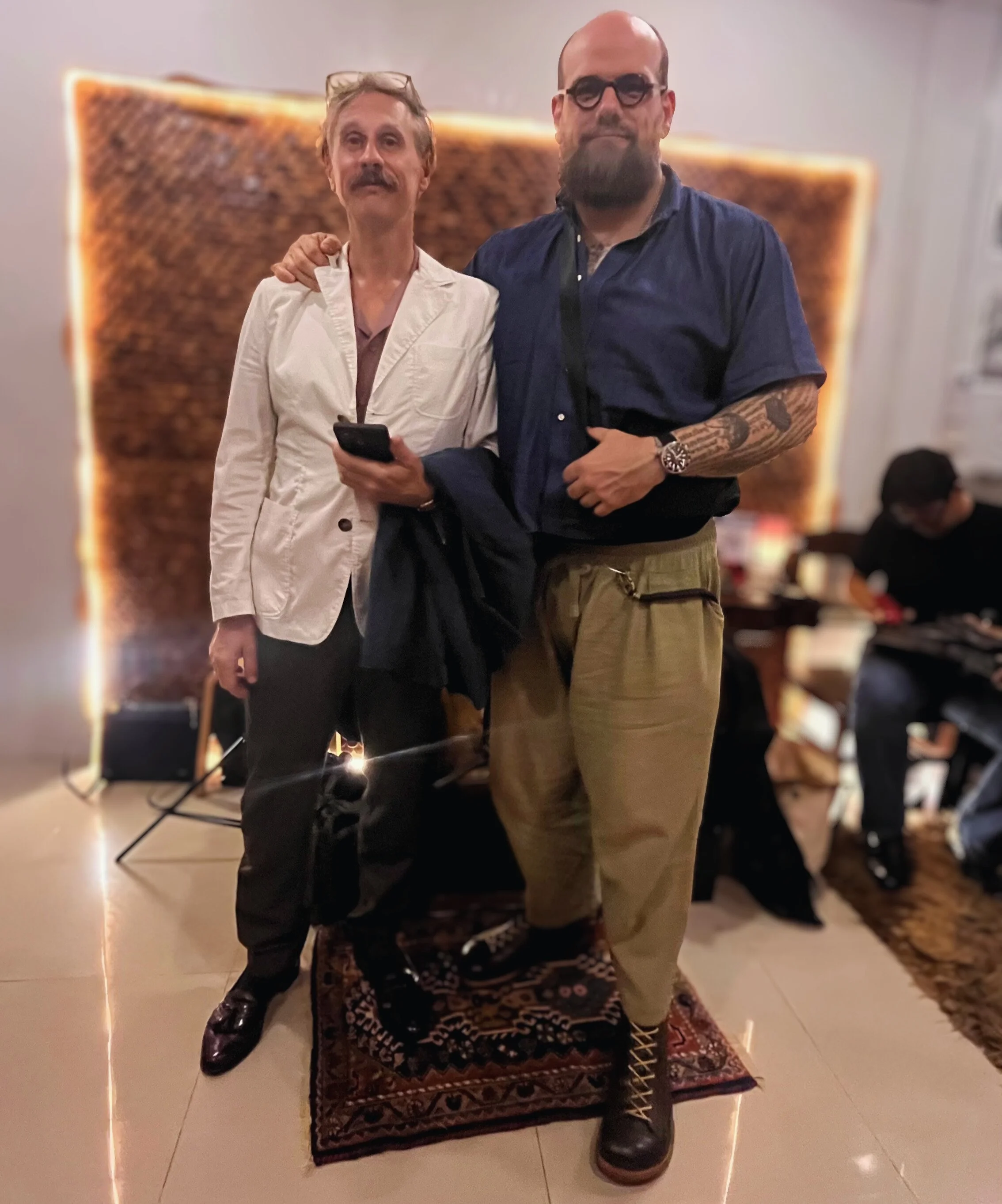
Dana Blouin and Allan Donnelly founded Naang Boots in 2023 to make rugged, handmade boots that fit the natural shape of your feet and go wherever adventure takes you. Allan brings decades of shoe and bootmaking expertise. Dana brings decades of adventure in boots, drawing on that experience to shape every Naang design. We may earn a commission when you buy non-boot products through our affiliate links, at no extra cost to you.