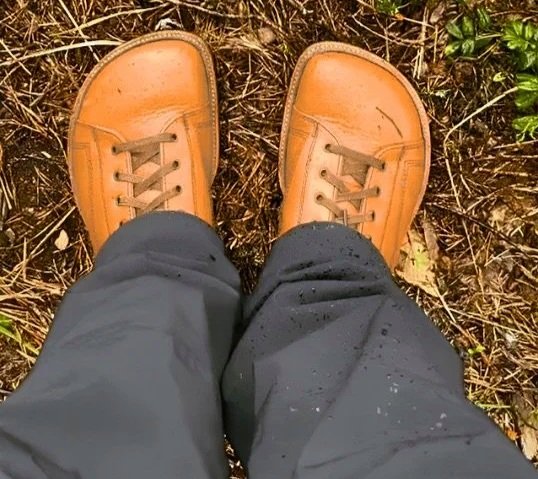
Boots Should Fit Your Feet: The Case for Anatomical Design
There’s always new research coming out about foot anatomy and footwear, and I try to keep up with it as part of my job designing Naang Boots. And to be clear, no single paper is going to give us all the answers; that’s why I have to read just about all of them.
What Makes a Boot Rebuildable?
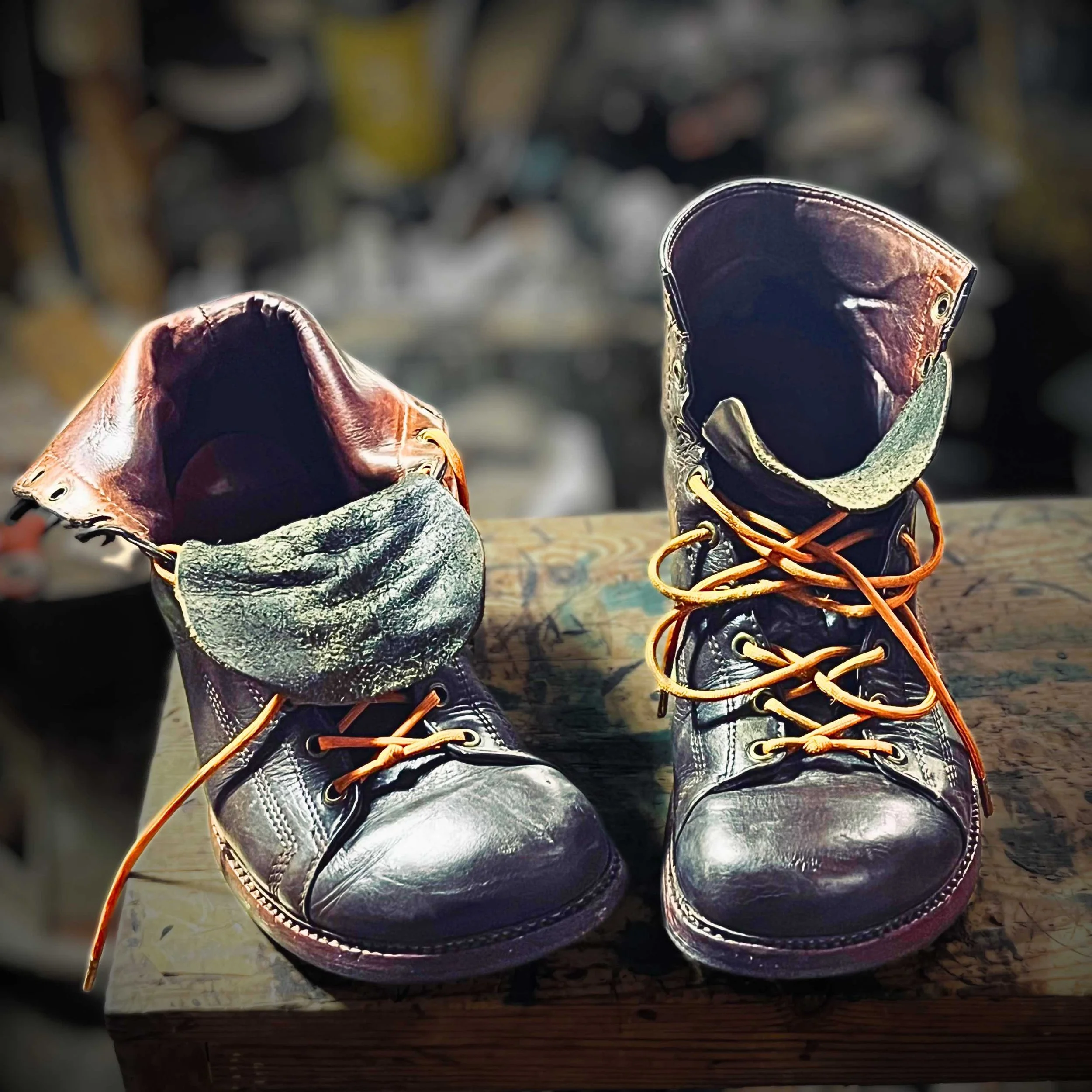
Most of us know that a good pair of boots can be resoled. But some heritage boots can go a step further. Rebuildable boots can be taken apart so worn or damaged components beyond the outsole can be replaced, keeping the parts that still have life in them.

What Did He Just Say?
I wasn’t expecting to find a connection between Naang Boots and hip-hop while working on boot designs the other day. But one line in a Czarface track brought back a memory from more than 20 years ago, right around the time I started getting serious about my feet.
It’s a six-degrees-of-separation kind of story, so stick with me.
Why Most Boots Are Too Narrow
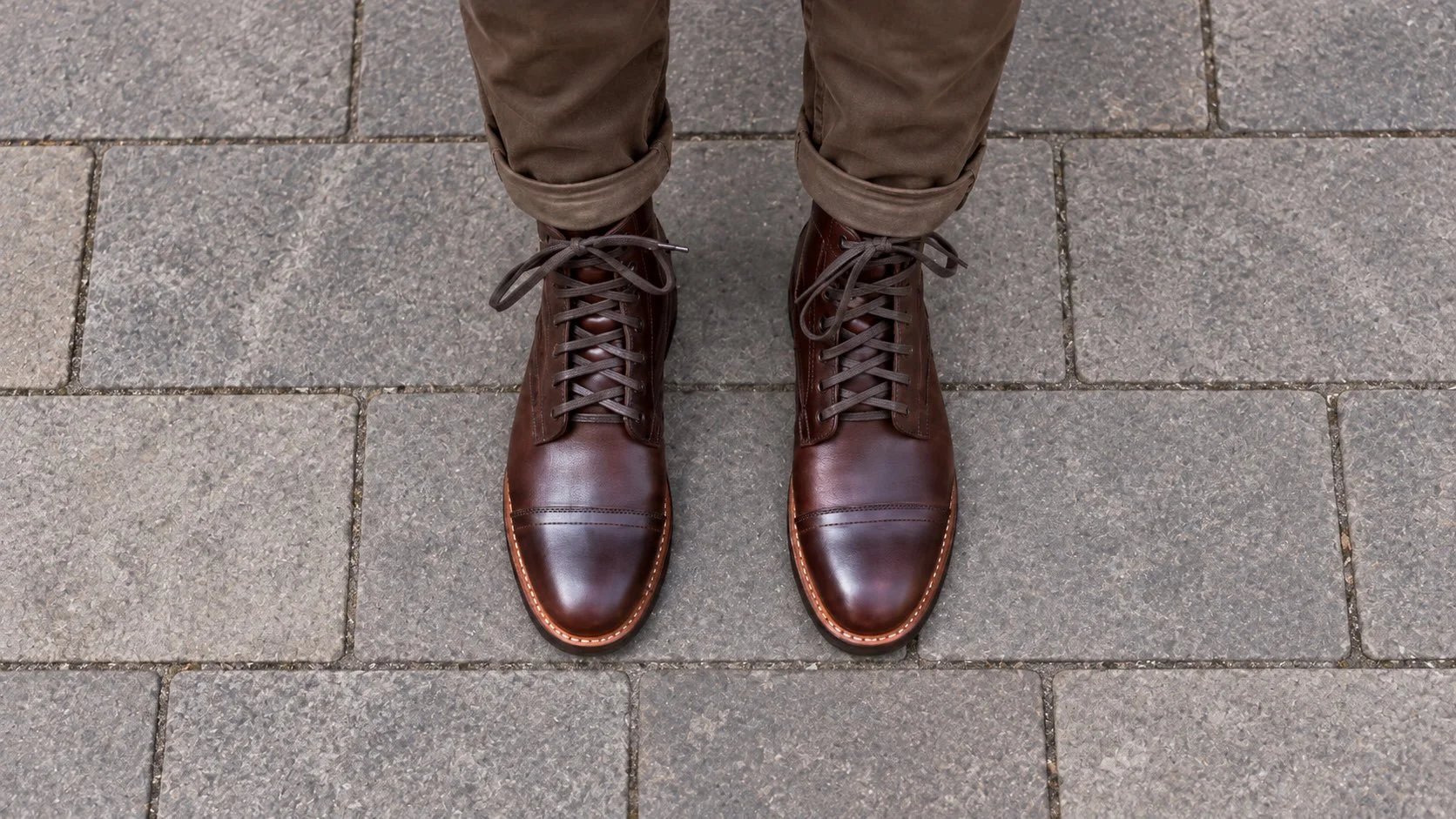
If your boots feel too narrow, the problem may not be that you have unusually wide feet. The problem may be the shape of your boots. Many traditional boot lasts taper inward through the forefoot and toe box, even though our feet generally get wider toward the toes. That mismatch can squeeze the toes together and create pressure where your foot needs more space.
Sole Searching in Bangkok
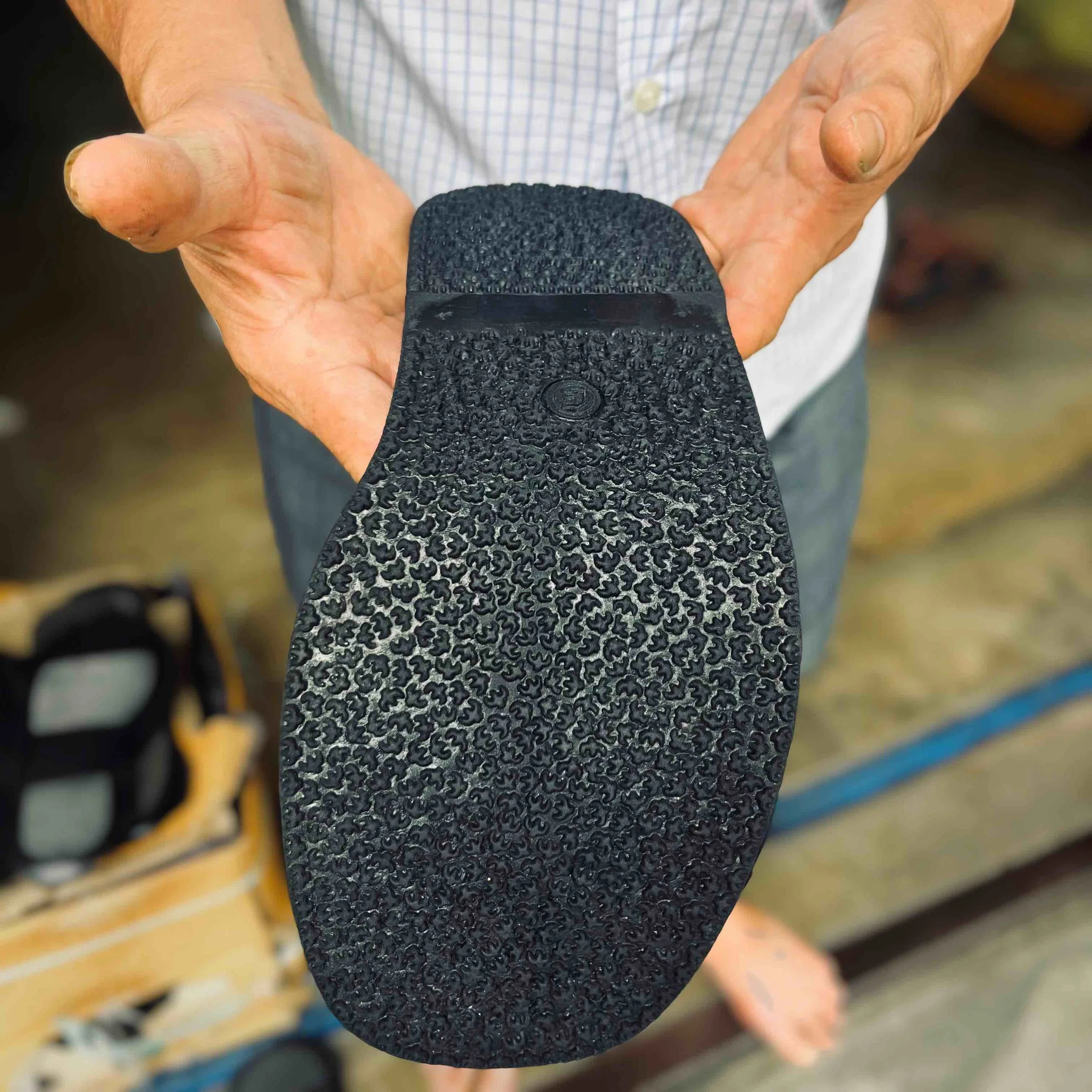
This weekend I went out looking for new sole sheets for our zero-drop boots.
Fortunately, Bangkok has an entire section of the city dedicated to leatherwork, shoemaking, and bootmaking. It’s not far from Wongwian Yai, and it has become one of my favorite places to wander around when I’m looking for materials, tools, or ideas.
Winnfields Into the Wild
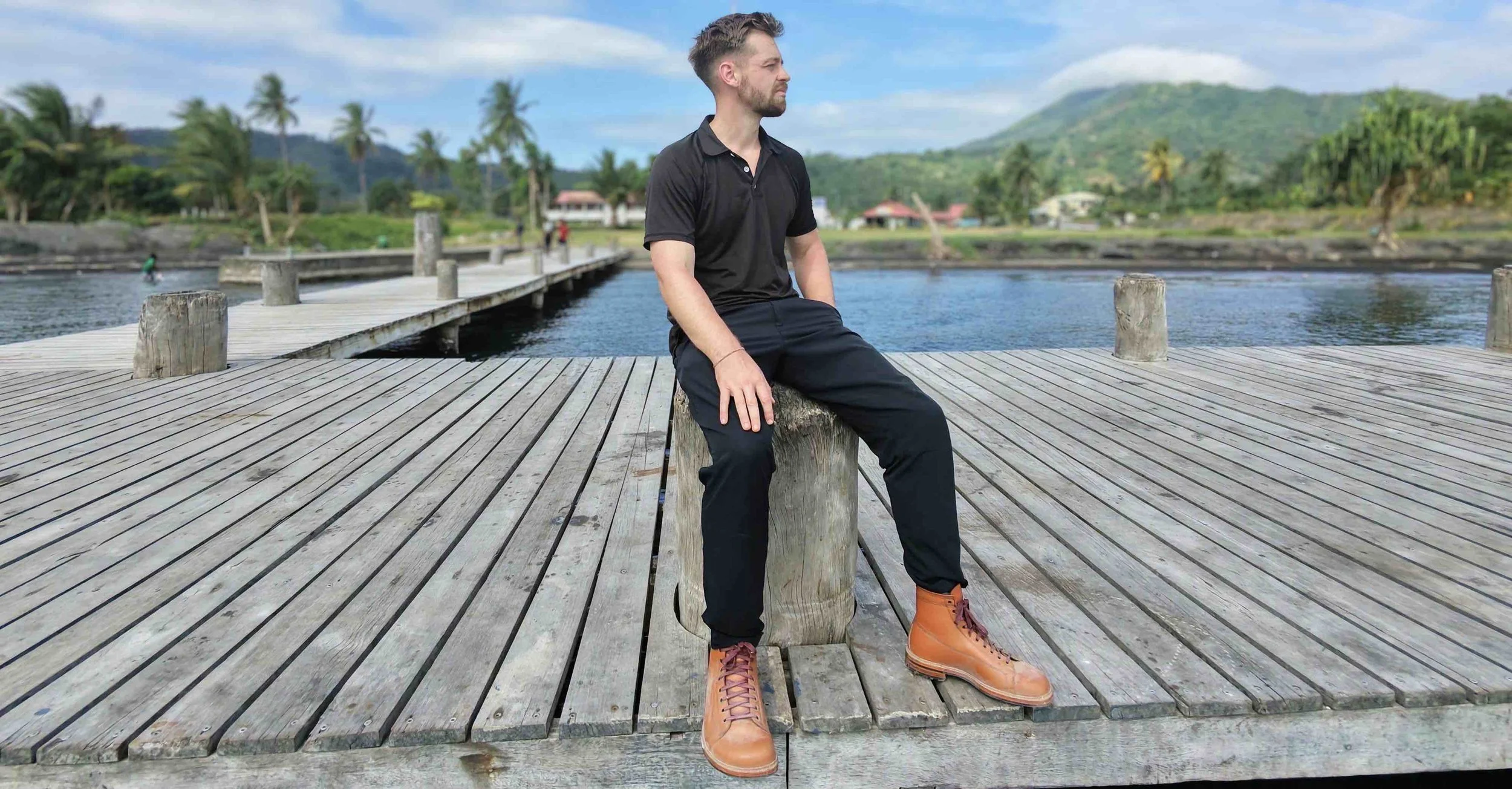
Adventure is at the core of what we do. Every pair we make is designed to be worn hard, beaten up, and taken somewhere interesting.
That is why I was especially happy to kit out my friend Harry from the YouTube channel WeHateTheCold with a pair of Winnfields for his latest adventure into the jungles of Papua New Guinea.
Why Do Boots Have Toe Spring? What It Is and Why It Matters
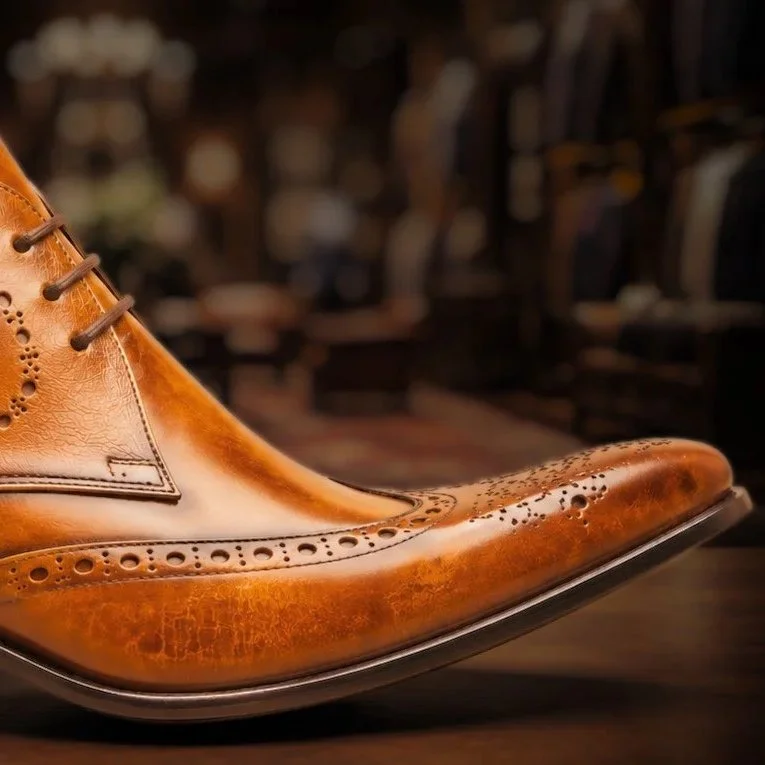
Boots have toe spring to help the foot and boot roll forward through each step while reducing the chance of the toe catching or dragging on the ground. Toe spring is the slight upward curve at the front of a boot, and it becomes especially important in boots with thicker, stiffer, or more structured soles.
As you walk, that upward curve helps the boot transition from the forefoot forward to the toe, instead of forcing the entire sole to bend sharply with every step. In a well-designed boot, toe spring works with your natural gait to make the boot easier and more comfortable to walk in.
Naang Boots Finishes 13th at the 2026 World Championships of Shoemaking
Well, the results are in.
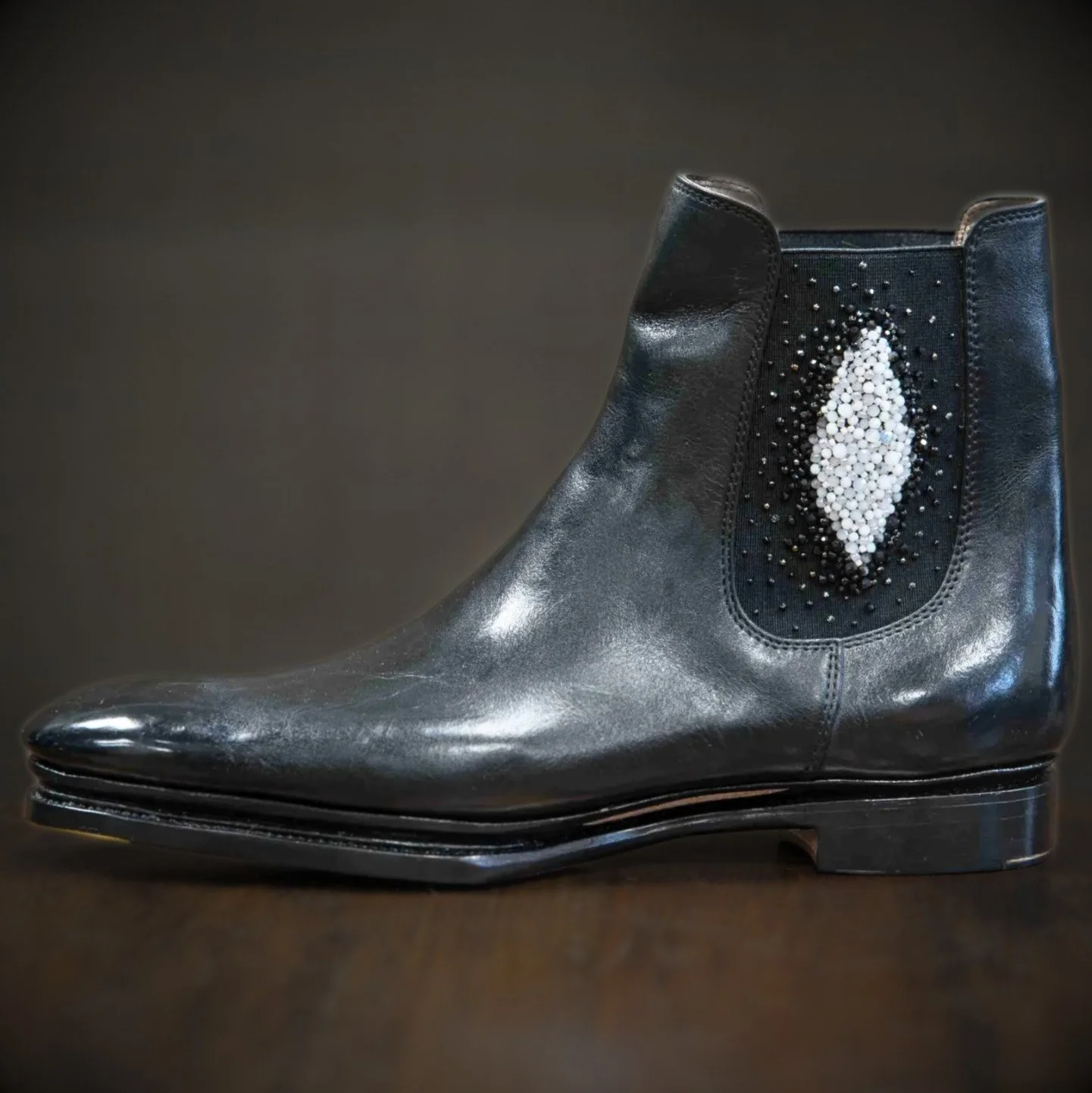
Our Zissou Chelsea boot finished 13th out of 20 entries in the 2026 World Championships of Shoemaking.
Shoegazing recently published the second half of its rundown of all the competition boots, which means we finally got to see Zissou sitting there at number 13 alongside some seriously good shoemakers from around the world.
Zero Drop Boots Don’t Have to Be Barefoot
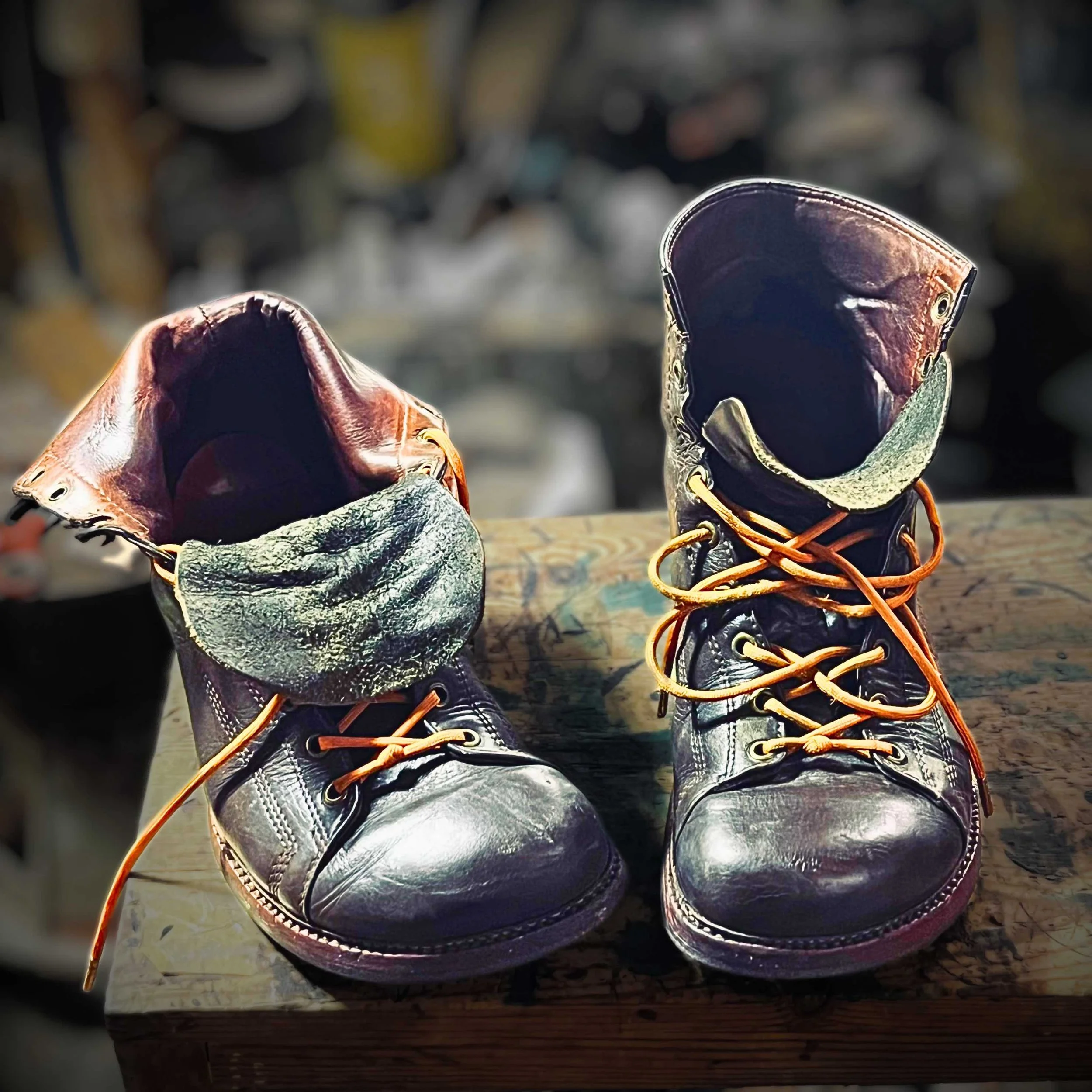
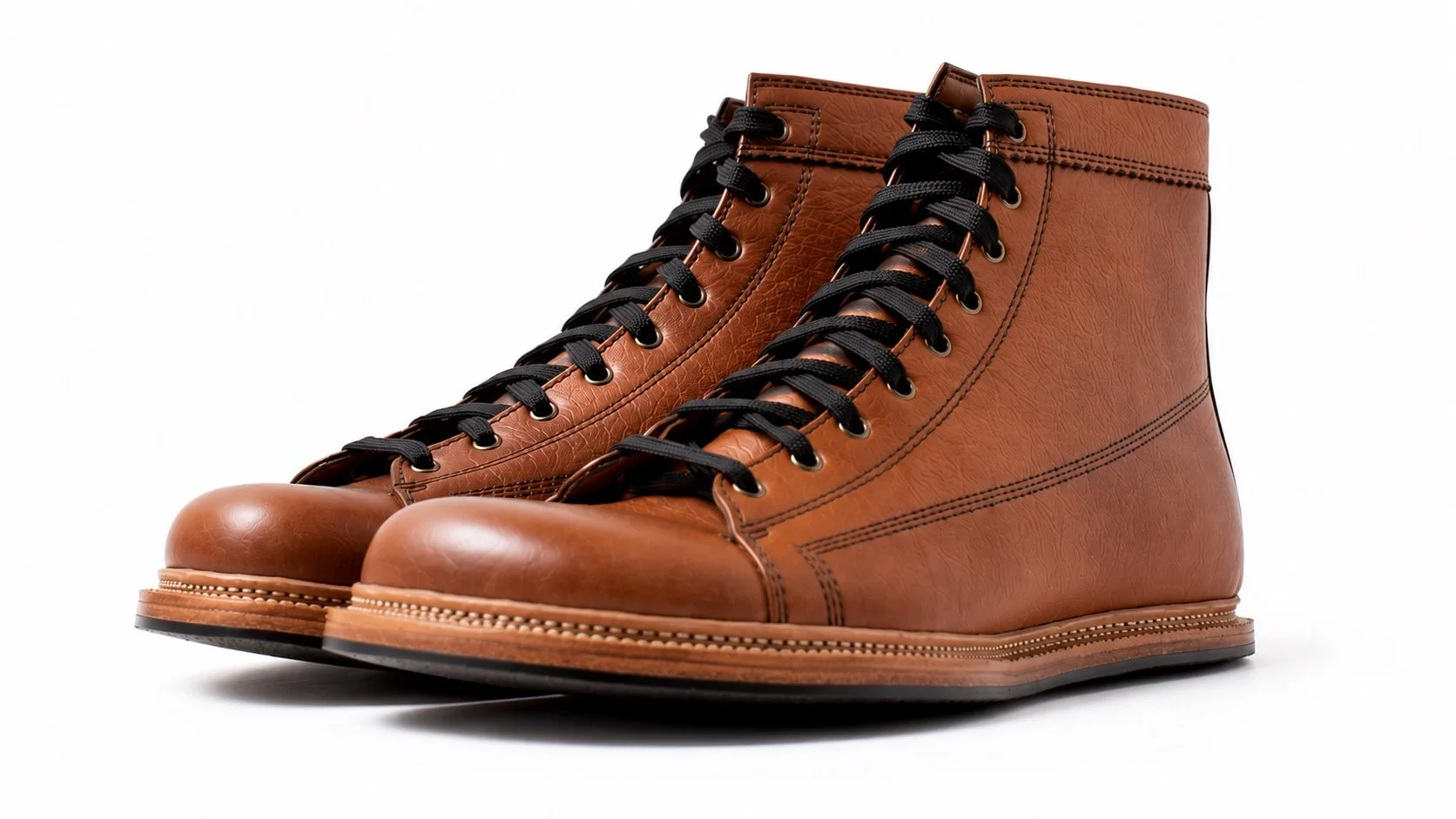
Zero drop boots DO NOT have to be barefoot boots. This is something I find myself correcting all the time when customers ask me about our “barefoot boots.”
At Naang, we don’t make barefoot boots. We make heritage boots built around an anatomical toe box, with zero drop as an option for customers who want it. We still use thick leather insoles and midsoles, traditional welted construction, and all the things that make a heritage boot a heritage boot.
Zero drop and barefoot are not the same thing, and we need to stop using the terms interchangeably.
Boot Kilties: What They Are, What They Do, and Whether You Actually Need Them
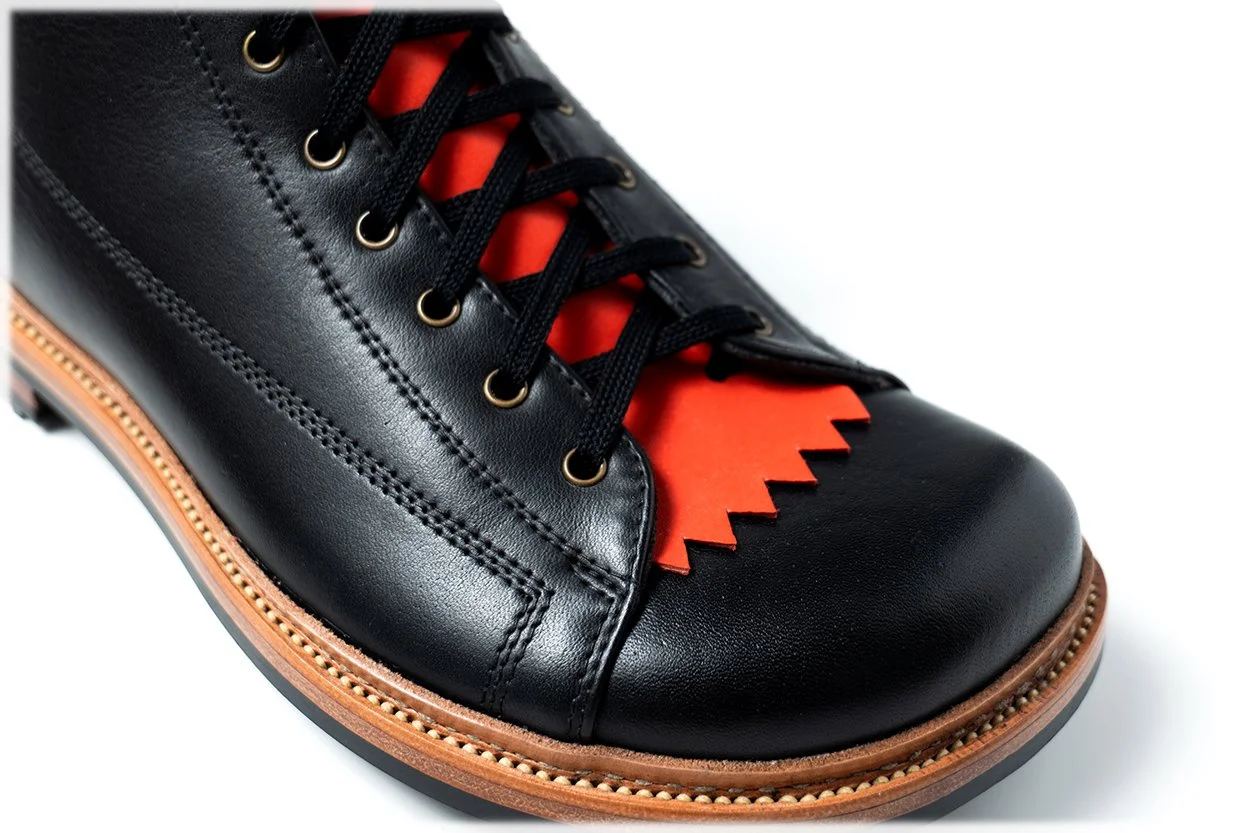
At first glance, a kiltie can look like it’s there mostly for style, especially the traditional versions with the long fringe hanging over the front of the boot. But kilties actually started with a very practical job to do, and they can still be pretty useful today.
They can protect the tongue, help with lace pressure, keep some of the crud you encounter on the trail out of your boots, and even change the way a boot fits around your instep.
Why Do My Toes Hurt in Boots? Common Causes, Fixes, and What Most Bootmakers Get Wrong
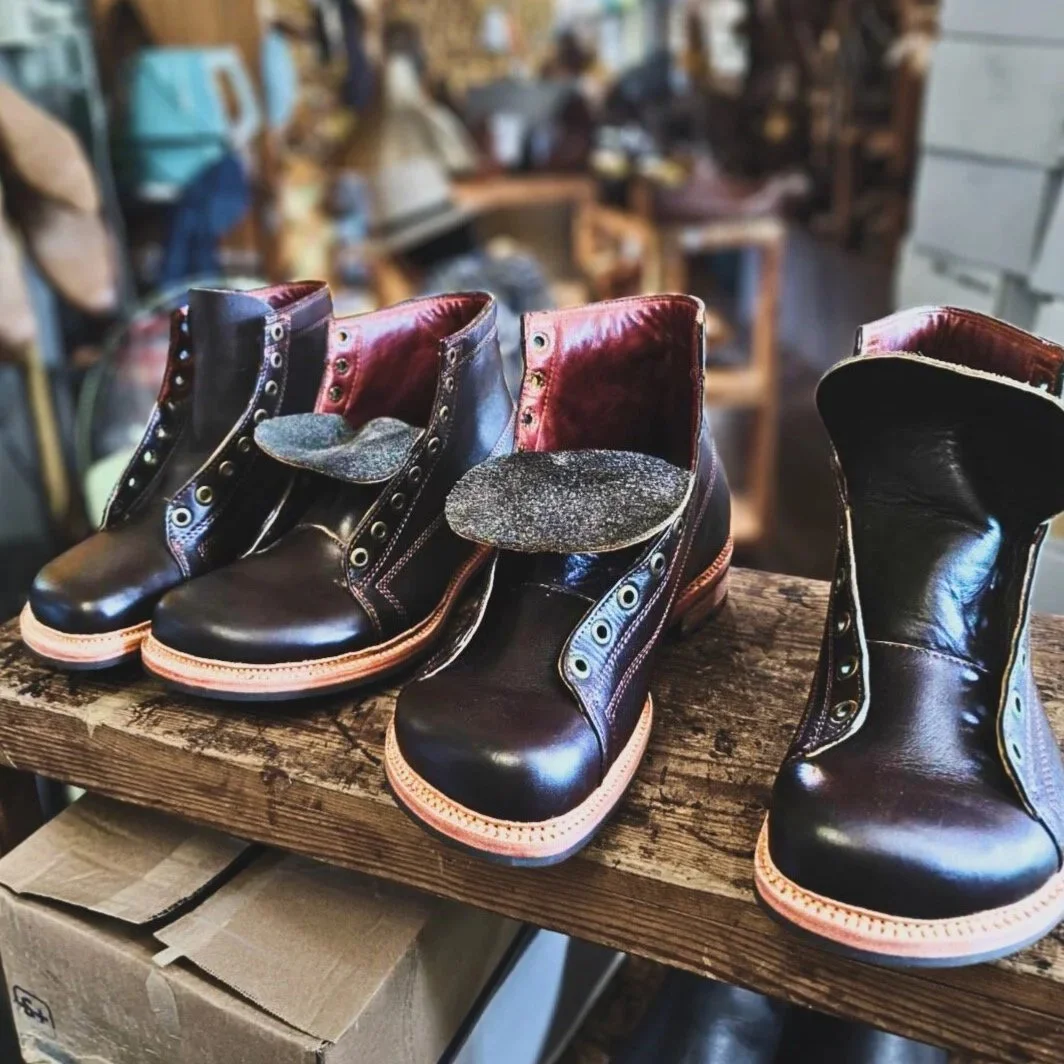
If your toes hurt in boots, it’s usually because your toes don’t have enough room to move naturally.
Whatever the cause, toe pain is a sign that something isn’t working the way it should.
The good news is that toe pain is often preventable. Once you understand what’s causing the problem, the solution is usually straightforward.
What’s the Best Leather for Boots?
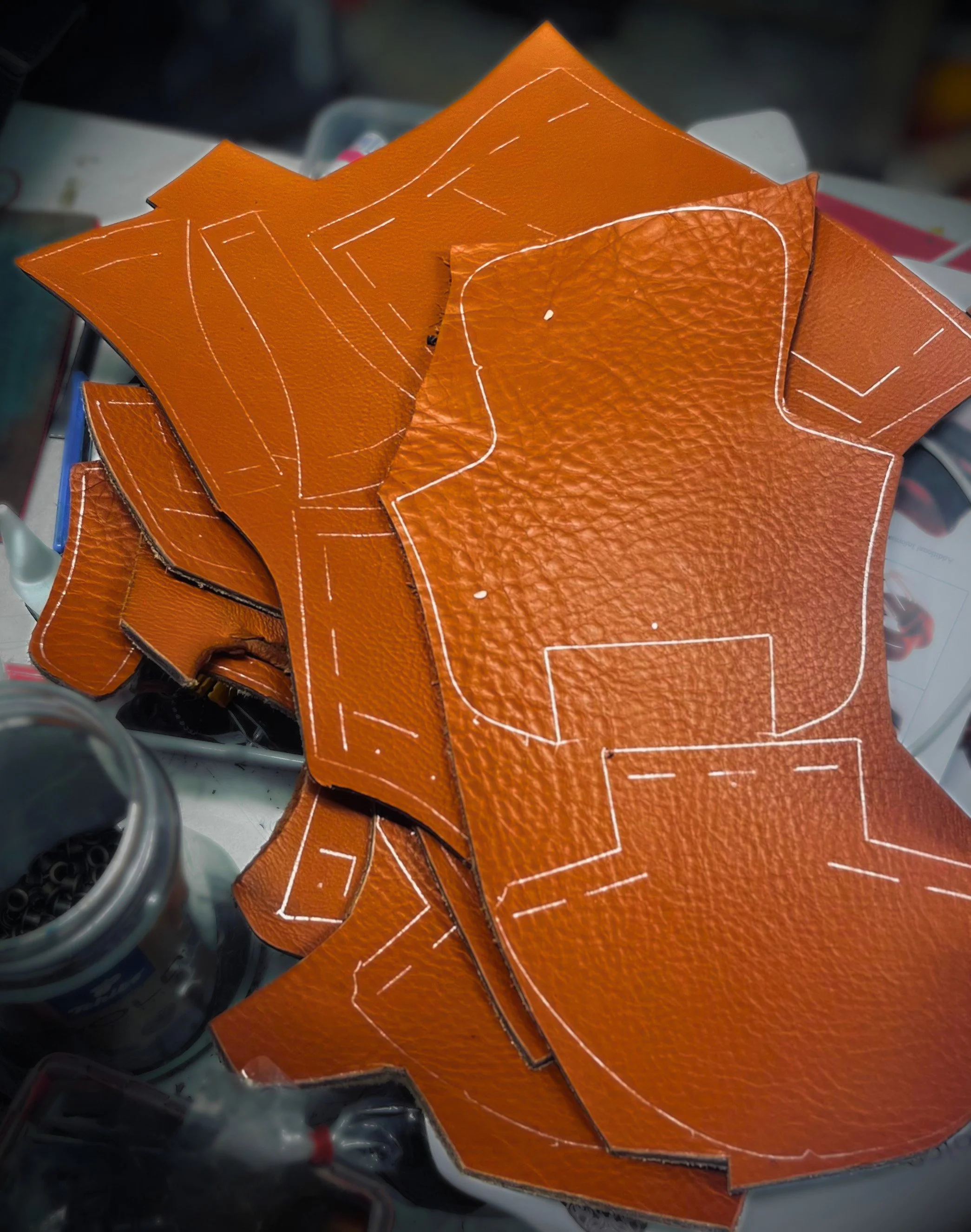
Premium boots use multiple types of leather within the same boot. A bootmaker may choose one leather for flexibility and weather resistance, another for structure and support, and another for comfort.
Boots for Leg Length Discrepancy (LLD)
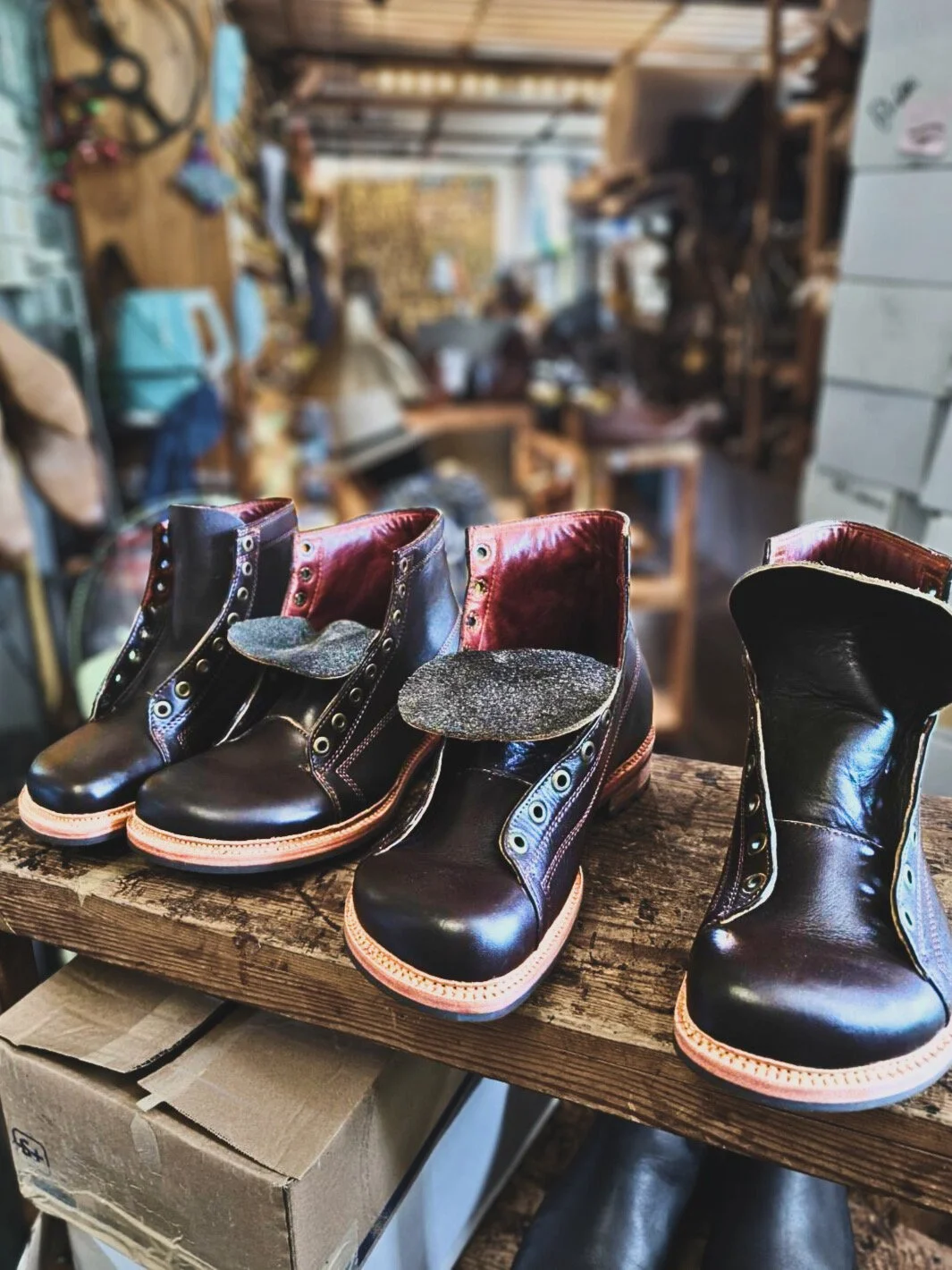
Finding comfortable boots for leg length discrepancy isn’t always easy. Most boots are built as identical pairs, but when one leg is longer than the other, that standard approach doesn’t always work.
The Ultimate History of Monkey Boots: From Paratroopers to Modern Heritage Style
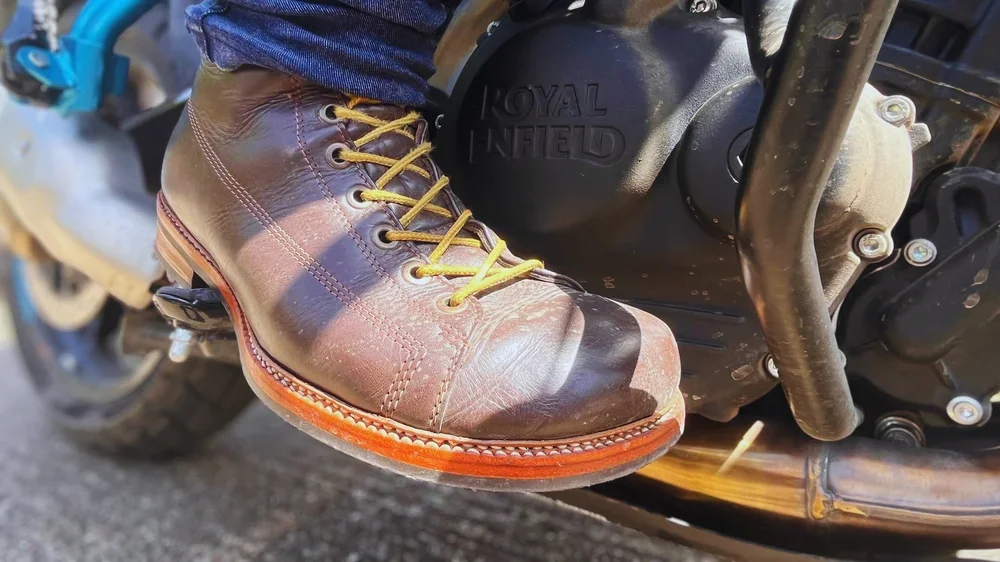
If you want to understand the Monkey Boot, you have to look at Czechoslovakia in the late 1940s and early 50s. We aren’t talking about the "aesthetic" heritage you see in a glossy magazine. We’re talking about Eastern Bloc utility
Wide Toe Box vs Anatomical Toe Box: What’s the Difference?
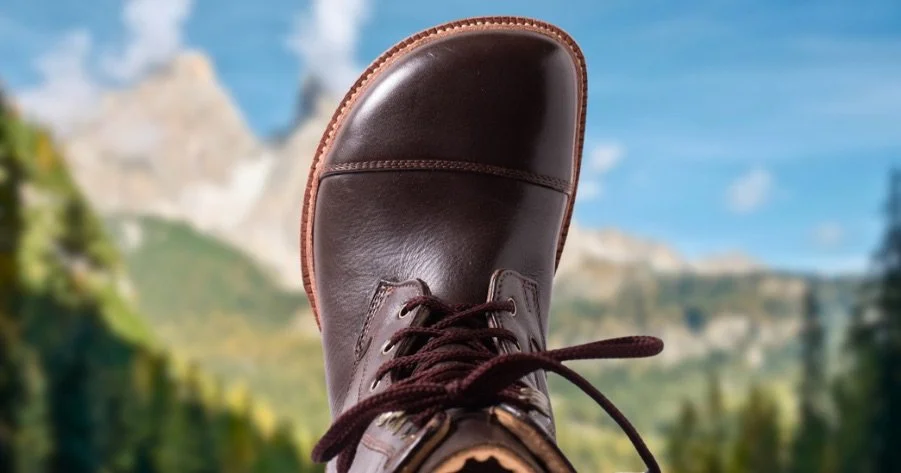
A wide toe box and an anatomical toe box are two very different things. A wide toe box simply gives your forefoot more space, but it may still taper toward the end. An anatomical toe box is designed to follow the natural shape of your foot.
Chrome Tan Leather vs Veg Tan Leather: What’s the Difference?
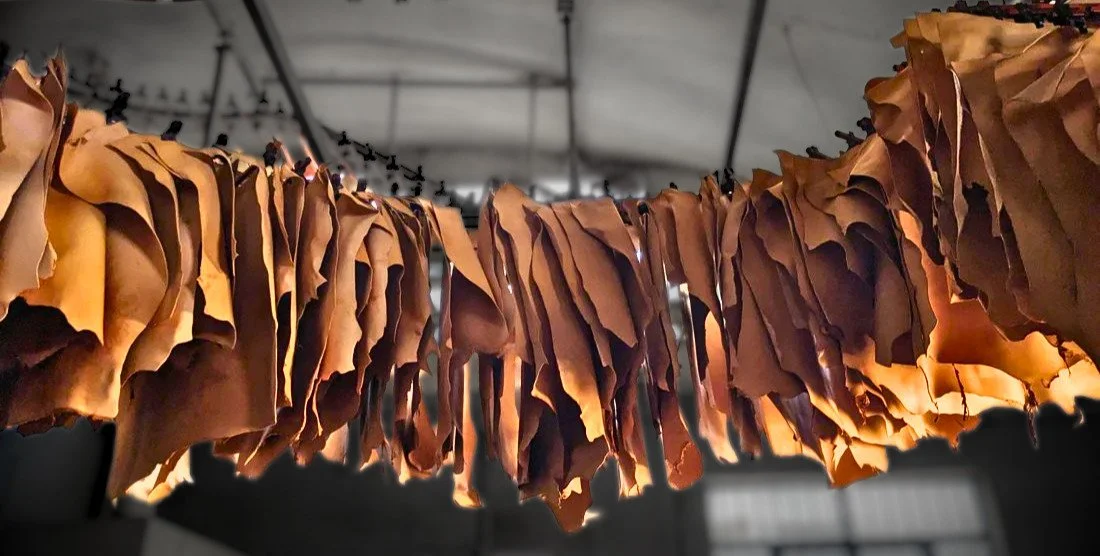
Chrome tan leather and vegetable tanned leather are made from the same raw material, animal hides, but they are transformed using two very different tanning processes.
Vegetable tanning uses natural tannins derived from plants, bark, and roots, while chrome tanning uses chromium salts developed through modern industrial tanning methods. These different processes affect everything from how the leather feels and ages to how it handles moisture, flexibility, and daily wear.

How To Dry Wet Leather Boots
Drying wet boots is not something that should be rushed. If there’s one thing to remember, it’s this: dry your boots slowly and avoid direct heat. Leather, adhesives, stitching, and even the shape of the boot can all be damaged by excessive heat or improper drying methods.
What Is a Boot Last?
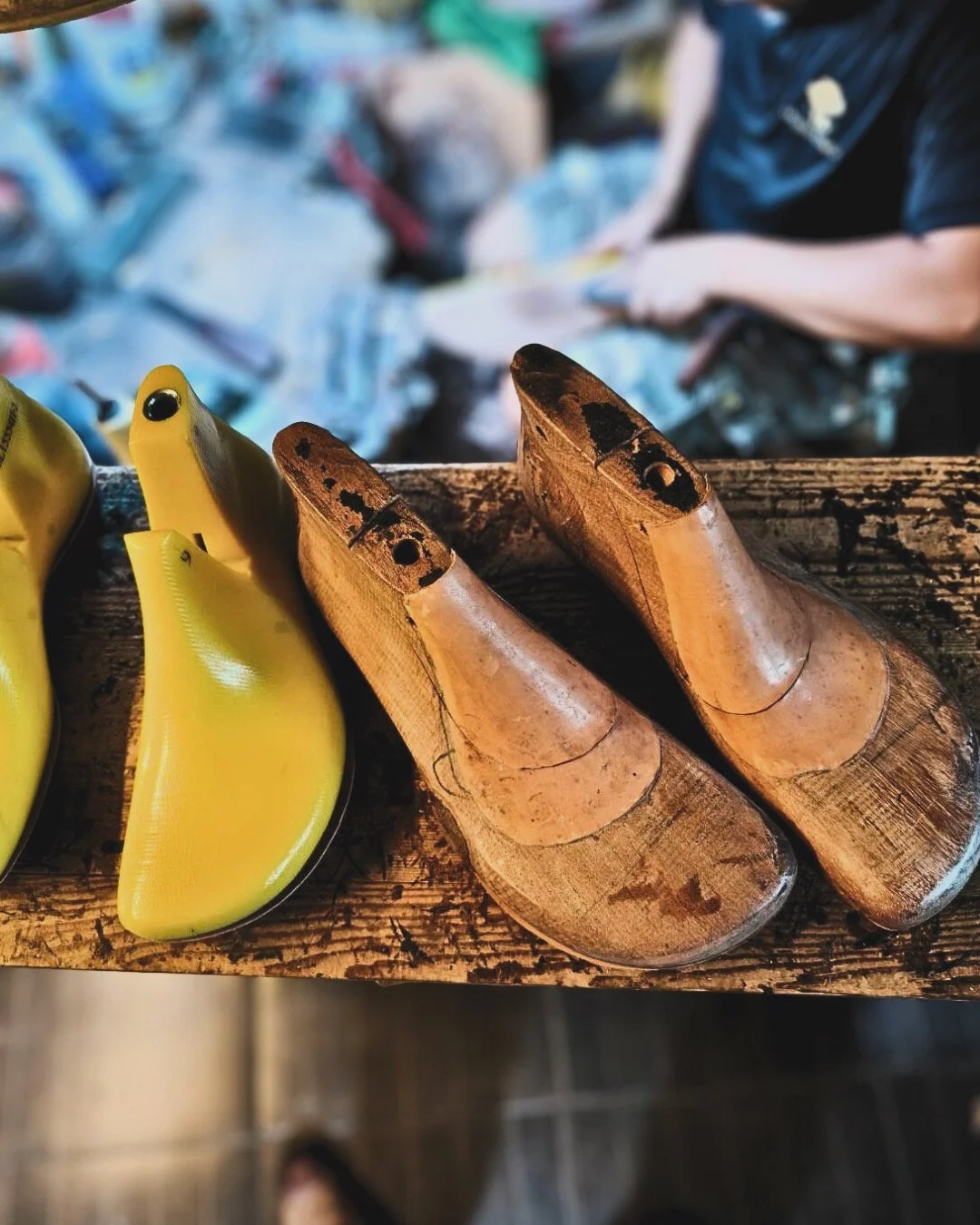
A boot last is a foot-shaped form used by bootmakers to create the shape, fit, and structure of a boot. Every part of the boot is built around it. In simple terms, the last is the foundation upon which the entire boot is made.
The Soldier’s Foot and the Military Shoe
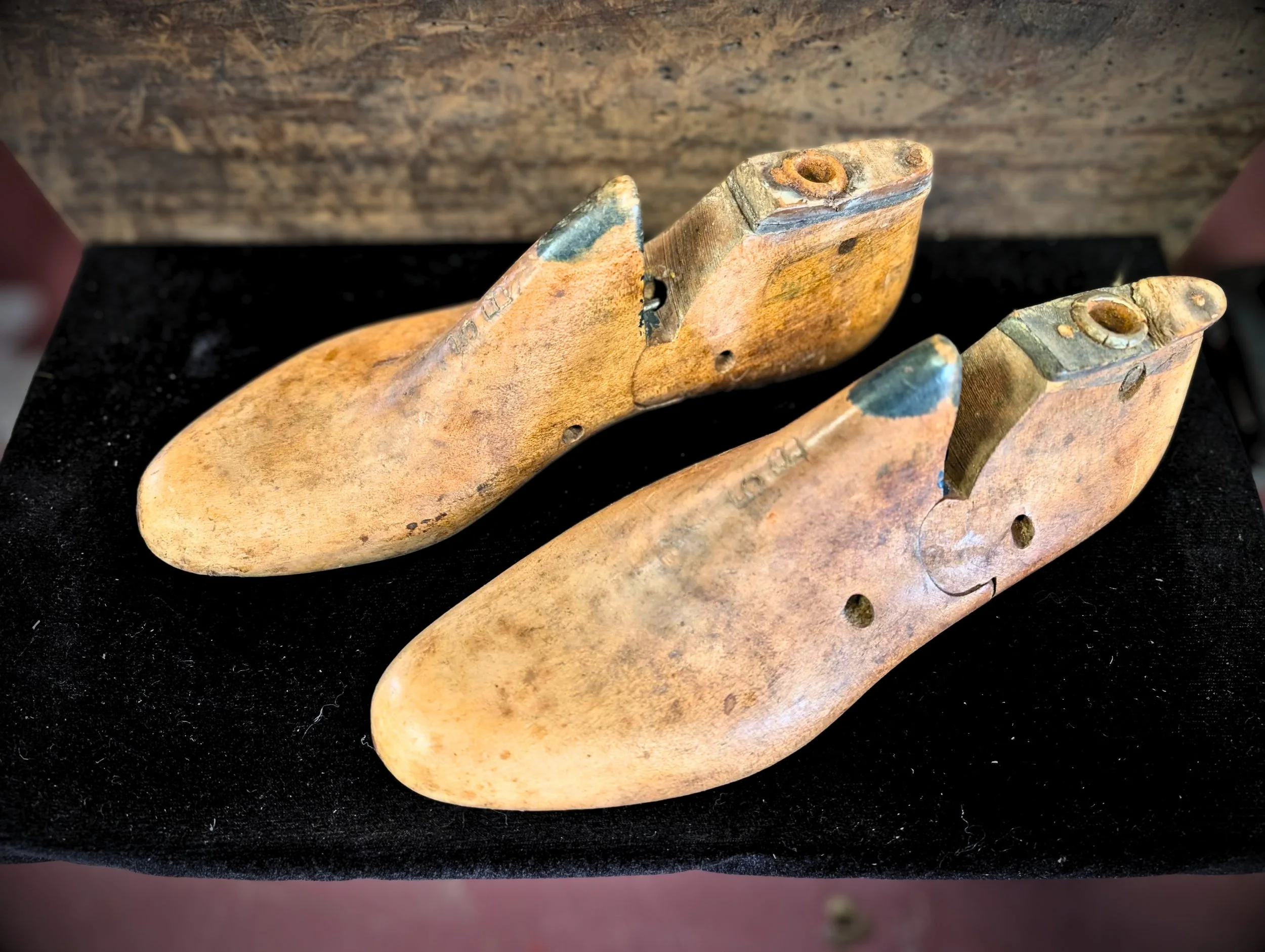
The boots we wear today have one common thread. Whether you are on a bike, walking back alleys of a city, or deep in the back country, your footwear was influenced by the work of Edward Munson, specifically his 1912 book titled The Soldier’s Foot and the Military Shoe. His research changed everything.
Featured Products
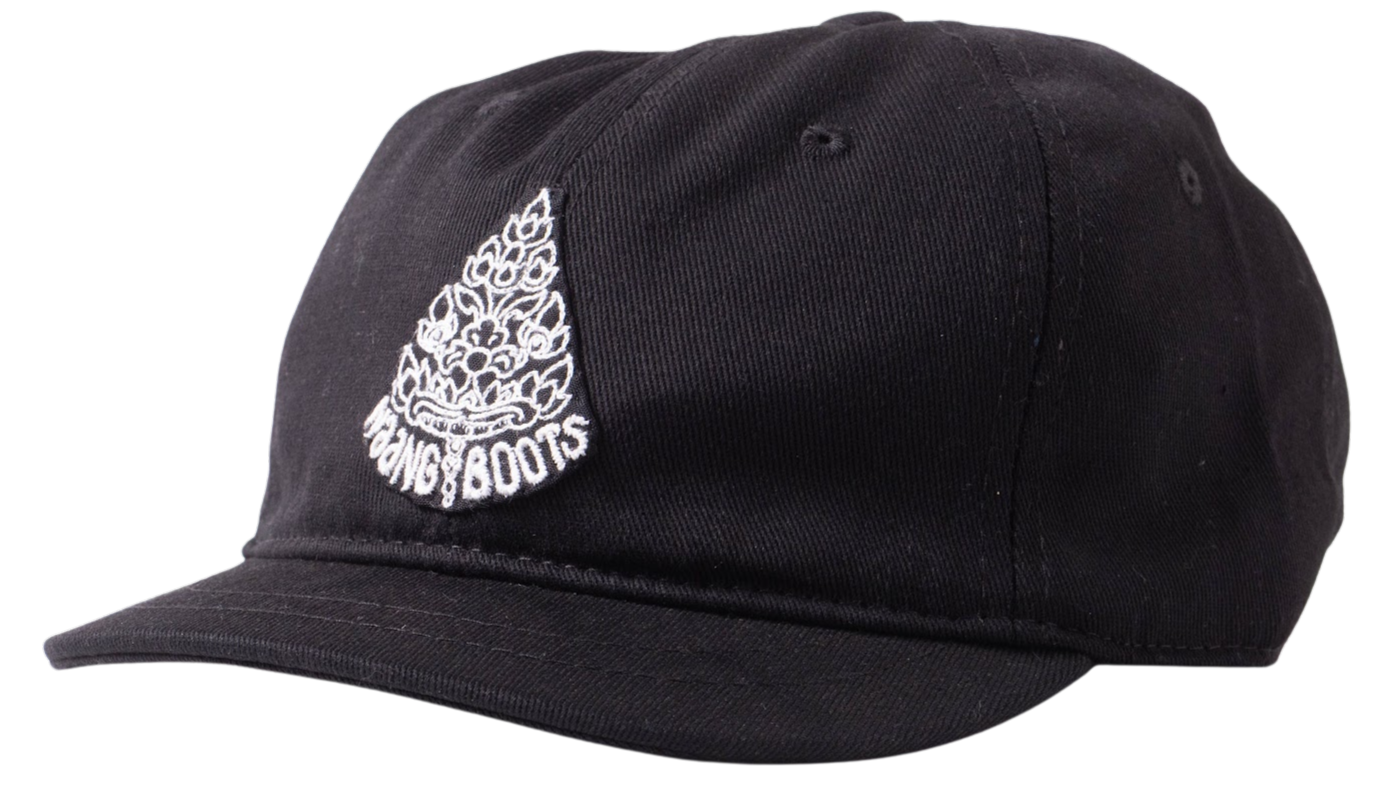
Hand embroidered by master artisans in Thailand.
100% Cotton
One Size Fits Most
Naang Boots Logo Hand Embroidered on the front
100% Cotton sweat band
Worldwide Shipping Available.
All Boots Are Made-To-Order. Current Lead Time is 60-90 Days.
Not sure about your size? Check out our Sizing Guide.
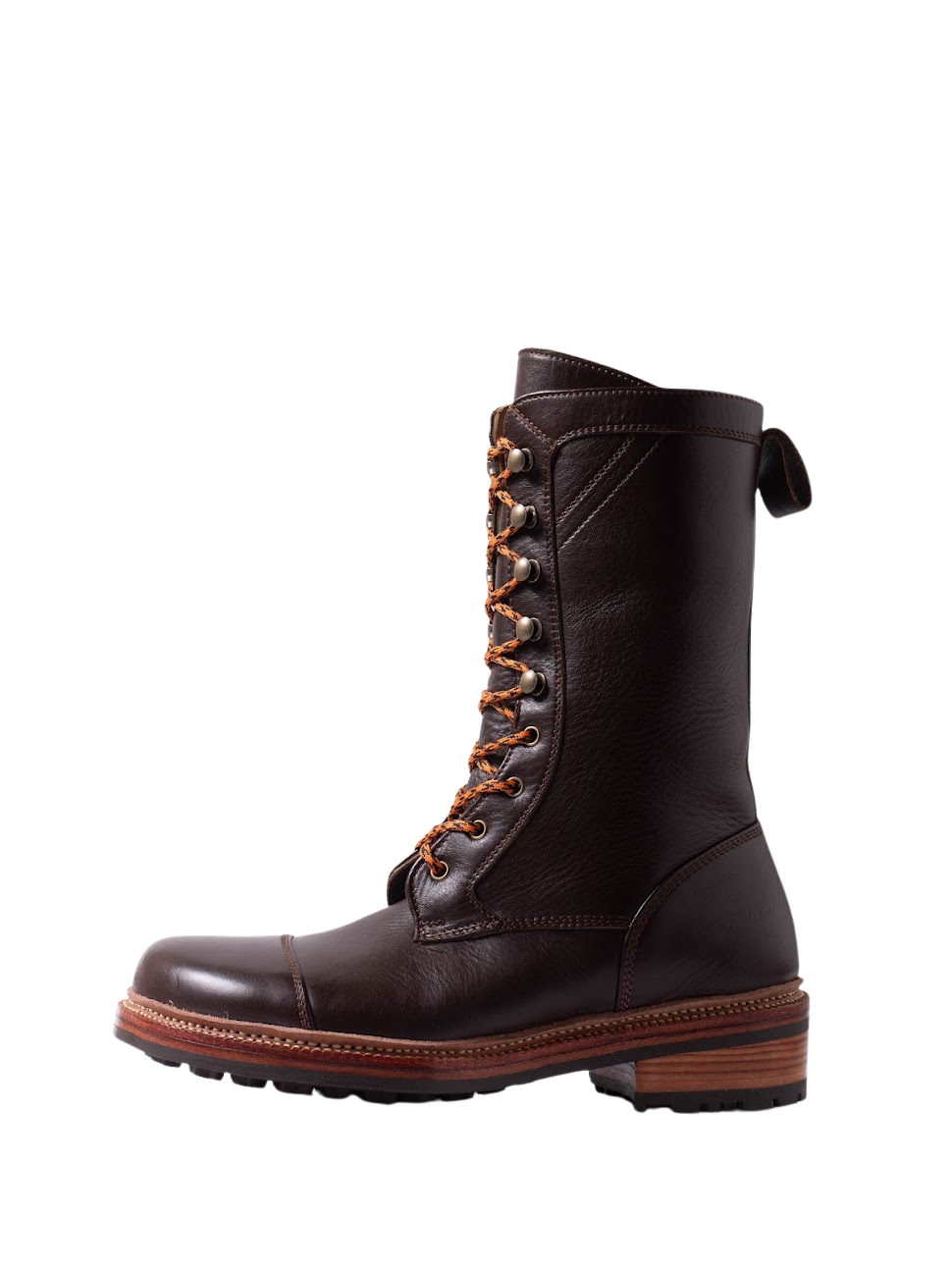
The Dante is our no-compromise adventure boot. Lace it up, roll the throttle, take the long road home.
Construction: 360° Hand-Welted
Last: Anatomical - Minimal Heel
Our Anatomical Last is very wide, if you feel your foot is exceptionally wide please indicate so on the form that pops up after you add the boots to your cart, we will get in touch to make sure that your boots are wide enough for your feet. We got you!
Leather: 3-3.5mm Full Grain
Full Leather Liner
Outsole: Naang Mini Lug Rubber Outsole
Built on our Natural Toe Box last, the Dante follows the shape of your foot, not the other way around. Your toes can spread, your stride stays strong, and your feet stay comfortable mile after mile.
Every pair is hand-welted with a full 360° storm welt. Not for show. Not for marketing. For durability. It seals out the elements and locks the upper to the sole in a way that’s built to last. This thing is constructed like a tank, but designed with intention.
Inside, a leather shank provides structure and support where you need it, while still allowing natural flex through the forefoot. Stable on the pegs. Solid under load. Comfortable on a full day’s walk through Bangkok or a week chasing horizons.
The Dante isn’t delicate.
It’s purpose-built.
And it’s ready when you are.
Not sure about your size? Check out our Sizing Guide.
Worldwide Shipping Available.
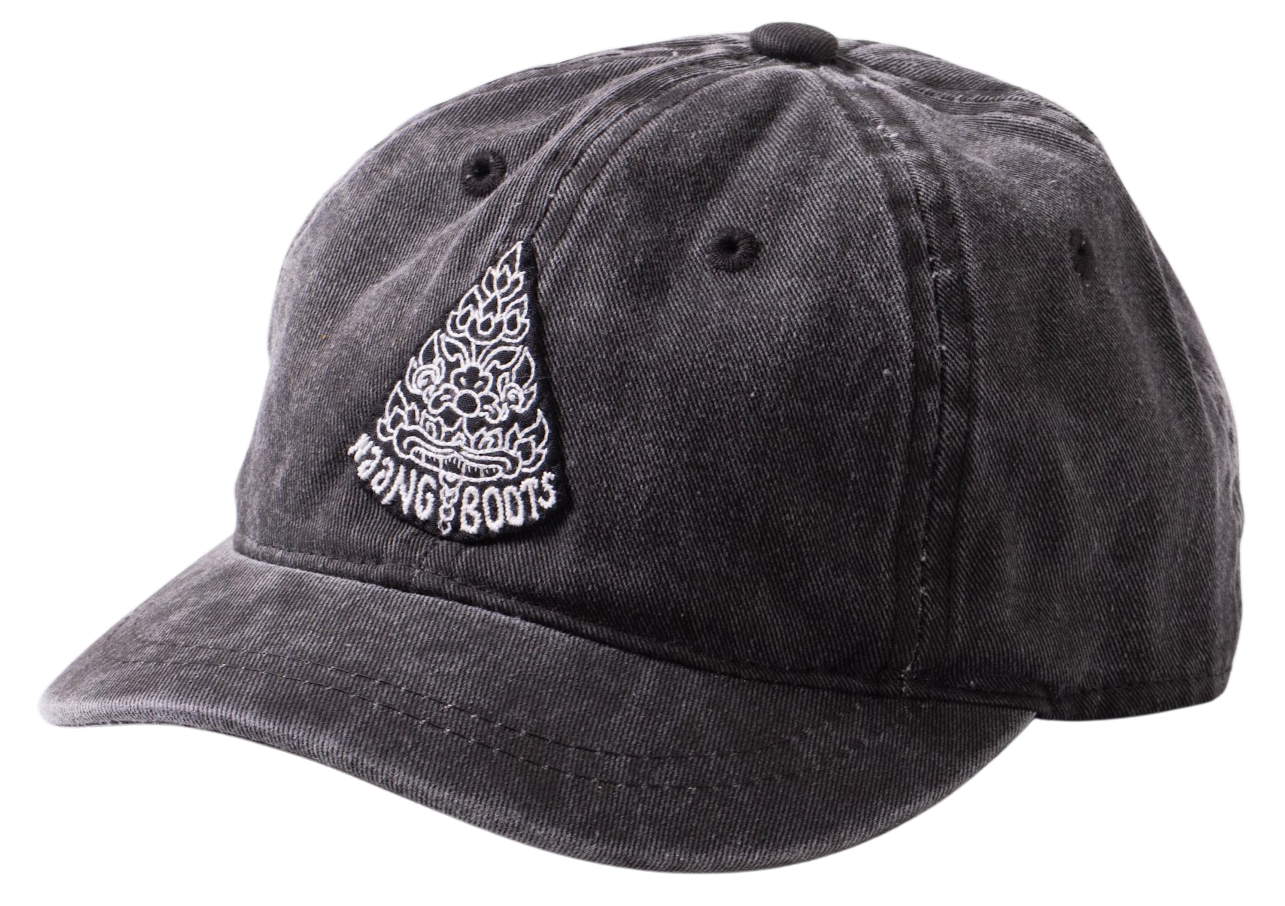
Hand embroidered by master artisans in Thailand.
100% Cotton
One Size Fits Most
Naang Boots Logo Hand Embroidered on the front
100% Cotton sweat band
Worldwide Shipping Available.
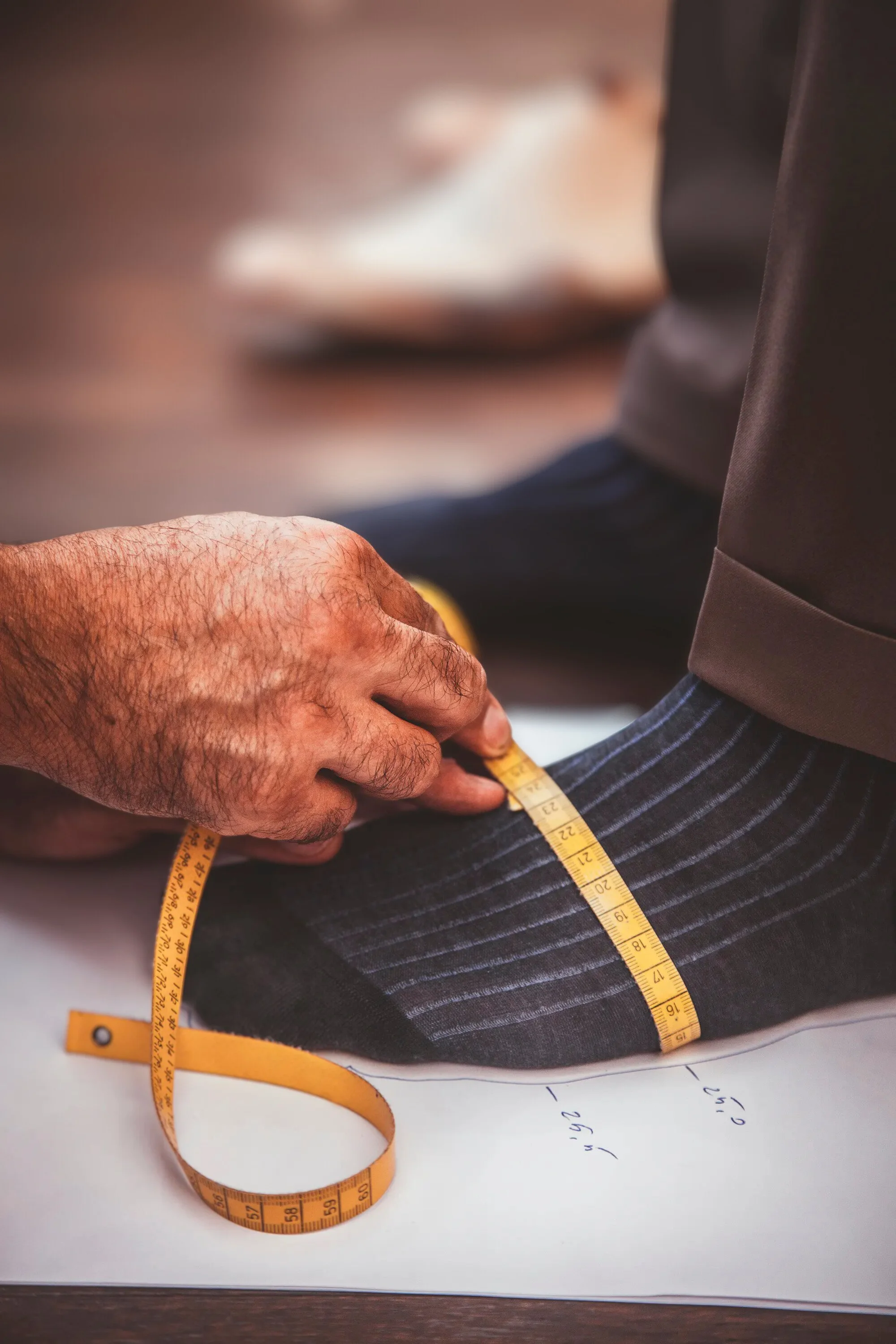
Some feet don’t fit the system.
Maybe you’ve got a wide forefoot and narrow heel. High instep. Low volume. One foot bigger than the other. Maybe every boot you’ve ever owned had one spot that rubbed, pinched, or pressured where it shouldn’t.
That’s not your fault. That’s mass production.
If you’re in Bangkok — or looking for a reason to visit — we build beyond standard sizing. This isn’t a quick measurement and a hopeful guess. This is a full assessment of your foot: length, width, volume, instep, arch, toe splay, asymmetry. Every variable mapped.
From there, we create a custom last built specifically for your feet.
Not adjusted. Not modified. Built from the ground up.
Your boots are then constructed on that last, meaning they are shaped as close to your actual feet as physically possible. The result is precision fit without pressure points. Structure without compromise. Comfort without forcing your foot into someone else’s idea of “standard.”
And here’s the long-term play:
We keep your last in our Bangkok workshop. Any future Naang boots can be built on that same custom last — no additional last fee.
One trip. One set of measurements.
A lifetime of properly fitted boots.
That’s how it should be done.