Our Naang Winnfield boots were made to walk the earth. That might mean hiking remote backcountry trails, exploring city streets, or strapping on a ruck and crushing some miles.
But when you're heading out on a hike, your boots are only part of the equation. The right hiking gear can help keep you safe, comfortable, and moving when the miles start adding up.
For this holiday gift guide, I've put together some of the hiking gear I regularly carry on my own adventures. These are practical, useful gifts for hikers and outdoor lovers, whether they're heading out for a short day hike or spending days on the trail.
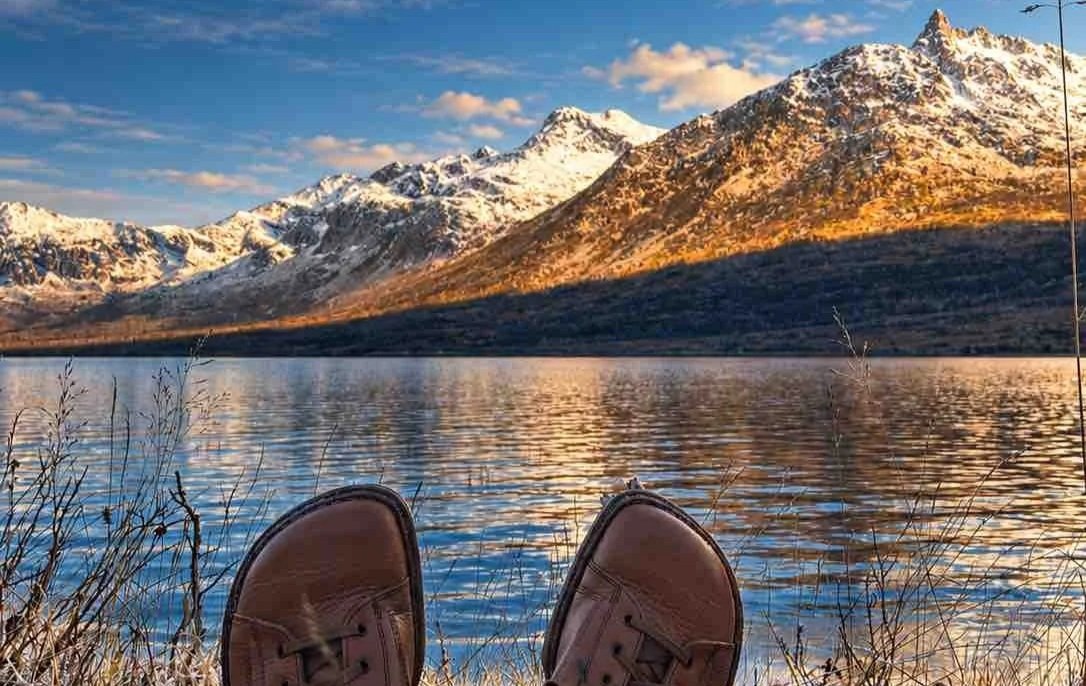
Naang Winnfield Boots: Rebuildable Hiking Boots Made to Walk the Earth
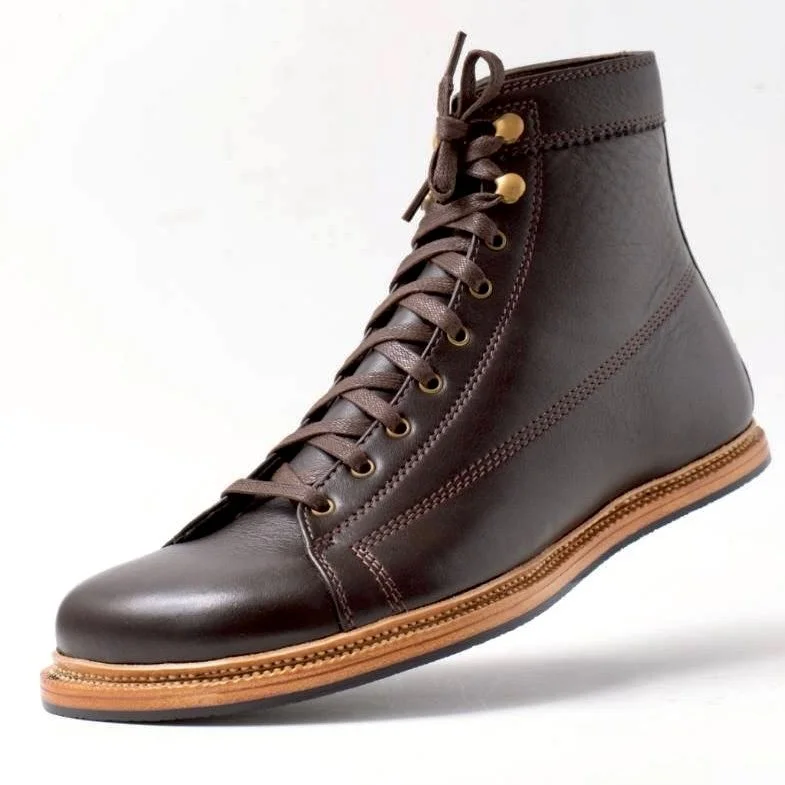
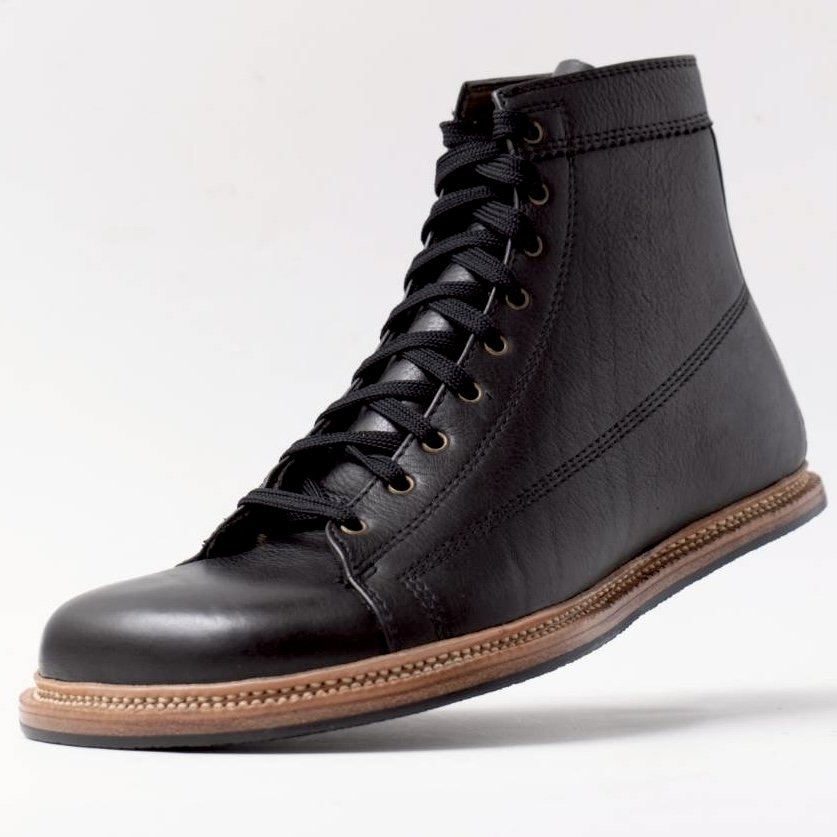
First things first, you need the right boots on your feet. For me, that's the Naang Winnfield. I designed these boots specifically for hiking, urban exploring, and putting in long miles on foot.
The Winnfield's lace-to-toe design lets you adjust the fit along the length of your foot, so you can dial in the lacing for a secure, comfortable fit. The anatomical toe box gives your toes room to spread naturally, even when you're spending hours on the trail.
And when you've put some serious miles on them, you don't have to throw them away. The Winnfield's 360-degree hand-welted construction makes the boots resoleable and rebuildable. When the outsoles wear down, a skilled cobbler can replace them, getting your boots ready for another season of hiking.
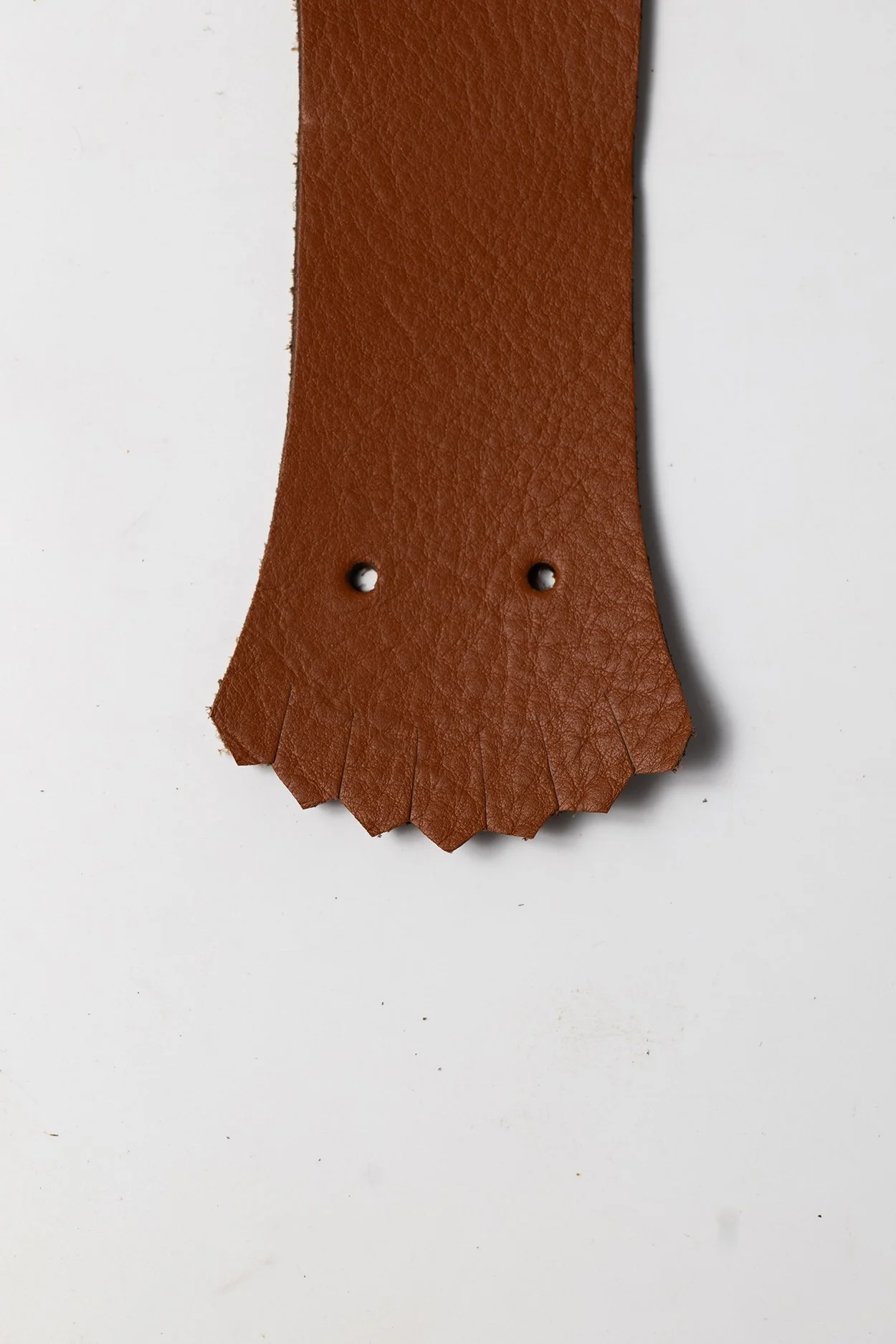
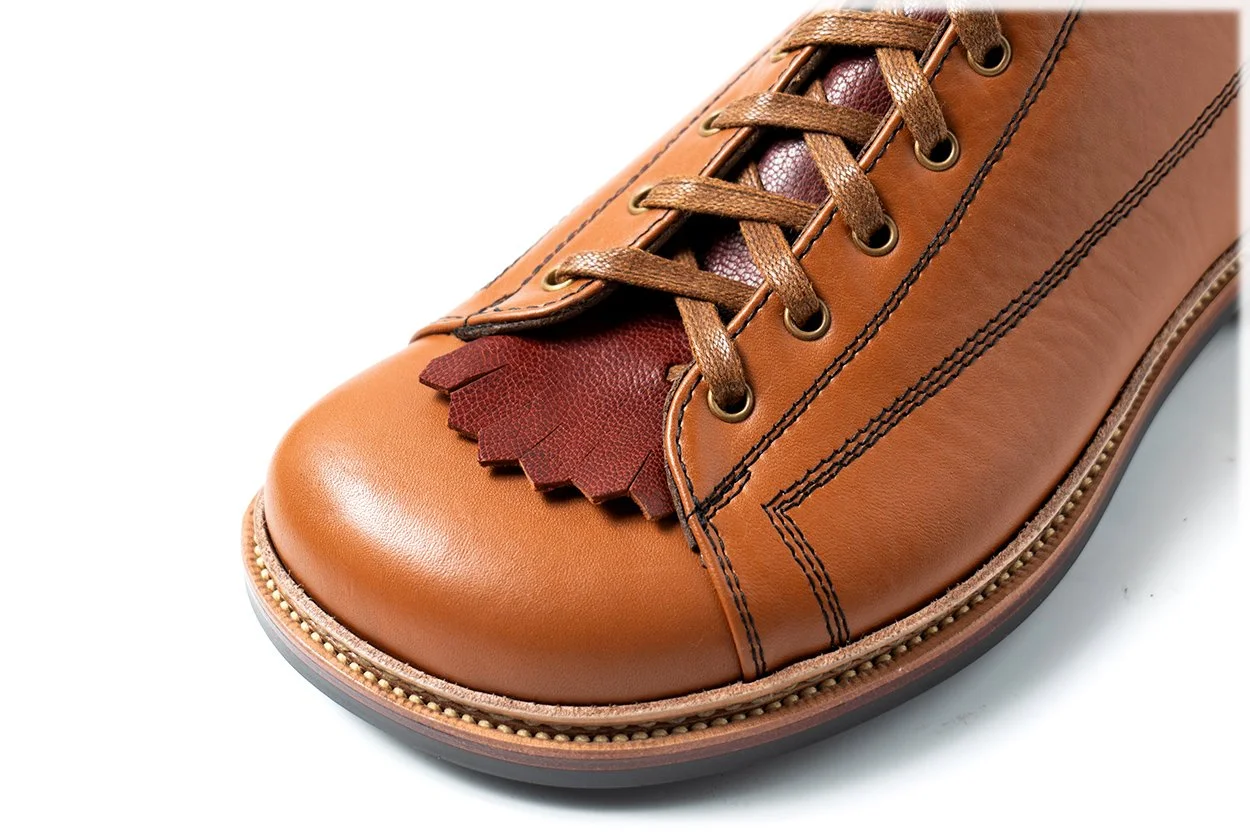
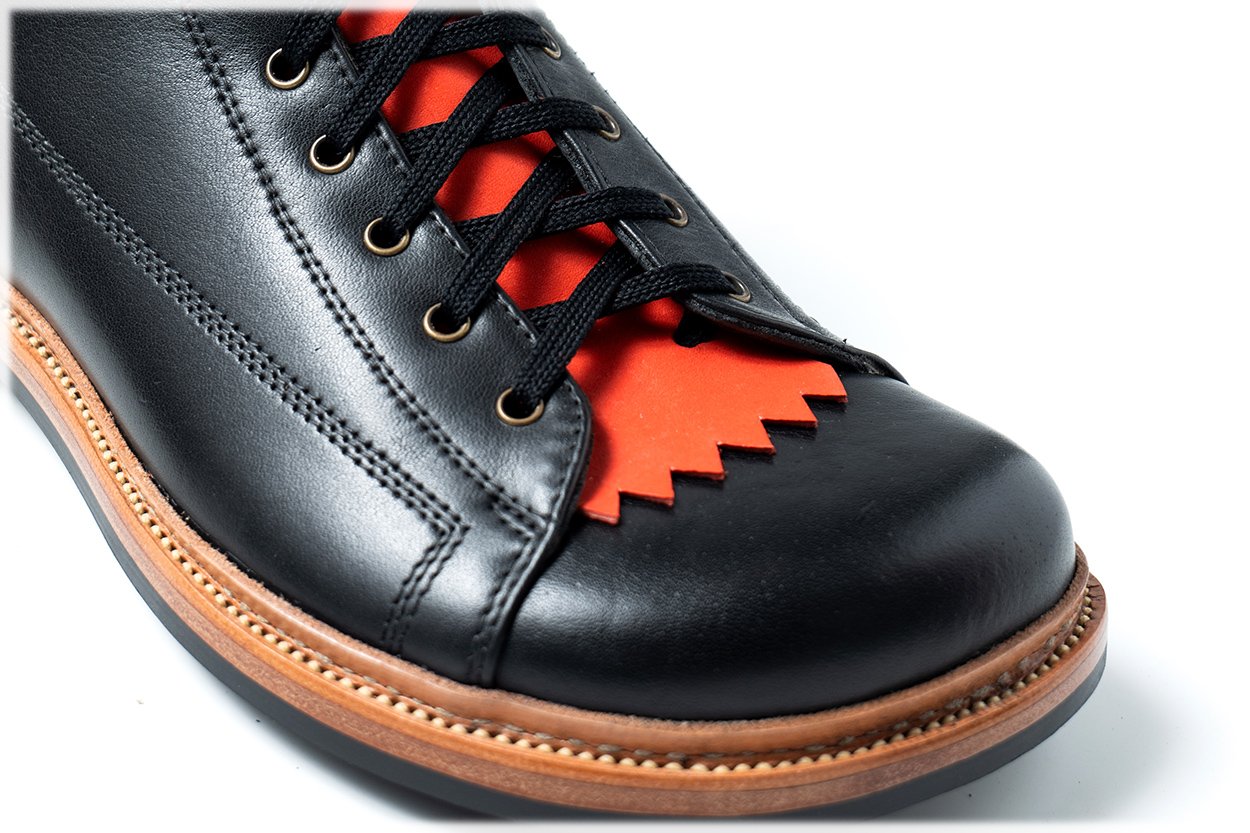
Naang Leather Kilties: Extra Comfort and Protection for Hiking Boots
Kilties are a great addition to your hiking boots, especially when you're putting in long miles on the trail. Sure, leather kilties look cool and add a bit of flair to your boots, but they also serve a few practical purposes.
A good pair of kilties adds an extra layer of leather over the boot's tongue, helping spread out lace pressure and reduce discomfort across the top of your foot. They also protect the tongue from abrasion caused by your laces, help keep dirt and trail debris from working its way into your boots, and can take up a little extra volume if your boots feel too roomy.
Naang leather kilties come in several styles and are handmade in our workshop in Bangkok, Thailand. Personally, I've been enjoying contrasting kilties on my boots lately. Right now, I'm rocking our red goatskin packer-style kilties with my mid-brown zero-drop Winnfields. They add a nice pop of color while doing their job out on the trail.
Merino Wool Toe Socks: Better Comfort and Less Friction for Hiking
Just as important as the boots you hike in are the socks you wear inside them. For me, merino wool hiking socks are hands down the best choice. Wool helps regulate temperature, keeping your feet comfortable in both hot and cold weather. It also absorbs moisture vapor and helps manage sweat, which makes a big difference when you're putting in long miles on the trail.
Merino wool toe socks take things a step further. If you're wearing anatomical hiking boots like the Naang Winnfield, you want your toes to spread naturally and play an active role in your movement and balance. Traditional socks can pull your toes together, while toe socks give each toe its own space, allowing you to take advantage of that wide anatomical toe box.
Separating your toes also reduces skin-on-skin friction, which can help prevent blisters from forming between them. The merino wool helps manage moisture, while the individual toe sleeves prevent your toes from constantly rubbing against each other as you walk.
That's why I only wear merino wool toe socks when I'm hiking. They're one of the simplest upgrades you can make to your hiking gear, especially if you're wearing wide toe box boots and spending hours on your feet.
Osprey Hikelite 18L: A Lightweight Hiking Backpack for Day Hikes
If you're heading out for a hike, you're going to need some way to carry your gear. For most day hikes or days spent exploring a city, my go-to backpack is the Osprey Hikelite 18L.
At 18 liters, it's small enough that it doesn't feel cumbersome but still has plenty of room for my usual day hiking essentials. I've even managed to squeeze enough gear into it for a light overnight trip. It's also a great size for urban exploring when you want to carry the essentials without hauling around a full-sized hiking pack.
What I like most about the Hikelite 18 is its combination of size, organization, and comfort. It has enough pockets to keep my gear organized, a ventilated back panel, and a hip belt that helps keep the pack stable as you walk. That last feature makes a difference when you're clocking serious miles on the trail or walking around a city all day.
Osprey Hydration Reservoir: Easy Access to Water on the Trail
The first thing I put in my hiking backpack is always a hydration reservoir. Staying hydrated is important on any hike, but living in tropical Thailand, where it's hot and humid most of the year, makes carrying enough water especially important.
I prefer a hydration reservoir over carrying water bottles because I can take a drink whenever I need one without stopping to dig through my pack. My choice is the Osprey Hydration Reservoir, partly because it fits neatly into my Osprey Hikelite 18L backpack, but also because I really like its slide-seal closure.
Unlike traditional screw-cap hydration bladders, the Osprey reservoir opens across the top, making it easy to fill, empty, and clean. It's a simple design that makes a difference when you're filling up before a hike or cleaning your gear afterward.
Aquatabs Water Purification Tablets: Lightweight Water Treatment for Backcountry Hiking
If you're hiking in the backcountry and need to refill your water from a stream or another natural source, you're going to need a way to treat it before drinking. That's where Aquatabs water purification tablets come in.
These little tablets always live in my hiking backpack, and I've used them more times than I can count. They're a simple, lightweight way to disinfect water when you're miles from the nearest source of safe drinking water. Just add the correct number of tablets for the amount of water you're treating and let them work for the time specified on the package.
Aquatabs are effective against many waterborne bacteria and viruses, although they won't remove chemical contamination and aren't reliable against every parasite. If I'm collecting water in the backcountry, I prefer to start with the clearest water available and filter it when necessary.
They weigh next to nothing, take up practically no room in your pack, and are inexpensive enough to keep a few on hand. For anyone who enjoys remote hiking or camping, they're well worth the pack space.
Wide-Brim Sun Hat: Essential Sun Protection for Hiking
One of the first things I pack for any hike is a wide-brim sun hat. Being follically challenged, keeping the sun off my head is always a priority. But when I'm out on the trail or spending an entire day exploring a city, a good wide-brim hiking hat is a lifesaver.
The wide brim helps keep the sun off my face, ears, and neck, reducing direct sun exposure and helping me stay more comfortable when I'm spending hours outdoors. Living and hiking in tropical Thailand, where the sun can be relentless, I've learned that a little extra shade makes a big difference over a long day.
I prefer a soft, packable sun hat that I can fold up and stuff into my backpack when I'm not wearing it. It takes up almost no space and is always there when I need it. Although, most of the time, if the sun is out, that hat is staying firmly on my head.
Garmin inReach Mini 3 Plus: Satellite Communication for Off-Grid Hiking
A lot of my hikes take me into remote parts of Thailand where mobile phone service is nonexistent. The same has been true for many of my motorcycle adventures. When I'm heading somewhere off-grid, I always make sure I have my Garmin inReach Mini packed.
The Garmin inReach Mini 3 Plus is a compact satellite communicator that lets you send messages, share your location, and contact emergency services through its SOS feature, even when you're well beyond mobile coverage. The Mini 3 Plus also supports voice and photo messaging, making it useful for keeping in touch when you're out in the backcountry.
Fortunately, I've never needed to use my inReach for an emergency, and I hope I never do. But knowing I have a way to call for help when I'm miles from the nearest road gives me some peace of mind.
You will need an active Garmin inReach satellite subscription to use the messaging, tracking, and SOS features, so that's an additional cost to consider. But if you regularly hike remote backcountry trails or venture into places without mobile coverage, I consider a satellite communicator an essential piece of safety gear.
Cotton Bandanas: The Most Versatile Piece of Hiking Gear
Of all the hiking gear I carry, the one thing I probably use more than anything else is a simple cotton bandana. I always have one on me, and I usually find myself reaching for it several times throughout the day.
Most of the time, I'm just using it to wipe sweat off my face or keep it out of my eyes. Honestly, that's reason enough to carry one, especially when hiking in the heat and humidity of Thailand. But a cotton bandana has plenty of other uses on the trail. I can wrap it around my head when I take off my hat, use it to bundle up small items so they don't get lost in my pack, or even use it as an improvised dressing in an emergency.
I've actually had to do that last one. I once stopped to help someone who had crashed their motorcycle and badly cut and mangled their hand. My bandana came in handy as a temporary dressing while we dealt with the injury. It's no substitute for a proper first aid kit, but sometimes you have to work with what you've got.
Cotton bandanas are small, cheap, lightweight, and incredibly useful. For a few dollars, they're one of the most practical gifts you can give someone who spends time hiking, camping, or exploring outdoors.
Lightweight UV Protection Hoodie: Sun Protection for Long Days on the Trail
The sun can be brutal, especially when you're hiking in the tropics. The last thing you want after a long day on the trail is to head home with a nasty sunburn, or worse, find yourself dealing with heat illness miles from the nearest road.
That's why I always keep a lightweight UV protection hoodie in my hiking backpack. When I'm out on an exposed section of trail with no shade and the sun beating down on me, I throw it on to protect my arms, neck, and head from direct sunlight.
It might sound counterintuitive, but wearing an extra layer in harsh sunlight can actually make you feel cooler. A lightweight, breathable sun hoodie keeps the sun off your skin, reducing direct radiant heat exposure while allowing air to circulate and sweat to evaporate. In the right conditions, that can make a real difference to your comfort throughout the day.
I prefer a lightweight, quick-drying hoodie with a UPF 50+ rating that I can stuff into my pack when I don't need it. It takes up very little space and is one of those pieces of hiking gear I'm always glad to have when the trail opens up and the shade disappears.
Mosquito Repellent Bracelets: An Easy-to-Carry Hiking Accessory
Living and hiking in Thailand, mosquitoes are something I take seriously. Dengue fever is a very real concern here, and having had it myself about 25 years ago, I can tell you it's an experience I have absolutely no desire to repeat.
I like keeping a few mosquito repellent bracelets in my hiking pack. They're small, lightweight, and easy to throw on when I'm heading into areas where mosquitoes are particularly bad. I've found them convenient to carry and use, especially when I'm spending long days exploring outdoors.
That said, mosquito repellent bracelets shouldn't be your primary protection against mosquito bites. Their effectiveness is limited, and they don't provide reliable protection against dengue. I still recommend using a proven insect repellent containing DEET or picaridin on exposed skin, along with suitable protective clothing.
For me, the bracelets are a convenient extra item to carry, but proper mosquito protection is something I never skip when heading out on the trails in Thailand.
Folding Trekking Poles: Extra Stability on Rough Hiking Trails
Whenever I'm heading deep into the backcountry or exploring trails I'm unfamiliar with, I like to stash a pair of trekking poles in the side pockets of my hiking backpack. They're not something I use on every hike, but when the terrain gets steep, slippery, or uneven, I'm always glad I brought them along.
Trekking poles give you extra points of contact with the ground, helping with balance and stability on rough trails. They're particularly useful on steep descents, where they can help take some of the load off your legs and knees, or when crossing streams and navigating loose rocks.
I prefer folding trekking poles because they're compact enough to tuck into my pack when I don't need them. I also look for poles with cork handles. For me, cork provides a more comfortable grip, especially when my hands get sweaty during long hikes in Thailand's heat and humidity.
They're one of those pieces of hiking gear you might carry for miles without using, but when you hit a difficult section of trail, you'll be glad they're there.
Buck 110 Hunter Sport: A Classic Folding Pocket Knife for Hiking
I've been carrying a Buck knife for years. My father carried one, and so did my grandfather, so there's a bit of family tradition behind my choice. I've always liked the classic Buck 110, but I've never been much of a fan of carrying a knife in a sheath on my belt. When Buck released the 110 Hunter Sport with a pocket clip, I picked one up.
A good folding pocket knife is one of the most useful tools you can carry on a hike. From cutting rope and cord to shaving down kindling to help get a campfire started, there are countless small jobs where having a sharp blade comes in handy.
What I like about the Buck 110 Hunter Sport is that it keeps the familiar design of the original Buck 110 while making it more practical for everyday carry. The pocket clip makes it easy to keep close at hand, and the thiner construction makes it more convenient to carry than the traditional brass-framed model.
For me, a good pocket knife is an essential part of my hiking gear, but it's also one of my favorite pieces of EDC. The Buck 110 Hunter Sport handles both jobs nicely.
Rechargeable Electric Lighter: A Weather-Resistant Fire Starter for Hiking
Ever since I started hiking, I've always carried a lighter in my kit. Back in the day, I'd just grab a cheap Bic lighter from the gas station and toss it into my backpack. They worked well enough most of the time, but wind and wet weather could make getting a flame going frustrating.
When rechargeable electric lighters started becoming more reliable and weather-resistant outdoor models became available, I made the switch and haven't looked back.
I like rechargeable plasma lighters because they don't rely on a traditional flame, making them useful when you're trying to light a camp stove or get a campfire started in windy conditions. Many outdoor models are also designed with water-resistant cases, which is a welcome feature when you're hiking in unpredictable weather.
My electric lighter lives in my hiking backpack. I make sure it's charged before heading out, and it's ready when I need it. It's a small, practical piece of hiking and camping gear that takes up almost no space and makes a useful gift for anyone who spends time outdoors.
Black Diamond Headlamp: Essential Lighting for Early Morning Hikes
A good headlamp is something I pack on every hike, and my choice is a Black Diamond headlamp. It's bright, lightweight, and has enough battery life to get me through my usual hikes without weighing down my pack.
I generally start my longer hikes well before sunrise, so having a reliable headlamp makes a big difference. It gives me the visibility I need to navigate uneven trails, spot obstacles, and keep moving at a good pace before the sun comes up. And if a hike takes longer than expected and I'm still on the trail after sunset, I'm always glad I have it in my bag.
What I like about a headlamp over a traditional flashlight is that it keeps both hands free. That's especially useful when scrambling over rocks, navigating steep sections of trail, or using trekking poles.
A lightweight LED headlamp is one of those pieces of hiking gear I wouldn't head into the backcountry without. Even if you're only planning a daytime hike, having a reliable light source in your pack is a smart precaution.
Portable Power Bank: Backup Power for Hiking and Outdoor Adventures
I never leave home without my power bank. The one I take hiking is the same one I carry as part of my EDC. Before heading out on the trail, I just make sure it's fully charged and toss it into my backpack.
With so much of my hiking gear running on rechargeable batteries these days, having a reliable power bank makes a big difference. Between my phone, headlamp, inReach, Electric lighter, and other electronic gear, there are plenty of things that might need a little extra juice when I'm miles from the nearest outlet.
I like having enough battery capacity to recharge several of my smaller devices multiple times if needed. Whether I'm heading out on a long day hike or spending a night in the backcountry, knowing I have a few extra charges available gives me one less thing to worry about.
A good USB power bank is a simple addition to any hiking kit, and it's something you'll probably find yourself using just as often off the trail as you do on it.
550 Paracord: A Versatile Piece of Hiking and Survival Gear
I always keep about 30 feet of paracord in my hiking backpack. The color doesn't matter much to me, as long as I've got some tucked away in my kit. It's one of those simple pieces of hiking gear that has come in handy more times than I can count.
There are countless uses for paracord out on the trail. I've used it to hang gear off the ground, string up temporary shelters, and bundle sticks together when I need to carry them back to camp. It's lightweight, strong, and takes up almost no room in my pack.
A few years ago, I was hiking in western Thailand, working through a long stretch of trail with very little shade. By the time we stopped for lunch, the midday sun was beating down on us. I pulled out my paracord, strung up my poncho between a couple of trees, and made us a temporary shade shelter where we could sit, eat, and get out of the sun for a while.
That's exactly why I always carry some. You never know when a few feet of cord will solve a problem out on the trail. It's cheap, useful, and one of those hiking essentials that's always worth having in your bag.
Carabiners: Small but Useful Hiking Gear Accessories
I always keep a few carabiners clipped to my hiking backpack. Generally, I like to carry at least two, but ideally four, attached at different points around my pack so they're easy to grab when I need them.
Carabiners are one of those simple pieces of hiking gear that have countless uses. They're great for quickly attaching equipment to the outside of your backpack, hanging gear around camp, or working with paracord to rig up a temporary shelter or hang something off the ground. They're especially handy when you need to secure something without tying and untying knots every time.
I've had the same carabiners for years, and I still find new uses for them. They're lightweight, inexpensive, and take up almost no space. For something so simple, they're surprisingly useful to have around.
For general hiking and camping, I prefer small utility carabiners that are easy to clip and unclip. Just remember that these aren't climbing carabiners and shouldn't be used for supporting people or any other life-safety application.
HEROCLIP: A Versatile Gear Hook for Hiking and Everyday Carry
The HEROCLIP is something I carry separately from my regular carabiners. It combines a carabiner-style clip with a folding hook, making it easy to hang your gear from all sorts of places, including flat surfaces where a traditional carabiner wouldn't work.
I always have one attached to the strap of my everyday carry (EDC) sling bag. When I'm heading out for a hike, I just move it over to my hiking backpack. The most common use for me is hanging my bag off a table, branch, railing, or anything else that will support it. It's a simple way to keep my gear off the ground, especially when I'm stopping for a break somewhere muddy or wet.
Unlike a climbing carabiner, the HEROCLIP is designed for hanging everyday gear, not supporting people. Its weight capacity also depends on which size you choose, so it's worth checking the rating before loading it up.
I've found so many uses for this little thing over the years that it's become a permanent part of my kit. It's one of those accessories you don't think much about until you forget to bring it along. Then you really miss having it.
Rain Poncho: Lightweight Rain Protection and Emergency Shelter for Hiking
I always carry a rain poncho in my hiking backpack. Living in Thailand, I try to keep hiking right through the rainy season whenever I can. Most of the time, I manage to stay dry, but I've been caught in more than a few tropical downpours over the years. When the rain starts coming down, I'm always glad I've got a poncho tucked away in my pack.
I prefer a rain poncho over a traditional rain jacket because it offers more coverage, especially over my legs and sometimes even my backpack. I also don't have to bother with rain pants, which I've never found particularly comfortable. A poncho is quick to throw on when the weather turns, and its loose fit allows plenty of airflow, which is a big advantage when hiking in hot, humid conditions.
But a good hiking poncho does more than keep you dry. I've used mine as a temporary rain shelter and even strung it up with paracord to create shade during breaks on exposed trails. That versatility makes it one of my favorite pieces of hiking gear.
I prefer mine in high-visibility orange. If I'm caught out in bad weather or find myself needing assistance, I'd rather have something that makes me easier to spot. Bright colors aren't a substitute for proper emergency equipment, but being more visible certainly doesn't hurt.
For me, a lightweight, waterproof rain poncho is an essential part of my hiking kit. It keeps the rain off, doubles as a makeshift shelter, and takes up very little room in my pack.
Emergency Mylar Blanket: Lightweight Emergency Gear for Hiking
An emergency blanket is one of the lightest and easiest pieces of safety gear you can carry in your hiking backpack. These little Mylar blankets fold down to almost nothing, weigh just a few ounces, and are always worth having tucked away in your kit.
And they're not just for emergencies. I've pulled mine out more than once when temperatures dropped lower than expected during a night in the backcountry. The reflective material helps reduce radiant heat loss, giving you an extra layer of protection when the weather turns cold.
An emergency space blanket isn't a replacement for proper insulation or a sleeping bag, but it can make a difference when you're caught out in unexpected conditions. It can also serve as a temporary wind barrier or an additional layer in an improvised shelter.
For something so small, cheap, and lightweight, there's really no reason not to carry one. It's one of those pieces of hiking gear that's better to have and never need than to need and not have.
Emergency Whistle: A Small but Essential Hiking Safety Tool
A high-pitched emergency whistle is another one of those pieces of hiking gear that's better to have and never need than to find yourself without when things go wrong. It's small, lightweight, and takes up practically no room in your pack.
I keep mine tethered to the shoulder strap of my hiking backpack and tucked into one of the pockets, so it's always within easy reach. If I ever get injured, lost, or need to attract someone's attention on the trail, a loud emergency whistle gives me a way to signal for help without having to rely on my voice.
I've fortunately never had to use mine in an emergency, and I hope I never do. But for something so inexpensive and easy to carry, I'd much rather have it on me when I'm heading into the backcountry.
Bear Spray: Essential Safety Gear for Hiking
I never head out without bear spray. Like a lot of the emergency gear on this list, it's something I've thankfully never had to use, and I hope I never do.
There have been a few occasions over the years when I've encountered situations that made me reach for my bear spray. Fortunately, none of them ended with me having to discharge it. But those experiences are exactly why I prefer to have it with me when I'm exploring areas where encounters with dangerous wildlife are a possibility.
Bear spray is designed to deter an aggressive or charging bear, giving you a chance to get away from a dangerous encounter. it works on most animals you might encounter tho. It's important to carry it somewhere easily accessible, such as a belt or backpack strap, rather than buried inside your pack. If you ever need it, you won't have time to dig around looking for it.
A proper canister of bear spray is something I strongly recommend carrying, provided it's legal where you're hiking. Learn how to use it before heading out, and hopefully, like me, you'll never have to actually deploy it.
Final Thoughts: Practical Gifts for Hikers and Outdoor Adventurers
This is by no means an exhaustive list of hiking gear, but these are some of the things I regularly carry when I'm heading out on the trail. Over the years, I've found that having the right kit can make a big difference, whether you're tackling a long backcountry hike, exploring somewhere new, or just spending a day outdoors.
With the holiday season approaching, if you've got a hiker or outdoor adventurer in your life, these are some practical gift ideas worth considering. Some will make their time on the trail more comfortable, others will come in handy when things don't go according to plan, and a few might even get them out of a difficult situation.
Hopefully, they'll get plenty of use out of their new gear, put some serious miles under their boots, and come home with a few good stories to tell.
Read Next

Made to order. Current lead time: 60–90 days.
The Winnfield is built to walk the earth.
A handmade, zero-drop leather lace -to-toe monkey boot with room for your toes and a lace-to-toe fit you can adjust across your forefoot. The anatomical last keeps your heel and forefoot level, while 360° hand-welted construction lets you resole your boots when the outsole wears out.
Construction: 360° hand-welted storm welt
Fit: Wide anatomical toe box, zero drop
Lacing: Lace-to-toe
Shaft height: 6 inches
Leather: 3–3.5 mm full-grain uppers, full leather lining
Outsole: Naang Flat Rubber Super Grip
Find your fit: Order your true US Brannock size. See our Sizing Guide or contact us before ordering if you’re unsure. Need extra width? Note it in the form after adding your boots to the cart. We’ll get in touch to discuss your fit.
Worldwide shipping available.