Why Does Heel Slip Happen in Boots?
Heel slip sucks; it happens when your heel lifts inside the boot as you walk. A stiff new sole can be a key contributor to that movement, but so can excess space around the heel or instep, loose lacing, or a boot shape that doesn’t suit your foot.
Some movement may settle as the boots break in. However, if you’re experiencing persistent slipping you gotta give that a closer look. Before you decide to size down or start ratcheting your laces tighter, figure out what’s causing it. Your boots should hold your heel and midfoot securely while leaving your toes room to move. You shouldn’t have to sacrifice one to get the other.
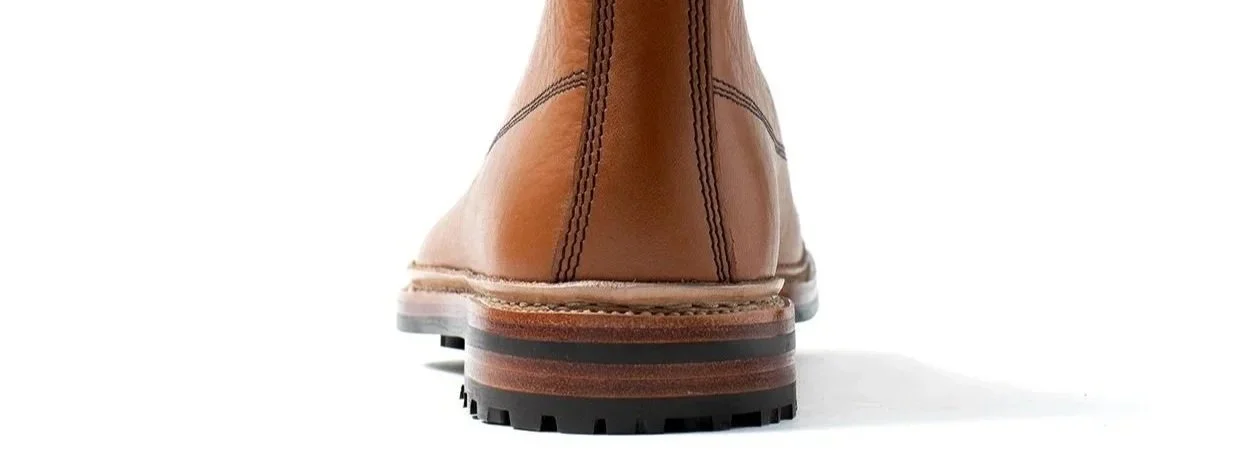
Table of Contents
What Causes Heel Slip in Boots?
Heel slip can be caused by a few things. A brand new stiff midsole, excess volume inside the boot, or a poor fit through the midfoot and heel. Understanding the cause helps you judge whether break-in is likely to improve it.
When you get a new pair of leather boots, that leather midsole is gonna resist bending as your foot flexes during a step. Your heel starts to lift, but the boot doesn’t follow as readily, allowing some movement inside. As the boots break-in, the sole becomes more flexible, and the leather around the heel cup gradually conforms to your foot. These changes reduce heel slip in a properly fitted boot.
Fit is the other part of the equation. A boot that is too big will leave excess space around the heel or over the instep. Without a secure fit through the midfoot and heel, your foot is gonna shift as you walk. And that is gonna result in heel slip
The length can be right, and the fit can still be wrong. Your foot may need less volume through the instep or a narrower heel than the boot provides. Proper break-in can soften the materials, but it won’t make an oversized boot smaller or correct a last that doesn’t suit your foot. Like so many things with boots, it all comes down to a proper fit.
How Much Heel Slip Is Normal in New Boots?
A little bit of heel slip is normal in new leather boots. You’re gonna notice your heel lifting slightly as you walk, especially while the midsole is still stiff. Even with that movement, your heel should feel comfortably snug, and the boot should feel secure through the midfoot.
If your heel lifts substantially with each step or feels like it’s pulling out of the boot, that’s way too much. Your foot shouldn’t slide around inside, and you shouldn’t need to ratchet down the laces to keep your foot in the boot.
Pay attention to fit. Slight lift without rubbing will likely settle as the boots break in. Rubbing, discomfort, or difficulty keeping your heel seated your boot doesn’t fit.
Will Heel Slip Go Away as Boots Break In?
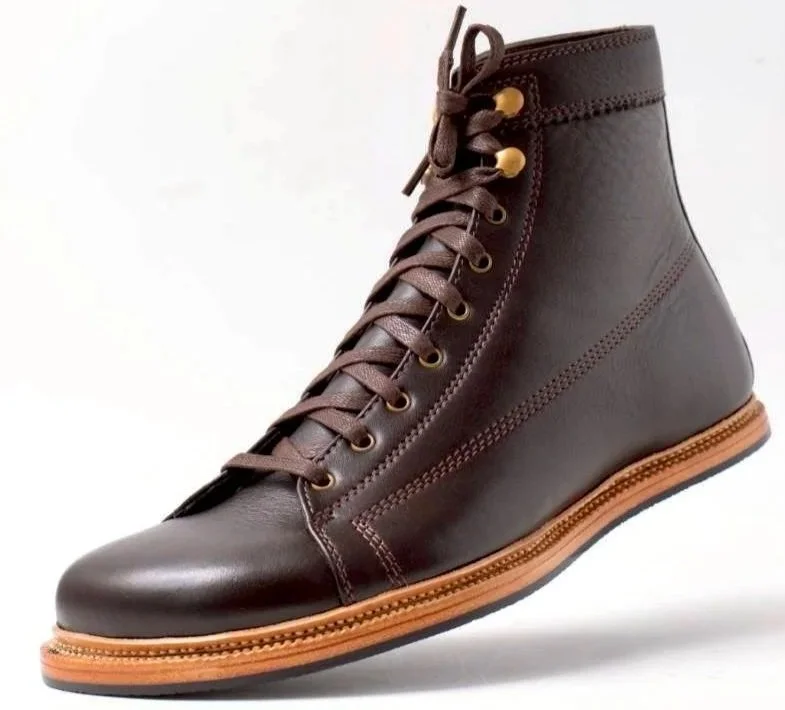
If your boots fit properly, a slight heel slip will decrease as they break in and may disappear entirely. As the boots break-in, the underfoot construction becomes more flexible, and the leather uppers gradually soften and conform to your feet.
As you walk, the leather midsole and the rest of the sole begin to bend more easily with your foot. The boot follows your movement more readily, reducing the tendency for your heel to lift inside the boot. The leather around the heel cup also takes shape around your heel, really locking it in.
All of that break-in goodness gets thrown out the window if you aren’t starting with a good fit. If your boots have too much space through the midfoot or heel, softer leather won’t take that space away. Break-in can help a properly fitted boot move with you, but it won’t turn a loose boot into one that fits.
Does Heel Slip Mean Your Boots Are Too Big?
Yeah, it might. If your foot is sloshing around inside the boot and tightening the laces still leaves you with a sloppy fit, the boot is too damn big for your foot. You shouldn’t have to crank the laces down until they hurt just to keep your heel in place.
But a little heel slip in an otherwise well-fitting new boot doesn’t automatically mean you bought the wrong size. If your midfoot feels secure and your heel sits comfortably snug, slight movement will decrease or disappear as the sole becomes more flexible and the leather molds to your foot.
Before sizing down, check the whole fit. A smaller size might reduce heel movement while crowding your toes or squeezing your forefoot. Sometimes you need a different last shape that holds your heel securely and still gives the front of your foot enough room. Every boot last won’t be the right fit for every foot, you need to find the one that works for you.
Shop Naang Boots
Can Boots Have a Roomy Toe Box and a Secure Heel?
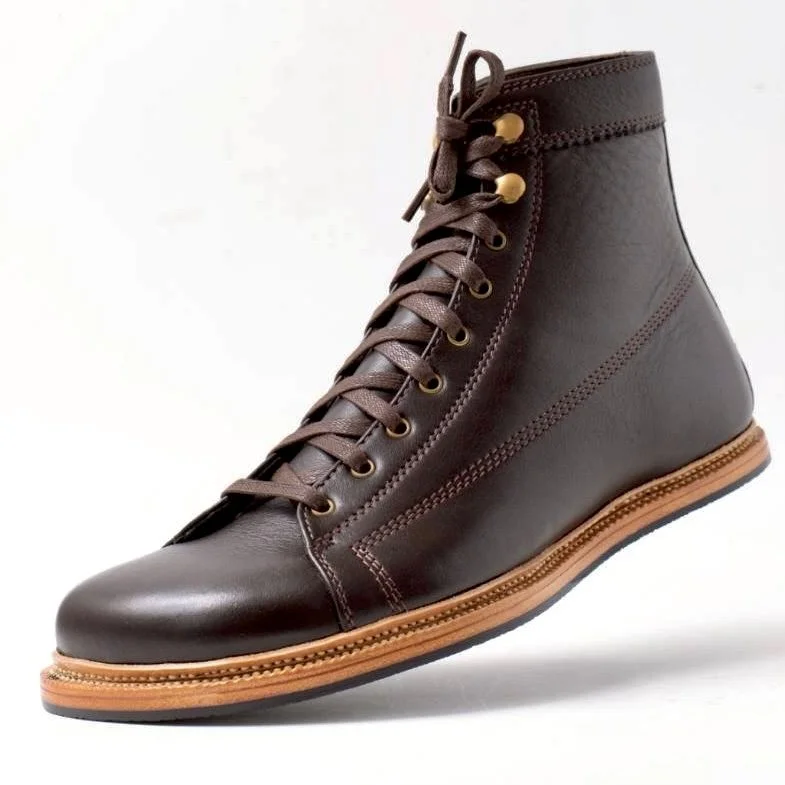
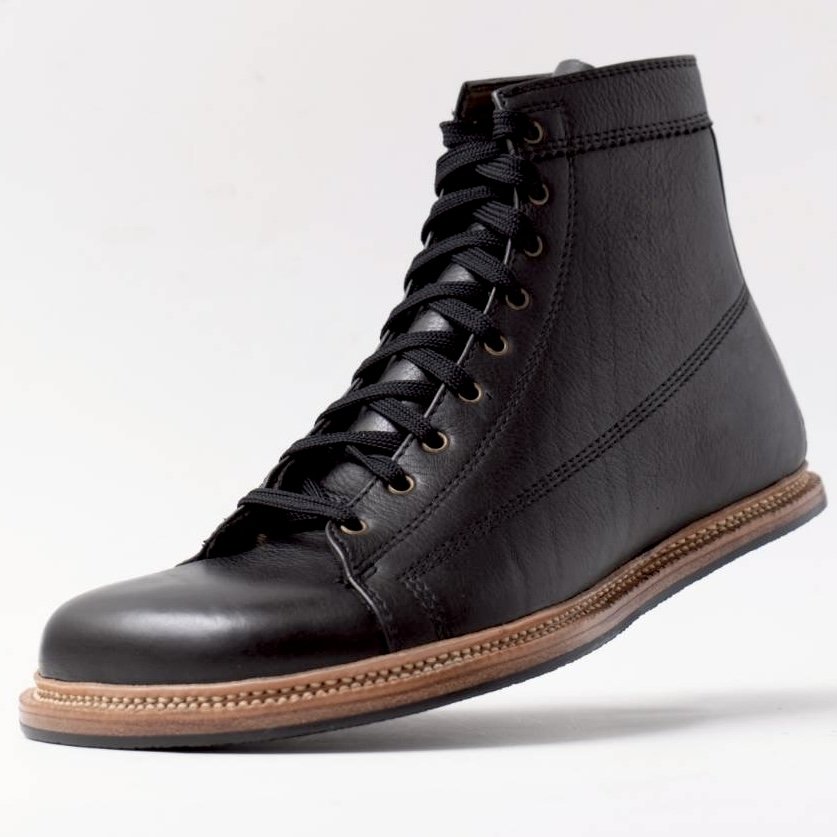
Hell yeah they can. That’s exactly what we design for at Naang Boots. Our anatomical last gives your toes room to spread while providing a snug, secure fit through the midfoot and heel.
The shape of the last determines where that room goes. Your toes need space to sit naturally and splay as you walk. Your midfoot and heel need the right fit to keep your foot from sliding around. A roomy toe box doesn’t require the whole boot to fit loosely.
As you break in a properly fitted pair of boots, the leather conforms more closely to your foot and the sole becomes easier to flex. That helps the boot move with you. You shouldn’t have to squeeze your toes to get that fit.
How Can You Reduce Heel Slip in Boots?
If your boots are the right size and fit your feet, adding a kiltie, adjusting your lacing, or wearing thicker socks can help reduce slight heel slip.
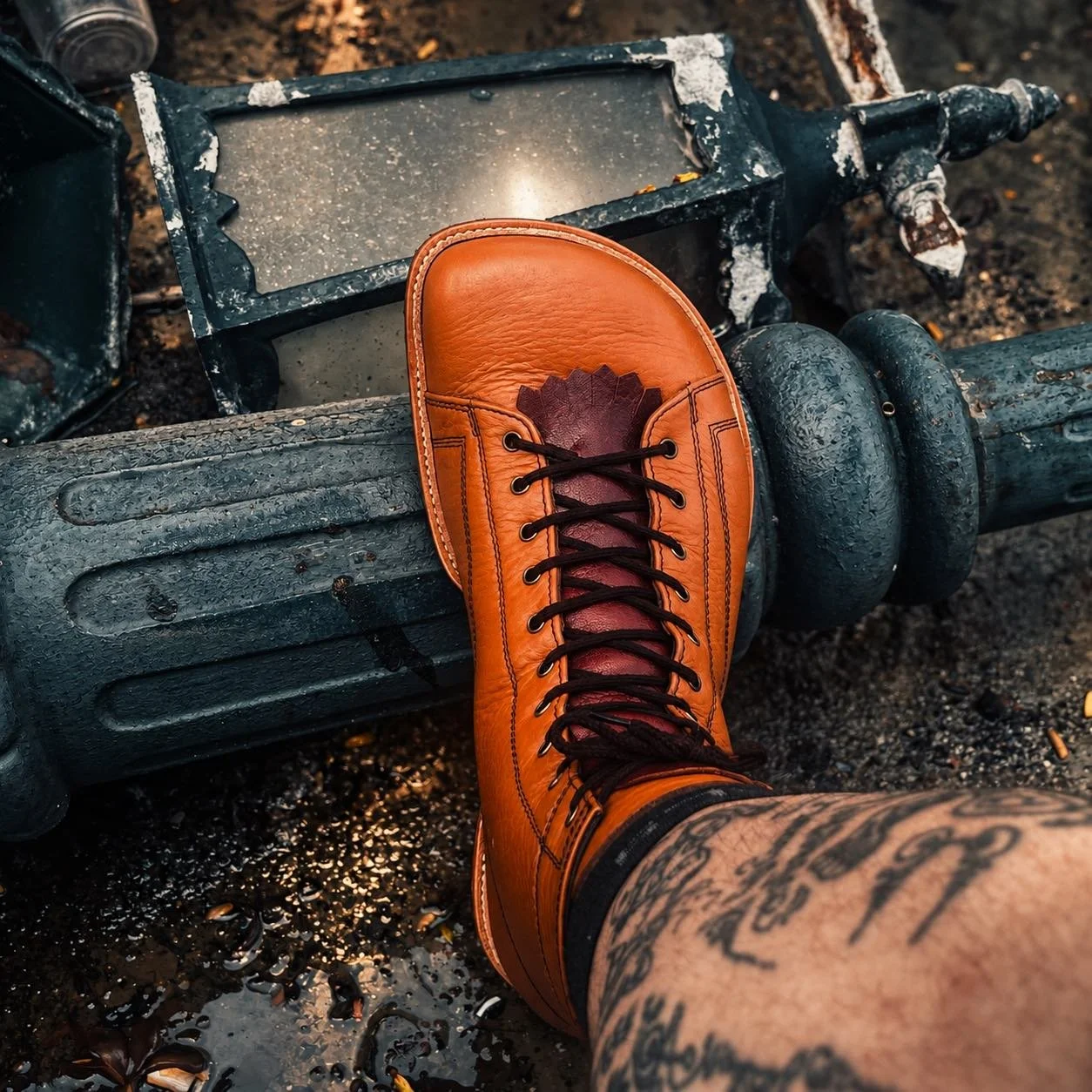
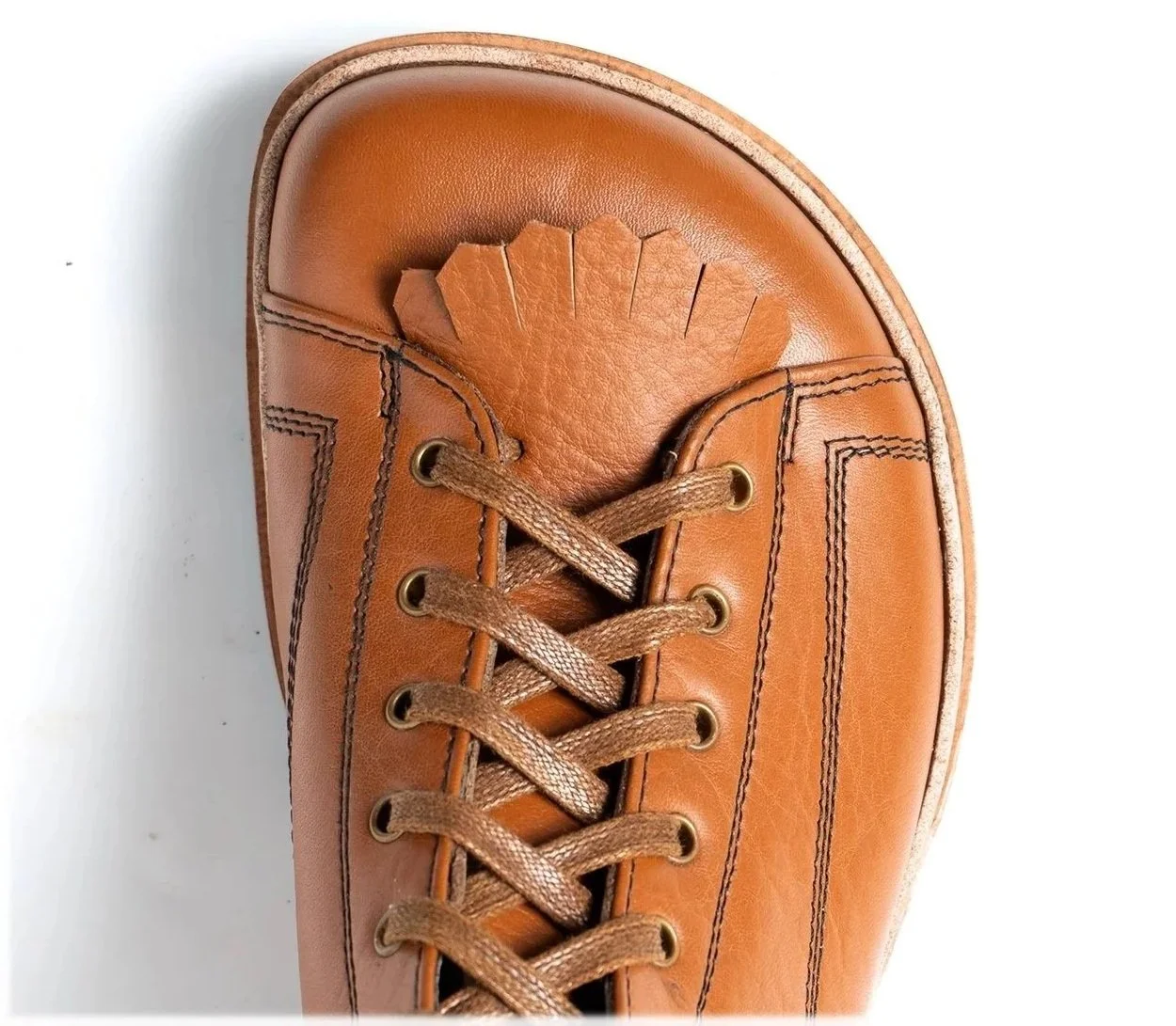
A kiltie adds a layer of leather over the tongue, taking up some space beneath the laces. That can give you a slightly firmer fit through the instep without having to crank your laces down.
Next, try heel-lock lacing. There are a few ways to do this, but my preference is to tie a surgeon’s knot where my foot meets my ankle. This helps hold the lace tension at that point, allowing me to adjust the fit above it without loosening the laces below. I can keep my midfoot secure and still choose how tightly I lace the shaft.
If you’ve been wearing thin socks, a slightly thicker pair of socks can also take up some extra space. Just make sure you still have room for your toes and aren’t creating pressure elsewhere.
You can mix and match these methods to find what feels right. As a properly fitted pair of boots breaks in, slight heel slip will often reduce and may disappear as the sole becomes more flexible and the leather conforms to your foot. If you still have substantial movement, it’s time to revisit the fit.
Shop Naang Boots
Frequently Asked Questions About Heel Slip in Boots
Is a little heel slip normal in new boots?
Yes. A little heel slip can be normal in new leather boots, especially while the sole is stiff. Your heel should still feel comfortably snug, and your midfoot should feel secure. Substantial lifting, repeated rubbing, or your foot sliding around inside the boot calls for a closer look at the fit.
Will heel slip go away as boots break in?
Yes, Slight heel slip often decreases and may disappear as properly fitted boots break in. The sole becomes more flexible, and the leather around the heel conforms more closely to your foot. Break-in won’t remove excess space or make an oversized boot fit smaller.
Does heel slip mean I should buy a smaller boot size?
Not automatically. Heel slip can come from a stiff sole, excess volume over the instep, or a heel shape that doesn’t suit your foot. Check the whole fit before sizing down. A smaller size may reduce heel movement while crowding your toes.
Can boots feel tight at the toes but loose at the heel?
Yes. A boot can have a narrow toe box and still leave too much space around your heel or instep. That can indicate a mismatch between the last and your foot shape. You may need a different shape that gives your toes room while holding your midfoot and heel securely.
Can a roomy toe box cause heel slip?
A roomy toe box doesn’t automatically cause heel slip. The boot can provide space for your toes while fitting snugly through the midfoot and heel. Naang’s anatomical last is designed around that balance, although the size and fit still need to suit your feet.
Do kilties help reduce heel slip?
Kilties can help when a small amount of extra space beneath the laces contributes to heel movement. The added leather sits over the tongue and takes up some volume, allowing a firmer fit through the instep. A kiltie won’t correct a substantially oversized boot.
What lacing method can help reduce heel slip?
Heel-lock lacing can help secure your foot in a properly fitted boot. A surgeon’s knot where the foot meets the ankle helps retain lace tension below that point while you adjust the shaft separately. Keep the tension comfortably snug without creating pressure across the top of your foot.
Can thicker socks help with heel slip?
Thicker socks can reduce slight heel slip by taking up extra space inside the boot. They’re worth trying if you normally wear thin socks, provided your toes still have room and the fit remains comfortable. You shouldn’t need excessively thick socks to make the boots feel secure.
What should I do if heel slip continues after break-in?
If heel slip remains substantial after break-in, reassess the size, instep volume, and fit around your heel. Contact the maker before changing sizes or adding more padding. For Naang Boots, tell us your model, size, usual socks, how long you’ve worn the boots, and where you feel movement so we can help assess the fit.
What To Read Next

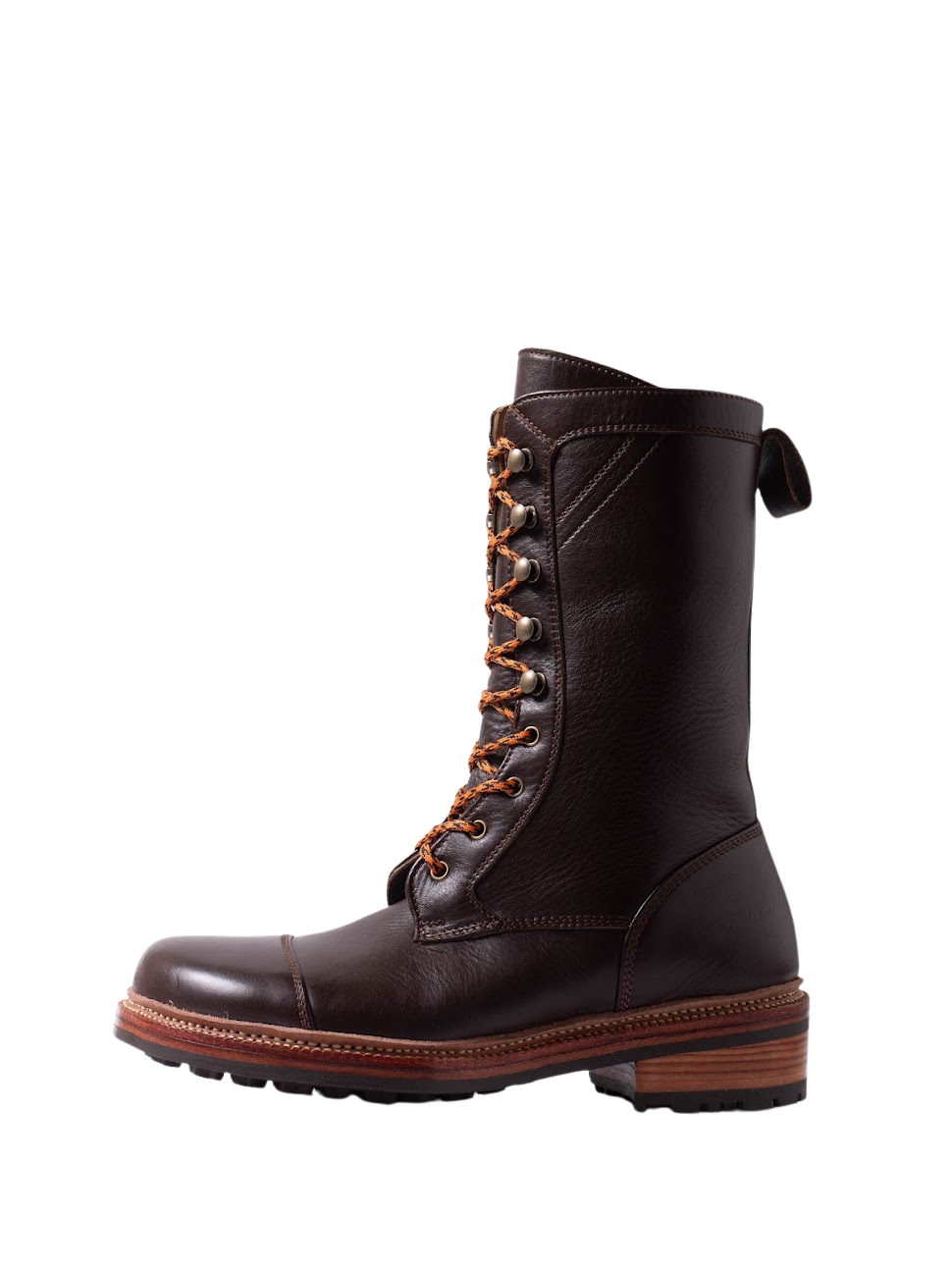
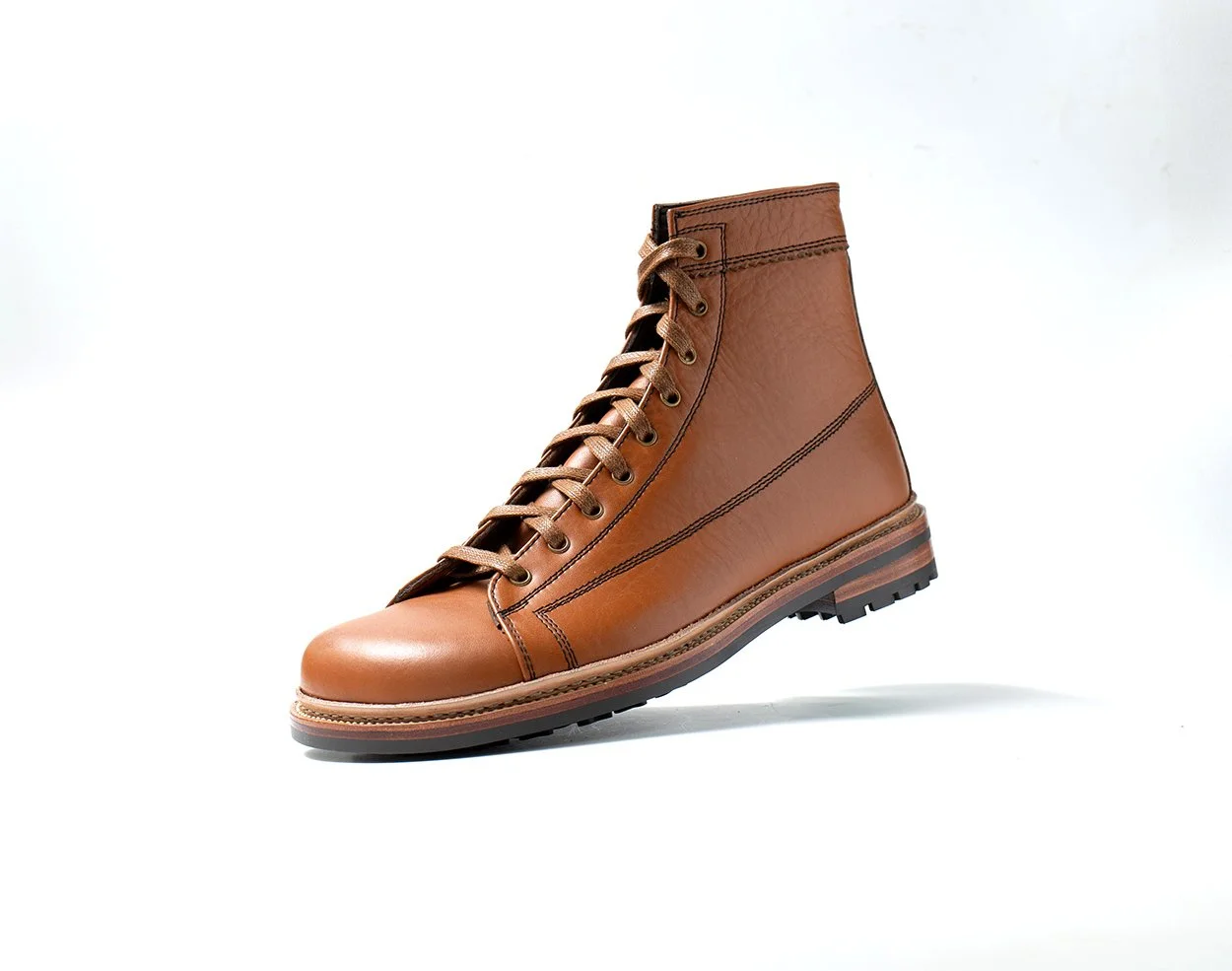
All Boots Are Made-To-Order. Current Lead Time: 60-90 Days.
Not sure about your size? Check out our Sizing Guide.
The Winnfield is built to walk the earth.
City streets. Back alleys. Remote trails. Foothills that don’t forgive mistakes.
Wherever you go, it keeps moving.
Construction: 360° Hand-Welted
Lace-to-Toe
Shaft Height: 6 inches
Last: Anatomical Zero Drop
Our Anatomical Last is very wide, if you feel your foot is exceptionally wide please indicate so on the form that pops up after you add the boots to your cart, we will get in touch to make sure that your boots are wide enough for your feet. We got you!
Leather: 2.5-3.5mm Full Grain
Full Leather Liner
Outsole: Naang Flat Rubber Super Grip
Built on our Anatomical Natural Toe Box last, the Winnfield follows your foot’s true shape.
Not the other way around.
Lace-to-toe construction, lets you fine-tune the fit, helping limit hot spots, pressure, and other foot problems mile after mile
Your toes can spread. Your stride stays strong. Comfort holds, mile after mile.
Every pair is hand-welted with a full 360° storm welt.
Not for looks. Not for marketing. For durability.
It seals out the elements and locks the upper to the sole the way it should be done. Built to take abuse. Built to last.
Inside, a leather shank adds structure where you need it, while letting the forefoot move the way it should.
Stable step after step. Solid under load. Comfortable through long days on your feet.
This is not a delicate boot.
It’s a tool.
The Winnfield is made to walk the earth.
Worldwide Shipping Available.