Types of Boot Laces: Pros, Cons, and How to Choose
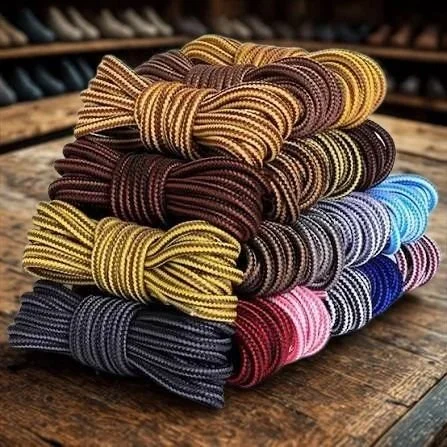
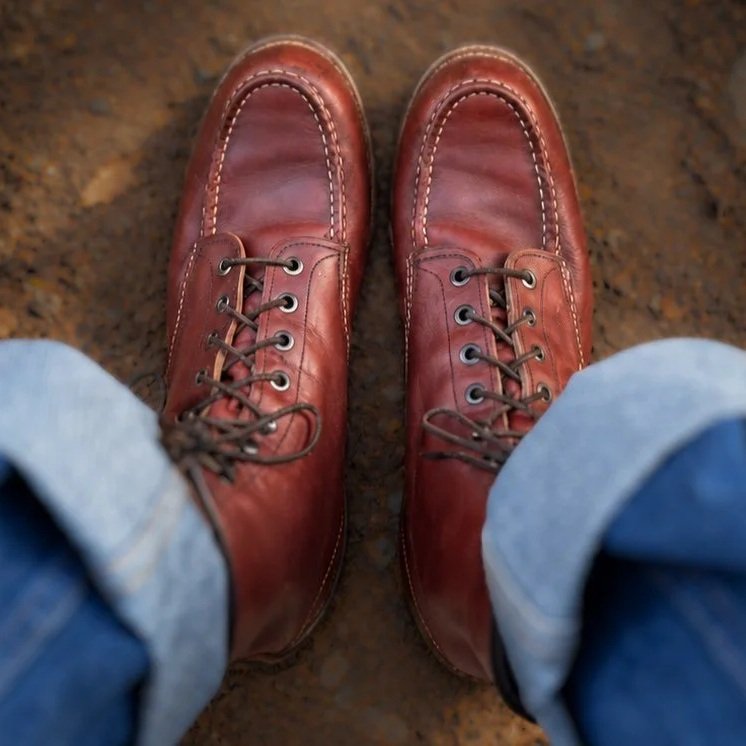
Boot laces play a bigger role in how we wear our boots than we give them credit for. They affect how secure your boots hold your feet, how you can adjust the fit, and how well they stay fastened throughout the day. There is no shortage of options, and no single type is best for every boot or every use. Their shape, material, and construction all influence how they perform.
This guide breaks down the different types of boot laces, their pros and cons, and what to consider when choosing a pair. I’ve used every type covered here, so I’ll share my experience alongside the practical differences. Toward the end, I’ll explain what we use at Naang and why, giving you a clearer idea of what might work for your boots and how you wear them.
Table of Contents
How Do Boot Laces Affect Fit and Everyday Use?
The boot laces you choose affect how easily you can adjust the fit, how securely that adjustment holds, and how well the laces stand up to daily wear. A pair that slips loose can leave you stopping to retie your boots. A thick, stiff lace can make tightening and loosening them more work than it needs to be.
Some laces are built to take serious abuse. Others stretch for comfort or make it easier to get your boots on and off. Some features can feel more like gimmicks if they don’t solve a problem you actually have. Each option comes with tradeoffs, and the right balance depends on how you use your boots.
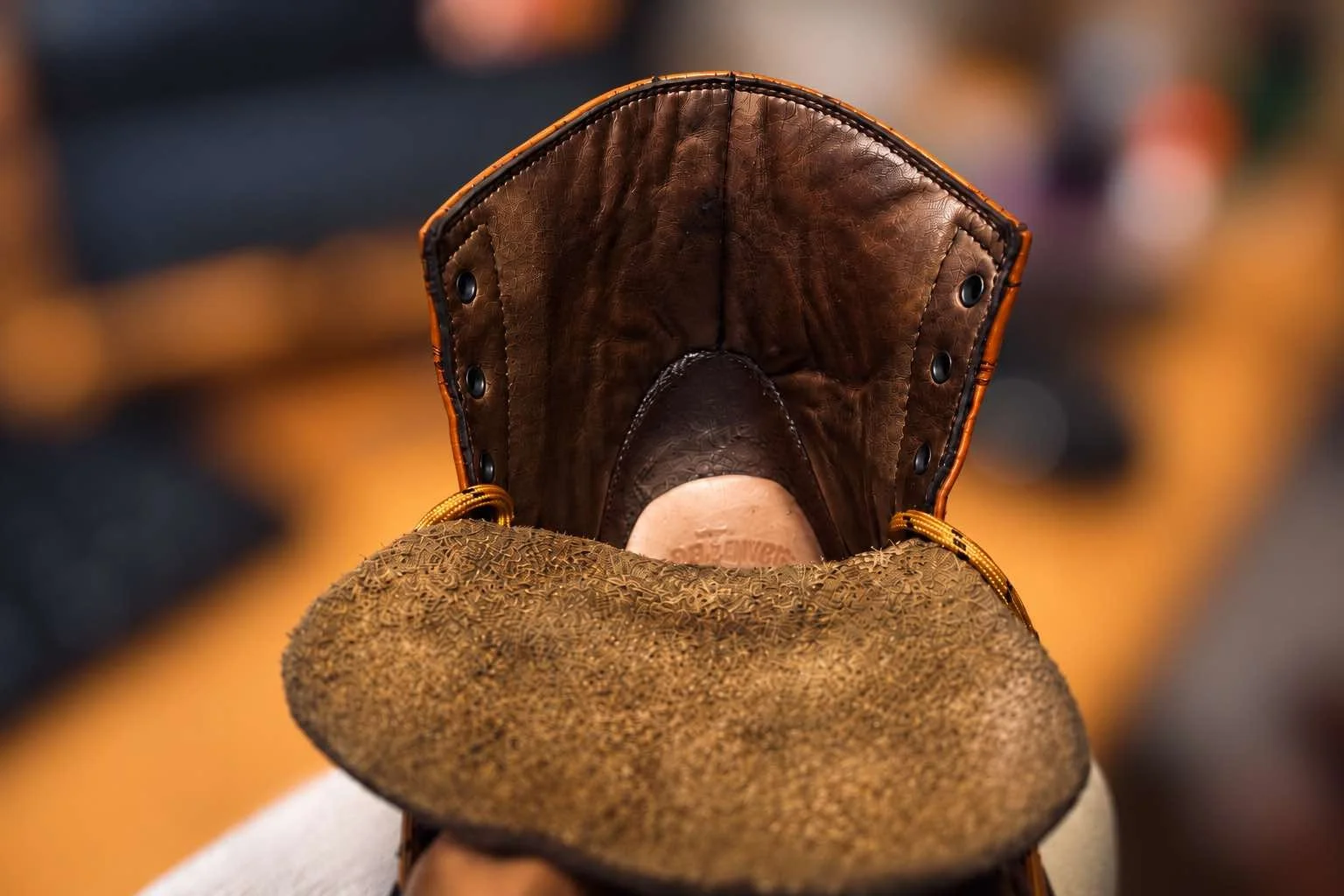
Laces also need to work with the boot itself. Their thickness and shape should suit the eyelets and speed hooks, with enough length to tie a secure knot without leaving excessive loose ends. The right laces can make your boots fit like a dream and the wrong laces can make them damn near unbearable.
Boot Lace Shapes, Materials, and Finishes: What’s the Difference?
A boot lace’s shape, material, and finish all influence how it handles, holds a knot, and stands up to wear. These characteristics overlap.
Shape describes whether the lace is flat, round, or oval. It affects how the lace sits against the tongue and moves through your boot’s eyelets and speed hooks.
Material is what the lace is made from, such as cotton, polyester, nylon, leather, or aramid fibers. It influences stretch, moisture absorption, and resistance to abrasion and heat.
Finish is a treatment applied to the lace, such as a wax coating. It can change the surface texture, stiffness, and friction, affecting how easily the lace slides through hardware and tightens into a knot.
The sections below break down the common types of boot laces, looking at how these characteristics work together and the advantages and drawbacks of each. In my experience, no one lace does it all, but there are enough types that you can find one that works well for just about any situation.
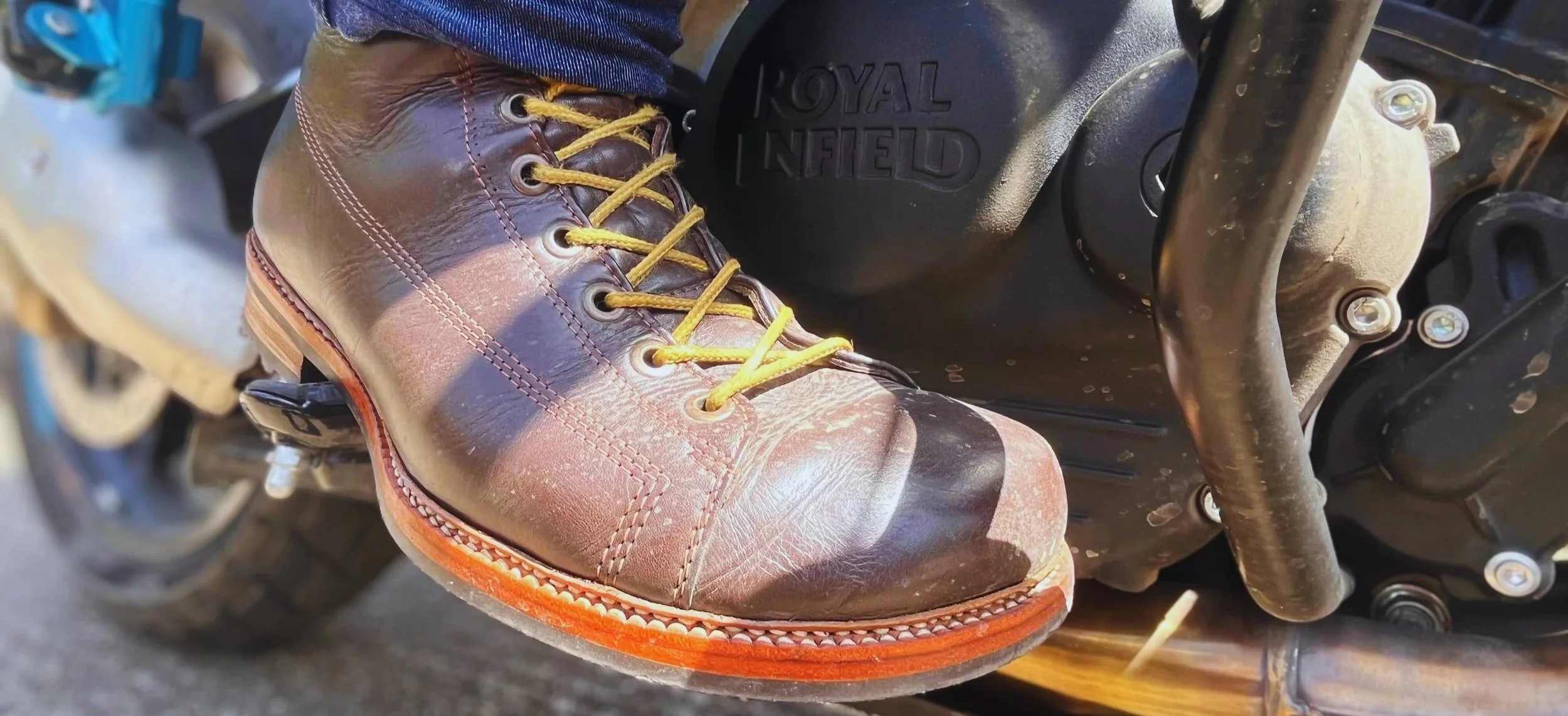
Flat Boot Laces: Pros and Cons
Flat boot laces have a broad, flat shape, like a ribbon, that sits low against the tongue. They come in several materials such as cotton, polyester, and nylon, so two pairs that look similar can perform quite differently. This section covers unwaxed cotton flat laces. We’ll look at waxed versions separately.
One advantage is how easily a soft flat lace compresses inside a knot. This can help it stay tied compared with a hard, smooth round lace, although the material and the knot you use still matter.
Pros of flat boot laces
Low profile: They sit relatively flush against the tongue when threaded without twists.
Easy to handle: The wide surface gives your fingers something to grip when tightening or tying.
Good knot grip: Soft, textured versions hold a knot well.
Comfortable: Flexible laces can feel very comfortable as they stretch to confrom to your foot throughout the day
Cons of flat boot laces
They can twist: Keeping them flat takes extra attention when you are lacing them up, and they will just end up twisting eventually anyway..
Width can cause problems: Wide laces bunch up in small eyelets and narrow speed hooks.
Durability varies: A thin, loosely constructed lace can wear through at contact points easily.
Material affects wet-weather performance: Unwaxed cotton absorbs moisture readily, so don’t assume it will behave like a synthetic lace when it gets soaked.
Flat laces are worth considering for casual everyday boots if you like their appearance and easy handling, and you don’t mind constantly untwisting them. Be sure they fit your eyelets and hooks.
Personally, I don’t love flat laces for boots. If you want a specific look on a more casual or fashion boot then I get it. But if you want a functional boot I think there are better options. and wh
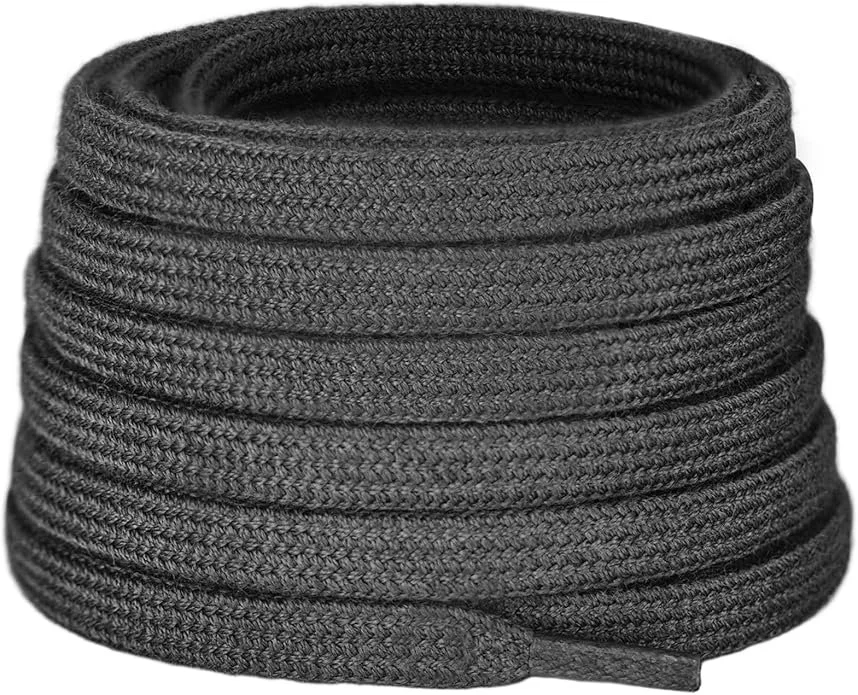
Flat Boot Laces
Check the available lengths, colors, and material details to find an option that suits your boots.
View on AmazonAs an Amazon Associate, Naang Boots earns from qualifying purchases at no additional cost to you.
Round Boot Laces: Pros and Cons
Round boot laces have a cord-like shape and are a fairly common option on work boots and hiking boots. Standard versions commonly use polyester or nylon, often with a braided outer layer surrounding an inner core. Here, we’re looking at ordinary unwaxed round laces. Paracord and specialist high-strength laces have their own sections below.
Construction makes a noticeable difference. A firm core can help a lace retain its shape and reduce stretching, but it can also make the lace harder to bend and tighten into a knot. Softer, more compressible round laces can behave quite differently.
Pros of round boot laces
Straightforward threading: With the right diameter, round laces pass through eyelets and sit in speed hooks without needing to be kept flat.
Easy adjustment: Smooth versions slide readily through hardware, making tightening and loosening less fiddly.
Durable options: A well-made synthetic braid can withstand repeated rubbing against boot hardware.
Choice of flexibility: Different core and braid constructions let you choose between a softer lace and a firmer one with less stretch.
Cons of round boot laces
Some slip loose: Hard, smooth laces may not compress or grip well when knotted. Knot choice becomes particularly important.
Thick versions add bulk: A chunky round lace creates a larger knot and may not fit narrow eyelets or speed hooks.
Stiff versions take more effort to tie: They can resist forming tight loops, especially when you’re trying to cinch the bow securely.
Strength varies: A round profile doesn’t guarantee a tough lace. The outer braid can still fray or wear through at contact points.
Round laces are a practical option if you want straightforward adjustment without having to straighten twists as you lace up. Look for a diameter that suits your eyes and hooks, and enough flexibility to tie a secure knot. The thickest, stiffest option won’t automatically be the best one for your boots.
Personally, I prefer to lace my boots with round laces that have a moderate flex. Round heavy-duty laces are comfortable, as they stretch to conform to the feet throughout the day, and when tied with a Berluti knot, they stay tied all day.
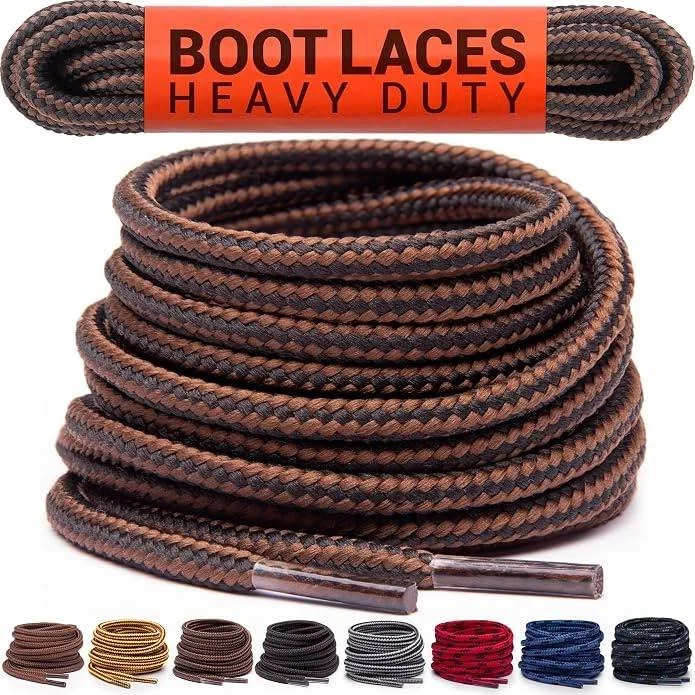
Round Boot Laces
Check the available lengths, lace diameter, and material details to find an option that fits your boot’s eyelets and speed hooks.
View on AmazonAs an Amazon Associate, Naang Boots earns from qualifying purchases at no additional cost to you.
Waxed Boot Laces: Pros and Cons
Waxed boot laces have a wax coating impregnated into the fibers. They come in both flat and round shapes, often using cotton as the base material. The coating changes how the lace feels and handles, giving it a firmer, more defined shape. The amount of wax matters too. A lightly waxed lace can feel quite different from a heavily saturated one.
Wax can help protect the fibers from wear. That doesn’t make them indestructible, not even close, and the material and construction still matter way more than the amount of wax.
Pros of waxed boot laces
Added grip: A slightly tacky finish can help the lace resist slipping when knotted, although results vary. I once had a pair of waxed laces that just wouldn’t stay knotted
Defined appearance: Wax gives cotton laces a sort of patina that can certainly be a vibe all on its own.
Some moisture resistance: Just like a waxed jacket, the wax can reduce water absorption, but it doesn’t make the laces waterproof.
Added protection against wear: Wax helps protect the surface fibers where the laces rub against hardware.
Cons of waxed boot laces
More resistance when adjusting: The same grip that helps hold a knot can make the laces drag through eyelets.
Initial stiffness: The laces feel like they have to be broken in; they will stiff right out of the gate.
The finish wears: Over time, the wax coating wears off unevenly; this can be a pro tho if you like that look. However, the wax can also transfer onto the boots.
Waxed laces are worth considering if you like a defined appearance and a firmer feel. If you like that heritage look to everything you wear, these might be for you.
Personally, Waxed laces aren’t for me; I like to be able to adjust my laces fairly easily, and the added stiffness from the wax makes that more difficult. If you want the laces for the look then I think you sould go for them, but if you want performance from your laces then I don’t think this is the way to go.

Waxed Flat Boot Laces
Check the available lengths, lace width, and material details to find an option that suits your boots.
View on AmazonAs an Amazon Associate, Naang Boots earns from qualifying purchases at no additional cost to you.
Oval and Semi-Flat Boot Laces: Pros and Cons
Oval or Semi-Flat boot laces sit between flat and round profiles. They have a flattened shape with more thickness through the middle than a typical flat lace. The terms overlap in product listings, so pay attention when ordering if you go this route.
These laces are fairly common on sport shoes and you sometimes see them on lightweight hiking shoes. Soft versions offer a nice balance of easy handling of flat laces while retaining a bit of body and feel of round laces.
Pros of oval and semi-flat boot laces
Easy to grip: The wider profile gives you something to grip when tightening and tying.
Easy to Tie: These are soft and compressible and that makes them easy to tie into a knot. So if you want something closer to a round lace but thats easier to tie, this is a good choice.
Unique look: They offer a fuller appearance than thin flat laces without necessarily being as bulky as thick round laces.
Cons of oval and semi-flat boot laces
Hardware compatibility varies: A wide or thick oval lace may bunch in small eyelets and struggle with narrow speed hooks.
They can still twist: Their flattened shape can rotate as you lace up, changing how neatly they sit against the tongue.
Poor durability: As these laces tend to be softer and more flexible, they can be very comfortable but don’t tend to be durable.
Oval laces are worth considering if you find firm round laces awkward to tie but prefer something thicker than a flat lace.
Personally, these aren’t and option I tend to reach for; I have tried them in the past and just found them to lack the more rugged quality I like in a round lace. Though they are comfortable as they tend to flex well throughout the day.
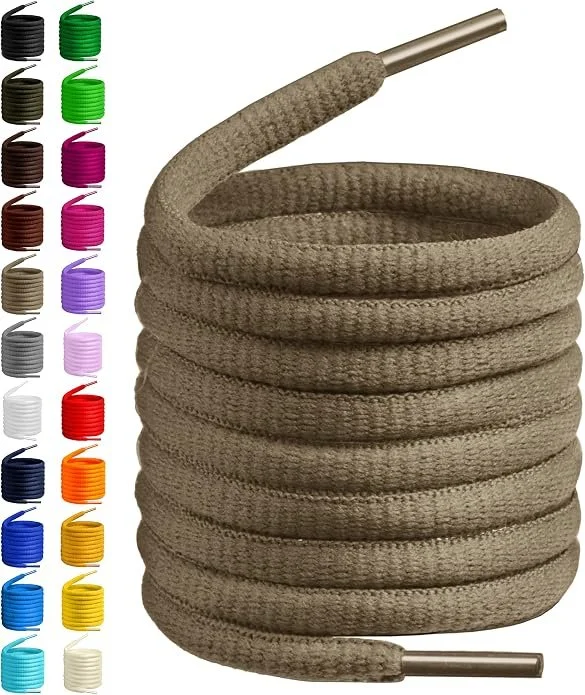
Oval Boot Laces
Check the available lengths, lace width, and thickness to find an option that fits your boot’s eyelets and speed hooks.
View on AmazonAs an Amazon Associate, Naang Boots earns from qualifying purchases at no additional cost to you.
Paracord Boot Laces: Pros and Cons
Paracord boot laces use cord with a braided outer sheath surrounding an inner core. Many are made from nylon, including products sold as 550 paracord laces. Their appeal centers on strength, durability, and they are available in a ton of colors.
Pros of paracord boot laces
Strong construction: The outer sheath and inner core provide a sturdy cord, although strength varies between products.
Plenty of color options: Paracord comes in a wide range of solid colors and patterns.
Custom-length options: You can buy finished laces or make a pair from bulk cord, provided you finish the ends properly to prevent fraying.
Durability: A well-made sheath can withstand everyday use, but it still needs checking for wear where it contacts the hardware.
Cons of paracord boot laces
Slippery knotting: Smooth nylon can slip within a knot, making a more secure tying method necessary.
A firm feel: Most have zero give under ordinary lacing tension, which I find uncomfortable.
Bulky knots and ends: The cord diameter and aglets may be too large for smaller eyelets or narrow speed hooks.
Strength isn’t the whole story: A high breaking strength rating tells you little about comfort, knot security, or how quickly the outer sheath will wear.
Paracord laces may suit you if you prefer a firm cord and don’t mind adjusting your tying technique. For me, their strength doesn’t outweigh the discomfort and fiddly knotting.
I find them a bit gimmicky. The pairs I’ve used felt like they had virtually no give during normal wear, which made them uncomfortable for me. They were also slippery and difficult to secure a knot.
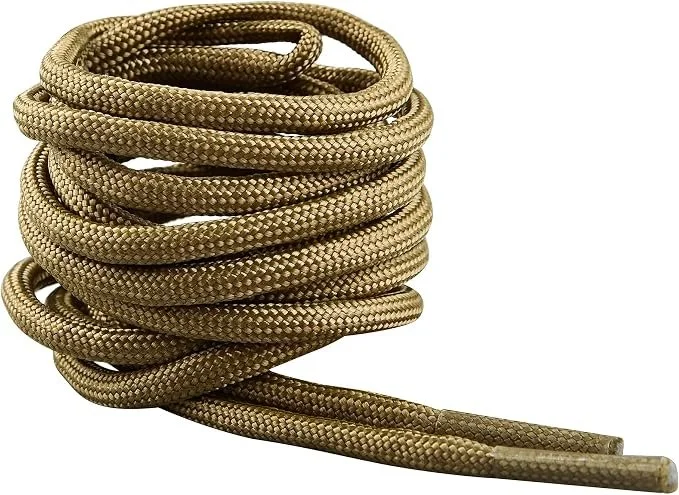
Paracord Boot Laces
Check the available lengths, cord diameter, and aglet size to find an option that fits your boot’s eyelets and speed hooks.
View on AmazonAs an Amazon Associate, Naang Boots earns from qualifying purchases at no additional cost to you.
Leather Boot Laces: Pros and Cons
Leather boot laces are cut from leather rather than braided from textile fibers. They come in flat strips, square-cut profiles, and round cords. The leather, its treatment, and the thickness of the lace all affect how it feels and performs. Suppliers offer several distinct options, including cowhide strips and round leather cords, so “leather laces” covers more variety than you might expect.
Leather laces can soften and stretch over time. That can make them feel more forgiving, but it can also mean adjusting the tension as they settle, especially the first few wears. Thick leather laces may initially feel stiff and tend to produce a bulky knot.
Pros of leather boot laces
Traditional appearance: Leather complements heritage boots and develops its own creases, color changes, and wear patterns.
Some give with use: Depending on the leather and its thickness, the laces can soften and become easier to handle.
Easy length adjustment: Plain leather strips can be trimmed without needing replacement aglets.
Potential for a secure knot: Supple leather will hold a knot secure.
Cons of leather boot laces
They can stretch unevenly: You may need to retighten them, particularly during the first few wears.
Worn areas can snap: Nicks, thinning, and repeated rubbing against hardware create weak points. I have had more than a few leather laces snap on me while cinching them up.
Thick versions can be awkward: Like any leather item, the thicker you get them, they harder they are to work with.
They need attention: Leather is skin, and just like your boots you need to keep them clean and conditioned to maximize their lifespan.
Leather laces suit readers who like their appearance and don’t mind some adjustment and care. Look for a consistent thickness, check that they fit your hardware, and inspect the areas around the hooks and eyelets for damage.
Personally I love the look of leather laces, and I like how they feel when your boots are laced up, and how easily they hold a knot. What I don’t love is that I have had a lot of them snap on me over the years. Not that other laces can’t snap, but leather seems to do it more in my experience.
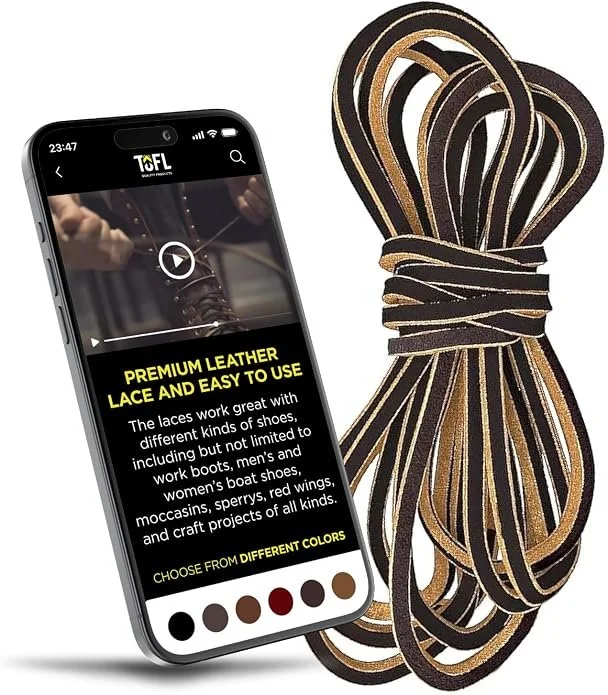
Leather Boot Laces
Check the available lengths, leather type, and lace thickness to find an option that suits your boots.
View on AmazonAs an Amazon Associate, Naang Boots earns from qualifying purchases at no additional cost to you.
High-Strength Boot Laces: Ironlace and Aramid Options
High strength boot laces use specialist fibers, including aramids, to resist breaking and withstand demanding conditions. Some also offer heat, flame, or chemical resistance. These features depend on the specific product, so check the manufacturer’s specifications rather than assuming every high strength lace provides the same protection.
Ironlace’s Unbreakable laces, for example, use para-aramid fibers. The manufacturer describes them as stretch-free and resistant to heat and fire up to 630°F (332°C). That is a manufacturer’s claim, not an independent test we’ve performed. Fire-resistant also doesn’t mean fireproof.
Pros of high-strength boot laces
High resistance to breaking: These products prioritize tensile strength, making them worth considering if ordinary laces repeatedly fail, and also share your grip and forearm workout with me if you are snapping these.
Specialist protection: Certain models offer abrasion, heat, flame, or chemical resistance for particular working conditions. These seem to be popular with wildland firefighters.
Cons of high-strength boot laces
An unforgiving feel: Little give under normal lacing tension can feel restrictive. For me, this is the biggest drawback.
Product claims need checking: Fiber type, construction, and protective properties vary. A high breaking-strength figure doesn’t establish resistance to every kind of damage.
They can exceed your needs: Extra strength offers limited practical benefit if your existing laces already last well and feel comfortable.
Expensive: These bad boys ain’t cheap. But if you need them, then I think its worth it.
These laces make the most sense when you have a specific durability problem or a work requirement that the product meets. For my everyday use, I prefer a lace with more give.
Personally, I find this type of lace uncomfortable. The pairs I’ve used offered virtually no noticeable give during wear, creating the same unforgiving feel I dislike in paracord laces. That’s my experience, though. Someone who wants their laces to hold a firm adjustment may appreciate that characteristic.
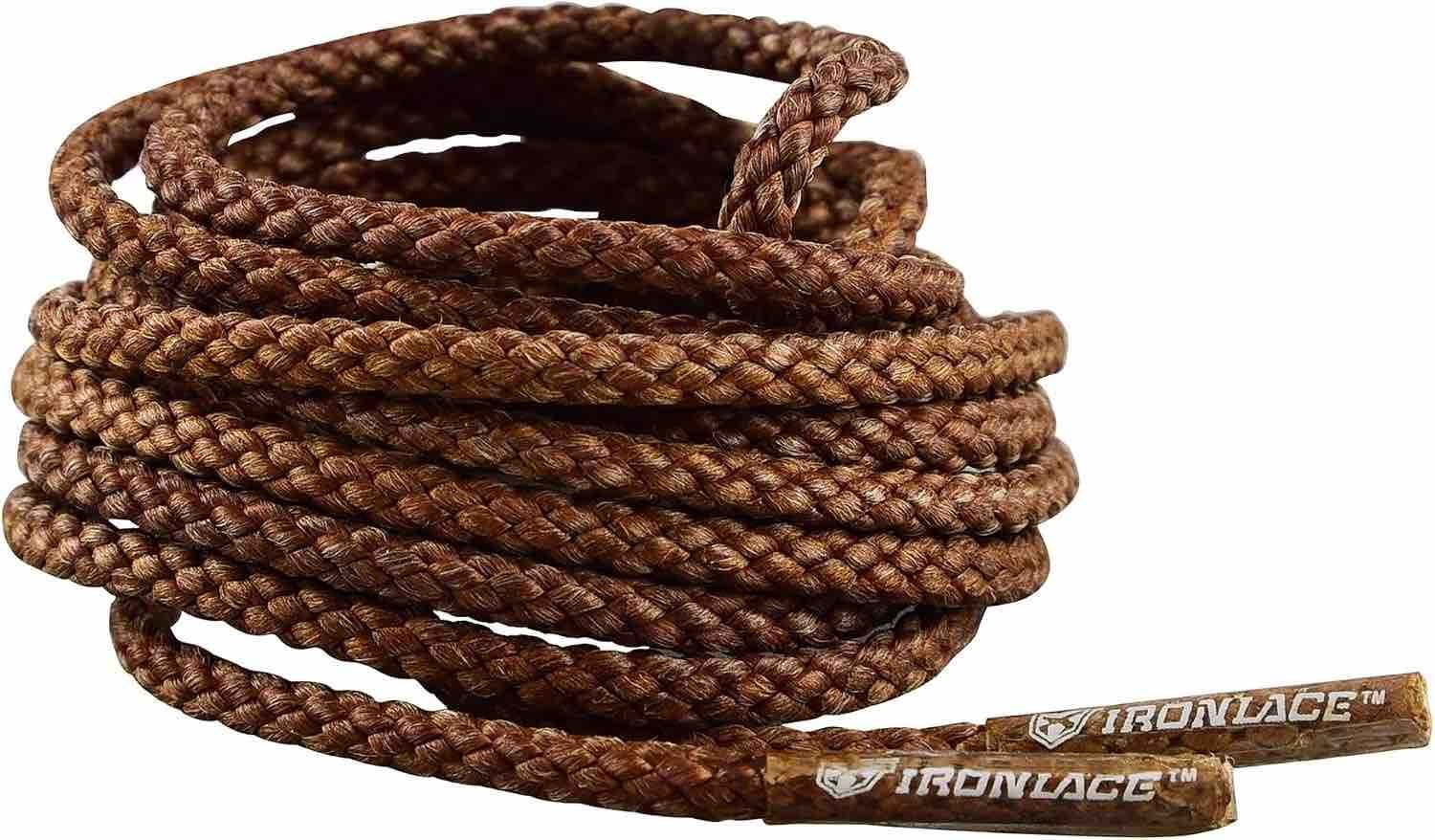
Ironlace Boot Laces
Check the available lengths, lace diameter, and manufacturer’s specifications to find an option that suits your boots and intended use.
View on AmazonAs an Amazon Associate, Naang Boots earns from qualifying purchases at no additional cost to you.
Elastic No-Tie Boot Laces: Pros and Cons
Elastic no-tie boot laces stretch and usually use a locking device to hold the adjustment instead of a conventional bow. They can make boots easier to put on and take off, although how easily you can slip your foot inside still depends on the boot’s opening and construction.
Pros of elastic no-tie boot laces
Convenient fastening: Once adjusted, they remove the need to tie a bow each time you put your boots on.
Easier handling: A cord lock can help people who find tying conventional laces difficult.
Flexible feel: Elastic gives as you move, which some people prefer for casual wear.
No bow to come undone: The locking device replaces the knot, although it still needs to hold the cord securely.
Cons of elastic no-tie boot laces
More movement under load: Elastic tension changes as the lace stretches, which may feel less secure when you want your foot held firmly.
A compromise in adjustment: Setting them loose enough to slip your boots on may leave them looser than you want while walking.
Additional hardware: Locks and end clips add bulk and need to work with your boot’s lacing layout.
Elastic no-tie laces have a practical role in casual convenience and accessible fastening. My preference is to keep them on boots you want to slip on for everyday errands. I wouldn’t choose them for demanding hikes or work where I want firm, predictable hold. The stretch that makes them convenient also allows the lacing to give as your foot moves.
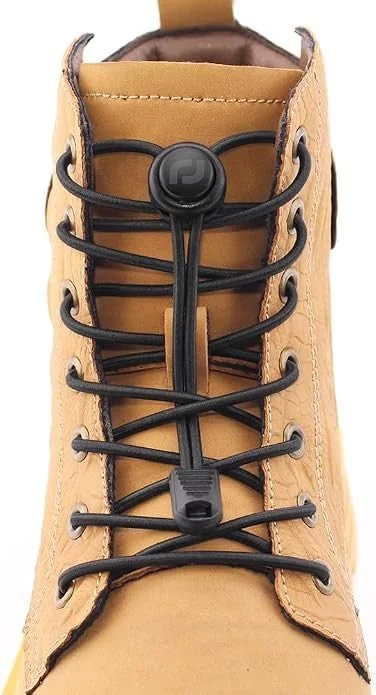
Elastic Boot Laces
Check the lace length, fastening system, and fitting instructions to see whether this option suits your boots.
View on AmazonAs an Amazon Associate, Naang Boots earns from qualifying purchases at no additional cost to you.
How to Choose the Right Boot Lace Length and Thickness
The easiest way to choose replacement boot laces is to ask yourself if the laces you currently have actually work well in your boots. Length determines whether you have enough lace to use every eyelet and tie comfortably. Girth determines whether the lace moves through the hardware and sits properly in the speed hooks.
Ask yourself if there is something that can be improved. If there is, which style of lace can improve it? Once you answer that question all you have to do is get the right length and you are off to the races.
What Boot Laces Do We Use at Naang, and Why?
We currently ship Naang boots with flexible round laces because, in our experience, they offer the most comfortable balance of secure hold and a little give during wear.
After using the different types covered in this guide, I keep coming back to that balance. I find very low stretch laces unforgiving, while elastic no-tie laces give more than I want for demanding use. Flexible round laces sit between those extremes and suit how we intend our boots to be worn.
That doesn’t make them the best choice for every person or every job. You may prefer the appearance of leather, the feel of waxed cotton, or a specialist lace for particular working conditions. For the boots we send out from Naang, function and comfort is what drives our choice.
Frequently Asked Questions About Boot Laces
What are the different types of boot laces?
Common boot lace options include flat, round, oval, waxed, paracord, leather, high-strength fiber, and elastic no-tie laces. These categories overlap. Flat and round describe shape, leather describes material, and waxed describes a finish. A single lace can be flat, made from cotton, and coated with wax.
What are the best laces for boots?
The best boot laces fit your hardware, hold a secure knot, and feel comfortable at your preferred tension. For everyday wear, consider flexible textile laces that are easy to adjust. For demanding work, check the specific durability or protective properties you need. Maximum strength alone doesn’t make a lace the best choice.
Are flat or round laces better for boots?
Flat laces sit low against the tongue, and soft versions can compress readily into a secure knot. Round laces don’t need to be kept flat when threading and adjusting them. Material, flexibility, and surface texture affect performance, so a soft round lace can handle very differently from a hard, smooth one.
What are oval boot laces?
Oval boot laces have a flattened profile with more thickness through the middle than typical flat laces. They are also sometimes called semi-flat laces. Soft versions can be easy to grip and tie, but check both their width and thickness against your boot’s eyelets and speed hooks.
Are waxed laces better than unwaxed laces?
Waxed laces may suit you if you prefer a firmer feel, defined appearance, and some added surface protection. The coating can also make adjustment through eyelets less smooth. Unwaxed laces avoid that coating, but their flexibility and knot grip still depend on the material and construction.
Are waxed boot laces waterproof?
A wax coating can reduce how readily lace fibers absorb moisture, but it does not automatically make the lace waterproof. Coverage varies, and the coating wears with use. Treat waxed laces as potentially more water-resistant than an equivalent unwaxed lace unless the manufacturer provides a specific waterproof claim.
Are leather laces good for boots?
Leather laces are a useful option if you like their appearance and don’t mind some adjustment and care. They can soften and stretch during wear. Thickness, leather quality, and treatment affect how easily they tie and how long they last. Check for thinning or damage where they contact the hardware.
Do leather boot laces stretch?
Leather boot laces can stretch, particularly during their first few wears. The amount varies with the leather, its thickness, moisture, and lacing tension. Retighten them if needed, but inspect any section that becomes noticeably thinner. Gradual softening is different from damage that leaves the lace close to breaking.
Can you use paracord as boot laces?
Yes. You can buy finished paracord boot laces or make them from suitable cord with properly finished ends. Check the cord diameter and tip size before buying. Smooth nylon paracord can require a more secure knot, and its firm feel may not suit everyone.
Are paracord boot laces stretchy?
Paracord can stretch under load, but that doesn’t necessarily translate into noticeable give at normal boot-lacing tension. Construction varies between products. The paracord laces I’ve used felt unforgiving during wear, which is why I personally prefer more flexible round laces.
What are the strongest boot laces?
Specialist laces made with high-strength fibers, including para-aramids, are designed for high resistance to breaking. There is no reliable universal winner without comparable testing of finished laces. Breaking strength, abrasion resistance, and cut resistance measure different things, so a large strength figure doesn’t tell the whole story.
Are Ironlace boot laces fireproof?
Ironlace describes its Unbreakable para-aramid laces as heat- and fire-resistant, not immune to fire damage. Those claims apply to that specific product, not every lace sold under the Ironlace name. For work involving heat or flame, check the product specifications against your workplace’s footwear requirements.
Are elastic no-tie laces suitable for hiking or work boots?
Elastic no-tie laces can fit some hiking and work boots, but compatibility doesn’t establish suitability for every activity. Their stretch allows more give under tension. I prefer them for casual boots and easy everyday wear. For demanding use, I want a lace that maintains a firmer adjustment.
Why do my boot laces keep coming undone?
Slippery material, stiff construction, or an insecure knot can cause boot laces to loosen. Check whether you are tying an unbalanced “granny knot,” which often turns the bow lengthwise along the boot. Reversing the direction of the starting knot while keeping the finishing bow unchanged can correct that imbalance.
What length boot laces do I need?
Measure an existing lace that lets you use your preferred eyelets and tie comfortably. Remove it, lay it straight without stretching, and measure from tip to tip. If it is too short or too long, adjust from that measurement. Lace length refers to each individual lace, not the combined pair.
Can I choose lace length by counting the eyelets?
Eyelet count gives a rough starting point. Eyelet spacing, the gap across your instep, your lacing pattern, and the length needed for your knot all affect the final measurement. Include any speed hooks you use when consulting a chart, and check how the manufacturer counts the lacing positions.
Do lace-to-toe boots need longer laces?
Lace-to-toe boots often need longer laces than boots of similar height with lacing that starts farther back. The additional forefoot lacing uses more cord. There is no fixed extra length that applies to every model, so measure a suitable existing lace or check the bootmaker’s recommendation.
How thick should boot laces be?
Choose laces that pass through the eyelets and sit fully inside the speed hooks without being forced. Check diameter for round laces and both width and thickness for flat or oval versions. Measure the aglets too. A lace can fit the hardware while its oversized tip cannot pass through.
Are thicker boot laces stronger?
Thicker laces are not automatically stronger. Fiber type, braid construction, and manufacturing quality all affect strength and wear resistance. A thick lace can also create a bulky knot or make adjustment difficult. Choose thickness for compatibility with your boots, then assess durability separately.
Can changing boot laces improve the fit?
Changing laces can improve how easily you adjust the upper and how consistently it holds that adjustment. It may help when your existing laces slip loose or feel too rigid. Laces cannot correct a boot that is too short, too narrow, or fundamentally the wrong shape for your foot.
Why do my boot laces keep breaking in the same place?
Repeated breakage at one location suggests concentrated wear. Inspect the corresponding eyelet or speed hook for a rough edge, burr, or damage before fitting another pair. Stronger laces may last longer, but they won’t repair hardware that keeps cutting into them.
When should I replace my boot laces?
Replace boot laces when you see significant fraying, exposed inner strands, cuts, or thinning. Replace leather laces that develop cracks or weak spots. Damaged aglets also justify replacement if the ends unravel or become difficult to thread. Inspect the contact points around hooks and eyelets regularly.
What boot laces does Naang use?
Naang currently ships its boots with flexible round laces. We choose them because, in our experience, they provide a comfortable balance of secure hold and a little give during wear. That is our preference for the boots we make, while other lace types may suit your needs or preferences better.
What to Read Next