Boot Repairability: A Lesson from 800-Year-Old Boots
At Naang, repairability and rebuildability have been core values since we started designing our first boots. Our ambition was to build boots that could outlast us. That takes more than good materials. It means thinking about how worn parts can be repaired or replaced before the first pair ever leaves the workshop. For us, that thinking shapes how we make every pair by hand.
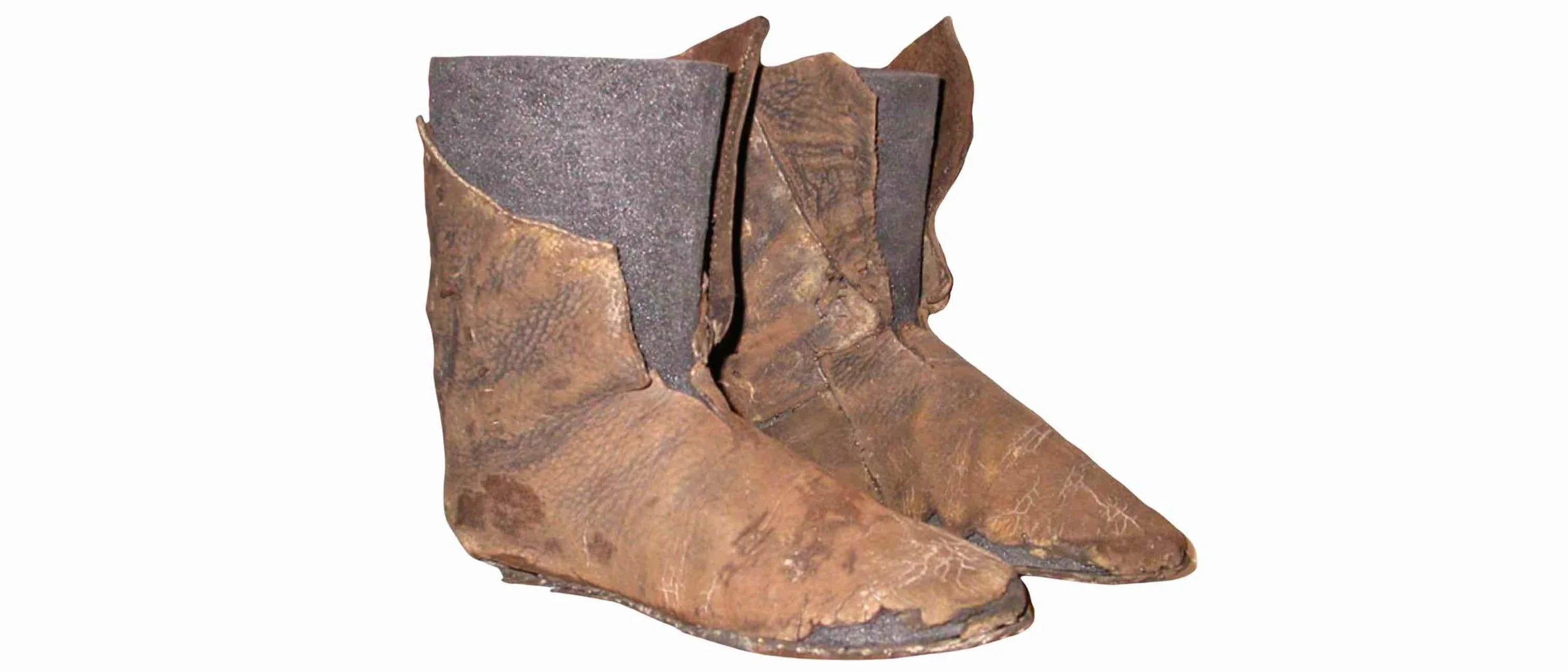
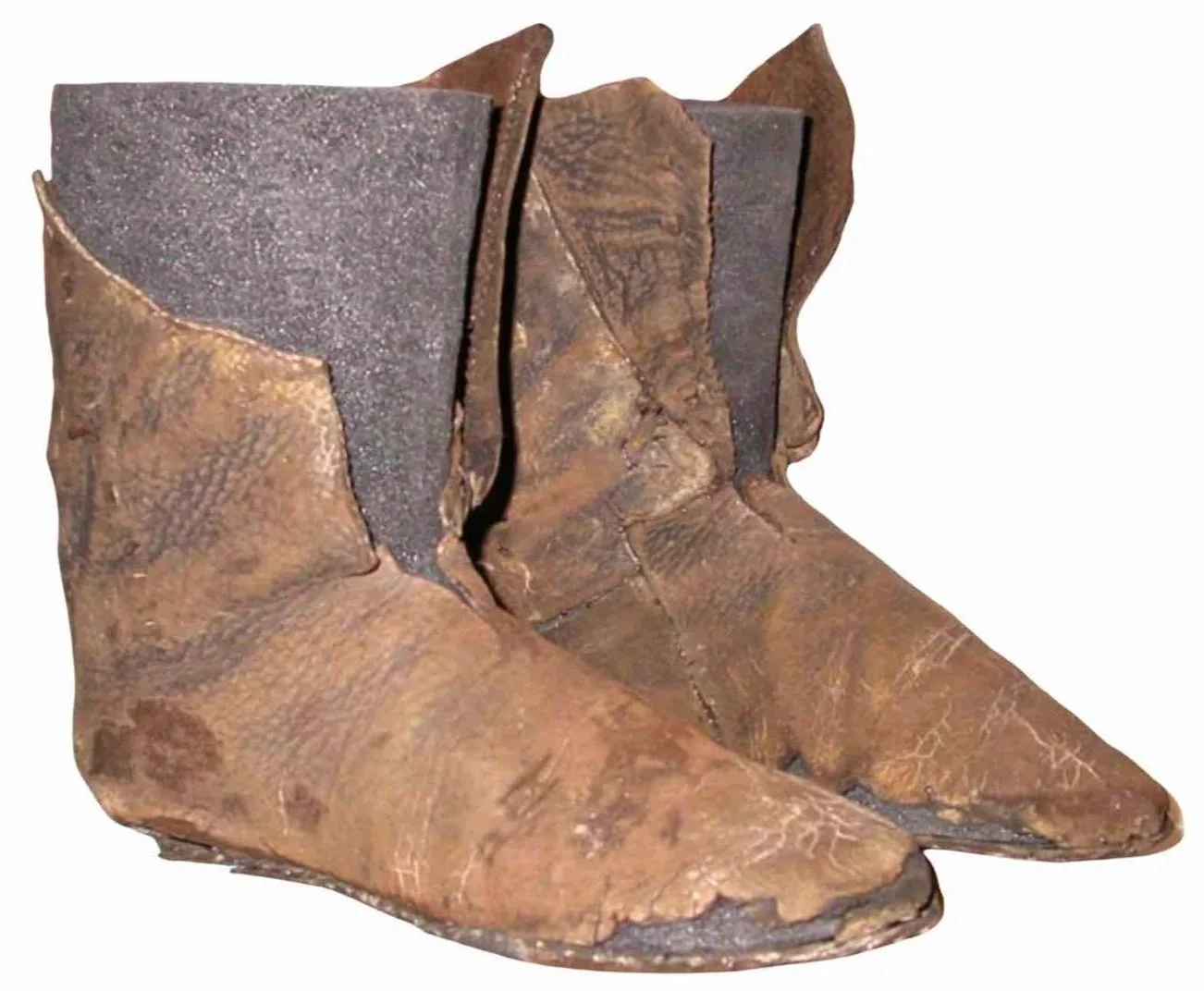
So when I came across a story about a pair of boots in the London Museum’s collection that are damn near 800 years old, I stopped to read. Their leather soles had worn through, and stitching holes around the damaged areas showed that someone had repaired them before they were eventually thrown away.
That got me thinking about what we expect from our boots today, and what we do when they start to wear out.
What Do These Medieval Boots Tell Us About Repair?
Someone wore through these boots nearly 800 years ago. Then someone repaired them.
These boots show that people were repairing worn footwear nearly 800 years ago. That makes sense to me. Making leather boots takes time, materials, and skill. You wouldn’t want to toss all that aside every time you wore through a sole.
The stitching holes around the worn areas tell us someone repaired these boots at least once before they were discarded. We don’t know how much longer those repairs kept them in use. But someone looked at the damage and decided there was still something worth saving. That’s a decision we can still make today.
Why Does Boot Repairability Matter?
Boot repairability means being able to repair or replace worn components while keeping the parts that are still usable. A worn outsole shouldn’t mean the end of a boot when the leather upper still has life left in it.
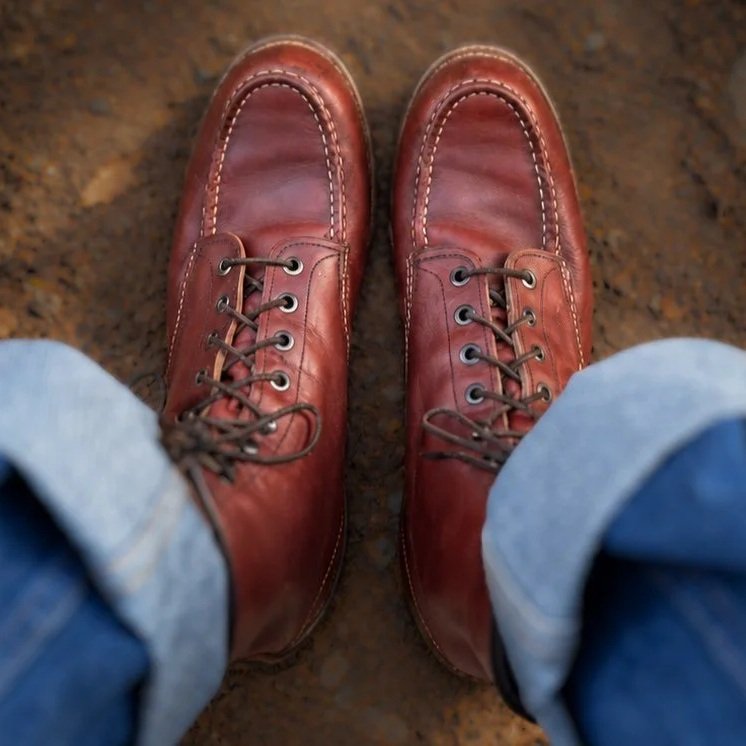
If you’ve spent time breaking in a pair of boots, you’ve got a practical reason to keep them going. You know how they fit. The leather has softened and shaped itself through wear. Replacing a worn sole lets you keep those familiar uppers instead of starting over with a new pair. Not to mention that beaten up with some well-earned patina look pretty damn amazing.
Repairability belongs in the conversation alongside fit, materials, and construction techniques. Ask the maker what can be replaced, who can do the work, and whether they offer repairs themselves. My view is simple: if we can avoid buying things that can’t be repaired, we should.
There are limits tho. Damaged leather or wear extending into the boot’s structure can make repairs more involved, and some boots could be beyond saving. A bootmaker or cobbler needs to assess what’s still sound and what needs replacing before recommending the work.
How Does Naang Build Boots for Repair?
Every pair of Naang boots is built with repair in mind. We start with the best materials we can source: thick, rugged upper leather and a full leather lining. Our toe puffs and heel counters are thick vegetable-tanned leather, as are our insoles, midsoles, and welts. Even the filler we use in the small gap left by the welt is leather.
All our boots are hand-welted with a 360-degree storm welt. That construction allows worn soles to be replaced, and the welt itself can be replaced when needed. A cobbler experienced in hand-welted footwear can assess and carry out that work. You can also send your boots back to our workshop for a full rebuild by our bootmakers.
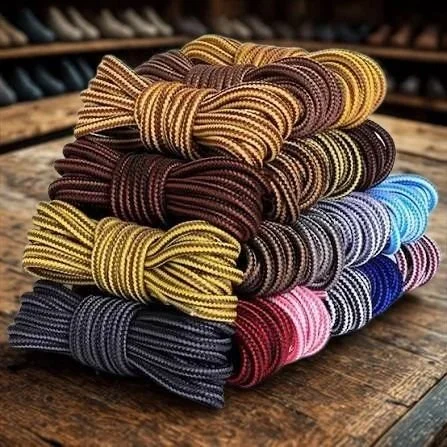
We can’t promise you’ll get 800 years out of them. But we build every pair with the intention that the first worn-out sole is the first of many. When you send them back to us for a resole and refresh, you’ll get them back with new soles, cleaned, conditioned, and set up with a new set of boot laces. They won’t be like new; they will be better than new, because you already broke them in.
What to Read Next


Resole and refresh includes:
Outsoles
Midsoles and Welt if needed
Cleaning, Conditioning, Polishing, and Edge Dressing
New Hardware if needed
New Laces
Includes the shipping cost of the boots back to you
Any additional repairs will be assessed and communicated via email.