Lace-to-Toe Boots: What They Are and How They Change the Fit
There are some things that Lace-to-toe boots are just perfect for, like hiking or rucking. Because they have lacing that extends farther toward the toes, it gives you more control over how the upper fits around your foot. You can loosen the lower laces where you need less pressure and adjust the fit farther up to keep your foot comfortably in place.
That extra adjustment is a big part of why we use lace-to-toe construction on the Naang Winnfield. Paired with our anatomical last, it lets you fine-tune the fit while giving your toes room to spread. You don’t need to crank every section of the boot down equally tight.
Lace-to-Toe is great, but it’s no magic bullet. So what does lace-to-toe construction actually change? Let’s look at where that adjustment helps, what its limits are, and how to use it without squeezing the hell out of your feet.
Table of Contents
What Are Lace-to-Toe Boots?
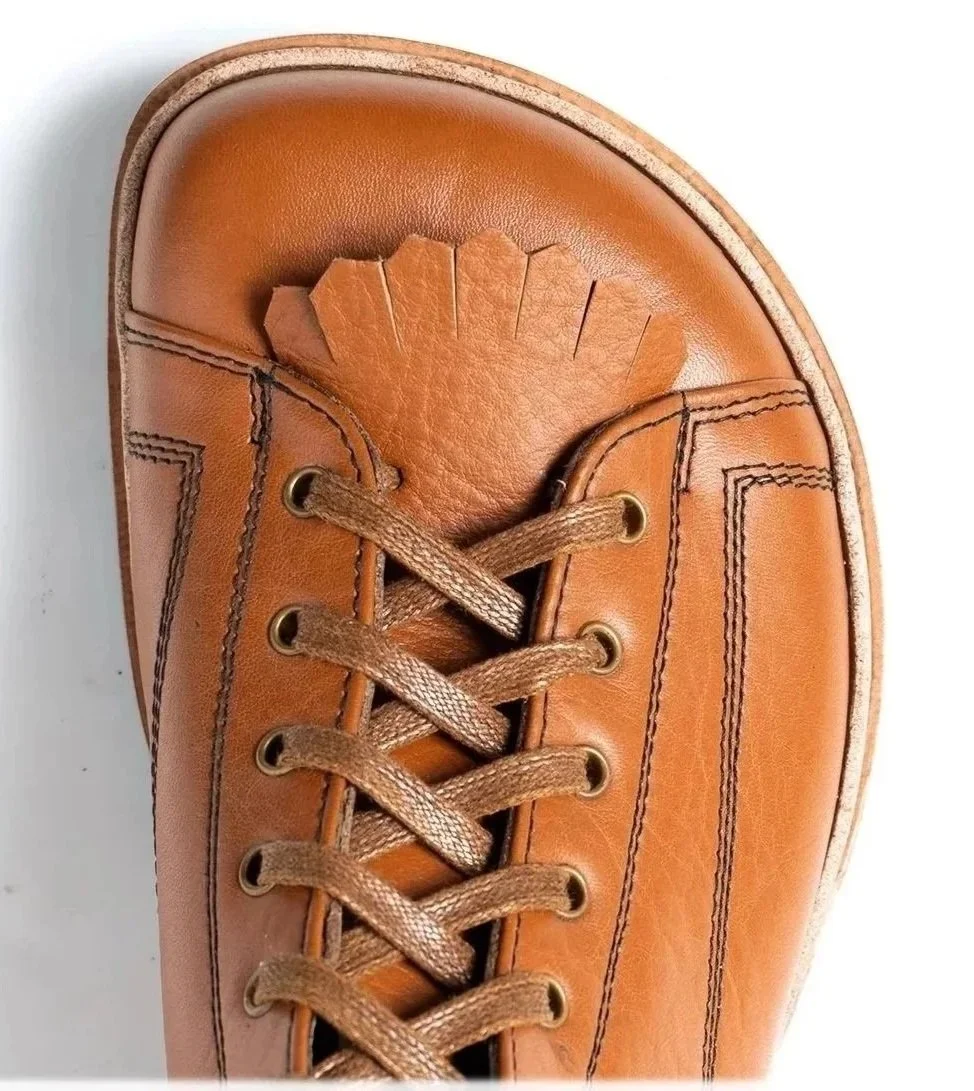
Lace-to-toe boots have laces that extend farther down the front of the boot, toward the toes. The design typically adds extra eyelets closer to the forefoot, although the number and placement vary between boot patterns, but generally it will be 2 or 3 extra eyelets. You’ll sometimes see this described as LTT construction.
Extending the lacing gives you more control over how the upper wraps around your foot. You can adjust the lower laces around your forefoot while keeping a comfortably secure fit through the instep. You don’t have to pull every section equally tight, and having more eyelets doesn’t mean you need to use them to squeeze your foot harder.
That adjustability is why you’ll see lace-to-toe designs in a lot of hiking boots, approach shoes, and other outdoor footwear where a precise fit matters. It’s also a defining feature of the monkey boot, including our Naang Winnfield. The extended lacing gives you more room to fine-tune an already suitable fit, while the boot’s last determines its underlying shape.
How Does Lace-to-Toe Construction Change the Fit?
Lace-to-toe construction lets you adjust the upper fit more precisely around your forefoot. Tightening the lower laces draws the leather closer around that part of your foot. Loosening them lets the opening spread and reduces the pressure created by the laces.
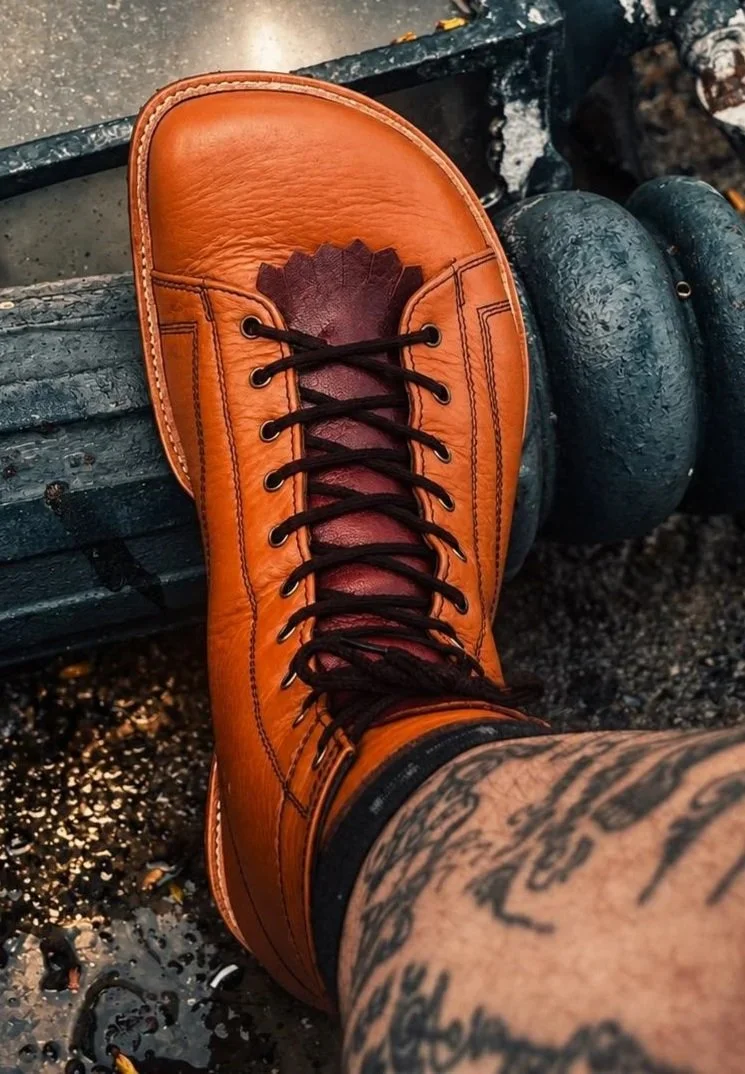
That gives you more control over where the boot feels snug. If your forefoot needs less pressure but your instep needs a firmer hold, you can work through the lacing a section at a time. Pulling hard on the ends and hoping everything settles into place won’t give you the same control.
For example, you might find that the lowest few rows feel comfortable with very little tension, while the laces over your instep need a closer fit to limit movement. Your left and right feet might need slightly different adjustments, too. There’s no requirement for both boots to have perfectly matching lace gaps.
The limit is the shape underneath those adjustments. Loosening the laces doesn’t widen the sole, add length, or reshape a tapered toe box. Those dimensions come from the last the boot is built on. Lace-to-toe construction helps you dial in how the upper holds your foot within that space.
Are Lace-to-Toe Boots Better for Wide Feet?
Lace-to-toe boots aren’t automatically better or worse for wide feet. They offer more adjustability around the forefoot, but the boot still needs enough width and the right shape to accommodate your foot in the first place. So make sure you get the right size. If you are looking at a pair of Naang Boots and have a question about size, contact us, and we will get the size dialed in for you.
That ability to adjust becomes especially useful when different parts of your foot need different amounts of room. You might have a wide ball of the foot with a relatively narrow midfoot and heel. Tightening the entire boot equally can squeeze your forefoot before you get the secure hold you need farther back.
With a suitably shaped lace-to-toe boot, you can leave the lower laces relatively loose across the ball of your foot and apply firmer tension through the midfoot. Different lacing patterns and a heel-lock technique can help maintain that balance to you get a secure fit without heel slip. Heel-lock lacing also works on conventional boots, but lace-to-toe construction extends your control.
The goal is a comfortably held foot with room where you need it. If your toes still feel crowded with the lower laces loosened, look at the boot’s width and toe-box shape. As we explain in Why Most Boots Are Too Narrow, the shape of the last matters. Extra eyelets can help you fine-tune the fit, but they can’t replace the space your foot needs.

Adventure Filmmaker Harry Jackson wearing Naang Lace-to-Toe Boots
Can You Keep Your Toes Comfortable and Your Heel Secure?
Absolutely. A properly fitted boot gives your toes room to splay while holding your midfoot and heel comfortably in place. In lace-to-toe boots, a surgeon’s knot can help separate sections of lacing so you can use different tension in each.
A surgeon’s knot adds an extra wrap when you cross the laces, making a double twist. That extra friction helps keep the lower section from loosening or tightening as you adjust the laces above it. Set a comfortable tension across your forefoot, then place the knot where you want that tension to stop. You can snug up the next section without pulling the lower laces tighter.
My preference is to use a surgeon’s knot where my foot meets my ankle. That helps hold the tension through my midfoot while letting me adjust the shaft separately. We cover this in more detail in our guide to reducing heel slip in boots.
But if your toes remain cramped after loosening the forefoot laces, take a closer look at the fit. You may need more width or a more anatomical toe box that follows the shape of your foot. You shouldn’t have to squeeze your toes to keep your heel secure.
How Should You Lace Lace-to-Toe Boots?
Start with comfortable tension across your forefoot, then adjust the lacing through your instep and ankle to keep your foot secure. Lace-to-toe boots give you a longer section of lacing to work with, so take a moment to adjust each area instead of pulling everything tight from the top.
There are plenty of lacing patterns, each with its own advantages. That deserves a separate article. For now, ordinary crisscross lacing with a surgeon’s knot gives you a straightforward way to control tension in different sections.
Personally, I keep the lower laces fairly loose. I still want some tension there, just enough for the upper to feel comfortably snug without restricting my forefoot. Then I work upward, adjusting the fit through my instep before adding a surgeon’s knot where my foot and ankle meet. That helps hold the tension below while I adjust the lacing above.
How tightly I lace the ankle depends on how the boot feels around my heel. Once a pair is well broken in and the heel cup has conformed to my foot, I can usually leave that section a little looser. During break-in, I prefer it slightly snugger to help limit heel movement. That’s a small adjustment in an otherwise well-fitting boot. Cranking the laces down hard won’t fix a heel cup that’s too roomy.
My suggestion is to start there, walk around, and adjust what needs adjusting. Your toes should have room to move, your heel should feel secure, and the laces shouldn’t dig into your foot. Use the pattern and tension that feel comfortable and work for you.
What Are the Drawbacks of Lace-to-Toe Boots?
The main drawbacks of lace-to-toe boots are their distinctive appearance, the potential for pressure from the lower laces, and the extra time needed to adjust them. How much any of that matters comes down to your preferences and how the boots fit.
The distinctive look is probably the first thing you’ll notice. Extending the lacing toward the toes leaves less uninterrupted leather across the front, which can make the boot look shorter. Some people don’t like those proportions or the extra laces. Personally, I love the look, but nobody has ever accused me of being fashionable. Take my opinion for what it’s worth.
The lower laces can also create pressure over the top of your forefoot, especially if you tighten them too much. I haven’t experienced that myself, but I know people who have. Loosening that section or changing the lacing pattern may help. If getting a secure fit means you are forced to tolerate pressure somewhere else, the boot’s shape or volume may not suit your foot.
Then there’s the time involved. More eyelets mean more lacing to loosen, tighten, and adjust. Adding surgeon’s knots to separate the tension into sections takes a little more attention, too. If you want boots you can throw on and get out the door in seconds, that might get old. For me, the ability to dial in the fit is worth the extra fiddling.
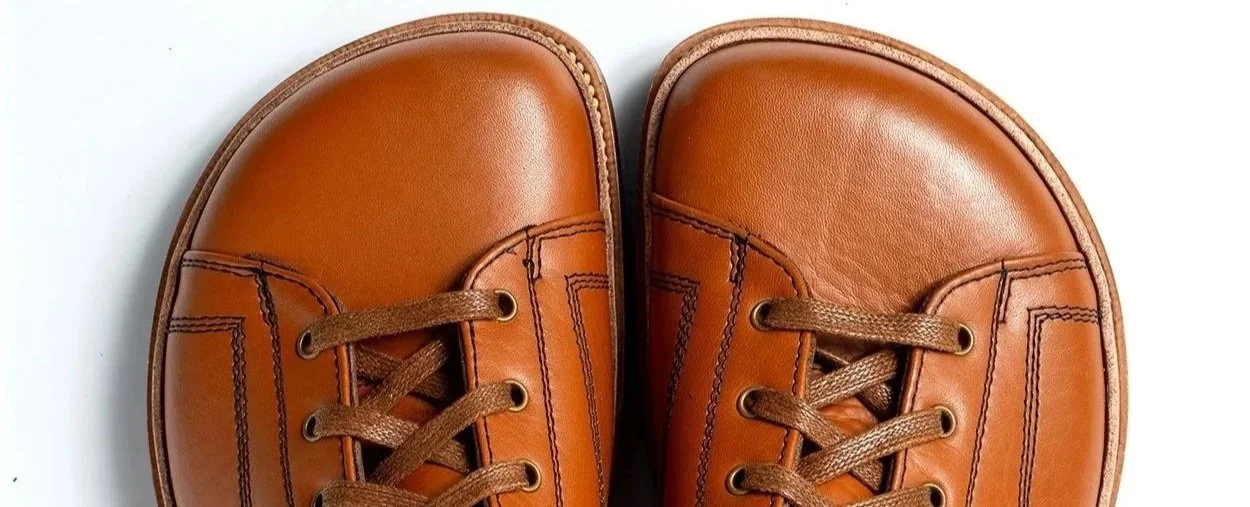
The Unique Look of the Toe of a Lace-to-Toe Boot is not Everyones Cup of Tea.
Are Lace-to-Toe Boots and Monkey Boots the Same Thing?
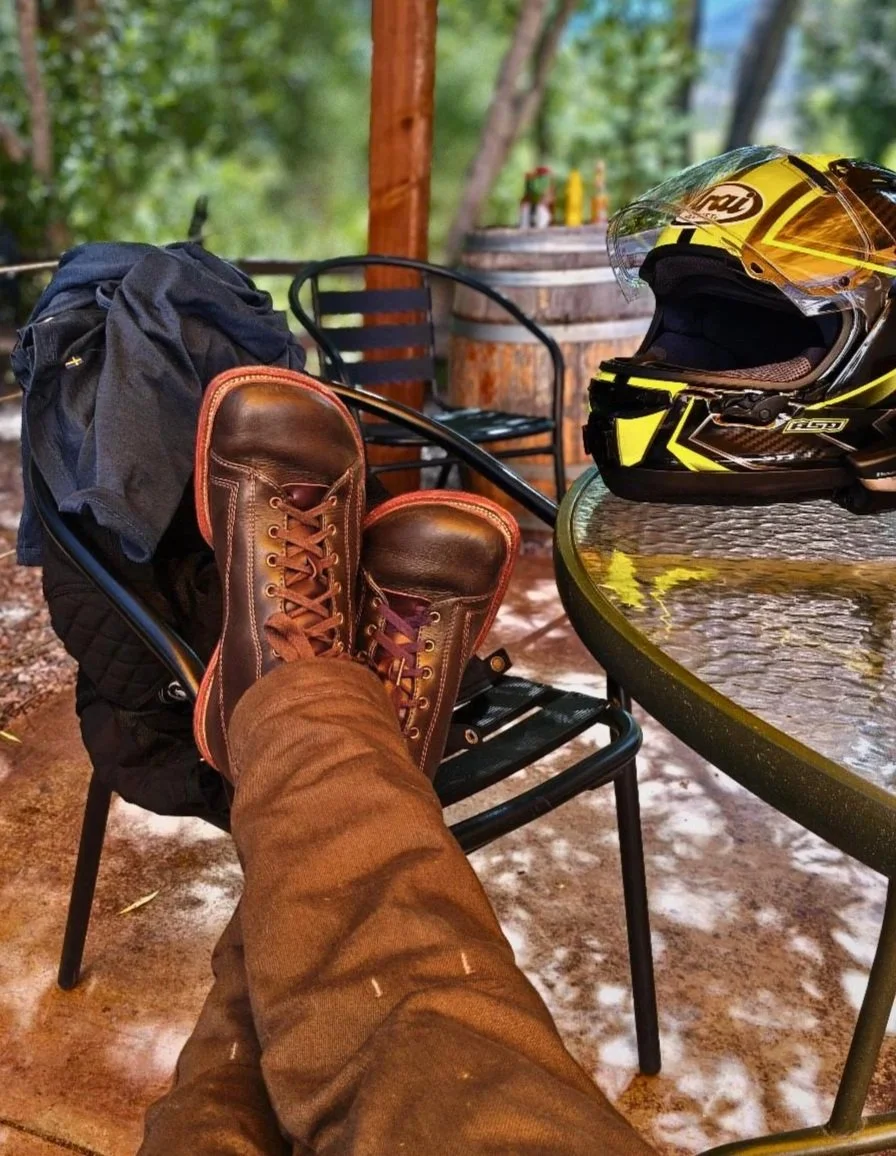
All Monkey boots are lace-to-toe boots, but not every lace-to-toe boot is a monkey boot. Lace-to-toe describes the lacing arrangement. Monkey boot describes a particular boot style that uses it.
Lace-to-toe boot construction extends the lacing farther forward over the forefoot, toward the toes. Bootmakers use that arrangement across several types of footwear, including work boots, hiking boots, and lineman boots. When I worked as a telecom engineer, my lineman boots were lace-to-toe. They certainly weren’t monkey boots.
The monkey boot has its own recognizable silhouette and history, which we cover in our history of monkey boots. The extended lacing is a defining feature, but it’s part of the overall design language.
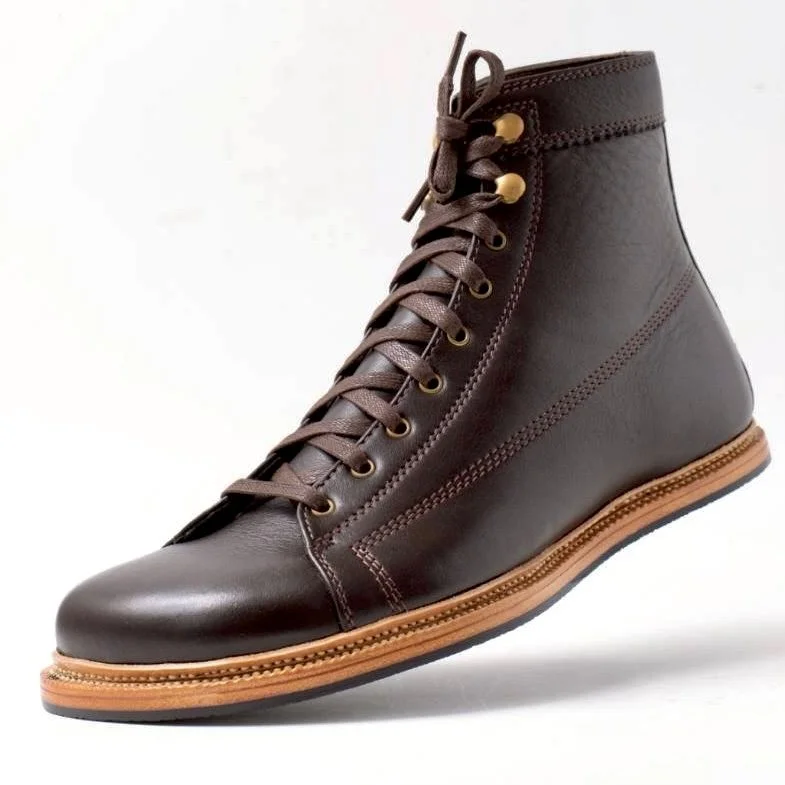
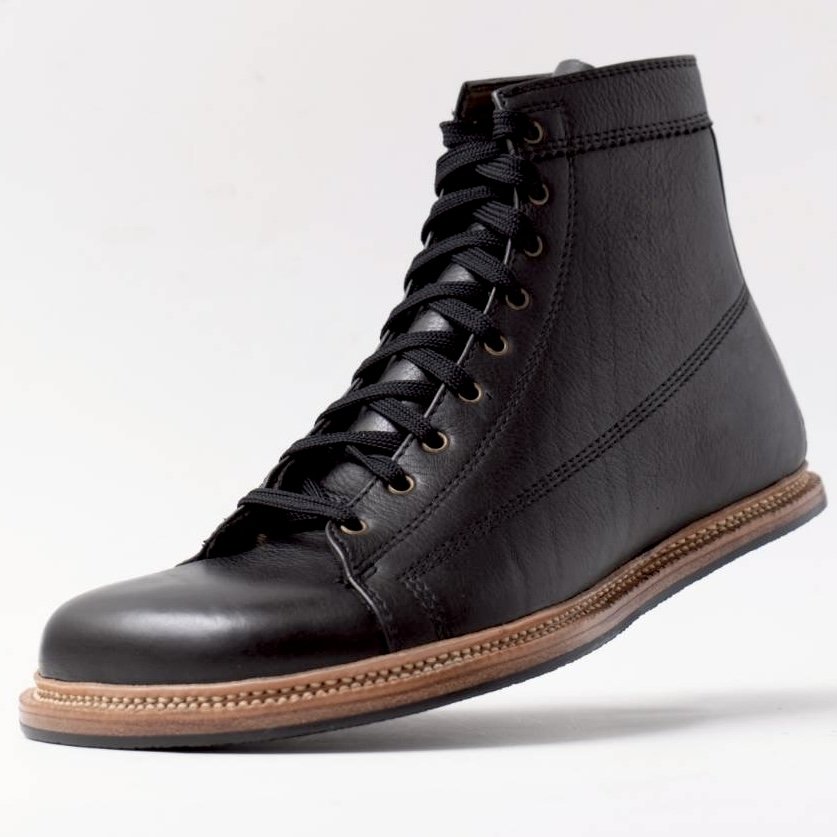
The Naang Winnfield is our interpretation of that style, something of a hybrid between a monkey boot and a hiking boot. We pair the monkey boot’s lace-to-toe layout with our anatomical last, giving you room for your toes and the ability to adjust how the upper holds your foot.
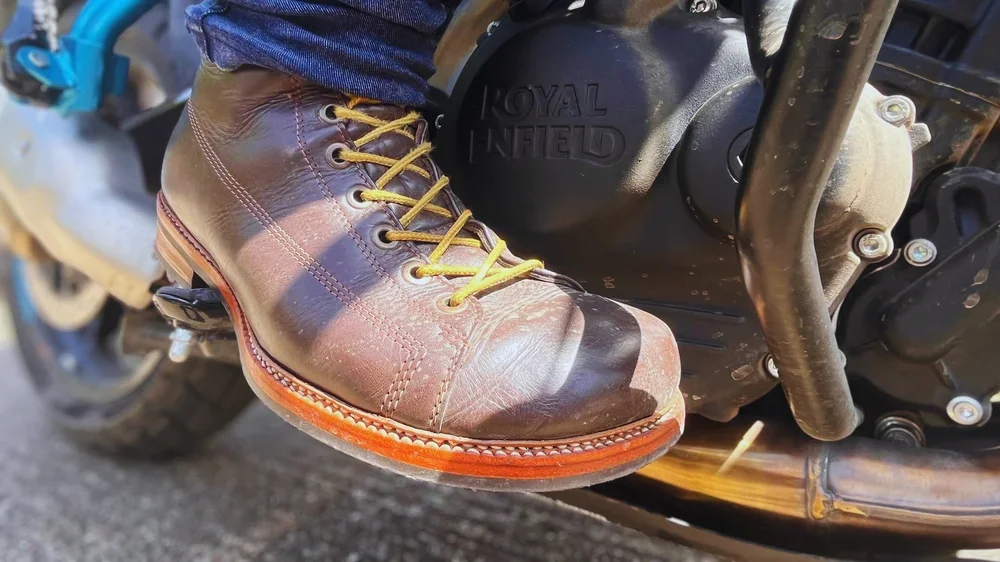
Why Does the Naang Winnfield Use Lace-to-Toe Construction?
The Naang Winnfield uses lace-to-toe construction to give you more control over the forefoot fit, paired with an anatomical last that gives your toes room to splay. That combination suited the boot I wanted to make for hiking, rucking, and urban exploration.
When I sat down to design the Winnfield, I also wanted something visually distinctive. I took inspiration from classic monkey boots. Their extended lacing gave me both the look I liked and a practical way for the wearer to adjust the upper around more of the foot.
Pairing that lacing layout with our anatomical last gave the Winnfield its own proportions. The broader, foot-shaped toe leaves more visible leather around the front of the boot beyond the lowest eyelets than you’d typically see on a monkey boot with a rounded, symmetrical toe box. The laces still reach forward, but the toe has a noticeably different shape.
That shape comes from our approach to anatomical boot design. We want room where your toes need it, with a secure fit through the midfoot and heel. The Winnfield’s lace-to-toe construction lets you fine-tune the upper around that shape, depending on your feet, your socks, and how you like your boots to feel.
Shop Lace-to-Toe Naang Boots
Frequently Asked Questions About Lace-to-Toe Boots
What are lace-to-toe boots?
Lace-to-toe boots have lacing that extends farther forward over the forefoot, toward the toes. This gives you more control over how the upper holds the front of your foot. The design is used in monkey boots, some work boots, and various types of outdoor footwear.
What does LTT mean in boots?
LTT stands for lace-to-toe. It describes the boot’s lacing arrangement. It doesn’t tell you whether the boot has a wide toe box, a particular sole construction, or a specific heel height.
What is the advantage of lace-to-toe boots?
The main advantage is greater adjustability around the forefoot. You can vary the tension along more of the upper, leaving some areas less tightly laced while keeping others comfortably secure. This can be useful when your forefoot and midfoot need different amounts of room.
Are lace-to-toe boots better for wide feet?
Lace-to-toe boots can work well for wide feet when the boot’s width and last shape already accommodate the foot. The extended lacing lets you reduce pressure across the forefoot while adjusting the fit farther back. A narrow lace-to-toe boot can still be too narrow, even with the lower laces loosened.
Can lace-to-toe boots accommodate a wide forefoot and narrow heel?
A suitably shaped lace-to-toe boot can help you adjust for that combination. You can keep the lower laces relatively loose across the forefoot and use firmer tension through the instep. The heel cup still needs to fit your heel, since lacing cannot fully compensate for excess space or an unsuitable shape.
Do lace-to-toe boots have more toe room?
Not automatically. Toe room depends on the boot’s length, width, toe-box height, and shape. Lace-to-toe construction adjusts how the upper holds your foot, but it doesn’t guarantee space for your toes to spread. Check the toe-box fit separately from the lacing.
Can lace-to-toe boots help reduce heel slip?
Lacing adjustments may help reduce heel movement in an otherwise well-fitting boot, particularly when the instep needs a more secure hold. Extended forefoot lacing alone won’t fix heel slip. A stiff new sole, excess internal volume, or a poorly fitting heel cup may also contribute to the movement.
How tight should lace-to-toe boots be?
Lace-to-toe boots should feel comfortably secure without squeezing your forefoot or creating pressure beneath the laces. Your toes should have room to move, and your foot should not slide around inside the boot. Adjust the tension section by section, then walk around to check the fit.
What is the best lacing pattern for lace-to-toe boots?
There is no single best pattern for every foot. Ordinary crisscross lacing is a useful starting point because you can adjust the tension along the boot. A surgeon’s knot can help separate sections of tension. Change the pattern if you need to address a particular pressure point or fit issue.
How does a surgeon’s knot help with boot lacing?
A surgeon’s knot adds an extra wrap where the laces cross, creating a double twist. The added friction helps hold the tension below that point while you adjust the section above. This lets you maintain different tension across your forefoot, instep, or ankle without pulling every section equally tight.
Why do the lower laces press on the top of my foot?
The lower laces may be too tight, or the boot may not have enough internal volume for your foot. Try loosening the affected section and checking that the tongue lies smoothly beneath it. If pressure persists or loosening the laces leaves your foot unsecured, reassess the boot’s fit.
Are lace-to-toe boots good for hiking and rucking?
Lace-to-toe construction can be useful for hiking and rucking because it allows more forefoot adjustment. Suitability also depends on the boot’s overall fit, traction, sole flexibility, and the terrain and load involved. Choose the whole boot for the activity, rather than relying on the lacing style alone.
Are lace-to-toe boots and monkey boots the same thing?
Monkey boots are a particular style of lace-to-toe boot. Lace-to-toe describes the lacing arrangement, which also appears on other footwear, including lineman boots and some hiking boots. A boot doesn’t become a monkey boot simply because its laces extend toward the toes.
Should you size down in lace-to-toe boots?
Lace-to-toe construction is not a reason to size down. Follow the maker’s sizing guidance and check length, forefoot width, and heel fit. A smaller size may reduce movement while crowding your toes. Use the laces to fine-tune a suitable size, rather than choosing a size around how tightly you can lace it.
Will tight lace-to-toe boots become comfortable after break-in?
Leather can soften and the sole can become more flexible during break-in, but you shouldn’t rely on that process to correct cramped toes or insufficient width. If lace tension causes the tightness, adjusting it may help immediately. If the boot itself is too small or the wrong shape, break-in won’t reliably solve the problem.
What are the drawbacks of lace-to-toe boots?
Lace-to-toe boots can take longer to lace and adjust, especially when you use knots to separate sections. The lower laces may also create pressure if overtightened. Their distinctive proportions are a matter of taste, and some people prefer a boot with less visible lacing.
Why does the Naang Winnfield use lace-to-toe construction?
The Winnfield combines lace-to-toe adjustability with Naang’s anatomical last for a boot designed around hiking, rucking, and urban exploration. Its styling draws from classic monkey boots. The anatomical last provides the underlying foot-shaped space, while the extended lacing lets you adjust how the upper holds your foot.
What to Read Next



All Boots Are Made-To-Order. Current Lead Time: 60-90 Days.
Not sure about your size? Check out our Sizing Guide.
The Winnfield is built to walk the earth.
City streets. Back alleys. Remote trails. Foothills that don’t forgive mistakes.
Wherever you go, it keeps moving.
Construction: 360° Hand-Welted
Lace-to-Toe
Shaft Height: 6 inches
Last: Anatomical Zero Drop
Our Anatomical Last is very wide, if you feel your foot is exceptionally wide please indicate so on the form that pops up after you add the boots to your cart, we will get in touch to make sure that your boots are wide enough for your feet. We got you!
Leather: 2.5-3.5mm Full Grain
Full Leather Liner
Outsole: Naang Flat Rubber Super Grip
Built on our Anatomical Natural Toe Box last, the Winnfield follows your foot’s true shape.
Not the other way around.
Lace-to-toe construction, lets you fine-tune the fit, helping limit hot spots, pressure, and other foot problems mile after mile
Your toes can spread. Your stride stays strong. Comfort holds, mile after mile.
Every pair is hand-welted with a full 360° storm welt.
Not for looks. Not for marketing. For durability.
It seals out the elements and locks the upper to the sole the way it should be done. Built to take abuse. Built to last.
Stable step after step. Solid under load. Comfortable through long days on your feet.
This is not a delicate boot.
It’s a tool.
The Winnfield is made to walk the earth.
Worldwide Shipping Available.