The Complete Guide to Buying Handmade Boots
This Is How It Starts…
We have all been there. You are staring at a pair of boots in a shop or on your phone. They look tough. The leather is thick. The ads talk about old-school grit and heritage quality. They promise to last through anything.
You pull them on. They feel just okay. Your toes might feel cramped. The heel slips. The top of the boot digs into your foot. Most guys just live with it. You tell yourself they will break in soon.
Sometimes they do. Often they don’t. This is why people start looking for a real handmade boot. Once you leave the cheap stuff behind, you see the truth. Good boots are not complicated. But the small details are everything.
If you want to buy a pair of real leather boots, you need the facts. You need to know about the leather, the fit, and how the boot is built. Most people make mistakes when they buy. They listen to the marketing hype instead of looking at the construction.
We are going to cut through the noise. We will show you what makes a boot actually work for your life. When you know how boots are made, picking the right pair is easy. No more guessing. No more sore feet. Just gear that works.
Shop Quality Boots Now
-
Shop Quality Boots Now -
A Quick Note Before We Get Started
At Naang Boots, we spend most of our days thinking about these exact topics.
Designing lasts that follow the natural shape of the foot.
Working with full-grain leathers that actually improve with age.
Hand welting boots the traditional way so they can be repaired and worn for years.
This guide isn’t meant to convince you to buy our boots.
It’s meant to help you understand how good boots are built so you can make better decisions—whether that ends up being a pair from us or from another maker.
Because the more people understand what goes into real bootmaking, the easier it becomes to recognize quality when you see it.
And if you do want to see how we build our boots, you can explore the Naang Boots collection here.

Shope Naang Boots
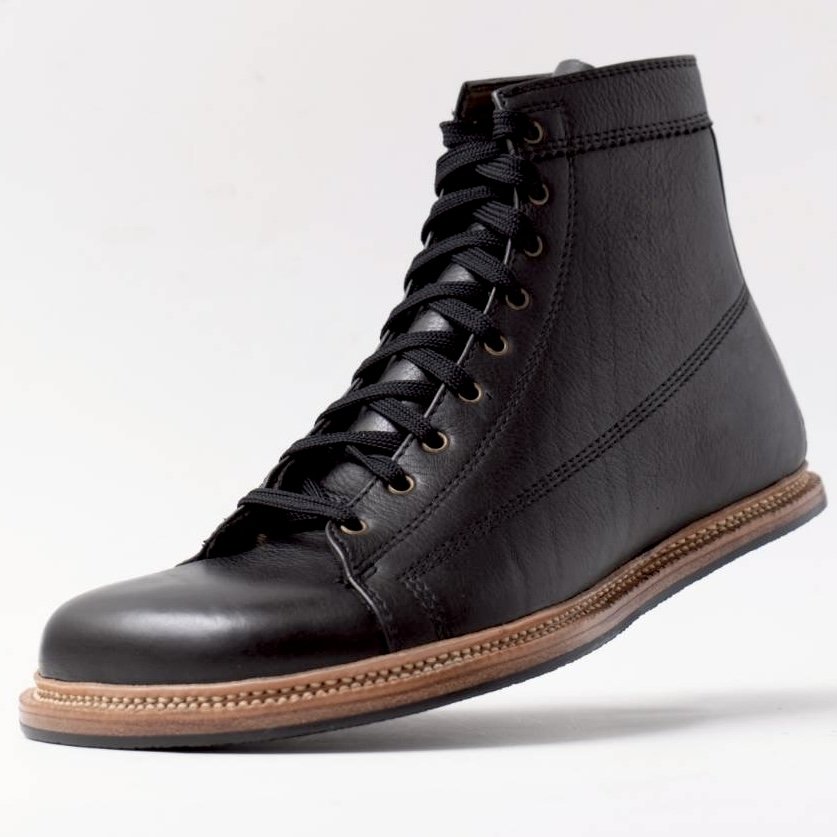
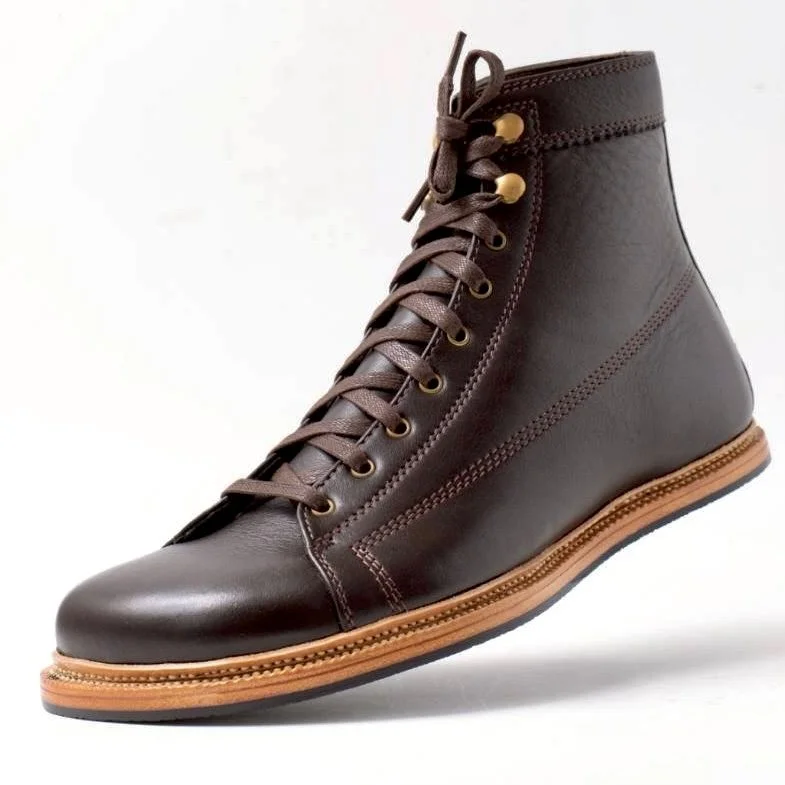
Why Handmade Boots Are Different
Most modern footwear is built around one simple driving principal :
Produce it cheaply, Sell a lot of it, Repeat.
That’s not necessarily evil. It’s just how mass production works.
Walk into almost any big retail store and you’ll see shelves full of boots that look great under bright lights. Thick-looking leather. Clean stitching. A rugged name stamped somewhere on the box.
But if you take a closer look, and you should, most of those boots are built using cemented construction, thin leather, and synthetic materials designed to keep production costs low.
They’re made to look tough. Not to be tough.
And for a lot of people, that’s good enough. They’ll wear the boots for a season or two, maybe a year if they’re lucky, and then eventually something gives out.
The sole separates.
The leather cracks.
The lining collapses.
And the boots end up where most modern footwear eventually goes.
The trash.
Then the cycle starts again.
Buy another pair, Wear them out, Throw them away, Repeat.
Most people never question it, because that’s simply how footwear has been sold for decades.
But handmade boots follow a completely different philosophy.
Instead of being disposable, they’re designed to be built for the long haul.
Built to Be Repaired, Not Replaced
One of the biggest differences with handmade boots is that they’re designed to be repairable. That might sound like a small thing, but it fundamentally changes how a boot is built.
In a quality handmade boot, the outsole isn’t glued on and forgotten about. It’s attached using construction methods like welting or stitchdown, which allow the sole to be removed and replaced when it eventually wears out. Because the truth is, no matter how tough a boot is, the outsole will wear down eventually.
That’s the part of the boot that meets the ground every step of the way.
But instead of throwing the entire boot away when that happens, a good cobbler can replace the sole and give the boots a whole new life.
The upper.
The structure of the boot.
All of that stays intact. You simply replace the part that wore out. It’s a little like replacing the tires on a truck instead of scrapping the whole vehicle.
And that one design choice can extend the life of a pair of boots by years, sometimes decades.
Leather That Actually Ages
Another major difference is the leather itself.
In mass-produced boots, leather is often sanded, coated, or heavily processed to create a uniform appearance. It looks nice when the boots are brand new, but it doesn’t always age gracefully.
Real full-grain leather behaves differently.
It develops character over time. Creases deepen, The color shifts slightly, Small marks from daily life start telling a story.
This is what boot people call patina, Instead of looking worse with age, good leather often looks better.
A pair of boots that has seen a few years of real use, walking city streets, riding motorcycles, traveling through dust and rain, hiking in the back country, starts to take on a personality of its own.
You can’t fake that look, It only happens with time.
The Break-in: Boots That Adapt to Your Feet
Another thing that surprises people when they buy their first pair of quality handmade boots is how the boots gradually adapt to their feet.
When you first pull them on, the leather might feel firm, borderline stubborn. That’s normal. Don't panic and think you bought the wrong size just because they aren't as squishy as the sneakers you wore in high school. Quality full grain leather has structure. It has integrity. It isn't going to just collapse the moment it meets a human foot.

But over time, a few interesting things start to happen. The leather upper softens, losing that "straight-out-of-the-box" stiffness. The heavy-duty leather insole begins to compress, and the footbed slowly molds to the unique topography of your foot. Eventually, the boots start to feel like they were made specifically for you.
Because in a way, they were. They’ve been shaped by every mile you’ve walked, every gear shift on the bike, and every trail you’ve tackled.
The first pair of Naang Boots, showing their break in and patina after a year of testing.
Mass-produced footwear, the kind you find in a mall surrounded by neon lights and "50% off" signs, rarely develops this kind of relationship with the wearer. The materials are often too thin or synthetic to truly adapt. They are designed to feel comfortable right out the box, and for the first few days, only to fall apart six months later. They don't break in; they just break down.
At Naang Boots there are no synthetic fillers or parts under foot, our insole, welt, shank, and even the material that fills the gap between the insole and midsole are all veg tan leather. That Veg tan leather molds to your foot over time with use and eventually leaves you with the most comfortable fit you have ever experienced.
Handmade boots, on the other hand, evolve. At Naang, we build our boots on an anatomical last that actually respects the shape of a human foot, but it’s the leather that does the final 10% of the work. It’s a partnership. You give them the work, and they give you a custom fit that no factory machine can replicate.
Think of it like a leather jacket or a pair of raw denim jeans, they start as a bit of a challenge, but they ends up as a second skin. They get better with time, more comfortable with wear, and more yours with every creese and scuff.
If you’re tired of disposable shoes that feel like cardboard after a month, it might be time to invest in something that actually learns how you walk. Check out our latest Hand-Welted Collection and start the process. Your feet will thank you in a year, and probably in ten.
Boots That Become Part of Your Story
This is the part that people rarely talk about when they’re comparing boot specs online.
Boots become part of your life. The longer you own a good pair, the more they start carrying memories with them. The scuff on the toe from that time you kicked a rock on a trail. The darkened leather from a long ride through rain. The creases across the vamp that formed after thousands of steps.
A pair of boots that has been worn for years starts to feel less like a product and more like a piece of personal equipment. Something that has traveled with you.
That’s why people who get into quality boots tend to hang on to them for a long time.
And it’s also why many boot enthusiasts can tell you the story behind every pair they own.
Once You Experience It, It’s Hard to Go Back
There’s a reason people who discover handmade boots tend to stick with them.
Once you’ve worn boots that:
mold to your feet
age beautifully
can be repaired instead of replaced
and are built with real materials
It becomes very hard to go back to disposable footwear. It changes how you think about boots entirely. They stop being something you buy every year. And start becoming something you invest in for the long road ahead.
Understanding Boot Construction
If you want to understand why some boots last decades and others barely survive a year, you have to start with boot construction.
This refers to how the upper of the boot connects to the sole.
It might sound like a small detail, but it’s actually one of the most important factors determining durability and longevity.
Different construction methods dramatically affect:
Durability
Water resistance
Flexibility
Repairability
Goodyear Welt Construction
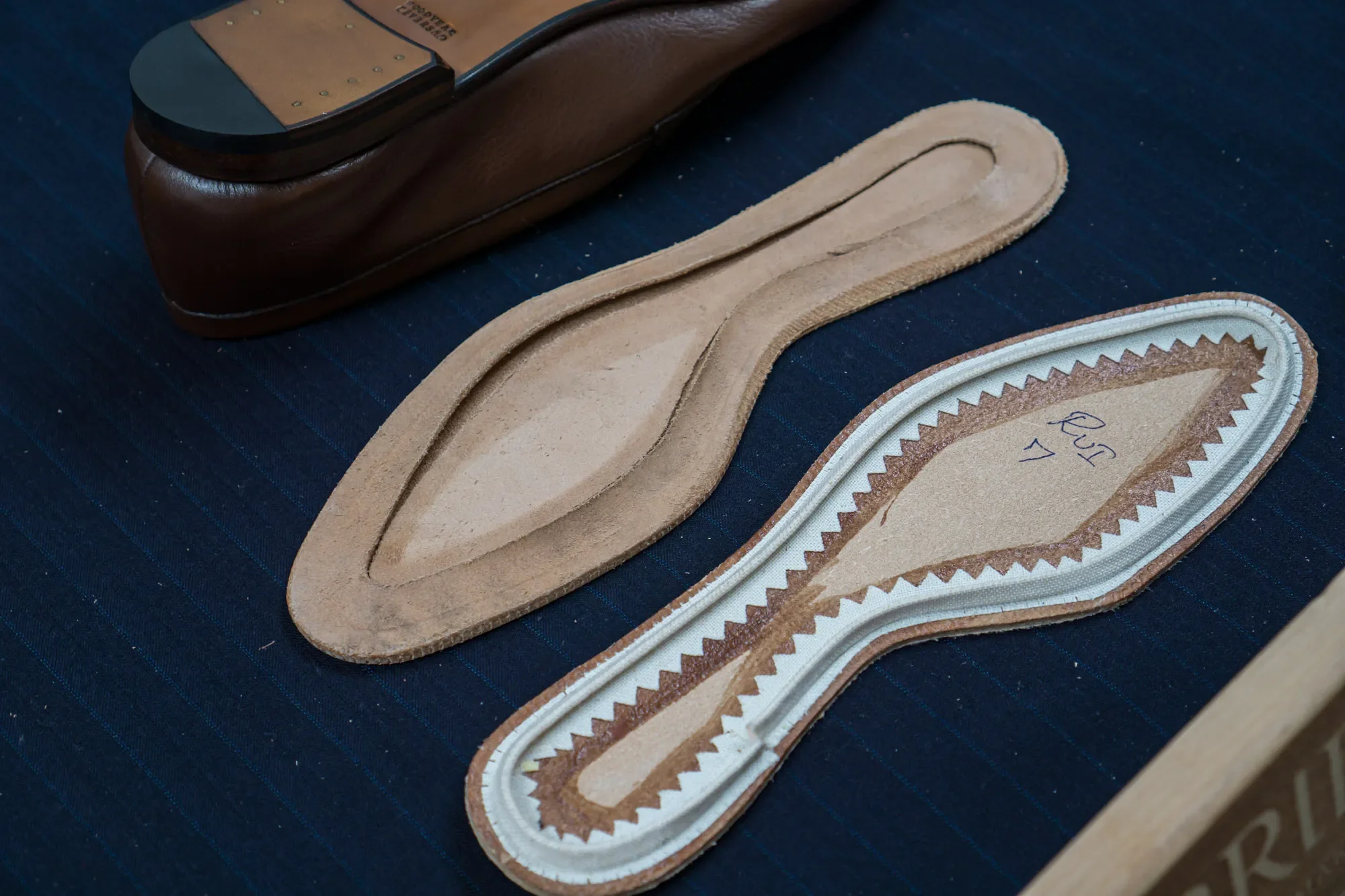
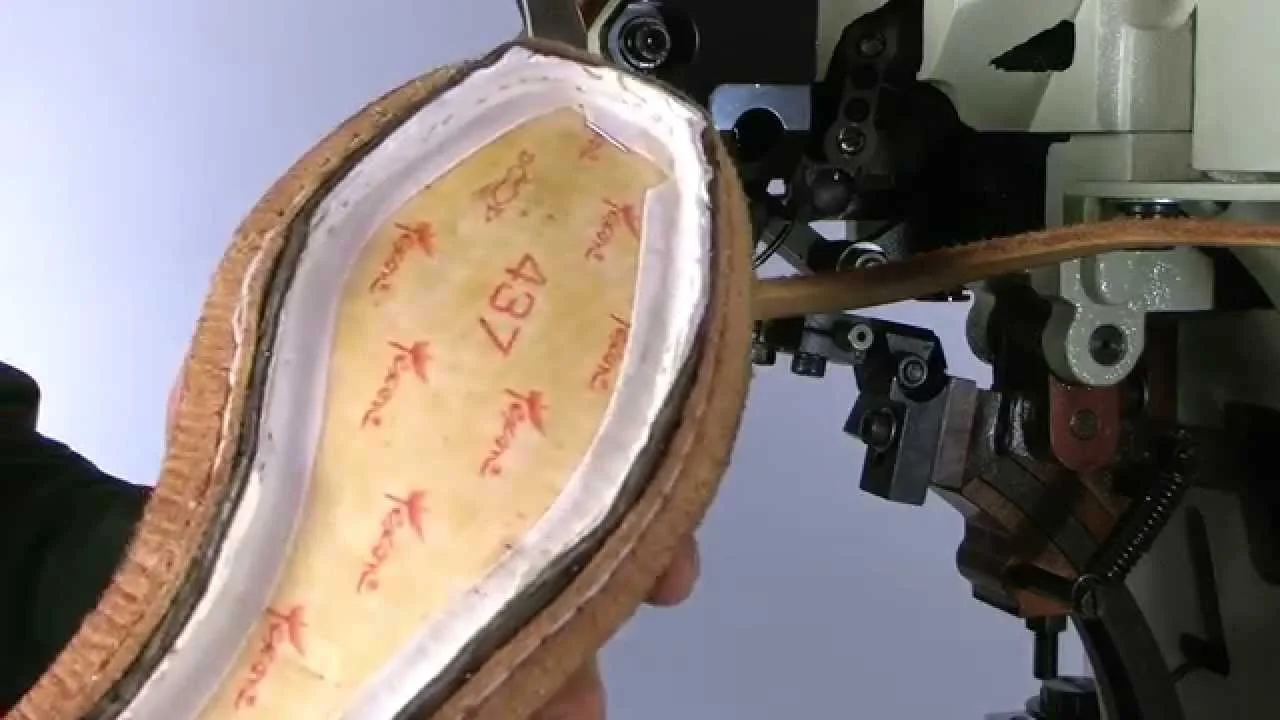
Most heritage brands act like a Goodyear welt is the peak of boot craft. It is not. In reality, it is a way for factories to pump out boots fast. A big machine sews a leather strip around the edge of the boot. This strip joins the top leather to the sole.
It is a decent system for mass production. It beats a pair of cheap, glued-together mall shoes. You can replace the sole when it wears down. For many guys, this is where they start their boot journey. It is the entry-level choice for someone who wants more than a sneaker.
The Hidden Shortcut
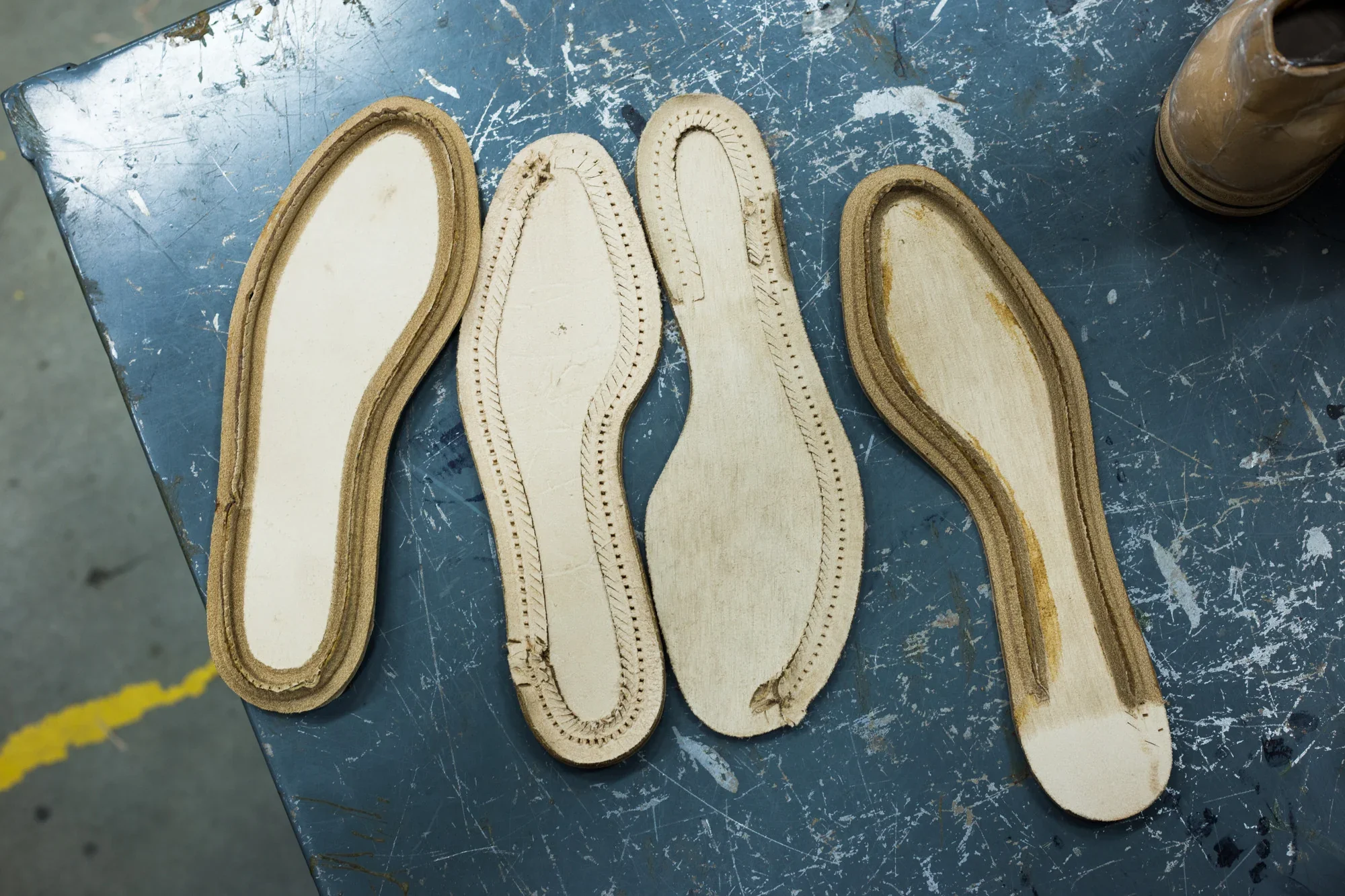
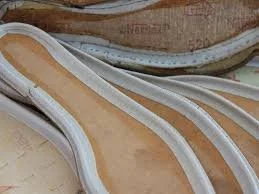
Factory boots have a dirty little secret. To sew that welt, they glue a canvas rib to the bottom of the boot. That glue is a weak point. Heat, water, and hard miles can make that glue fail. Once it lets go, your boot is basically junk. It is a shortcut for big brands. They use it because machines do the work in minutes.
A Goodyear welt boot is built to be good enough for most people. It feels solid at first. It looks the part in photos. But it lacks the soul of a boot made by a person. When a machine does the stitching, the tension is never perfect. The materials are often picked for how well they run through a factory line, not for how long they last.
Why It Matters to You
If you ride a bike or hike hard, you know gear takes a beating. Goodyear welts can handle some dirt and city streets. They are fine for a casual walk. But they are not the toughest way to build a boot. They are a compromise. You get a bit of durability for a lower price.
Big companies love this method. It lets them talk about heritage while using robots. They want you to think it is the best because they can make thousands of them a day. It is an okay choice if you are on a tight budget. Just don't expect it to survive a lifetime of abuse. It is a mass-produced tool in a handmade world.
Hand Welted Construction
This is the gold standard for handmade boots.
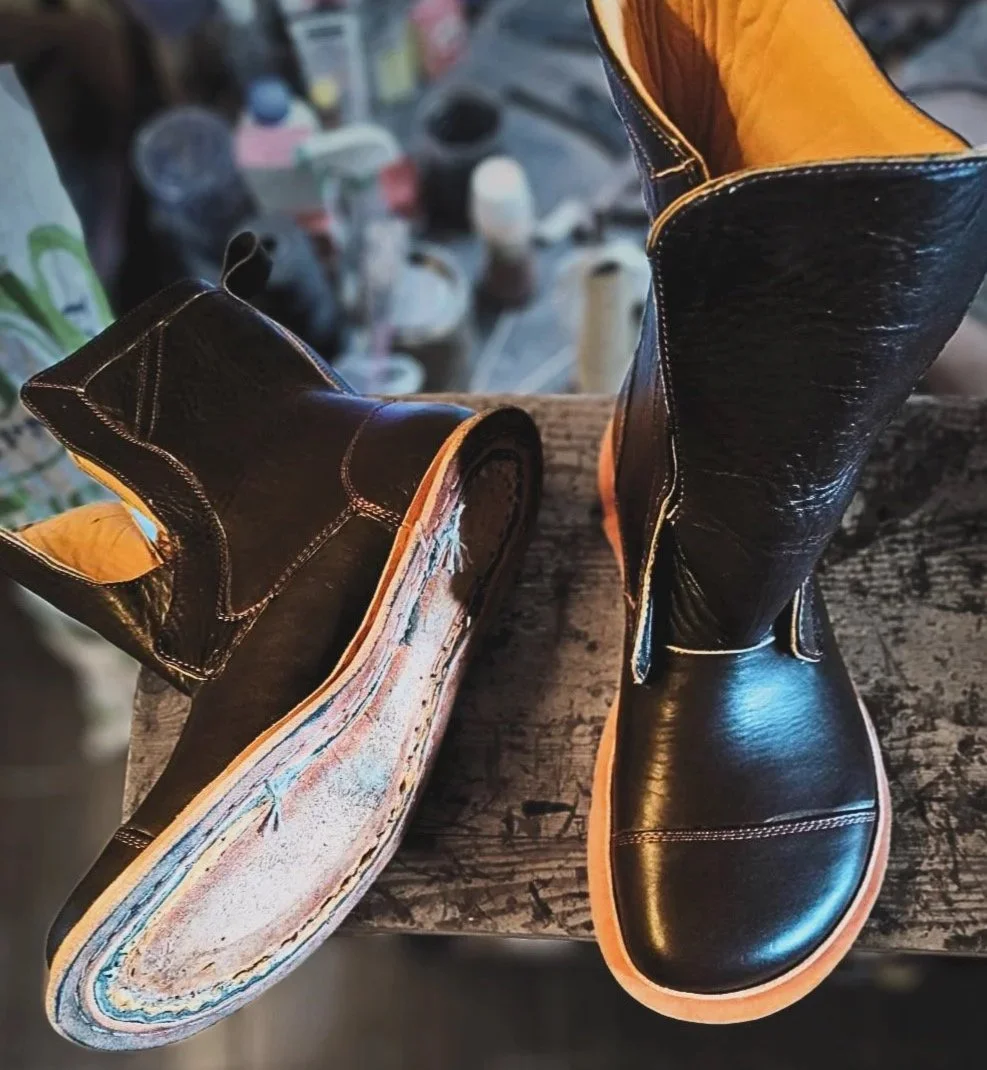
With hand welted construction, a channel is carved into the insole and the upper is hand stitched to a welt that connects to the boot’s midsole. This method takes the most time and skill, but it produces the strongest result.
A hand welted boot creates a strong and flexible boot that can stand up to the most rugged of conditions and can be resoled and repaired by any cobbler when needed.
Every pair of Naang Boots is hand welted with a 360-degree storm welt.
Shop Hand Welted Boots From Naang
Stitchdown Construction
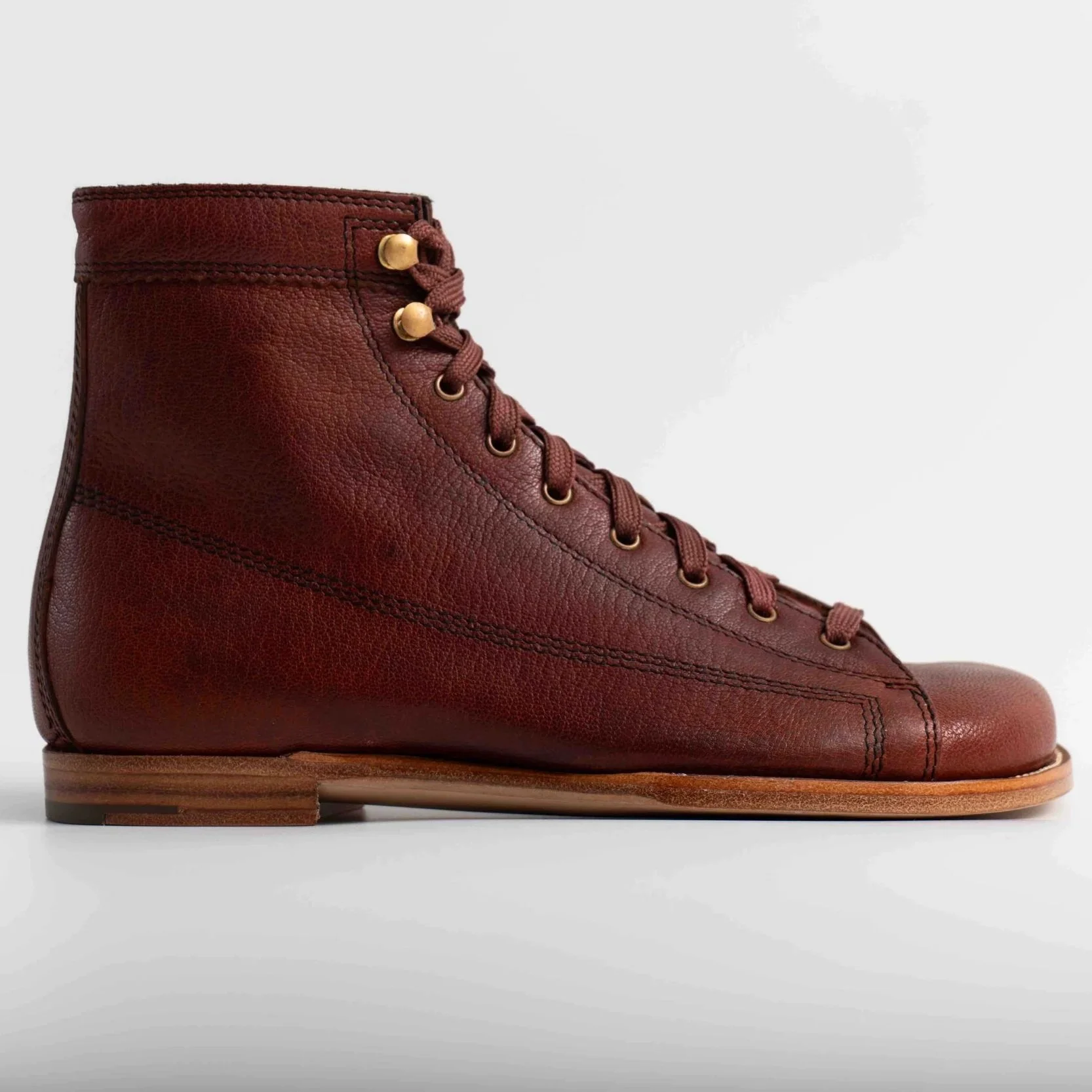
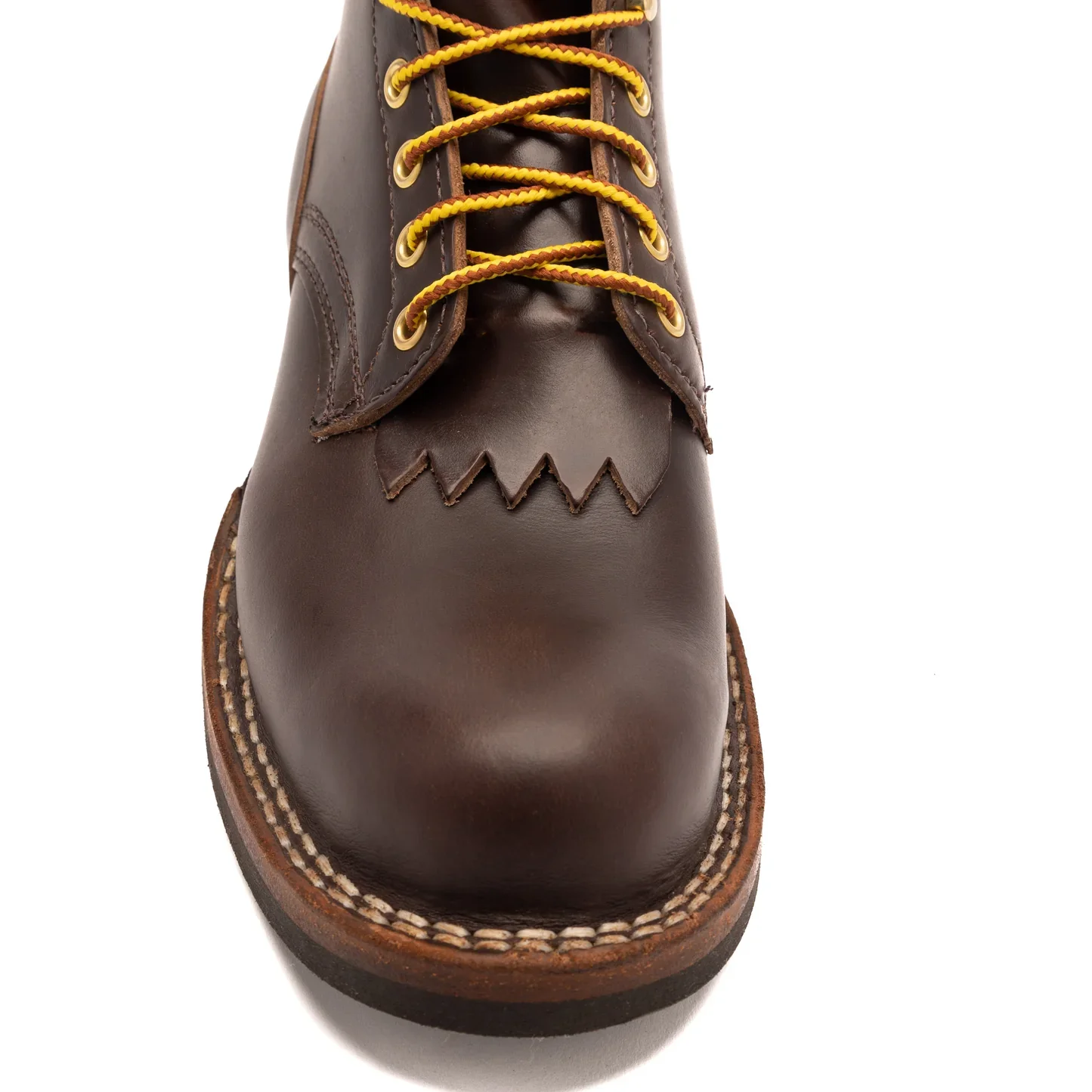
Another highly durable method is stitchdown construction. In stitchdown boots, the leather upper flares outward and is stitched directly to the midsole. This creates excellent stability and water resistance, which is why stitchdown boots are often favored for heavy work environments.
You’ll see stitchdown construction in Pacific Northwest boots like logger boots and wildland fire boots.
Stitchdown construction is generally used in Pacific Northwest style boots that are focused on the logging and wild land firefighting industries.
Blake Stitch Construction
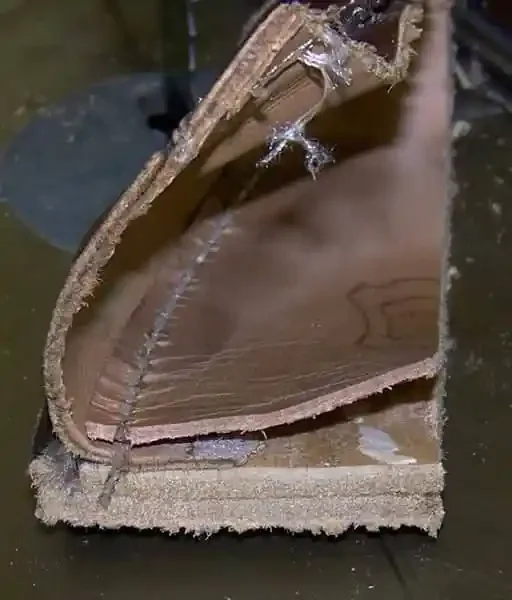
Blake construction uses a single stitch that runs directly through the sole and upper. This produces a sleeker, lighter boot with a flexible feel. However, resoling is more complicated than with welted boots.
Because the Blake Stitch goes directing through the boot, this method is very bad at keeping water out. The stitching makes a directing pathway from the outside to your foot.
Blake construction is typically used in dress boots, the kind you wear in the office and don’t worry about getting wet.
Cemented Construction
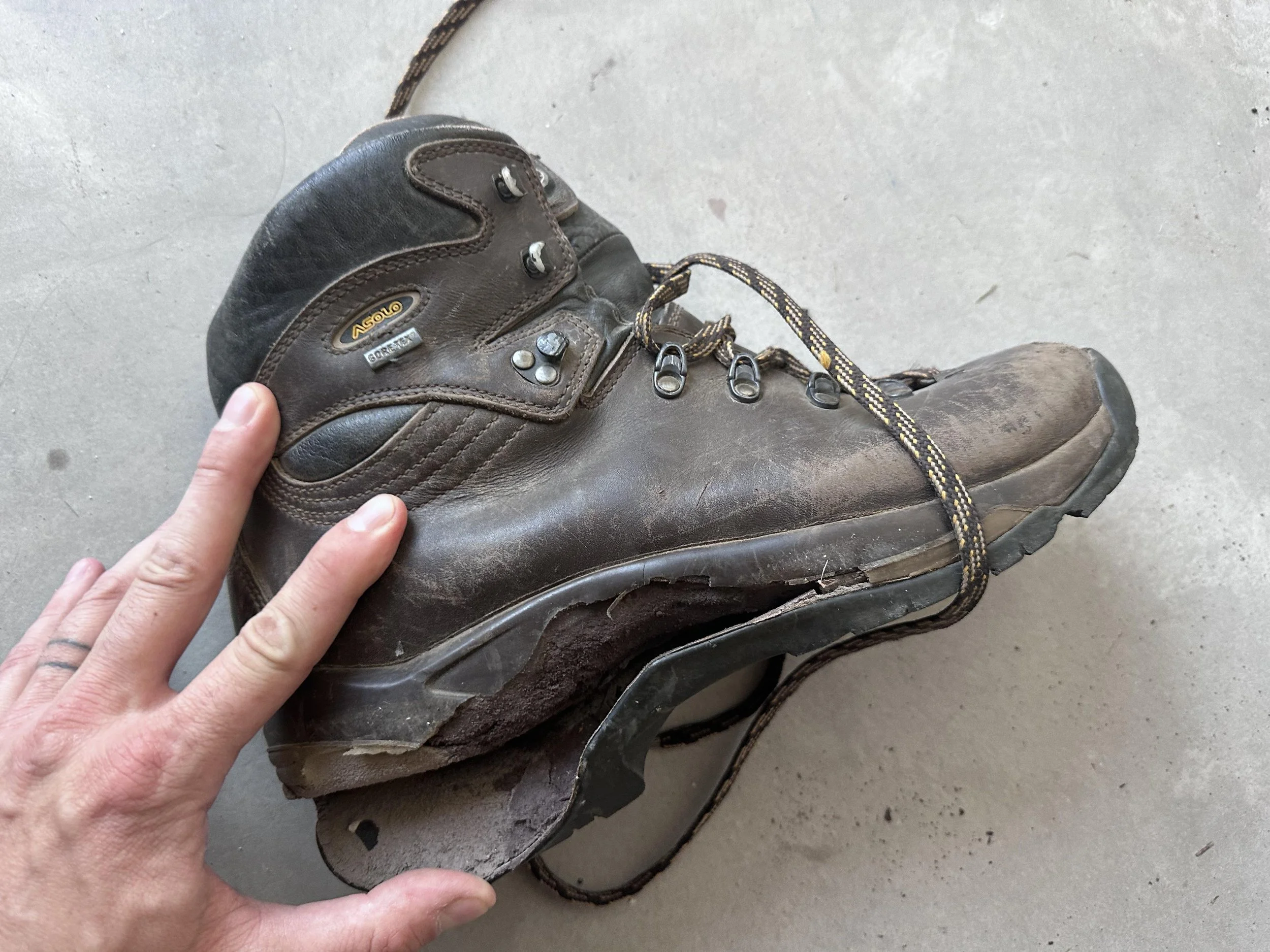
Cemented construction uses adhesives instead of stitching. This is the most common method in mass-produced footwear. It’s fast and inexpensive to manufacture, but once the sole fails, the boot is usually finished.
If your goal is longevity, welted or stitchdown boots are generally the better choice.
Understanding Boot Welts: 270 vs 360, Flat Welt vs Storm Welt vs Norwegian Welt
Once you start paying attention to how boots are built, you’ll hear the word welt a lot. So, what is a welt, you ask… A welt is the strip of leather that runs around the edge of the boot and connects the upper to the sole.
Different welt designs affect durability, water resistance, and the overall ruggedness of the boot.
270 Degree Welt vs 360 Degree Welt
Let’s get this out of the way. They are both great, they both give you a strong as hell boot that can be resoled and rebuilt numerous times. The difference here are slight, and really the choice comes down to which acetic you prefer. But if you know, you know.
270 Degree Welt
A 270-degree welt runs along the sides and toe of the boot but stops near the heel. This design is common in heritage and dress boots because it creates a cleaner appearance.
However, because the welt doesn’t wrap around the heel, the back of the boot can be slightly more vulnerable to moisture and wear. And when I say slightly, I mean slightly, if a bootmaker went out of their way to make a welted boot, a quality welted boot, let’s assume they did it right.
360 Degree Welt
A 360-degree welt runs around the entire perimeter of the boot. The Toe, The Sides, and the Heel. All the way around. This provides additional durability and better protection from moisture.
That’s why Naang Boots use a 360-degree storm welt.
When you’re walking through Bangkok during monsoon season or riding long miles on a motorcycle, that extra protection matters.
Flat Welt vs Storm Welt
This topic is so important that I whole other blog about it. Some are going to argue this is a minor technical detail. I say there is no such thing. Of course, at Naang we have a preference, but look, both are great. If you are getting a welted boot, your choice between flat welt and storm welt is purely down to acetic. But once again, if you know, you know.
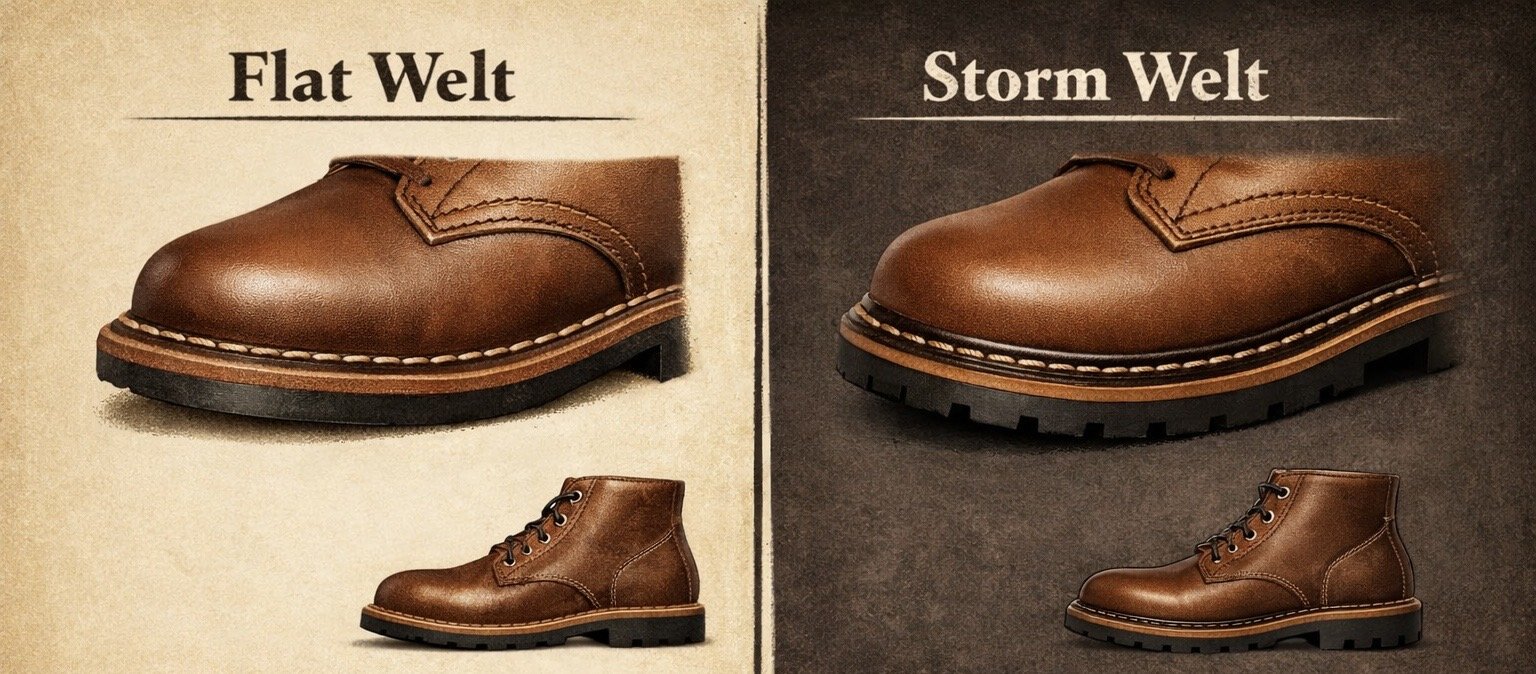
Here you can see the visual difference between a flat welt (left) and a traditional storm welt (right)
Flat Welt: The Clean Classic Choice
The Flat Welt is exactly what it sounds like. It sits flush against the upper of the boot. It’s the standard-issue look for traditional Goodyear welted footwear. You’ll see this on your standard dress boots or those fashion focused heritage boots meant for sipping lattes in a climate-controlled office.
It’s sleek, it’s simple, and it looks great at a wedding. But let’s be real: it’s not exactly built for a monsoon or a muddy trail. It’s the city boy of welts, nice to look at, but maybe keep it away from the trenches.
Storm Welt: Built-in Defense
Now we’re talking. A Storm Welt isn't just a design choice; it’s an insurance policy. It features a distinct raised ridge that acts like a built-in gutter system, aggressively deflecting water, grit, and grime away from the seam where the upper meets the sole.
When you’re kicking through a creek bed or caught in a sudden downpour on your bike, that extra lip of leather is the difference between a dry foot and a soggy, miserable trek home. It’s rugged, it looks beefy, and it tells the world your boots actually do things.
How Naang Does The Storm Welt Different
When we sat down to design these boots, we weren't looking to make another pair that just look pretty in a closet. We had the real world in mind. The mud, the asphalt, and the miles. Function first. Always.
We knew from day one we were going with a welted construction. Why? Because we don't build throwaway gear. If you’re going to bond with a pair of boots, they need to be rebuildable so they can outlast the apocalypse, or at least your next decade of bad decisions.
We looked at the traditional Storm Welt and saw room to turn the volume up. We took inspiration from the old-school masters and decided to stitch straight through that upper lip of the welt.
The result? A tighter barrier that keeps out more water, mud, and grit. A bulletproof bond between the upper and outsole. and a boot that might outlast you.
No Canvas In Our Boots
Most mass-produced welted boots rely on a gemming process. That’s a fancy industry term for gluing a canvas rib to the bottom of the insole and stitching the welt to that. It’s cheap, it’s fast, and eventually, that glue is going to fail when things get hot, wet, or heavy.
We think that’s garbage. You shouldn't have to worry about your boots delaminating while you’re mid-climb or miles from civilization.
The Hand-Carved Holdfast
Instead of relying on a strip of fabric and some Elmer's, we go old school. We take a thick, high-quality leather insole and manually carve a channel, called a holdfast, directly into the leather itself.
This isn't some machine-stamped shortcut. It’s a structural ridge that’s part of the very soul of the boot. We stitch the welt directly through that leather holdfast.
The Naang Stitch
We’ve seen enough "good enough" to know it usually isn't. So, we take it a step further.
When we sew that 360-degree storm welt, we don't just catch the edge. We stitch straight through the upper leather and that raised outer lip of the storm welt. This creates a reinforced, mechanical bond that locks the entire boot together.
It’s extra work. It’s harder on our hands. But it makes that connection incredibly secure and virtually bulletproof. When you’re out there urban exploring, hiking trails, or riding single track, you need gear that’s as stubborn as you are.
Hand-welted. Hand-carved. Zero shortcuts. That’s how we roll.
The Biggest Lie in the Boot World: “They’ll Break In”
There’s a line that has been repeated in boot stores for decades:
“Don’t worry… they’ll break in.”
Sometimes that’s true, Sometimes the salesman is actually being honest. But more often it’s an excuse for a boot that doesn’t fit correctly.
Look, break in is real, a solid pair of handmade boots will break in over time. What that means is: Leather softens, Footbeds mold, The heel cup settles, the stiff parts give way just a bit. If your boots fit well when you tried then on, then they are only gonna get better.
That’s your boots breaking in. But if you did not have a good, comfortable fit when you got them, then no amount of break in is gonna change that. If the boot was built on a last that doesn’t fit your foot that’s never gonna change.
Break-in should feel like the boot gradually adapting to your foot, not like you’re fighting it every step of the way.
The Importance of the Boot Last
A boot last is the foot-shaped form boots are built around. In many ways this is the most critical part of the build. If you have a long narrow foot then you are gonna need a last that is way different than the one I need for my hobbit feet. And that is the beautiful thing about boots, there is a last out there for everyone. You just have to find it.
The last impacts just about everything about your boot, It determines:
Toe box width
Instep height
Heel shape
Arch support
Many fashion brands design boots around appearance rather than foot anatomy. That’s why so many boots narrow dramatically toward the toes. They look sleek. But, do your toes look like that? Have you ever seen a foot that looks like that? No, you have not, because that is not what a foot looks like.
Wide Toe Box Boots: Why Foot Shape Matters
Human toes spread when we walk, they aren’t meant to be crunched into narrow boots or shoes. it deforms your foot, changes your gate, and causes instability. Have you ever seen LeBron James jacked up toes from wearing narrow basketball shoes?Take a look if you dare…
LeBron has done amazing despite wearing these jacked up shoes his whole life that caused this level of damage to his feet. Imagine if he had worn a basketball shoe with a natural toe box this whole time.
Anatomical toe box boots follow the natural shape of the foot and allow the toes to spread naturally. That improves comfort, balance, and long-term foot health.
This philosophy is exactly what guided the design of Naang boots from day 1.
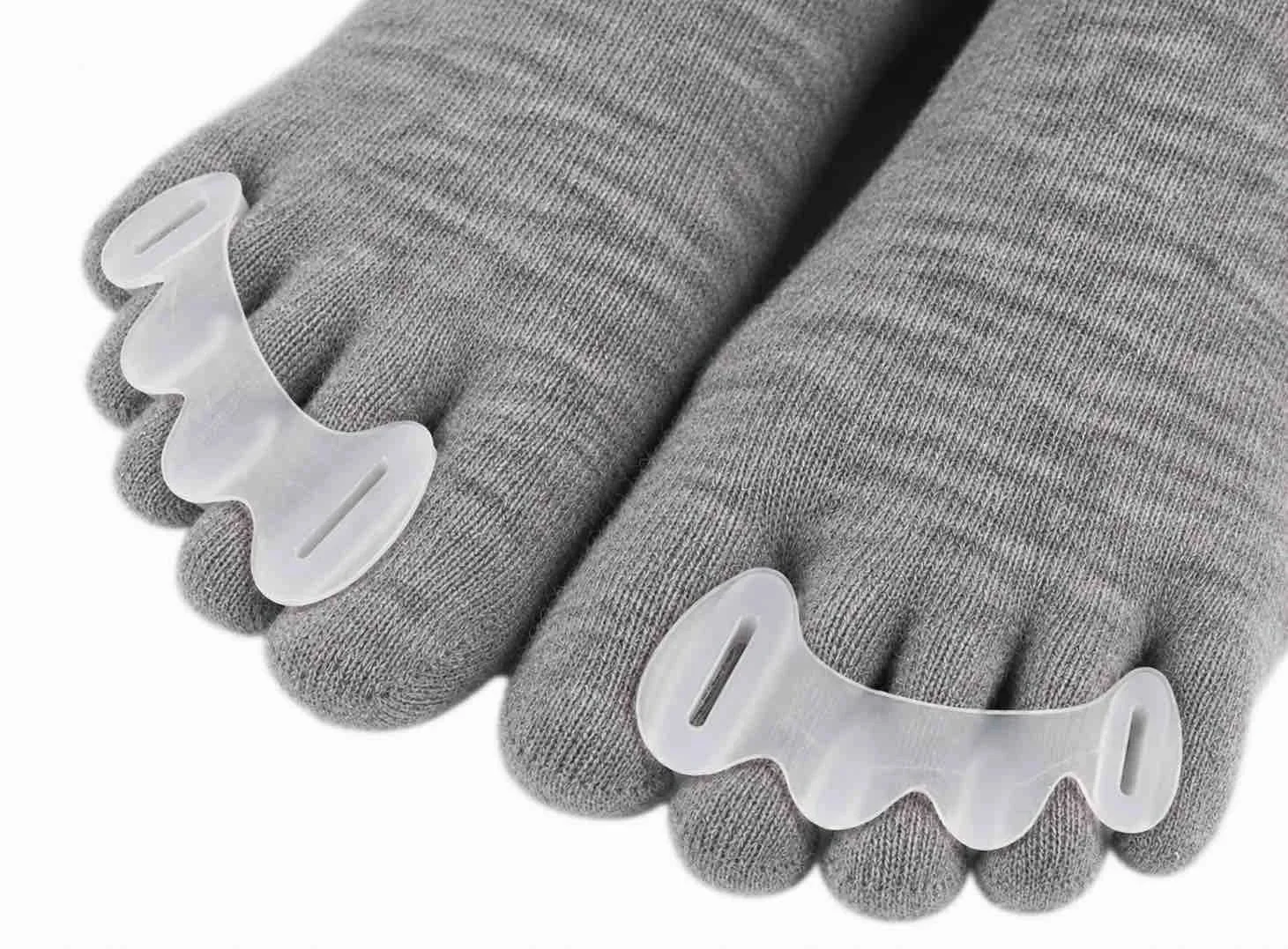
One of the things we often see from our customers is after they make the switch to our anatomical toe box they make the jump to wearing toe socks as well, because it gives them a better feeling and more control with their feet.
Getting the Right Fit
Fit is the single most important factor when buying handmade boots.
Not brand.
Not leather.
Not price.
Fit!
Your toes should have room to move. Your heel should feel secure. No pressure points, and certainly no pain. Pain is not part of the break-in process. Anyone who tells you otherwise has no idea what they are talking about.
The Importance of Getting Your Feet Properly Sized
Many people don’t actually know their real foot size. That seems crazy, but it’s actually true. Part of that is because there are a number of different sizing systems depending on where in the world you are. And navigating them isn’t exactly straight forward.
Professional sizing uses a Brannock Device, which measures:
Heel-to-toe length
Heel-to-ball length
Arch Length
Width
Many people discover for the first time that their feet are wide or extra wide, and don’t know what to make of this info. Someone will tell them just size up and it will fit great. But that’s horrible advice. Sizing up usually doesn’t solve the problem, it just creates a longer boot without fixing the width issue.
Quality boots will have a width measurement along with their size, this is your starting point. Find the combination of width and length that fits your correctly for the boot you want. Assuming the last that boot is built on is a good match for your foot.
Getting the right boot size should never be a guessing game.
If you want to take things even further, you can always get a fully custom fit with last built to your foots exact measurements.

Boot Sizing Systems Can Be Confusing
Leather Quality
When people start learning about boots, the conversation eventually lands on leather. And for good reason. Leather is the foundation of the entire boot. It determines how the boot feels, how it breaks in, how it ages, and ultimately how long it will survive out in the real world.
But not all leather is created equal.
Two boots might look nearly identical sitting on a shelf, yet the leather used to make them can be completely different in quality. That difference often becomes obvious only after months or years of wear.
Because good leather improves with time. Cheap leather slowly falls apart.
Full-Grain Leather
Full-grain leather is widely considered the highest quality leather used in boots. It comes from the outermost layer of the hide, where the fibers are the strongest and most densely packed. This part of the hide is incredibly durable, which makes it ideal for footwear that needs to handle years of flexing, pressure, and movement.
Full-grain leather also retains the natural grain pattern of the animal. That means small variations, subtle scars, and natural markings are still visible. Some people initially think those imperfections are flaws. In reality, they’re one of the things that make full-grain leather so desirable. They’re proof that the leather hasn’t been heavily processed or sanded down to hide its character.
Over time, full-grain leather develops what boot enthusiasts call patina. The surface gradually darkens, the color deepens, and the leather begins to reflect the miles you’ve walked in it. Two pairs of boots made from the same leather can look completely different after a few years of wear.
And that’s part of the beauty.
Top-Grain Leather
Top-grain leather is still good leather, but it has been lightly sanded to create a more uniform appearance. This process removes some of the natural grain and imperfections from the surface. The result is a cleaner, more consistent look. It’s often used in footwear where visual uniformity is prioritized.
Top-grain leather is still durable, but because the strongest outer layer has been slightly altered, it may not develop patina in quite the same way as full-grain leather. It’s a solid middle ground between durability and aesthetic consistency.
Corrected Leather
Corrected leather is where things start to change. In this process, the leather surface is heavily sanded or buffed to remove imperfections. Afterward, artificial coatings or pigments are often applied to create a uniform finish. This can make the leather look very consistent when it’s new, but those coatings often prevent the leather from aging naturally.
Instead of developing character over time, corrected leather can sometimes crack or wear unevenly. It’s commonly used in lower-cost footwear where appearance in the store matters more than long-term durability.
Bonded Leather
Just don’t!
Vegetable Tanning vs Chrome Tanning
Another factor that influences how leather behaves is the tanning process. Tanning is the chemical process that stabilizes the hide and turns it into usable leather.
There are two main methods used in footwear.
Vegetable Tanning
Vegetable tanning is one of the oldest methods of tanning leather. It uses natural tannins derived from tree bark and plant materials. Vegetable-tanned leather is usually firmer and develops rich patina as it ages.
It’s often used for components like insoles, midsoles, heel stacks, toe puffs, and sometimes uppers (almost never actually) in more traditional boots.
The tradeoff is that vegetable tanning takes longer and requires more careful handling during production.
Chrome Tanning
Chrome tanning is the most common method used in modern bootmaking. It uses chromium salts during the tanning process, which produces leather that is softer, more flexible, and more resistant to water. Chrome-tanned leather is generally easier to work with during the bootmaking process, especially when shaping the leather around the last. That’s one reason most boot uppers today use chrome-tanned leather.
When done properly, chrome-tanned leather is still extremely durable and comfortable.
Leather Is Meant to Age
One of the biggest misconceptions people have when buying leather boots is that they should stay looking brand new forever.
That’s not how good leather works. Good leather changes over time. It creases where your foot bends. It darkens slightly with exposure to sunlight and oils. It picks up small marks from the places you’ve been.
Those changes aren’t damage. They’re character. They’re the visible record of the miles you’ve walked in your boots. And after a few years of wear, a pair of boots that has developed real patina often looks better than it did the day it came out of the box.
They have that worn look, people look at them an know right away that those boots on your feet have adventures and stories attached to them.
Leather Is the Heart of the Boot
At the end of the day, leather quality is one of the biggest factors separating a disposable boot from one that can last decades.
Good leather:
flexes thousands of times without cracking
molds gradually to your foot
ages with character
and holds up to years of real use
When you combine high-quality leather with solid construction and proper fit, you end up with boots that don’t just survive the years. They get better as you put them through their paces.
Boot Structure and Support
When most people look at a pair of boots, they focus on the parts they can see.
The leather upper.
The stitching.
The outsole.
Those are the obvious elements. But some of the most important parts of a well-built boot are hidden inside. These internal components determine how the boot supports your foot, how it flexes when you walk, and how well it holds its shape after years of wear.
They’re the structural backbone of the boot. And when they’re done right, you don’t notice them at all. You just notice that the boots feel stable, balanced, and comfortable mile after mile. That means they are well built.
The Role of the Boot Shank
One of the most important structural components inside a boot is the shank. The shank sits inside the midfoot area of the boot, running between the heel and the forefoot. Its job is simple but critical. It provides support through the arch of the foot and helps distribute weight evenly when you stand or walk.
Without a shank, the middle of the boot would collapse under pressure, especially over long periods of wear. The shank gives the boot its backbone. And the choice of the shank material makes a massive difference in how the boot functions, and depending on what you are doing in your boots you want a different type of shank.
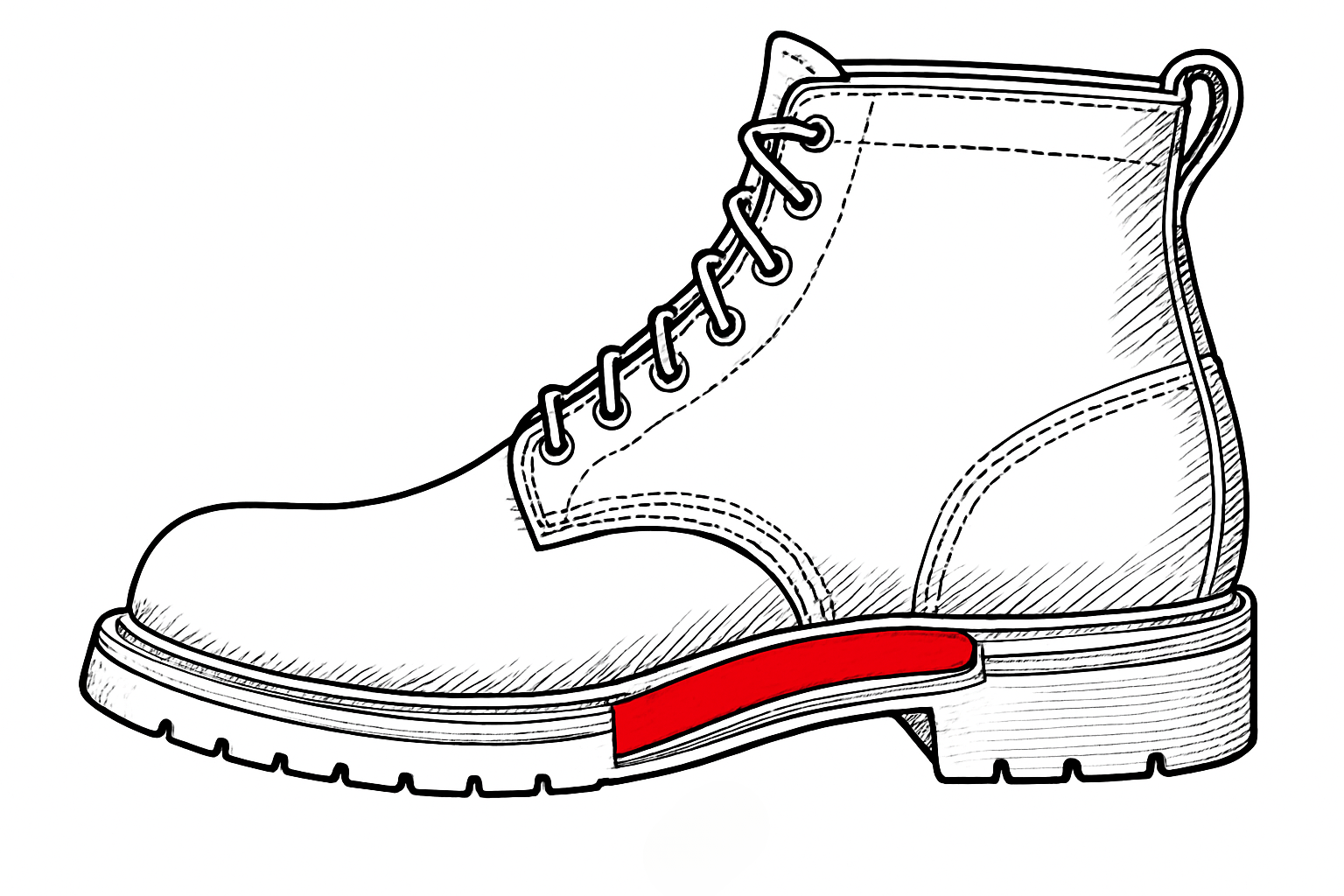
The Location of The Boot Shank Between the Midsole and Insole
Different Types of Shanks
Boot shanks can be made from several different materials.
The most common options are:
Steel
Composite materials
Wood
Leather
Each one behaves a little differently.
Steel shanks are extremely rigid and durable, which is why they’re often used in heavy-duty work boots, like Lineman boots. They provide strong support, but they can also make a boot feel stiff and less flexible, as well as heavy.
Composite shanks are lighter and more flexible than steel, but they don’t always provide the same heavy-duty durability. These can be a good option for a work boot that might not see the type of abuse that would require a steel shank.
Wood shanks are lighter and more flexible than composite, and offer even less durability, But still have a stiff feel under foot. I have broken several wooden shanks over the years. Which is why you will tend to see these in dress boots mostly.
Leather shanks, on the other hand, strike a very interesting balance. They provide support where the foot needs it while still allowing the boot to flex naturally as you walk. They are heavier than a wood or composite shank, but lighter than steel and no where near as stiff. We find that leather complements the natural food function best give the field of options.
Why We Use Leather Shanks
At Naang Boots, we use leather shanks in our boots for a very specific reason. Leather behaves more like the human foot than metal does. When you walk, your foot naturally flexes and rolls through each step. A leather shank supports the arch just enough while still allowing that movement to happen naturally. Instead of forcing the boot to stay rigid, it works with the natural mechanics of your foot.
Over time, the leather shank also begins to adapt slightly to your gait and weight distribution. This creates a more natural feel underfoot compared to a completely rigid structure. It’s one of those subtle details that most people don’t notice immediately. But after a long day of walking, you can feel the difference.
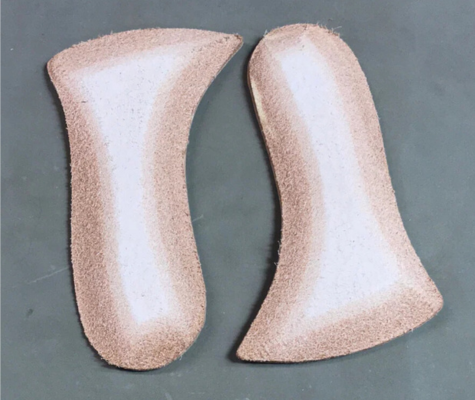
Leather Boot Shanks Made from Veg Tan Leather
Structure That Holds Its Shape
The shank isn’t the only structural component inside a quality boot. Well-built boots also use thick insoles and midsoles that help the boot maintain its shape over time. These layers provide a solid foundation between your foot and the outsole.
As the boots break in, the footbed gradually molds to your foot while still maintaining enough structure to support your weight. This combination of flexibility and structure is what allows a good pair of boots to stay comfortable even after years of use.
The Difference You Feel Over Time
When you try on a brand-new pair of boots, you might not immediately notice the internal structure. But after months, or years of wear, the difference becomes obvious. Boots with weak internal structure start to collapse. The arch flattens. The heel begins to lean. The midfoot loses stability.
A well-built boot holds its shape. The support remains consistent. And the boot continues to feel balanced under your feet even after thousands of steps. These are the details that separate boots that last a season from boots that last a decade. And while they may be hidden inside the boot, they play a huge role in how the boots perform over the long road ahead.
Durability and Resoleability
One of the biggest advantages of handmade boots is that they can be repaired. When the outsole wears down, it can be replaced without rebuilding the entire boot. A well-constructed pair of boots can often be resoled multiple times.
How to Care for Handmade Leather Boots
One of the best things about handmade boots is that they’re built to last. But even the toughest gear needs a little maintenance. Leather is a natural material. It flexes, absorbs moisture, dries out, and slowly adapts to the way you move. A few simple habits will keep your boots looking great and performing well for years.
Keep Them Clean
Dirt might not seem like a big deal, but over time it acts like sandpaper on leather. Dust, mud, and road grime slowly grind into the fibers and break them down. It’s simple, really. If your boots get dirty, wipe them down with a damp cloth and let them dry naturally. A soft brush works well for heavier dirt.
Condition the Leather
Leather dries out over time. Conditioning replaces natural oils and keeps the leather flexible. Most boots only need conditioning every few months depending on use. A dab will do ya, a small amount of leather conditioner applied with a cloth is usually enough. Work it into the leather after you clean them and let it do its magic.
Let Them Dry Properly
If your boots get wet, let them dry slowly at room temperature. Avoid heaters or direct sunlight. Heat is going to dry out and crack your leather, no one wants that.
If they’re soaked, stuffing them lightly with newspaper can help absorb moisture. I also keep them in an area with a bit of air flow to help the process along. One they are dry give them a wipe down and work in a dab of conditioner to keep the leather happy and healthy.
Use Boot Trees
Boot trees help maintain the shape of the boot and absorb moisture from the interior. Cedar boot trees are especially useful because they naturally absorb moisture and reduce odor. It might seem like overkill, but if you spend enough to get quality boots you want to take care of them so they last as long as you do.
Rotate Your Boots
Leather absorbs moisture during the day. Giving boots a day to dry between wears helps extend their lifespan. Rotating between two pairs can double the life of both.
We all have a favorite pair we want to wear every day, but even boots need a day off from time to time. Give them a chance to recover every now and again.
Resole When the Time Comes
For most of us, this is why we get quality, handmade boots. Eventually the outsole will wear down. That’s normal. When it does, a cobbler can replace the sole and bring the boots back to life. This way those boots that have been on your adventures and journeys can continue to do so. Getting them resoled and even rebuilt can be a faction of the cost of a new pair.
Don’t Be Afraid to Wear Them
One mistake people make when they buy a nice pair of boots is trying to keep them perfect. But boots are meant to be used. Scuffs become character. Creases become stories. The best looking boots you’ll ever see are rarely the ones sitting in a closet. They’re the ones that have been everywhere.
How Long Should Handmade Boots Last?
One of the first questions people ask when they start looking at handmade boots is simple:
“How long should they last?”
It’s a fair question. When you’re investing in a serious pair of boots, you want to know they’re not going to fall apart after a year of walking. But the honest answer is a little more interesting than a simple number. A well-made pair of handmade boots can easily last 10 to 20 years, and sometimes far longer. There are boots out there that have been worn for decades and are still going strong.
But the lifespan of a pair of boots depends on a few important factors.
Leather Quality
Everything starts with the leather. High quality full-grain leather is incredibly durable. The fibers are dense and strong, which means the leather can flex thousands of times without breaking down. Thin or heavily processed leather doesn’t have that same resilience. It might look great when the boots are new, but it won’t hold up to years of real use.
Good leather ages. Cheap leather fails. That difference alone can determine whether a pair of boots lasts two years or twenty.
Construction Method
The way a boot is built plays a huge role in how long it will survive. Boots built with welted or stitchdown construction can be repaired when the outsole eventually wears out. That means the most vulnerable part of the boot—the part that hits the ground every step—can be replaced. The rest of the boot keeps going.
In contrast, cemented boots are usually finished once the sole separates or wears through. They’re designed to be replaced. Handmade boots are designed to be maintained.
Frequency of Wear
Another factor people often overlook is simply how often the boots are worn. If you wear the same pair of boots every single day, they’re going to experience more stress than a pair that rotates with other footwear. Leather absorbs moisture from your feet throughout the day, and it benefits from having time to dry out between wears.
That’s why many boot enthusiasts rotate between two pairs of boots. Not because they’re collecting footwear. Because it dramatically extends the lifespan of both pairs.
Maintenance
Boots are tough, at least they should be, but they’re not indestructible. Leather needs occasional conditioning to stay flexible. Outsoles eventually need to be replaced. And if a stitch starts to loosen or a heel begins to wear unevenly, catching the problem early can prevent bigger issues later.
Fortunately, none of this maintenance is complicated. Clean them occasionally. Condition them when the leather gets dry. Resole them when the tread wears down.
That’s usually all it takes.
Boots That Grow Older With You
One of the most interesting things about handmade boots is that they don’t just survive over time. They change. The leather darkens slightly. Creases form where your foot naturally bends. Scuffs and marks begin to tell the story of where the boots have been. The boots become uniquely yours.
A brand-new pair of boots looks clean and perfect. But a pair that’s been worn for five or ten years often looks even better. Because it carries a history with it.
The Long View
In a world where most footwear is designed to last a year or two, a pair of boots that can survive decades starts to make a lot of sense. Not just financially. But philosophically. Instead of buying five or six pairs of disposable boots over the next ten years, you buy one pair that stays with you the entire time.
It gets resoled. It develops character. It becomes part of your everyday life. And if you take care of them, a good pair of handmade boots won’t just last a long time. They’ll keep getting better the longer you own them.
Boots Are Tools
There’s something funny that happens when people buy their first serious pair of boots. At first, they treat them like fragile luxury items. They open the box slowly. They admire the leather. They run their hands over the stitching. Then they put them on and start worrying.
What if they scratch them? What if they crease the leather? What if they scuff the toe?
For a while, the boots get worn carefully. Maybe only on certain days. Maybe only in good weather. Maybe only when the ground is clean and the sidewalks are dry.
But eventually something happens. Life gets in the way. The boots get caught in the rain. They pick up their first scuff. The leather creases across the vamp when you crouch down.
And in that moment, something important changes. You realize the boots aren’t fragile at all. They’re built for exactly this.
Boots Were Never Meant to Be Perfect
The idea that boots should stay pristine forever is a relatively modern one. Historically, boots were simply tools. They were worn by soldiers, workers, travelers, and explorers, people who relied on their footwear every single day.
Boots walked across muddy fields. They climbed mountains. They rode horses. They spent years on dusty roads.
Nobody worried about creases. Nobody worried about scuffs. Those marks were simply part of the job.
Good boots were respected not because they stayed perfect, but because they kept going.
Let’s Start to Wrap This Up
Buying handmade boots isn’t really about fashion. It’s about choosing things that are built properly. In a world where most products are designed to wear out quickly and get replaced, a well-built pair of boots feels almost rebellious.
Thick leather. Real construction. Materials that age instead of falling apart. Boots that can be repaired, resoled, and worn for years.
When you start looking at boots this way, the whole conversation changes. It stops being about chasing the latest trend or buying something that looks good for a season. And it starts becoming about finding something that can actually keep up with your life.
Boots that can handle long days on your feet. Boots that can ride motorcycles across provinces. Boots that can wander through markets, side streets, and city sidewalks without falling apart after a year. Boots that feel just as good five years from now as they do the day you buy them.
That’s what good boots are supposed to do. They’re not decorations. They’re equipment.
The Right Boots Should Feel Like a Companion
A great pair of boots doesn’t stay new forever. The leather creases. The color deepens. The soles eventually wear down and get replaced. Over time they start to reflect the miles you’ve walked in them.
And that’s exactly how it should be. Because the best boots aren’t the ones sitting untouched in a closet. They’re the ones that have been somewhere. They’ve crossed cities. They’ve seen rainstorms. They’ve ridden highways. They’ve become part of your story.
Built the Way Boots Used to Be Built
At Naang Boots, we started this brand with a simple idea. Boots should work with your feet, not fight against them. That’s why we build our boots around natural foot-shaped lasts with generous toe boxes. It’s why we use thick full-grain leather. And it’s why every pair of Naang boots is hand welted with a 360-degree storm welt, so they can be repaired and worn for years to come.
We’re not trying to build disposable footwear. We’re building boots meant for the long road ahead.
If You’re Ready for Boots Built to Last
If you’ve read this far, chances are you’re already someone who appreciates well-made gear. You probably understand that good tools, whether it’s a knife, a motorcycle, or a pair of boots, are worth investing in.
Because when something is built properly, it becomes part of your everyday life. Not something you replace every year. But something that stays with you.
If you’re curious to see how Naang Boots are built, or if you’re looking for your next pair of boots, you can explore our collection here: Visit the Naang Boots Shop
Take a look around. See how the boots are made. And if you ever find yourself in Bangkok, stop by the workshop and say Hi.
What to Read Next



All Boots Are Made-To-Order. Current Lead Time: 60-90 Days.
The Winnfield is built to walk the earth. This limited edition pairs red goat leather with our anatomical toe box and lace-to-toe design, giving your toes room to spread and letting you adjust the fit across your forefoot.
Built with 360° hand-welted construction and a full leather lining, these 6-inch boots are available with a zero-drop sole or minimal heel.
Upper: Limited edition red goat leather
Construction: 360° hand-welted
Lacing: Lace-to-toe for adjustable forefoot fit
Shaft height: 6 inches
Fit: Anatomical toe box
Last Options: Zero drop or minimal heel
Lining: Full leather lining
Not sure about your size? Check our Sizing Guide. Or Contact Us.
Worldwide shipping available.