Flat Welt vs Storm Welt
The Real Dirt on Flat vs. Storm Welts
Look, we get it. Most guys buy boots because they look cool in a photo. They want that rugged vibe for their next trip. But if you’re here checking out Naang Boots, you aren’t most guys. You actually give a damn about how your gear is built.
We make these boots by hand in Thailand. We don't use big machines to glue things together. We use a hand-welted process because we hate cheap junk. We use an anatomical last because your toes shouldn’t feel like they are in a vice.
Today, we need to settle a shop floor debate. Let’s talk about Flat Welts versus Storm Welts. One looks sleek. One looks mean. Both have a place in the bootverse. Let’s break it down.
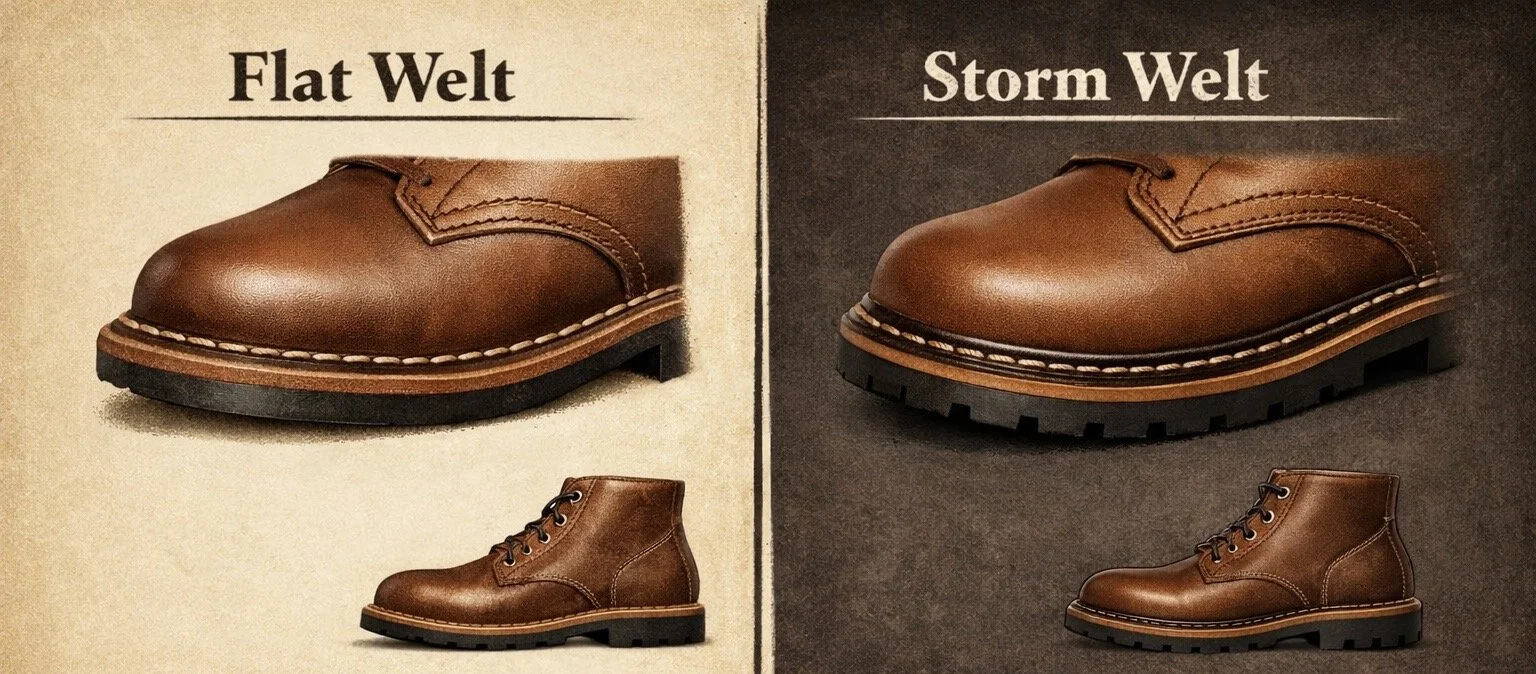
The visual difference between a flat welt and a storm welt
Shop Our Handmade Boots Now
•
Shop Our Handmade Boots Now •
Table of Contents
What Is a Welt Anyway?
Think of the welt as the backbone of the boot. It is a strip of leather. It runs around the edge where the top meets the bottom.
We stitch the upper part of the boot to this strip. We also stitch the insole to it. Then, we stitch the heavy outsole to that same strip. It keeps the whole boot together.
It also makes the boot easy to fix. When you wear out the soles, a cobbler can just swap them. You don't have to toss the boots. You just keep going.
Shop Our Handmade Boots Now
•
Shop Our Handmade Boots Now •


The Flat Welt: The Clean Look
The flat welt is the classic choice. It is a simple, flat piece of leather. It sits tight against the upper part of the boot. It looks clean. It looks sharp.
Why you want it:
It has a slim profile.
It looks great with your favorite jeans.
It is the gold standard for heritage style.
There are however, a few downsides to the flatwelt:
There’s a tiny gap between the leather and the welt.
Water can find its way into that gap in heavy rain or when walking through puddles
Mud can also find it’s way into that gap and get caked in and dry out.
If you just want a slim, clean looking boot to casually kick around the city with, then none of those downsides of the flat welt are deal breakers. It’s when you know you are gonna push your boots hard that you want something tougher.
The Storm Welt: Built Tough
Now, let’s look at the storm welt. This isn't just a flat strip. It has a little ridge that sticks up. This ridge folds up against the side of the boot.
Think of it like a tiny wall for your feet. It creates a tighter seal. It pushes water away from the seam. It keeps the inside of your boot dry when the weather turns nasty.
Why you want it:
It keeps your feet drier in the rain.
It creates a better seal around the boot.
It protects the leather upper from rocks and grit.
The Naang Way: How We Build Them
We don't do things the easy way. Most brands use a plastic rib glued to the insole. That is cheap. It breaks down. We do it by hand. Here is how we build a Naang boot.
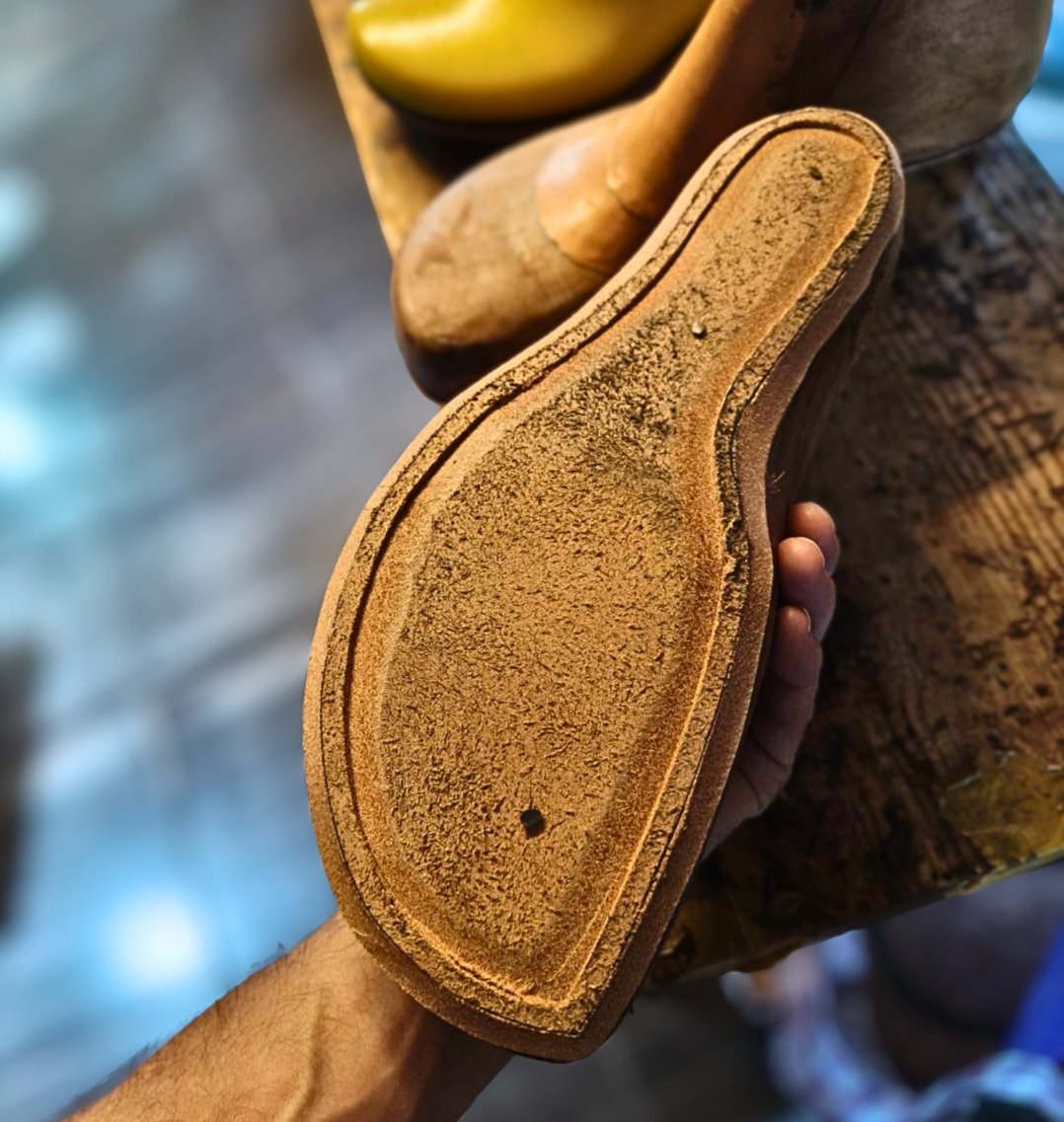
1. The Holdfast
We start with a thick piece of leather for the insole. We don't glue anything to it. Instead, we take a sharp knife. We carve a channel directly into the leather. This carved ridge is called a "holdfast." This is the strongest way to build a boot.
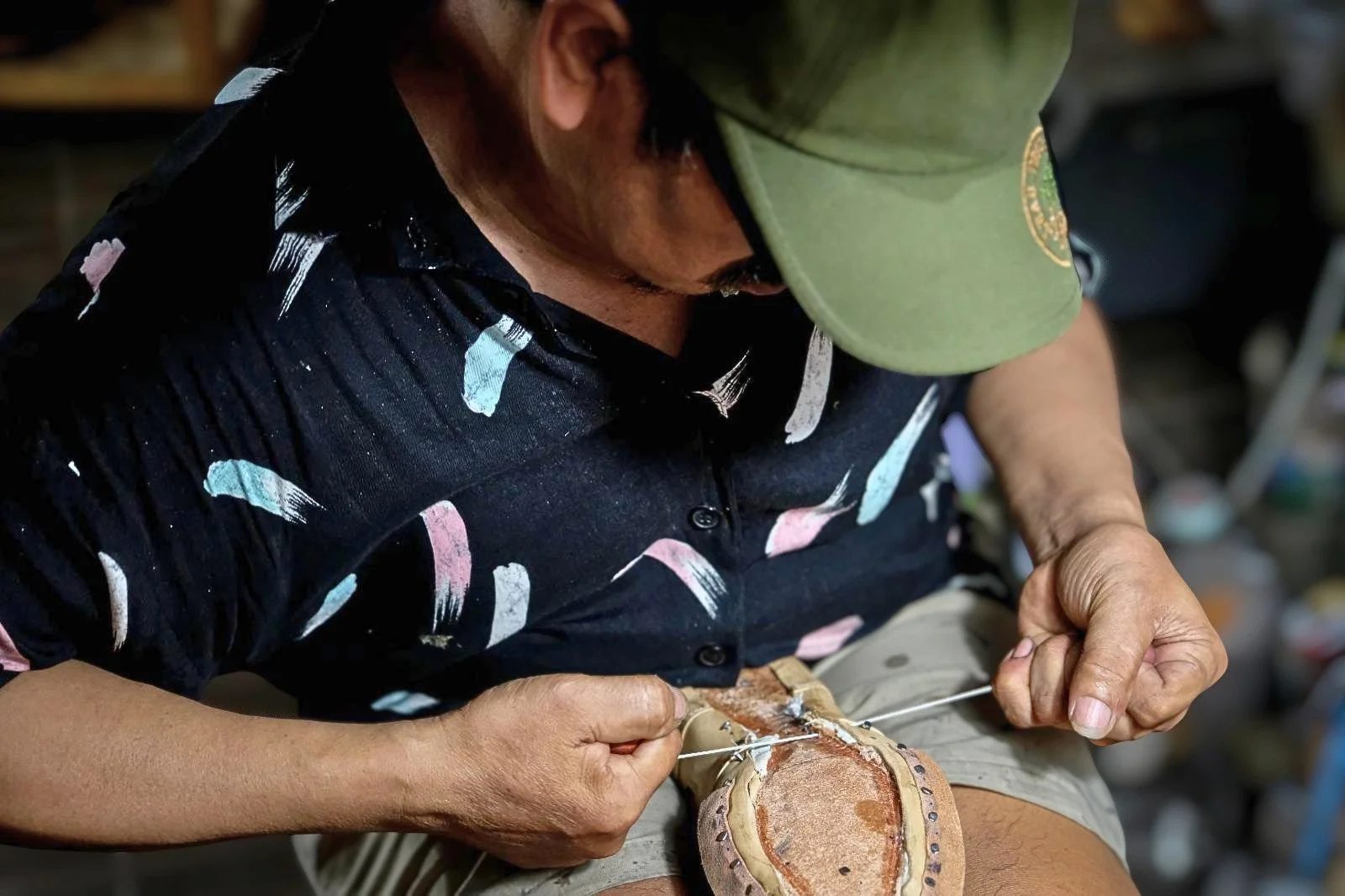
2. The Hand Welt Difference
We pull a thread through that carved channel. We go through the upper leather and then through the welt. We do this by hand, one stitch at a time. It takes hours. It requires a lot of muscle. But it means the boot will never pull apart.
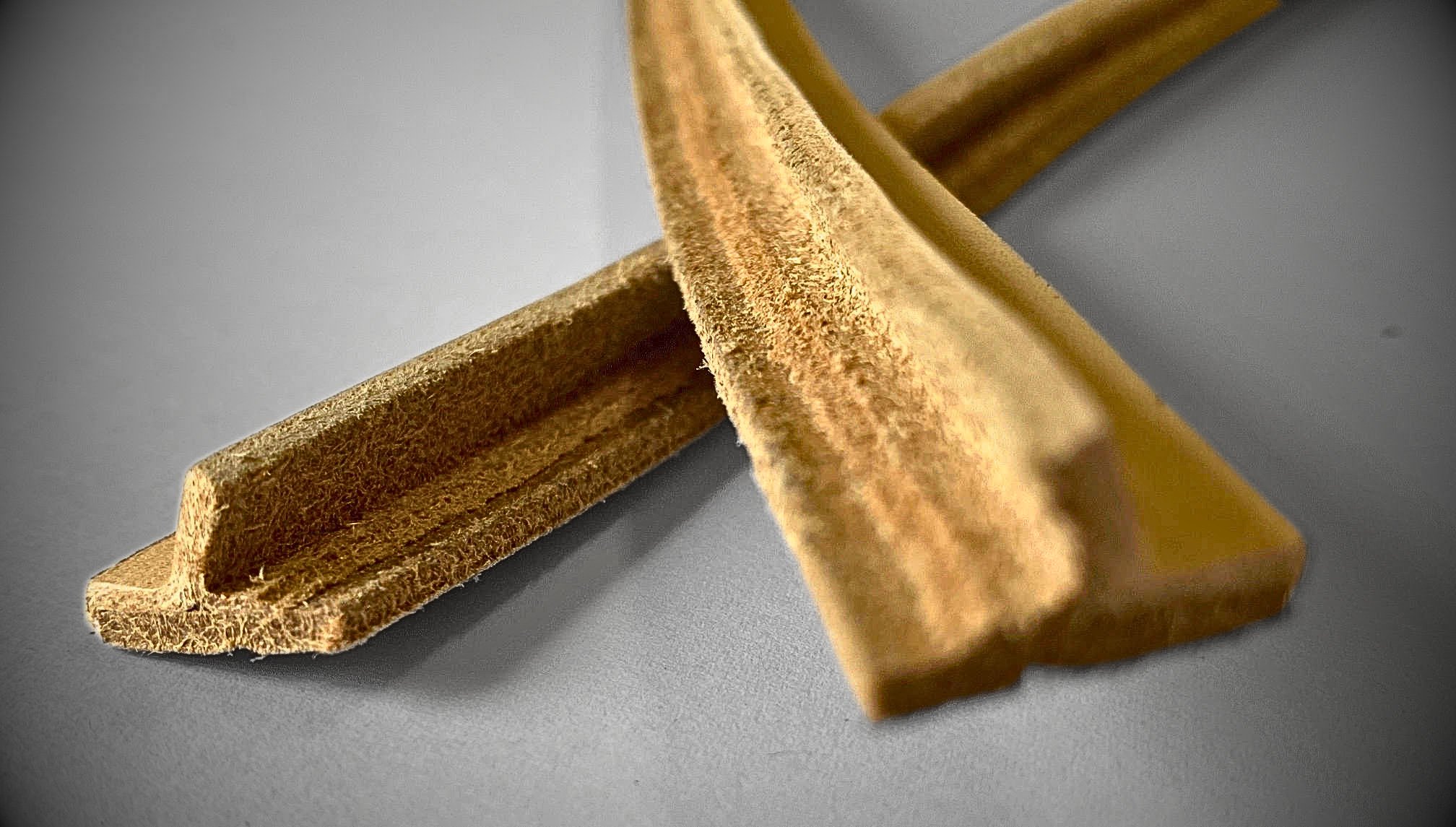
3. The Traditional Storm Welt
When we do a storm welt, we do it the old-school way. We use a welt with a built-in flange. We stitch straight through to the turned-up part of the leather. This secures the welt tight against the upper. It doesn't just look like a storm welt. It functions like one.
It creates a physical block against the elements. Water hits that ridge and rolls off. Mud stays on the trail, not in your socks.
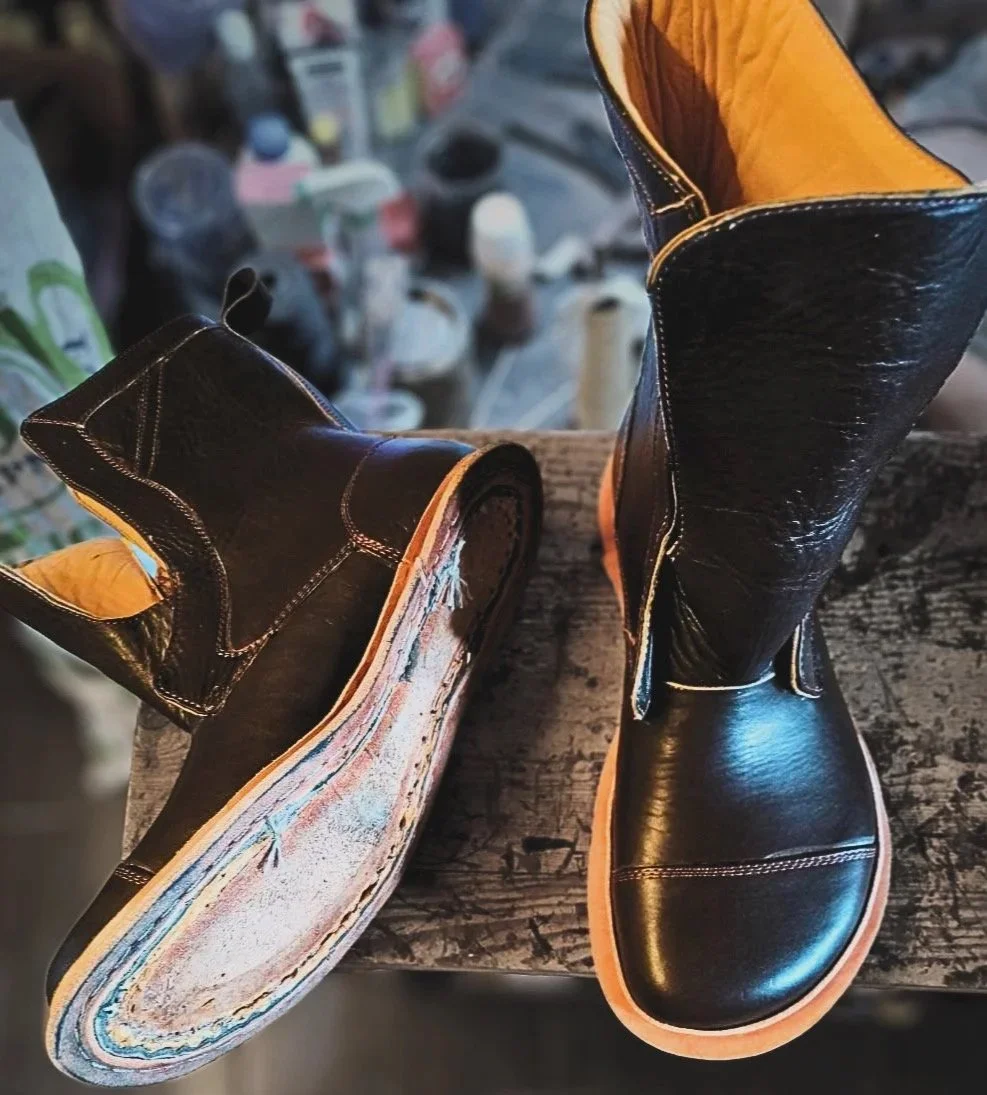
4. The 360-Degree Welt
Every boot we make uses a 360-degree welt. That means the welt goes all the way around the heel. Many boots go with a 270-degree welt. That means they stop the welt just before the heel. Look, that’s not right or wrong, just different. and many brands choose to do this because it can give the boot a much sleeker look.
Our way makes the boot much stronger. It adds extra ruggedness for your adventures by creating a tighter seal all the way around the boot. It also makes the boot easy to rebuild. A cobbler can replace the whole sole easily. This boot is built to last your whole life.
Which One Do You Need?
If you’re buying boots to use in the real world, to take on adventures, get the Storm Welt. It handles the wind and rain like a pro. It adds that extra layer of grit you need on the road and beyond it.
If want a boot to wear in a dressy office, the Flat Welt is your best friend. It is still tough as nails. It just looks a bit more refined.
Shop Our Handmade Boots
•
Shop Our Handmade Boots •


The Bottom Line
Stop buying boots that fall apart in six months. Stop wearing shoes that hurt your feet. You deserve gear that works as hard as you do. Whether you choose flat or storm, a Naang boot is built for the long haul.
We build them in Thailand. We build them by hand. We build them for you.
Ready to see the difference for yourself?
Donec id justo non metus auctor commodo ut quis enim. Mauris fringilla dolor vel condimentum imperdiet.