270° vs. 360° Welt: What’s the Difference, and Why It Matters
What’s a Welt Got to Do With It?
A welt is that strip of leather that joins your boot’s upper to the sole. It adds structure, keeps water from creeping in through the cracks, and, maybe most importantly, makes your boots rebuildable for the long haul.
Any boot with a proper welt is already ahead of the game. But there’s one detail that separates weekend boots from the real deal:
Table of Contents
270° vs. 360° welts
It might sound like something only hardcore boot nerds obsess over. But if you ride, hike, wrench, or actually live in your boots, it matters more than you think.
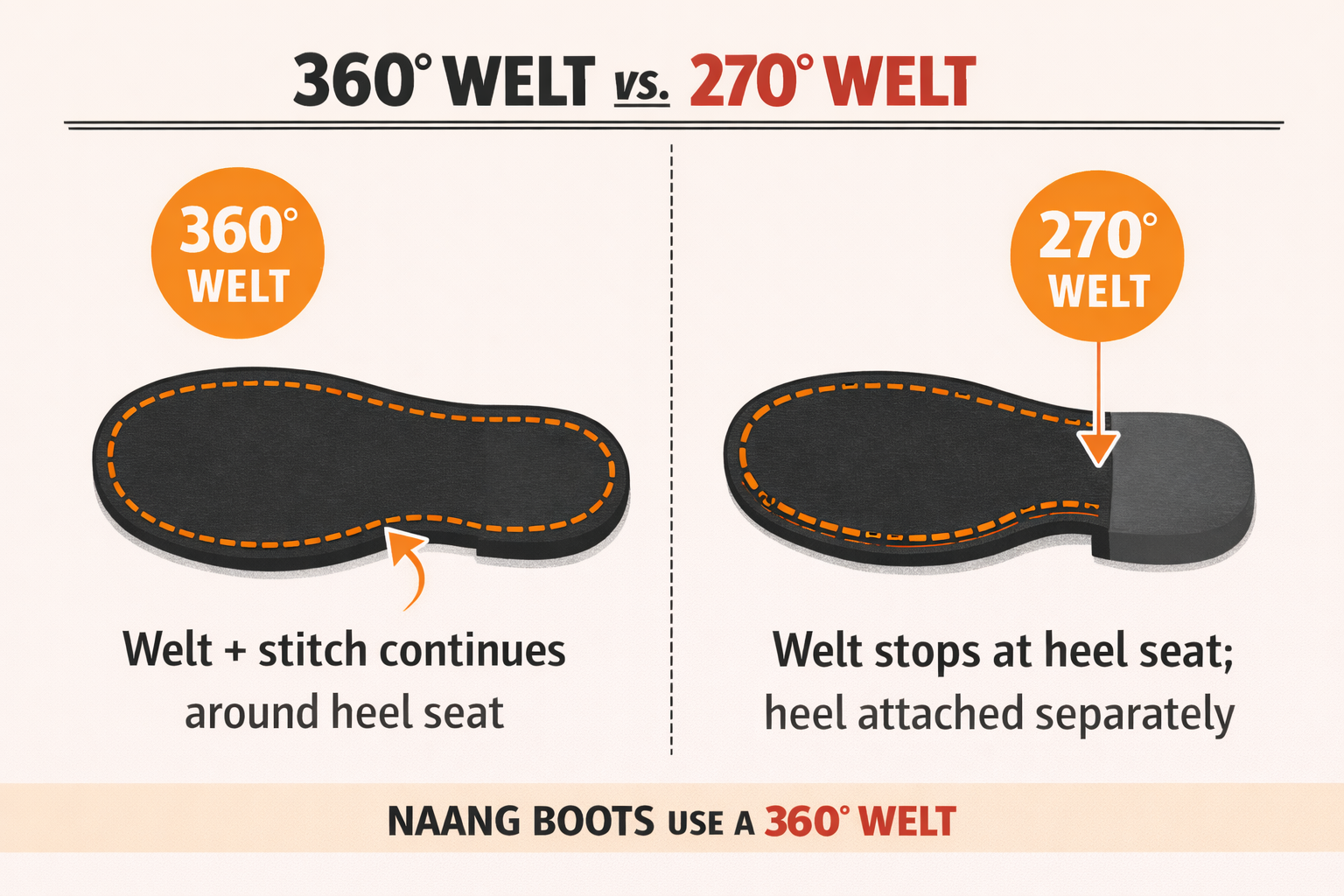
The difference between a 360 and 270 degree boot welt
Doing It by Hand
There’s more than one way to attach a welt. Most big-brand boots use what’s called a Goodyear welt, where a machine stitches the welt to a glued-on canvas rib. It’s quick, cheap, and mostly gets the job done, until that glue gives out.
At Naang, we take the long road.
We hand-welt every single boot. That means carving a notch into the insole, marking each stitch by hand, and running thick thread under serious tension to bind the upper, insole, and welt into one solid unit. No glue. No shortcuts. No compromise.
Shop Naang Boots
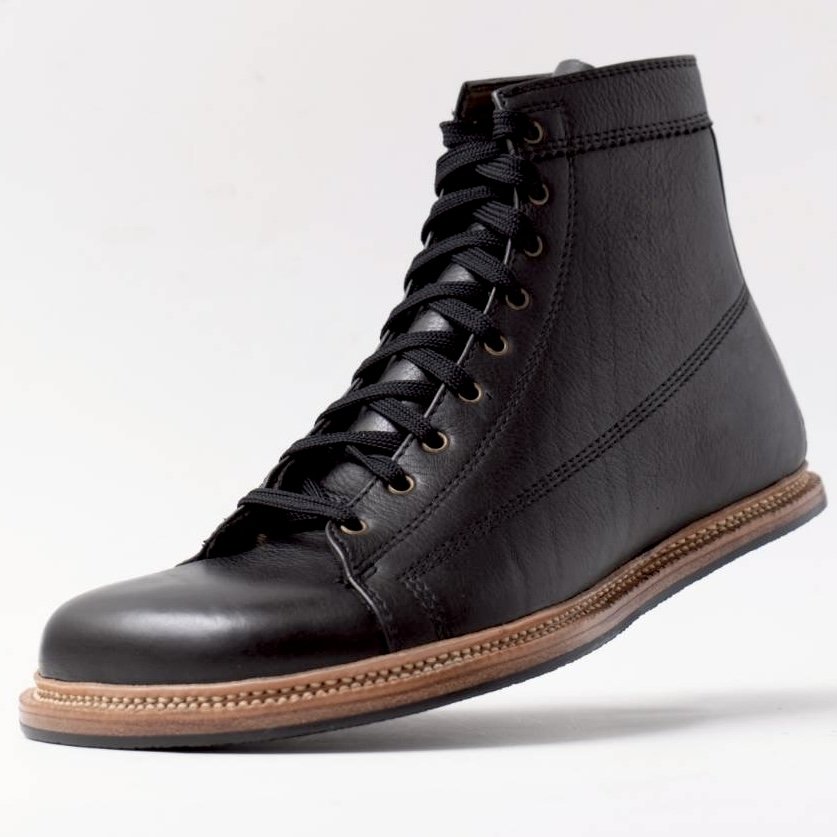
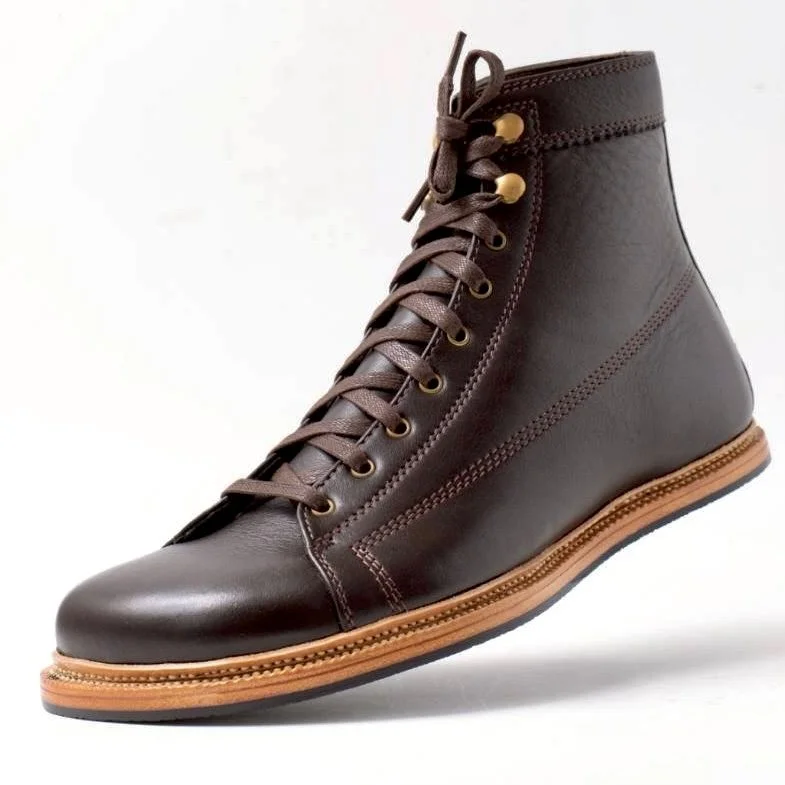
Why hand-welting?
Stronger mechanical bond
More flexibility and durability over time
Completely rebuildable, again and again
Because real craft matters more than cutting corners
This isn’t mass production. This is slow-built strength, the way it used to be done before everything got soft.
270° Welt: The Stylish Compromise
A 270° welt runs around the toe and sides of the boot, but stops short at the heel. It’s popular in dress boots and urban “heritage” styles because it gives a cleaner, tighter heel profile.
Fair enough — in the right setting, it looks good. But that sleekness comes at a cost.
Pros:
Slimmer silhouette at the heel
Slightly lighter boot
Easier (and cheaper) to produce
Cons:
Heel is often glued or pegged on, which can make it less secure
Water and debris can sneak in through the back seam
Sacrifices strength for style
If your boots are mostly walking from the car to the coffee shop, 270° might cut it. But take them into the wild — or put them on a bike for 10 days straight — and they’ll show their limits fast.
360° Welt: Built Like a Tank
Now let’s take it full circle.
(See what I did there?)
A 360° welt wraps completely around the boot: toe, sides, and heel, forming a fully enclosed perimeter of hand-stitched leather. It’s what we use on every pair of Naang Boots. No exceptions.
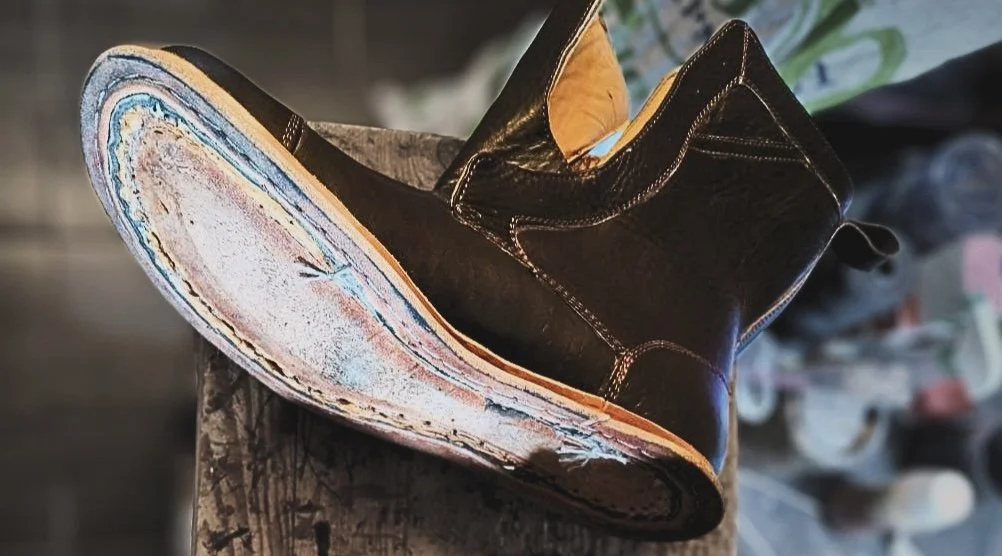
360 degree hand welted boot
Why? Because it gives you:
Full moisture barrier, especially at the heel
Rock-solid structure from heel to toe
True rebuildability
Sure, it’s a bit bulkier. It takes more time. It’s harder to do right. But that’s exactly the point. This isn’t a shortcut. It’s a commitment. A 360° hand welt doesn’t just look tough, it is tough.
Why It Matters
This isn’t about style. This is about construction. Real-world wear. And whether or not your boots make it through the second winter, let alone the fifth.
What a 360° hand welt means in the real world:
Water stays out: even when conditions get ugly
Soles stay on: even after years of flexing, twisting, and pounding
Boots get rebuilt: not thrown in the trash
Sure, 270° can work, if all you need is “good enough.” But if you’re putting your boots to work, not just flexing for fit pics, then 360° is the only option.
The Naang Standard
At Naang, 360° hand welting is non-negotiable. Every boot we make, motorcycle, hiking, or even future dress models, uses the same fully sealed, hand-stitched build.
That means:
Total protection around the full boot
Built-in structural strength
A foundation made to be rebuilt, not replaced
Yes, it takes longer. Yes, it’s harder. And yes, it costs more. But we’re not interested in doing it fast, we’re interested in doing it right.
We’re not building boots for a season. We’re building boots for life.
Shop Naang Boots
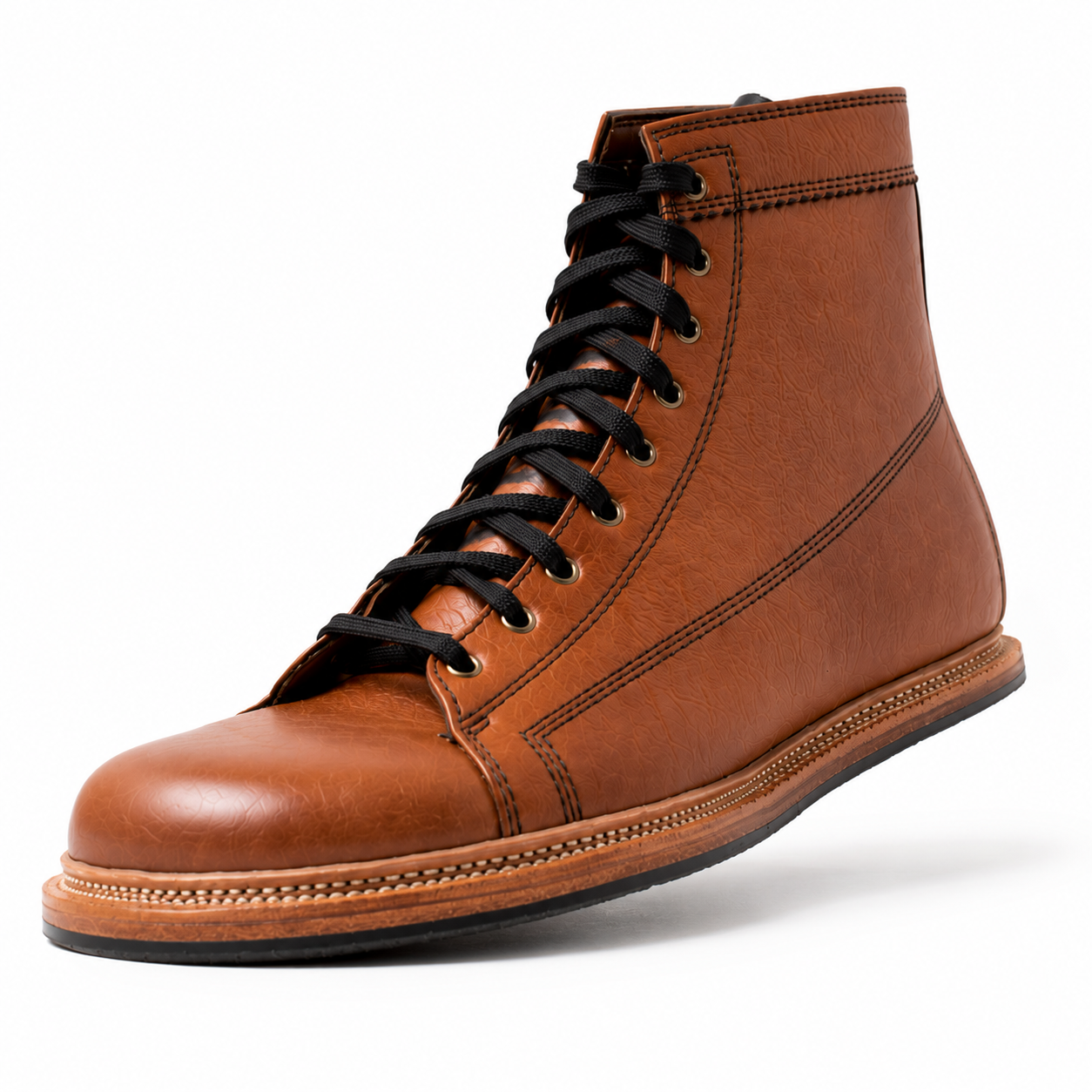
Where the Welt Ends, the Truth Begins
Boots are only as strong as their weakest point, and most of the time, that’s is sitting right under your heel.
A 360° hand welt doesn’t just keep your feet dry. It keeps your boots in one piece through the kind of hell they were built to handle.
It’s one of those quiet features that separates marketing boots from mission boots.
At Naang, we always go 360. Every time, because you deserve boots that go the distance.
What to Read Next
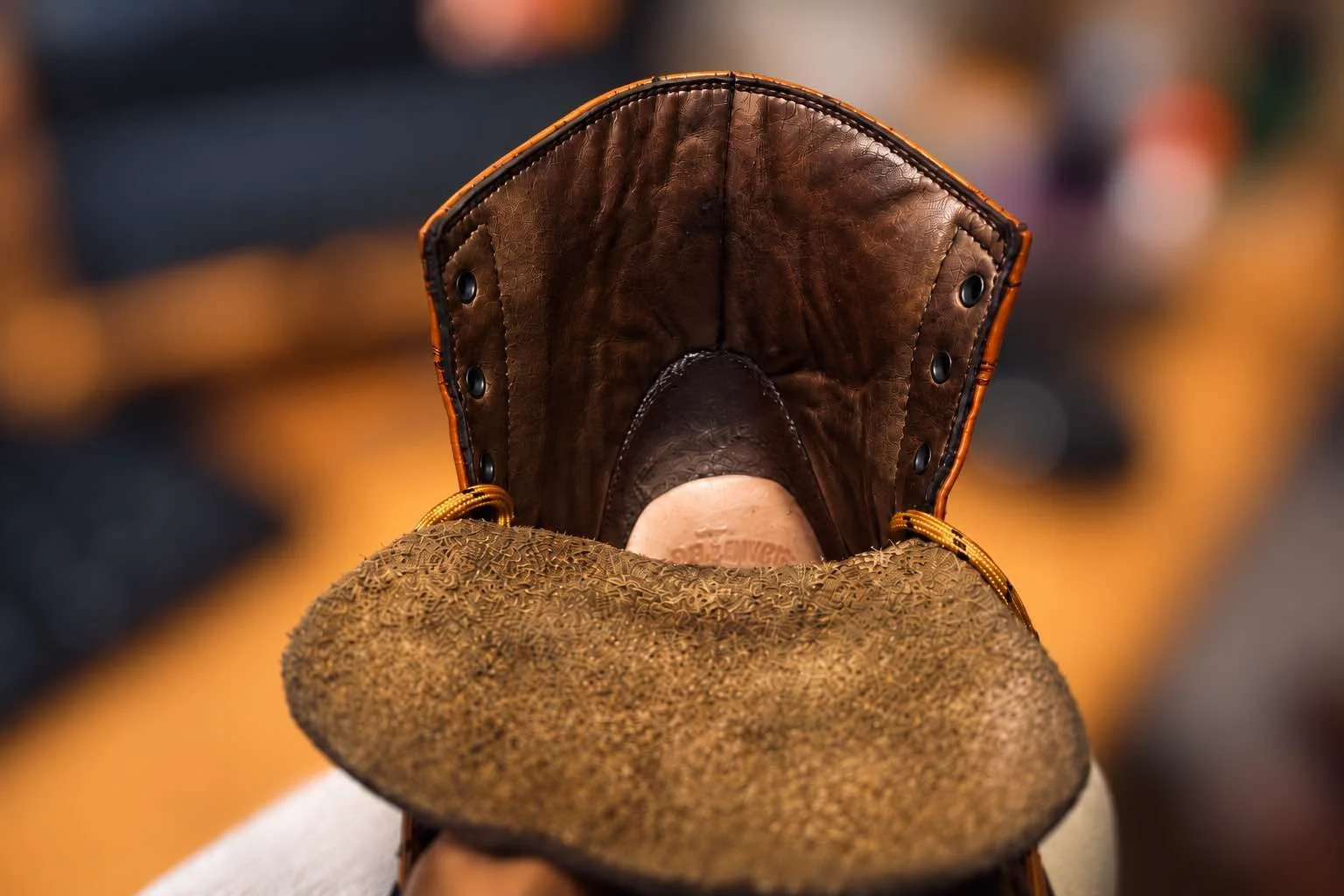
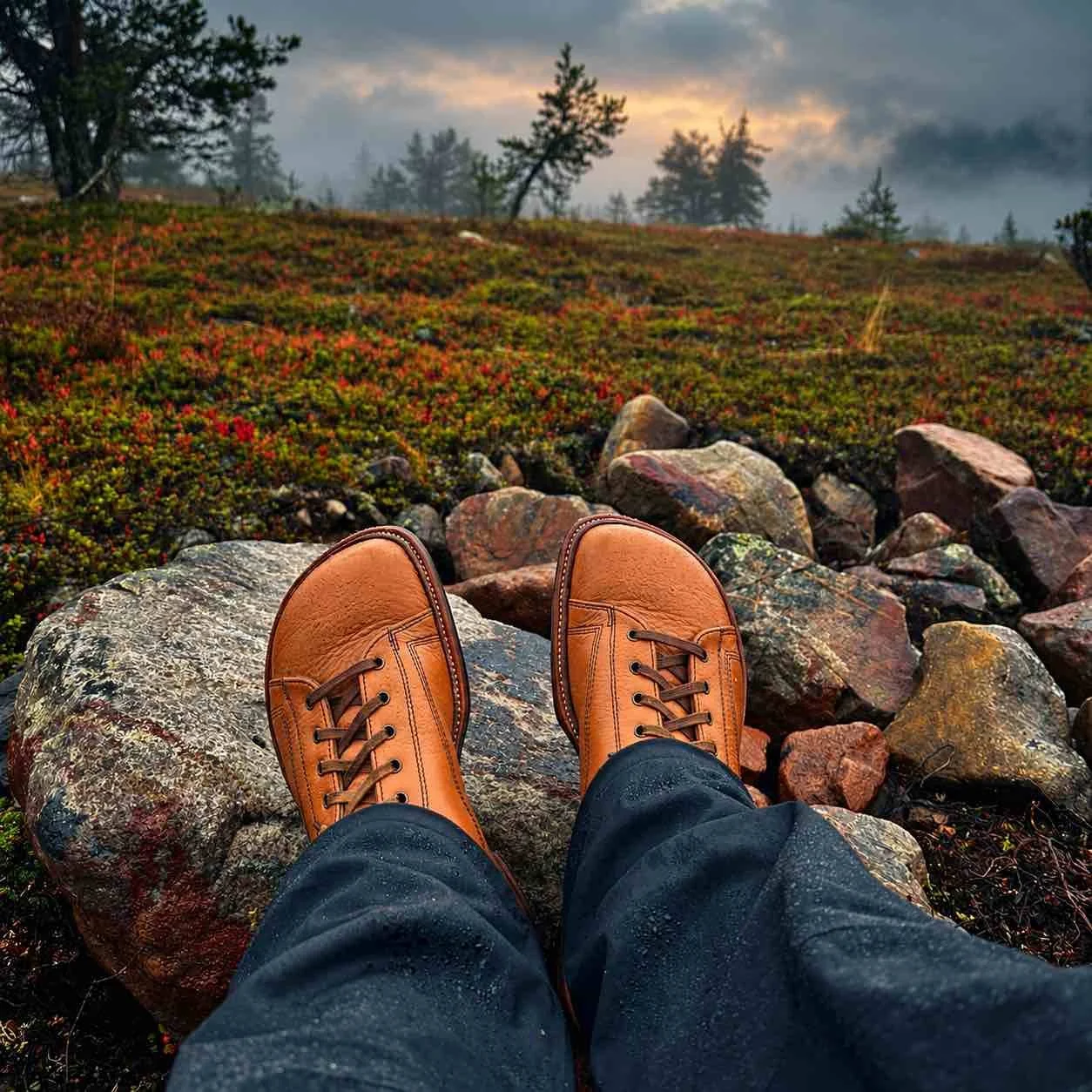
All Boots Are Made-To-Order. Current Lead Time: 60-90 Days.
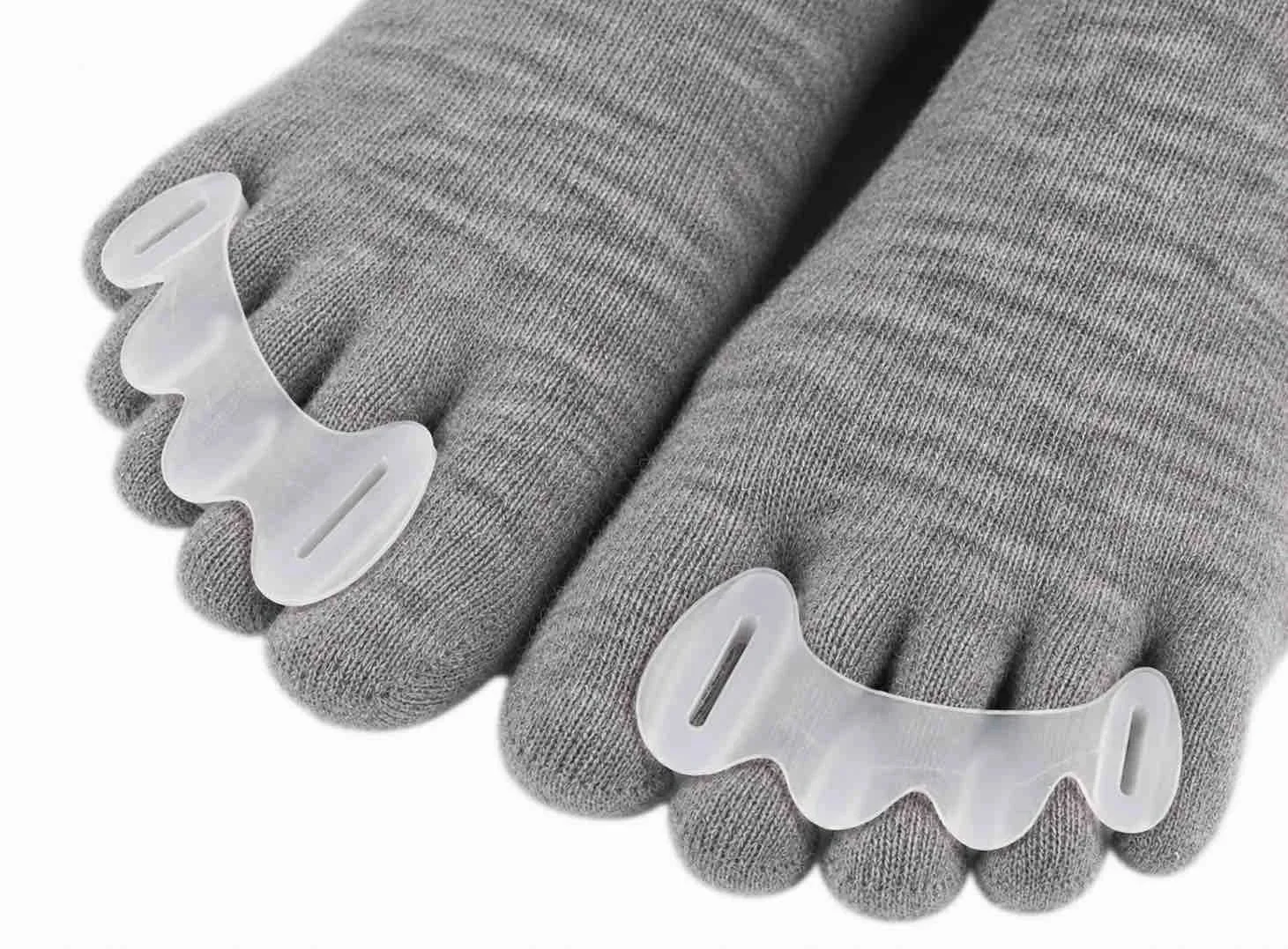
The Winnfield is built to walk the earth. This limited edition pairs red goat leather with our anatomical toe box and lace-to-toe design, giving your toes room to spread and letting you adjust the fit across your forefoot.
Built with 360° hand-welted construction and a full leather lining, these 6-inch boots are available with a zero-drop sole or minimal heel.
Upper: Limited edition red goat leather
Construction: 360° hand-welted
Lacing: Lace-to-toe for adjustable forefoot fit
Shaft height: 6 inches
Fit: Anatomical toe box
Last Options: Zero drop or minimal heel
Lining: Full leather lining
Not sure about your size? Check our Sizing Guide. Or Contact Us.
Worldwide shipping available.