The Ultimate Guide to Boot Construction
Do you remember a time when things were built to last? Most boots you see today are just pretty pieces of trash. They look good in a photo but fail on a trail. You really deserve to know exactly what you are buying. This guide will show you how boots really stay together. We will look at glue, machine stitches, and real hand-work. Some boots belong in a mall on a clean shelf. Other boots belong on a bike or in the dirt. Knowing the difference will save you a lot of grief. It will also save you a whole lot of cash. We build our gear in Thailand using the slow way. You can check our collection to see that work in action. But first, let’s learn how to spot a boot that lasts.
Grab a coffee (or something stronger), and let’s dive in.
Cemented Construction: The Disposable Boots
Stop buying boots at the mall. Most of those boots use cemented construction. This is just a fancy way to say they are held together with glue.
And Let’s make something clear, all boots use glue to some extent, it’s part of the build process. The difference is that with quality boot’s it is never the single method to hold a boot together, it’s just the starting point.
Cemented boots are a different story tho, the glue is where it begins and ends. The factory takes a leather top and glues it to a rubber sole. It is the cheapest way to make a boot, or any shoe for that matter. Companies love it because it is fast. They can churn out thousands of pairs in one day. You might think they look good on the shelf. They are light and they feel soft right away. But these boots are a lie. They are the fast food of the boot world.
The process starts with a machine that pulls the leather over a plastic foot shape. This shape is called a last. In a cemented boot, they use a lot of chemicals to prep the leather. They sand the bottom of the leather so the glue sticks better. Then they slather on a thick layer of industrial cement. They press the sole on with a machine. It stays put for a while. But glue has a life span. Heat and cold make the glue brittle. Water makes the glue peel. Eventually, the sole starts to flap like that guy at work who won’t shut up.
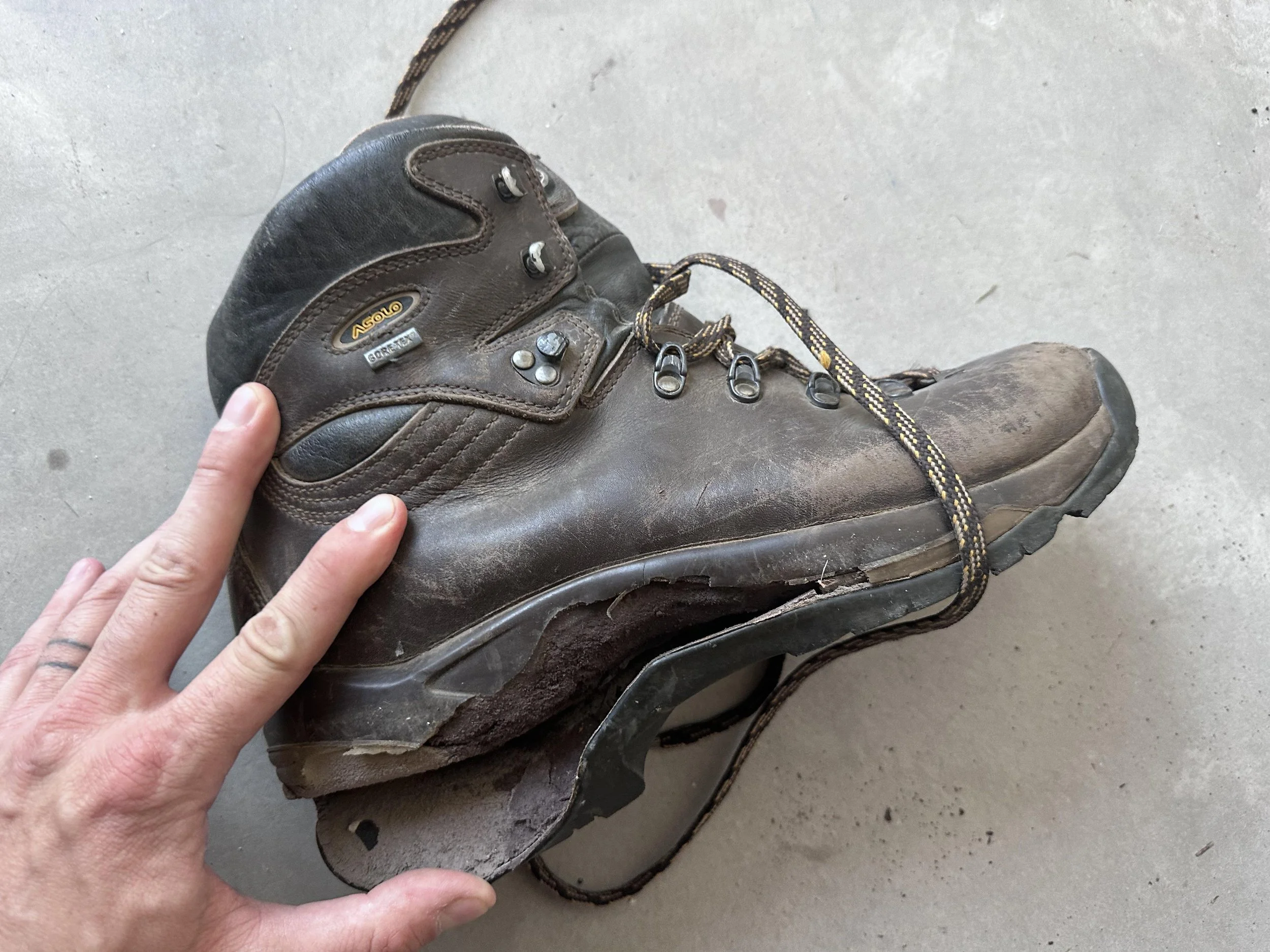
You can’t fix these boots. Most cobblers won’t touch them. There is no thread to sew. There is no welt to grab onto. Once the glue fails, the boot is trash. It goes straight to a landfill. This is a huge waste of money. You might save forty bucks today. But you will buy three pairs before a pair of quality boots need a resole. That is a bad deal. We grew up in a time when you fixed your gear. You did not just throw it away. Cemented boots go against everything we believe in at Naang.
These boots also lack support. They often use cheap foam inside. This foam feels great for a week. Then it squishes down and stays flat. Your feet will start to hurt after a long walk. There is no leather insole or footbed to mold to your foot over time. No shank to offer support, The thin materials do not protect you from rocks or debris. If you ride a bike, these soles will melt on your pipes. If you hike, they will rip on a sharp stone. They are made for carpets and tile. They are not made for a real life of adventure.
We see these boots as a sign of the times. Everything is built to break now. People want things cheap and fast. But cheap gear fails when you need it most. Imagine being miles from home and having your sole fall off. It happens more than you think. You end up taping your boot together with duct tape. It looks bad and feels worse. Do not be the guy with the taped-up mall boots. Buy something that uses thread and leather. Buy something that stays together when things get messy.
The Blake Stitch: The Sleek Dress Boot
The Blake stitch is a major step up from glue. This is a tried and true construction technique, but with a very specific use case. It uses a machine to sew the boot together. This machine was made a long time ago by a guy named Lyman Blake. It uses a long arm to reach inside the boot. The needle sews the bottom of the sole directly to the inside of the boot. You can see the stitches if you look inside. This makes the boot very flexible. It also makes the boot look very thin and sleek. that’s why it’s the go-to style for Italian dress shoes.
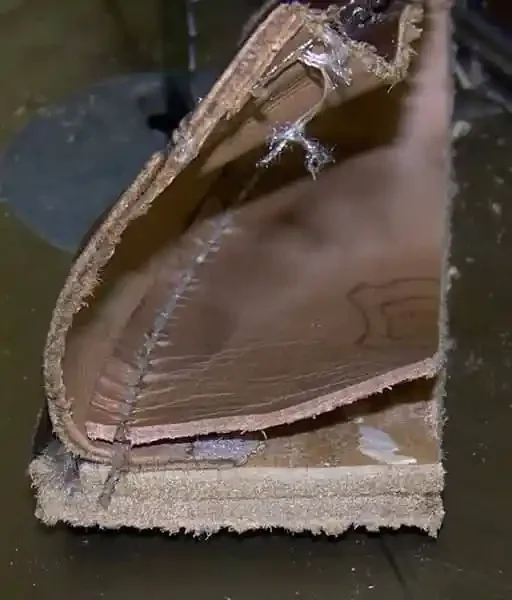
But there is a big catch with this style. The stitch goes all the way through. It creates a direct path from the ground to your foot. If you step in a puddle, water will follow the thread. Your socks will get wet in seconds. This is why Blake boots are bad for the outdoors. They are not built for rain or mud. They are built for fancy offices and paved streets. If you live in a place like Thailand, these boots are a nightmare. The rain here would ruin them in one afternoon.
A Blake stitch boot is totally resolable and repairable, but you might have a hard time finding a cobbler to do it. You need a special Blake machine to resole them. Not every shop has one. Most small-town cobblers only have standard gear. If the holes in the leather get too big, you can’t sew them again. The leather gets weak after a few rounds of repairs. It’s worlds better than glue, but it is not a forever boot. It is a "look at me" boot. It’s for the guy who wants to look sharp but stays inside when it clouds over.
At Naang, we think boots should handle a bit of grit. We like to explore old buildings and ride through the dirt. A Blake stitch boot is too dainty for that. It lacks the heavy-duty feel of a real work boot. The sole is usually thin because there are fewer layers. This means you feel every pebble on the road. After an hour of walking, your feet will feel tired. There is no room for a thick leather insole or a foot bed.
We focus on foot health with our anatomical lasts. A Blake stitch often forces a very narrow shape. It squeezes your toes together to look classy. This is how you get bunions and foot pain. Your feet need room to spread out. They need to function like feet, not like toothpicks. The Blake style cares more about the silhouette than the human inside. We choose to build boots that fit the way you are actually made. We want you to be able to walk all day without a single complaint.
Goodyear Welt: The Mass Production Standard
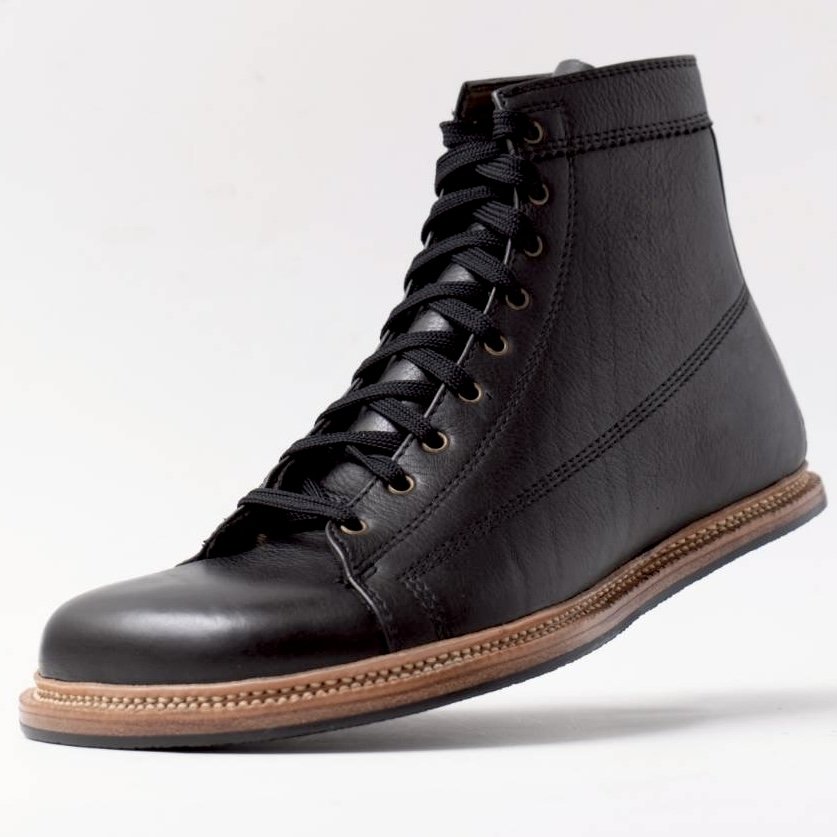
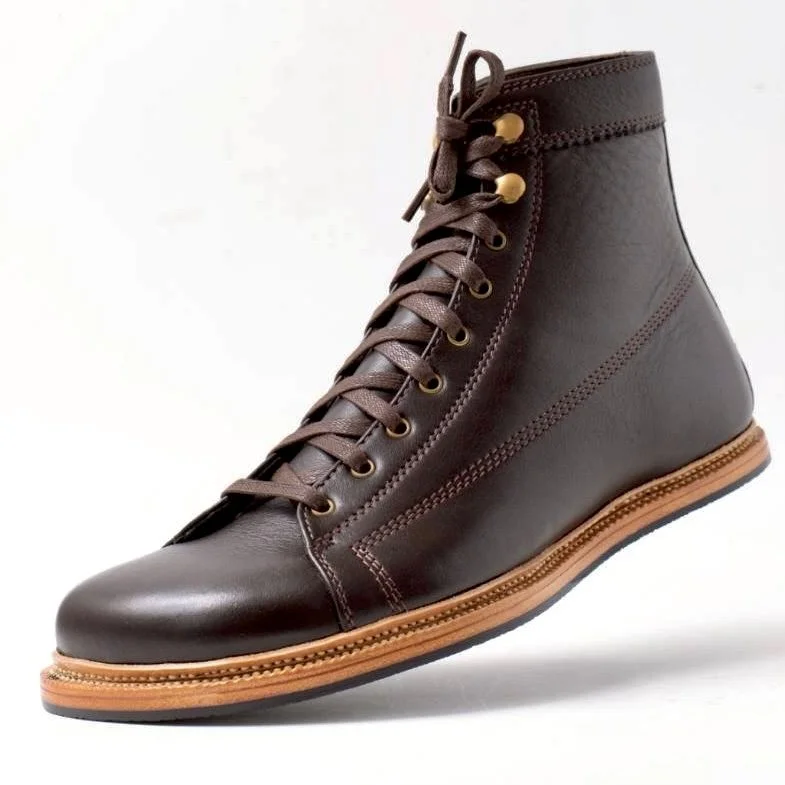
You have probably heard of the Goodyear Welt. It is the gold standard for most entry-level brands. It uses a machine to sew a strip of leather around the edge of the boot. This strip is called a welt. The machine sews the welt to the upper and a rib on the insole. Then it sews the outsole to that same welt. This creates a solid, water-resistant bond. It is a very clever way to build a boot. It makes resoling very easy for any cobbler.
The Goodyear Welt changed the world of shoes. It allowed factories to make tough boots very fast. It is much better than a Blake stitch. It keeps your feet drier because the holes do not go straight through. Most people think this is the best you can get. It is like the big rock bands of the 90s. They are good, they are solid, and they get the job done. But they are still part of a big machine. There are some hidden flaws in this method.
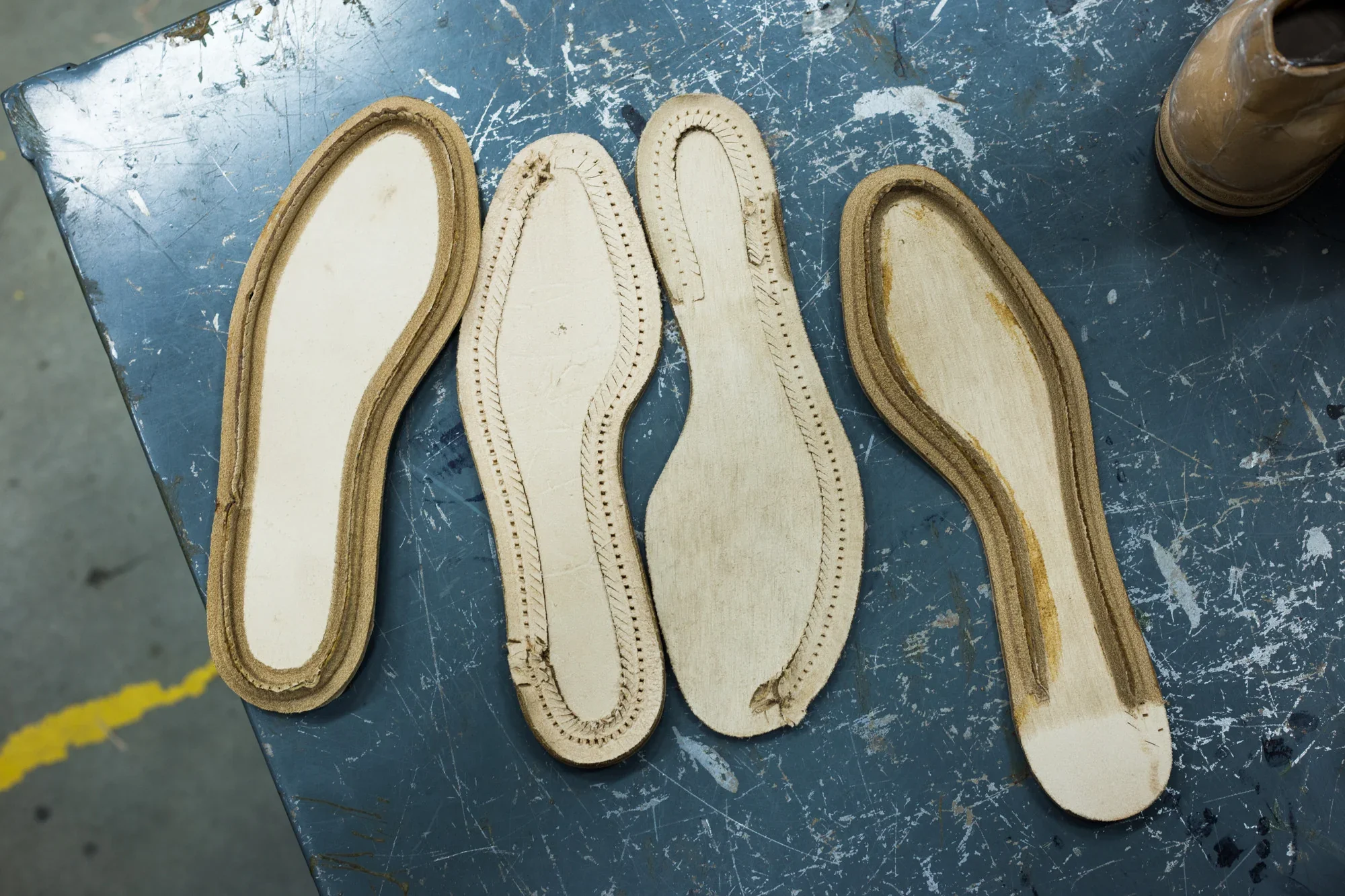
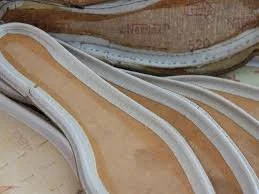
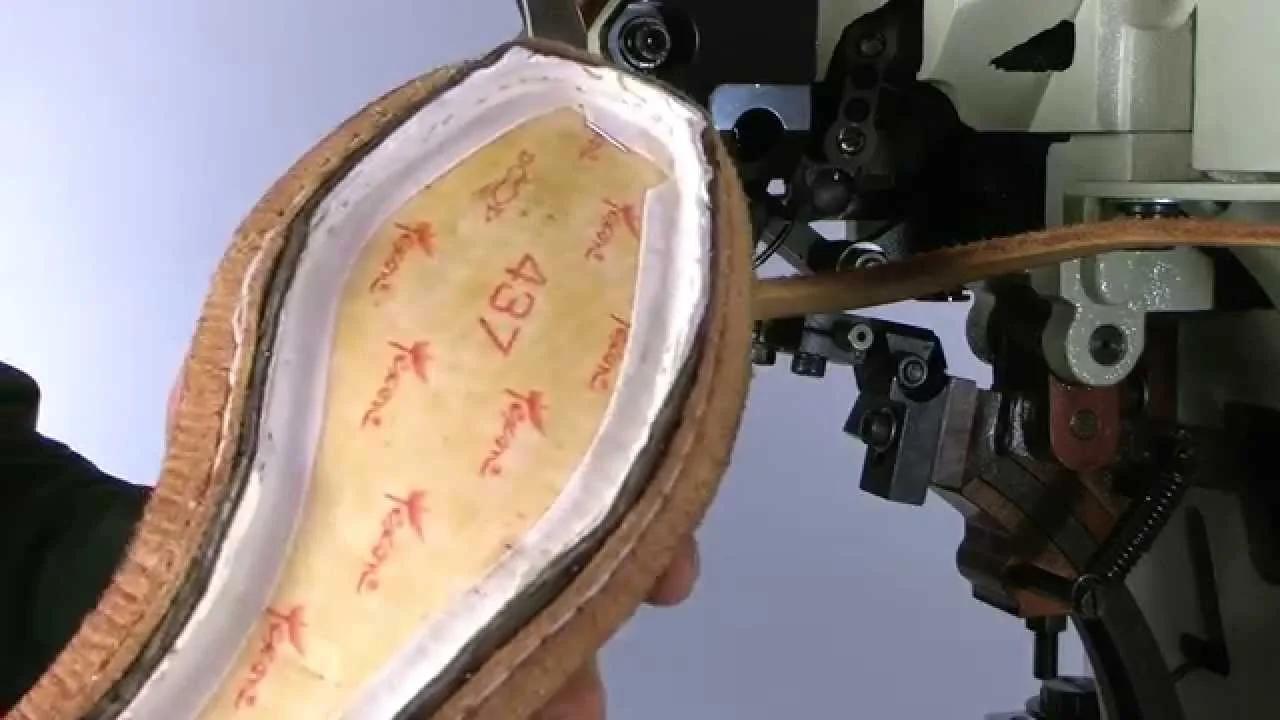
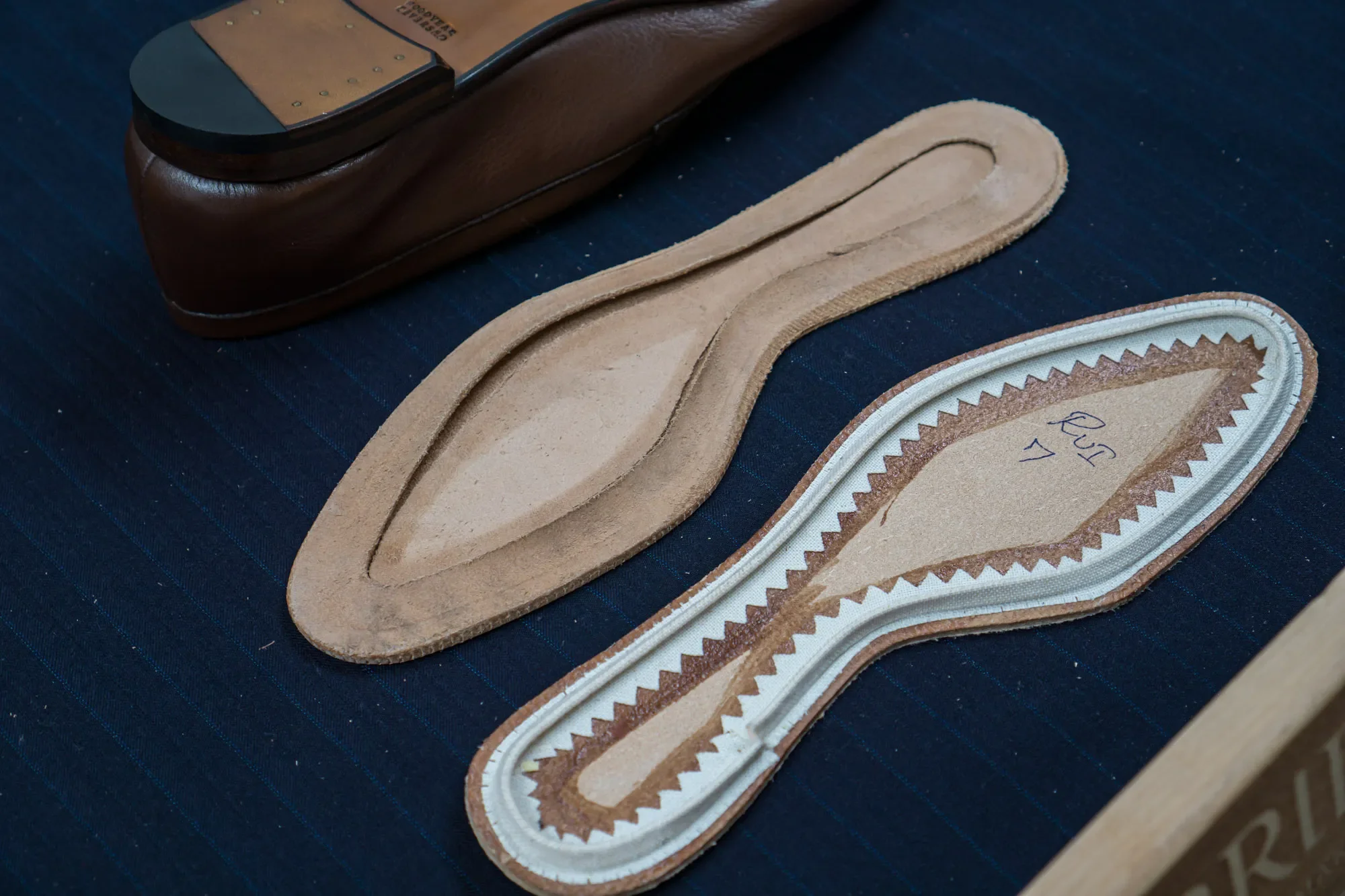
The biggest flaw is the gemming. This is a canvas rib that is glued to the leather insole. The machine needs this rib to have something to stitch into. This means your "all-leather" boot actually relies on a strip of fabric and glue. If that glue gets wet or old, the rib can pull away. If the rib fails, the whole boot falls apart. You can't just sew it back. It is a hidden weak point that most brands never talk about. They want you to think it is a tank.
Goodyear welted boots are also very stiff at first. They take a long time to break in. This is because the gemming can be very rigid. That’s not always a bad thing, good boots should have a period of break in. Another good thing that most Goodyear Welted boots do is to add a layer of cork paste in the void left by the canvas rib. This cork will mold to your foots shape over time, becoming more comfortable. However, the cork will eventually break down and lose that shape and will need to be replaced when you get the boot resoled.
At Naang, we respect the history of this style. But we want more. We do not want hidden glue or canvas ribs. We want a boot that is leather all the way through. We want a boot that bends with your foot from day one. The Goodyear Welt is a great industry tool. It is good for mass production. But we are not a big factory. We are a small workshop. We prefer the old ways simply because we think they produce a better boot.
Our Newest Article
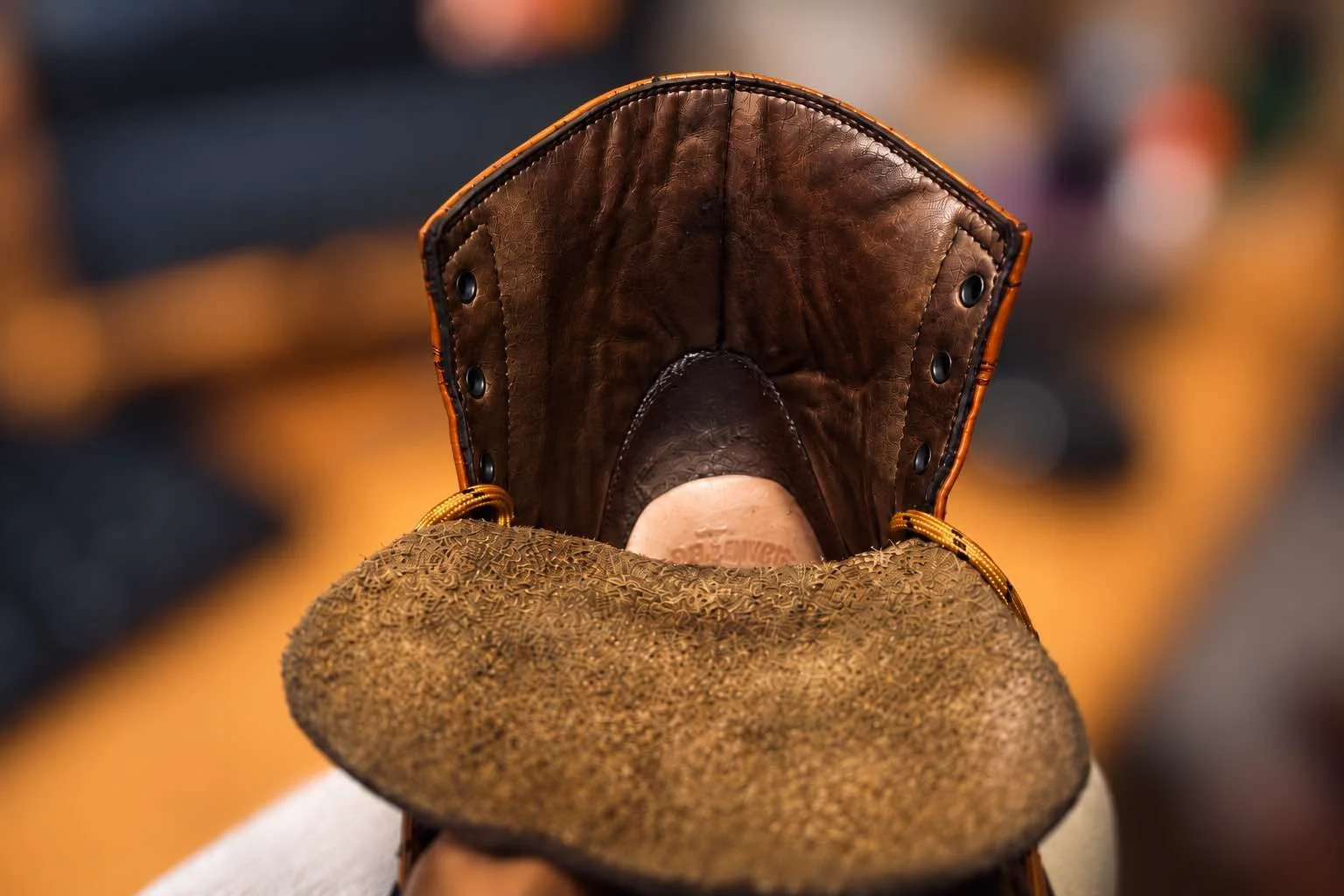
Hand-Welted: The Naang Way
This is how we do things at Naang. Hand-welting, for us, it’s the king of boot construction. It is the most hands on way to build a boot. Very few brands do it because it takes a long time. It requires a master craftsman with very strong hands. There are no machines used in this part of the process. We do it all in our workshop in Thailand. We use an awl, a needle, and thick waxed thread. This is the way boots were made before the industrial age.
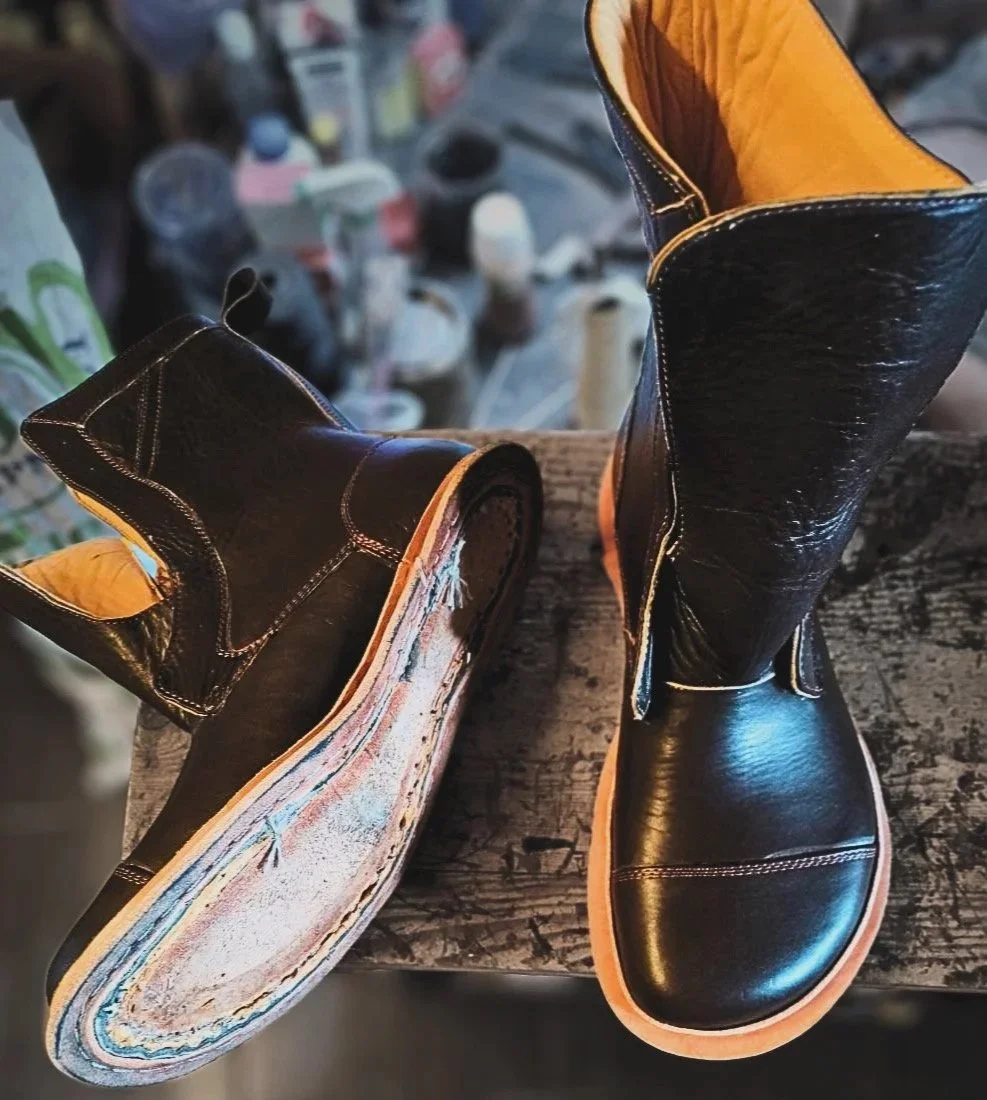
We start with a very thick leather insole. We don’t use a canvas rib. Instead, our makers carve a ridge directly into the leather. This ridge is called a holdfast. We then stitch the welt and the upper directly to this leather ridge. It is leather sewn to leather. There is no glue to fail. There is no fabric to rip. It is the strongest bond you can create. It makes the boot incredibly tough and very flexible. In fact, in Naang Boots we only use a 360 degree welt to ensure our boots handle whatever you throw at them.
Because we do not use a canvas rib, the boot sits closer to the ground. It feels more natural when you walk. The leather insole will mold to your foot over time. It becomes a custom map of your stride. This is where our anatomical last really wins. We build the boot to follow the real shape of a human foot. We give your toes room to move. It is a total focus on how your body actually works.
Hand-welting also allows for a better repair. A cobbler can sew a new sole onto the welt forever. You are not damaging the upper when you change the sole. These boots can last for twenty or thirty years. They are an investment in your future. You buy them once and you take care of them. They become like an old friend. They have a soul that a machine-made boot just can’t match. You can feel the work that went into every stitch.
This method is slow. One person can only make a few pairs a week. But we do not care about being the biggest brand. We care about being the best. We want to give you a boot that handles a motorcycle trip or a mountain hike. We want a boot that looks great at a bar but works hard in the dirt. Hand-welting is the only way to get that mix. It is the ultimate choice for the person who hates shortcuts. It’s the Naang way.
Stitchdown: The PNW Work Boot Standard
Stitchdown construction is the rugged cousin of the welt. It is a very old style used by explorers and soldiers. In this method, we flare the upper leather outward. We do not tuck it under the insole. We then stitch that flared leather directly to a midsole or the outsole. You can see the stitches on the outside of the boot. It creates a very wide and stable look. It is the big tires version of a boot.
This style is great for keeping stuff out of your boots. Because the leather flares out, it acts like a roof. Rain and dirt hit the leather and slide off to the side. They do not get trapped in the seams. This makes stitchdown boots very popular for loggers and wild land firefighters. They are built for the mud and the muck. If you are working for days on end in the pacific northwest back country then this style is a great choice.
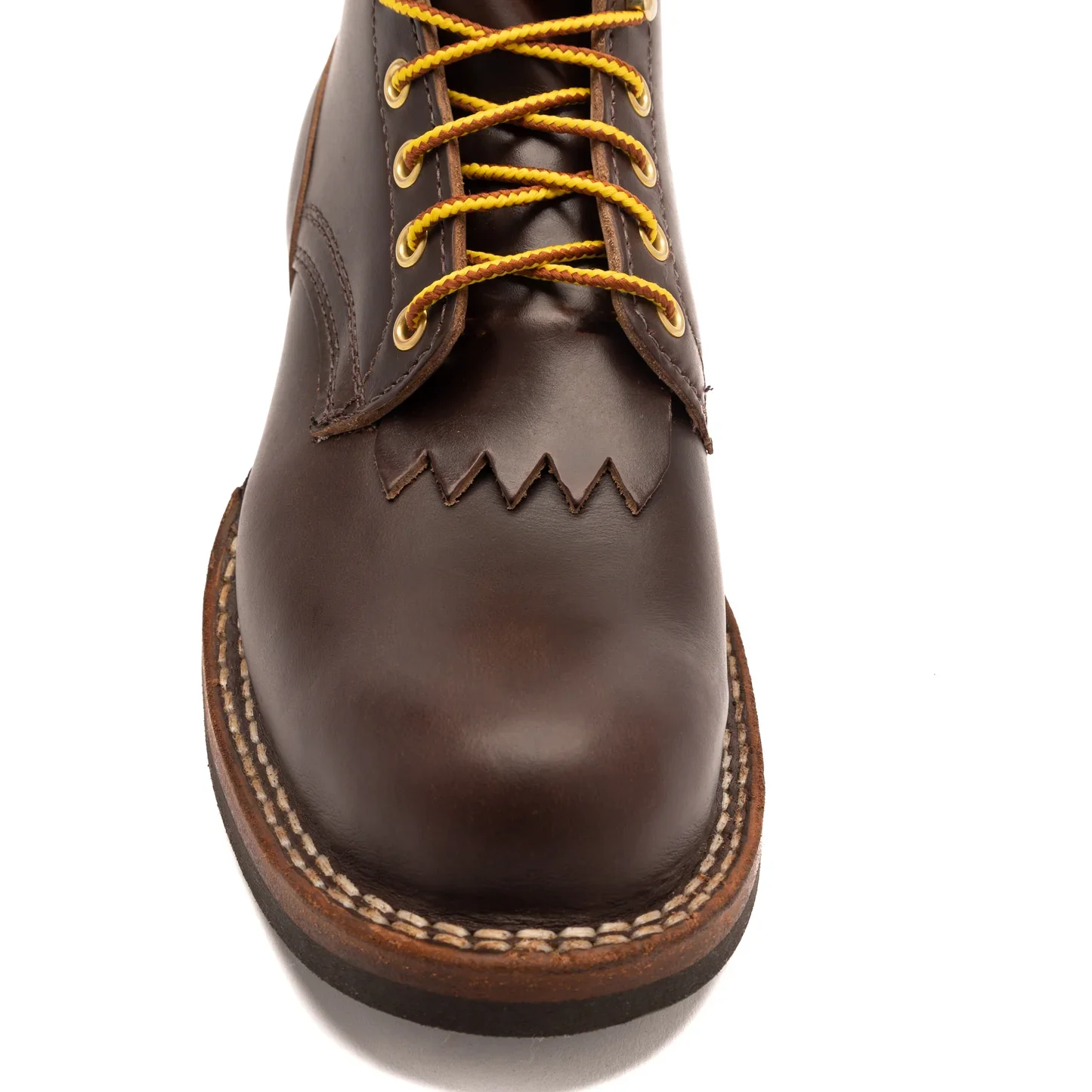
Stitchdown boots are almost always going to be heavy duty, because they require a very thick and strong leather for that style of construction to work. So, if you get a pair of stitchdown boots you can rest assured that they the uppers are going to stand the test of time. The downside to that heavy duty upper is that it will take a while to break in, but just like with any quality boot, that isn’t a bad thing.
But stitchdown has some downsides. It looks very chunky. Some people find the wide edge too big for city wear. It can also harder to resole than a welted boot. The cobbler has to be very careful not to ruin the upper leather. Once the edge of the leather is gone, the boot is done. It is tough, but it has a limit. It is a tool for a specific job.
While we love the toughness of Stitchdown, we find that Hand-Welting with out 360 degree storm welt makes our Naang Boots just as tough it also allows us to maintain that classic heritage silhouette while offering superior internal support and versatility. We want you to be able to hike a mountain and walk into a dive bar without looking like you’re wearing bricks on your feet.
My Final Thought
Ready to Upgrade Your Footwear Game?
Now you know how the sausage is made. Most boots you see in stores are just fake. Cemented boots are total trash. They have no place on your shoe rack. Don’t waste a dime on them. They will just end up in a bin.
Blake stitch boots are fine for a fancy night out. They have a sleek look that works with a suit. Just don’t expect them to last in a storm. They aren’t built for the mud or for riding. Think carpet, not trail.
A Goodyear welt is a decent choice for a mass-made boot. It’s easy to fix at most shops. But that hidden canvas rib is a weak point. It’s a machine-made shortcut that can fail you. We think you can do much better.
Stitchdown boots are built like tanks for the backcountry. They offer a very wide and stable base for your feet. They are tough as nails in the dirt. Just know they can be hard to have resoled when they need it, not impossible, just difficult to find a cobbler who can do it.
Hand-welted boots are the gold standard. They are rugged and very strong. We use solid leather to hold everything together. There is no cheap cloth ribs. You can resole them for decades. They are a true investment in your foot health.
Your boots construction method is just part of the story, if you want to take a deeper dive check out our Complete Guide to Handmade Boots
We build our boots this way in Thailand because we care. We use a shape that fits your real foot. We want you to have gear that never quits on you. Stop settling for cheap gear that breaks. Check out our boots. Your feet will thank you for the rest of your life.
What to Read Next

All Boots Are Made-To-Order. Current Lead Time: 60-90 Days.
The Winnfield is built to walk the earth. This limited edition pairs red goat leather with our anatomical toe box and lace-to-toe design, giving your toes room to spread and letting you adjust the fit across your forefoot.
Built with 360° hand-welted construction and a full leather lining, these 6-inch boots are available with a zero-drop sole or minimal heel.
Upper: Limited edition red goat leather
Construction: 360° hand-welted
Lacing: Lace-to-toe for adjustable forefoot fit
Shaft height: 6 inches
Fit: Anatomical toe box
Last Options: Zero drop or minimal heel
Lining: Full leather lining
Not sure about your size? Check our Sizing Guide. Or Contact Us.
Worldwide shipping available.