The Complete Guide to Buying Handmade Boots
If you’re thinking about investing in a pair of handmade leather boots, this guide will walk you through the things that actually matter: construction, leather quality, fit, boot lasts, durability, and the mistakes people make when buying boots.
Because when you understand how boots work, choosing the right pair becomes a whole lot easier.
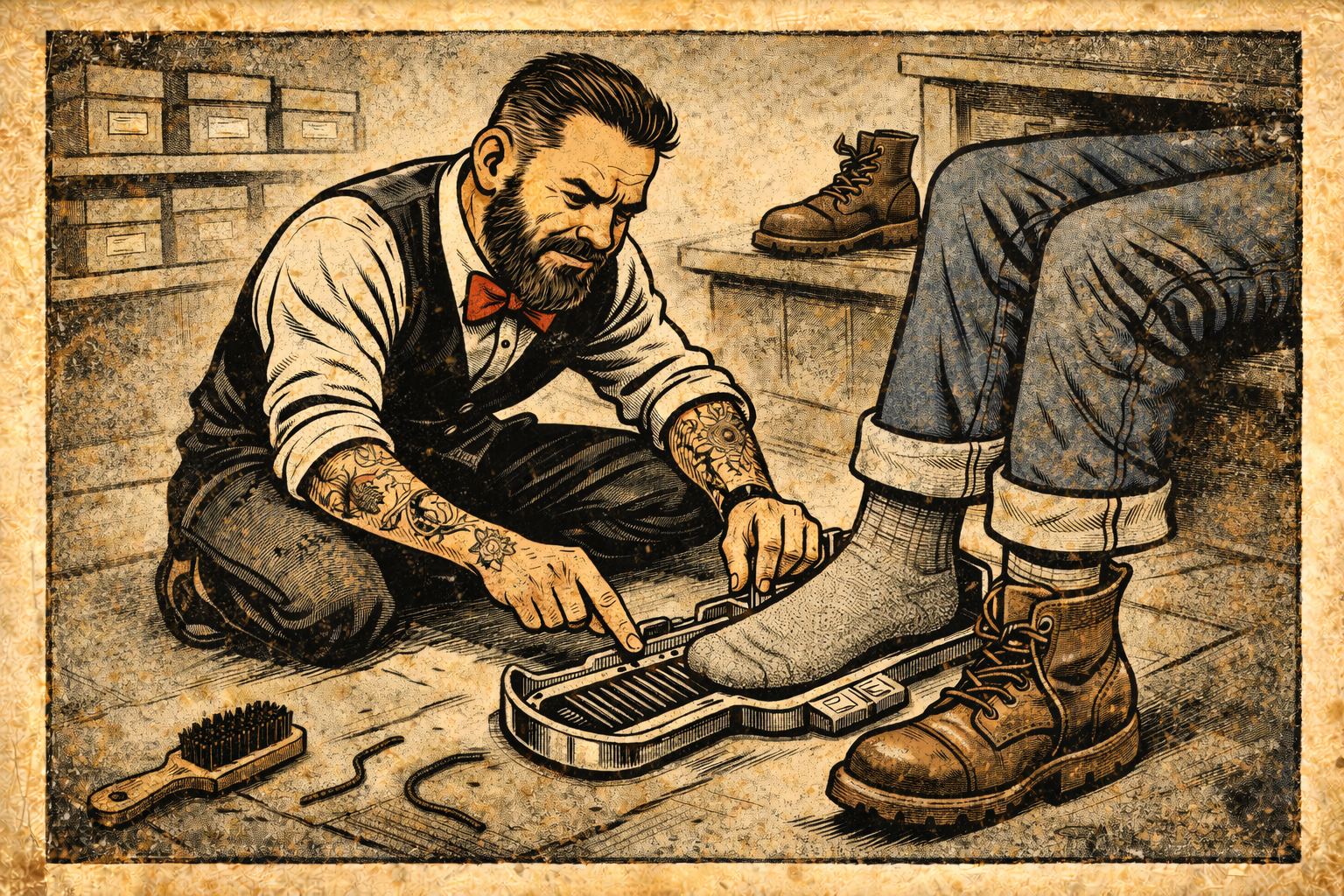
Sizing Systems vs Real Fit: What Matters in Boots
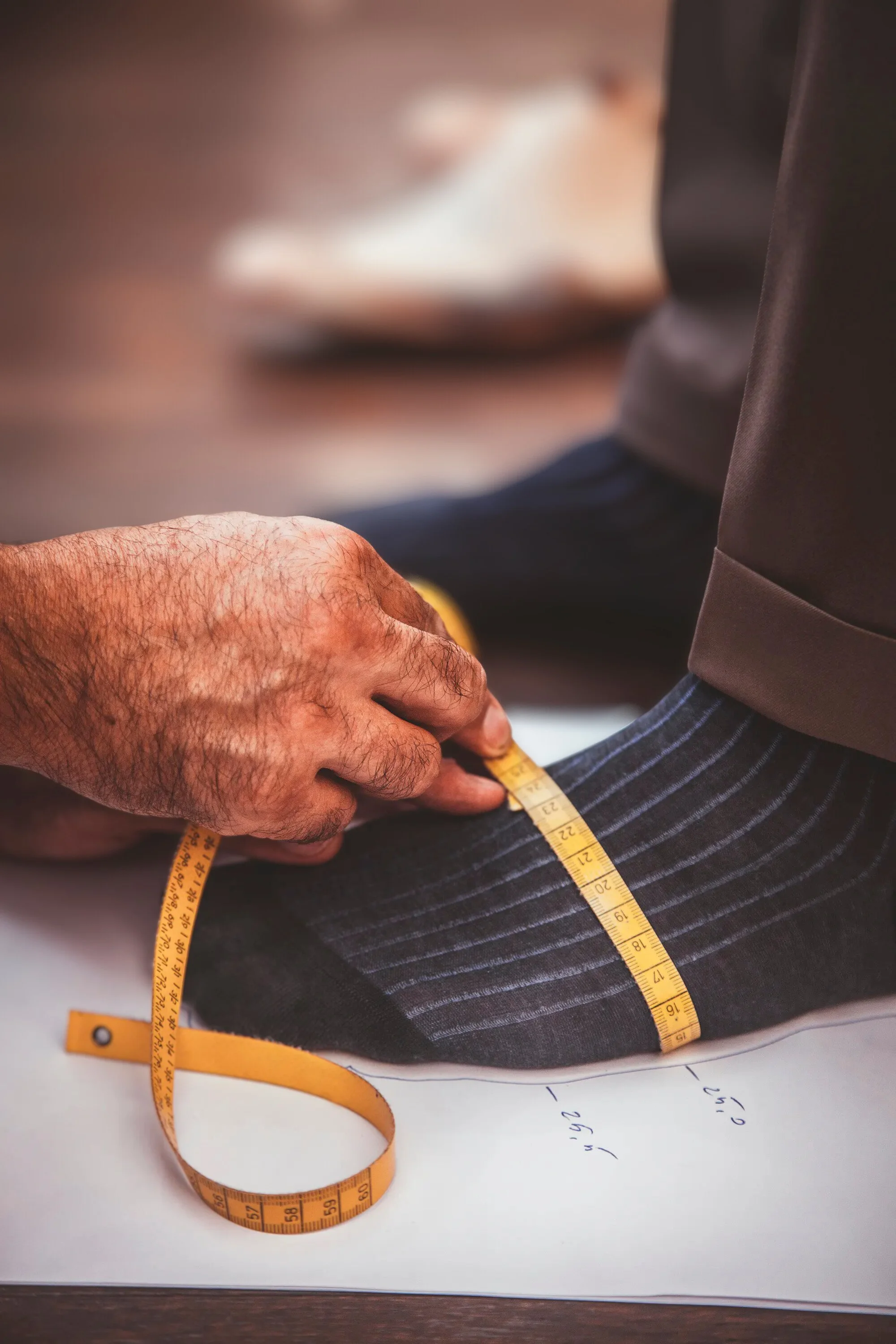
Shoe sizing isn’t universal. It’s three major systems (US, UK, EU), plus brand-specific quirks stacked on top. So when someone says “I’m a size 10,” what they really mean is: “I’m a 10 in the one brand I’ve been buying since 2008.”
This post breaks down what each system is, how they differ, where they’re used, how width works in each, and how to convert between them without treating a chart like it’s scripture.
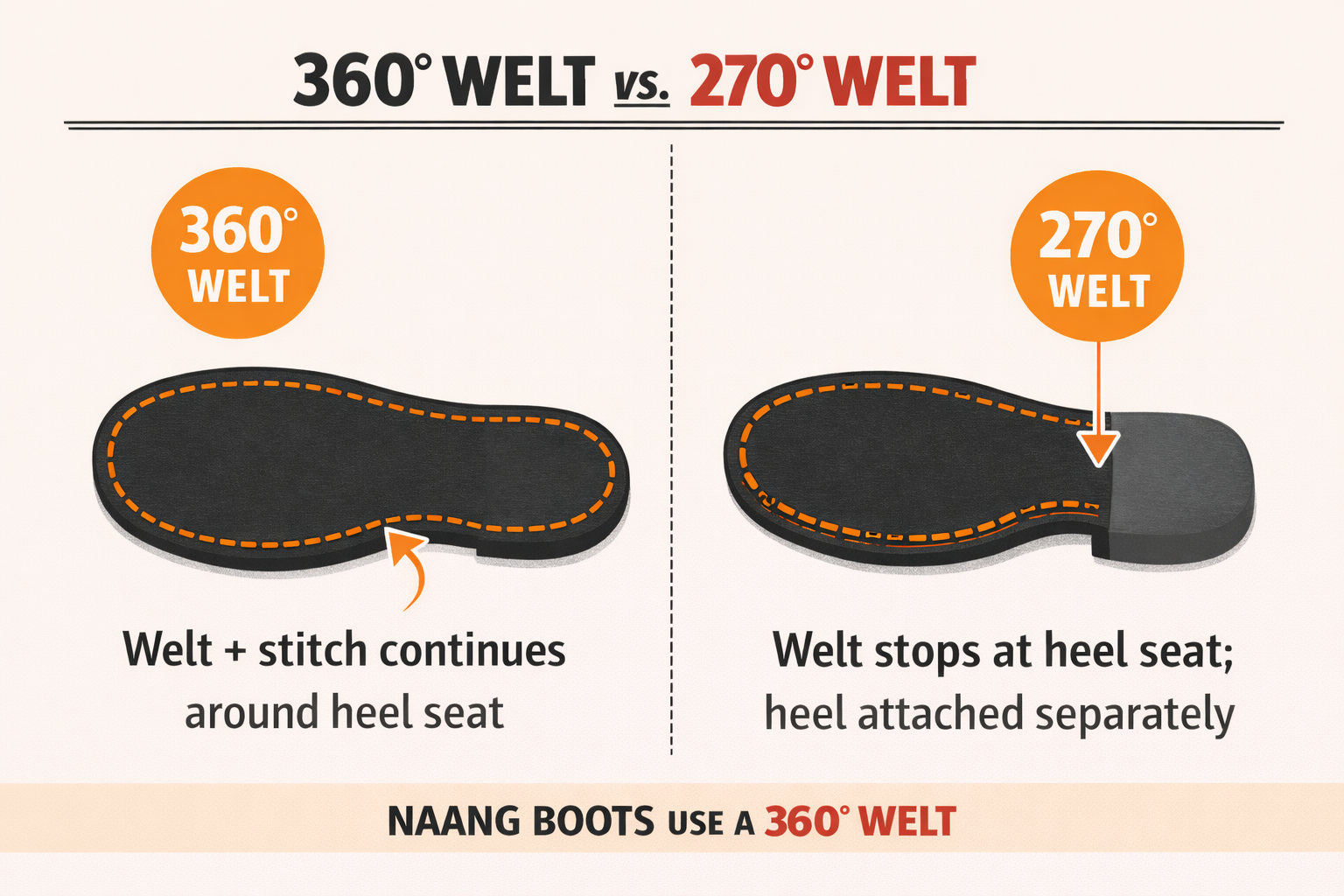
270° vs. 360° Welt: What’s the Difference, and Why It Matters
A welt is that strip of leather that joins your boot’s upper to the sole. It adds structure, keeps water from creeping in through the cracks, and, maybe most importantly, makes your boots rebuildable for the long haul.
Any boot with a proper welt is already ahead of the game. But there’s one detail that separates weekend boots from the real deal:
270° vs. 360° welts.
It might sound like something only hardcore boot nerds obsess over. But if you ride, hike, wrench, or actually live in your boots, it matters more than you think.

Naang Boots: Born From the Ground Up
For as long as I can remember, boots have been the one piece of gear that never let me down — or, when they did, I remembered it. Hiking, mountaineering, camping, motorcycling... all better done in the right boot. I spent years figuring out what that meant — what kind of sole made sense, how a boot needed to break in, how it had to hold up when things got rough.
Some of that came from experience. A lot came from trial and error.

Thailand’s Bootmaking History
Bootmaking in Thailand has a rich history that intertwines with the broader narrative of the country's development, influenced by cultural exchanges and evolving demands. This might seem odd since the actual wearing of shoes was not widespread until the 1930s.