Leather Vs Cork Boot Filler: Which is Better
Is cork or leather better for your boot soles? We look at why Naang Boots uses leather for gear that actually lasts.
Most guys never look under the hood of their boots. You check the tread. You look at the leather. But there is a secret layer between your foot and the ground. It is called the sole filler.
If you buy handmade boots, you usually find two things inside: cork or leather. This choice changes how your boots feel under foot over the years.
Let’s dive in.
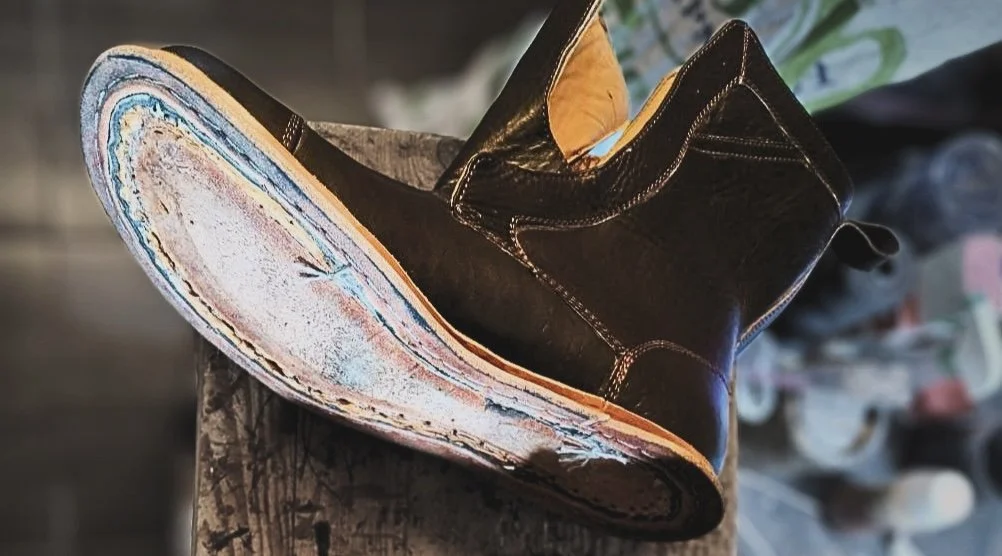
This is the cavity of the boot that gets filled with either leather or cork.
Table of Contents
What is a Sole Filler?
When we stitch a boot together, it leaves a small gap inside the sole. We have to fill that space. It keeps the boot strong. It also helps with comfort and keeps your feet warm.
When you are buying quality boots you will likely have one of two materials in there, cork or leather. And let’s be clear, these are both great materials that you are going to find in quality boots. Both great, but not equal, and that’s what are are looking at today.
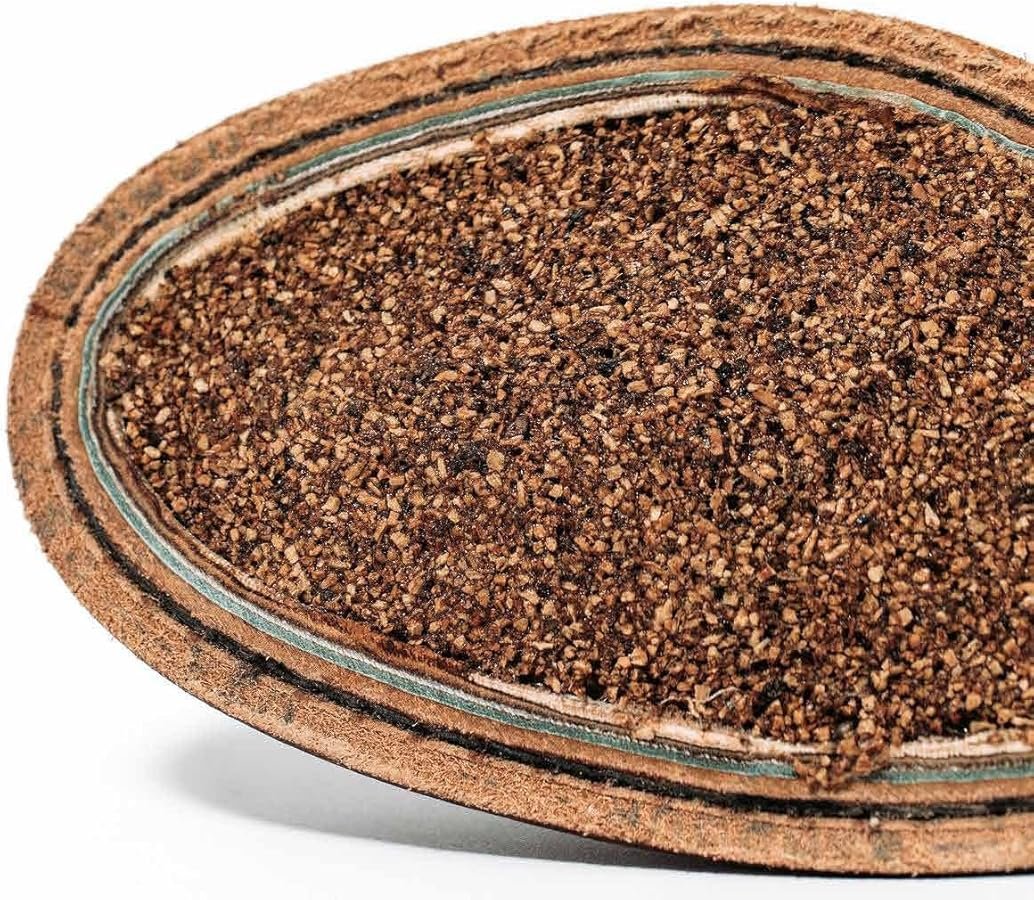
Cork Fillers: The Fast Way
Cork is the industry standard for mass-produced boots. Most big names love it. Why? Because it’s easy. Makers take ground-up cork and mix it with glues. They smear this paste into the boot cavity like peanut butter. It’s fast. It’is cheap. It helps them churn out thousands of boots. But fast and cheap usually comes with a catch.
The Good
Easy Break-in:
It molds to your foot fast. Wear them a few times and that cork has already molded to your foot
Light:
Cork is mostly air. It keeps the boot light, which feels, especially if you are just walking around the office in your boots.
Cheap:
It lowers the cost for the factory. That should mean a lower price tag for you.
The Bad
It Crumbles:
Heat, weight, and sweat are the enemies of cork. Over time, it cracks and turns into powder.
Short Life:
It often falls apart when you get a resole. You have to scrape it out and start over.
Break it in again:
When you get your boots resoled and that scrape out that old cork and pack in some new goo, you have to break it in all over again to get that new cork to mold to your feet. It’s not the end of the world, but it’s why should you have to break them in a second time.
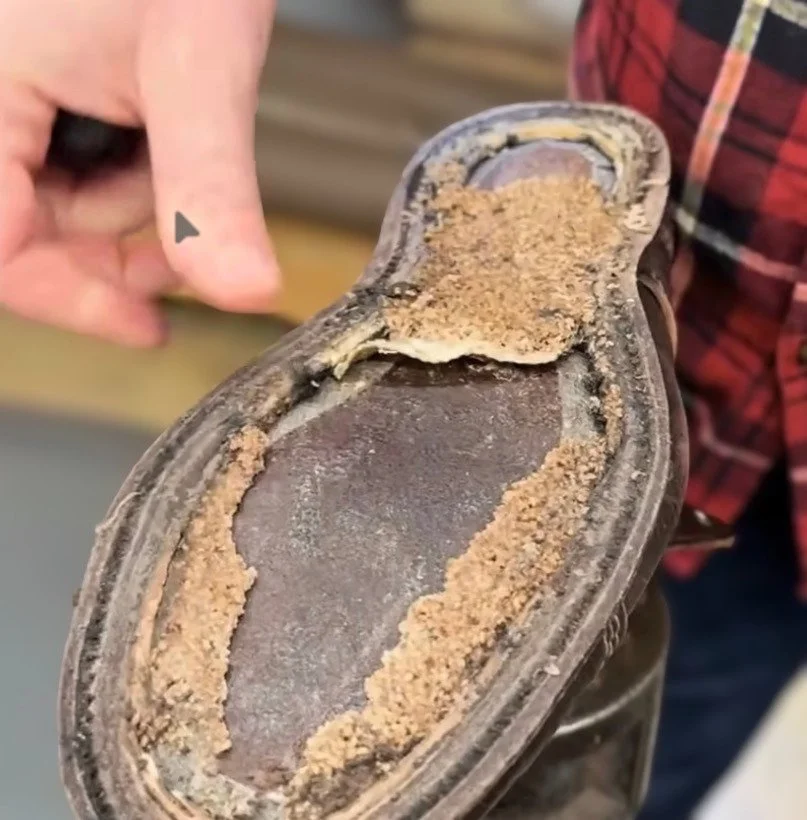
Dried out cork being removed from a boot during a resole.
Why the Big Brands Love the Shortcut
In the world of fast fashion, now is better than later, and unfortunately, even when you are making high quality boots, if you are doing it at mass scale you have play that game as well. Cork helps them do that. it breaks in quick. It gives you that instant win. But after a year of hard riding or hiking, that soft feel turns into a clumpy mess. The support vanishes. Your foot starts to feel the ground in all the wrong ways.
The Glue Problem
When we talk about cork fillers, we are rarely talking about pure cork. To make it spreadable, factories use binders. These are often rubber-based glues or latex. These binders don't breathe. They trap heat. If you have ever had swamp foot after a long day in the sun, your cork filler might be the reason. It acts like a plastic seal under your foot. It keeps the moisture in. That is bad for your skin and bad for the boot.
Compression is a Trap
Cork feels like memory foam at first. It takes the shape of your foot quickly. That sounds great, right? Wrong. Once cork compresses, it just starts to break down. Eventually, it squishes so thin that your foot is basically hitting the hard outsole. You lose the shock absorption you paid for. You get that broken in feeling quick, but it doesn’t last long and that cork needs to get replaced to get that feeling back.
The Resole Headache
A good boot should be easy to fix. But when a cobbler cuts the stitches on your welt, and pulls off the old sole, the cork often pours out like dry cereal. It makes a mess. It means the heart of your boot has to be rebuilt every time you wear out the tread. If you want a boot that grows with you, cork is a bad partner. It’s a temporary fix for what should be a long term tool.
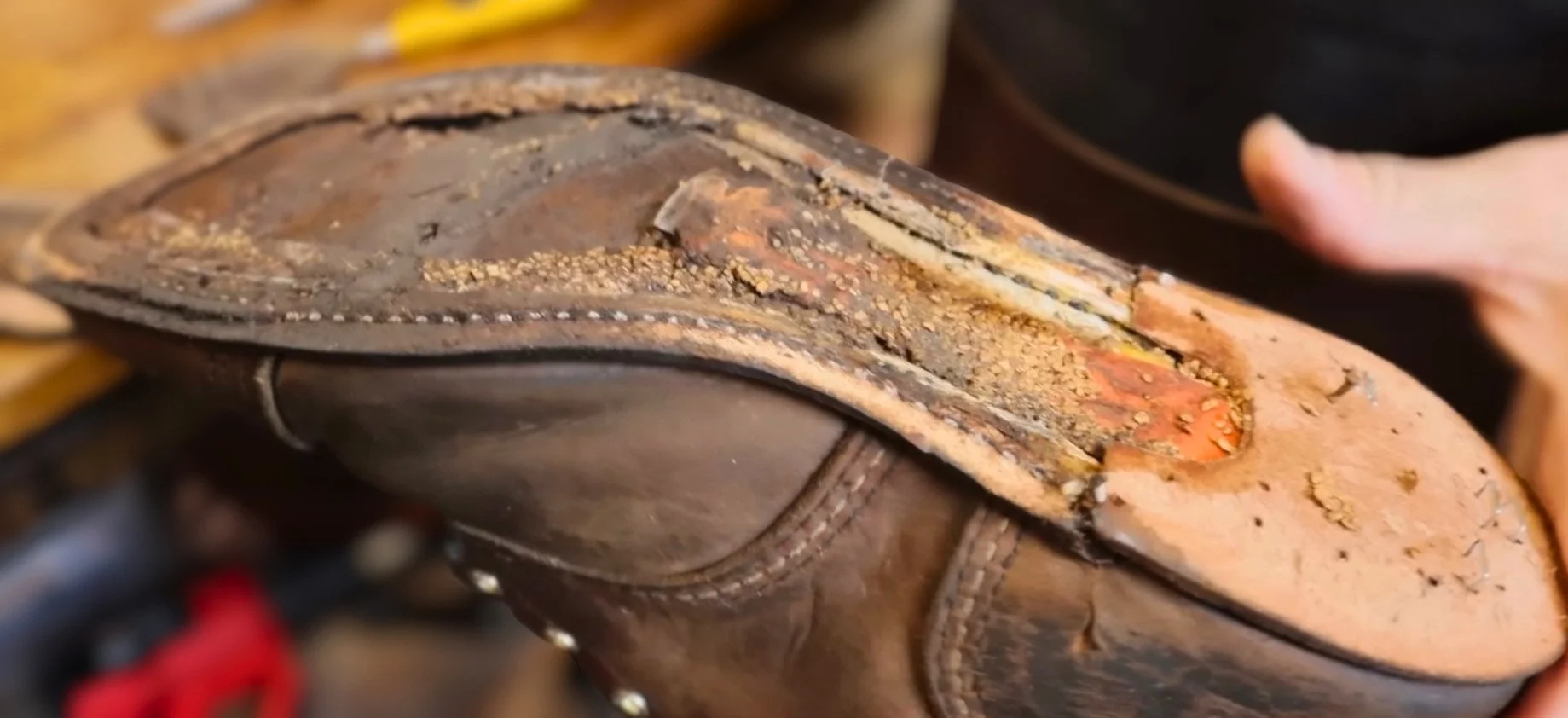
A boot being resoled and having its dried and rotted cork removed.
The Bottom Line on Cork
Cork has its place. If you want a lightweight boot for casual city walks, it works fine. But if you are an urban explorer or a gear head, fine isn't enough. You need gear that doesn't have an expiration date.
Cork is like a cheap sofa. It feels great at first, but it won't last the decade.
Don't be fooled by the instant comfort trap. A boot that feels like a sneaker on day one will likely end up in the trash by year three. We think you deserve better than glue and wood scraps under your feet.
Leather Fillers: The Naang Way
We don’t do fast. We use thick, vegetable-tanned leather under your foot. We cut every piece by hand. We fit every piece by hand filling the gap inside the welt and over the shank. It takes a long time, but we don't care. We make boots for the long haul. Most brands think this is overkill. We think it’s the only way to build gear.
The Good
Tough as Nails:
Leather stays solid for decades. It won’t rot or turn to powder like cheap foam.
Breathable:
Leather is skin. It has pores. It lets your feet breathe better than glue and cork.
Solid Support:
It gives your arch gental support that won't sag. It keeps its shape for years of hard use.
Built to Resole:
You can swap outsoles many times. The leather filler stays put and stays strong.
The Bad
Stiff at First:
You will need to wear them in. These aren't slippers. Use thick socks and be patient.
Heavy:
These feel like real boots. There is a bit of heft, but that is the price of quality.
Pricey:
Good leather costs more than scrap wood and glue. They take longer to build. You get what you pay for.
Why Naang Goes All-Leather
We don't cut corners. We build rugged gear in Thailand for people who actually go outside. We don't make mall shoes. We make tools for your feet. Here is why we choose leather every time:
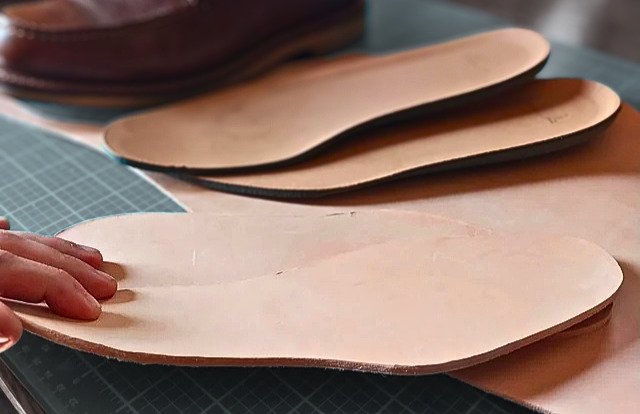
Veg Tan Insoles and sole fillers that are used on handmade boots
We Build for Life
Most boots today are made to be thrown away. They look good for a month, then the insides fail. Cork turns to dust. Glue peels. Leather doesn't do that. When you buy Naang, you are buying a boot that can outlast you. Our boots are meant to be passed down. That only works if the boots are made of quality materials by skilled hands.
Real Foot Health
We use an anatomical boot last. That is just a fancy way of saying our boots are shaped like real feet and the way we build them lets your foot move how it’s supposed to. This lets your toes spread out. Most boots squeeze your feet into a point. That hurts. A leather filler supports this natural movement. It doesn't squish flat or lose its form. It molds to your specific footprint over time. It creates a custom fit that feels like a second skin.
Better for Riders and Hikers
If you are on a bike or a mountain, you need a stable base. You don't want your foot sliding around inside the boot. Cork can shift and compress under pressure. Leather gives you a firm, flat platform. It won't shift when things get rough. Whether you are kicking a starter or climbing a rock, you need a solid foundation. Leather provides that.
The Thailand Edge
Our workshop in Thailand uses old-world skills. We use hand-welted construction. This means we work the leather filler directly into the build. You can't do this with a machine. It takes a master craftsman to get it right. This process makes the boot tougher and more flexible. It is a slow way to work, but it is the right way.
My Final Thought
Both cork and leather fillers mean you bought a quality, real boot. The big question is how long they stay good.
Cork molds to your feet fast. It feels nice after a few wears. But cork breaks down over time. It eventually turns to dust and loses its shape. When you resole your boots, that cork gets tossed. You have to start the break-in process all over again. That sucks.
Leather fillers take more work. They won't mold to your feet in a single weekend. You have to earn that custom fit. But once that veg-tan leather shapes to you, it stays put. It won't rot, crumble, or quit on you. When you swap your soles, the guts of the boot stay the same. It’s a one-time deal for a lifetime of comfort.
The choice is yours. Do you want a quick win or a boot built for the long haul? Grab a pair of Naang Boots and feel the difference for yourself.